Sacred Monuments in Spain
A guide to 2038 Sacred Monuments in Spain — with descriptions, photos and traveler visits from the NextOnTrip community. Locations spread across 1060 cities and towns. Most visited by the community: Basilica of the Most Holy True Cross, Sant Salvador d’Artà, Iglesia y muralla del Tozal del Muro.
-
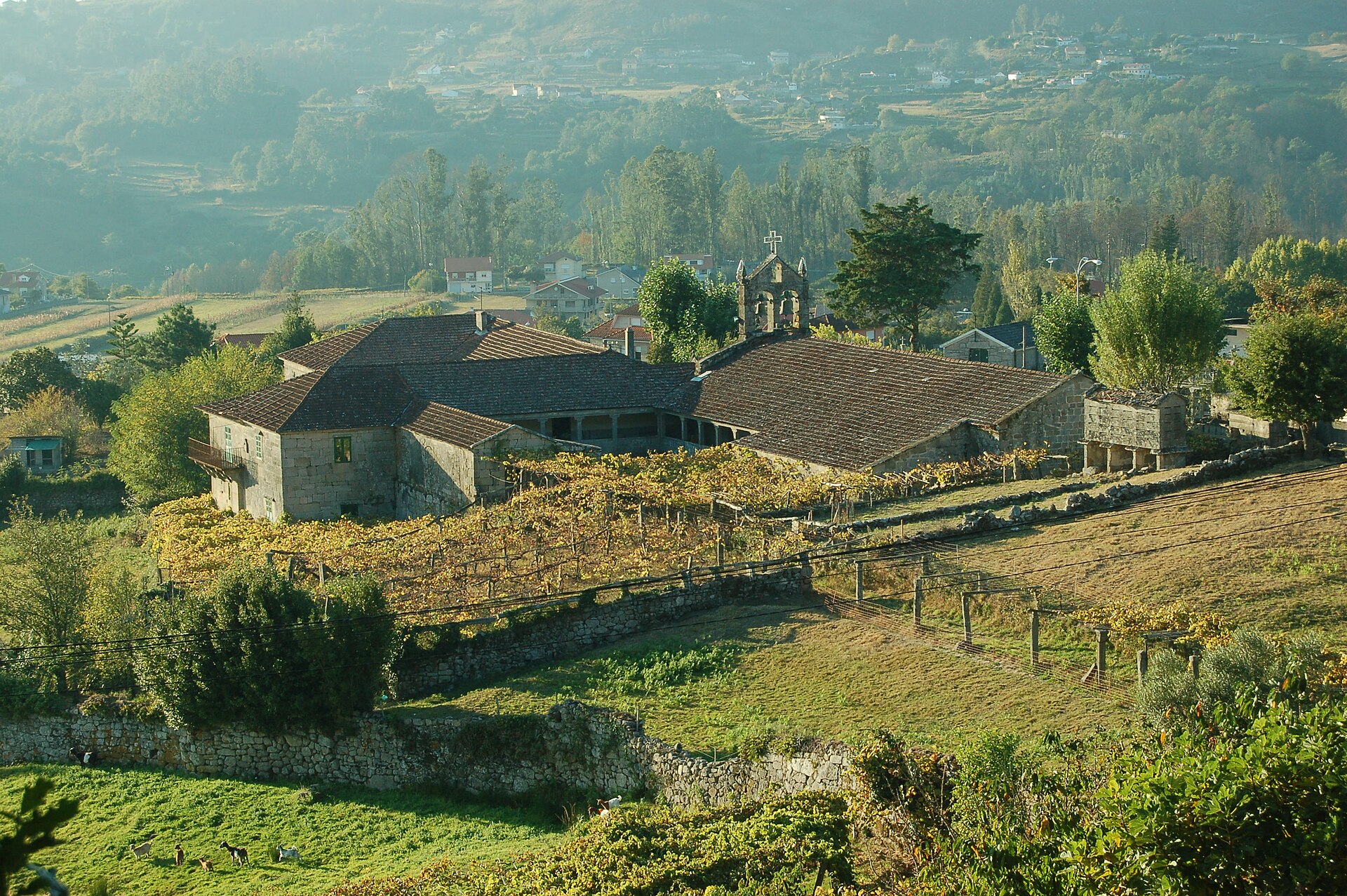
Monastery of San Pedro de Tenorio
Cerdedo Cotobade
The Monastery of San Pedro de Tenorio stands in the small village of As Covas, within the parish of Tenorio, in the municipality of Cerdedo-Cotobade in the province of Pontevedra, Galicia. Where does its history begin? Some scholars trace the first religious community on this site back to the 10th century, but the earliest surviving document that directly confirms the monastery's existence dates from 1073 and is kept in the archives of the nearby monastery of Lérez. The whole municipality of Cotobade actually takes its name from this abbey — from the Galician "coto do abade," meaning "the abbot's territory." At the height of its influence, the monastery's estates stretched across much of the valleys of the Lérez and Almofrei rivers, a sign of how central this place once was to the region's economic and spiritual life. Everything changed at the end of the 15th century, when the powerful nobleman Pedro Madruga replaced the local abbot with a monk brought in from Lérez. The resident monks refused to accept the new appointment and abandoned the buildings, marking the beginning of a long decline. The monastery suffered another blow during the Peninsular War in the early 19th century, when it served as a hideout for guerrilla fighters resisting Napoleon's troops — and was partially burned down by French forces in retaliation. Final abandonment came later that century, after the Mendizábal disentailment stripped the Church of much of its property across Spain. What can you actually see there today? The centerpiece of the complex is an 18th-century Baroque church, raised over an earlier structure that was likely Romanesque, judging by the shape of the vaulting and several blocked-up windows still visible in the walls. Next to the church stands a 16th-century cloister — a two-story, rectangular structure arranged around three wings, echoing the layout of the cloister at Lérez. At its center sits a fountain that once marked the daily rhythm of monastic life. Walking through the courtyard today, visitors feel a striking contrast between the monumental stone architecture and the quiet countryside surrounding it — decades of near-total abandonment have, somewhat paradoxically, preserved the site's raw, unpolished character. How do you get there? The monastery sits in the village of As Covas. The most convenient route is via the N-541 highway, followed by a turn onto the local EP-0406 road, which leads directly to the site. The surroundings are rural, so travelling by car is by far the most reliable way to reach this spot, which lies well off the main tourist routes. When is the best time to visit? Given its open, rural setting, spring and summer are the most rewarding seasons, when the greenery of the Lérez river valley sets off the stone walls at their best. It's worth keeping in mind that the site has been awaiting restoration for years — a private hospitality investor has already put forward a project to turn the former monastery into a wine-tourism venue, with a budget of around two million euros. Before planning a visit, it's best to check the current access status with the local Cerdedo-Cotobade authorities, since renovation work may affect what can be seen on site. Frequently asked questions What was the Monastery of San Pedro de Tenorio? A monastery whose earliest documented mention dates to 1073, with estates that once covered much of the surrounding river valleys. Where does the name of the Cotobade municipality come from? It comes directly from this monastery — from the Galician phrase meaning "the abbot's territory." What architectural features survive today? An 18th-century Baroque church built over older, likely Romanesque foundations, and a 16th-century cloister with a central fountain. Can the monastery be visited today? The site has long stood abandoned, and there are ongoing plans to convert it into a wine-tourism venue, so it's worth checking current access information with local authorities before visiting.
-
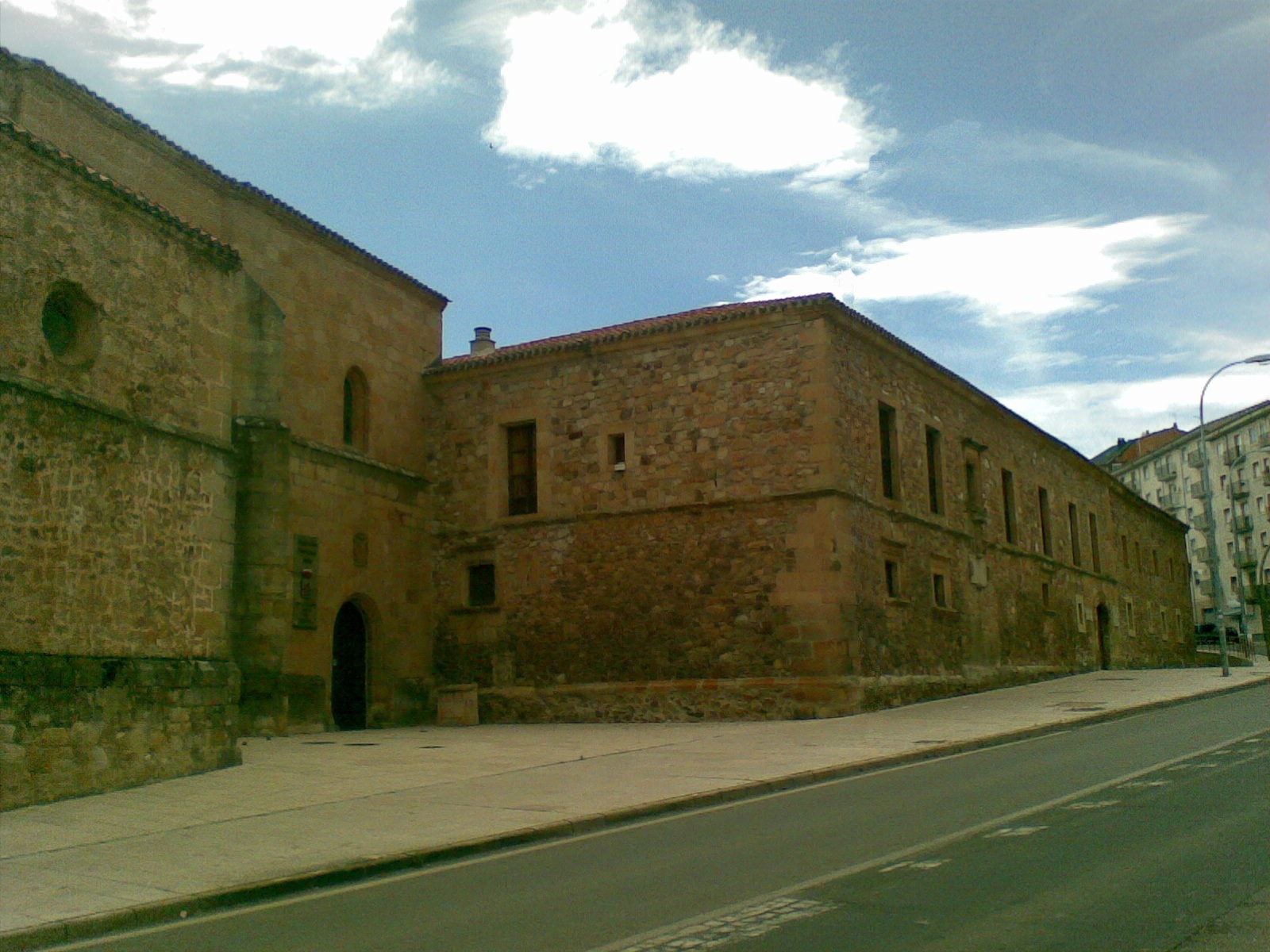
Convent of Nuestra Señora de la Merced, Soria
The Convent of Nuestra Señora de la Merced is a historic monastic complex in Soria, in the north of Spain, and one of the city's more overlooked but rewarding historical stops. How did the Mercedarian convent in Soria begin? The Mercedarian order already had a house in Soria by 1299, confirmed by a papal bull of Pope Boniface VIII. The friars themselves only settled permanently in the city around 1387, and notably without the backing of a noble family or royal patronage — an unusual position for a religious order at the time. They first took over the buildings of the Augustinian convent of Santi Spíritu, near the river. That arrangement didn't last. A fire in 1499 forced the Mercedarians out, and the canons of the collegiate church of San Pedro stepped in to shelter them — only to expel the friars without warning years later. Tensions with the canons came to a head around 1593, ending in the order's abrupt expulsion. A wealthy Soria noblewoman, Catalina de Barnuevo y Salcedo, then took the friars in at her own palace. Two years later, in 1595, the monks bought the neighboring church of San Martín de Canales, annexing it to the rest of the complex by 1597 — the arrangement that essentially shaped the convent as it stands today. What can you see at the Convent of la Merced? The heart of the complex is its Gothic convent church, the part of the building that draws the most attention from visitors interested in the religious architecture of the Soria region. The convent grew steadily in importance through the 17th century, and its history is tied to one of the great names of Spanish Golden Age theater: Fray Gabriel Téllez, better known by his pen name Tirso de Molina, served as the convent's Comendador General between 1645 and 1647. It was likely through his patronage that, a few years after his death, the Chapel of the Virgin was built. Between 1700 and 1704, the chapel was decorated with paintings by Juan Antonio Zapata — one of the most notable features to look for inside. Today the building no longer houses a religious community; it serves as the headquarters of the Fundación Duques de Soria, a cultural foundation tied to the city, keeping the historic complex in active use. How do you get to the convent? The Convent of Nuestra Señora de la Merced stands in the city of Soria, the capital of the province that shares its name. Soria has good road connections to Madrid and Zaragoza, and the city itself is compact — most of its historic sites, this convent included, are within easy walking distance of the center. Because the building now functions as a foundation's headquarters, it's worth checking locally, or with the tourist information office, on current access to the interior. Frequently Asked Questions When was the Convent of la Merced in Soria founded? The Mercedarian presence in Soria dates back to 1299, though the friars only settled in the city around 1387. The complex took the shape it has today after 1595–1597, when the community bought and annexed the church of San Martín de Canales. What is Tirso de Molina's connection to the convent? The celebrated Spanish playwright Fray Gabriel Téllez, who wrote under the name Tirso de Molina, served as the convent's Comendador General from 1645 to 1647. What can visitors see there today? The main draws are the Gothic convent church and the Chapel of the Virgin, decorated with paintings by Juan Antonio Zapata between 1700 and 1704. The building is now the headquarters of the Fundación Duques de Soria. Can you visit the convent's interior? Since the building currently serves as a foundation's headquarters, interior access for visitors can vary — it's best to confirm on-site or through Soria's local tourist information office.
-
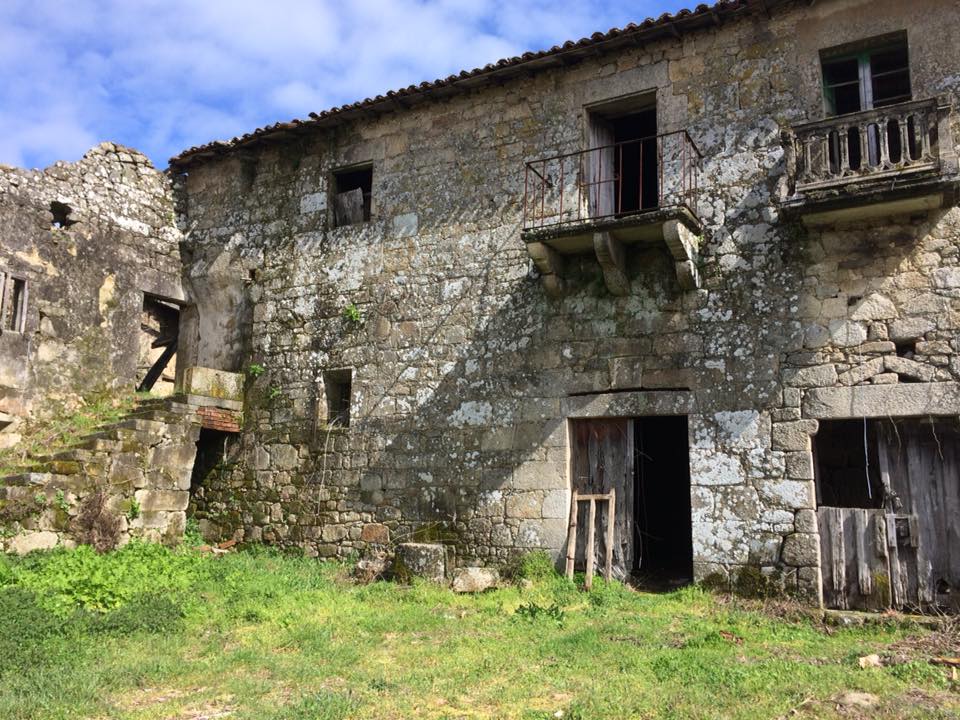
Convent of San Martiño de Pantón
O Castro de Ferreira
Convent of San Martiño de Pantón is the ruined remains of a former Dominican monastery near Ferreira, in the municipality of Pantón, province of Lugo, right in the heart of Galicia's Ribeira Sacra region. The convent was founded in 1569 in the parish of San Martiño, made possible by a donation of a manor house from a local priest, Alonso Ares. The ambition was clear: a permanent home for a religious community, surrounded by the terraced vineyards and woodlands typical of this stretch of the Miño river valley. The convent's active life, however, turned out to be brief. Financial difficulties made it hard to sustain the house, and when the Duke of Lemos offered the Dominicans a new foundation in nearby Monforte de Lemos, the community accepted. By 1621 the monks had left Pantón for good, founding the convent of San Jacinto in Monforte — a house that still stands today. From that point on, the building in Pantón fell gradually into ruin. What remains now are wall fragments and the outline of the original monastic layout, standing as a quiet record of a short but meaningful chapter in the religious history of the Ribeira Sacra — a region famous for its dense concentration of monasteries and churches built along the canyons of the Sil and Miño rivers. How do you get there? The ruins sit near the village of Ferreira, a few kilometers from the administrative center of the Pantón municipality. Driving is the most practical option, taking you through the typical Ribeira Sacra countryside, past terraced vineyards climbing the valley slopes. The nearest larger town with train and bus connections is Monforte de Lemos, roughly a 20–30 minute drive from Pantón. What will you see? On site, you'll find partially collapsed walls and the outline of the former convent buildings. This isn't a restored monument with full visitor facilities — it's an authentic, low-key site that appeals to those interested in the region's history and the sacred architecture of Ribeira Sacra. The surroundings themselves, with vineyards, woods, and views over the surrounding hills, add real value to a visit. When should you visit? Spring and autumn are the best times to come, when temperatures are mild and the Ribeira Sacra landscape is at its most photogenic — lush green in spring, golden vineyard colors in autumn before harvest. Summers can get hot in the river valleys, worth factoring in if you plan a longer walk around the area. Frequently asked questions Can you go inside the convent ruins? The site is in ruins with no organized visitor infrastructure — a visit means walking around and viewing the remaining walls and grounds. Why did the monks leave the convent? Struggling to maintain the house financially, the community accepted an offer from the Duke of Lemos and relocated in 1621 to Monforte de Lemos, where they founded the convent of San Jacinto. Are there other nearby sites worth visiting? Yes — the Ribeira Sacra region is known for its many Romanesque monasteries and churches as well as its terraced vineyards, making it easy to combine this stop with exploring nearby villages. Do you need a guide to visit? No, the site can be visited independently, though since it isn't well signposted, it helps to check the exact location of the ruins beforehand.
-
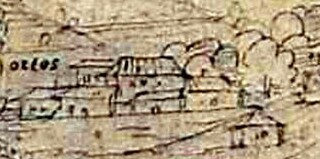
Monastery of Santa María de los Huertos
Segowia
The Monastery of Santa María de los Huertos was a Premonstratensian abbey in Segovia, its former site now tucked in the shadow of the El Parral monastery along the Eresma river. What was this place? The monastery, also known as Nuestra Señora de los Huertos, already belonged to the Premonstratensian order by 1176, when it was dependent on the monastery of La Vid, in what is now the province of Burgos. It stood on the north bank of the Eresma valley, right below the city walls of Segovia, on ground later occupied by the monasteries of El Parral and San Vicente. In 1186, King Alfonso VIII of Castile granted the community a dam on the Eresma, and by the late 13th century the monks held farmland across several nearby villages. Why did the monastery disappear? The riverside site, convenient as it was, proved to be a poor long-term choice. The land was repeatedly flooded by the Eresma — the oldest recorded flood dates back to 1304. According to the chronicler Diego de Colmenares, the community relocated in 1637, first near the church of Santa Eulalia and then, for good, to a safer spot inside the city walls near the parish of San Facundo. The abandoned original building decayed over the following centuries and was finally demolished in 1888. A square now stands on the site, still known today as Plaza de los Huertos. What can you see today? Almost nothing remains of the original monastery on its riverside site beyond archaeological traces in the ground between El Parral and San Vicente — this is a stop for those curious about the city's history rather than a building to tour. It's worth heading instead to Plaza de los Huertos within the old walls, where the order continued its life after the move, and pairing the visit with the nearby El Parral monastery, which still stands over the same stretch of the Eresma valley and helps picture the landscape the original community once inhabited. How do you get there? The Eresma valley runs right below the old town walls of Segovia, a ten-to-fifteen-minute walk from the Alcázar. The easiest approach is on foot, descending from the walls toward the river and passing El Parral monastery along the way — a scenic route through the green of the valley. Parking directly by the river is scarce, so it's better to leave the car within the city and continue on foot. When should you visit? Spring and early autumn are the best times, when the Eresma valley turns green and temperatures are comfortable for a longer riverside walk. Midday summer heat can be intense with little shade, so mornings or late afternoons work better. In winter the ground can get muddy after rain — a small reminder of exactly why the original monastery had to move in the first place. Frequently asked questions Can you visit the monastery building today? No — the original building was demolished in 1888. Only archaeological traces remain on the ground, along with the Plaza de los Huertos, named after the site the community moved to. Why did the monastery relocate? Because of repeated flooding from the Eresma river, first recorded in 1304. In 1637 the monks moved to a safer location inside the city walls. What can you pair this visit with? The nearby El Parral monastery in the same valley, plus a walk along Segovia's city walls and the banks of the Eresma river. Is this worth a dedicated trip? It's better suited as a stop for history enthusiasts during a walk through the Eresma valley than as a standalone destination.
-
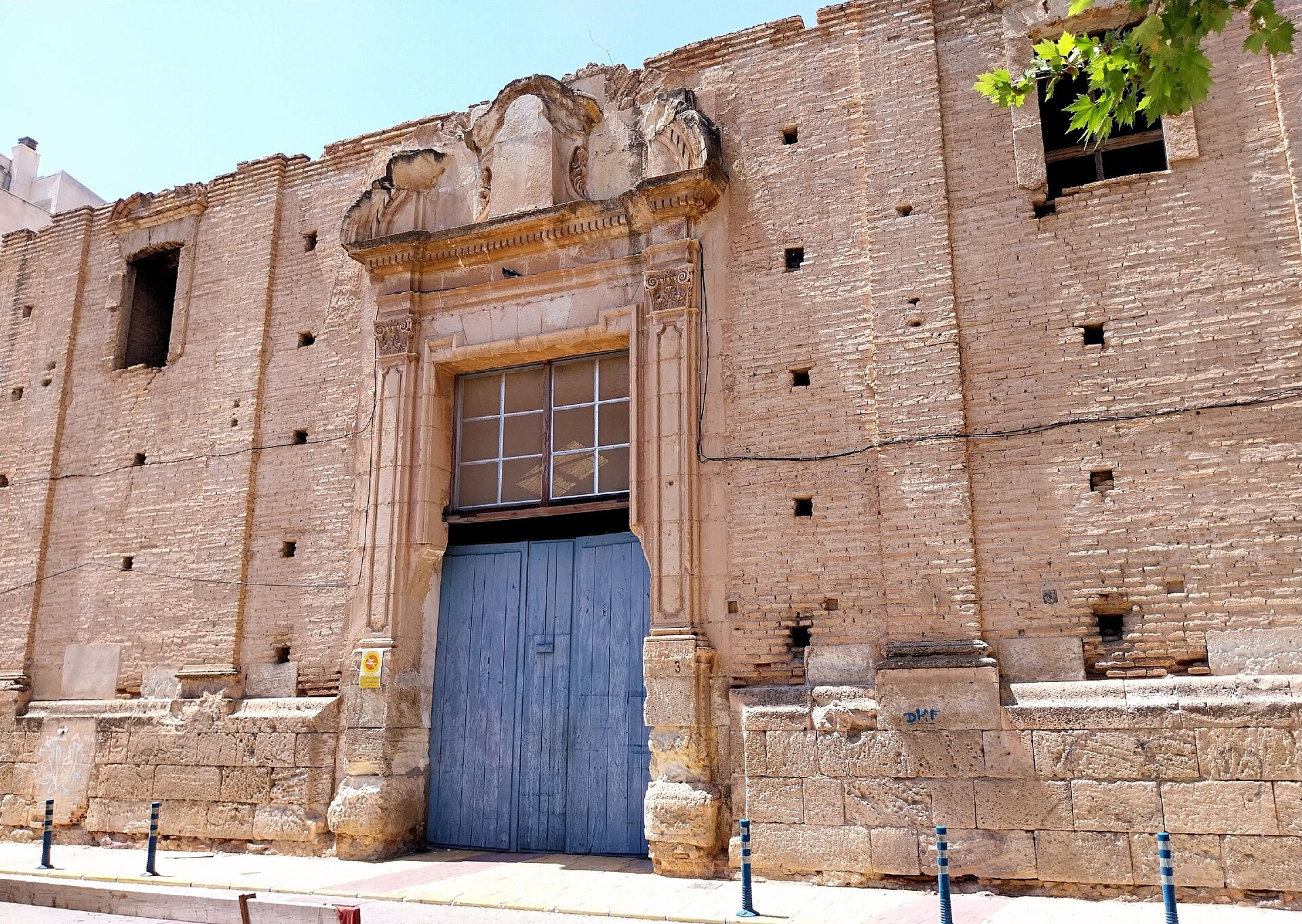
Convento de los Mínimos
Alcantarilla
Convento de los Mínimos is a former monastic complex in Alcantarilla, in the Murcia region of southeastern Spain. Also known as the convent of San Francisco de Paula, it was built in the 18th century by the Order of Minims and remains one of the town's most significant historic landmarks. How to get there? Alcantarilla sits within the greater Murcia urban area, about 7 km west of the regional capital's city centre, making it an easy day-trip destination. The town is reached via the A-30 motorway and has regular train and bus connections to Murcia. The convent building itself stands in Alcantarilla's historic centre, within walking distance of the town hall and main square, so no additional local transport is needed once you arrive. What will you see? Of the original monastic complex, what survives today is mainly the church façade, the lower sections of the former bell tower, the cloister, and a monumental staircase leading to the upper floor. The building's overall style is Baroque, typical of religious architecture in the Murcia region during the first half of the 18th century. It's worth taking a moment to appreciate the proportions of the façade and the stonework details that have survived despite the building changing hands and function repeatedly over the past two centuries. The Minims settled in Alcantarilla as early as 1704, bringing skilled master builders from the order, while construction of the convent and church itself began in the second quarter of the 18th century. The foundation originally functioned as a hospice and hospital serving Alcantarilla and the surrounding area, combining charitable work with monastic life. Between 1721 and 1767, the church housed the image of the Virgen de la Salud, the town's patroness, making the site an important religious centre for the wider area. The building's fortunes changed drastically in the 19th century: as a result of Spain's ecclesiastical disentailment, the convent passed into private hands in 1860. Over the following decades the property changed use several times, and in 1950 a bakery equipment factory was installed on the site — a telling example of how former religious buildings were absorbed by urban industrial growth. Despite these transformations, the surviving fragment of the complex still allows visitors to read the monastery's original spatial layout. What is its heritage protection status? Given its historical and architectural value, Convento de los Mínimos has recently been placed under formal protection by the Region of Murcia, which declared the monastic ensemble an Asset of Cultural Interest (Bien de Interés Cultural) and established a protection zone around it, within which no alterations can be made without heritage authorisation. This confirms the site's standing as one of the key surviving examples of 18th-century religious architecture in the region. When to visit? Spring and autumn are the best times to explore Alcantarilla and its surroundings, as temperatures in the Murcia region are milder than during the height of summer. It's worth combining a visit to the convent with a walk through the historic town centre, home to other sites tied to local tradition and culture. Frequently asked questions What was Convento de los Mínimos originally used for? It served as both a convent and a hospice/hospital run by the Order of Minims for the people of Alcantarilla and the surrounding area. When was the convent built? The order settled in Alcantarilla in 1704, with the main construction of the church and convent carried out in the second quarter of the 18th century. What remains of the original monastic complex? The church façade, the lower sections of the former tower, the cloister, and a monumental staircase have survived to this day. Is the building legally protected today? Yes, the Region of Murcia has declared it an Asset of Cultural Interest and established a protection zone around the site.
-
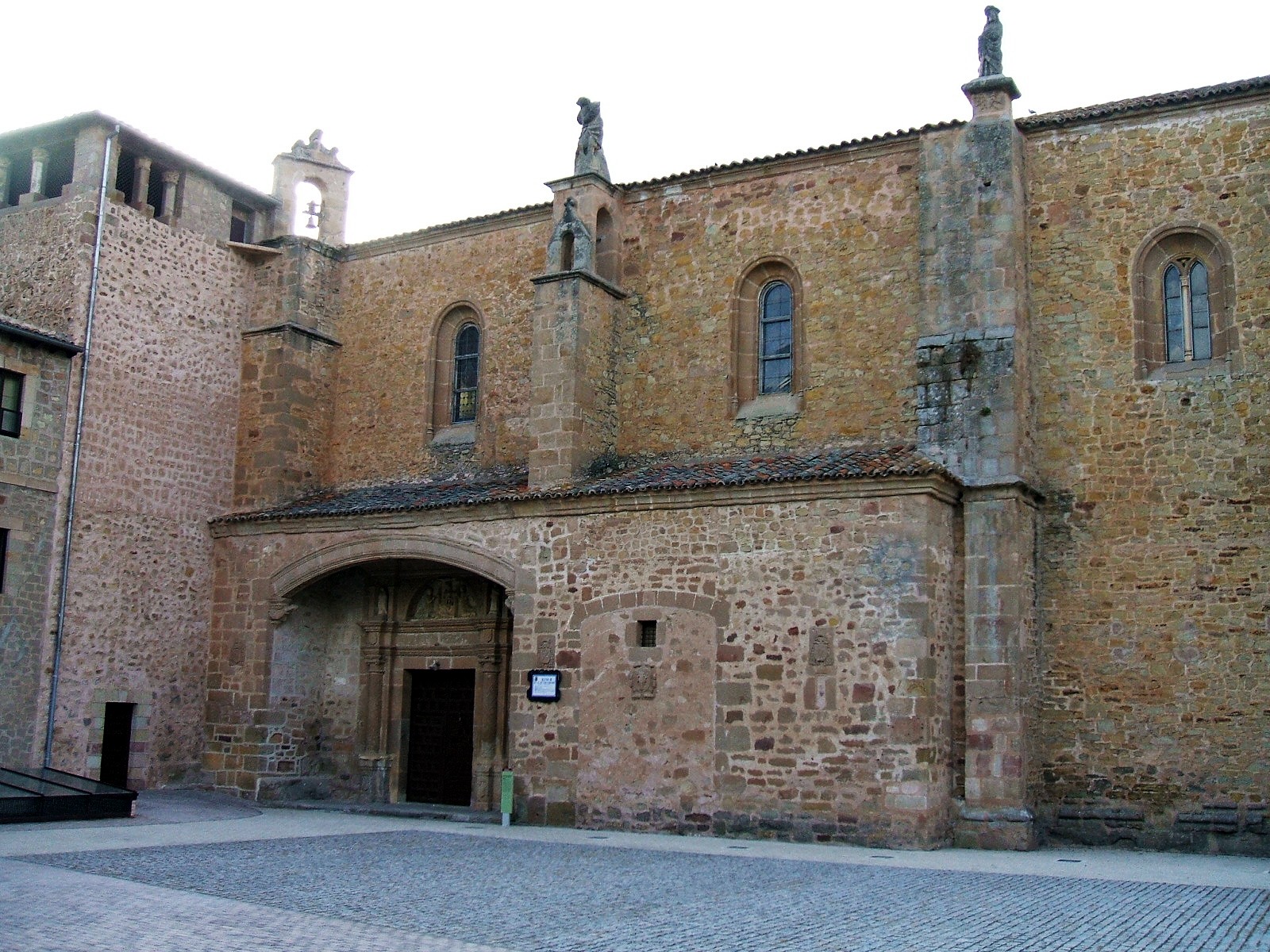
Monastery of Nuestra Señora de los Huertos, Sigüenza
Monastery of Nuestra Señora de los Huertos is a convent standing next to the Alameda park in Sigüenza, in the province of Guadalajara, Castilla-La Mancha. It's one of the oldest and most evocative religious sites in town, tucked right along the banks of the Henares river. Where does this place come from? The site's roots go back to the second half of the 13th century, tied to a district once known as the Arrabal de las Monjas, which bordered Sigüenza's medieval Jewish quarter. The current church was begun in 1512, built on ground where an earlier Visigothic church had once stood by the river. The monastic community itself, however, is far more recent: it was only in 1940 that a group of Poor Clare nuns settled here and built the convent attached to the existing church. What will you see inside? The church has a single nave covered by a striking ribbed vault, in keeping with the Gothic-Renaissance style of the whole building. The main draw is the high chapel, home to an unusual altarpiece painted directly onto the wall — a rare technique for this part of Spain. It's arranged in five scenes framed by Plateresque moldings, centered on an image of the Virgin of the Orchards holding the Christ Child, the image that gave the monastery its name. When to visit and what else to know? Pair a visit with a walk through the neighboring Alameda park, especially in spring or autumn, when the greenery and light suit this corner of Sigüenza best. The monastery is still a living community — Poor Clare nuns reside here today — so access to the interior can be limited to set hours; it's worth checking locally or with the tourist office before you go. The sisters are also known for homemade sweets made with natural ingredients only, sold traditionally at the convent, giving visitors another good reason to stop by. Sigüenza is a town where layers of history sit close together — a medieval Jewish quarter, traces of Visigothic building, and Renaissance interiors all within a short walk — and the Monastery of Nuestra Señora de los Huertos is one of the clearest places to see that overlap. Frequently asked questions Can you visit the inside of the monastery? Yes, but since it's an active convent home to Poor Clare nuns, interior access is often limited to set hours — check before visiting. Where does the monastery's name come from? It comes from the image of the Virgin of the Orchards (Nuestra Señora de los Huertos), the centerpiece of the Renaissance altarpiece in the main chapel. What's the difference between the church and the monastery on this site? The church was built in 1512 on the site of an earlier Visigothic church, while the monastery and convent only date to 1940, when the Poor Clare nuns settled beside the existing church. Can you buy anything at the monastery? Yes — the nuns make traditional homemade sweets from natural ingredients, sold on site.
-
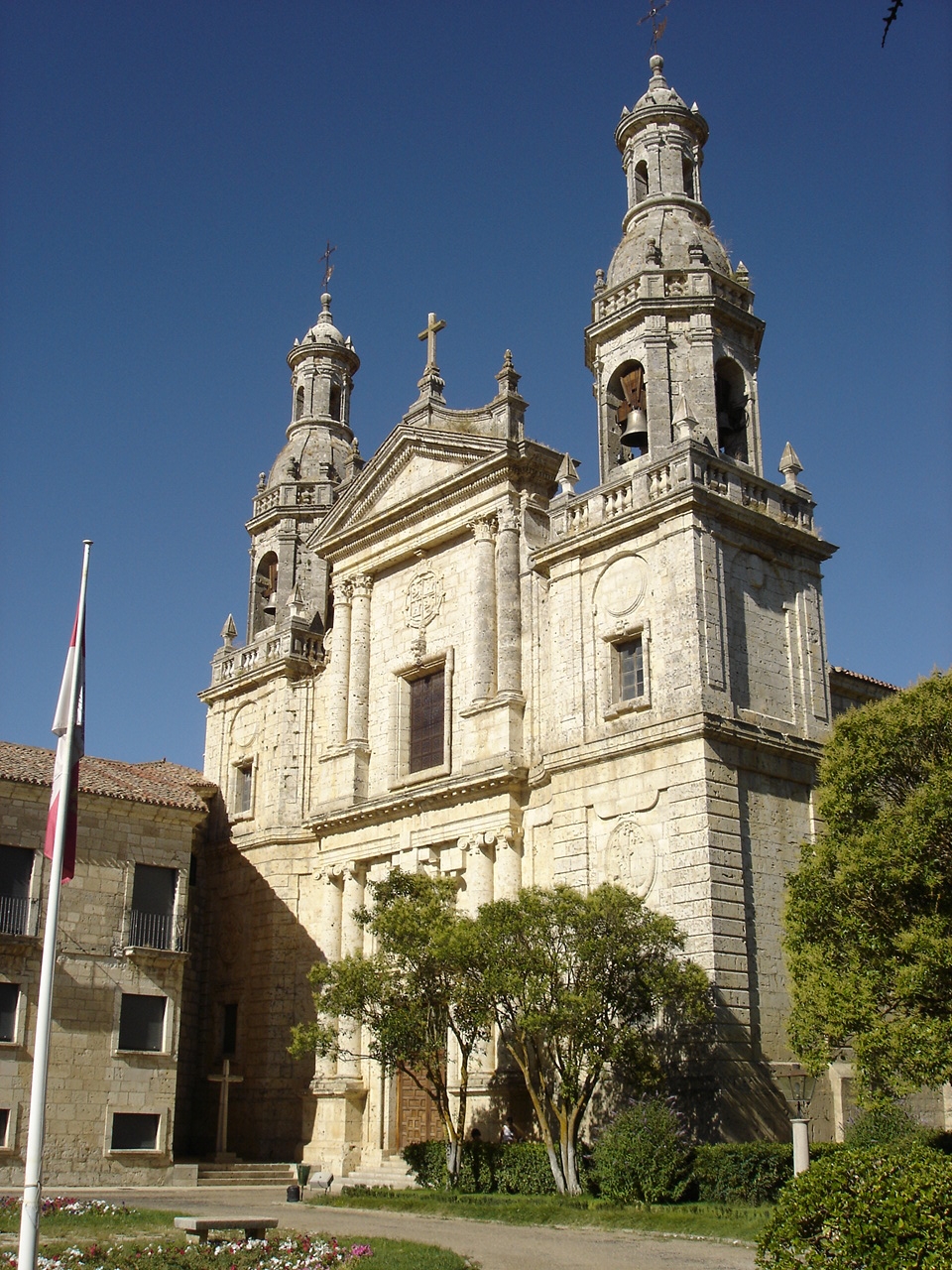
Monasterio Cisterciense de la Espina
Castromonte
Monasterio Cisterciense de la Espina is a 12th-century Cistercian monastery set among the open farmland of Tierra de Campos, a few kilometres from Castromonte in the province of Valladolid. Its story ties together a crusade-era relic brought from Paris, one of the oldest Cistercian foundations in Spain, and a building that survived fire, war and religious confiscation. Where does the name come from and what happened here? The monastery owes its existence to Sancha Raimúndez, sister of Emperor Alfonso VII of Castile. During a stay in Paris she received from King Louis VII of France a thorn said to come from Christ's Crown of Thorns, a relic previously guarded by the French crown. Back in Castile, Sancha donated her estates near Aborridos to build a monastery that would house the relic, placing it in the hands of the Cistercian Order. The first monks arrived in 1147 from the Abbey of Clairvaux, sent personally by Saint Bernard of Clairvaux, the driving force behind the Cistercian reform. That founding makes La Espina, by tradition, the first Cistercian monastery established on the Iberian Peninsula. The centuries that followed were not gentle. A fire in 1731 destroyed the monastic library and much of the complex, though the community managed to save both the relic of the Holy Thorn and the Tumbo, the monastery's historic record book. Monastic life finally ended in the 19th century: the disruption of the Napoleonic invasion and the Mendizábal confiscation of church property forced the monks to leave for good in 1835, after which the buildings fell into disrepair until restoration work began. How do you get there? Castromonte sits in the quiet farming heartland of Tierra de Campos, in Valladolid province, well off the main tourist routes. The monastery itself stands isolated among the fields, so travelling by car is by far the most practical option; there is no direct rail connection. It works well as a stop on a longer route through the historic towns and villages of the province rather than as a standalone day trip. What will you see on a visit? The complex is arranged around two cloisters. The older one, the Regular Cloister, dates from the 12th century and forms the core of the original foundation. The second, known as the Hospedería, was added in the 16th century and originally welcomed travellers and pilgrims. Around both courtyards stand the rooms typical of a Cistercian monastery — the chapter house, the sacristy and the church — all of which can be visited. Walking through the complex traces how a medieval monastic community actually functioned, from prayer spaces to working areas to guest quarters. A guided tour is well worth taking, since it weaves the historical, artistic and religious threads of the site's eight centuries into a single narrative. When is the best time to visit? Given its setting in rural central Spain, spring and autumn are the most comfortable seasons, avoiding the harsh heat of the Castilian summer. Because Castromonte is a small village with limited tourist infrastructure, it's worth checking opening hours and guided-tour availability in advance, as visits are often scheduled at set times of day rather than offered continuously. Frequently asked questions What is the Holy Thorn relic the monastery is named after? It is a thorn believed to come from Christ's Crown of Thorns, given to the monastery's founder by King Louis VII of France and kept at the site ever since. Is this really the oldest Cistercian monastery in Spain? According to historical tradition, yes — it was founded in 1147 by monks sent from the Abbey of Clairvaux, making it the first Cistercian foundation on the Iberian Peninsula. What are the main things to see inside? Two cloisters — the 12th-century Regular Cloister and the 16th-century Hospedería — along with the chapter house, sacristy and monastic church. Is the monastery still an active religious community? No. The monks left permanently in 1835 following the Mendizábal confiscation of church property; today the building survives as a historic monument open to visitors.
-
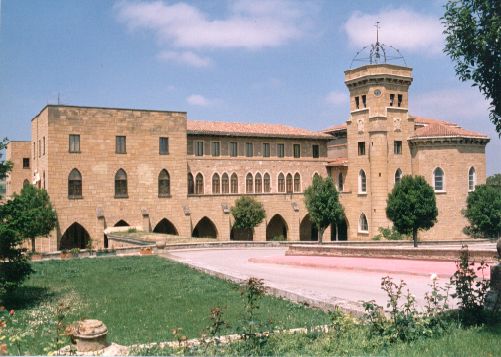
Monastery of Santa María de la Estrella, San Asensio
San Asensio
Monasterio de Santa María de la Estrella is a former Jeronimite monastery standing right beside the small town of San Asensio, in the heart of La Rioja. It combines the region's religious history with a legend about an apparition of the Virgin Mary, and its name alone carries a story worth knowing before you arrive. Where does the monastery's name come from? The site was originally known as Nuestra Señora de Aritzeta — from the Basque word for holm oak. According to local tradition, an image of the Virgin Mary appeared in the crown of one such tree, and on one of its acorns a shape resembling a star was said to have been imprinted. Over time this gave the monastery its current name, Estrella, meaning "Star." This blend of natural symbolism and religious devotion is typical of many Marian shrines founded across medieval Spain, where places of worship often grew up around sites believed to be touched by a miracle. What was the Jeronimite order? The Order of Saint Jerome (Jeronimitas) was one of the more prominent contemplative orders of medieval Spain, known for its strict rule drawn from the writings of Saint Jerome and for founding monasteries in secluded locations conducive to prayer. Monasterio de Santa María de la Estrella served exactly this purpose — a place of retreat and contemplation set apart from the bustle of towns, though not far from the routes connecting the valleys of La Rioja. How do you get there? The monastery sits right next to San Asensio, a small town in La Rioja best known for its vineyards and winemaking tradition. The most convenient way to reach it is by car — in La Rioja, having your own transport makes it far easier to visit the region's scattered historic sites and wineries. San Asensio lies on the main roads linking Logroño and Haro, so getting there from the region's larger towns is straightforward. What can you see on site? Visitors can expect the quiet, contemplative atmosphere typical of former monastic centers. The setting itself, framed by La Rioja's agricultural landscape of vineyards and rolling hills, is an attraction for anyone seeking calm away from busier tourist routes. It makes a good short stop on a longer drive through the region, pairing historical interest with a scenic view over the surrounding countryside. When is the best time to visit? La Rioja has a continental climate with hot summers and cold winters, so the most pleasant conditions for visiting fall in spring (April–June) and early autumn (September–October), when temperatures are milder and the surrounding vineyards look especially striking — particularly in autumn, during the grape harvest. Frequently Asked Questions What made the Jeronimite order different from other religious orders? Founded in the 14th century, the Jeronimite order followed the writings of Saint Jerome and emphasized contemplative, secluded life, unlike mendicant orders that focused on pastoral work among the population. Why is the monastery called "Estrella"? The name refers to a legend in which an image of the Virgin Mary appeared on a holm oak, with a star-shaped mark said to have appeared on one of its acorns — hence the Spanish "Estrella," meaning Star. Are there other attractions nearby worth visiting? San Asensio and the surrounding La Rioja countryside form a wine-producing region with numerous bodegas and vineyards that pair well with a visit to the monastery as part of a day trip. Do you need to book a visit in advance? It's worth checking current opening hours before arriving, since historic religious sites in smaller towns can have limited access hours.
-
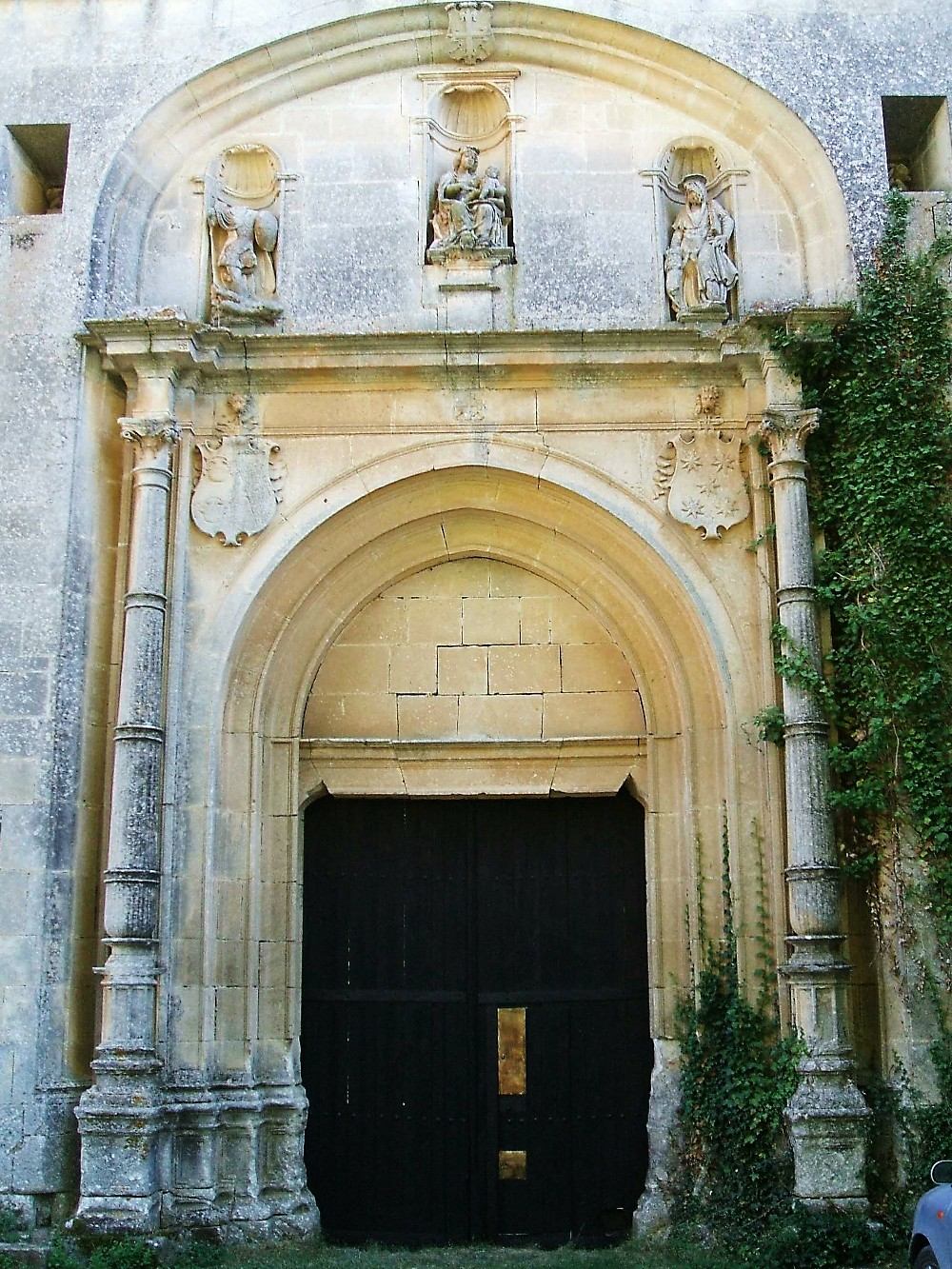
Monastery of Nuestra Señora de Fresdelval
Burgos
The Monastery of Nuestra Señora de Fresdelval is an abandoned Hieronymite sanctuary standing a short drive north of Burgos, tucked between the small settlements of Villatoro, Quintanilla Vivar and Villayerno Morquillas. Nearly two centuries after it was left to decay, its weathered walls still tell one of Castile's more unusual stories of devotion and patronage. Who founded the monastery, and why? The site's origins trace back to the early 15th century and to Gómez Manrique, who held the powerful office of Adelantado Mayor de Castilla — the king's chief representative in the region. Local tradition holds that a nearby hermitage housed a revered image of the Virgin Mary, credited with two miracles in Manrique's life: curing his daughter of illness and sparing him from an arrow during a military clash. Grateful for his survival, Manrique endowed a monastery on the spot and installed the Hieronymite order to look after it. How did the complex evolve over time? The earliest buildings grew up piecemeal, without a unified architectural plan, giving the monastery an irregular character for over a century. That changed between 1524 and 1542, when García de Padilla, Grand Commander of the Order of Calatrava, financed a major renovation that reshaped the complex into a more coherent whole. It was during this period that a second, Renaissance-style cloister was added alongside the original 15th-century Gothic one. Everything changed in 1835, when Spain's sweeping confiscation of church property forced the monks out and stripped the monastery of its assets. Left without occupants, the buildings began a slow slide into ruin that continues to this day. What survives on site today? Despite roughly two hundred years of abandonment, the ruins still hold plenty to see: the Gothic cloister, the dismantled remains of the Renaissance cloister, the shell of the monastic church, and a scattering of carved coats of arms and sculptural fragments that once adorned the complex. These surviving details, rather than any intact structure, are what give the site its historical weight today. That significance was formally recognized on 3 June 1931, when the monastery was declared a Bien de Interés Cultural — Spain's designation for a site of national cultural importance. How do you get there? Fresdelval sits close to the road linking Burgos with Santander and forms one of the stops along the Camino del Cid trail. Because the land is privately owned, vehicle access is deliberately restricted to protect the ruins from vandalism and theft. The site remains fully reachable on foot or by bicycle, making it a natural addition to a walking or cycling route through the countryside around Burgos. Can you actually go inside the monastery? Given its private ownership, entry to the ruins is limited to one open day per month and requires arranging a visit in advance. The Tourism Office of Castilla y León in Burgos handles inquiries and bookings, so it's worth contacting them ahead of time rather than showing up unannounced. When is the best time to visit? Spring and autumn offer the most comfortable conditions, with mild temperatures and a greener, more scenic backdrop of fields and low hills surrounding the ruins. Since the site has no visitor infrastructure — no on-site parking or information point — it works best as part of a longer walk or bike ride through the surrounding area rather than a standalone stop. Frequently asked questions Is the Fresdelval monastery open to visitors? Yes, but access is tightly limited. As private property, the ruins open to the public only one day each month, and visits must be arranged in advance. Can you drive up to the monastery? Not entirely — vehicle traffic on the grounds is restricted to prevent vandalism and damage to the ruins. The site is, however, easily accessible on foot or by bicycle. Who founded the monastery and why? Gómez Manrique, a senior Castilian noble, founded the Hieronymite monastery in the early 15th century in gratitude for miracles he attributed to the image of the Virgin of Fresdelval. Is the monastery still intact? No — since 1835, when the monks were expelled during Spain's confiscation of church property, the buildings have gradually fallen into ruin. What remains today includes the Gothic cloister, the church ruins, and fragments of carved sculpture and heraldry.
-
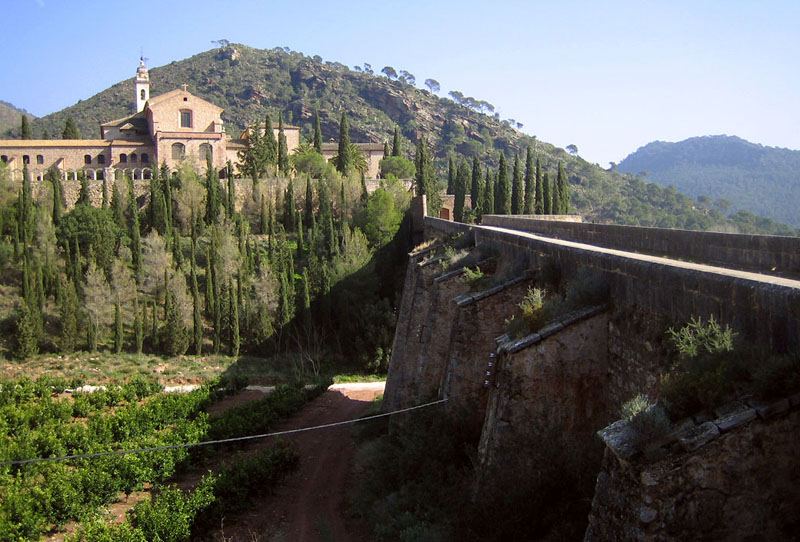
Cartuja de Porta Coeli
Serra
Cartuja de Porta Coeli is an active Carthusian monastery set among the hills of the Sierra Calderona, within the municipality of Serra in the province of Valencia. Its name, Porta Coeli, means "door of heaven" and reflects centuries of history as one of the oldest Carthusian houses on the Iberian Peninsula. Combining spiritual seclusion, medieval roots, and a setting of dense pine forest, it makes for an unusual but rewarding day trip from Valencia. What makes this monastery different? The Carthusians are among the strictest contemplative orders in the Catholic Church, with monks living in solitary cells and devoting most of the day to silence and prayer. Porta Coeli has kept this way of life going without interruption for centuries, which is unusual among Spanish charterhouses — many similar monasteries in the region were abandoned or turned into museums long ago. Here, monastic life continues, which shapes how the site can be visited compared to a standard tourist attraction. The complex includes a church, cloisters, and outbuildings, all enclosed by a wall that separates the monks from the outside world. The architecture blends elements from different periods, from austere medieval sections to later baroque-style additions, a pattern common to many Spanish monasteries renovated over the centuries. How do you get to Cartuja de Porta Coeli? The monastery sits roughly 30 kilometers from Valencia, inland within the Sierra Calderona Natural Park. Driving is by far the most practical option — the route winds through scenic mountain terrain and pine forest that are attractions in their own right. Public transport is far less convenient, since the surrounding area is rural and bus connections to Serra itself can be limited. What can you actually see there? Because Porta Coeli remains a working monastery, visitor access to the interior can be restricted, as the monks' contemplative life takes priority. Even so, it's worth the trip to see the building's exterior, the grounds surrounding it, and the chapel when it happens to be open to visitors. Simply walking around the walls, surrounded by silence and the scent of pine, has its own value — a place suited to slowing down, whether your interest is spiritual or purely as a traveler. The surrounding Sierra Calderona also offers hiking trails through hills and woodland, making it easy to pair a visit to the monastery with some time outdoors. That's a good way to extend a short stop into a fuller half-day trip. When is the best time to visit? Spring and autumn are the best seasons, when temperatures around Valencia are milder and the Sierra Calderona trails aren't baking in summer heat. Summers here can get quite hot, which makes longer walks in the surrounding hills less comfortable. It's worth checking current access rules before heading out, since as an active religious community the monastery may limit visiting hours or areas depending on the life of the community at any given time. Frequently asked questions Can you visit the inside of the monastery? Access can be limited, since Porta Coeli is a working Carthusian monastery rather than a museum. What you can see depends on the current rules set by the monastic community. How long does it take to get there from Valencia? By car, the drive typically takes about 30–40 minutes, depending on the route through the Sierra Calderona. What does the name Porta Coeli mean? It comes from Latin and means "door of heaven," reflecting the site's spiritual character. Are there other things to do nearby? Yes, the Sierra Calderona area has hiking trails and natural landscapes that pair well with a visit to the monastery.
-
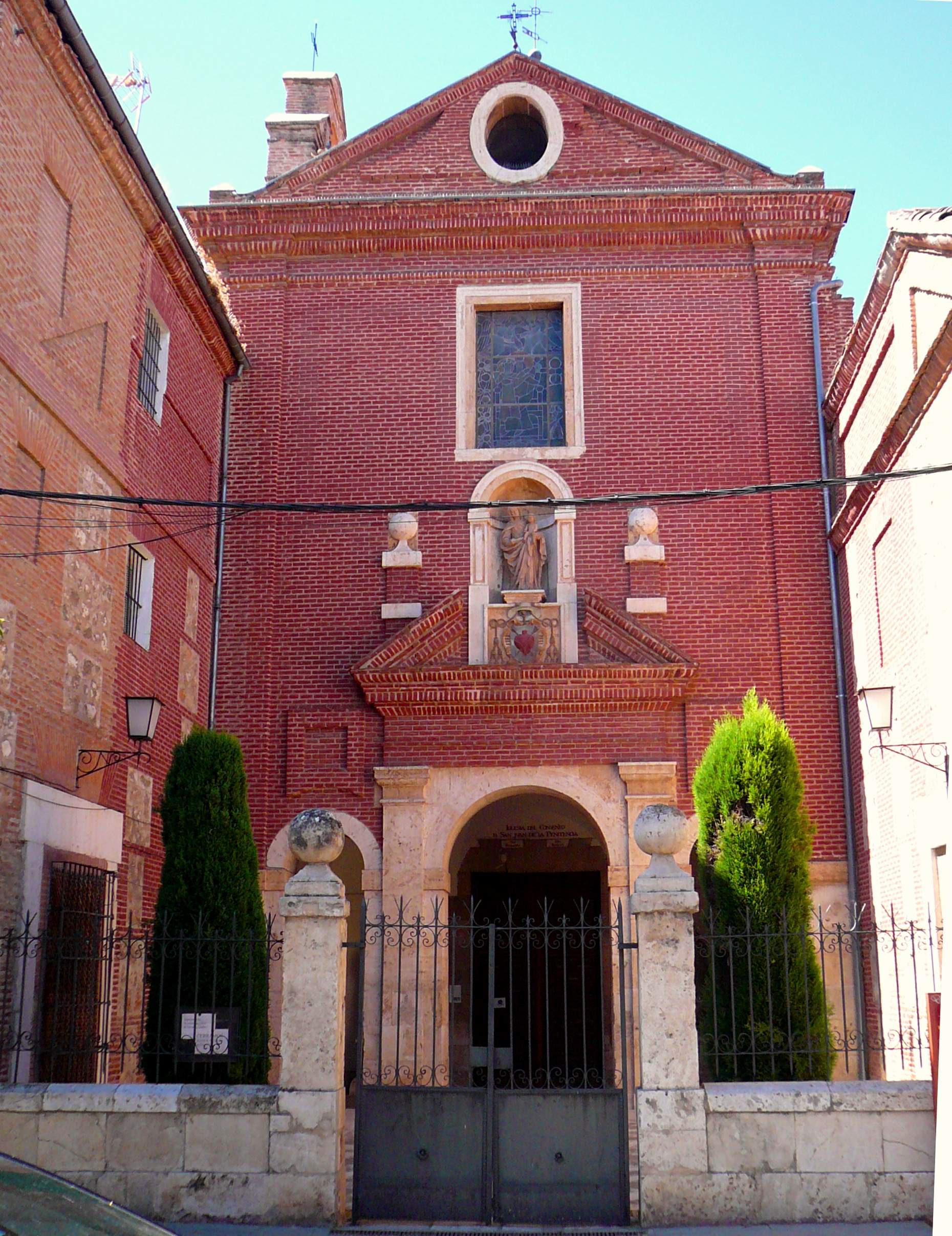
Convento de San Juan de la Penitencia
Convento de San Juan de la Penitencia is a historic Franciscan convent in Alcalá de Henares, in the Madrid region, known locally as "de las Juanas". The site carries several layers of history, from a Renaissance-era religious foundation to today's exhibition hall and an active convent community. Who founded it, and why? The convent was established in 1508 on the initiative of Cardinal Cisneros, one of the most influential figures of the Spanish Renaissance and the founder of the Complutense University. From the start, the building served three purposes at once: a convent for Franciscan nuns (Poor Clares), a school for girls from poor families, and a hospital for women. Combining all three under one roof was unusual for the period and reflects how ambitious Cisneros's vision was for the growing university town. Why did the convent move buildings? The original convent stood on what is now Calle San Juan and occupied an entire city block, with eleven courtyards separating its different functions. After the 19th-century disentailment, when church property across Spain was confiscated and sold off, the building passed into private hands. It wasn't until 1884 that its new owners donated it back to the Franciscan nuns, who relocated to a different building nearby: the former Augustinian college of San Nicolás de Tolentino on Calle Santiago, constructed from 1616 onward. This is the building where the convent still operates today as a living religious community. What can you see there? The original convent church has served since the 1960s as an exhibition space known as Casa de la Entrevista, a name that commemorates the legendary meeting between Christopher Columbus and the Catholic Monarchs, traditionally said to have taken place in Alcalá de Henares. Restored by the Instituto de Cultura Hispánica, the space now functions as a gallery and library. Inside the convent itself, a small museum displays a copy of Cardinal Cisneros's will, his crosier and pectoral cross, along with artworks from the 16th and 17th centuries — a rare chance to see objects directly tied to the founder of the university town. How do you visit? Because it remains an active convent, visiting is limited to set dates. Individual guided tours run on the second Saturday of each month at 11:45 AM (except during Holy Week and religious holidays), with a symbolic ticket price of €3. Groups can arrange a visit on other days of the week, excluding Sundays and church holidays, by booking ahead by phone or email. When should you go? Plan your visit in advance and check the current tour schedule, since access to this partly cloistered building is limited and guided-tour slots can fill up quickly — especially during Alcalá de Henares's busy tourist season, given the city's UNESCO World Heritage status. Frequently asked questions Is the convent still in use? Yes. Franciscan nuns still live and worship in the building on Calle Santiago — this isn't an abandoned monument but an active religious community. Can you visit every day? No. Individual tours are offered only once a month, on the second Saturday. Group tours can be arranged on other days with advance booking. What is the connection to Christopher Columbus? The former convent church, now the Casa de la Entrevista exhibition hall, commemorates the traditional site of Columbus's meeting with the Catholic Monarchs in Alcalá de Henares. Is the museum worth visiting? Yes, particularly for anyone interested in Cardinal Cisneros — it holds personal items connected to the founder of both the university and the convent.
-
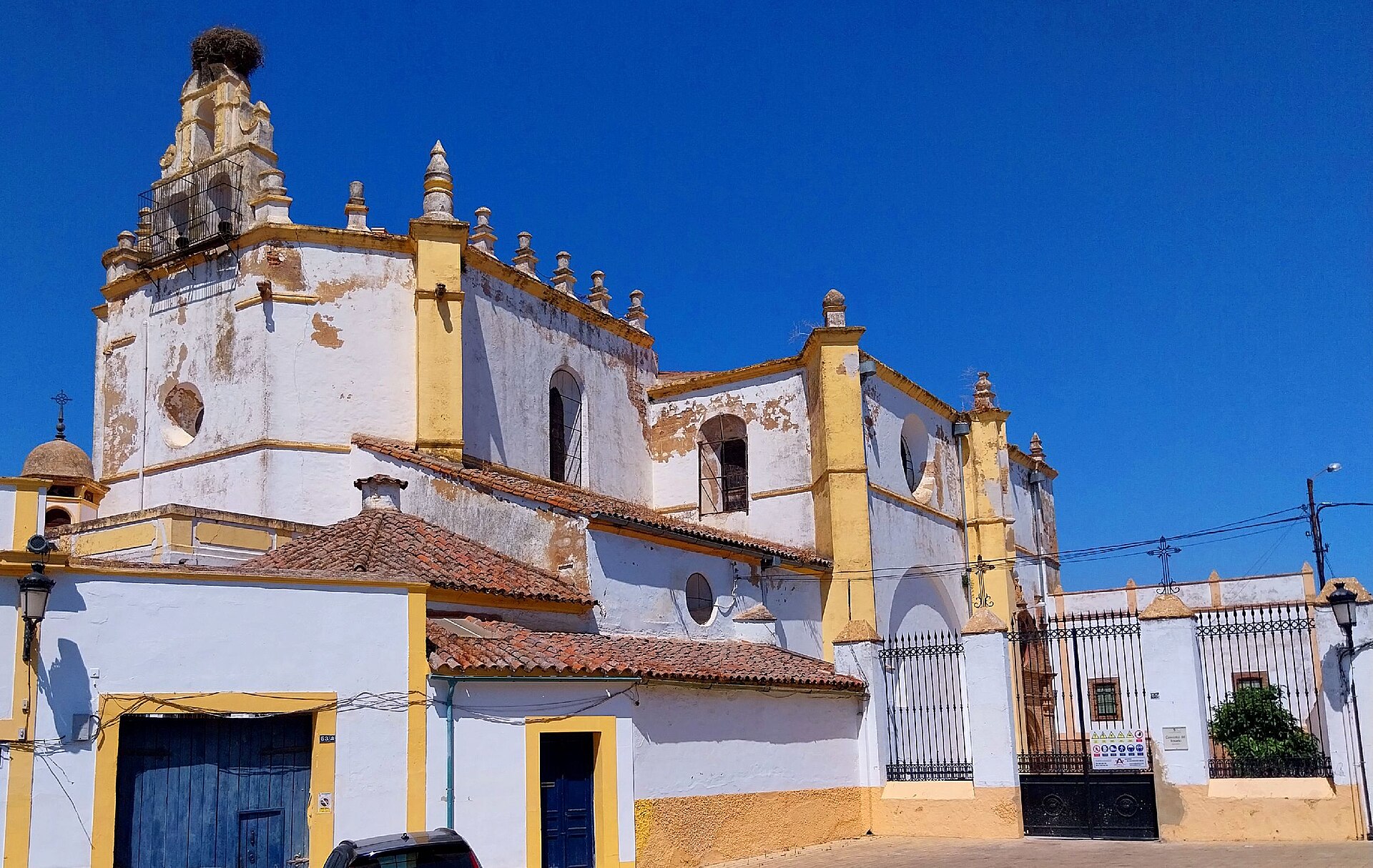
Iglesia del Rosario
Zafra
Iglesia del Rosario is a 16th-century monastery church in Zafra, in Spain's Badajoz province in Extremadura, built within the former Dominican convent of Our Lady of the Incarnation and the Mine (Nuestra Señora de la Encarnación y la Mina). What is the history behind it? The convent housing the church was founded in 1528 just outside the town walls, right next to the northern gate known as the Badajoz Gate. The foundation was patronized by Doña María Manuel de Figueroa, the legitimized daughter of Gomes II Suárez de Figueroa, 2nd Count of Feria, who became Countess of Medellín through her marriage to Juan Portocarrero, 2nd Count of Medellín. Construction dragged on for decades. By 1544, only the main chapel had been started, and virtually none of the convent's other buildings existed yet. The vault was finally closed by master builder Francisco Montiel in 1580, with the works fully completed in 1590 — meaning the project spanned more than fifty years from its founding. What will you see inside? The interior features a polygonal apse covered by a star-ribbed vault, a hallmark of late Spanish Gothic architecture from the turn of the 16th century. The church follows a three-nave layout: the central nave is topped with concentric vaulting, while the side naves use barrel vaults reinforced with transverse crossed ribs. The original square choir at the entrance no longer survives. Local tradition links the building to the devotion of the Holy Christ of the Rosary (Santo Cristo del Rosario), which explains the church's present-day name — even though the original foundation was dedicated to the Incarnation and the Mine. How do you get there? The church stands in Zafra's historic center, close to the site of the former town walls where the Badajoz Gate once stood. Zafra sits in Badajoz province, well connected by road to both Seville and the city of Badajoz, making it a convenient stop for travelers exploring Extremadura. When is the best time to visit? Spring and autumn are the most comfortable seasons to explore Zafra, avoiding the intense summer heat typical of Extremadura. A visit to the Iglesia del Rosario pairs well with the nearby castle of the Dukes of Feria and a walk through the old town, known for its concentration of religious and civil monuments from the same era. Frequently asked questions When was the church built? The convent that now houses the church was founded in 1528, but construction of the building itself ran from the 1540s until 1590. Who funded the construction? The foundation was patronized by Doña María Manuel de Figueroa, daughter of the 2nd Count of Feria, who became Countess of Medellín through marriage. What architectural style does it represent? The church combines late Gothic elements — most visible in the star vault over its polygonal apse — with a three-nave layout typical of monastery churches of the period. Is the church still in religious use? The building has retained its religious function and is locally known under the name of the Holy Christ of the Rosary, which is reflected in its current name.
-
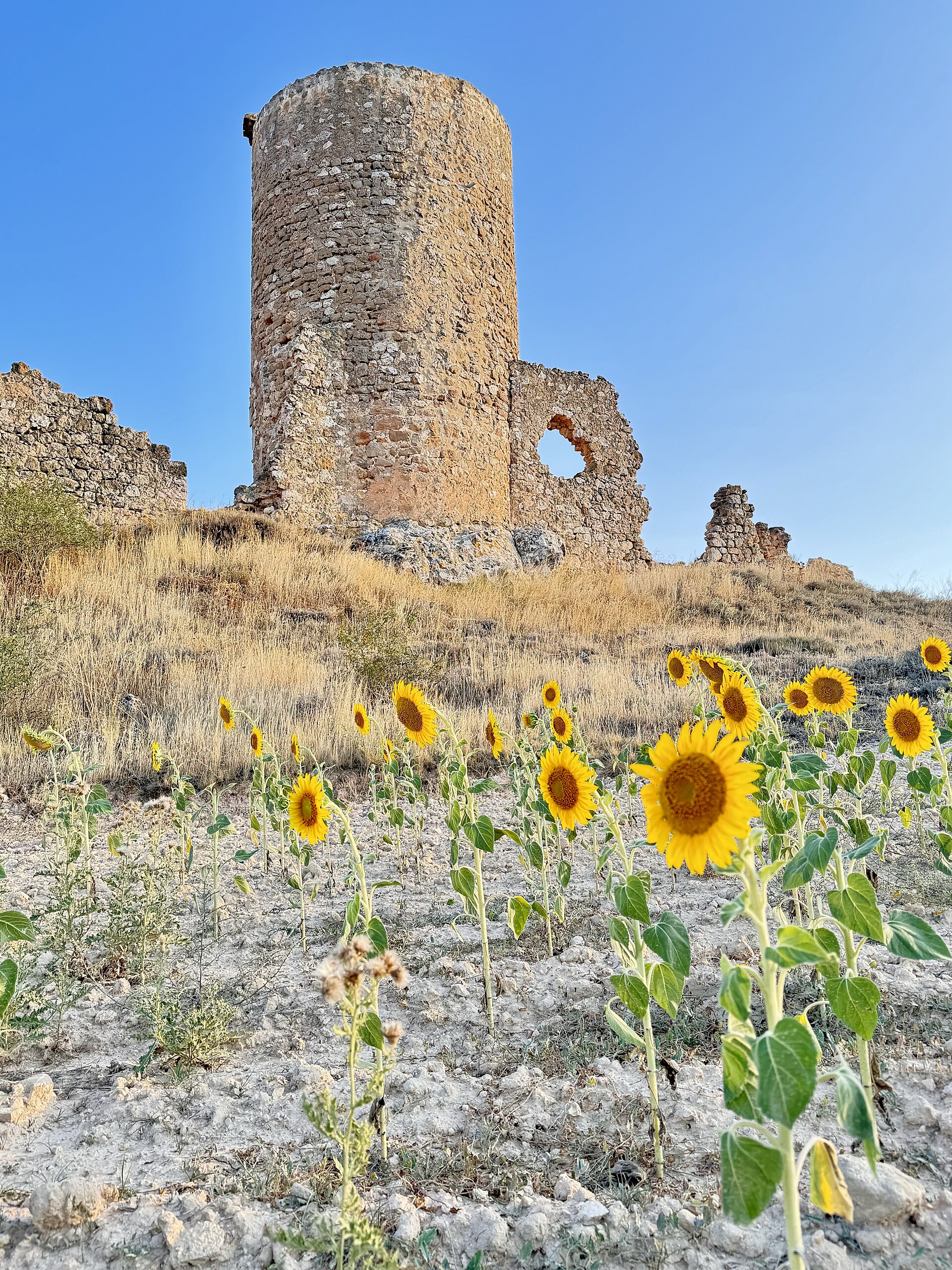
Monasterio de Santa María de Cántabos
Fuentelmonge
The Monasterio de Santa María de Cántabos is a small, half-forgotten Cistercian ruin in the municipality of Fuentelmonge, in the province of Soria. Despite its modest remains, the site holds real historical weight: it is the original foundation from which the famous Monasterio de Santa María de Huerta, one of Spain's most important Cistercian monuments, later grew. How do you get there? Fuentelmonge sits in a sparsely populated corner of Soria province, in the Castilla y León region. A car is by far the easiest way in — the nearest larger towns are Soria itself, the provincial capital, and Almazán, from where local roads lead toward the village. The ruins stand outside the village, in open countryside, so it's worth carrying an offline map or GPS, since signposting is minimal. The final stretch has to be covered on foot, over unpaved ground. What will you see? Only a small part of the original monastery survives: a rectangular structure with visible interior divisions, attached to a round watchtower dating back to Muslim-era construction in the 10th century. It's precisely this combination of medieval Cistercian building work and an earlier Muslim defensive tower that makes the site unusual. There's no visitor infrastructure here, no ticket office, no marked trails — this is a raw, unmanaged archaeological site, appreciated mostly by medieval history enthusiasts and fans of abandoned places. A brief history The monastery was founded in 1142 on the initiative of King Alfonso VII, fulfilling a vow he had made during the siege of Coria. A community of Cistercian monks was brought in from the abbey of Berdoues in Gascony, France, led by Abbot Rodulfo, and they settled in a modest building at a place known as Cántabos — one of the very first Cistercian foundations on the Iberian Peninsula. The community didn't stay long, however. As early as 1162, the monks relocated to Huerta de Ariza, where they built a far grander monastery — today's Monasterio de Santa María de Huerta. The abandoned site at Cántabos was sold in 1176 to the Council of Soria, and later bought by Rodrigo Ximénez de Rada, the noted Archbishop of Toledo. From that point on, the building gradually fell into ruin. When should you visit? Spring and early autumn are the best times to come, when temperatures across Castile are mild and the landscape around Fuentelmonge — dry and harsh in summer — turns green. It's worth avoiding midsummer, when the heat in this region can be intense and the site offers no shade whatsoever. The visit pairs naturally with a trip to the nearby Monasterio de Santa María de Huerta — seeing the "origin" and the "continuation" of the same monastic community side by side is a rewarding experience for history lovers. Frequently asked questions Can you go inside the ruins? The site has no formal visitor management — no ticket office, no guides. The surviving wall fragments can be viewed from outside; caution is advised, as this is an unsecured archaeological site. Is there an entrance fee? No, the site is open access and free, since no organization manages visits here. How long does a visit take? Given how little remains standing, 20–30 minutes is enough, including the walk from the parking area. Is it worth combining with another nearby site? Absolutely — the Monasterio de Santa María de Huerta, a short drive away, is the direct "successor" to the Cántabos monastery and a far better preserved, nationally protected monument.
-
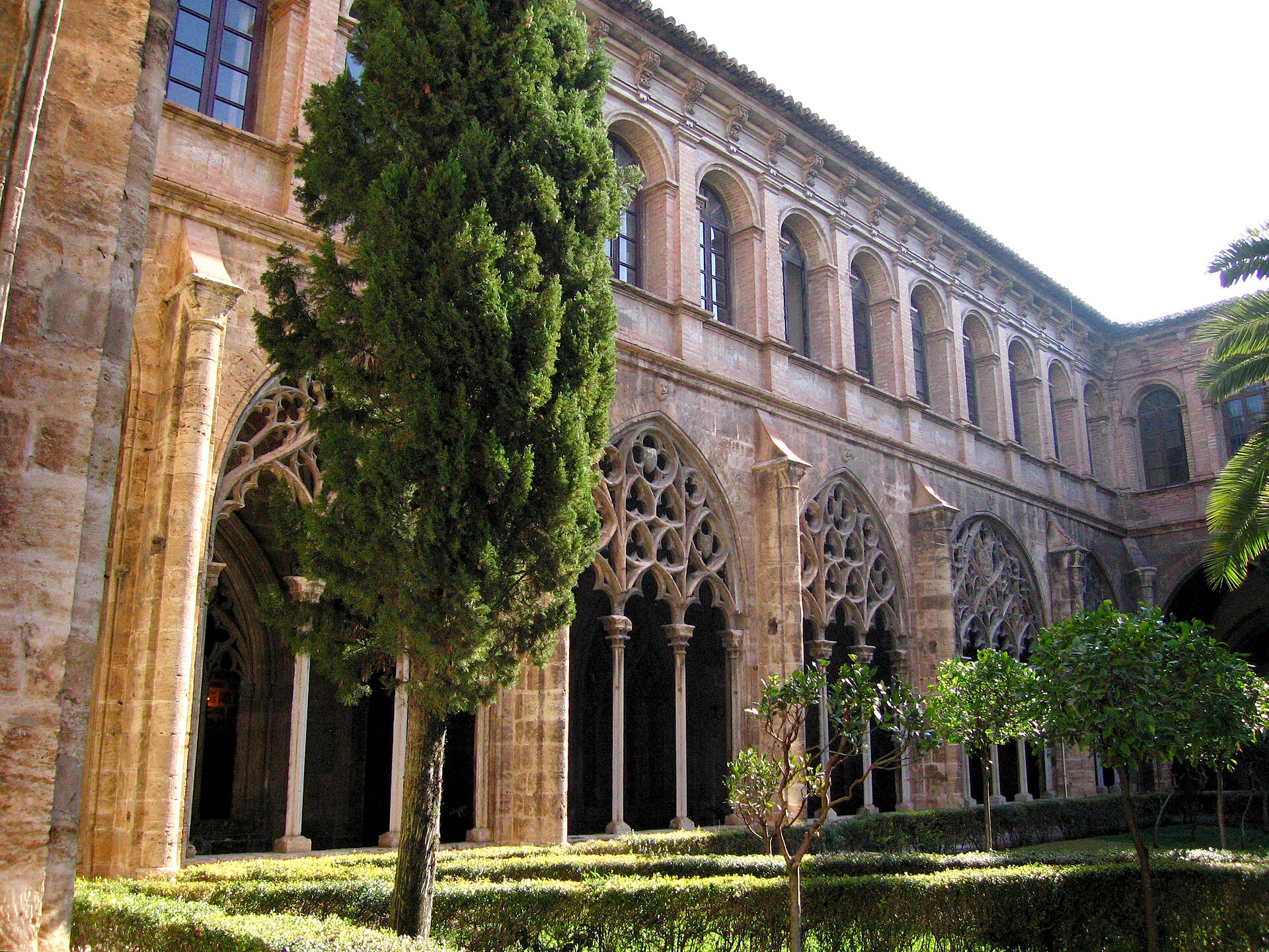
Convent of Santo Domingo
València
The Convent of Santo Domingo in Valencia is one of the oldest Dominican monasteries in Spain, tucked away just off Plaza de Tetuán, a short walk from the Estación del Norte and the old town. Behind its plain facade lies a Gothic cloister, a chapter hall lined with slender palm-shaped columns, and a royal chapel — a complex that has hosted kings, canonized saints, and army generals over nearly eight centuries. How did this convent come to be? The complex was founded in 1239 by King James I of Aragon, right after he took Valencia from Moorish rule, when he granted the Dominican order land to build a convent. It quickly grew into one of the leading religious and intellectual centers of the Kingdom of Valencia. Two future saints, Vincent Ferrer and Louis Bertrand, took their vows within these walls, and the building also hosted sessions of the General Courts of the old Kingdom of Valencia. What's inside worth seeing? The oldest surviving section is the main Gothic cloister, built between the 14th and 15th centuries: five arches with pierced tracery and cross vaults frame the central courtyard. Next to it stands the celebrated Chapter Hall, completed in 1321 thanks to funding from the knight Pedro Boil, Lord of Manises and treasurer to King James II. Four extraordinarily tall, slender columns shaped like palm trees hold up its ribbed vault, earning the room its nickname, the "Hall of Palms." Here the Dominican order held its general and provincial chapters, elected priors, took religious vows, and even heard public confessions. Equally significant is the Chapel of the Kings, dating from 1431 and preserved almost intact, along with the former refectory begun in 1560, now used as a reception hall. After the religious orders were dissolved, the military took over the site: from 1842 it served as the Captaincy General of Valencia, with the conversion overseen by architect Jorge Gisbert. In 1931 the complex was declared a National Historic-Artistic Monument. Today it houses the headquarters of the High Readiness Force Land Component Command (CGTAD), though locals still refer to it by its older military name. How do you get there? The Convent of Santo Domingo sits right in central Valencia on Plaza de Tetuán, less than a 10-minute walk from Plaza del Ayuntamiento. The nearest metro stops are Xàtiva and Colón, and several bus lines pass close by. It makes a natural stop on a route linking the old town with the Jardines del Real gardens. When should you visit, and how do you get inside? Because the building still serves an active military role, visits are only possible as part of organized, free guided tours running Tuesday through Thursday, typically between 11:00 and 12:30. Booking ahead by phone or email with the site's administration is required. It's also worth watching for occasional open-house days tied to national holidays, when access is often simpler and doesn't require advance registration. Frequently asked questions Can you visit the Convent of Santo Domingo? Yes, but only through organized, free guided tours, usually held on weekday mornings from Tuesday to Thursday, and only with prior booking. Why is the building also called the Captaincy General? After the Dominican friars left in the 19th century, the army took over the site in 1842, and it still functions as a military headquarters today, even though the old convent name has stuck. What's the single most striking feature inside? The 1321 Chapter Hall, nicknamed the "Hall of Palms" for its four slender, palm-shaped columns — widely regarded as one of the finest examples of civil Gothic architecture in the region. How long does a visit take? A standard guided tour runs about 90 minutes and covers the cloister, the chapter hall, the Chapel of the Kings, and the former refectory.
-
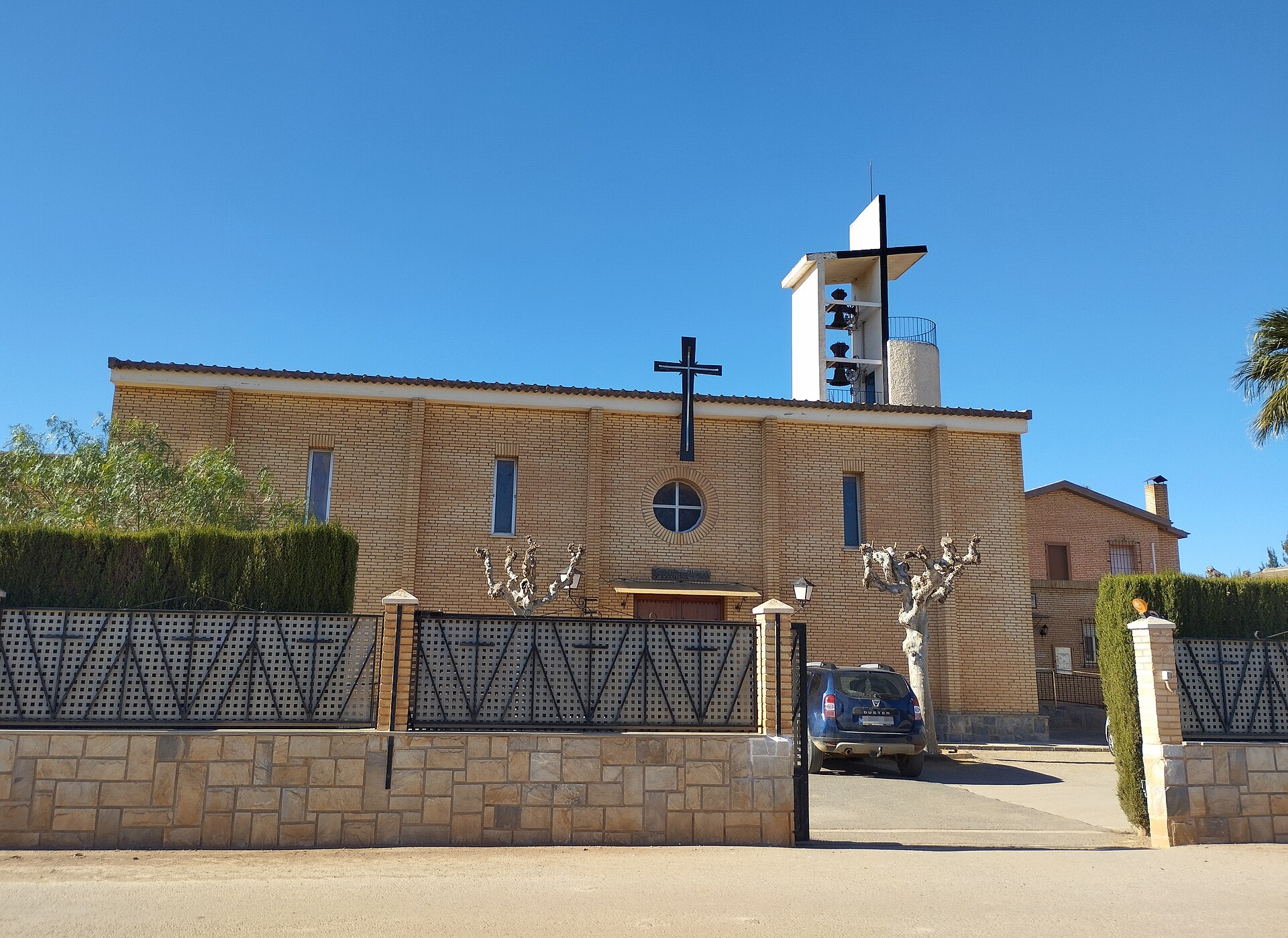
Monastery of Nuestra Señora de la Paz
Kartagena
The Monastery of Nuestra Señora de la Paz is a Cistercian community of the Strict Observance, better known as Trappist nuns, located in the La Palma district of Cartagena, in Spain's Murcia region. It's a place of quiet and contemplation rather than a headline sight, offering visitors a different side of a city best known for its Roman ruins and fortresses. How did this community come to be? The monastery was founded by the Cistercian Abbey of Santa María de San José in Alloz, Navarre, which set out to establish a new community in southern Spain. The decisive factor was a donation from Josefa Atienza Sánchez, a Murcian woman who had dreamed since her youth of supporting exactly this kind of foundation. Thanks to her contribution, the nuns settled near Los Vidales, in the Campo de Cartagena area. The monastery was inaugurated on 1 January 1977, and its adjoining church was consecrated on 9 April 1978. What will you actually see? This isn't a monument in the usual sightseeing sense — it's a living, active religious community, so a visit feels different from touring a museum piece. Expect the plain, functional architecture typical of Trappist houses: a simple monastery church and outbuildings set against the dry, stony landscape of Campo de Cartagena. The mood is subdued and reflective — this is a place to experience slowly rather than photograph quickly. The nuns also run a small craft workshop, hand-painting ceramics and occasionally baking pastries. These are sometimes sold directly at the monastery, making for a more meaningful souvenir than the usual trinkets from downtown Cartagena. How to get there and when to visit The monastery sits at Pasaje los Vidales 20, in the La Palma district, a short drive from central Cartagena — a car is the most practical option, since the surrounding area is rural and residential rather than a tourist strip. It's worth checking visiting hours for the church in advance, since the community follows a monastic schedule rather than standard tourist opening times. Murcia's summers run hot, so spring (March–May) and autumn (September–November) offer the most comfortable conditions for a visit, with the dry Campo de Cartagena landscape looking its best in the soft light of morning or late afternoon. Who is this for? This stop suits travelers looking for a quiet moment on the road, or anyone curious about monastic life and religious architecture away from the main tourist circuit. It isn't a two-hour guided-tour attraction — think of it as a brief, contemplative pause while exploring the area around Cartagena. Frequently asked questions Can visitors enter the monastery? The church is open to visitors during set hours, since this is an active religious community rather than a museum — expect some limitations tied to the nuns' schedule of prayer. Which religious order do the nuns belong to? They are Cistercian nuns of the Strict Observance (Trappists), a community founded by the Abbey of Santa María de San José in Alloz, Navarre. Can you buy anything from the sisters? Yes — the nuns hand-paint ceramics and occasionally make pastries, both sometimes available for purchase at the monastery. How far is it from central Cartagena? The monastery is in the La Palma district on the outskirts of Cartagena, surrounded by the Campo de Cartagena countryside — a car is the easiest way to reach it.
-
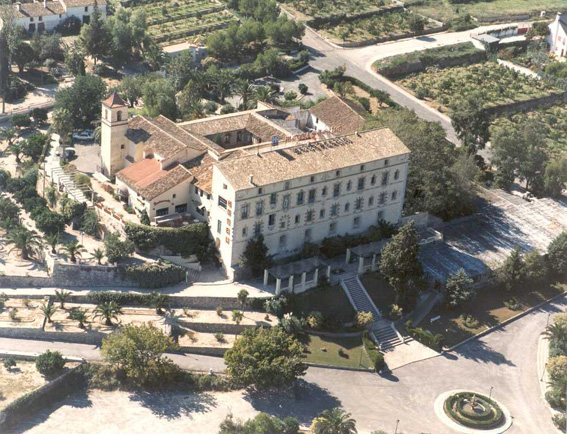
Monestir de Santa Maria d'Aigües Vives
Carcaixent
Monestir de Santa Maria d'Aigües Vives is a former Augustinian monastery in the La Barraca d'Aigües Vives district on the outskirts of Carcaixent, in the Valencian Community. Listed as a Bien de Interés Cultural, the building blends Renaissance and Baroque architecture with a history stretching back to the 13th century, making it one of the region's most distinctive heritage sites. Where does this place come from? The religious community at Aigües Vives dates back to the 13th century, though the structure visitors see today was largely built during the 16th and 17th centuries. The north wing was added later, in the 18th century, and its slightly different architectural details still mark it out from the older sections. The monastery belonged to the Augustinian order, whose monks safeguarded the image of the Virgin of Aigües Vives — patron of the local population, venerated for generations by residents of Carcaixent and neighboring towns. The monastery's fortunes changed dramatically in the mid-19th century. Mendizábal's disentailment — a sweeping secularization of Church property across Spain — forced the monks to abandon the building, which then passed into private hands, eventually belonging to the barons of Casanova, who used it as a country residence. Another turning point came in 1977, when the property was acquired and renovated by Antonio Vidal Bellver, a photographer and businessman from Carcaixent, who converted it into a residential hotel. What will you see there? The main draw is the architecture itself — the contrast between the sober Renaissance volumes and the more ornate Baroque elements added in later centuries. The complex retains a layout typical of large monastic communities: a church, cloisters, and residential wings, with the 18th-century north wing standing out among them. The surroundings, set within the Valencian huerta landscape and its characteristic orange groves, give the monastery a quiet, rural feel despite its proximity to larger towns in the region. It's worth knowing that the building has faced ongoing deterioration in recent years, and regional authorities have made efforts to acquire and restore it. Before visiting, it's a good idea to check the current access status, as parts of the building may be closed or undergoing conservation work. How to get there and when to visit? Monestir de Santa Maria d'Aigües Vives sits on the outskirts of Carcaixent, a town in the province of Valencia well connected to both Valencia city and nearby Alzira. The easiest way to arrive is by car — local roads lead directly to the vicinity of the monastery, and parking nearby is generally straightforward outside of holiday periods. Spring and autumn are the best times to visit, when temperatures across the Valencia region are milder and the orange groves surrounding the monastery look their most picturesque, especially during the early spring blossom. Summers can bring intense heat, worth factoring in if you plan a longer walk around the complex. Frequently asked questions Is the monastery open to visitors? Access can be limited due to the building's condition and ongoing restoration efforts — it's best to check current opening hours and visiting rules on-site or with the local tourist information office before your trip. What architectural style does the building represent? The monastery combines Renaissance and Baroque elements, with the main structure built in the 16th and 17th centuries and the north wing added in the 18th century. Why is the monastery significant to the people of Carcaixent? For centuries it housed the image of the Virgin of Aigües Vives, patron of the local population, which gave the site major religious and cultural importance for the region. Are there other attractions nearby worth visiting? Yes — Carcaixent and neighboring Alzira offer historic town centers and a landscape of typical Valencian huerta with numerous citrus farms that can be explored alongside a visit to the monastery.
-
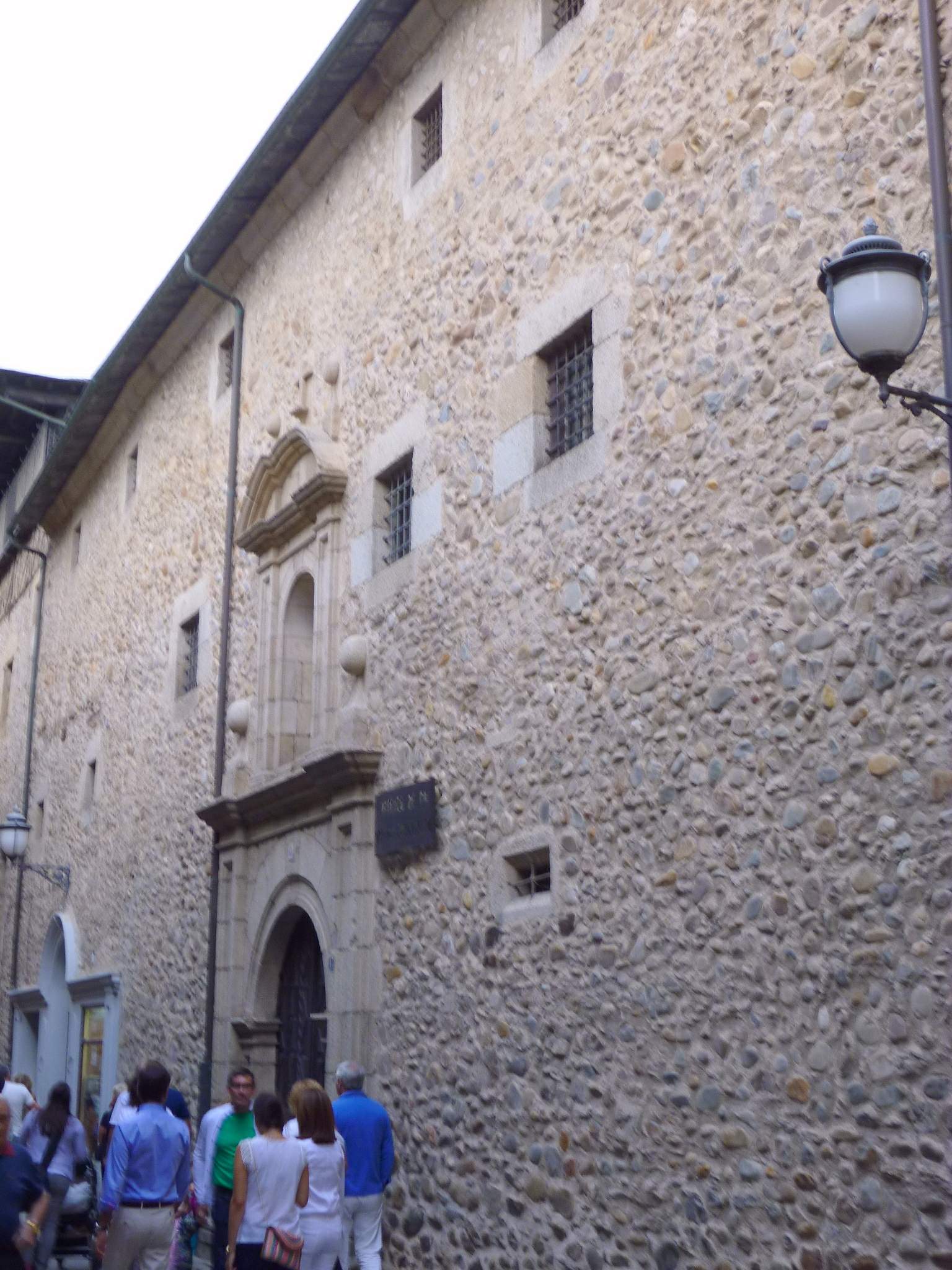
Convent of Inmaculada Concepción, Ponferrada
Convent of Inmaculada Concepción is a 16th-century convent in Ponferrada, built into a stretch of the town's old defensive walls and still home to an active religious community. Who founded it, and when? The convent was founded in 1524 by Álvaro Pérez Osorio and his wife Brianda Bernardo de Quirós, lords of the Palace of Priaranza and the House of Laciana. The church was originally dedicated to St. Sebastian. Only after an expansion carried out between 1536 and 1537 was the dedication changed to the Immaculate Conception (Inmaculada Concepción), the name it still carries. What's inside worth seeing? The chapel is a single-nave space, and its standout feature is the ceiling: a wooden artesonado made of chestnut, built in the Mudéjar tradition and remarkably well preserved for a structure that's roughly five centuries old. The main altar holds a polychrome sculpture of the Immaculate Conception attributed to the circle of Gaspar Becerra, one of the leading sculptors of the Spanish Renaissance. The original altarpiece was commissioned by Doña Mayor de Bahamonde from woodcarvers Nicolás de Brujas and Lucas de Formente in 1559, but it wasn't finally completed until 1592, by Andrés Hernández — a project that stretched across more than three decades. The convent building is literally set into a section of Ponferrada's medieval town walls, which is most visible from outside, where the defensive wall forms one side of the complex. How do you get there? The convent sits in Ponferrada's historic center, within walking distance of the Templar Castle and the Basilica of Nuestra Señora de la Encina, the city's two headline sights. Ponferrada lies on the French Way of the Camino de Santiago, so pilgrims pass close to the convent almost by default while crossing the old town. The city has both a train and a bus station with connections to León and Astorga, making onward travel straightforward. When's the best time to visit? Since this is a working convent, access to the interior can be limited to specific hours or Mass times — it's worth checking the current schedule locally or at the tourist information office before you go. Spring and early autumn are generally the best seasons for exploring Ponferrada, with mild weather for walking the old town and the walls; summer brings more crowds thanks to Camino pilgrims passing through. Frequently asked questions Is the convent still active today? Yes, it remains a functioning religious community, which is why visiting hours for the chapel and interior spaces are limited. What's the most valuable feature inside? The chestnut-wood artesonado ceiling in the Mudéjar style, along with the altar's Immaculate Conception sculpture from the school of Gaspar Becerra. Is the convent connected to Ponferrada's city walls? Yes, the building is built directly against a surviving stretch of the town's medieval defensive walls. How long does a visit take? Given the chapel's modest size, a visit typically takes 15–30 minutes, but it pairs well with a walk through the nearby old town and castle.
-
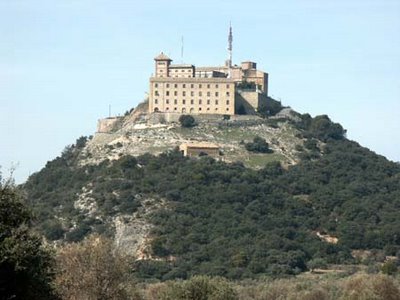
monastery of El Pueyo
Barbastro
Monasterio de El Pueyo is a sanctuary perched on a hilltop above Barbastro, in the Somontano region of Aragón. The site functions as both a living monastery and a lookout point, with sweeping views over the surrounding vineyards and the Pyrenees mountain range. How do you get there? The sanctuary sits roughly five kilometers from central Barbastro, on top of a hill just under 640 meters high. A paved local road climbs there from town, a drive of about fifteen minutes, and the winding approach is part of the experience — the road unwinds through switchbacks that keep opening onto broader views of the Vero river valley and the Somontano countryside. Hikers can also reach it on foot along a trail starting from Barbastro's old town, a walk of roughly an hour. What will you see? According to tradition, the site's story begins in 1101, when the Virgin Mary is said to have appeared to a shepherd named Balandrán, instructing him to have a chapel built on top of the hill. The original hermitage was soon too small for the growing number of pilgrims, so it was replaced by a Romanesque church with a cloister, later expanded again in Gothic style. The hill also had strategic value: under King Pedro I of Aragón it served as a forward outpost during the reconquest of Huesca, and in 1251 King James I established a chaplaincy here. A major renovation followed in 1680, when the sanctuary was enlarged and refurbished. The 19th-century disentailment of church properties brought turbulent times, and it was only through the efforts of Barbastro's citizens that the monastery was recovered for the town in 1843. From the late 19th century, Benedictine monks sent from the abbey of Montserrat ran the sanctuary for more than seventy years, followed by the Claretian community, and since 2009 it has been in the hands of monks from the Argentine Institute of the Incarnate Word. Visitors today can enter the monastery church, see the statue of Our Lady of El Pueyo venerated by the region for centuries, and, with some luck, join a guided tour of the historic rooms led by the resident monks. A small shop by the monastery gate sells sweets baked by the community, including the traditional rosquillas, along with local honey. When should you visit? The sanctuary is open year-round, but spring and early autumn are the best times to come, when temperatures across Somontano are mild and the Pyrenees are at their clearest on the horizon. In summer the exposed hilltop can get quite hot, so it's worth planning a visit for the morning or late afternoon. The site also follows its own liturgical calendar, hosting retreats and days of recollection throughout the year that draw pilgrims as well as school and parish groups. Where can you stay? The monastery runs a former pilgrims' hospice that still welcomes guests looking for quiet and contemplation. It's a good option for anyone who wants to spend more than a few hours at El Pueyo — the community offers overnight stays along with organized retreats for individuals, schools, and parish groups. Most visitors, though, will find a single day trip combined with a walk along the viewpoint terraces more than enough. Frequently asked questions Is admission to the sanctuary free? Yes, entry to the church and the monastery grounds is free, though donations toward its upkeep are welcome. How much time should I set aside for a visit? Visiting the church and the viewpoints takes about an hour, but it's worth allowing extra time for the drive up and a walk along the surrounding paths. Can you stay overnight? Yes, the monastery's former hospice offers overnight accommodation for those seeking a retreat or quiet time, arranged in advance with the community. What's worth buying on site? The shop by the monastery gate sells rosquillas baked by the monks along with local honey — a popular souvenir among visitors.
-
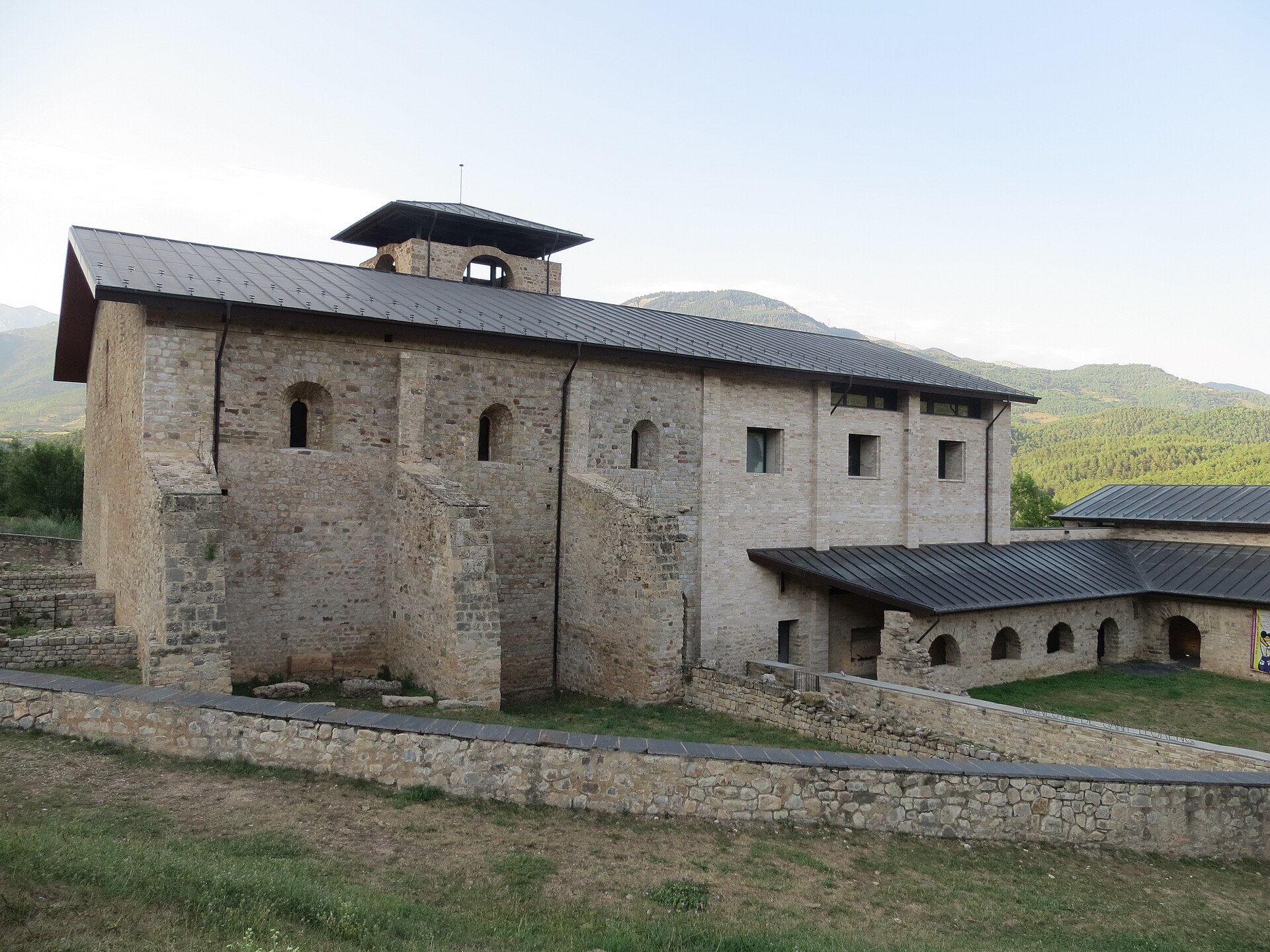
Sant Llorenç prop Bagà
Guardiola de Berguedà
Sant Llorenç prop Bagà is a former Benedictine monastery built in Romanesque style, located in the municipality of Guardiola de Berguedà, in the Berguedà comarca of Catalonia. The stone church sits on a valley slope in the Pyrenean foothills, a short distance from Bagà and close to the edge of the Cadí-Moixeró natural park. What will you see? The centerpiece is the Romanesque monastery church — a plain, sturdy stone building typical of medieval religious architecture in the Catalan Pyrenees. Thick walls, simple massing, and restrained decoration define the style, standing in quiet contrast to the dramatic mountain scenery surrounding it. The site still carries the sense of isolation the original monastic community would have valued: forested slopes, rocky terrain, and a hushed valley setting make a visit feel more contemplative than crowded or touristic. It's worth paying attention to how the building relates to the landscape — medieval Benedictine communities deliberately chose secluded valley locations like this one for both spiritual retreat and natural protection. Sant Llorenç prop Bagà is a good example of the monastic settlement pattern found throughout Berguedà, where similar Romanesque foundations — some better preserved, others reduced to ruins — are scattered along the valleys descending from the Pyrenees. How to get there? Guardiola de Berguedà sits in the northern part of the Berguedà comarca, along the road leading toward Bagà and the Pyrenean mountain passes beyond. Driving is the most practical option — from Barcelona, the trip takes roughly two hours, mainly via the C-16 and C-17 roads heading north through Berga. The monastery itself, set apart from the main village, is usually reached via a local road or a short walk from the nearest parking area, so it's worth checking the route in advance since on-site signage can be limited. The surrounding area is popular with hikers and cyclists, and the site is often visited as part of a longer trip through the Berguedà valley, combined with other Romanesque heritage stops in the region. When to visit? Spring (April to June) and early autumn (September to October) are the best times to visit, offering mild mountain temperatures and well-maintained hiking trails. Summer can get warm in the valleys, though higher elevations of the Pyrenees stay cooler. Winter draws skiers to nearby resorts, but reaching the monastery itself can be harder due to snow on local roads. Frequently asked questions Is the monastery still active as a religious site? No — Sant Llorenç prop Bagà is a historic monument. The original Benedictine community ceased to function long ago, and the building is now preserved as an example of Romanesque architecture. Is there an entrance fee? Access arrangements for monuments like this in the Berguedà region vary — sometimes the exterior grounds are freely accessible, other times a visit needs to be arranged with local authorities in advance. It's worth checking current conditions before planning your trip. How long does a visit take? Seeing the building itself takes about 30–45 minutes, but it's worth adding time for the approach and a walk around the surrounding countryside — easily combined into a half-day excursion through the valley. Are there other attractions nearby? Yes — Guardiola de Berguedà and neighboring Bagà are close to the Cadí-Moixeró natural park and other Romanesque monuments across the Berguedà comarca, making it easy to plan a longer route linking several sites.
-
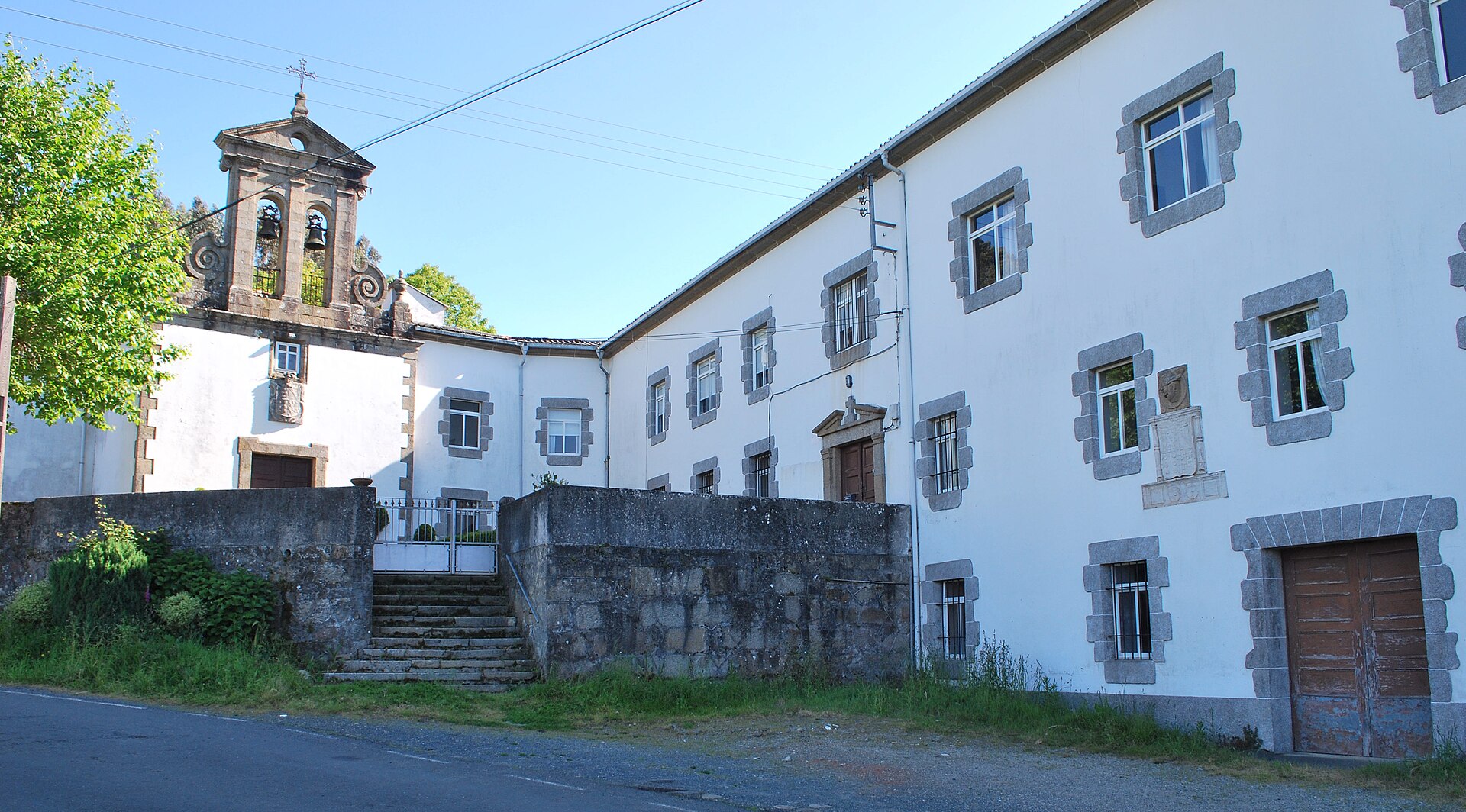
Convent of Baltar, Narón
Narón
Convento de Baltar is a former Galician manor house, or pazo, turned religious convent, set in the rural district of Baltar within the municipality of Narón, in the province of A Coruña. The estate was built at the end of the 16th century for Juan Pardo y Andrade as a noble family residence. Ownership and purpose shifted over the following centuries until 1910, when María de la Natividad Quindós y Villarroel, last Marquesa de San Sadurniño and heir to the property, handed the estate over to the Claretian Missionaries. Four years later the building underwent a major reconstruction and reopened as a formation house for future priests and a seminary for young missionaries. Since then it has been dedicated to the Immaculate Heart of Mary and remains in the hands of the Missionary Sons of the Immaculate Heart of Mary, within the Diocese of Mondoñedo-Ferrol. What will you see there? Despite repeated remodeling, the complex still carries traces of its aristocratic origins. Two large carved stone coats of arms survive from the original 16th-century construction, making them the oldest and most authentic feature of the whole ensemble. The grounds also include a chapel dedicated to the Sacred Heart, a Baroque-style fountain, and a sizeable hórreo — the traditional raised Galician granary — a reminder of the estate's earlier agricultural role. The whole complex sits within the quiet rural landscape of the O Val valley, making it a good example of noble architecture repurposed for religious life. How to get there? Convento de Baltar lies in the O Val area of the Narón municipality, close to Ferrol, in the northwest corner of Galicia. Driving from central Narón or Ferrol is the most practical option, taking only a short trip of around ten to fifteen minutes. Local buses connecting Ferrol with the surrounding parishes also serve the area, though schedules can be infrequent, so it's worth checking timetables locally before setting out. Given the rural setting, planning the trip ahead is recommended. When to visit? The convent still functions as an active religious formation house, so access to the interior may be limited depending on the community's current activities. Weekday daytime visits tend to work best, when there is less activity around the site and the exterior grounds — including the fountain and the area around the hórreo — can be explored calmly from outside. Spring and early autumn are particularly pleasant for walking through the surrounding countryside of the O Val valley, with lush greenery and mild temperatures. Who is it for? Convento de Baltar will appeal mainly to visitors interested in religious architecture and the history of Galicia's rural nobility. It also makes a worthwhile stop for anyone exploring the area around Ferrol who is looking for lesser-known, authentic sites that reveal Galicia's rural heritage — from carved family crests to traditional granaries. Frequently asked questions What was Convento de Baltar originally? It began as a pazo, a traditional Galician manor house, built at the end of the 16th century for Juan Pardo y Andrade. When did the building become a convent? The estate was handed to the Claretian Missionaries in 1910 and rebuilt in 1914 to serve as a seminary and formation center. What is worth seeing on the grounds? Two 16th-century carved stone coats of arms, the Sacred Heart chapel, a Baroque fountain, and a traditional Galician hórreo. Can visitors go inside the convent? The building is an active religious community, so interior access is often limited — visitors should mainly expect to explore the grounds and exterior.
-
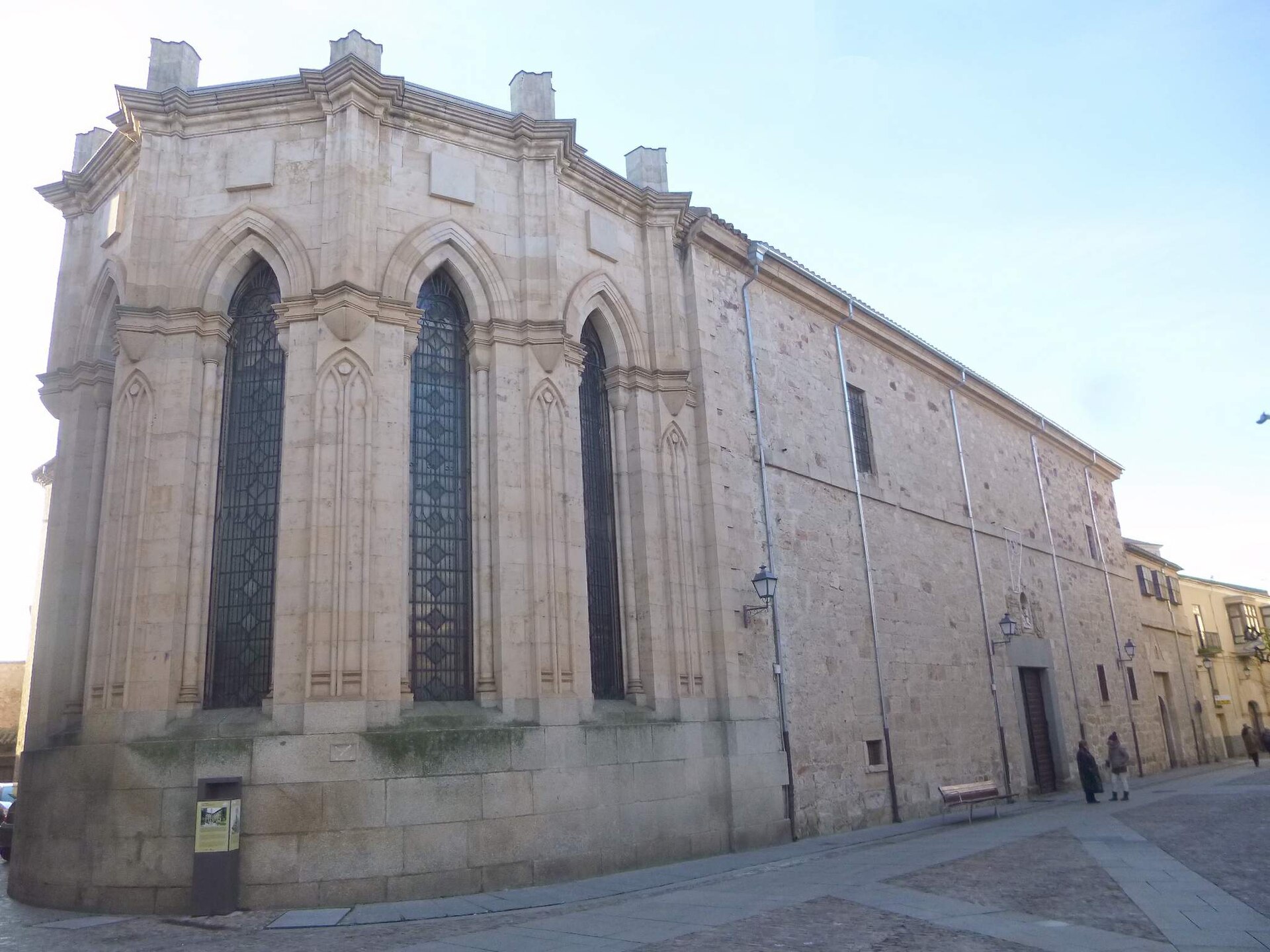
Convento del Tránsito, Zamora
Zamora
Convento del Tránsito is a historic convent in Zamora, listed as a protected cultural property (bien de interés cultural) in Spain. It's one of the less obvious but still worthwhile stops in a city best known for its Romanesque churches — a good addition once the cathedral and the headline sights are checked off. What should you know before visiting? Convento del Tránsito is located in Zamora, in the Castile and León region of northwestern Spain. It's a site of religious and historical character, and its official heritage-protection status underlines its importance to the local cultural landscape. Unlike major all-day attractions, the convent follows its own, fairly limited schedule, so planning ahead matters more here than at Zamora's bigger monuments. When to visit? The site is open to visitors on Fridays and Saturdays from 13:45 to 16:00 and again from 20:30 to 23:00, and on Sundays from 13:45 to 16:00. That means a spontaneous drop-in on any random weekday won't work — build these windows into a weekend visit to Zamora. The Friday and Saturday evening slot can be a good chance to see the building in a different light than during the day, which architecture photography fans may find especially appealing. How to get there? Zamora is a compact city best explored on foot, and Convento del Tránsito is no exception — walking from the city center is the simplest way to reach it. It's worth checking the exact location on a map beforehand, since the building isn't always as clearly signposted as Zamora's main landmarks. Given the limited opening hours, calling ahead on +34 980 50 98 86 is a sensible way to confirm the current schedule and any visiting rules before setting out. What will you see there? As a convent building with protected cultural-property status, Convento del Tránsito represents the kind of religious architecture typical of historic monastic sites in this part of Spain. Visiting it means stepping off the main tourist trail while still taking in a part of Zamora's officially recognized heritage. It's a solid pick for travelers looking for quieter, more authentic corners of the city. Frequently asked questions What are the opening hours of Convento del Tránsito? The convent is open Fridays and Saturdays from 13:45 to 16:00 and 20:30 to 23:00, and Sundays from 13:45 to 16:00. How can I contact the site before visiting? You can call +34 980 50 98 86 to get up-to-date visiting information. Is Convento del Tránsito easy to reach from central Zamora? Yes — Zamora is small enough that the site can comfortably be reached on foot from most points in the city center. Is it an officially protected heritage site? Yes, Convento del Tránsito is registered as a cultural property (bien de interés cultural) in Zamora's heritage records.
-
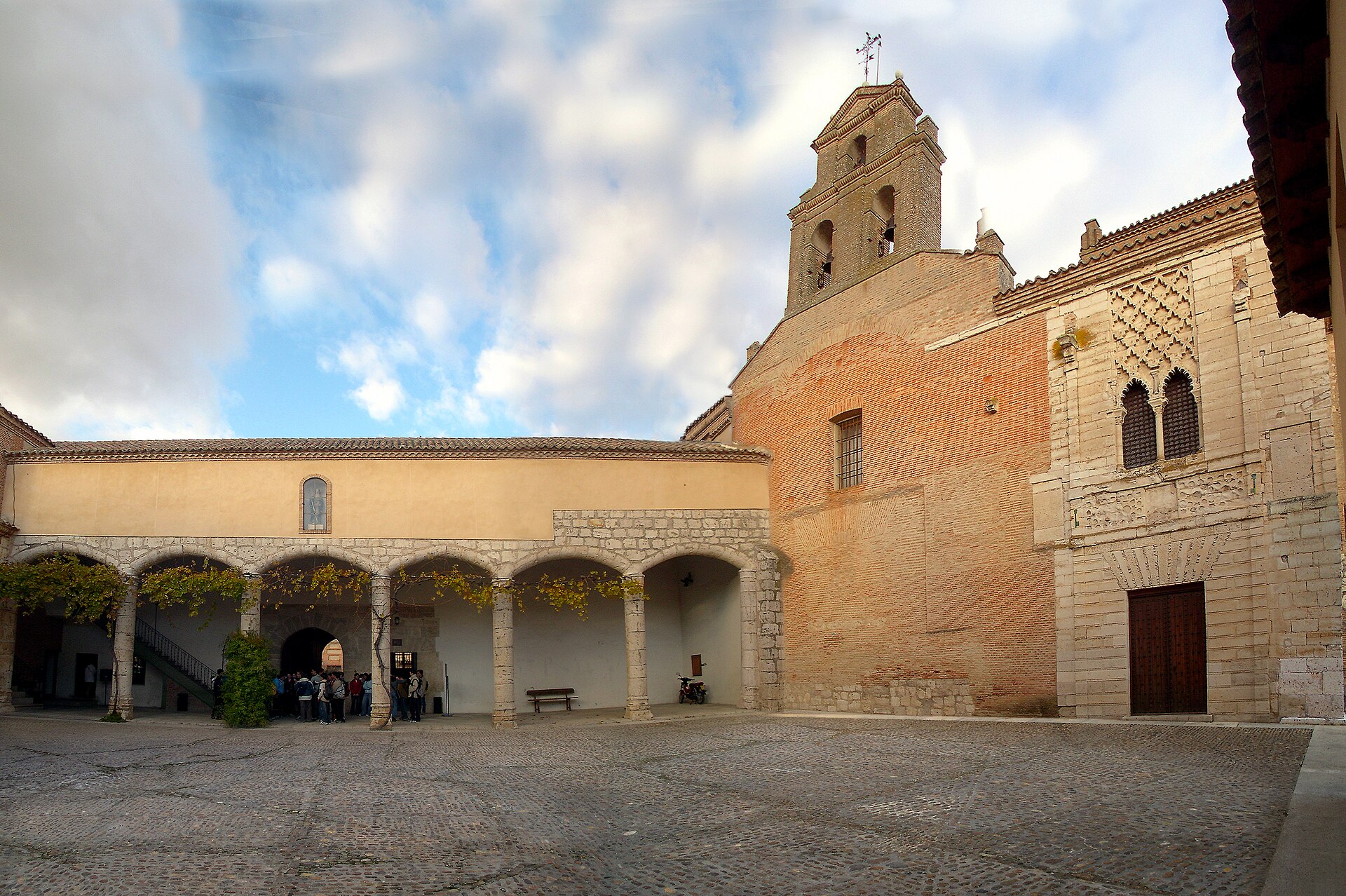
Royal Convent of Santa Clara
Royal Convent of Santa Clara is a nunnery in Tordesillas, a town in Valladolid province, Castile and León, Spain. What is this place? The convent was founded in 1363 by Pedro I, King of Castile. For over six and a half centuries it has been home to a community of Poor Clares (cloistered Franciscan nuns), and today the building is managed by Patrimonio Nacional, the Spanish institution responsible for royal residences and religious foundations tied to the monarchy. This is not a museum piece frozen in time — as of 2024, 8 cloistered nuns still live here, making the convent a functioning religious community rather than a purely historical exhibit. Why is it worth a visit? A royal founder tells you something about the ambitions behind this building: foundations of this kind were typically built to impress, meant to serve as places of prayer for the ruling dynasty and, frequently, as burial sites for noble families. The fact that Patrimonio Nacional now oversees the convent places it alongside the country's other most significant royal residences and foundations under that institution's care — a strong indicator of recognized historical value. How do you get there? Tordesillas sits in Valladolid province, in the heart of Castile and León, a region well connected to central Spain. The site's coordinates are roughly 41.50°N, -5.00°E, placing it within the town of Tordesillas itself. It's worth treating the convent as one stop on a broader tour of Valladolid province, pairing it with other regional sights along the way. What should you know before visiting? Because the building remains an active cloistered convent, visits may come with the kind of restrictions typical of such sites — certain areas closed to the public, a request for quiet behavior, and dress appropriate for a place of worship. Management by Patrimonio Nacional usually means organized visitor infrastructure, such as ticketing and guided tours, similar to other sites in that network across Spain, so it's worth checking current visiting rules locally or with a regional tourism office before you go. What's worth knowing about its history? More than six and a half centuries of uninterrupted religious presence in one place is rare even by European standards. The 1363 foundation has outlasted changing dynasties, wars, and political upheaval across Spain, yet its religious function never disappeared. That continuity — from King Pedro I to today's community of eight nuns — is what makes this convent a distinctive witness to the region's history. Frequently Asked Questions Who founded the Royal Convent of Santa Clara? It was founded in 1363 by Pedro I, King of Castile. Which religious order lives here? The Poor Clares, a cloistered Franciscan order, have maintained an unbroken presence at the site since the Middle Ages. Is the convent still an active religious site? Yes. As of 2024, 8 cloistered nuns live there — it remains a living community, not just a historic monument. Who manages the site today? The convent is administered by Patrimonio Nacional, the Spanish institution responsible for historic royal residences and religious foundations.
-
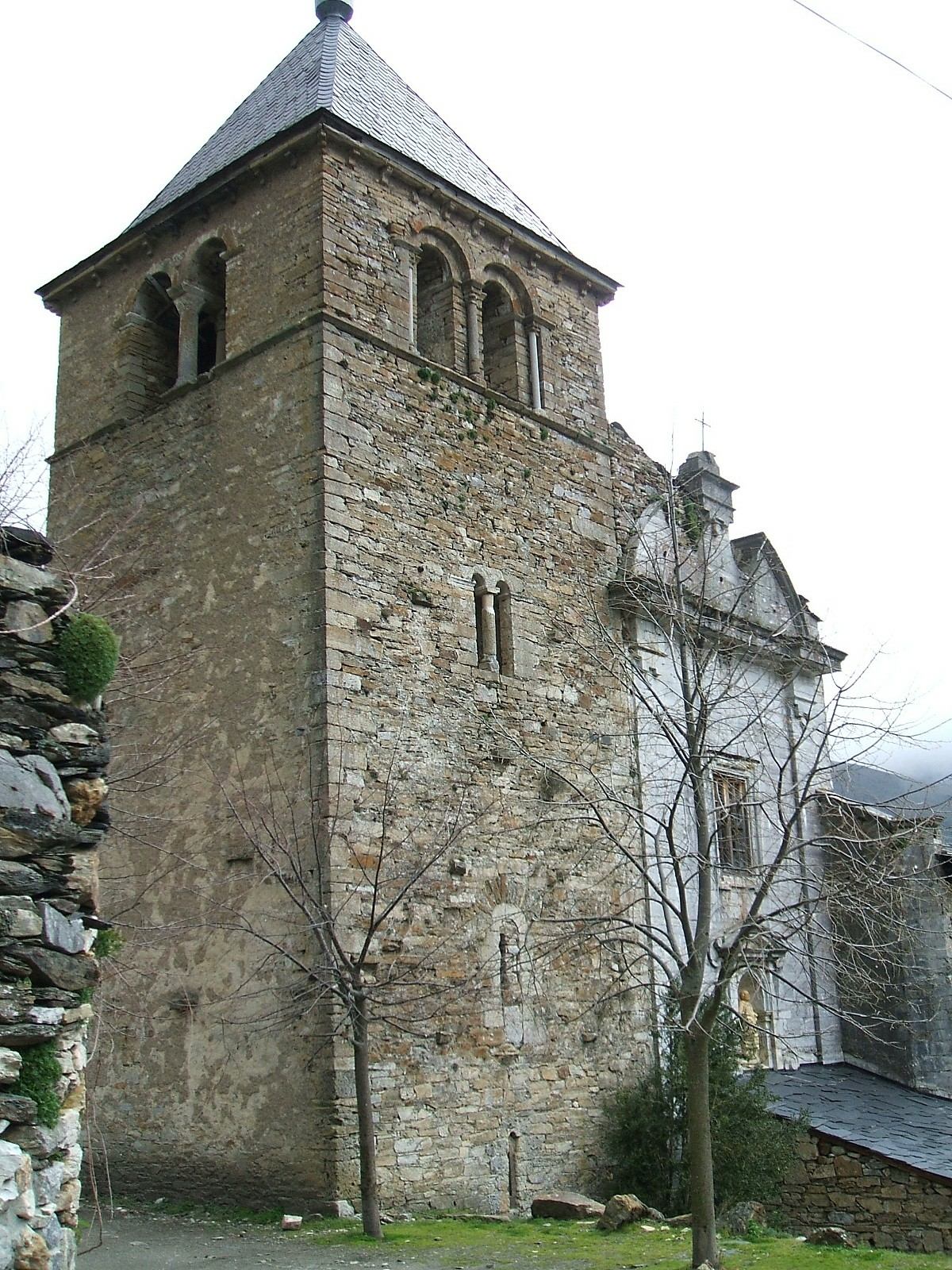
San Pedro de Montes
Ponferrada
San Pedro de Montes Monastery stands hidden among the mountains of Montes de Valdueza, roughly 20 km from Ponferrada, in the heart of Spain's El Bierzo region. Few sites in the area pack so many centuries of history into a single stone complex, ranging from Visigothic origins to Baroque additions. How do you get to San Pedro de Montes? The monastery sits in the Valdueza valley, within the municipality of Ponferrada, province of León. Driving from central Ponferrada takes about 30–40 minutes along a local road that winds through the villages of Montes de Valdueza and Peñalba de Santiago — the two are easily combined into a single day trip. The road climbs through the Aquiana mountain range, so it's worth allowing extra time for the drive itself. Public transport barely reaches this area, so a car is by far the most practical option. What's the history behind the monastery? San Pedro de Montes was founded around 635 by Saint Fructuosus, one of the key monastic figures of Visigothic Spain, together with his disciple Baldarius. It was originally known as "Rupianense," named after the nearby Roman hillfort of Rupiano. The Muslim invasion left it abandoned, until Saint Genadius — later bishop of Astorga — rebuilt it in 895. In 919, the church was consecrated to Saint Peter. Alongside the nearby Monastery of Santa María de Carracedo, San Pedro de Montes became one of the most powerful monastic centers in El Bierzo. Its golden age ran from the 11th to the 13th century, when the Benedictine reform reshaped the buildings in Romanesque style. In the 18th century, the nave, façade, and a Baroque cloister were added. The monastery's decline came with the Spanish War of Independence, an economic crisis, and the 1835 Mendizábal confiscation, when church properties were seized by the state. A later fire destroyed much of the complex. It was declared a National Monument in 1931 and a Site of Cultural Interest (Bien de Interés Cultural) in 1994. What will you see on site? Visiting San Pedro de Montes means walking through several architectural eras at once. Pre-Romanesque fragments survive in some of the capitals, dating back to the monastery's earliest years. A Romanesque tower dominates the complex and remains one of its best-preserved features. The ruined cloister and the 18th-century church façade trace how the building evolved over the centuries. Nearby, in the village itself, stands the Chapel of Santa Cruz, built in the 18th century, which preserves Visigothic and Mozarabic reliefs from the 10th century — valuable remnants of an earlier construction phase. The whole site sits within the scenic Valdueza valley, surrounded by chestnut and oak forests, making it just as rewarding for nature lovers as for history enthusiasts. When should you visit and how to plan it? The monastery is open for visits from Tuesday to Sunday, by prior appointment only and weather permitting — the access road can be difficult in winter. Spring and early autumn are the best seasons, when the mountain roads are reliably passable and the surrounding forests look their best. Plan for at least half a day so you can combine the monastery visit with a walk through the Valdueza valley and a stop in Peñalba de Santiago. Frequently asked questions Is San Pedro de Montes still an active monastery? No, it no longer houses an active religious community — it now operates as a heritage site open to visitors by appointment. How long does a visit take? The monastery visit itself usually takes 45–60 minutes, but allow extra time for the drive and a walk around the area. Can you get there without a car? Public transport barely reaches this region, so renting a car is the most reliable way to visit. What else is worth seeing nearby? Peñalba de Santiago, a village with a 10th-century Mozarabic church listed among Spain's most beautiful villages, sits close by and makes an excellent addition to the trip.
-
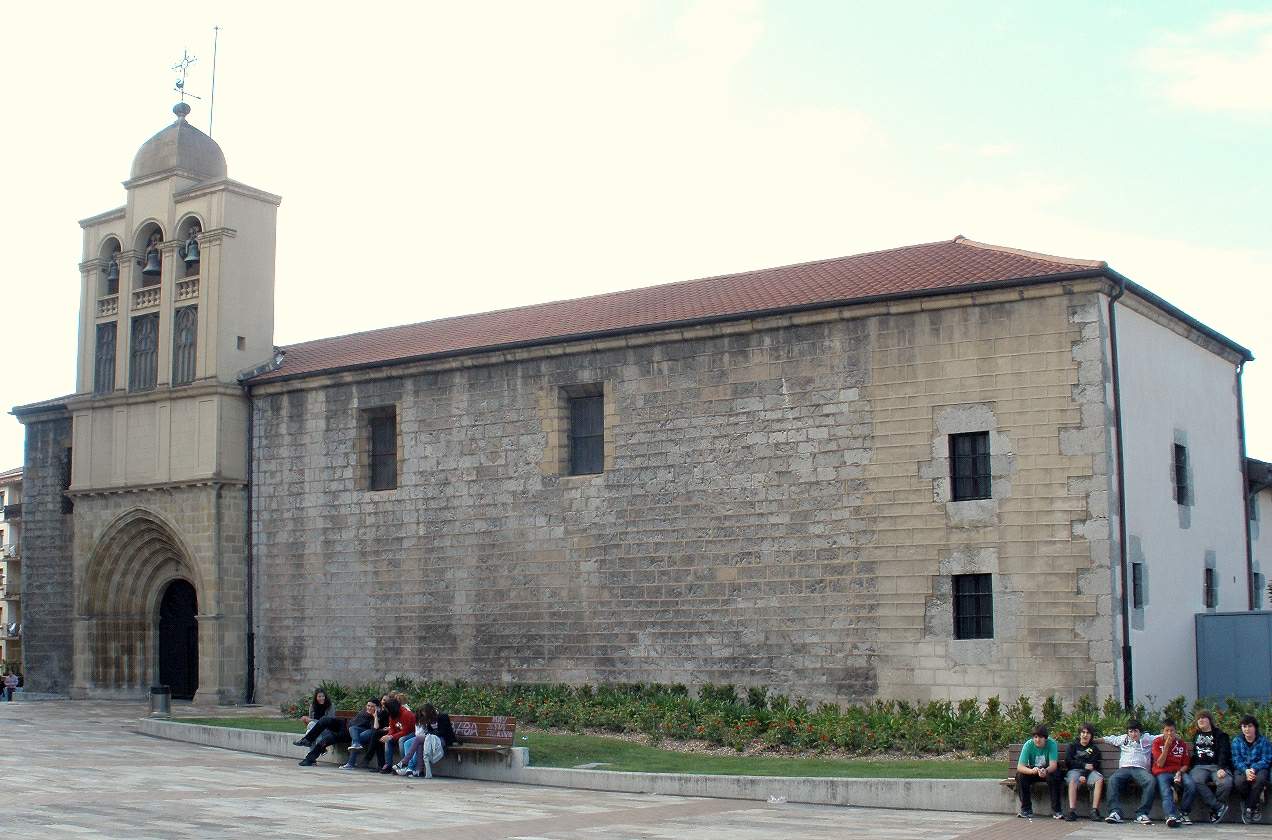
Convent of San Agustín, Hernani
Hernani
The Convent of San Agustín in Hernani is one of the oldest historic architectural complexes in this Basque town, located just a short distance from San Sebastián. Built on the site of the town's former parish church, it remains a landmark in Hernani's old quarter to this day. How do you get there? Hernani sits in the province of Gipuzkoa, right next to San Sebastián, with regular bus and Euskotren rail connections between the two. The journey from central San Sebastián typically takes no more than 20–25 minutes. The convent stands within the casco histórico, the old town, so once you arrive the best way to get around is on foot — most of the historic sites cluster within easy walking distance of one another. Drivers will find parking near the town centre, a short stroll from the convent itself. What will you see? The origins of the current complex date back to 1526, when a convent for Augustinian nuns was founded on the site of Hernani's earlier parish church. The church itself, the oldest surviving element of the whole ensemble, retains a simple single-nave layout on a rectangular plan with a flat-ended presbytery. Inside, visitors can admire a spacious choir and a ceiling with an exposed wooden structure — a solution typical of Basque religious architecture from this period. Once the convent was founded, three new wings were added along the church's left wall, arranged around a central rectangular cloister. This part of the complex housed the nuns' quarters: visiting rooms and communal halls with a refectory on the ground floor, and individual cells on the upper level. This layout — a church joined to a convent organised around a cloister — is characteristic of the contemplative religious communities established across Spain during the 16th century. The building's turbulent history has left its mark: in 1808, during the Peninsular War, the complex was partially destroyed while being used as barracks by French troops. It was rebuilt in 1825, restoring its religious function. Despite this damage and the subsequent reconstruction, the convent has retained its original, understated architectural character, without the elaborate decoration found in more prestigious monastic foundations of the era. When should you visit? Hernani, like the rest of Gipuzkoa, enjoys a mild oceanic climate, making it pleasant to visit for most of the year. The best conditions come in spring (April to June) and early autumn (September–October), when temperatures are moderate and crowds thinner than at the height of summer. Summer remains popular thanks to the nearby beaches of San Sebastián, but the region is known for frequent rain showers, so it's worth packing an umbrella whatever the season. Frequently asked questions Can you visit the inside of the Convent of San Agustín? Access to the interior depends on the building's current use and any events taking place there — it's worth checking with Hernani's local tourist information before your visit, since parts of the complex may be used for cultural or administrative purposes. How long does a visit take? Seeing the building itself, along with a walk through the surrounding old town, generally takes about 30–45 minutes, though architecture enthusiasts may want to linger longer over the structural details. Are there other attractions nearby? Yes — Hernani's casco histórico brings together several other historic buildings and the intimate narrow streets typical of Basque towns, making it easy to combine a visit to the convent with a short walk around the whole centre. Is admission free? In most cases, viewing the building's exterior is free and possible year-round — any charges would apply only to guided tours or special events held inside.
Earn badges for the places you visit
Download NextOnTrip, discover new places and check off your trails.