Sacred Monuments in Spain
A guide to 2038 Sacred Monuments in Spain — with descriptions, photos and traveler visits from the NextOnTrip community. Locations spread across 1060 cities and towns. Most visited by the community: Basilica of the Most Holy True Cross, Sant Salvador d’Artà, Iglesia y muralla del Tozal del Muro.
-
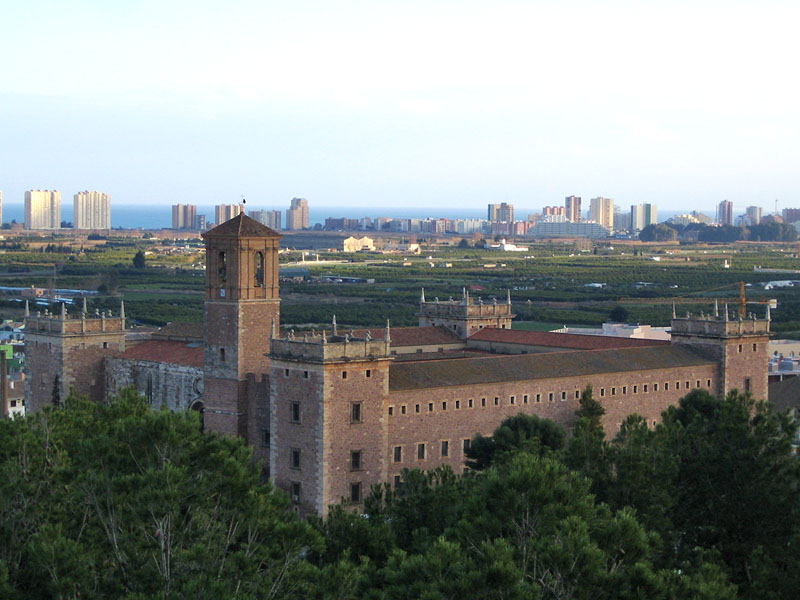
Monastery of Santa Maria, El Puig
el Puig de Santa Maria
The Monastery of Santa Maria in El Puig is a Gothic-and-Renaissance monastic complex located about 18 km north of Valencia, in the province of Valencia, Spain. What makes this monastery worth a visit? The complex sits on a small hill — the name El Puig means "hill" in Valencian — which has served as a natural lookout point over the coastal plain since medieval times. The church itself is built in Gothic style, while the surrounding monastic buildings follow Renaissance design principles. This mix of two architectural periods within a single complex gives it a different character from many Spanish monasteries built in a single era, with a fortress-like solidity in the stonework that reflects its historical role as both a religious and defensive structure. The monastery has remained an active place of worship for centuries and stands as a landmark of the Valencia region's religious heritage. Its hilltop position gives visitors views over the surrounding orange groves and the nearby Mediterranean coastline, making it a natural viewpoint as well as a religious site. How do you get there? El Puig sits along the main route connecting Valencia to the northern part of the province, close to the coastal motorway. Driving from central Valencia takes roughly 20–25 minutes. Regional bus services also connect the town, so a visit is possible without a rental car — though it's worth checking timetables in advance, since connections run less frequently than in larger cities. For travelers with a car, the monastery makes a convenient stop between Valencia and the towns along the Costa del Azahar, and it's often combined with a day trip that pairs sightseeing with time on the coast. What will you see on site? A visit centers on the Gothic church and the Renaissance monastic buildings surrounding it. Typical of this kind of complex are the interior cloister and the plain, heavy stone façades, which contrast with more decorative elements inside the church itself. The hill the monastery stands on is an attraction in its own right, offering views over the plain and the agricultural land characteristic of the Valencia region. It's worth setting aside time not only for the monastic complex but also for a walk through the town of El Puig itself, which has kept a small, provincial character quite different from the pace of nearby Valencia. When is the best time to visit? Spring (March–May) and autumn (September–November) offer the most comfortable conditions, with mild temperatures before the summer heat sets in across the surrounding hills and fields. Summers in the Valencia region can get quite hot, which makes extended time outdoors around the monastery less comfortable. Winters remain mild by European standards, making El Puig a realistic option for a visit even outside the main tourist season. Frequently asked questions Is the monastery open to visitors? Yes, the complex remains an active place of worship and is open for visits — it's worth checking current opening hours before arriving, as these can vary by season and religious holidays. How much time should you plan for a visit? Seeing the complex typically takes one to two hours, depending on whether the visit covers only the exterior or also the interior spaces. Can this be combined with other nearby attractions? Yes, the proximity to both Valencia and the Costa del Azahar coastline makes it easy to combine the monastery with a route covering the city and regional beaches. What's the best way to reach El Puig without a car? Regional bus services run from Valencia, though it's best to check the schedule in advance since connections are less frequent than in larger cities.
-
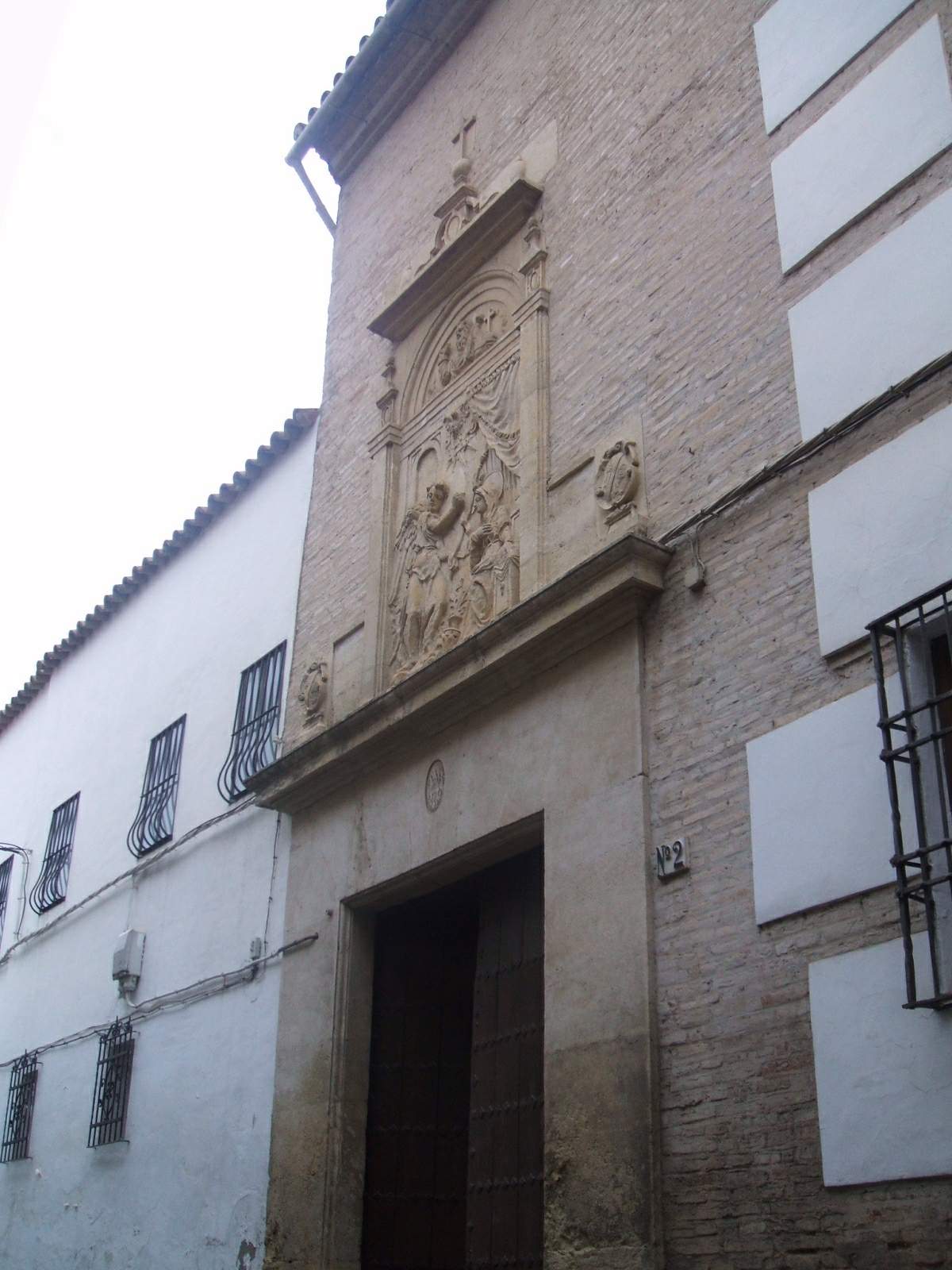
Convento de la Encarnación
Kordoba
Convento de la Encarnación is an enclosed convent complex in Córdoba, tucked right against the corner of the Mezquita on the street that shares its name. Most visitors walking toward the famous mosque-cathedral pass right by it, unaware that the building holds over five centuries of monastic history. Where did the convent come from? The foundation dates back to the early 16th century. In 1503, canon Antón Ruiz de Morales left his house in his will for the creation of a beaterio — a religious community intended to be led by his niece, Juana González de Morales. The papal bull formally approving its transformation into a full convent was issued on 11 July 1509. Since then the site has belonged to the Cistercian order and remains an enclosed religious community to this day. What will you see there? The complex is arranged around a series of internal courtyards, a layout typical of Córdoba's religious and residential architecture. The convent church has a single nave covered by a barrel vault, giving the interior a plain but monumental feel. The decorative elements span two eras: the oldest parts, including the portals, are Renaissance in style and attributed to Hernán Ruiz III, an architect also linked to work on the nearby cathedral. Later renovations carried out during the 17th and 18th centuries added Baroque touches, still visible today in the ornamentation and parts of the façade. Because it remains an active enclosed community, access to the interior is limited — this is not a museum piece in the usual sense but a living convent. Even so, the building's silhouette and its position right beside the Mezquita make it a worthwhile stop on a walk through the historic center. How do you get there? Convento de la Encarnación sits in the heart of historic Córdoba, just a few minutes on foot from the Mezquita-Catedral. The location makes it easy to combine with other sights in the surrounding district — narrow lanes, courtyards, and the old town's historic buildings. The simplest way to reach it is on foot, walking from the main mosque toward the adjoining streets of the old quarter. When should you visit? Spring (March to May) and autumn (October to November) are the best times to explore the area, since temperatures in Córdoba are far milder than during the scorching summer months. Keep in mind that, as an active enclosed convent, Convento de la Encarnación does not operate on the typical opening hours of a tourist attraction — its appeal for visitors lies mainly in its exterior architecture and historical context. Why is it worth a stop? The convent church was officially declared a Bien de Interés Cultural (the Spanish equivalent of a protected historic monument) on 2 April 1982, confirming its architectural and historical value within Córdoba's heritage. It's one of those buildings easy to overlook while rushing toward the city's headline sights, yet it rounds out the picture of old Córdoba's religious and architectural identity. Frequently asked questions Can you visit the inside of the convent? It is an active enclosed community, so access to the interior is heavily restricted. Visits focus mainly on the exterior architecture. How far is it from the Mezquita? Very close — the convent sits right at the corner of the mosque-cathedral complex, within a few minutes' walk. Who designed the original building? The oldest, Renaissance-era elements are attributed to Hernán Ruiz III, an architect active in Córdoba in the 16th century. What protection status does the site hold? The convent church was declared a Bien de Interés Cultural on 2 April 1982.
-
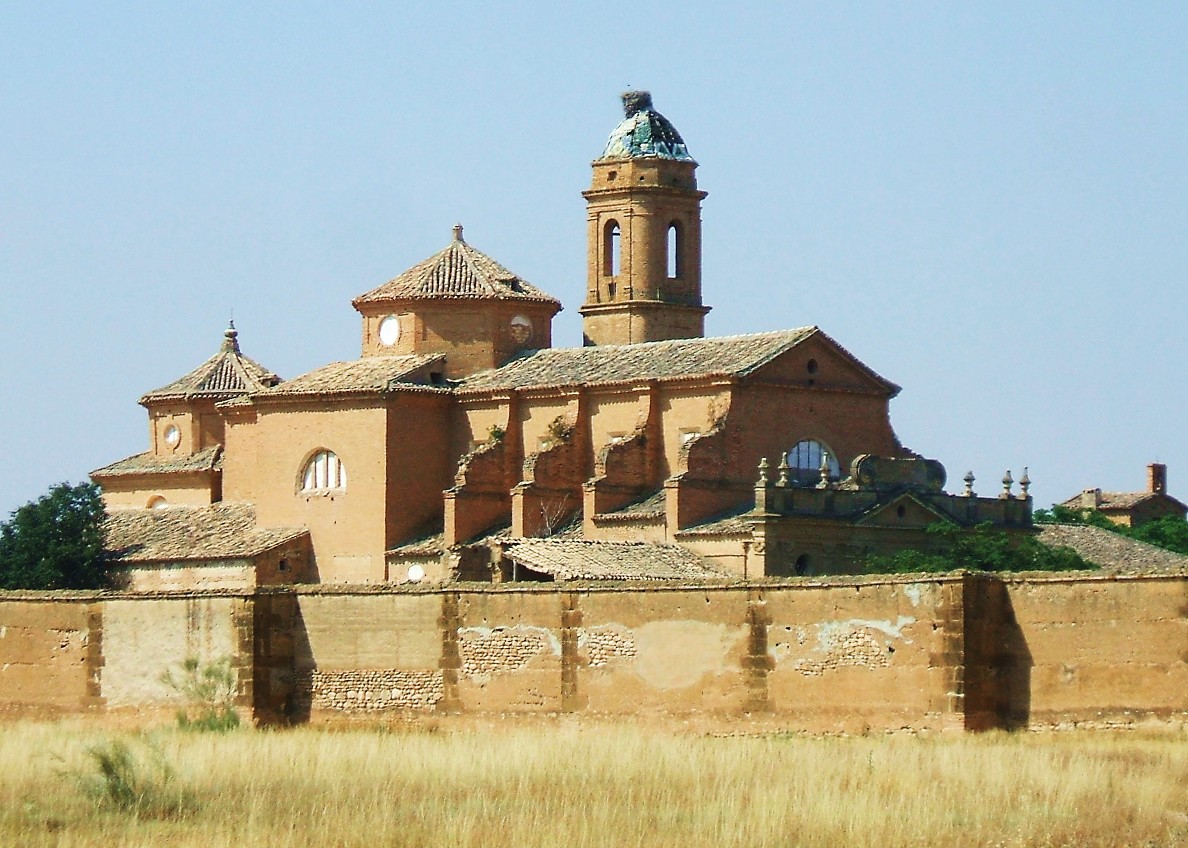
Nuestra Señora de las Fuentes
Sariñena
Nuestra Señora de las Fuentes is a former Carthusian monastery near Sariñena, in the province of Huesca, Aragon. Also known as the Cartuja de los Monegros, after the arid steppe region of Los Monegros where it stands, it was the first Carthusian monastery founded in the Kingdom of Aragon and the fifteenth on the territory of present-day Spain. How to get there? The monastery sits within the municipality of Sariñena, in the heart of the Los Monegros comarca, roughly between Huesca and Zaragoza. Driving is the most practical option, since the surrounding landscape is flat, open farmland with straightforward local roads leading out from Sariñena. It's worth checking access conditions locally before setting off, as the site is a former, secularized monastic foundation rather than an active abbey with regular visiting hours. What will you see? The complex was founded in 1507 by the Counts of Sástago. This foundation marked the beginning of the Carthusian order's presence in Aragon — a strict, contemplative monastic community whose roots trace back to 11th-century France and the rule of Saint Bruno of Cologne. Carthusians combined a hermit-like solitary life with a shared rhythm of prayer, which is why their monasteries were typically built far from towns, in places suited to silence and withdrawal — much like the countryside around present-day Sariñena. Today, Nuestra Señora de las Fuentes stands as a former monastery, a testament to the Carthusian order's centuries-long presence in the region and one of the few sites of its kind on the map of Los Monegros. The name itself, "de las Fuentes" (of the springs), points to water as the decisive factor behind the original choice of this particular location — a resource of special value in the otherwise dry Monegros landscape. When to visit? Los Monegros has a continental climate, with hot summers and cold winters typical of inland Aragon. The best time to visit is spring (April to June) or early autumn (September to October), when temperatures are milder and the region's steppe scenery is at its most striking. Summer heat can be intense, so it's best to plan any visit for the morning hours. Frequently asked questions What is Nuestra Señora de las Fuentes? It's a former Carthusian monastery in the municipality of Sariñena, in the province of Huesca, Aragon, also known as the Cartuja de los Monegros. When was the monastery founded? It was founded in 1507 on the initiative of the Counts of Sástago. Why is this site historically significant? It was the first Carthusian monastery founded in the Kingdom of Aragon and the fifteenth in the whole of present-day Spain, making it a notable milestone in the order's history on the Iberian Peninsula. Is the monastery still an active abbey? No — Nuestra Señora de las Fuentes is now a former, secularized monastery, so it's worth checking locally about current access to the site before visiting.
-
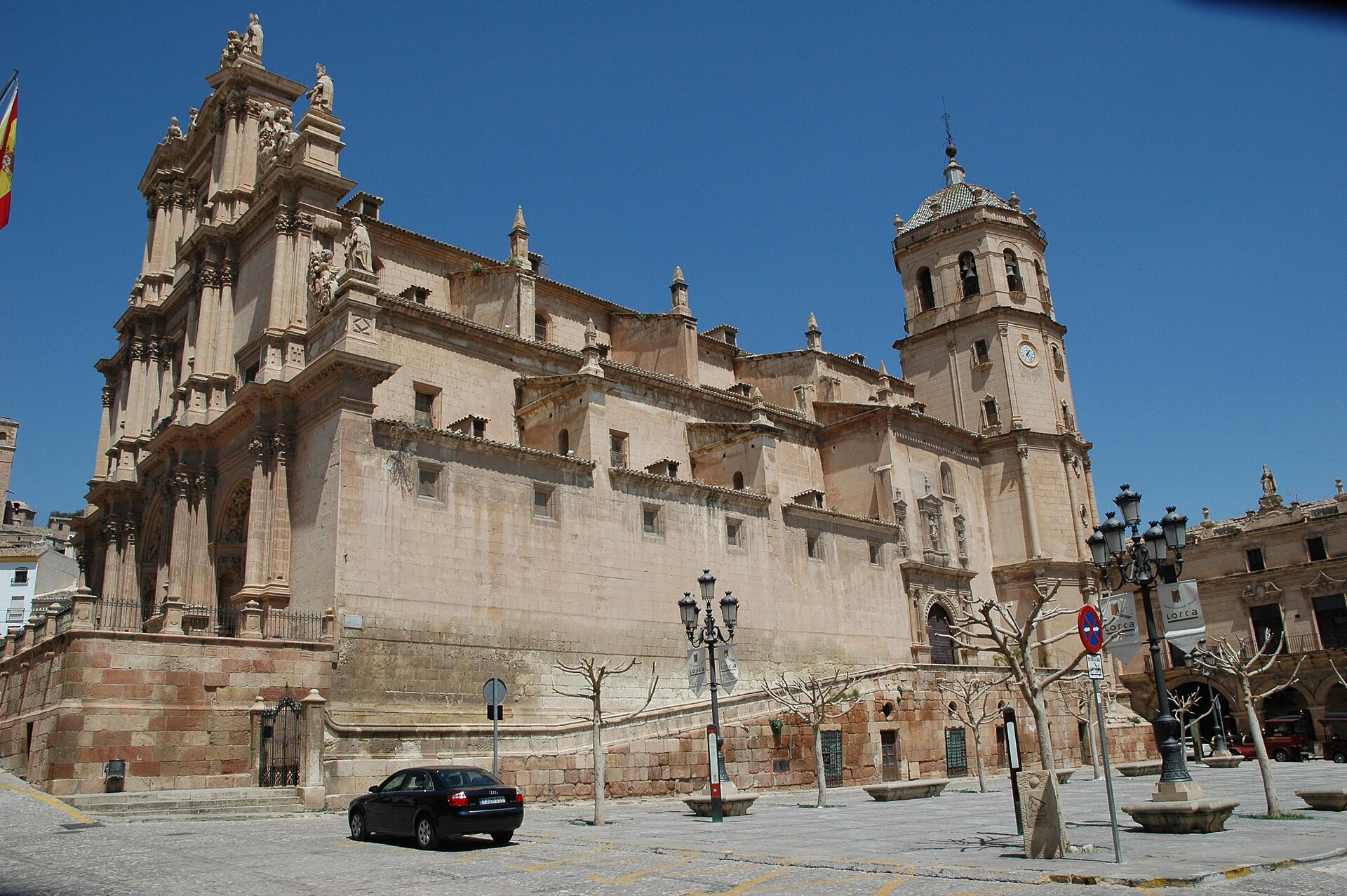
Colegiata de San Patricio de Lorca
Lorca
Colegiata de San Patricio de Lorca Colegiata de San Patricio stands in the Spanish town of Lorca, in the Region of Murcia, and ranks among the most significant religious monuments in the area. It was built on a scale rivaling a cathedral, even though it never formally held that rank — the ambition behind it was to give the town an independent bishopric, separate from the diocese of Cartagena. Why is a church in Spain dedicated to an Irish saint? Visitors are often puzzled by the choice of patron, but the reasoning is rooted in a specific historical event. On March 17, 1452 — Saint Patrick's feast day — the people of Lorca, together with other forces from the old Kingdom of Murcia, fought the Battle of Los Alporchones against Muslim troops from Granada that had just ravaged the Cartagena area. The victory was credited to the saint whose day it happened to be, and that link became the reason for naming the future collegiate church after him. How long did it take to build? The project moved slowly by any standard. Before construction could even start, papal bulls were required — granted in 1533 by Pope Clement VII at the request of Sebastián Clavijo, dean of the Murcia cathedral. Building work itself began around 1536 and stretched across roughly two and a half centuries, with the final stage — capping the tower — completed only in 1780. That long timeline explains why the structure blends architectural styles, moving from Renaissance foundations into later Baroque additions. Why was it meant to become a bishop's seat? The plans behind the collegiate church went well beyond raising a large place of worship. Lorca had held its own episcopal seat in earlier centuries, and the project aimed to restore that status, with a bishopric independent from Cartagena. The plan was never fully realized, but it explains why the building was designed with cathedral-like proportions, far exceeding what a standard parish church would need. Where does it stand, and what surrounds it? The church sits on Plaza de España, the heart of Lorca, alongside other landmark buildings: the town hall, the Palacio del Corregidor, and the Salas Capitulares. Together they form one of the most notable historic squares in the region, with the collegiate church as its visual and historical centerpiece. What heritage status does it hold? Given its architectural and historical weight, the building was declared a National Historical-Artistic Monument by decree on January 27, 1941 — official recognition of its importance not just to Lorca, but to the wider heritage of the Region of Murcia. Frequently Asked Questions Why is this Spanish collegiate church dedicated to Saint Patrick? Because the victorious Battle of Los Alporchones, which repelled an invasion from Granada, took place on March 17, 1452 — Saint Patrick's feast day. How long did construction take? About 250 years in total, from the start of building around 1536 to the completion of the tower in 1780. Was the Colegiata de San Patricio ever an actual cathedral? Not formally, but it was designed with the ambition of becoming an independent bishop's seat, which is why it has such cathedral-like proportions. What else is worth seeing near the collegiate church? It stands on Plaza de España, surrounded by the town hall, the Palacio del Corregidor, and the Salas Capitulares — Lorca's main historic ensemble.
-
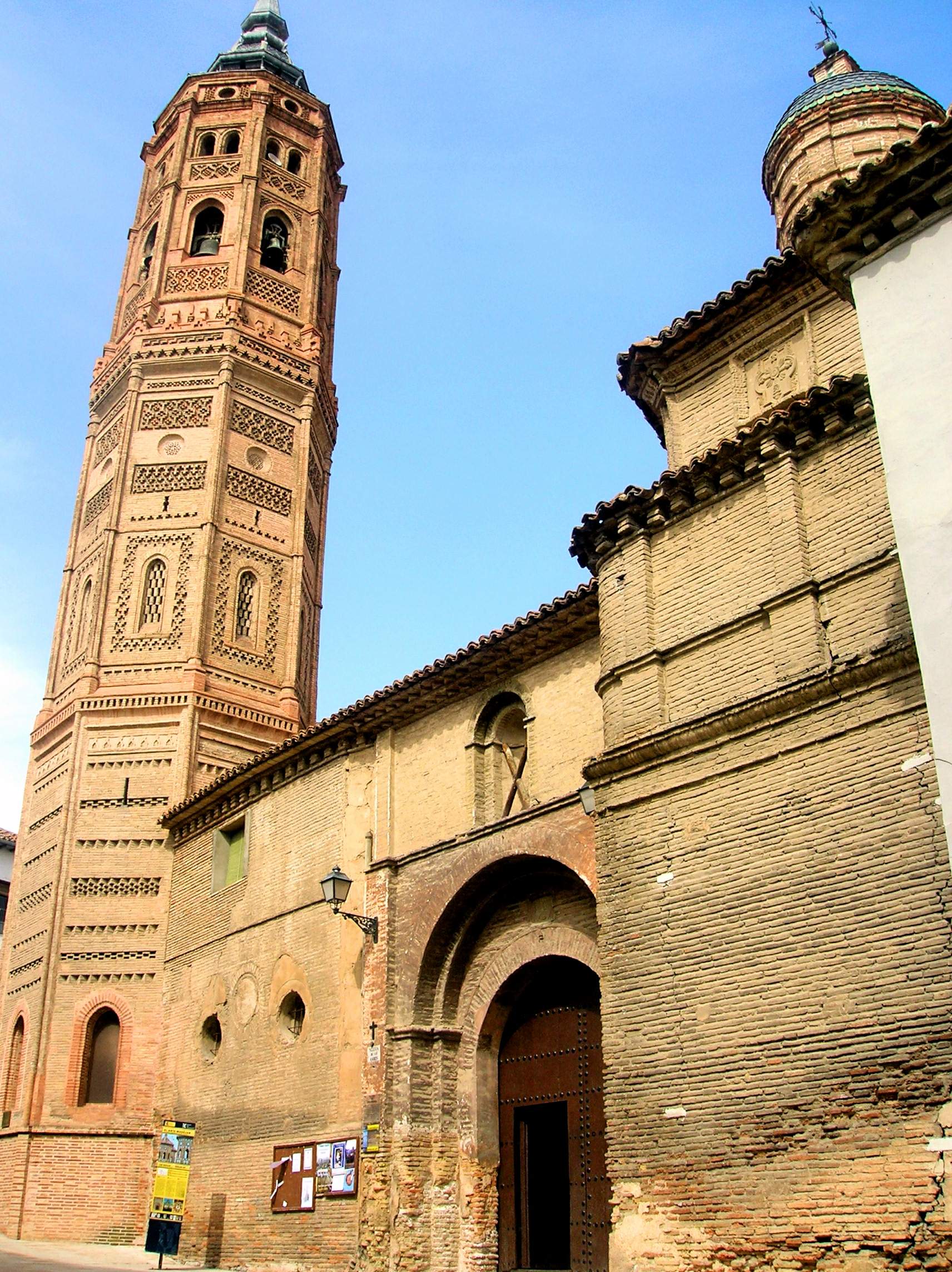
San Andrés
Calatayud
The Church of San Andrés stands in Calatayud, a town in the province of Zaragoza, in the Aragón region of Spain. What is this building? The Iglesia de San Andrés is a Catholic parish church regarded as the oldest in Calatayud and the second tallest among the town's church towers. It was raised shortly after the Christian reconquest of the area, traditionally associated with Alfonso I "the Battler," whose campaigns after 1120 secured Calatayud and Daroca for the Christian kingdoms. Local tradition holds that the church may occupy the site of an earlier mosque. What does the architecture look like? The original structure, dated to the 14th-15th centuries, is Gothic-Mudéjar: three naves - the central one taller and wider than the two side aisles - each divided into three bays and covered with ribbed vaulting. Slightly horseshoe-shaped pointed arches separate the naves, a three-nave layout that is unusual among the Mudéjar churches of the region. The building's most recognizable feature is its 14th-century octagonal Mudéjar tower, decorated with geometric brickwork and counted among the finest examples of its kind in Aragón. A surviving document dated 2 February 1508 records that the parishioners of San Andrés authorized representatives to have a belfry built and bells cast; the bell ensemble now housed in the tower dates from that commission. How did the church change over time? In the 16th century, in a Renaissance-era expansion, the church gained an additional bay matching the height of the three naves, and its original flat-walled chancel was replaced with a five-sided polygonal apse. The crossing was remodeled at the same time. The church was granted protected status as a site of historic and artistic interest in 1966, and in December 2001 it was included when UNESCO extended its World Heritage declaration to cover the Mudéjar architecture of Aragón. Where is the church located? The church sits in the historic center of Calatayud, a town known for its Mudéjar heritage blending Islamic and Christian influences. Its distinctive octagonal tower is visible from many points across the old town and is one of the recognizable landmarks of the Calatayud skyline. Frequently Asked Questions What makes San Andrés stand out among Mudéjar churches? Mainly its three-nave layout separated by horseshoe-shaped pointed arches - a rare arrangement for the region's Mudéjar architecture - together with its octagonal 14th-century tower with elaborate brick decoration. Is San Andrés the oldest church in Calatayud? Yes, it is considered the town's oldest church, with origins tracing back to the period immediately following the Christian reconquest of the area in the 12th century. Is the building protected as heritage? Yes. It was declared a site of historic and artistic interest in 1966, and since December 2001 it has fallen under UNESCO's extended World Heritage declaration for the Mudéjar architecture of Aragón. Has the tower always looked the way it does today? Not entirely - the octagonal core of the tower dates from the 14th century, while the current bell ensemble and belfry were completed after 1508, when the parish commissioned their construction.
-
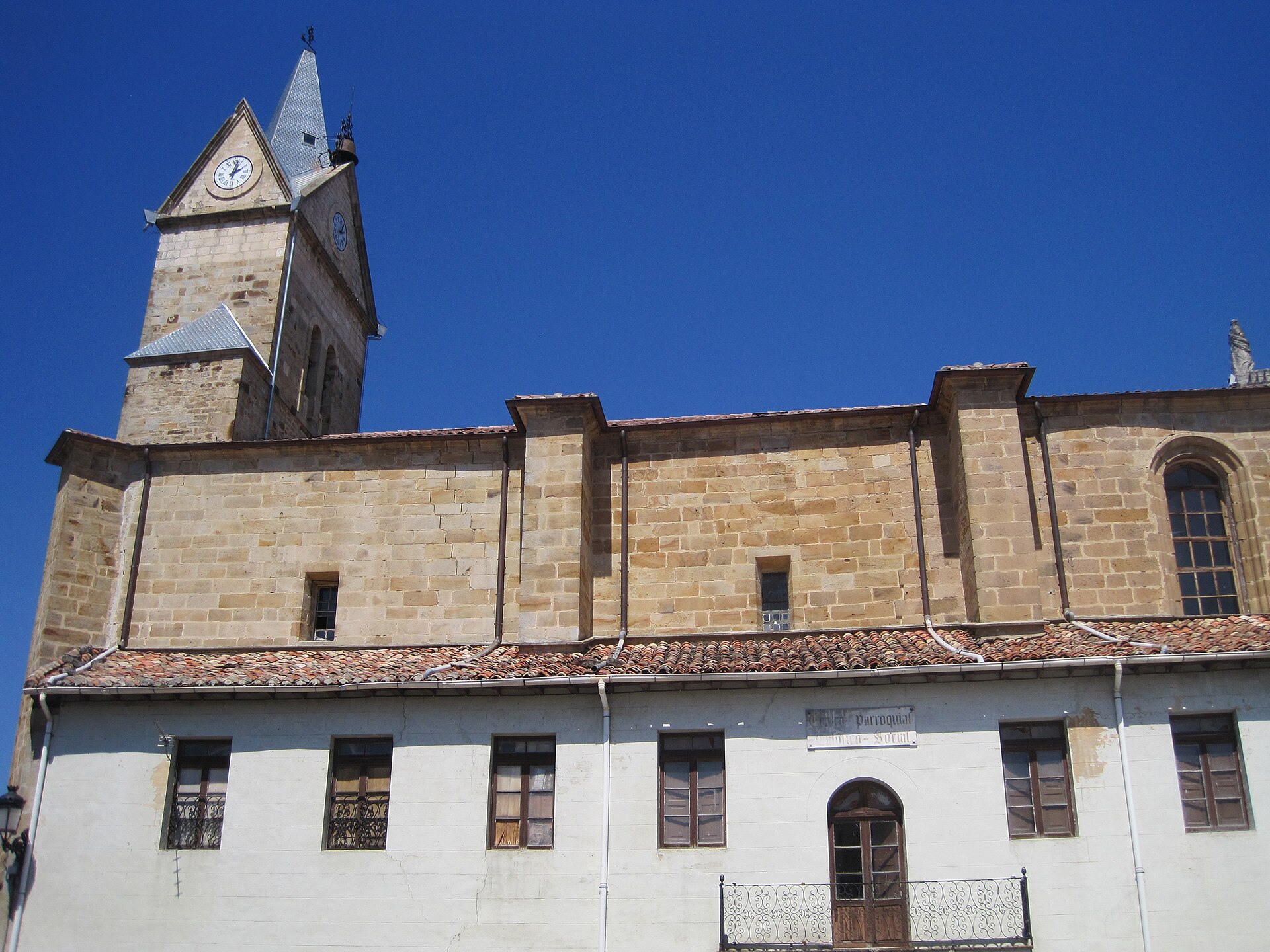
Church of Santa Cecilia, Espinosa de los Monteros
Espinosa de los Monteros
The Church of Santa Cecilia is the main parish church of Espinosa de los Monteros, a small town in the province of Burgos, in the Las Merindades region of northern Castile and León. The building stands at one end of Plaza Sancho García, though the entrance to the interior is on the opposite side of the square — worth keeping in mind when looking for the door. What does the Church of Santa Cecilia look like? The church is predominantly Renaissance in style, though several Gothic features remain visible in its structure. The interior follows a three-nave, hall-church layout, with the naves rising to roughly equal height — an arrangement that gives the space an unusually open, spacious feel for a small-town church in this region. The walls are built of ashlar stone, and the vaulting is formed by star-patterned ribs with curved lines, a combination typical of late Gothic and Renaissance religious architecture in northern Spain. When was the current building constructed? Work on today's church began in 1527. It was not, however, the first church on this site — an earlier Romanesque building once stood here, and a single column from that structure survives, built into the south wall of the present church. It is one of the few physical traces left of the site's earliest history. What can visitors see inside? The interior has a monumental character. The main altarpiece is executed in a classical style, surrounded by several additional Baroque altarpieces distributed through the church. One particularly interesting feature is a niche that once held documents recording the privileges of the Monteros de la Villa, the local royal guard from which the town takes its name. Today the same niche holds a replica of the Black Madonna and Child of Montserrat, a nod to the famous Catalan sanctuary. What role did the church play in the town's history? The church witnessed dramatic events during the Battle of Espinosa in 1808, during the Peninsular War. French troops spent several days there, systematically devastating the interior of the temple, looting and destroying furnishings. Traces of these events, though softened by later restoration, remain part of the site's history and of local memory regarding the Napoleonic period in the region. What makes the church stand out? The building's most recognizable feature is its 35-metre tower, which dominates the skyline over the entire Espinosa valley and is visible from many points in the surrounding landscape. For visitors exploring Las Merindades, the tower of the Church of Santa Cecilia serves as a natural landmark on approach to the town. Why is the Church of Santa Cecilia worth visiting? Espinosa de los Monteros carries a strong historical identity, tied to the tradition of the Monteros de la Villa, an elite palace guard that served the Spanish monarchs. As the town's central parish church, Santa Cecilia gathers that history in one place: from its Romanesque roots, through its Renaissance rebuilding, to an episode from the Napoleonic era. It is not a grand cathedral, but a church with a distinct, local character, well worth a short stop while travelling through the Las Merindades region. Frequently Asked Questions Where is the Church of Santa Cecilia located? It stands in Espinosa de los Monteros, in the province of Burgos, at one end of Plaza Sancho García. The entrance to the interior is on the opposite side of the square. In what style was the church built? Mainly Renaissance, with Gothic elements — visible especially in the star-ribbed vaulting with curved lines and in the three-nave hall-church layout. Are there remains of an earlier building? Yes — beneath the current church, begun in 1527, stood an earlier Romanesque church. A single column from that period survives, built into the south wall. What does the niche inside the church represent? It once held documents recording the privileges of the Monteros de la Villa. Today it holds a replica of the Black Madonna of Montserrat.
-
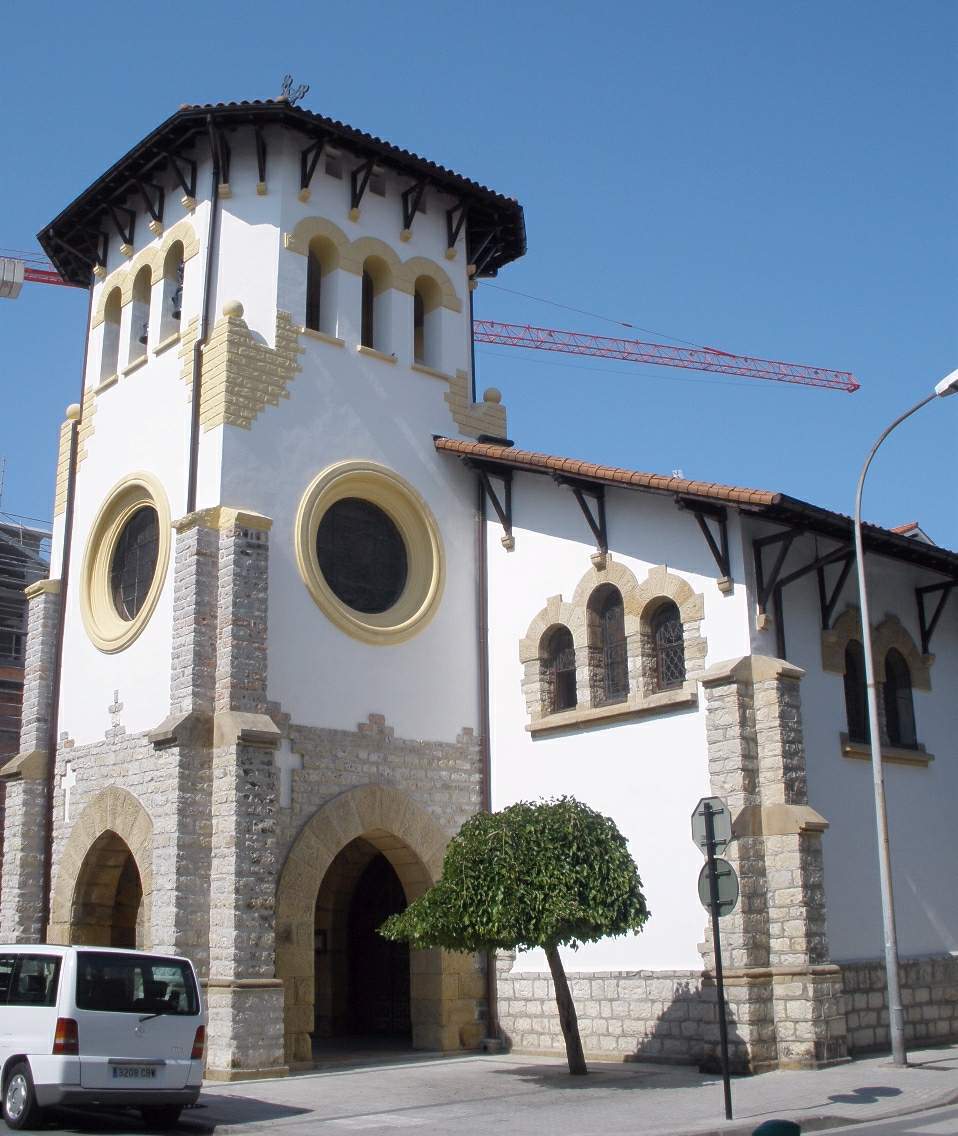
Church of Santa María Magdalena, Hondarribia
Hondarribia
The Church of Santa María Magdalena stands in the harbour district of Hondarribia, the Basque coastal town on the Txingudi bay, right on the Spanish-French border. It rarely makes it into guidebook highlight lists, but for locals it is a genuine landmark — the building that gave its name to an entire quarter of the town. Why was this church built here? The current building is not the first one dedicated to Santa María Magdalena in Hondarribia. An older, smaller chapel used to stand nearby, in what was known as the "arrabal de la Magdalena" (the Magdalena suburb). As the harbour district of Portua grew, the community needed a larger place of worship, so construction of a new church started in 1921. Two years later, on 22 July 1923 — the feast day of Saint Mary Magdalene — the building was formally inaugurated. That date made 2023 the centenary of the church, an anniversary the town marked by revisiting its local history. What is worth seeing inside? The interior is modest in size but holds one notable artistic feature: a fresco painted by the artist Gaspar Montes Iturrioz. That fresco is usually the main reason visitors step inside when the doors happen to be open — the church still functions as an active parish, so access outside Mass times is not guaranteed. Why does this name show up everywhere in Hondarribia? One detail tends to surprise first-time visitors: the name Santa María Magdalena is stamped all over this part of town. It labels the harbour neighbourhood itself, several streets, one of the towers and bastions of the old town walls, plus shipyards, quaysides, shops and schools in the area. The same patron saint is also tied to local festivities that bring residents out into the old port streets every year. In that sense, the small church works as a kind of anchor for the whole identity of this district. How do you get there? The church sits in the harbour district — known as La Marina or Portua — in the lower part of Hondarribia, close to the quay and the fishermen's houses that are among the town's best-known sights. From the historic old town (Casco Antiguo) it is an easy walk of around fifteen minutes, passing through the colourful facades typical of the port quarter. It makes a natural stop on a stroll along the waterfront, especially after visiting the walls and castle up in the old town. When is the best time to visit? This side of Hondarribia is calmest outside the summer peak, when the quay and the narrow streets of the harbour quarter are far less crowded. If you do come in summer, aim for late July: around the 22nd, the anniversary of the church's inauguration, the town tends to revisit the site's history, and the surrounding streets pick up the rhythm of the patronal festivities. Frequently Asked Questions Can you visit the Church of Santa María Magdalena every day? It is an active parish church, so opening hours follow the Mass and service schedule rather than fixed tourist visiting hours. How old is the current church building? Construction began in 1921 and the building was inaugurated on 22 July 1923 — 2023 marked its centenary. Is this the first church with this name in Hondarribia? No — an earlier, smaller chapel previously stood nearby in the Magdalena suburb before the current church replaced it. What is the main highlight inside the church? A fresco by the painter Gaspar Montes Iturrioz, the standout decorative feature of the interior.
-
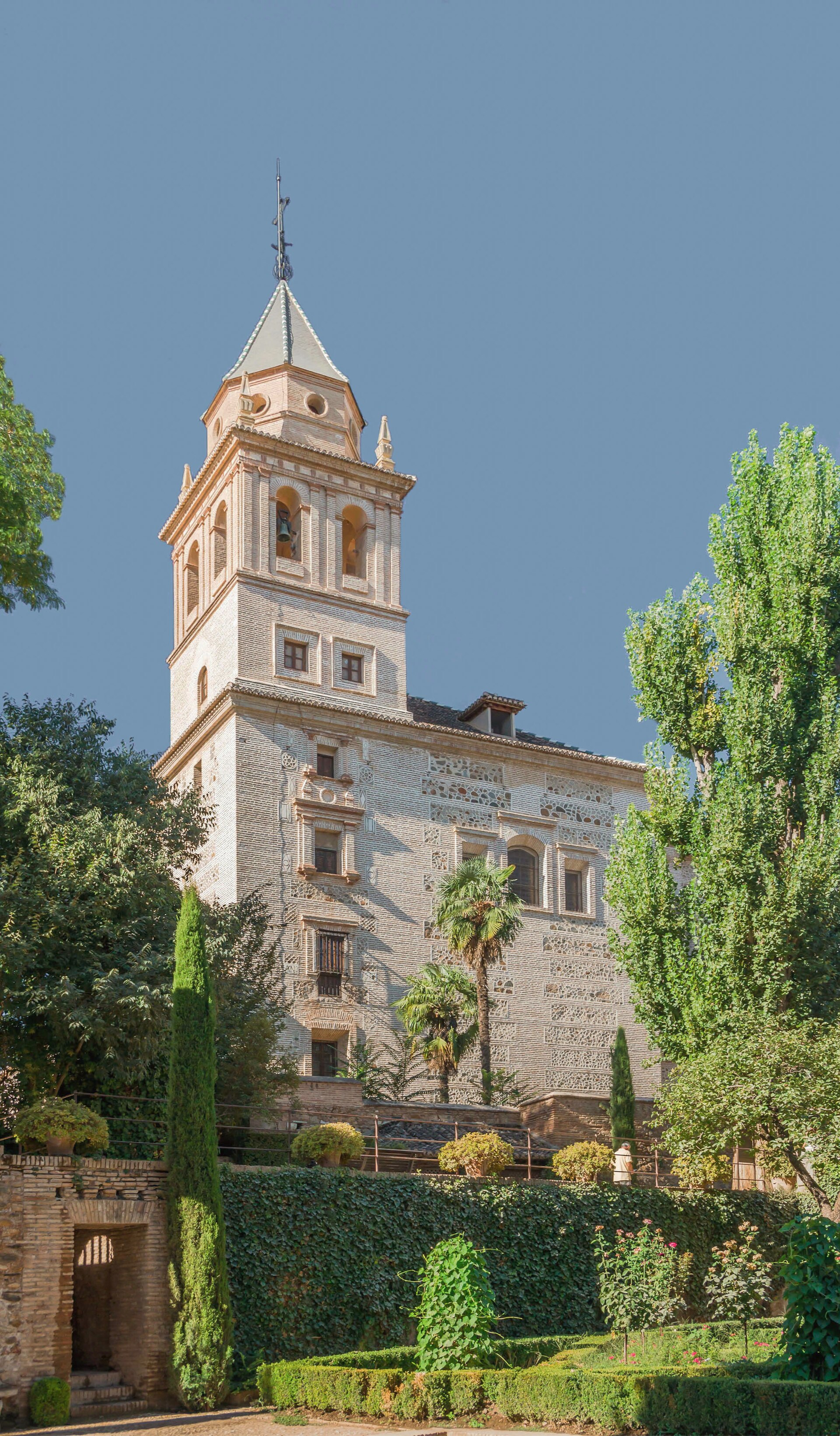
Iglesia de Santa María de la Alhambra
Iglesia de Santa María de la Alhambra is a small Catholic church standing within the Alhambra complex in Granada, built on the very spot once occupied by the fortress's royal mosque. Modest next to the surrounding Moorish palaces, it nonetheless carries a history stretching back to the early 14th century and remains an active place of worship. Why is a church standing inside a Moorish fortress? The site originally held the great royal mosque of the Alhambra, erected in 1308 under Muhammad III. Following the Christian conquest of Granada, the mosque fell into such disrepair that it was demolished in 1576. Construction of the current church began soon after, running from 1581 to 1617 under architect Ambrosio de Vico, who worked from earlier designs attributed to Juan de Herrera — one of the leading figures of Spanish Renaissance architecture. What will you see inside? Compared with the lavishly decorated halls of the Nasrid Palaces nearby, the church's interior feels almost austere — which is part of its charm. The building follows a Latin-cross floor plan, with a single nave flanked by three side chapels on each side. A wide transept is topped with a dome, and a distinctive side tower rises above the structure. The main draw is the Baroque high altar, added in 1671 and flanked by Solomonic columns — the twisted spiral columns typical of Spanish Baroque design. It houses sculptures by Alonso de Mena, one of Granada's foremost sculptors of the period. The church's most venerated piece is the figure of the Virgen de las Angustias (Our Lady of Sorrows), carved by Torcuato Ruiz del Peral between 1750 and 1760 — one of the most revered religious sculptures in Granada. When is the best time to visit? The church can be visited as part of a standard Alhambra tour; it sits along the route between the Alcazaba and the Nasrid Palaces, so it's worth a short stop while exploring the complex. The most distinctive time to see it is during Holy Week (Semana Santa), when the local brotherhood — the Hermandad de Santa María de la Alhambra — carries the Virgen de las Angustias in procession. The throne used to bear the statue reproduces the arches of the Patio de los Leones (Court of the Lions), symbolically tying the Christian tradition to the site's Moorish heritage. Why is it worth a closer look? Small as it is, the church offers a telling glimpse into Granada's history after the Reconquista, showing how Christian rulers repurposed Islamic religious sites while preserving something of their original footprint. For visitors interested in Spanish sacred architecture, it makes an intriguing counterpoint to the monumental palaces surrounding it. Frequently asked questions Where exactly is the church located? It stands inside the walls of the Alhambra in Granada, close to the Alcazaba and the main palaces, accessible to anyone holding an entry ticket to the Alhambra complex. Is entry to the church included in the Alhambra ticket? Yes, the church sits within the freely accessible part of the Alhambra grounds and can be visited as part of a standard tour. What is the church's most valuable feature? The 1671 Baroque altar with its Solomonic columns, and the mid-18th-century figure of the Virgen de las Angustias by Torcuato Ruiz del Peral. Does the church host any religious events? Yes, most notably the Holy Week procession, during which the local brotherhood carries the patron statue on a throne shaped after the Patio de los Leones.
-
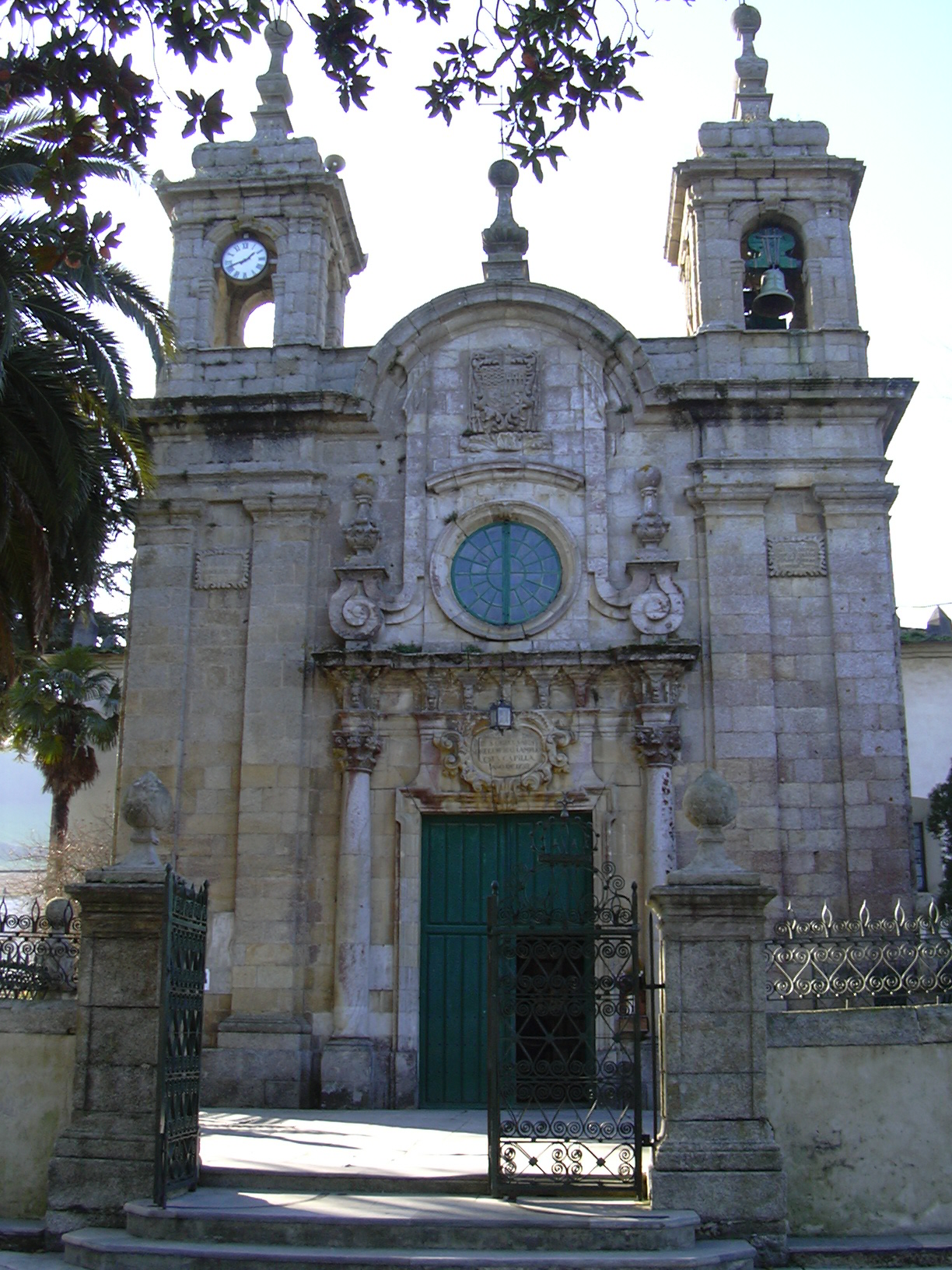
Church of Nosa Señora dos Remedios
Mondoñedo
The Sanctuary of Nosa Señora dos Remedios sits on the edge of Mondoñedo, a small episcopal town in the province of Lugo, in the heart of Galicia's Mariña Lucense district. It ranks among the region's most important Marian shrines and forms a stop on the Camino del Norte, the northern coastal branch of the pilgrimage route to Santiago de Compostela. How do you get to the sanctuary? Mondoñedo lies a short drive inland from the Cantabrian coast, on the roads connecting Lugo with Asturias. The sanctuary stands in the parish of Os Remedios, right at the edge of the historic town centre, an easy walk from the cathedral and main square. Pilgrims following the Camino del Norte pass it almost naturally as the route dips toward the Cesuras river valley. Visitors arriving by car usually park along the avenue leading up to the sanctuary and continue on foot. What will you see on site? The building standing today dates from 1733, commissioned by Bishop Sarmiento on the site of a much older 16th-century hermitage and pilgrim shelter. It follows a Latin-cross floor plan, with barrel vaults covering the naves — a simple structural choice that gives the interior a solemn, monumental feel. Architectural historians regard it as one of the finest Baroque ensembles in Mondoñedo. Right next door stands the former Hospital de San Pablo, built in the same period; both buildings carry the coat of arms of their founder, Bishop Sarmiento, tying them together as a single urban composition. In front of the sanctuary stretches the Alameda de los Remedios, a tree-lined promenade planted as early as 1594 by Luis de Luaces. The square in front of it hosted Spain's very first Fiesta del Árbol, a tree-planting festival — a detail that will delight anyone interested in the history of gardens and local customs. From the terrace by the sanctuary, views open over the Cesuras river valley and the surrounding hills, making it one of the quietest lookout points around Mondoñedo. When is the best time to visit? The sanctuary follows its own calendar of festivities. The biggest celebrations centre on devotion to Our Lady of Remedies alongside the local San Lucas and Quendas festivals, when the town fills with market stalls, music and traditional food — including the grilled octopus (pulpo) typical of fairs across Galicia. That is the best time to soak up the local atmosphere, though expect heavier crowds. Outside festival season, the site stays quiet and unhurried, ideal for travelers looking for a peaceful break along the pilgrim route. Frequently asked questions Is the sanctuary part of the Camino de Santiago? Yes. It lies on the Camino del Norte, one of the historic routes to Santiago de Compostela, and has served pilgrims as a resting point for centuries. How old is the current building? The church seen today dates from 1733, though a hermitage had already stood on the site since 1558, later rebuilt following damage around 1643. What else is worth seeing nearby besides the church itself? The neighbouring Hospital de San Pablo, the Alameda de los Remedios promenade overlooking the Cesuras valley, and the town of Mondoñedo itself, whose cathedral is just a short walk away. Is it worth visiting outside festival season? Definitely — the site keeps its quiet character year-round, and the architecture and surroundings are easiest to appreciate without the crowds.
-
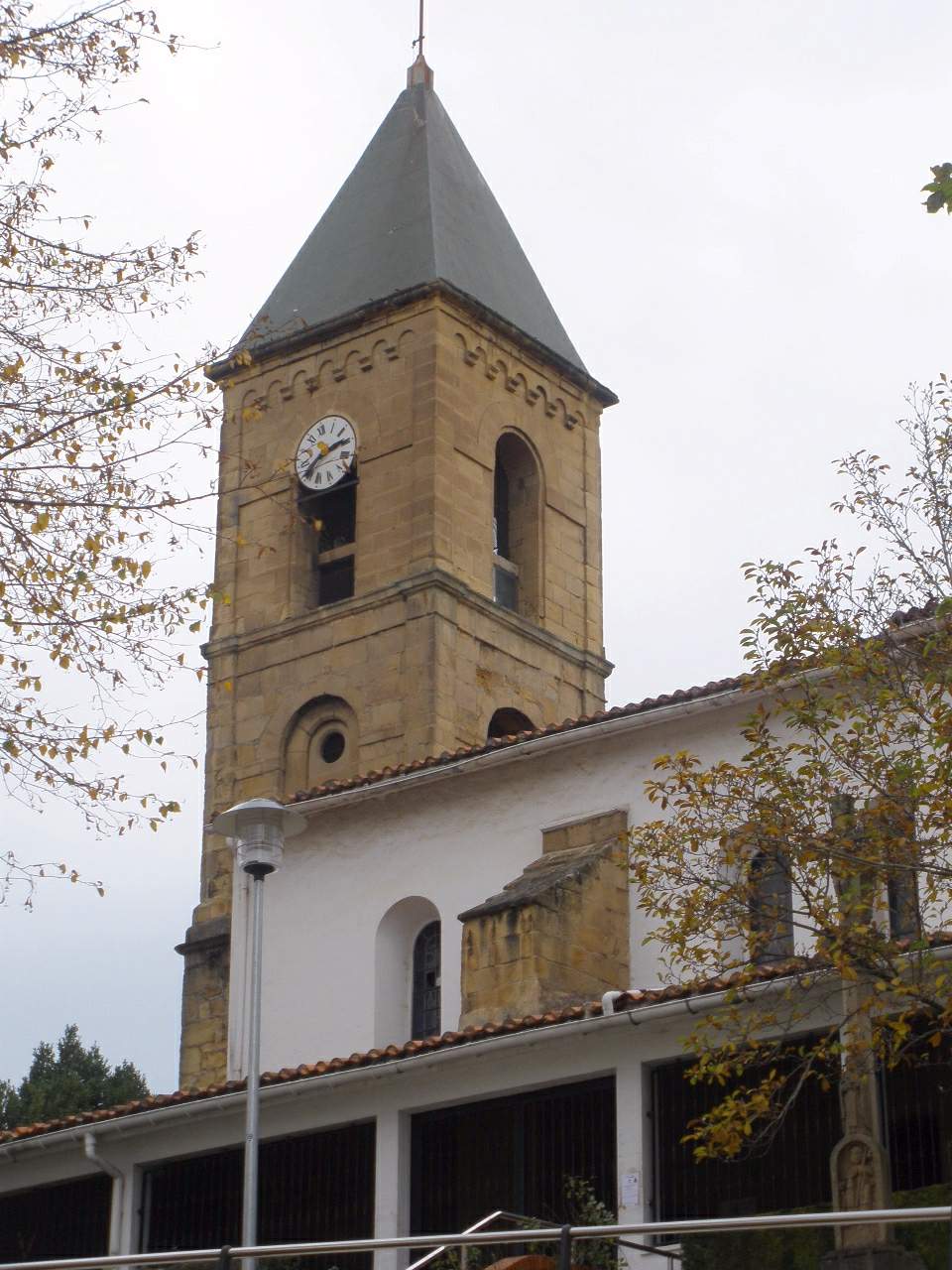
San Joan Bataiatzailea / San Juan Bautista
Leioa
San Joan Bataiatzailea / San Juan Bautista is the parish church of Leioa, a town in Biscay, in the Basque Country of northern Spain. It stands in the Elexalde neighbourhood, close to the Lamiako metro stop, and has been the heart of the local community for centuries. Where does this church come from? Until the early 16th century, the area of present-day Leioa belonged, in ecclesiastical terms, to the parish of Santa María in the neighbouring anteiglesia of Erandio, founded back in the 12th century. A small Romanesque hermitage originally stood on the site of today's church. On 31 October 1526, the parish of San Juan Bautista formally separated from Erandio and gained independence, and a larger church was built over the foundations of the earlier hermitage. What will you see there? The building dates mainly from the 16th century and was originally raised in a Renaissance style, but later centuries added a distinct Baroque character — the entrance arch and the vaulting of the transept chapel both belong to this later phase. The most recognisable feature is the square stone bell tower, divided into four levels, with semicircular arches, a clock, and a cross crowning the top. The result is a building that blends several architectural periods into one coherent structure, making it a good example of the stylistic layering typical of Basque religious architecture. It is worth paying attention to the portico in front of the entrance. This space once carried a significance well beyond religious use: until the 19th century, representatives of the anteiglesia gathered under its roof to discuss the community's most important matters. The church therefore functioned not only as a place of worship but also as the practical civic centre of Leioa. How do you get there? The church sits in the Elexalde district of Leioa, right next to Bilbao's metro network — the nearest stop is Lamiako. Leioa is part of the greater Bilbao metropolitan area, so getting there by public transport from the city centre typically takes somewhere around ten to thirty minutes. It makes for a convenient stop when combined with a visit to Bilbao itself or the nearby Biscay coast. When should you visit? The church is an active parish, so plan your visit around the hours it is open to visitors outside of mass times. It is worth checking the local schedule of services beforehand, since access to the interior may be limited during liturgical celebrations. Climate-wise, the region enjoys mild temperatures and fairly high humidity year-round, typical of the Bay of Biscay coastline, so a visit is comfortable in almost any season. Frequently Asked Questions How old is this church? The current building dates from the 16th century, though it stands on the site of an earlier Romanesque hermitage, and the parish itself has existed independently since 1526. What architectural style is it built in? The structure combines Renaissance foundations with later Baroque additions, most visible in the entrance arch and the vaulting of the transept chapel. What is the most distinctive architectural feature? The square stone bell tower, with its four levels, semicircular arches, and clock, visible from a distance across Leioa's skyline. Does this place have significance beyond religion? Yes — until the 19th century, the church's portico served as the meeting place for representatives of the local community (anteiglesia), functioning much like today's town council.
-
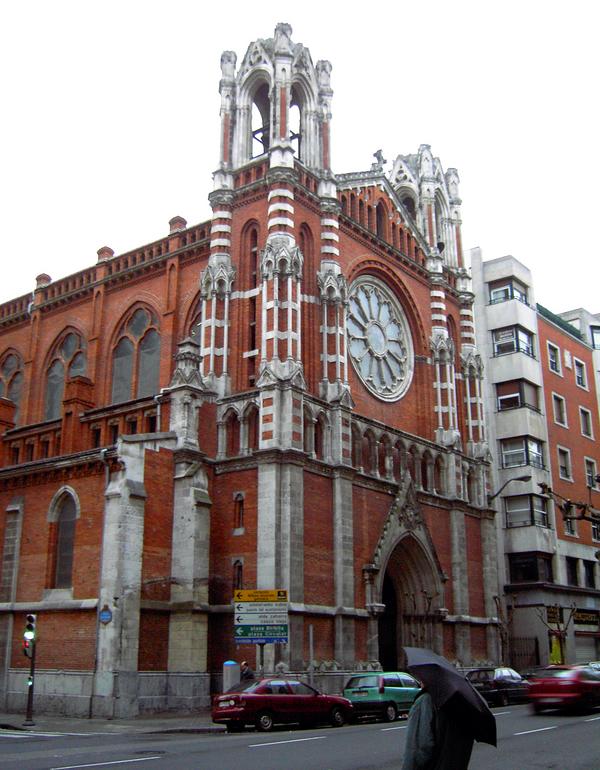
Church of the Sagrado Corazón, Bilbao
Bilbao
The Church of the Sacred Heart (Iglesia del Sagrado Corazón) is a neo-Gothic Jesuit church on Calle Ayala in the heart of Bilbao. It rarely makes it onto standard tourist itineraries dominated by the Guggenheim or the old cathedral, but it offers a compact, atmospheric stop for visitors interested in the city's religious history and late-19th-century architecture. How do you get there? The church sits in the Abando district, an easy ten-to-fifteen-minute walk from Abando station and Bilbao's commercial center. The simplest approach is to take the metro or tram into downtown and continue on foot along the streets branching off Gran Vía toward Ayala. The surrounding blocks are lined with dense turn-of-the-century apartment buildings, so the walk itself is part of the experience. Where does this church come from? The Jesuit presence in Bilbao stretches back to the 16th century. As early as 1545, Ignatius of Loyola himself, founder of the order, pushed to have fellow Jesuits sent to the city. Their first foundation was the College of San Andrés, funded by a bequest from Domingo de Gorgolla, a Bilbao native who served as steward to the Cardinal of Toledo. Gorgolla died in 1600, leaving 1,500 gold ducats for the college, which was formally taken over on 15 November 1604. The order's presence in the city was not continuous, however. After a gap of 113 years, the Jesuits only returned to Bilbao in 1880. They initially settled modestly, in a small flat on the Plazuela de Santiago facing the cathedral, before moving in 1888 to a new residence on Calle Ayala — the same site where the present church now stands. What can you see there? The building was designed by architect José María Basterra y Madariaga in a freely interpreted neo-Gothic style, typical of many Spanish churches built in the late 19th century, combining tall vertical lines with rich architectural detailing. The church was consecrated and formally opened on 8 September 1890, the feast of the Nativity of the Virgin Mary, with a solemn Mass led by the local bishop. As part of the Jesuit residence complex, the interior still functions as a working place of worship and community life rather than a museum piece — the order has run it continuously for well over a century. Visitors should plan around service times, since this remains an active parish church. When is the best time to visit? The church can be visited year-round, but the period around 8 September — the anniversary of its dedication — brings solemn Masses that echo the founding tradition. Beyond that date, spring and autumn are pleasant times to combine a visit with exploring central Bilbao, avoiding the busier summer crowds in the old town. Frequently asked questions Is the Church of the Sagrado Corazón open to visitors? Yes, it is an active parish church run by the Jesuits, accessible during and around service hours according to the local schedule. What architectural style is the church built in? Neo-Gothic, designed by architect José María Basterra y Madariaga, typical of Spanish religious architecture from the late 19th century. When was the church built? It was consecrated and opened on 8 September 1890, following the Jesuits' return to Bilbao in 1880 and their move to the Calle Ayala residence in 1888. Is it worth combining with other Bilbao attractions? Yes — the church is close to the city center, making it easy to pair with a walk through the Casco Viejo old town, the Santiago Cathedral, or the Nervión riverside.
-
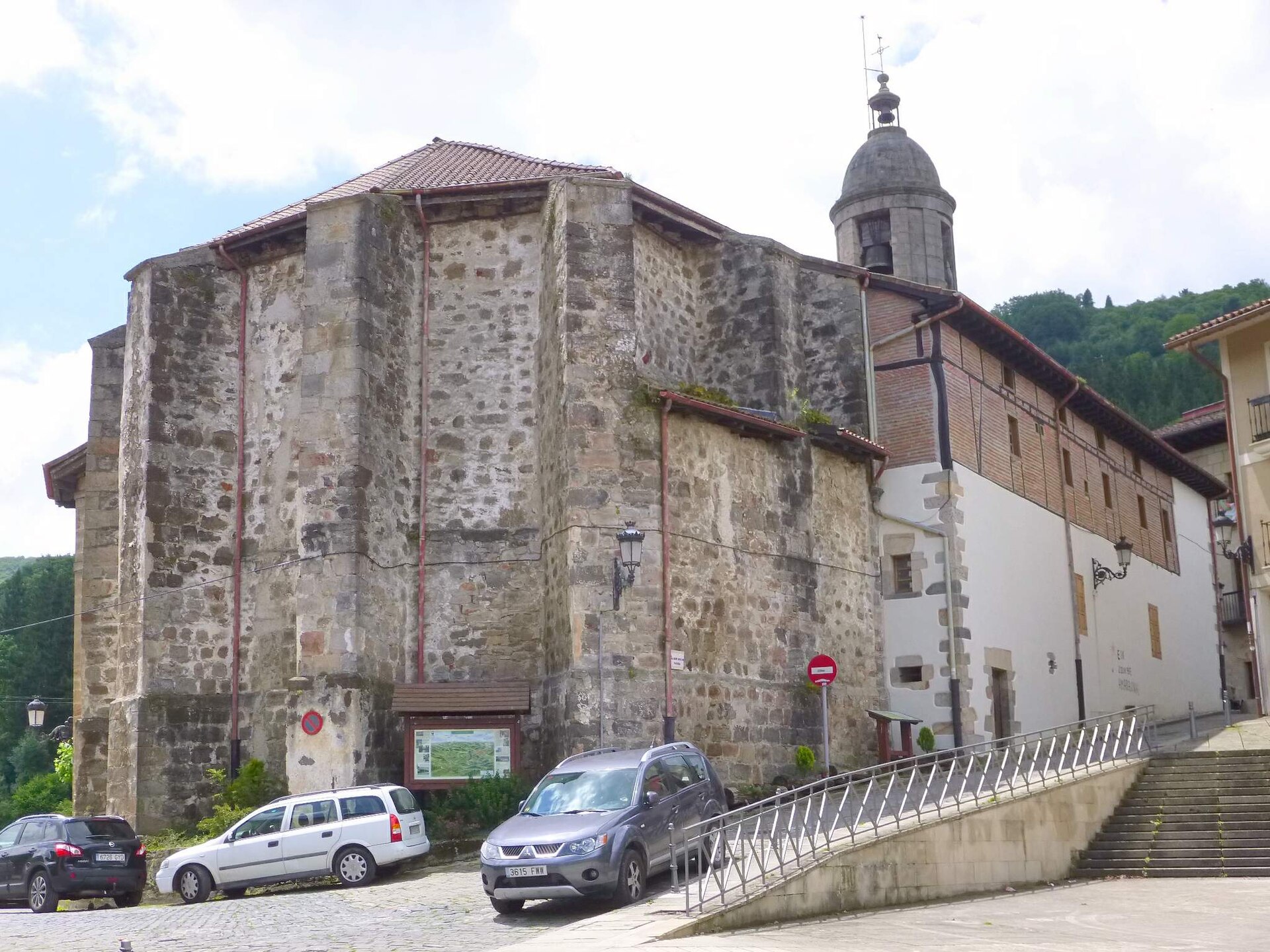
Church of San Millán, Leintz-Gatzaga
Leintz-gatzaga
The Church of San Millán stands at the heart of Leintz-Gatzaga (also known as Salinas de Léniz), a tiny fortified town tucked into the mountains on the border between Gipuzkoa and Álava in the Basque Country. It's the most important monument of a settlement founded in 1331 by King Alfonso XI, who wanted to secure control over the nearby salt springs — the very resource the whole town grew up around. How do you get there? Leintz-Gatzaga sits in the Deba valley, right on the old Camino Real, the royal road that once linked the Cantabrian coast to the Castilian plateau and carried salt inland for centuries. The easiest way in is by car via the local road from Eskoriatza or Arlaban, branching off the main route between San Sebastián and Vitoria-Gasteiz. The church sits right in the middle of the old town, so you'll spot it almost as soon as you arrive — the whole settlement is small enough to walk end to end in a few minutes. What will you see? The building you see today is the product of a turbulent history of fires and rebuilding. The first church on this site went up in the 14th century but was destroyed by fire; its successor, largely built in the 16th century, stood until 1954, when another fire gutted the interior and left only the four outer walls standing. The one element that survived from the older structure is a neoclassical bell tower dating to the 19th century, which still rises above the townscape and is visible from the valley as you approach. Inside the old stone walls, a much simpler, modern parish hall was built after the fire, creating a clear contrast between the historic exterior shell and the plain, contemporary interior. That juxtaposition — centuries-old stone walls wrapped around a modest modern space — is the main reason to step inside, alongside the atmosphere of a town literally built on salt. When should you visit? Spring and early autumn are the best times, when the surrounding mountains of Gipuzkoa and Álava look their most striking and temperatures are comfortable for walking the old town and the valley trails. In summer, the town works well as a cool mountain stop for travelers touring the wider Basque region. Winter can make the drive trickier given the mountain climate, but the quiet, near-empty historic center has its own appeal for visitors who prefer solitude over crowds. Good to know Leintz-Gatzaga is one of the smallest towns in Gipuzkoa, and its location — a Gipuzkoan enclave surrounded entirely by Álava — is a geographic curiosity in its own right. The Basque name "Gatzaga" literally means "place of salt," a direct reference to the salt springs that led to the founding of both the town and its church centuries ago. Frequently Asked Questions How old is the current church building? The original church dates to the 14th century, but it was rebuilt largely in the 16th century after a fire. A second fire in 1954 destroyed the interior, leaving only the walls standing, after which a simpler modern parish section was built inside them — the version visitors see today. Why does the bell tower look different from the rest of the church? The neoclassical tower dates to the 19th century and was one of the few elements to survive the 1954 fire, which is why it stands out stylistically from the plainer, post-fire parish structure built within the old walls. Does visiting the church take long? No — it's a small church in an equally small town. Seeing the interior and the square in front usually takes fifteen to twenty minutes, though it's worth staying longer to walk the rest of the old town. What else is worth seeing nearby? Leintz-Gatzaga itself, as a former salt town on the Camino Real, has kept its medieval street layout and stone houses, and the surrounding mountains of the Deba valley offer hiking trails for anyone looking to explore the Basque countryside.
-
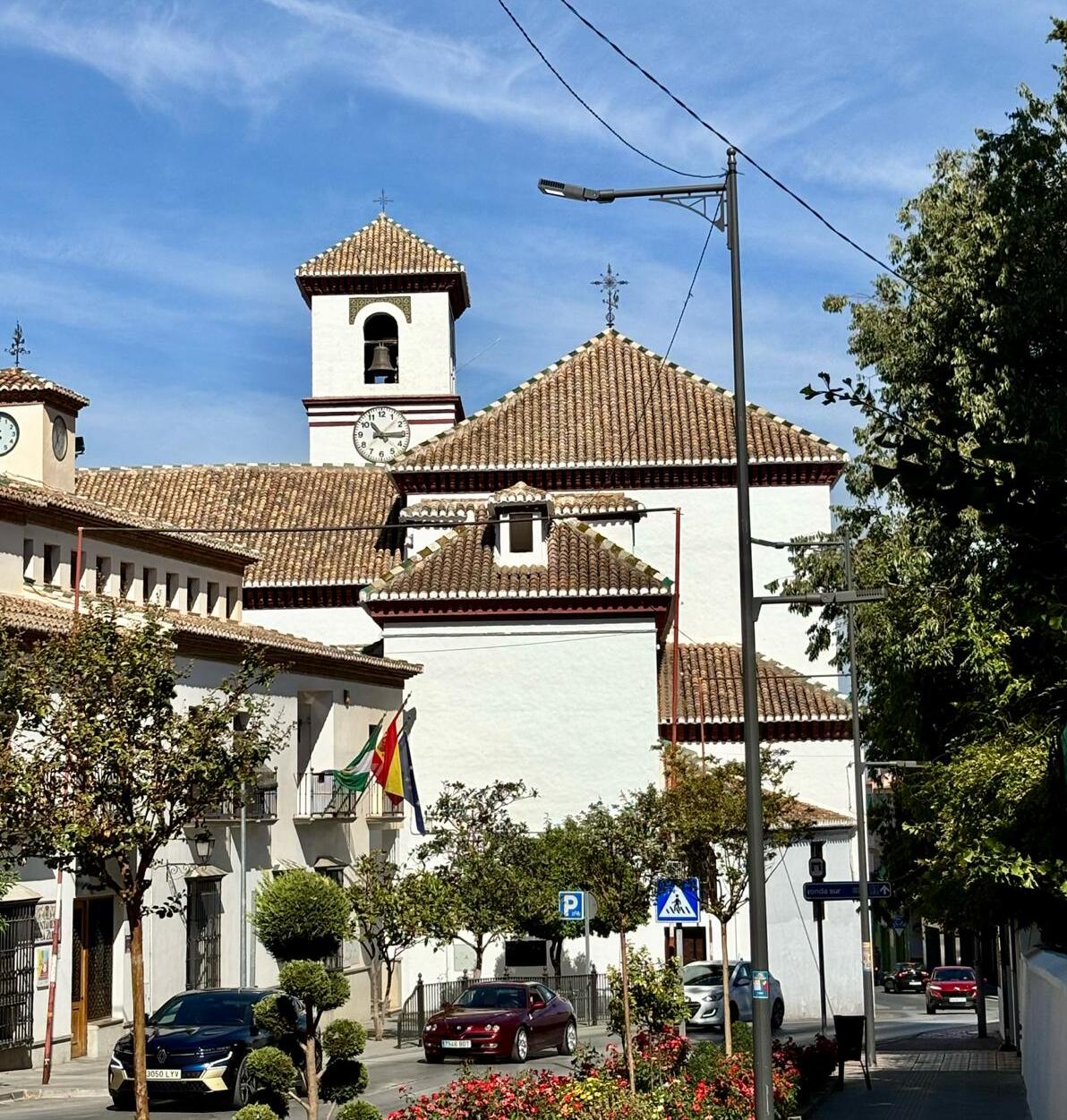
Iglesia de la Asunción
La Zubia
Iglesia de la Asunción is a historic parish church in La Zubia, a small town just south of Granada at the foot of the Sierra Nevada mountains in Andalusia, Spain. The building ranks among the region's most valuable religious monuments and is officially protected as a cultural heritage site. How do you get to the church in La Zubia? La Zubia sits only a few kilometers south of central Granada, so the trip from the city is short and easy, with regular local public transport and a direct road linking the two towns toward the Sierra Nevada. The church stands right in the center of La Zubia, making it a natural landmark for anyone walking through town. Many visitors combine the visit with a trip toward the Sierra Nevada, since La Zubia is often used as a gateway to the mountain range. What will you see at Iglesia de la Asunción? Construction of the church began in 1526 under the direction of Rodrigo Hernández, on the site of a former mosque — a common pattern for churches in the province of Granada built after the Christian reconquest of the region. In 1566 the building was reconstructed from the ground up after the earlier works had been interrupted by the Morisco rebellion. The new design was overseen by Juan de Maeda, with Juan Alonso responsible for the masonry work and Andrés de Madrid for the stonework. The church is built in the Mudejar style and is considered one of the most important examples of sixteenth-century Mudejar architecture in the entire province of Granada — a style blending Christian and Moorish building traditions that is characteristic of Andalusia in the centuries following the Castilian reconquest. Inside, the main nave leads to a monumental retable with proto-Baroque features, designed by Ambrosio de Vico in 1614 and one of the most striking decorative elements of the whole church. Above the nave rises an octagonal dome covered with a coffered ceiling. Two smaller chapels flank the main structure: a baptismal chapel on the right, and on the left the base of a three-story bell tower decorated with ceramic tiles, a detail typical of Andalusian religious architecture. Given its historical and architectural value, the church has been declared a Bien de Interés Cultural (Asset of Cultural Interest) under the Monument category, by decree of the Andalusian regional government in 2004. When is the best time to visit? The Granada region has a Mediterranean climate with hot summers and mild winters, so spring and autumn are the most pleasant seasons for exploring La Zubia and its surroundings, when temperatures are moderate and the nearby Sierra Nevada peaks can still carry snow. Since the church remains an active parish, visitors should be mindful of ongoing religious services when they stop by. Frequently Asked Questions What is the Iglesia de la Asunción in La Zubia? It is a historic parish church built in the sixteenth century in the Mudejar style, listed among Andalusia's protected cultural heritage sites. When was the church built? Construction started in 1526, and after being interrupted, the church was rebuilt from the ground up in 1566 to a design by Juan de Maeda. What are the most notable features inside? The monumental 1614 retable by Ambrosio de Vico, the octagonal dome with its coffered ceiling, and the tile-decorated three-story bell tower. How far is La Zubia from Granada? The town lies just a few kilometers south of central Granada, at the foot of the Sierra Nevada, and is easily reached by local public transport.
-
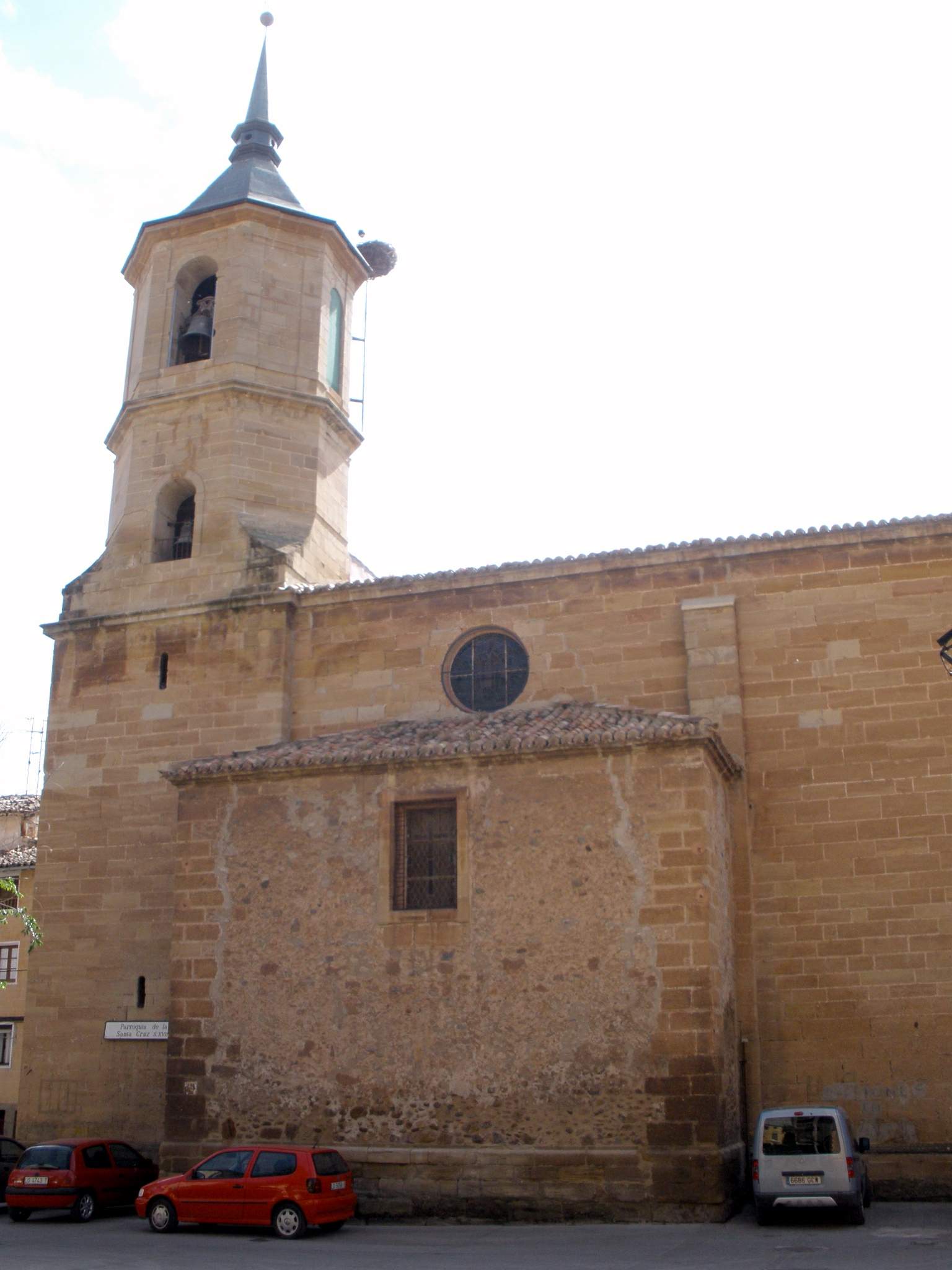
Church of Santa Cruz, Nájera
Nájera
Church of Santa Cruz stands in Nájera, a small town in La Rioja best known for the neighboring monastery of Santa María la Real. How did the parish come about? The story goes back to 1052, when the original Santa Cruz parish existed as a chapel inside the walls of the Santa María la Real monastery. For close to two centuries, secular clergy and monks shared the same space, and the arrangement produced constant friction over who held authority there. The dispute was only settled in 1230, when Pope Honorius III issued a decree formally separating the parish from the monastery. The building visitors see today came much later: construction started in 1553 and the church was consecrated in 1611. What does the interior look like? The church is a solid ashlar-stone structure built around three naves. Architect Juan de Raona gave it a hemispherical dome resting on pendentives and topped with a four-window lantern, a feature that floods the interior with light and gives the whole space a sense of scale. Inside, several neoclassical altarpieces sit alongside sculptures and paintings gathered over different periods. The main altar and the Chapel of San Prudencio deserve particular attention — San Prudencio is the patron saint of Nájera and holds deep significance for the town. The sacristy holds a Gothic Christ figure dating from the 13th century, together with sculptures, paintings, and liturgical vestments from the 14th, 16th, and 17th centuries. Taken together, it's a small but telling record of how the church accumulated regional religious art across the centuries. What happened to the church in the 20th century? Like many religious buildings in Spain, Santa Cruz did not escape the Spanish Civil War: it suffered serious damage in 1936 and 1939. It was rebuilt in 1940, and that restoration preserved its historical character while allowing it to keep functioning as the parish church for the people of Nájera. How to get there and when to visit The Church of Santa Cruz sits right in the center of Nájera, within easy walking distance of the Santa María la Real monastery, so the two sites are simple to combine in a single visit. Nájera itself is well connected by road to Logroño and the rest of La Rioja's wine country, making it an easy stop for anyone touring the region. Mornings and early afternoons are generally the best times to visit, since parish churches in smaller Spanish towns tend to be open to visitors then — outside those hours, access can be limited to Mass times. Frequently asked questions What's the difference between the Church of Santa Cruz and the Santa María la Real monastery? They are two separate religious buildings in Nájera. Santa María la Real is a large monastic complex, while Santa Cruz is the parish church that originally began as a chapel inside that monastery before becoming independent in 1230. How old is the current church building? The present structure was built between 1553 and 1611, though the Santa Cruz parish itself dates back much further, to the 11th century. What's the most notable artwork inside? The 13th-century Gothic Christ kept in the sacristy and the Chapel of San Prudencio, dedicated to the town's patron saint, are considered the church's most significant features. Was the church ever damaged or destroyed? Yes — it suffered serious damage during the Spanish Civil War in 1936 and 1939, and it was rebuilt in 1940.
-
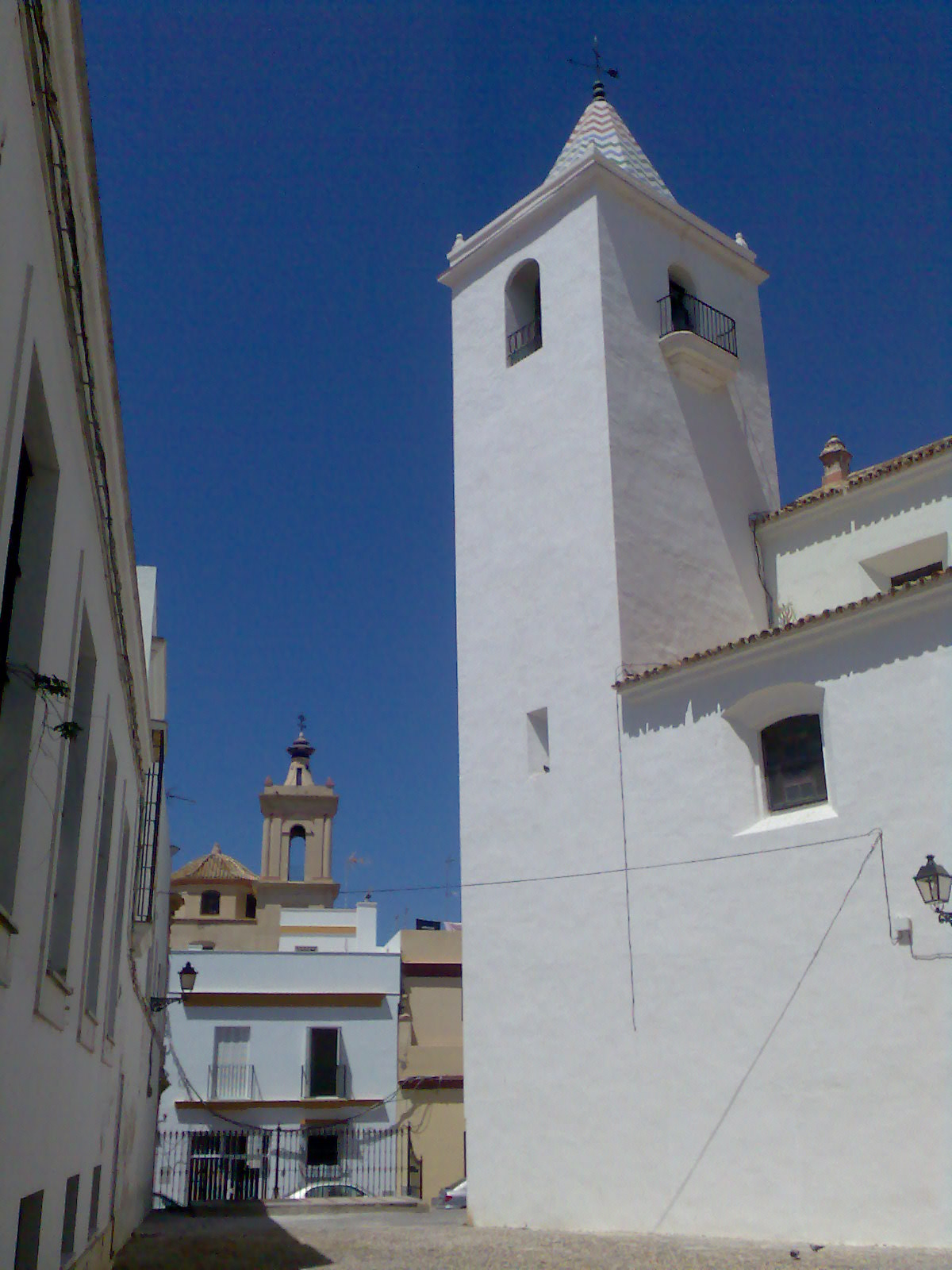
Iglesia de San Sebastián (Puerto Real)
Puerto Real
Iglesia de San Sebastián is the oldest and largest active church in Puerto Real, a small town in the province of Cádiz, in Andalusia. It stands right in the town centre and has served as the main parish church for more than four centuries. Where does this church come from? Puerto Real was founded by the Catholic Monarchs at the end of the 15th century, and the church of San Sebastián went up soon after, over the course of the 16th century. Builders relied on materials sourced locally, within the Villa de Puerto Real itself, a common approach for towns founded in that period. Construction stretched over decades, and the church was only consecrated in 1592. From the town's very founding, the Catholic Monarchs had granted the parish the title of a priory church, a status formally confirmed in the 18th century, cementing San Sebastián's exceptional standing among churches in the region. What does the architecture look like? What makes San Sebastián interesting is that it was built over a long stretch of time and shifted with the architectural fashions of the era as it went. Work began in the late Gothic style and finished in the richly decorated Plateresque idiom typical of early Spanish Renaissance building. The result is a rare example, at national scale, of a structure bridging Gothic and the first wave of Renaissance work, with Mannerist, Baroque and Neoclassical touches layered on over time. That layered history means a walk around and inside the church feels like a tour through several centuries of Spanish religious architecture at once. What's worth seeing inside? The interior holds several genuinely valuable works of art. Among them are Italian carvings, brought in as part of furnishing the church to match its priory status. A particular highlight is a Renaissance ivory crucifix attributed to the Portuguese school — its small scale and precise craftsmanship contrast sharply with the monumental scale of the building itself, making it one of visitors' favourite details. How do you get there, and when's the best time to visit? The church stands in the historic centre of Puerto Real, a town on the Bay of Cádiz, roughly a fifteen-minute drive from Cádiz itself and not far from Jerez de la Frontera airport. The town centre is easiest to reach by car or local train/bus, and it's compact enough to explore comfortably on foot. Spring and early autumn are the most pleasant times to visit, when the heat is milder and a walk through the old town and along the Bay of Cádiz waterfront pairs easily with a stop at the church. It's worth checking opening hours locally, since as an active parish church its schedule follows Mass times and services. Frequently asked questions Is entry to the church free? As an active parish church, San Sebastián is generally open to visitors free of charge outside service hours, though it's worth confirming locally since hours can vary. How long does a visit take? The interior itself can be seen in 20–30 minutes, but it's worth adding a walk through Puerto Real's historic centre, which is just steps away. What does the "priory" title mean? It's an honorary status granted to the parish by the Catholic Monarchs from the town's founding and formally confirmed in the 18th century, marking the church's exceptional standing among churches in the region. What else is worth seeing in Puerto Real? The town sits on the Bay of Cádiz, close to beaches and coastal walking routes, and makes an easy base for day trips to both Cádiz and Jerez de la Frontera.
-
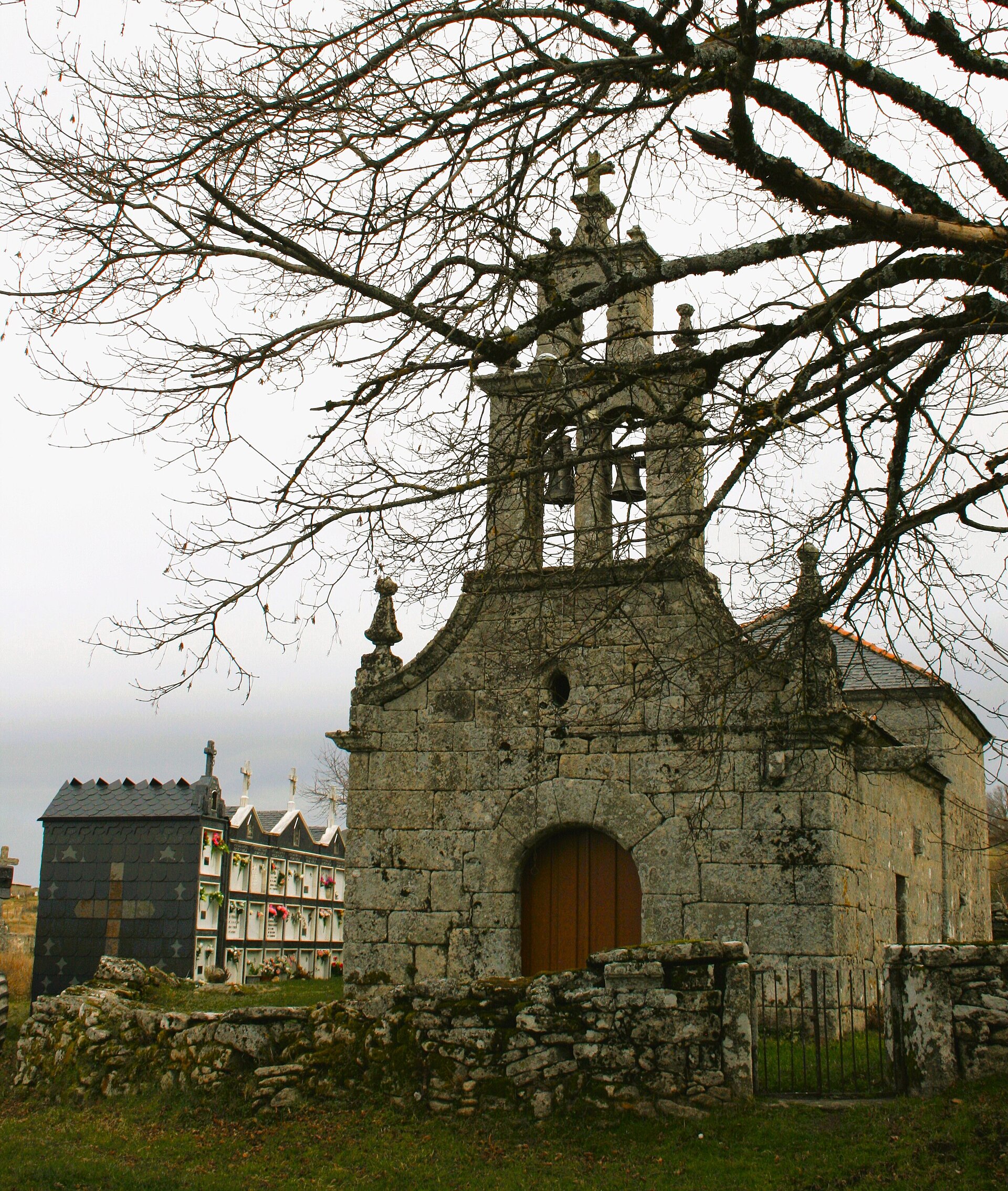
Igrexa de San Bartolomeu de Parafita
Chandrexa de Queixa
Igrexa de San Bartolomeu de Parafita is a small parish church in the village of Parafita, part of the municipality of Chandrexa de Queixa in the province of Ourense, Galicia. The church sits at the heart of the Macizo Central de Ourense, a mountainous and sparsely populated area within the Terra de Trives comarca, whose capital is A Pobra de Trives. It's a stop for travelers after an authentic, quiet corner of Galicia, well away from crowds and the usual tourist circuits. Where exactly is Parafita? Parafita is one of the small parishes of Chandrexa de Queixa municipality, located at coordinates 42°15'48"N, 7°21'04"W in the Galician highlands. According to the latest population figures, the village counted just 17 residents in 2022, making it one of the least populated settlements in the area. The local postal code is 32786. How do you get there? The most practical starting point is A Pobra de Trives, capital of the Terra de Trives comarca, from where local roads lead to Chandrexa de Queixa and on to Parafita itself. Given the mountainous terrain, a car is the most reliable way to travel — public transport in this part of Ourense is scarce and irregular, as is typical for thinly populated rural parts of Galicia. What will you see there? The church is dedicated to Saint Bartholomew the Apostle (Galician: San Bartolomeu, Spanish: San Bartolomé), a patron saint shared by many rural parishes across this part of Galicia. The building is listed in the official regional tourism catalogue (the turismo.gal portal), where it is classified as a religious heritage resource. The surrounding countryside is classic Galician upland scenery: stone farmhouses, small cultivated plots, and open views toward the Macizo Central ranges, including the Queixa massif and the Serra de San Mamede. What else can you combine with a visit? The Chandrexa de Queixa area borders the vast mountain wilderness of central Ourense. In the neighboring municipality of Vilariño de Conso lies the O Invernadeiro Natural Park, established in 1997 — one of the wildest corners of Galicia. A stop at Parafita works well as part of a longer trip through the mountains of Terra de Trives, pairing visits to small rural churches with hiking and nature watching. When is the best time to visit? Given the altitude and mountain climate of the region, late spring, summer, and early autumn are the best times to visit, when access roads are fully passable and temperatures are comfortable for walking around on foot. In winter, this part of Ourense sees snowfall that can make local roads more difficult to travel. Frequently Asked Questions Where is the Igrexa de San Bartolomeu de Parafita located? In the village of Parafita, within the municipality of Chandrexa de Queixa, province of Ourense, in the Galicia region of northwestern Spain. Which saint is the church dedicated to? It is dedicated to Saint Bartholomew the Apostle, a patron shared by many rural parishes in Galicia. Is it easy to reach? The area is mountainous and sparsely populated, so driving from A Pobra de Trives or Ourense is the best option; public transport is limited. What else is there to see nearby? The neighboring municipality of Vilariño de Conso is home to the O Invernadeiro Natural Park, and the wider Terra de Trives comarca offers hiking routes through the Macizo Central de Ourense mountains.
-
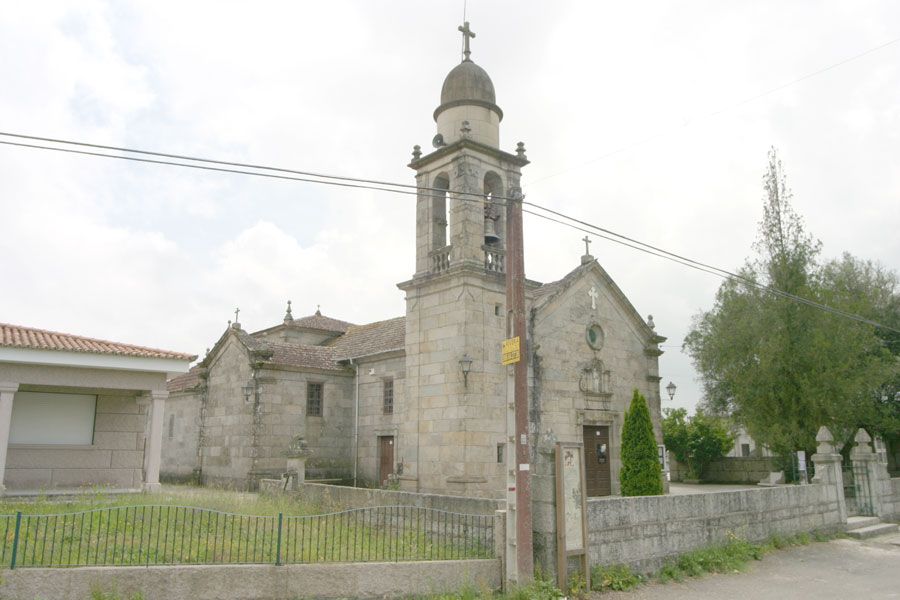
Igrexa de Santa María de Salceda
A Esfarrapada
Igrexa de Santa María de Salceda is the parish church of Salceda de Caselas, a small municipality in the province of Pontevedra, in inland Galicia. Built over the remains of a much older monastic foundation, it has served as the religious heart of the area for centuries and today offers a quiet, authentic stop for travelers exploring Galicia away from the crowded coast. How do you get to the church in Salceda de Caselas? Salceda de Caselas sits in inland Pontevedra, between Vigo and the Portuguese border, making it an easy stop for anyone touring this part of Galicia by car. The nearest larger town is Tui, known for its cathedral and its position on the Minho river marking the frontier — from there it is only a short drive to Salceda. The church stands right in the middle of the village, so once you arrive it is easy to find on foot. Travelers without a car can reach Vigo or Tui first and continue by local transport or taxi; direct connections can be infrequent, so it is worth checking schedules before setting off. What will you see at Igrexa de Santa María de Salceda? The church follows a Latin cross plan, with a façade flanked by pilasters that draw the eye up toward a distinctive three-tier bell tower decorated with carved panels. Flanking the apse — which rises higher than the nave — are two side chapels, a layout common in rural Galician churches remodeled in a classicizing style. The overall design follows Tuscan-style proportions, visible above all in the plain, restrained columns and pilasters. The tower, set to one side of the building, is reached by its own external staircase, so it is worth walking all the way around the structure to appreciate this unusual composition. Particular attention goes to the north entrance, known as the "Queen's Door," named in memory of Aragonta, the legendary founder of the original monastery. It is a detail rarely found in descriptions of the region's village churches, and a good reason to ask locals about the site's history. What is the history behind this place? The church's roots reach back to the early Middle Ages. According to local tradition, around the start of the 10th century Queen Aragonta González, wife of King Ordoño II, founded a monastery here dedicated to Santa María de Saliceta after separating from her husband — a name that eventually gave the whole modern municipality its own. The present building results from a thorough 18th-century rebuilding, completed in 1768 on the foundations and within the nave of the earlier medieval complex. Today it functions as the parish church, and its adjoining cemetery forms an important part of the local cultural heritage. When is the best time to visit? The church follows the rhythm of parish Mass, so the easiest way to see the interior is during service hours — in winter on Mondays, Wednesdays, Fridays and Saturdays in the evening, and on Sundays and holidays around midday, with summer evening services shifting an hour later. Outside those hours access can be limited, so it is worth planning ahead. Weather-wise, the most pleasant months run from May to September, when inland Galicia is at its greenest and the surrounding albariño vineyards take on their richest color. Frequently asked questions Where exactly is Igrexa de Santa María de Salceda located? In the center of Salceda de Caselas, in the province of Pontevedra, Galicia, close to Tui and the Portuguese border. Can the church be visited every day? Interior access is mainly tied to parish Mass times — outside those hours the doors are often closed, so it is worth checking in advance. What is the most striking architectural feature? The three-tier bell tower with its own external staircase, and the north entrance known as the "Queen's Door," recalling the legend of the monastery's founder. How does the church connect to the region's history? It stands on the site of a monastery founded over a thousand years ago, and its founder gave her name to the whole modern municipality of Salceda de Caselas.
-
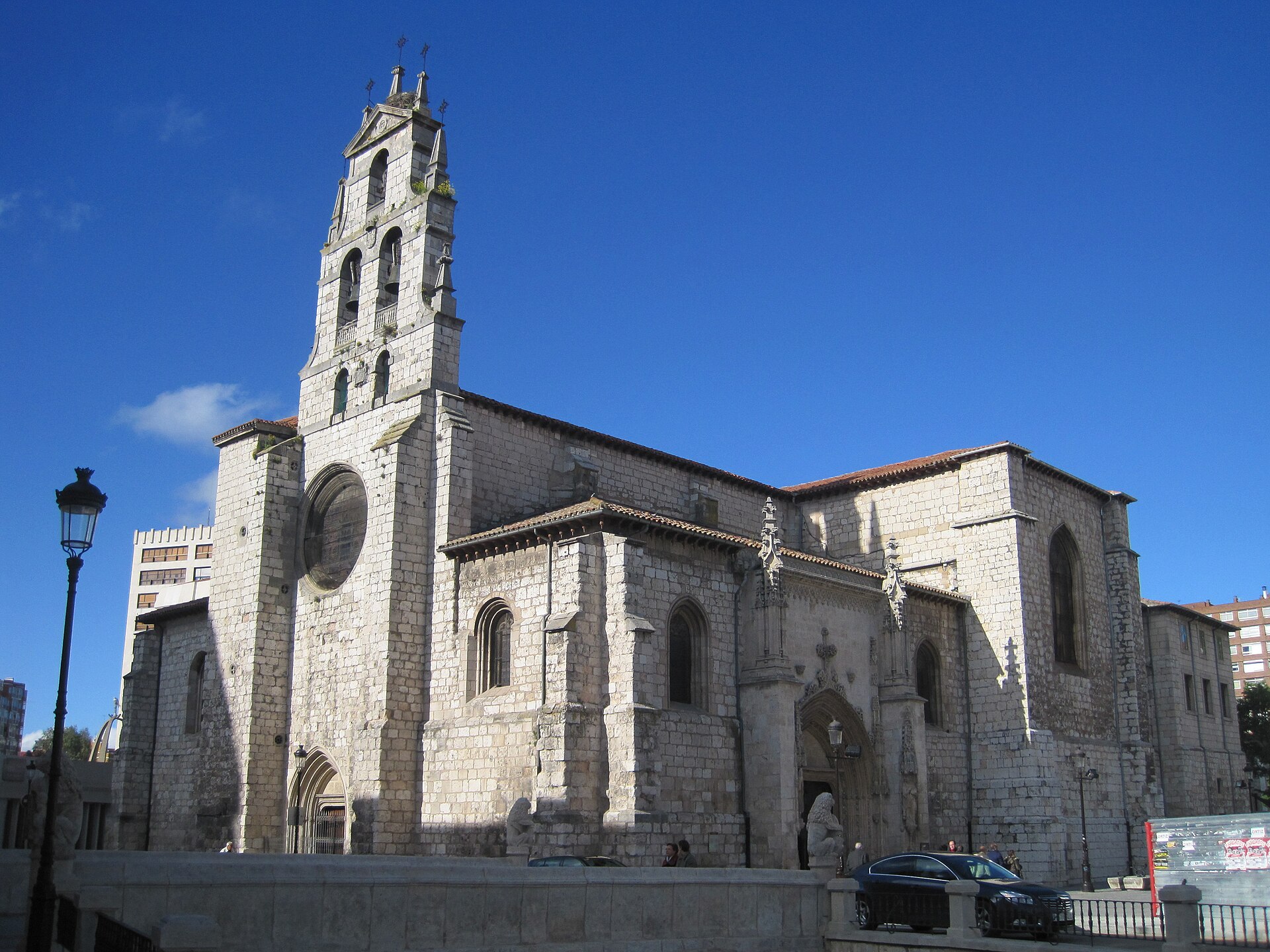
Church of San Lesmes Abad
Burgos
The Church of San Lesmes Abad, in the Spanish city of Burgos, is a Gothic temple standing on Plaza de San Juan, right across from the public library and directly on the Camino de Santiago. Its crypt holds the relics of Saint Lesmes (Adelelmo), the city's patron saint. Where did the church come from? The story begins in the 11th century, when Burgos ran a hospital dedicated to San Juan, caring for pilgrims and the sick. In 1091 its administration passed to a French Benedictine monk named Adelelmo, later venerated as San Lesmes. After his death, his remains were placed in a chapel attached to that hospital. The problem was location: the chapel stood right against the city walls. In 1383 King Juan I of Castile ordered it demolished and commissioned a new, grander church in its place — the very building that still stands in Burgos today. How was it built? Construction stretched from the middle of the 14th century well into the 16th, and the mixture of styles shows it. Inside, three naves in a Gothic-Renaissance style are covered by pointed-arch vaulting typical of the period. Toward the end of the 15th century, the church gained an elaborate portal whose carved detail still catches visitors' attention today. The building has survived the centuries in solid condition, and between 2012 and 2013 it underwent a thorough restoration that brought its facades and interiors back to their former state. What's worth seeing inside? The main draw is the tomb of San Lesmes, a pilgrimage site that has drawn travelers on the Way of St. James for centuries. It's also worth studying the Gothic vaulting of the main nave alongside the Renaissance decorative touches, which come together into one coherent architectural whole. The square outside, facing the public library, makes a good spot to pause during a walk through the old town. How do you get there? The church sits right in the historic center of Burgos, on Plaza de San Juan, so it's easiest to reach on foot — a walk of just a few minutes from the cathedral. Part of the route follows the historic pilgrim path, which adds extra interest for anyone tracing the Camino de Santiago. When should you visit? The church can be visited year-round, and the interior looks best on sunny days, when light through the windows highlights the vaulting. Burgos can get hot in summer, so spring and autumn are the most comfortable seasons for exploring the city on foot. Frequently asked questions Who is buried in the Church of San Lesmes? The church holds the relics of San Lesmes (Adelelmo), a French Benedictine monk and the patron saint of Burgos. What architectural style is the church? It's a Gothic building with Renaissance elements, most visible in the portal added at the end of the 15th century. Is the church connected to the Camino de Santiago? Yes, it stands directly on the pilgrim route and has been visited by pilgrims heading to Santiago de Compostela for centuries. Has the church been restored recently? Yes, it underwent a thorough restoration between 2012 and 2013.
-
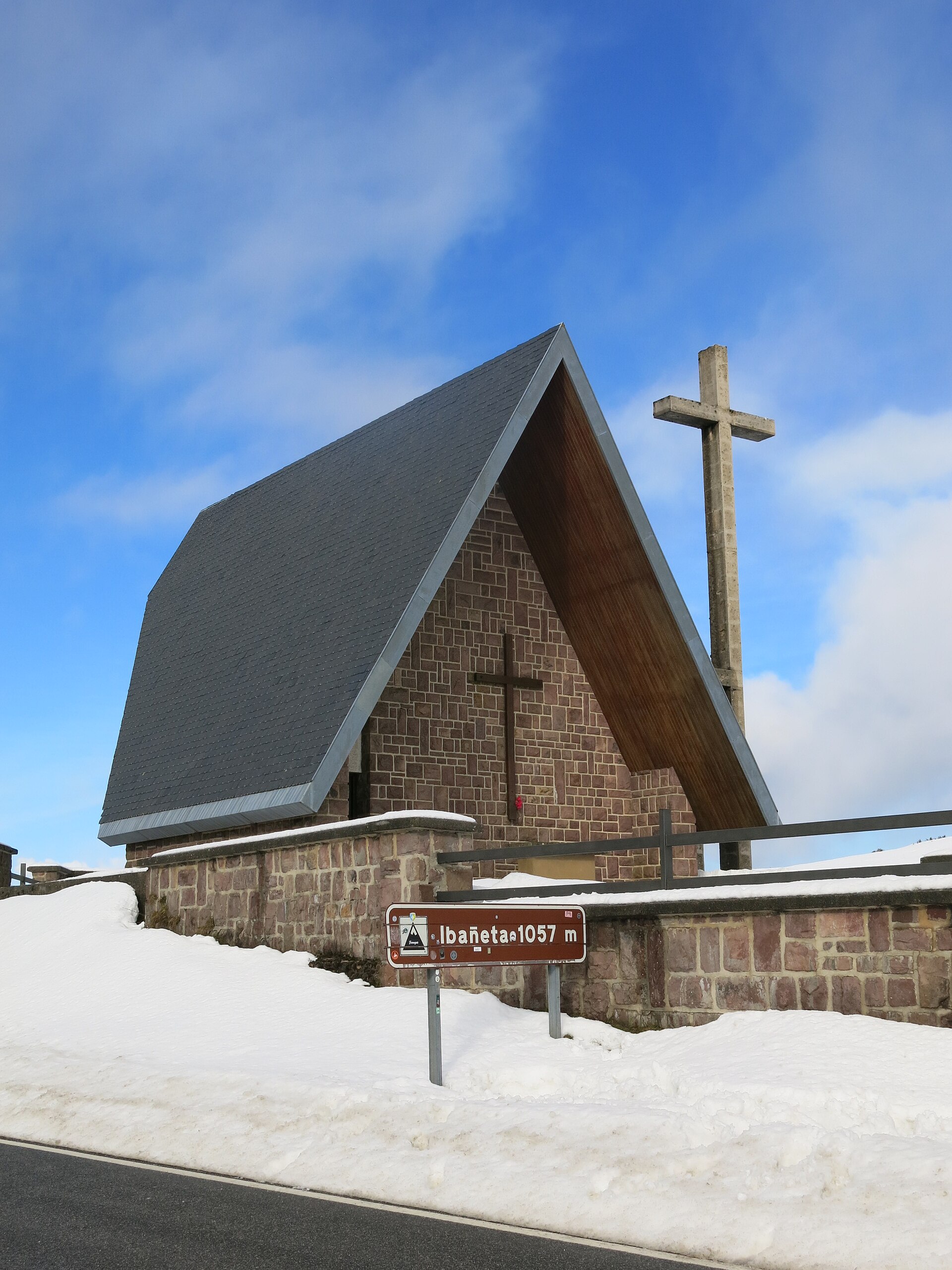
Chapel San Salvador de Ibañeta
Luzaide/Valcarlos
The Chapel of San Salvador de Ibañeta stands on the Ibañeta pass (roughly 1,057 m), just above Roncesvalles in Navarre, at the point where the French route of the Camino de Santiago crosses the Pyrenean ridge and descends into Spain. It's one of the first landmarks pilgrims reach after leaving Saint-Jean-Pied-de-Port. What will you find there? The present chapel is modest in size, built in 1965 during the Compostela Holy Year on the initiative of the Navarre regional authorities. It stands on the site of an earlier monastery-hospital dedicated to San Salvador, run by the abbey of Leire, which is documented on the pass as early as the 11th century — and which itself replaced an even older church believed to date back to the 9th century. By the late 19th century that older building had fallen into ruin, prompting the construction of the current chapel, which kept the historic San Salvador dedication. Next to the chapel stands a memorial stone to Roland, the legendary commander of Charlemagne's rearguard who died in 778 in the battle at the Roncevaux gorge, later immortalized in the medieval epic "The Song of Roland." The spot therefore ties together two long-standing traditions: a Christian pilgrimage route and an epic legend about the defense of the Pyrenees. What's the story behind the bell? The best-known tale connected to Ibañeta concerns the bell of the original San Salvador chapel. Its ringing was used to warn and guide pilgrims who lost their way in fog, snow, or storms while crossing the pass — the terrain here can be demanding, and weather changes quickly. That legendary bell survived the demolition of the old chapel and was later installed in the Church of Santiago in nearby Roncesvalles, where it can still be seen today. How do you get there? Ibañeta sits directly on the Camino Francés, on the stage between Saint-Jean-Pied-de-Port and Roncesvalles — the most demanding but also most scenic section of the entire French route. On foot, it's reached during the very first day of the pilgrimage, after several hours climbing through Pyrenean slopes. By car, the pass is accessible via the road connecting Roncesvalles with the French side of the border; from Roncesvalles it's only a few kilometers uphill. When should you visit? Late spring through early autumn (May–October) is the best window, when the pass is easy to reach and views over the Pyrenean valleys are at their clearest. In winter and early spring, snow and heavy fog are common on the higher stretches, making both walking and driving harder — it's worth checking current conditions before setting out. Frequently asked questions Can you go inside the chapel? The chapel mainly serves a symbolic and devotional role for pilgrims passing through; opening hours can be limited, so it's worth checking locally on arrival. Is it worth stopping here for long? A stop typically takes just a few minutes — the view from the pass, Roland's memorial stone, and the chapel itself make for a short but meaningful waypoint on the first day of the Camino Francés. Where does the name Ibañeta come from? The name refers to the Pyrenean pass itself, where a monastery and the San Salvador chapel have served pilgrims heading to Santiago de Compostela since the Middle Ages. Is this the same place as the battle from "The Song of Roland"? Yes — tradition links the Ibañeta pass with the Roncevaux gorge, site of the 778 battle commemorated in the medieval epic, and the memorial stone beside the chapel marks that event.
-
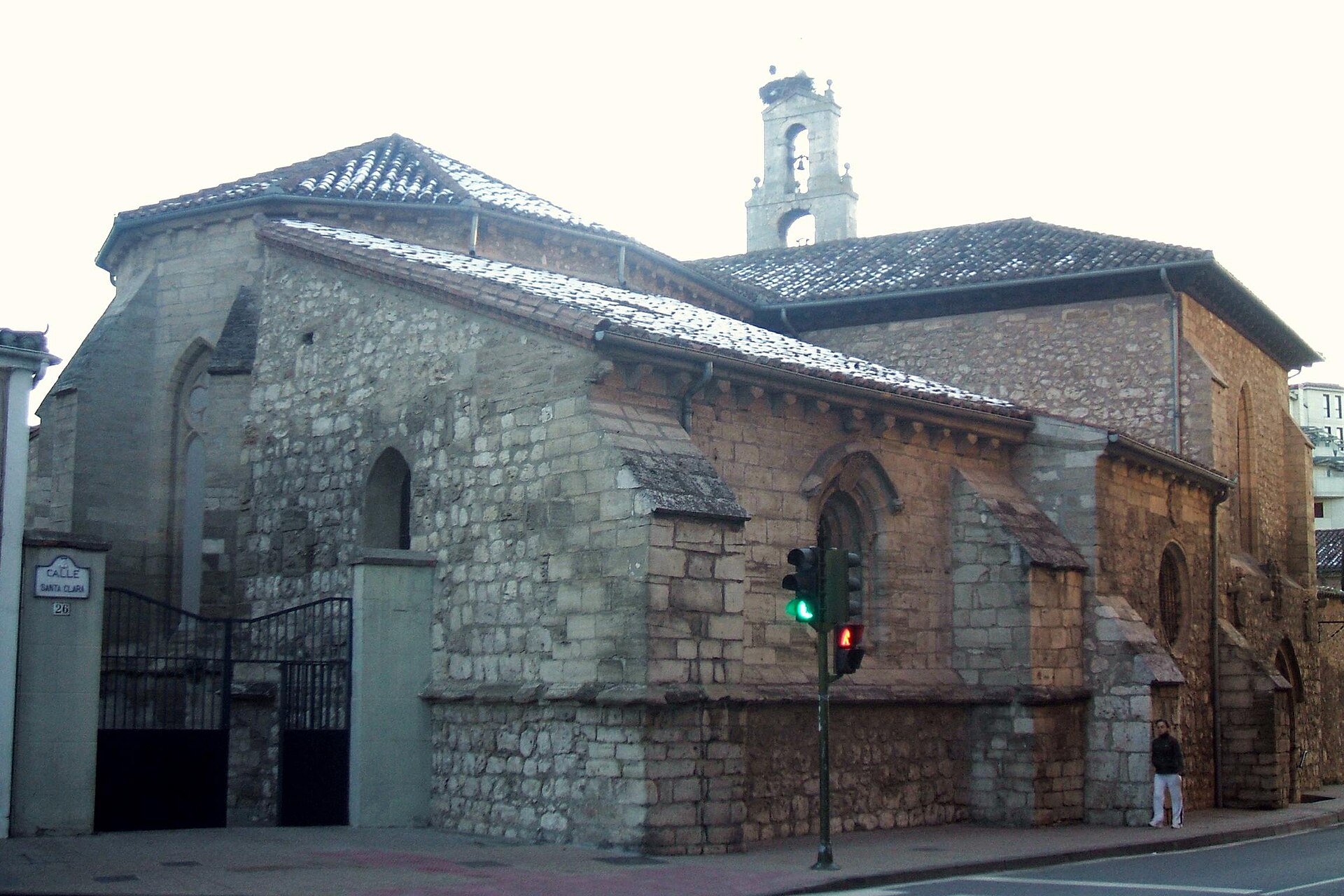
Convent of Saint Clare
Burgos
Convent of Saint Clare (Convento de Santa Clara) is a Gothic convent standing in Burgos, one of the historic cities of Castile and León in northern Spain. It sits at the junction of Calle de Covarrubias, del Progreso and Santa Clara streets, in a quieter part of town away from the busy cathedral route — a good stop for travelers who prefer lesser-visited religious sites. What is the history behind it? The convent's origins go back to 1234, when the first religious community settled on the site. Construction unfolded through the thirteenth century in the Gothic style typical of Castilian sacred architecture of the period. Interestingly, the convent was originally linked to the nearby Monasterio de Santa María la Real de Las Huelgas, one of medieval Spain's most important abbeys, founded under royal patronage. That connection explains why the site carried real religious weight from the start, rather than functioning as an ordinary parish chapel. Over the centuries the building's role and name shifted somewhat — it is also known as the Iglesia del Carmen de Burgos. It remains an active convent today, home to a community of nuns who continue a tradition of prayer and daily life stretching back to the Middle Ages. What will you see there? The main draw is the Gothic convent church, built in the thirteenth-century style characteristic of Burgos — a city best known for its monumental UNESCO-listed cathedral. Smaller in scale, the Convent of Saint Clare still shows the architectural hallmarks of its era: austere stone façades, tall narrow windows, and an interior-focused layout typical of contemplative religious houses. Look closely at the stonework and the proportions of the structure — these details capture the spirit of Burgos Gothic, which developed alongside the construction of the city's cathedral in the same century. Because the building is still an active convent, visiting is generally limited to specific areas and times, with access to the church interior usually possible around service hours. How do you get there? The Convent of Saint Clare lies within Burgos's historic center, within walking distance of the cathedral and the Arlanzón river. The city has good rail and bus links to Madrid and other cities in northern Spain, and its compact center is easy to explore on foot. The simplest route is a walk from the old town toward the corner of Calle de Covarrubias and del Progreso. When should you visit? Burgos sits on the Castilian plateau, where summers can be hot and winters cold and windy. Spring (April to June) and early autumn (September to October) are the best times to explore the city and its religious landmarks, offering milder temperatures and fewer crowds than the peak summer months. Frequently asked questions What is the Convent of Saint Clare in Burgos? A Gothic convent founded in 1234, originally linked to the nearby Monasterio de Las Huelgas, still home today to a community of nuns. Can you visit the inside of the convent? Since it remains an active religious community, access is limited — the church interior is generally easiest to see around service hours. What is the convent church also called? It is also known as the Iglesia del Carmen de Burgos. Is it worth combining with other sights in Burgos? Yes — the convent sits close to the historic center, the cathedral and the Arlanzón river, making it easy to fold into a short walk covering Burgos's main landmarks.
-
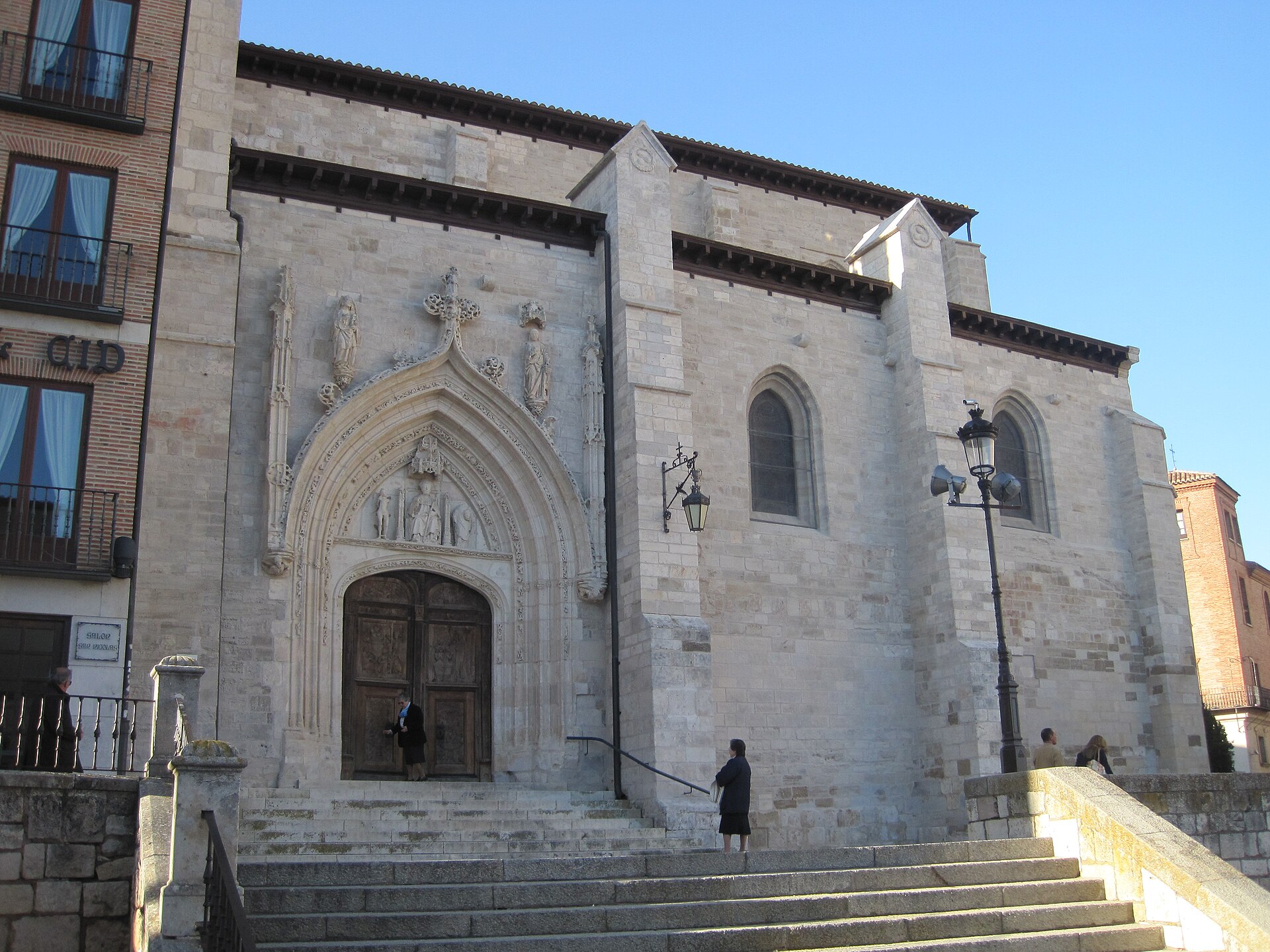
Iglesia de San Nicolás de Bari
Burgos
Iglesia de San Nicolás de Bari is a Catholic church in Burgos, Spain, tucked behind the cathedral on Fernán González street, right along the Camino de Santiago. It's the kind of stop that's easy to walk past once you've seen the cathedral — which would be a shame, since inside sits one of the most unusual altarpieces in the country. How do you get there? The church sits at the heart of Burgos' old town, just a short walk from the cathedral — round the back of it and onto Fernán González street and you're there. The historic core of Burgos is compact and best covered on foot, so there's no need for transport once you're in the center. Pilgrims walking the Camino de Santiago will find it practically on the route itself, with no detour required. What's inside worth seeing? The main draw is the high altarpiece — one of the largest in Spain, and unusually, the only one in the country carved entirely from limestone rather than the wood used in almost every other Spanish retablo. The scale alone is striking: sculptors covered the stone surface with dozens of scenes and figures, producing a composition that reads more like a monumental stone tapestry than a conventional altarpiece. It rewards a slow look — carving this level of detail into such a hard material is rare even among the region's other historic churches. Beyond the altarpiece, the building itself, more modest than the neighboring cathedral, keeps the character of the old town and fits naturally into the dense historic streets around it. When should you visit? Burgos has a moderate continental climate — hot summers, cold winters — so spring and autumn tend to be the most comfortable seasons for sightseeing. Since the church stands right next to the cathedral, it pairs naturally with a cathedral visit and a walk through the old town, making it an easy addition to a day exploring the city center. It's worth checking opening times on site, since as an active parish church it tends to be open at set hours, especially outside of Mass. Why bother with a detour from the main route? Most visitors to Burgos stop at the cathedral and the main square and never look into the smaller churches nearby. Yet it's often exactly these quieter spots — with details found nowhere else in the country — that stick in memory the longest. The limestone altarpiece of San Nicolás de Bari is a good example: craftsmanship that's hard to find matched anywhere else in Spain. Frequently asked questions What makes this church's altarpiece special? It's one of the largest altarpieces in Spain and the only one carved entirely from limestone, while most Spanish retablos are made of carved wood. Where exactly is the church located? On Fernán González street in Burgos, directly behind Burgos Cathedral, along the Camino de Santiago route. How long does a visit take? Not long — it's a small church, and a visit focused on the altarpiece usually takes somewhere between ten and thirty minutes. Is it worth combining with a visit to Burgos Cathedral? Yes — given how close the two buildings are, it's a natural extension of a cathedral visit, sitting just around the corner.
-
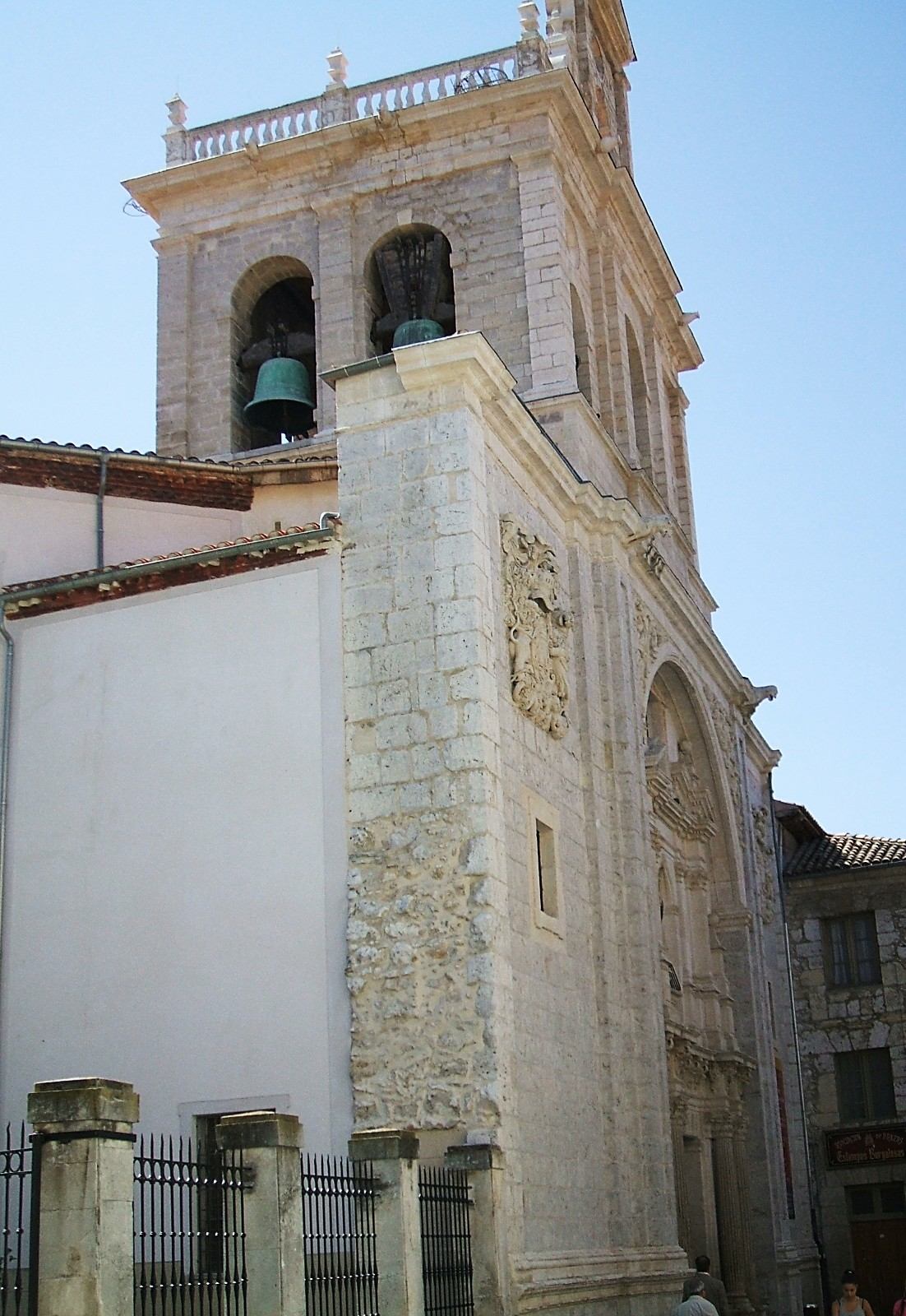
Iglesia de San Lorenzo el Real
Burgos
Iglesia de San Lorenzo el Real is a Baroque church in Burgos, northern Spain, standing on Calle Almirante Bonifaz just a short walk from the historic city center. Overshadowed by Burgos's famous cathedral, it's easy for visitors to miss, yet the church is one of the finest examples of Baroque religious architecture in the Castile and León region. How do you get there? The church sits right in the heart of Burgos, within walking distance of Plaza Mayor and the cathedral. The city is well connected by train and bus from Madrid (roughly 2.5 hours) and Bilbao (just over an hour), making it a convenient stop on a route through northern Spain. Once in the city center, a short stroll through the narrow streets of the old town brings you to Calle Almirante Bonifaz. What will you see? The current building was constructed between 1684 and 1694 as a Jesuit church, replacing a smaller, earlier structure on the same site. The project was financed and sponsored by Francisca de San Vítores, with construction carried out by architects Bernabé de Hazas and Francisco del Pontón. The result is a building with a striking Baroque façade and an interior that combines monumental scale with the ornamental detail typical of the period. After the Jesuits were expelled from Spain in the late eighteenth century, the church changed function and became a parish church, a role it still holds today. Since 1945, Iglesia de San Lorenzo el Real has served as the seat of the Brotherhood of the Coronation of Thorns and Christ the King (Cofradía de la Coronación de Espinas y de Cristo Rey), one of the religious brotherhoods active during Holy Week in Burgos. This connection to local Easter traditions gives the church particular significance each spring, when it becomes a starting point for processions and Passion-related ceremonies. Inside, it's worth paying attention to the proportions of the main nave and the altar, typical of Spanish church Baroque, with rich woodcarving and gilding that contrast with the more austere stone façade outside. When should you visit? The best time to visit is during Holy Week (Semana Santa), when the church is at the center of its role as a brotherhood seat and starting point for processions. Outside that period, the church functions as an ordinary parish, so it's worth checking mass and opening times before visiting, as access on weekdays can be limited to specific hours. Burgos itself is pleasant to explore in spring and autumn, when temperatures are milder than the hot Castilian summer. Frequently asked questions Is Iglesia de San Lorenzo el Real still an active church? Yes. Since the Jesuits were expelled in the late eighteenth century, it has functioned as a parish church and remains active today. Who built the church and when? It was built between 1684 and 1694, designed by Bernabé de Hazas and Francisco del Pontón, and financed by Francisca de San Vítores. What role does the church play in Burgos's Holy Week? Since 1945 it has been the seat of the Brotherhood of the Coronation of Thorns and Christ the King, which takes an active part in Semana Santa celebrations. Is it worth combining a visit with the Burgos cathedral? Yes. The two sites are just a few minutes' walk apart, letting you see the contrast between the Gothic cathedral and San Lorenzo's Baroque architecture in one walk through the old town.
-
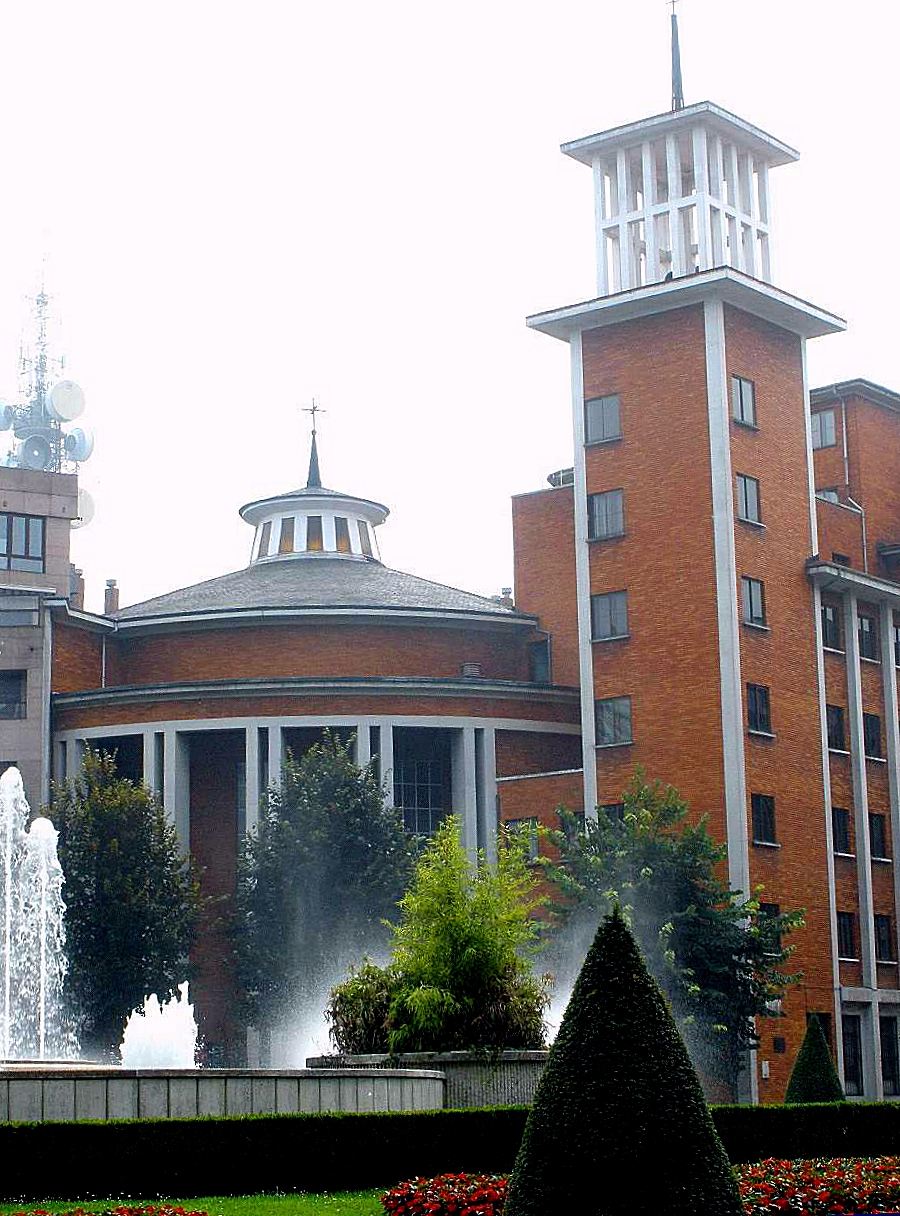
Church of Inmaculado Corazón de María, Oviedo
Oviedo / Uviéu
The Church of Inmaculado Corazón de María in Oviedo is a modest but distinctive Catholic church in the Asturian capital, run by the Claretian order. It stands on Plaza de América, facing a fountain unveiled in 1992 to mark the 500th anniversary of the discovery of America, which makes the square an easy landmark for anyone exploring this part of the city. How do you get to the church? The building sits at Plaza de América 12, in a residential district a short walk from Oviedo's historic centre and the San Salvador Cathedral. Public transport or a stroll along the city's main avenues gets you there without any trouble. The surrounding streets have their own cafés and shops, so a visit here works well as a quieter counterpoint to the busier, more touristic core of Oviedo. What is there to see inside? The building stands out from typical Asturian church architecture through its circular floor plan, topped with a slate roof, a material widely used in the region's religious buildings. Inside, the focal point is an image of the Heart of Mary with the Child seated on her right knee, raised on a tall pedestal of black marble. It's the central devotional image around which parish life revolves. The interior's simplicity, built around this single motif, gives it a more intimate, contemplative feel than the grand, monumental churches of the city centre. What is the history behind it? The church was built in the 1950s, designed by the Somolinos Cuesta brothers, architects based in nearby Gijón. The parish itself was formally established in 1970, and the Claretian fathers have overseen it ever since. Its story is tied less to the medieval past for which the rest of Oviedo is known and more to the city's postwar expansion and the needs of a growing district — it's a piece of 20th-century religious architecture rather than ancient heritage. When is the best time to visit? The church is worth a stop whenever you're exploring this part of Oviedo, ideally during daylight hours, when the square and the fountain in front of it look their best. It's worth checking Mass times before visiting, since this is an active parish rather than a museum piece — viewing outside of services is usually possible but depends on the current schedule. The fountain on the square, commemorating the discovery of America, gives an extra reason to pause here while wandering through the less obvious corners of the city. Frequently asked questions Where exactly is the church located? At Plaza de América 12 in Oviedo, in a district close to the city centre, facing a fountain from 1992. Who runs the parish? The church and parish are run by the Claretian fathers, and the parish itself was established in 1970. What stands out architecturally? Its circular floor plan and slate roof, designed in the 1950s by the Gijón-based Somolinos Cuesta brothers. Can you visit outside of Mass times? Usually yes, during the church's opening hours, though it's worth checking locally since this is a working parish rather than a site with a fixed visitor schedule.
-
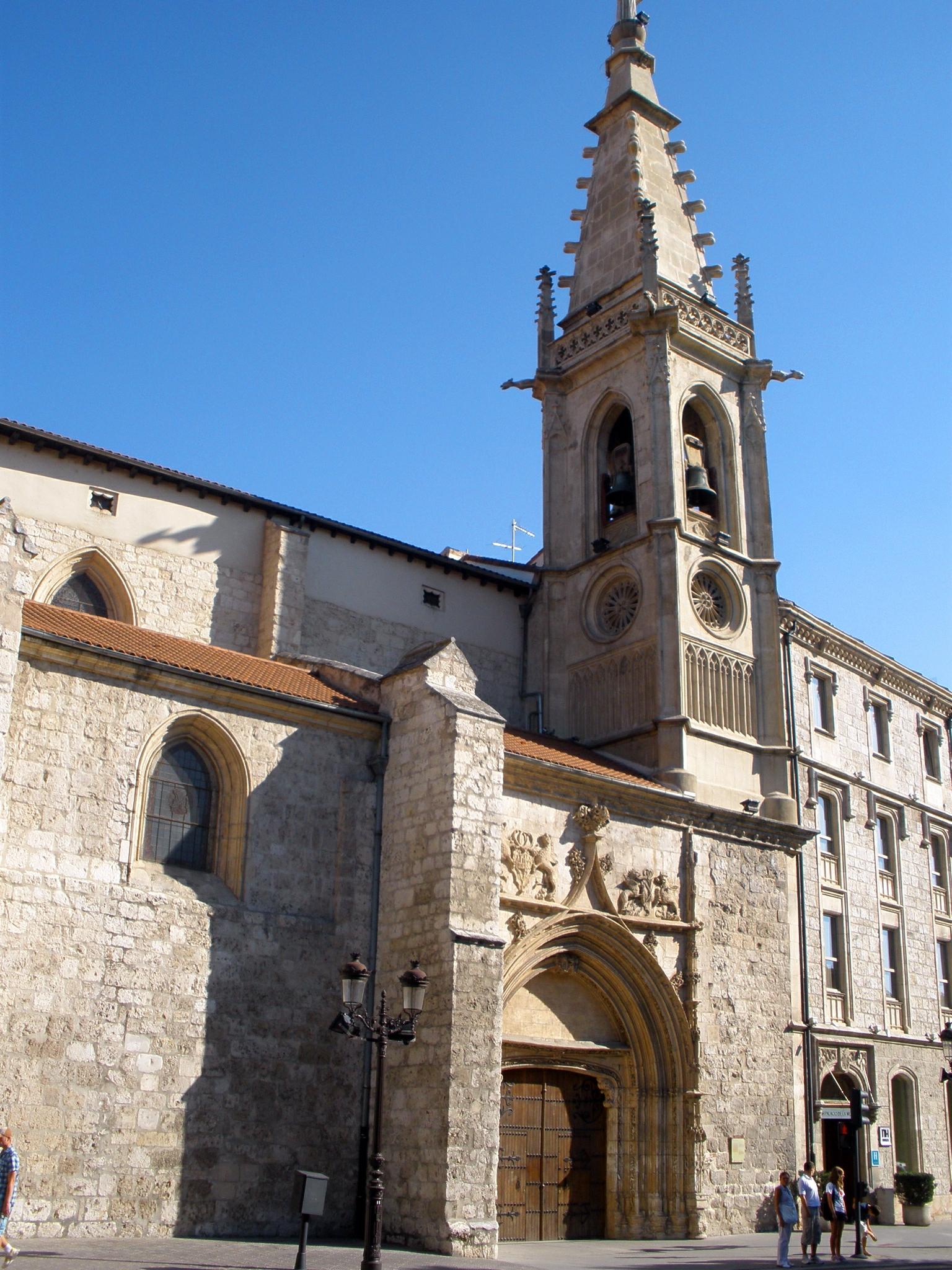
La Merced Church
Burgos
La Merced Church is a Gothic monument in Burgos, in Spain's Castile and León region, standing on Merced street close to the left bank of the Arlanzón river and near the Arco de Santa María. The building traces back to the Mercedarian friars, who arrived in the city in the 13th century, and it remains an active place of worship right in the historic core of Burgos. Where does the church come from? The Mercedarians settled in Burgos in the second half of the 13th century, founding a small convent near the Hospital of San Lázaro, reportedly established around 1272 by Saint Peter Nolasco, founder of the order. In 1419 the friars left that original site and, with backing from wealthy Burgos families and Bishop Alfonso de Cartagena, moved to a more central spot beside the Arlanzón. Construction of the new church began in the late 15th century, around 1498, funded by the merchant couple Francisco del Castillo and Leonor de Pesquera. What can you see inside? The church was built in Gothic style to a design by architect Pedro del Barrio Riaño. The area at the foot of the church draws particular attention, with vaulting and a choir carved in richly ornamented Isabelline Gothic by Diego de Siloé, one of the leading sculptors and architects of the Spanish Renaissance who worked extensively in Burgos. That intricately carved choir and the ribbed vaulting are the main reason to step inside today. The former convent buildings, home to Mercedarian friars for more than three centuries, have since been repurposed and now house a catering business, making it easy to pair a visit with a bite to eat right next door. How do you get there, and when should you visit? The church sits in the very centre of Burgos, within walking distance of the cathedral and the old town, making it a natural stop on any tour of the city — including for pilgrims following the Camino de Santiago, which passes through Burgos. The city sits on the high plateau of Castile and has a moderate continental climate, with warm summers and cold winters, so spring and early autumn tend to be the most comfortable seasons to explore, with milder temperatures and fewer crowds than the peak of summer. What should you know before visiting? Because the church is still an active parish, dress and behave respectfully, especially if a service is underway. As it functions as a working parish, opening times for visitors can shift around Mass schedules, so it is worth building some flexibility into your plans. Frequently Asked Questions Who built La Merced Church in Burgos? Construction was commissioned by merchants Francisco del Castillo and Leonor de Pesquera in the late 15th century, with the Gothic design by architect Pedro del Barrio Riaño. What is the most notable feature inside the church? The vaulting and choir at the foot of the church, carved in Isabelline Gothic style by Diego de Siloé, one of the leading figures of the Spanish Renaissance. Is the church still used for worship? Yes, La Merced remains an active parish church with regular services. What happened to the old convent next to the church? The convent buildings, occupied by Mercedarian friars for over three hundred years, have been converted into a catering business.
Earn badges for the places you visit
Download NextOnTrip, discover new places and check off your trails.