About this place
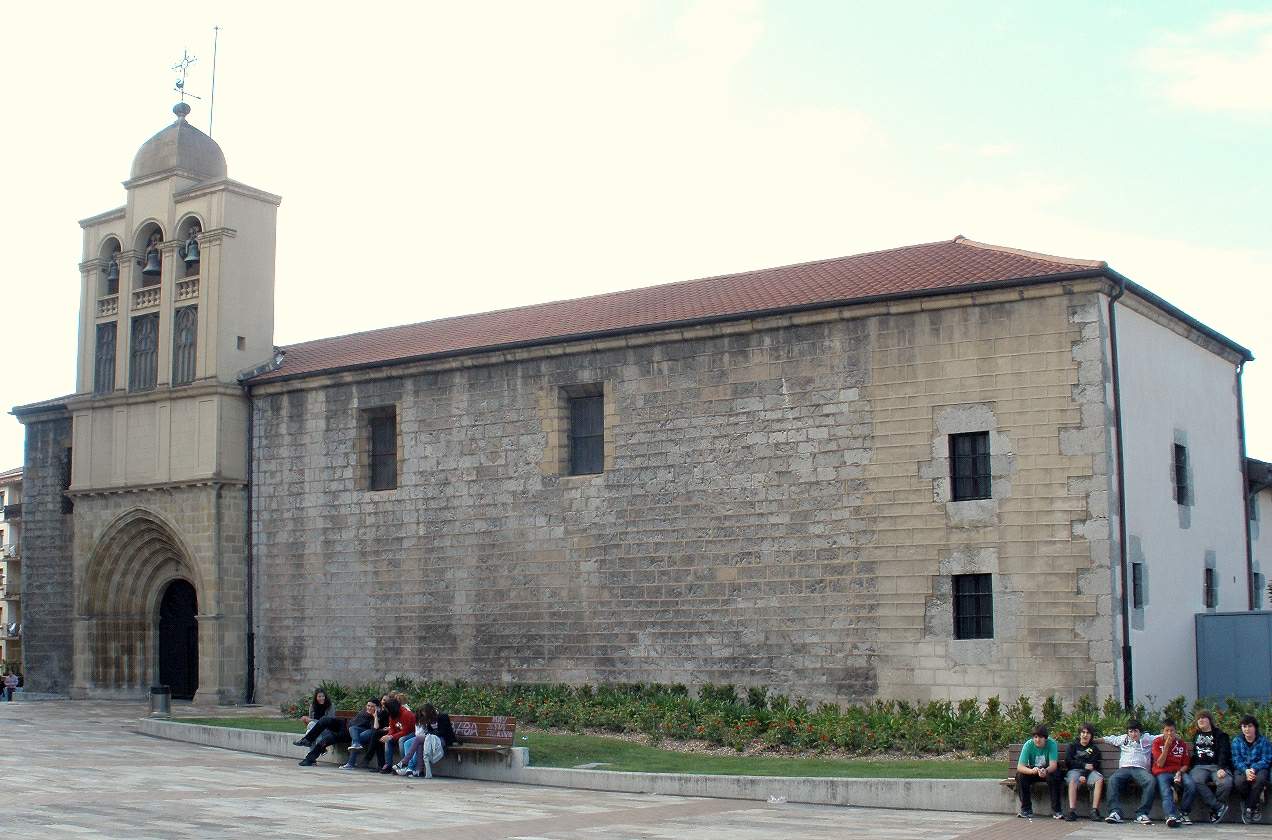
The Convent of San Agustín in Hernani is one of the oldest historic architectural complexes in this Basque town, located just a short distance from San Sebastián. Built on the site of the town's former parish church, it remains a landmark in Hernani's old quarter to this day.
How do you get there?
Hernani sits in the province of Gipuzkoa, right next to San Sebastián, with regular bus and Euskotren rail connections between the two. The journey from central San Sebastián typically takes no more than 20–25 minutes. The convent stands within the casco histórico, the old town, so once you arrive the best way to get around is on foot — most of the historic sites cluster within easy walking distance of one another. Drivers will find parking near the town centre, a short stroll from the convent itself.
What will you see?
The origins of the current complex date back to 1526, when a convent for Augustinian nuns was founded on the site of Hernani's earlier parish church. The church itself, the oldest surviving element of the whole ensemble, retains a simple single-nave layout on a rectangular plan with a flat-ended presbytery. Inside, visitors can admire a spacious choir and a ceiling with an exposed wooden structure — a solution typical of Basque religious architecture from this period.
Once the convent was founded, three new wings were added along the church's left wall, arranged around a central rectangular cloister. This part of the complex housed the nuns' quarters: visiting rooms and communal halls with a refectory on the ground floor, and individual cells on the upper level. This layout — a church joined to a convent organised around a cloister — is characteristic of the contemplative religious communities established across Spain during the 16th century.
The building's turbulent history has left its mark: in 1808, during the Peninsular War, the complex was partially destroyed while being used as barracks by French troops. It was rebuilt in 1825, restoring its religious function. Despite this damage and the subsequent reconstruction, the convent has retained its original, understated architectural character, without the elaborate decoration found in more prestigious monastic foundations of the era.
When should you visit?
Hernani, like the rest of Gipuzkoa, enjoys a mild oceanic climate, making it pleasant to visit for most of the year. The best conditions come in spring (April to June) and early autumn (September–October), when temperatures are moderate and crowds thinner than at the height of summer. Summer remains popular thanks to the nearby beaches of San Sebastián, but the region is known for frequent rain showers, so it's worth packing an umbrella whatever the season.
Frequently asked questions
Can you visit the inside of the Convent of San Agustín? Access to the interior depends on the building's current use and any events taking place there — it's worth checking with Hernani's local tourist information before your visit, since parts of the complex may be used for cultural or administrative purposes.
How long does a visit take? Seeing the building itself, along with a walk through the surrounding old town, generally takes about 30–45 minutes, though architecture enthusiasts may want to linger longer over the structural details.
Are there other attractions nearby? Yes — Hernani's casco histórico brings together several other historic buildings and the intimate narrow streets typical of Basque towns, making it easy to combine a visit to the convent with a short walk around the whole centre.
Is admission free? In most cases, viewing the building's exterior is free and possible year-round — any charges would apply only to guided tours or special events held inside.
Nearby places

Earn badges for the places you visit
Download NextOnTrip, discover new places and check off your trails.