About this place
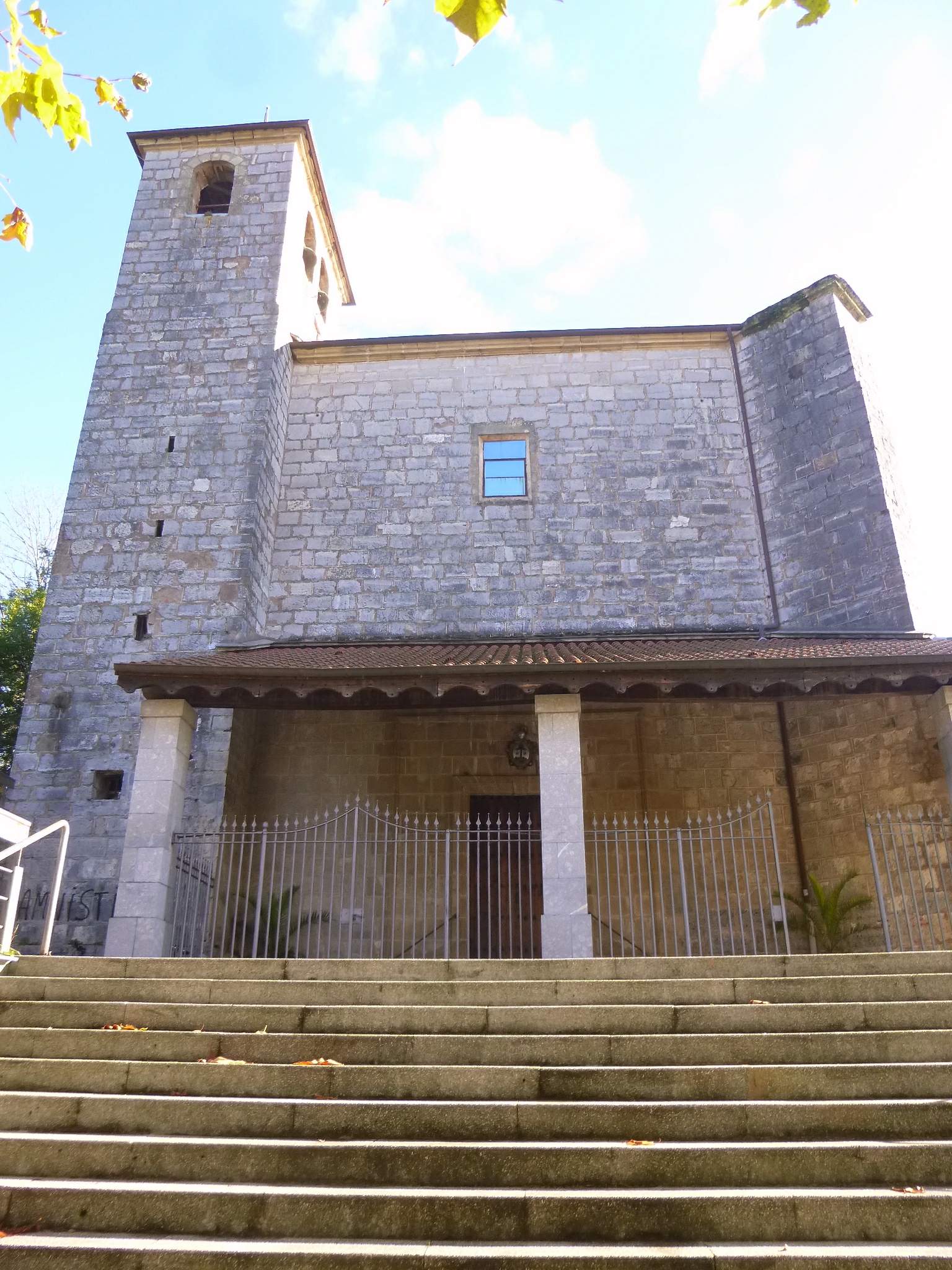
The Church of Asunción de Nuestra Señora sits in Astigarraga, a small town in the Basque Country just outside San Sebastián. Perched on a rise at the heart of the old town, it has long been the settlement's most recognizable landmark.
Where exactly is the church in Astigarraga?
The building stands on a modest hill within Astigarraga's historic core, right next to the Palacio de Murgia, the former residence of the local noble family. The two buildings were once physically connected, a detail that speaks to how closely the Murgia lords were tied to parish life here. From the square in front of the entrance, visitors get a clear view over the rooftops toward the green hills that ring the valley.
What is the history behind the building?
Local tradition holds that the town's earliest place of worship was a small hermitage dedicated to Saint James, standing on a neighboring hilltop, before the role of parish church passed to the site where the current building now stands. No documents survive to confirm the earliest chapters of that story. The church, also known locally as Santa María de Murgia, has roots going back to the medieval period, but the structure visitors see today largely dates from the 17th century, the result of successive rebuilding phases that gave it its present form.
What architectural style does it show?
The church blends Renaissance and Baroque elements, a combination typical of Basque religious architecture from that era. Its walls are built from dressed ashlar stone, giving the exterior a solid, restrained character. A square bell tower rises beside the nave, visible from a distance and acting as a landmark for the surrounding countryside. Inside, the nave is divided into two sections covered by ribbed vaults, a structural approach common in late-Gothic and Renaissance churches of the region that lends the interior a sense of lightness despite the thick outer walls.
What else is worth seeing nearby?
Astigarraga sits at the heart of the Basque cider-making region: within a few kilometers, numerous sagardotegis — traditional cider houses offering tastings and meals — draw visitors from across the area and rank among the town's main attractions. Together with the neighboring Palacio de Murgia, the church forms a quiet historic corner that makes a worthwhile short stop for anyone exploring the countryside around San Sebastián. The interior is generally accessible mainly around service times, so it's worth checking current parish hours locally before planning a visit.
Frequently Asked Questions
Can visitors go inside the church during the day? The building is an active parish church, so interior access depends on service times and opening hours, which are best confirmed locally since they can change.
How does this church relate to the nearby Hermitage of Saint James? According to local tradition, the hermitage on the neighboring hill served as an earlier place of worship before the role of main parish church passed to the present building, also known as Santa María de Murgia.
Why is the church located next to the Palacio de Murgia? The two buildings stand together because of the historical ties between the local Murgia family and the parish; the palace and church once formed a connected complex reflecting the family's standing in Astigarraga.
What architectural style defines the building? The church combines Renaissance and Baroque features, marked by a square bell tower and a two-section nave covered with ribbed vaults inside.
Nearby places

Earn badges for the places you visit
Download NextOnTrip, discover new places and check off your trails.