About this place
Iesu eliza (Basque for "Church of Jesus," Spanish: Iglesia de Iesu) is a contemporary Catholic church in the Riberas de Loyola neighbourhood of Donostia / San Sebastián, designed by architect Rafael Moneo. Its minimalist form has become a recognisable landmark in this part of the city, pairing austere architecture with the practical role of a neighbourhood gathering place.
Where is the church and how do you get there?
The building stands on Avenida de Barcelona, next to the Jardín de la Memoria (Garden of Memory), in Riberas de Loyola — one of the newer districts of Donostia / San Sebastián, developed over recent decades along the banks of the river Urumea. The neighbourhood lies east of the historic centre and is well connected to the rest of the city, making it an easy stop for visitors interested in contemporary religious architecture beyond the usual old-town sightseeing route.
Who designed Iesu eliza?
The church was designed by Rafael Moneo, one of Spain's most acclaimed architects and a Pritzker Prize laureate. Construction took four years and was completed in the first half of 2011, with the building consecrated on 14 May of that year. The project was commissioned to serve the growing population of the newly built Riberas de Loyola district, which needed a place of worship of its own.
What does the building look like inside and out?
The most distinctive feature of Iesu eliza is its floor plan, shaped as a "broken cross" rather than a conventional Latin cross — a form that, according to Moneo himself, was meant to express the tensions of the contemporary world. The structure was built from concrete blocks, coated with sprayed mortar and finished with a thin layer of cement-based render, which originally gave the façade a bright white tone. Over time, weathering has changed the colour of the surface, though the shape of the building itself remains unaltered.
Inside, light enters through openings cut into the ceiling and bounces off the white plastered walls, creating the calm, focused atmosphere typical of Moneo's work. To the left of the main nave are the sacristy and baptistry; to the right is the Chapel of Reconciliation, which holds a large stained-glass wall designed by the architect himself and made from alabaster brought from Cintruénigo, in Navarre. The interior is completed by a wooden altarpiece, lamps illuminating the nave, and an organ.
What role does the church play in the neighbourhood?
Iesu eliza is not purely a religious building — a supermarket occupies the space beneath the structure and has become a daily meeting point for local residents. This combination of worship and everyday urban life means the church actively shapes community life in Riberas de Loyola, rather than simply serving as a visual landmark. Its position next to the Jardín de la Memoria further reinforces the site's role as a space for reflection within a modern, densely built part of Donostia / San Sebastián.
Frequently Asked Questions
What does the name Iesu eliza mean? It is Basque for "Church of Jesus" — the building is dedicated to Jesus (Iesu) rather than to a specific patron saint.
Who designed Iesu eliza? The church was designed by Rafael Moneo, a Spanish architect and Pritzker Prize laureate. It was completed and consecrated in 2011, on 14 May.
Where exactly is the church located? Iesu eliza stands on Avenida de Barcelona in the Riberas de Loyola neighbourhood of Donostia / San Sebastián, next to the Jardín de la Memoria.
What makes the building's architecture distinctive? Its unusual "broken cross" floor plan, a concrete structure finished in pale render, and a stained-glass alabaster wall designed by Moneo himself inside the Chapel of Reconciliation.
Nearby places
-

Good Shepherd Cathedral of San Sebastián
-
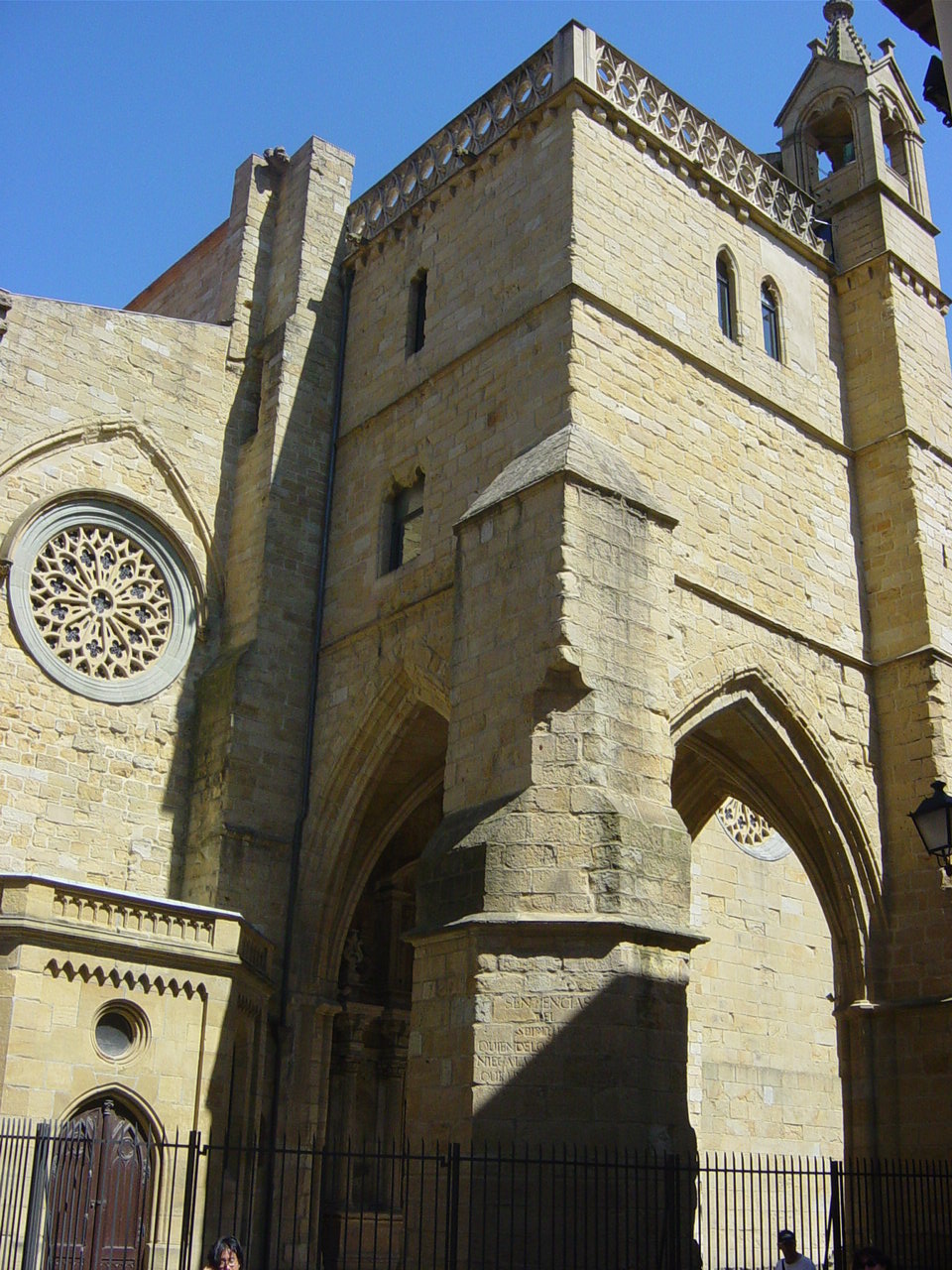
Church of San Bizente Martiria-San Vicente Mártir, Donostia-San Sebastián
Donostia / San Sebastián
-
Basilica of Saint Mary of the Chorus
San Sebastián
-
Saint Peter the Apostle Chapel
Donostia / San Sebastián
-
Jesusen Bihotza/Corazón de Jesús (Urgull)
San Sebastián
-
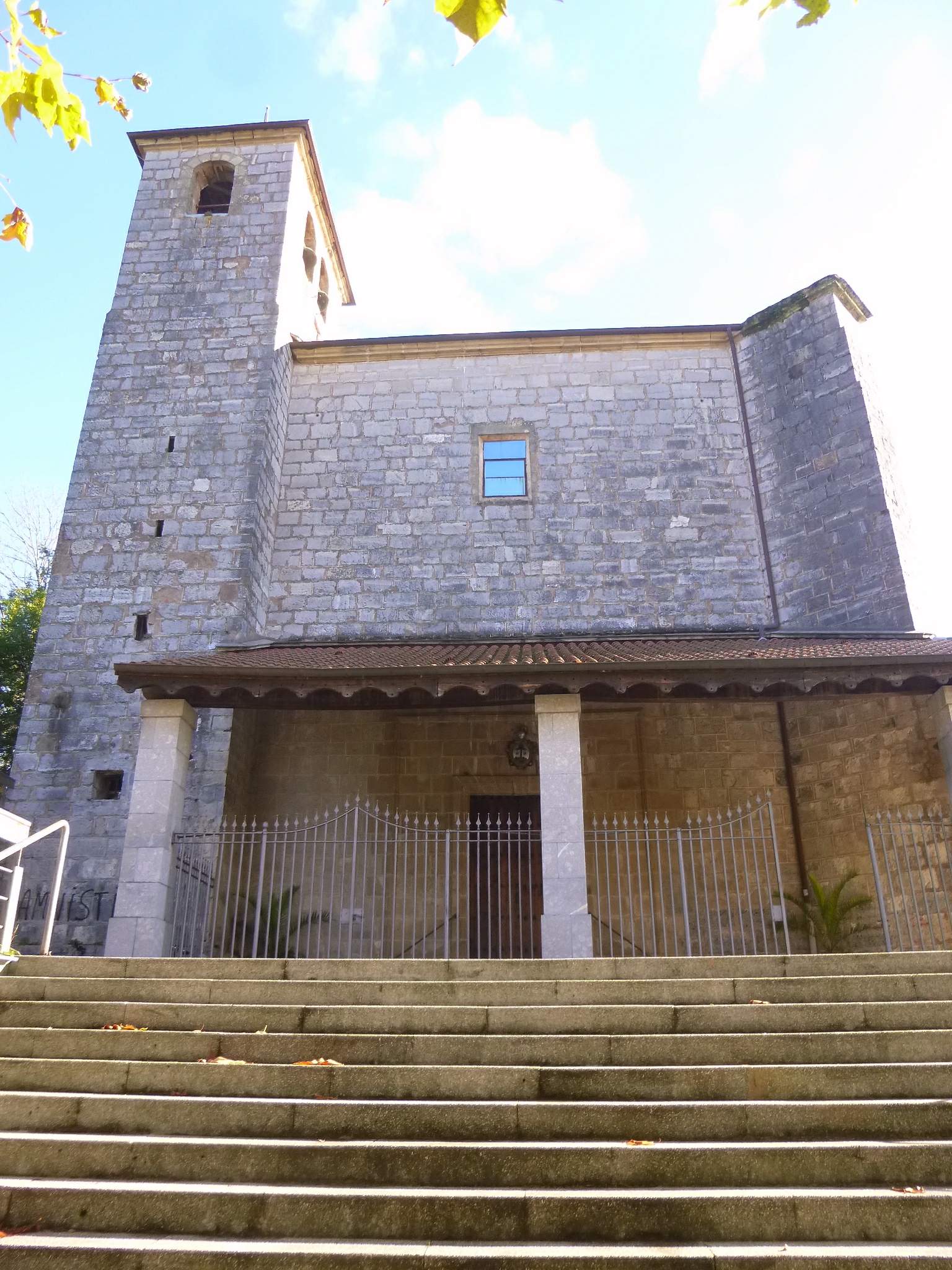
Church of Asunción de Nuestra Señora, Astigarraga
Astigarraga
Earn badges for the places you visit
Download NextOnTrip, discover new places and check off your trails.