About this place
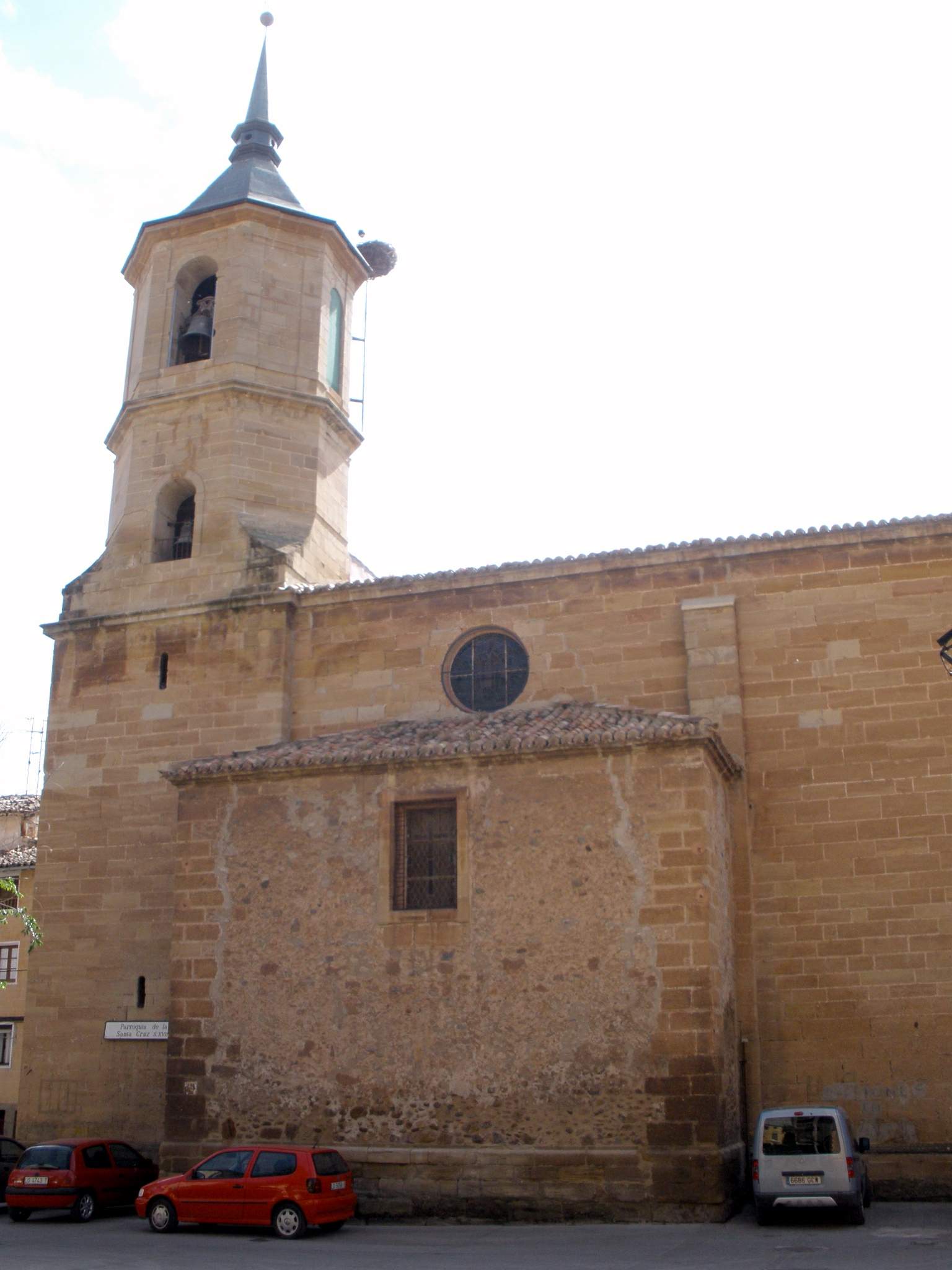
Church of Santa Cruz stands in Nájera, a small town in La Rioja best known for the neighboring monastery of Santa María la Real.
How did the parish come about?
The story goes back to 1052, when the original Santa Cruz parish existed as a chapel inside the walls of the Santa María la Real monastery. For close to two centuries, secular clergy and monks shared the same space, and the arrangement produced constant friction over who held authority there. The dispute was only settled in 1230, when Pope Honorius III issued a decree formally separating the parish from the monastery. The building visitors see today came much later: construction started in 1553 and the church was consecrated in 1611.
What does the interior look like?
The church is a solid ashlar-stone structure built around three naves. Architect Juan de Raona gave it a hemispherical dome resting on pendentives and topped with a four-window lantern, a feature that floods the interior with light and gives the whole space a sense of scale. Inside, several neoclassical altarpieces sit alongside sculptures and paintings gathered over different periods. The main altar and the Chapel of San Prudencio deserve particular attention — San Prudencio is the patron saint of Nájera and holds deep significance for the town.
The sacristy holds a Gothic Christ figure dating from the 13th century, together with sculptures, paintings, and liturgical vestments from the 14th, 16th, and 17th centuries. Taken together, it's a small but telling record of how the church accumulated regional religious art across the centuries.
What happened to the church in the 20th century?
Like many religious buildings in Spain, Santa Cruz did not escape the Spanish Civil War: it suffered serious damage in 1936 and 1939. It was rebuilt in 1940, and that restoration preserved its historical character while allowing it to keep functioning as the parish church for the people of Nájera.
How to get there and when to visit
The Church of Santa Cruz sits right in the center of Nájera, within easy walking distance of the Santa María la Real monastery, so the two sites are simple to combine in a single visit. Nájera itself is well connected by road to Logroño and the rest of La Rioja's wine country, making it an easy stop for anyone touring the region. Mornings and early afternoons are generally the best times to visit, since parish churches in smaller Spanish towns tend to be open to visitors then — outside those hours, access can be limited to Mass times.
Frequently asked questions
What's the difference between the Church of Santa Cruz and the Santa María la Real monastery? They are two separate religious buildings in Nájera. Santa María la Real is a large monastic complex, while Santa Cruz is the parish church that originally began as a chapel inside that monastery before becoming independent in 1230.
How old is the current church building? The present structure was built between 1553 and 1611, though the Santa Cruz parish itself dates back much further, to the 11th century.
What's the most notable artwork inside? The 13th-century Gothic Christ kept in the sacristy and the Chapel of San Prudencio, dedicated to the town's patron saint, are considered the church's most significant features.
Was the church ever damaged or destroyed? Yes — it suffered serious damage during the Spanish Civil War in 1936 and 1939, and it was rebuilt in 1940.
Nearby places
-

Church of Santa María de la Asunción
Santa Coloma
-
Ermita de la Virgen del Valle
Cenicero
-
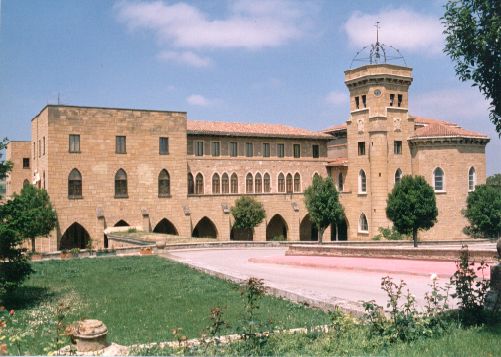
Monastery of Santa María de la Estrella, San Asensio
San Asensio
-
Church of Santa María de la Asunción, Navarrete
Navarrete
-
Monastery of San Millán de Yuso
San Millán de la Cogolla
-
Monastery of San Millán de Suso
San Millán de la Cogolla
Earn badges for the places you visit
Download NextOnTrip, discover new places and check off your trails.