About this place
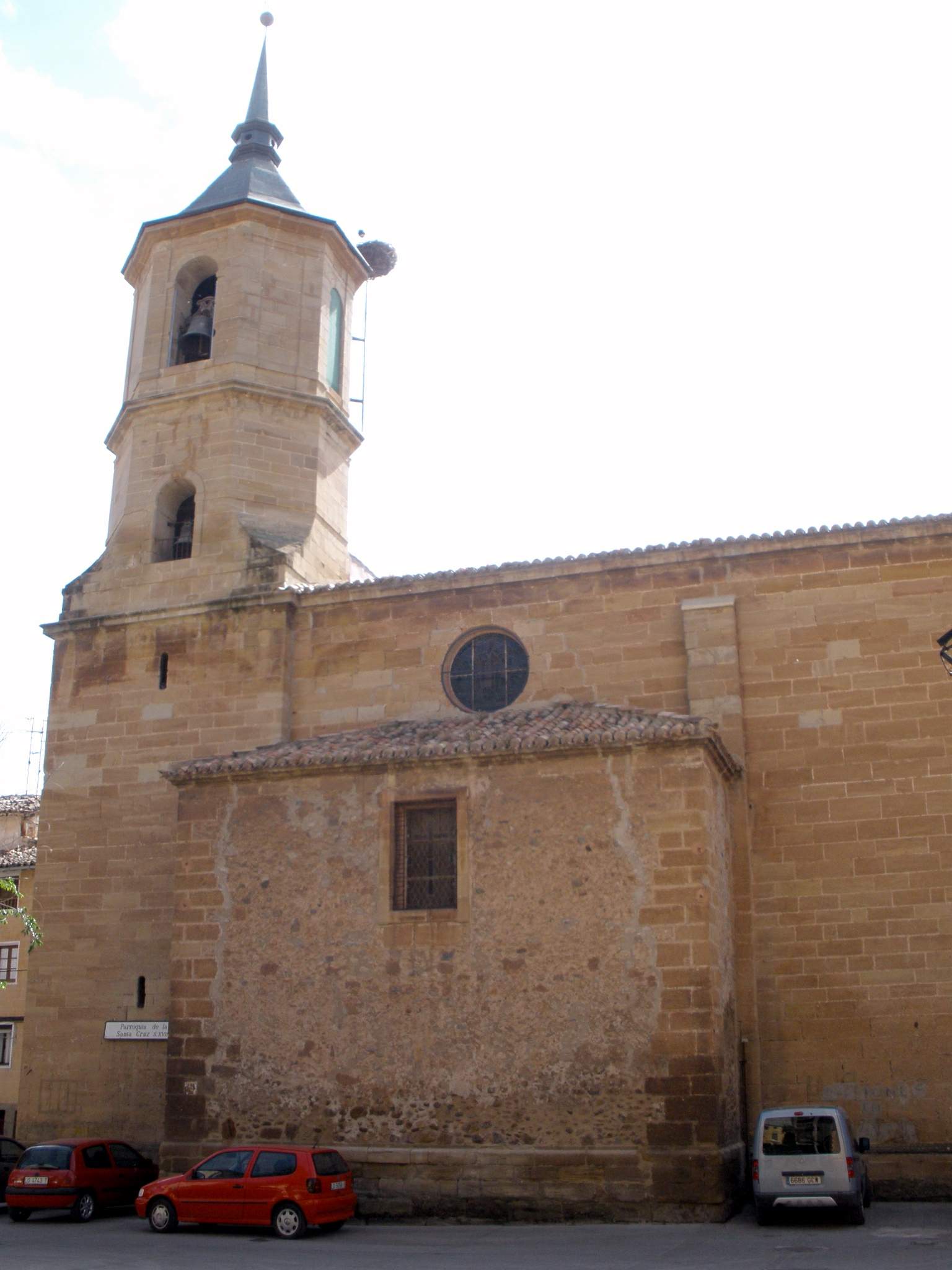
The Church of Santa María de la Asunción stands at the heart of Santa Coloma, a small village in the La Rioja region of northern Spain. For nearly five centuries this parish church has served as both the visual landmark and the spiritual center of the community nestled in the Najerilla river valley.
Where does this church come from?
The story of the site predates the current building by centuries. In 923, after the land was reclaimed during the Reconquista, King Ordoño II rebuilt an earlier monastery that had stood in Santa Coloma — a foundation that gave the village both its name and its religious significance. The stone church visitors see today was built much later: construction began in 1533, designed by the local master stonemason Juan Martínez de Mutio, and the main structure was completed before 1546. The bell tower that now defines the village skyline wasn't added until the 17th century.
What will you see inside and out?
The church is built from ashlar masonry, giving it the solid, austere character typical of Rioja's religious architecture from this period. Inside, three naves are covered by ribbed vaults, a construction technique common to late Spanish Gothic that lends the space a sense of lightness despite its thick stone walls. The choir sits low within the building, while the bell tower — also built of dressed stone — rises in three tiered sections at the foot of the nave.
The main entrance faces south toward the village square, the natural gathering point during religious festivals. The façade is marked by two doorways framed with columns and each topped with a triangular pediment, giving the entrance a distinctly monumental, symmetrical look.
The undisputed highlight inside is the main altarpiece, crafted with gilded Solomonic (twisted) columns and regarded as one of the finest examples of late 17th-century Rioja Baroque art. In the sacristy, look for a small but valuable triptych depicting the Virgin Mary, Saint Peter, and Saint John.
How to get there and when to visit?
Santa Coloma sits in the Najerilla valley, in the province of La Rioja, close to the region's well-known wine routes. The easiest way to reach it is by car, following the road that links the smaller mountain villages to larger Rioja towns such as Nájera and Logroño. It's well worth pairing a visit here with a tour of the surrounding vineyards and villages, many of which are known for their own Romanesque and Baroque architecture.
The church is best seen during daylight hours, when sunlight hits the stone façade from the square and brings out the detail on the twin portals. Spring and early autumn are the most pleasant seasons to visit — mild weather and lighter tourist traffic make for an unhurried walk through both the church and the village itself.
Frequently asked questions
Can visitors enter the church on their own? Yes, as an active parish church it's generally open to visitors outside of service hours — it's worth checking the posted local hours on arrival.
What is the most valuable feature inside? The main altarpiece with its gilded Solomonic columns, considered one of the best examples of late Rioja Baroque craftsmanship.
How long does a visit take? Seeing the church itself typically takes 20–30 minutes, but allow extra time to walk through Santa Coloma and the surrounding valley.
Are there other attractions nearby? Yes — the La Rioja region is known for its vineyards and towns rich in religious architecture, making it easy to combine a stop in Santa Coloma with a wider tour of the Najerilla valley.
Nearby places

Earn badges for the places you visit
Download NextOnTrip, discover new places and check off your trails.