- Sacred Monuments
- Religious monuments
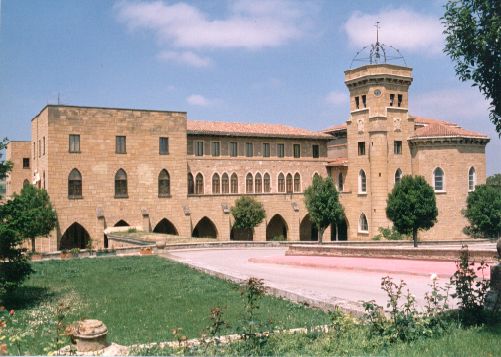
Monastery of Santa María de la Estrella, San Asensio
About this place
Monasterio de Santa María de la Estrella is a former Jeronimite monastery standing right beside the small town of San Asensio, in the heart of La Rioja. It combines the region's religious history with a legend about an apparition of the Virgin Mary, and its name alone carries a story worth knowing before you arrive.
Where does the monastery's name come from?
The site was originally known as Nuestra Señora de Aritzeta — from the Basque word for holm oak. According to local tradition, an image of the Virgin Mary appeared in the crown of one such tree, and on one of its acorns a shape resembling a star was said to have been imprinted. Over time this gave the monastery its current name, Estrella, meaning "Star." This blend of natural symbolism and religious devotion is typical of many Marian shrines founded across medieval Spain, where places of worship often grew up around sites believed to be touched by a miracle.
What was the Jeronimite order?
The Order of Saint Jerome (Jeronimitas) was one of the more prominent contemplative orders of medieval Spain, known for its strict rule drawn from the writings of Saint Jerome and for founding monasteries in secluded locations conducive to prayer. Monasterio de Santa María de la Estrella served exactly this purpose — a place of retreat and contemplation set apart from the bustle of towns, though not far from the routes connecting the valleys of La Rioja.
How do you get there?
The monastery sits right next to San Asensio, a small town in La Rioja best known for its vineyards and winemaking tradition. The most convenient way to reach it is by car — in La Rioja, having your own transport makes it far easier to visit the region's scattered historic sites and wineries. San Asensio lies on the main roads linking Logroño and Haro, so getting there from the region's larger towns is straightforward.
What can you see on site?
Visitors can expect the quiet, contemplative atmosphere typical of former monastic centers. The setting itself, framed by La Rioja's agricultural landscape of vineyards and rolling hills, is an attraction for anyone seeking calm away from busier tourist routes. It makes a good short stop on a longer drive through the region, pairing historical interest with a scenic view over the surrounding countryside.
When is the best time to visit?
La Rioja has a continental climate with hot summers and cold winters, so the most pleasant conditions for visiting fall in spring (April–June) and early autumn (September–October), when temperatures are milder and the surrounding vineyards look especially striking — particularly in autumn, during the grape harvest.
Frequently Asked Questions
What made the Jeronimite order different from other religious orders? Founded in the 14th century, the Jeronimite order followed the writings of Saint Jerome and emphasized contemplative, secluded life, unlike mendicant orders that focused on pastoral work among the population.
Why is the monastery called "Estrella"? The name refers to a legend in which an image of the Virgin Mary appeared on a holm oak, with a star-shaped mark said to have appeared on one of its acorns — hence the Spanish "Estrella," meaning Star.
Are there other attractions nearby worth visiting? San Asensio and the surrounding La Rioja countryside form a wine-producing region with numerous bodegas and vineyards that pair well with a visit to the monastery as part of a day trip.
Do you need to book a visit in advance? It's worth checking current opening hours before arriving, since historic religious sites in smaller towns can have limited access hours.
Nearby places

Earn badges for the places you visit
Download NextOnTrip, discover new places and check off your trails.