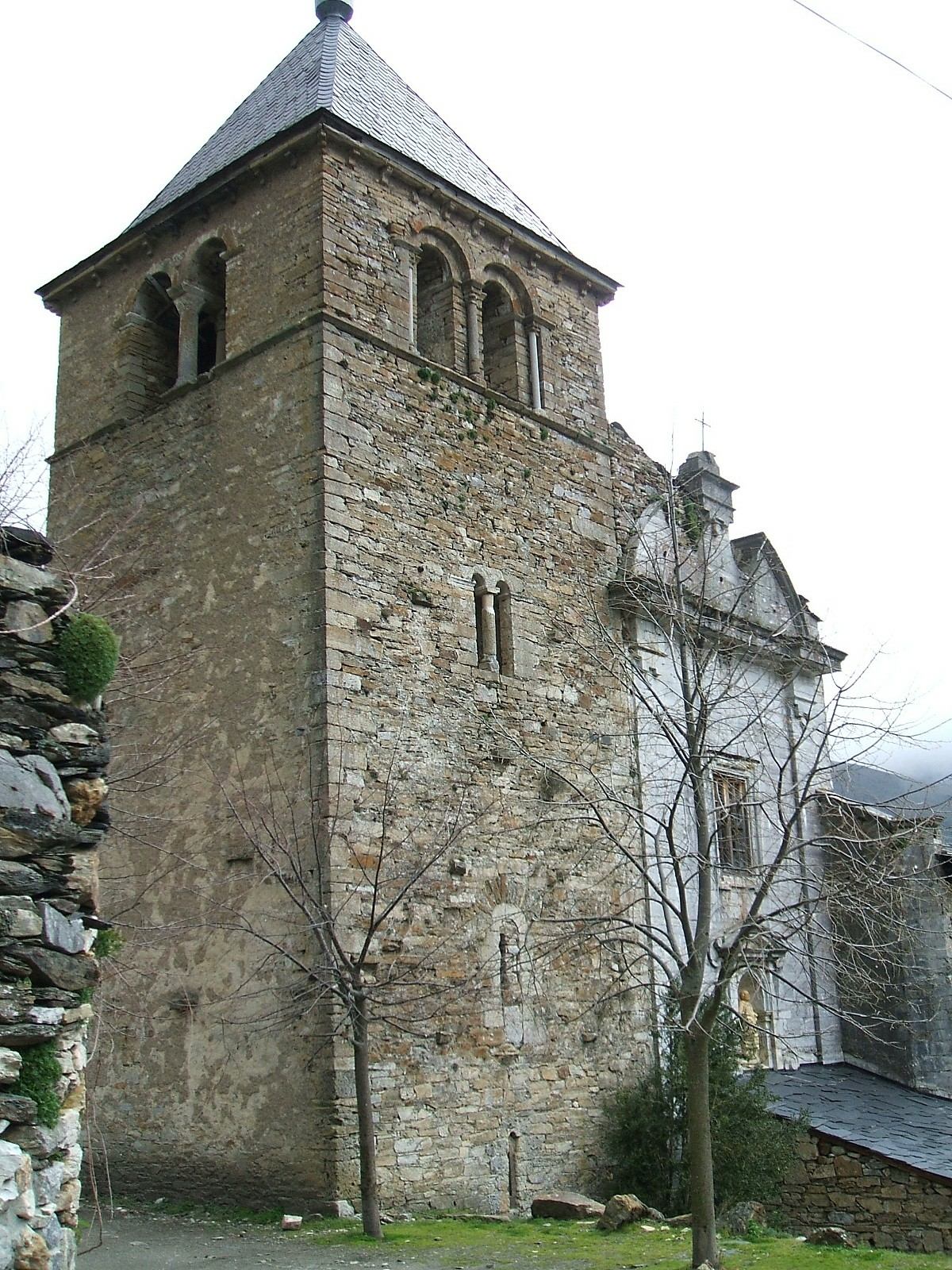
About this place
San Pedro de Montes Monastery stands hidden among the mountains of Montes de Valdueza, roughly 20 km from Ponferrada, in the heart of Spain's El Bierzo region. Few sites in the area pack so many centuries of history into a single stone complex, ranging from Visigothic origins to Baroque additions.
How do you get to San Pedro de Montes?
The monastery sits in the Valdueza valley, within the municipality of Ponferrada, province of León. Driving from central Ponferrada takes about 30–40 minutes along a local road that winds through the villages of Montes de Valdueza and Peñalba de Santiago — the two are easily combined into a single day trip. The road climbs through the Aquiana mountain range, so it's worth allowing extra time for the drive itself. Public transport barely reaches this area, so a car is by far the most practical option.
What's the history behind the monastery?
San Pedro de Montes was founded around 635 by Saint Fructuosus, one of the key monastic figures of Visigothic Spain, together with his disciple Baldarius. It was originally known as "Rupianense," named after the nearby Roman hillfort of Rupiano. The Muslim invasion left it abandoned, until Saint Genadius — later bishop of Astorga — rebuilt it in 895. In 919, the church was consecrated to Saint Peter.
Alongside the nearby Monastery of Santa María de Carracedo, San Pedro de Montes became one of the most powerful monastic centers in El Bierzo. Its golden age ran from the 11th to the 13th century, when the Benedictine reform reshaped the buildings in Romanesque style. In the 18th century, the nave, façade, and a Baroque cloister were added.
The monastery's decline came with the Spanish War of Independence, an economic crisis, and the 1835 Mendizábal confiscation, when church properties were seized by the state. A later fire destroyed much of the complex. It was declared a National Monument in 1931 and a Site of Cultural Interest (Bien de Interés Cultural) in 1994.
What will you see on site?
Visiting San Pedro de Montes means walking through several architectural eras at once. Pre-Romanesque fragments survive in some of the capitals, dating back to the monastery's earliest years. A Romanesque tower dominates the complex and remains one of its best-preserved features. The ruined cloister and the 18th-century church façade trace how the building evolved over the centuries.
Nearby, in the village itself, stands the Chapel of Santa Cruz, built in the 18th century, which preserves Visigothic and Mozarabic reliefs from the 10th century — valuable remnants of an earlier construction phase. The whole site sits within the scenic Valdueza valley, surrounded by chestnut and oak forests, making it just as rewarding for nature lovers as for history enthusiasts.
When should you visit and how to plan it?
The monastery is open for visits from Tuesday to Sunday, by prior appointment only and weather permitting — the access road can be difficult in winter. Spring and early autumn are the best seasons, when the mountain roads are reliably passable and the surrounding forests look their best. Plan for at least half a day so you can combine the monastery visit with a walk through the Valdueza valley and a stop in Peñalba de Santiago.
Frequently asked questions
Is San Pedro de Montes still an active monastery? No, it no longer houses an active religious community — it now operates as a heritage site open to visitors by appointment.
How long does a visit take? The monastery visit itself usually takes 45–60 minutes, but allow extra time for the drive and a walk around the area.
Can you get there without a car? Public transport barely reaches this region, so renting a car is the most reliable way to visit.
What else is worth seeing nearby? Peñalba de Santiago, a village with a 10th-century Mozarabic church listed among Spain's most beautiful villages, sits close by and makes an excellent addition to the trip.
Nearby places

Earn badges for the places you visit
Download NextOnTrip, discover new places and check off your trails.