About this place
Convento de Cabeza de Alba is an abandoned Franciscan monastery hidden in the woods near Corullón, in the El Bierzo region of León province. The site combines medieval religious history, a striking episode of political imprisonment, and today a quiet destination for a countryside walk.
How do you get there?
The ruins stand in the hamlet of Horta, roughly halfway between Corullón and Toral de los Vados, about 3 km from the centre of Corullón. The easiest approach is on foot, following the local path that runs from Corullón toward Horta — a marked route that has long served as a popular walking excursion in the area, featured by regional León tourism resources. Cars can only reach the nearby local roads; the final stretch through the woodland has to be covered on foot.
What is the history behind it?
The site's story begins in 1423, when two penitents of the Third Order of Saint Francis, Diego García and Fernando Pérez, built a hermitage here with an oratory. The structure did not last in good condition for long: by 1441 it already lay in ruins. Its restoration was set in motion in 1444 by Pedro Álvarez Osorio, lord of Cabrera and Ribera and later Count of Lemos, who secured a papal bull from Eugene IV authorising the rebuilding. Once restored, the convent was dedicated to Our Lady of Cabeza de Alba, known in Latin as Sancta Maria de Capita Albae.
The convent belonged to the Franciscan Order and, over time, became a reference point for spiritual retreat for monks from across northwestern Spain. It first operated as a house of Observance, following the order's rule strictly, and later as a house of Recollection, focused on contemplation and withdrawal from the outside world.
Who was imprisoned here?
The best-known episode in the convent's history is the imprisonment of Antonio José Ruiz de Padrón, a Canarian clergyman and deputy to the liberal Cortes of Cádiz of 1812. Ruiz de Padrón was one of the leading voices calling for the abolition of the Inquisition, and for this he was sentenced to confinement at Cabeza de Alba — spending eleven months there, from November 1815 to October 1816.
What can you see today?
The convent remained a place of prayer and retreat until 1835, when Mendizábal's disamortization ordered its exclaustration and the friars were forced to leave for good. Since then the building has gradually fallen into ruin and is now privately owned. Visitors can see the remnants of the old walls and the outline of the former monastic complex, surrounded by dense forest — a stark, quiet setting that contrasts sharply with the convent's earlier role as an active spiritual centre.
When should you visit?
Given the wooded surroundings and the absence of any on-site facilities, spring and autumn are the best seasons for a visit, offering comfortable temperatures for the walk and a trail that isn't affected by winter rain. Plan to arrive during daylight hours, since the area has no lighting and part of the approach runs through forest.
Frequently asked questions
Can you go inside the convent? The building is private property and stands in ruins, so visits are limited to viewing the remains from the outside.
How long is the walk from Corullón? The distance is about 3 km, so the one-way walk typically takes around an hour, depending on pace and fitness.
Why is it called Cabeza de Alba? The name comes from the invocation of Our Lady of Cabeza de Alba, whose Latin form is Sancta Maria de Capita Albae.
Does the site have a link to Spanish history? Yes — it was here that Antonio José Ruiz de Padrón, one of the leading liberal figures of the Cortes of Cádiz, was held prisoner for opposing the Inquisition.
Nearby places
-
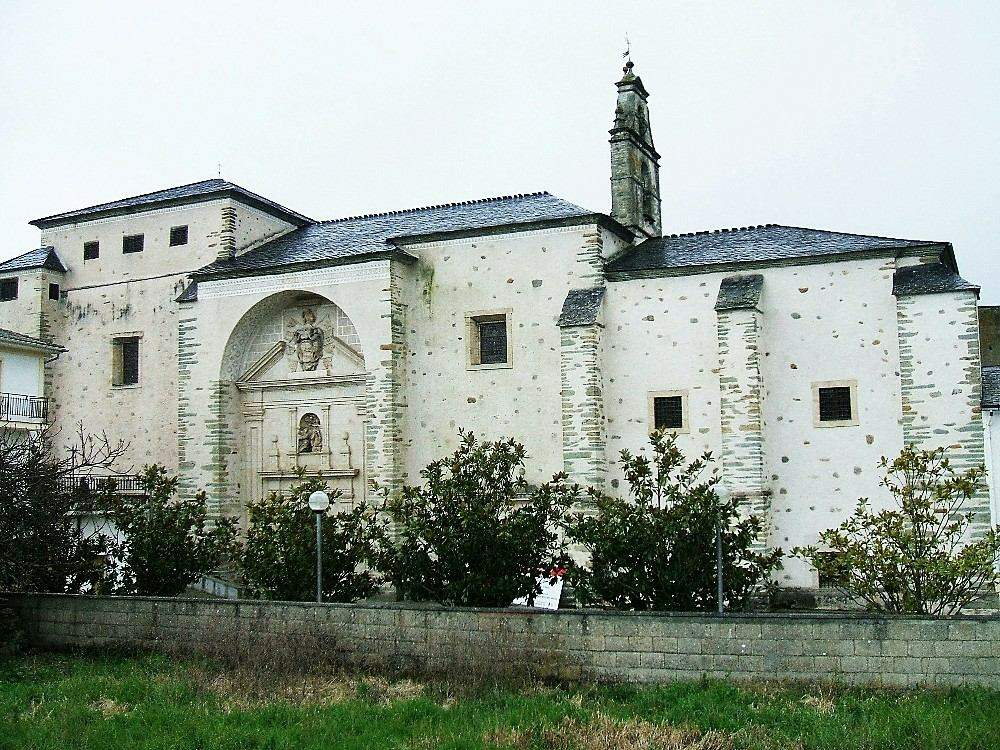
Monastery of the Anunciada, Villafranca del Bierzo
Villafranca del Bierzo
-

Collegiate of Santa María de Cluniaco, Villafranca del Bierzo
Villafranca del Bierzo
-
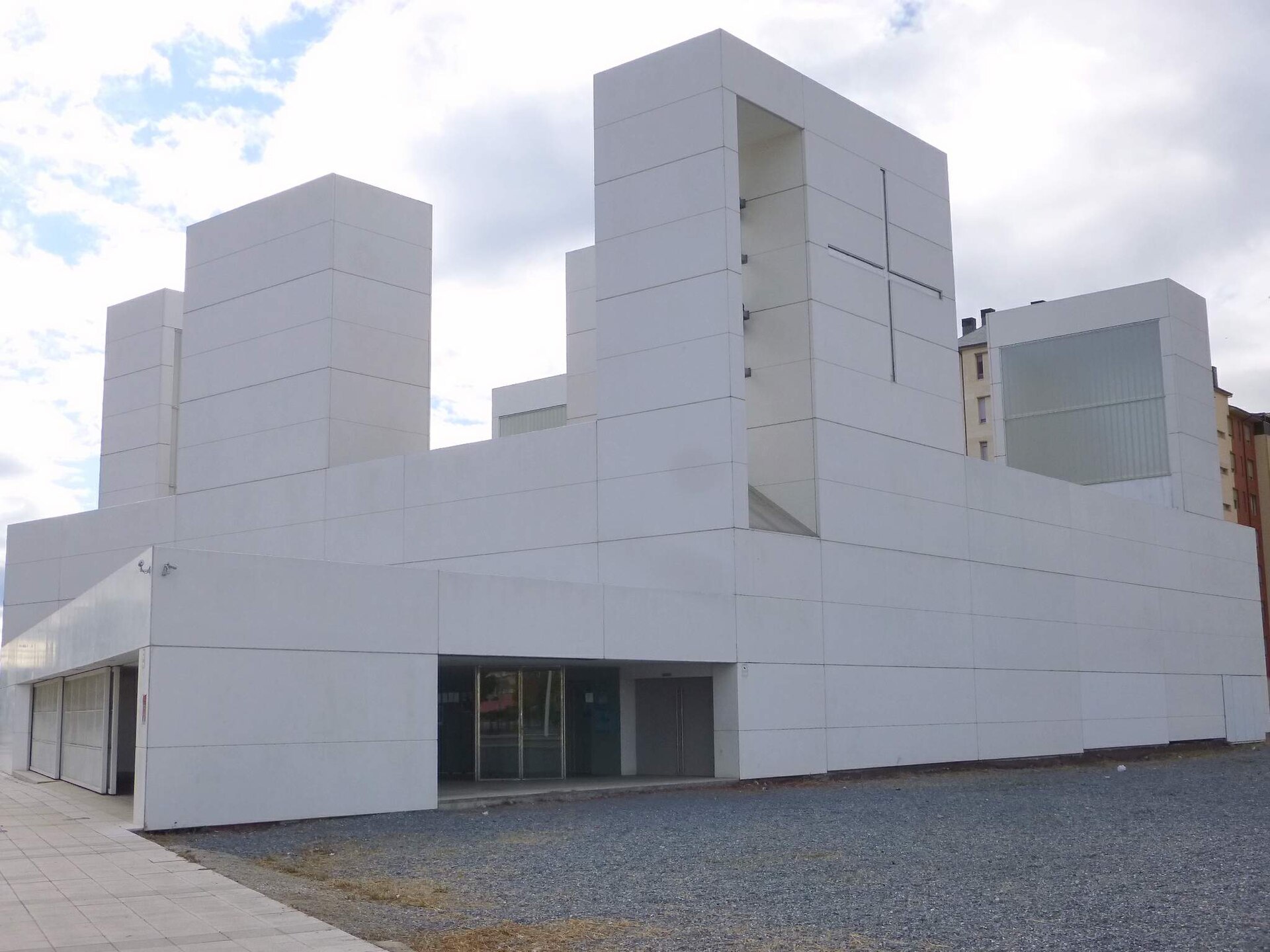
Church of El Buen Pastor, Ponferrada
Ponferrada
-
Church of San Andrés, Ponferrada
Ponferrada
-
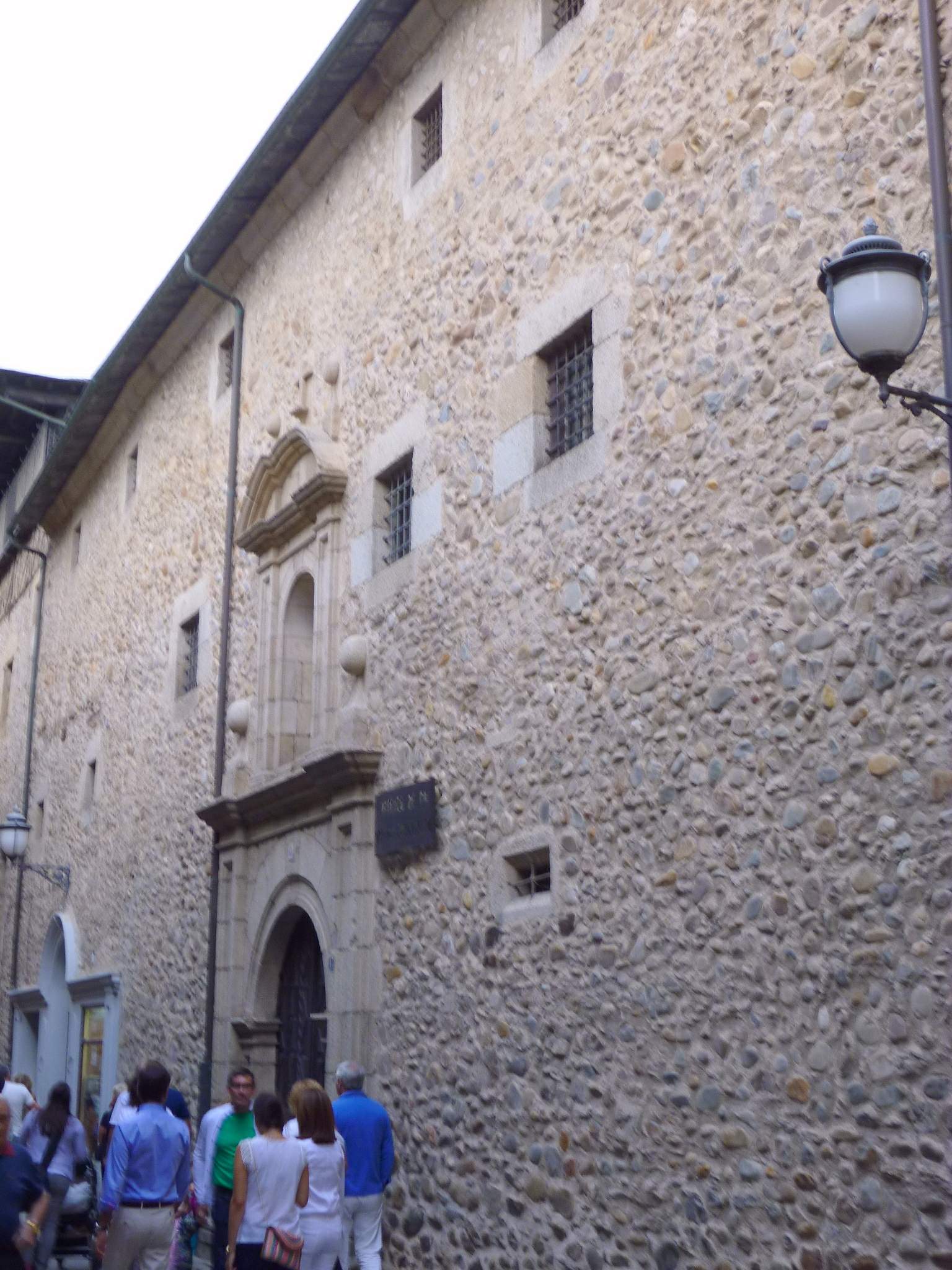
Convent of Inmaculada Concepción, Ponferrada
-
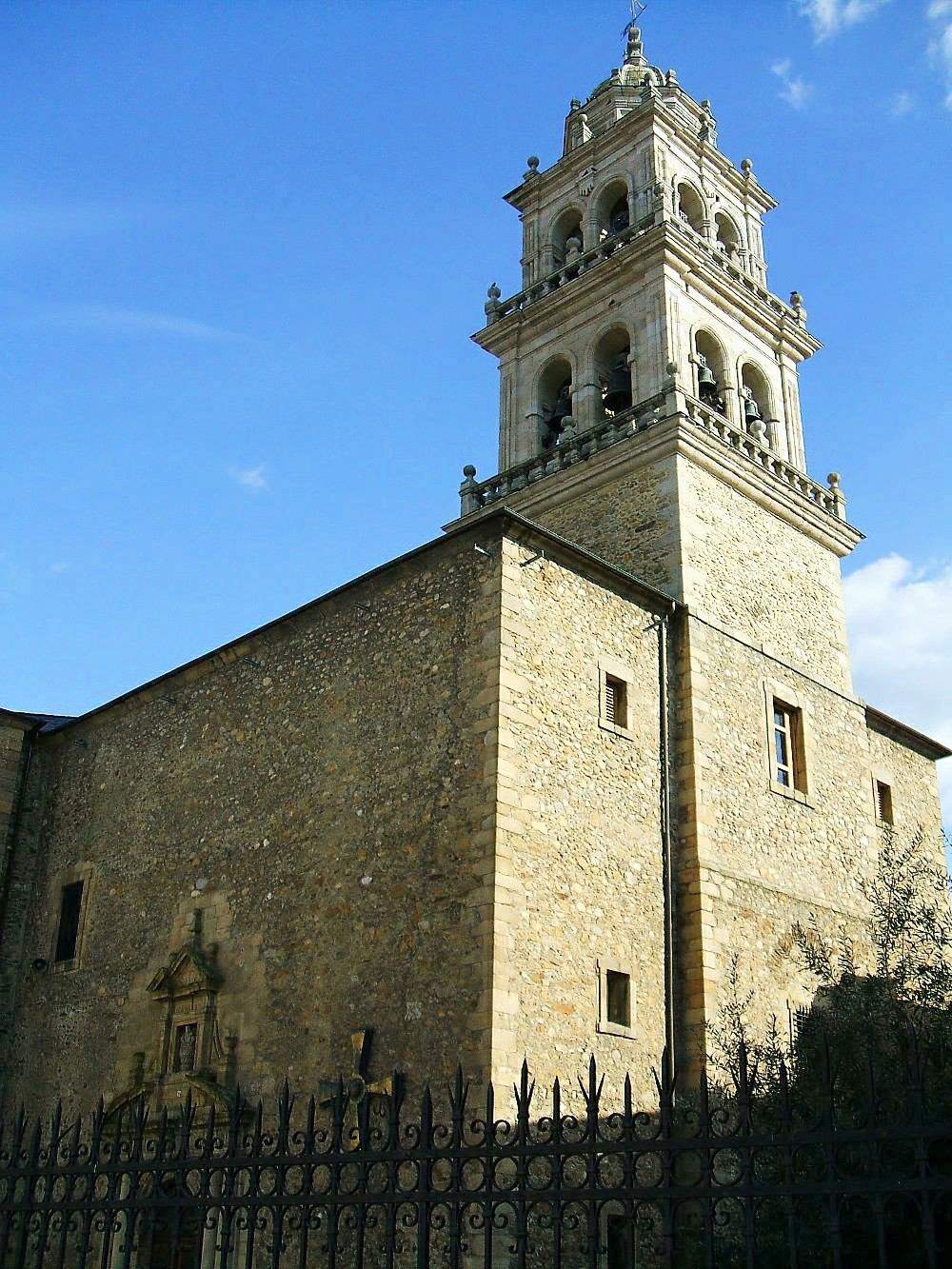
Basílica de la Virgen de la Encina de Ponferrada
Ponferrada
Earn badges for the places you visit
Download NextOnTrip, discover new places and check off your trails.