- Sacred Monuments
- Churches
Collegiate of Santa María de Cluniaco, Villafranca del Bierzo
About this place
The Collegiate Church of Santa María de Cluniaco is the principal monument of Villafranca del Bierzo, a small town on the French Way of the Camino de Santiago in the province of León. Standing at a key crossing point for pilgrims heading toward Santiago de Compostela, its story stretches back to the early twelfth century.
Why does the name include "Cluniaco"?
The Latin-derived name is no coincidence. The site began as a Benedictine monastery founded in 1120 at the initiative of Queen Urraca, established as a dependency of the great French abbey of Cluny. A hospice attached to the monastery served pilgrims arriving from France, which explains why the place was tied to the pilgrim route from the very start. By the mid-thirteenth century the Cluniac community was already in decline, and over the following century the building fell into disrepair as discipline loosened and its holdings were lost.
How did a monastery become a collegiate church?
The turning point came in 1529. At the request of the Marquis of Villafranca, Pedro de Toledo — Viceroy of Naples — and his wife María Osorio y Pimentel, Pope Clement VII issued a bull converting the declining Cluniac priory into a secular collegiate church under the bishopric of Astorga. This triggered an ambitious rebuilding campaign, conceived on a scale meant to echo the great Renaissance basilicas of Rome.
What will you see inside and outside?
The reconstruction was carried out by Rodrigo Gil de Hontañón, one of the leading architects of Spanish late Gothic and Plateresque design. The result combines the austere lines of late Gothic masonry with the ornamental richness typical of the Spanish Renaissance. The church is also known for its Puerta del Perdón, or Door of Forgiveness: pilgrim tradition holds that those too ill or exhausted to complete the journey to Santiago de Compostela could pass through this door and receive the same jubilee indulgence granted at the Portico of Glory in Santiago's cathedral. It is one of the reasons the building still holds special weight for walkers on the Camino Francés today.
By the end of the nineteenth century, as the institution of collegiate churches declined across Spain, the building became the parish church of the Assumption, a role it retains today under the diocese of Astorga.
How do you get there, and when should you go?
Villafranca del Bierzo sits in the Bierzo region, in the western part of León province, along the stretch of the Camino Francés that links Ponferrada with the mountains of O Cebreiro — one of the last legs before entering Galicia. The town is reachable by road and by local bus connections from Ponferrada and León. Spring and early autumn are the best times to visit: temperatures across the Bierzo valley are mild, and pilgrim traffic, present year-round, is lighter than at the height of summer.
Frequently asked questions
Is the collegiate church still an active place of worship? Yes, it functions as the parish church of the Assumption under the diocese of Astorga.
What is the Puerta del Perdón? It is a side door of the church through which, by tradition, sick or exhausted pilgrims could receive a jubilee indulgence equivalent to reaching Santiago de Compostela.
Who designed the current building? Rodrigo Gil de Hontañón led the late Gothic and Plateresque rebuilding after Pope Clement VII converted the former Cluniac priory into a secular collegiate church in 1529.
Why does the name reference "Cluniaco"? Because the original 1120 monastery was a dependency of the French Benedictine abbey of Cluny, reflected in the Latin form Cluniacum.
Nearby places
-
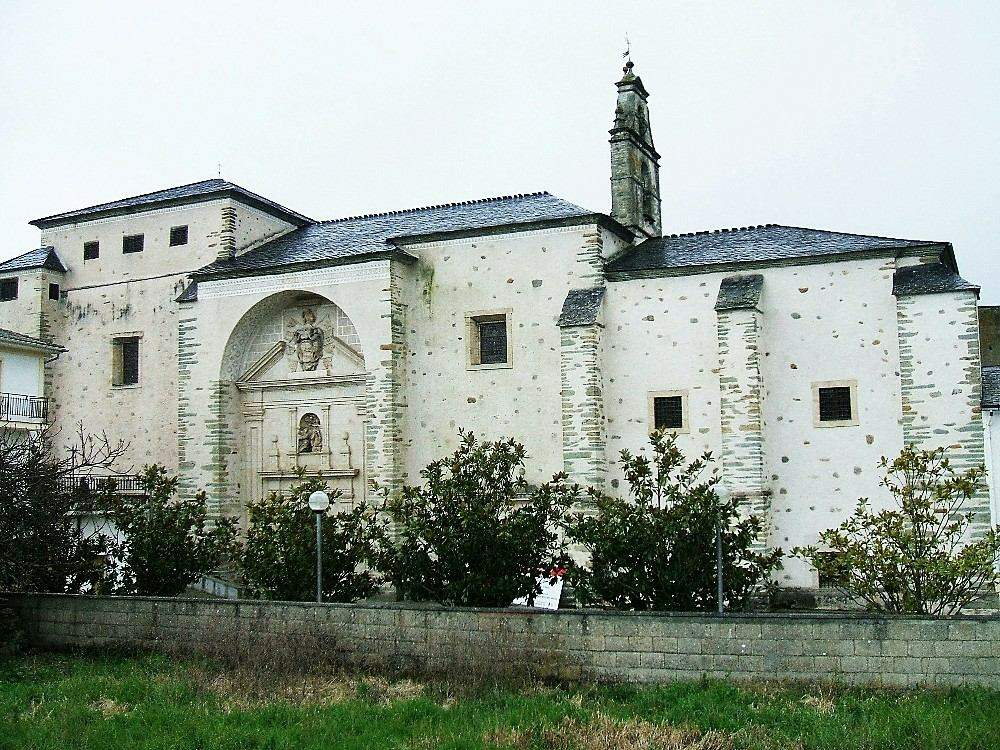
Monastery of the Anunciada, Villafranca del Bierzo
Villafranca del Bierzo
-

Convento de Cabeza de Alba
Corullón
-

Church of El Buen Pastor, Ponferrada
Ponferrada
-
Saint Andrew Monastery, Vega de Espinareda
Vega de Espinareda
-
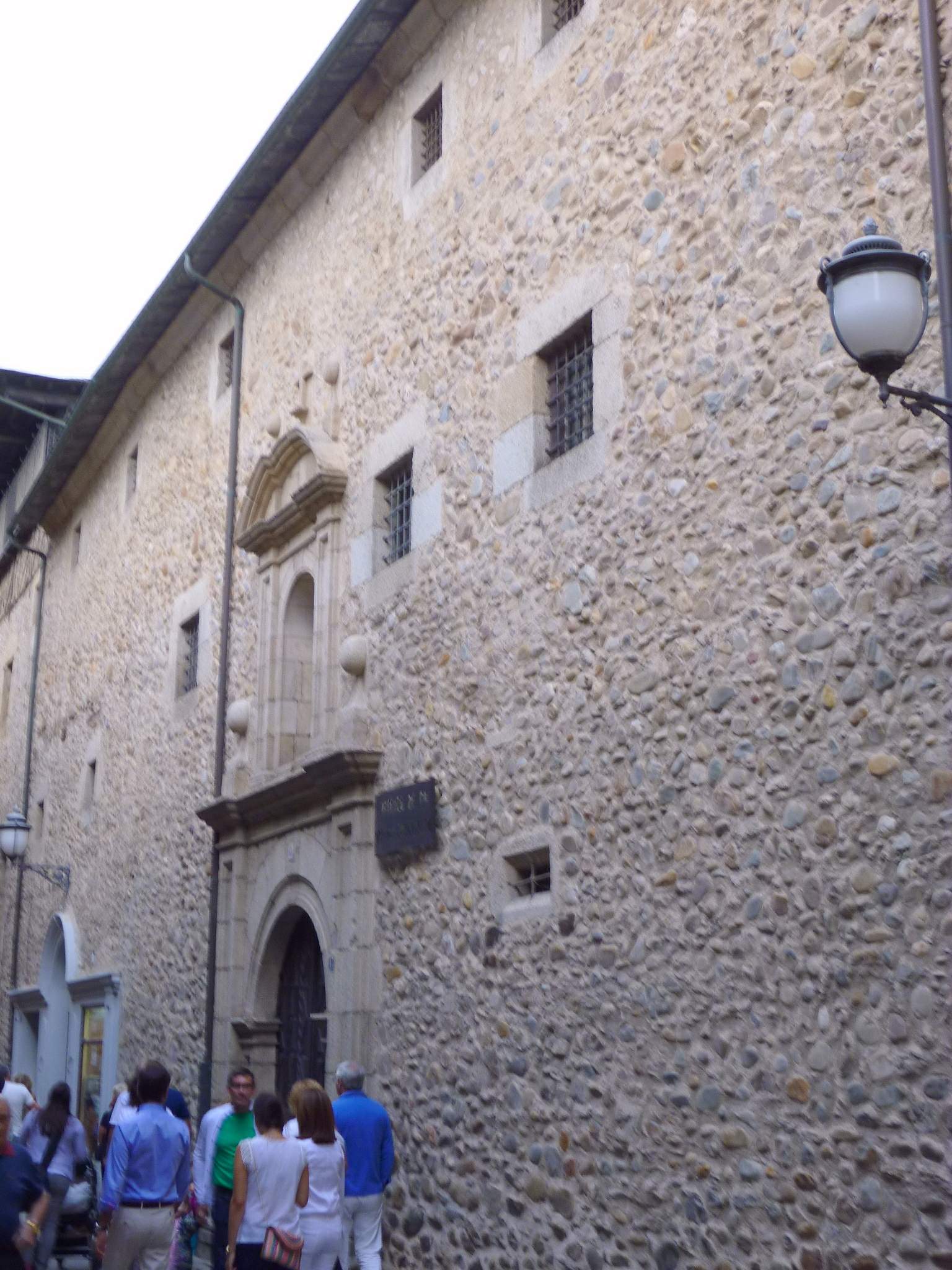
Convent of Inmaculada Concepción, Ponferrada
-
Church of San Andrés, Ponferrada
Ponferrada
Earn badges for the places you visit
Download NextOnTrip, discover new places and check off your trails.