- Sacred Monuments
- Religious monuments
Saint Andrew Monastery, Vega de Espinareda
About this place
Saint Andrew Monastery is the standout landmark of Vega de Espinareda, a small town in the Bierzo region of León province, Spain. This neoclassical building, set above the valley of the Cúa river, carries over a thousand years of monastic history behind its 18th-century façade.
What is the history behind the monastery?
The earliest written records of a monastic community on this site date to the year 923, though tradition links its founding to Bishop Genadius of Astorga, who died around 935. A royal charter granted in 1043 by Ferdinand I of León and Queen Sancha confirmed the monastery's standing within its first centuries of existence. A surviving tombstone from 1071 names Abbot Gutierre as the community's first Benedictine abbot.
Throughout the medieval period, Saint Andrew Monastery ranked among the most important monastic institutions in Bierzo. It served as a burial site for regional nobility and clergy, a role that points to its influence reaching well beyond Vega de Espinareda itself.
What will you see on site?
The building standing today is the third reconstruction in the monastery's history — none of the earlier structures survived. Construction of the current church began in 1778 and was completed two years later, in 1780. The result is a neoclassical building widely regarded as the finest example of that architectural style in the entire Bierzo region.
The austere, symmetrical façade and carefully balanced interior proportions reflect Enlightenment-era classicism, a marked contrast to the more ornate styles of earlier centuries. Saint Andrew Monastery was declared a historic monument in 1982, recognizing its lasting value to the region's cultural heritage.
How do you get to the monastery?
Vega de Espinareda sits at the heart of Bierzo, a mountainous, vineyard-covered district in western León province. The town is well connected by local roads to Ponferrada, the region's main hub, which in turn offers rail and bus links to larger cities across Castile and León. The monastery stands within the town itself, making it an easy walk from anywhere in central Vega de Espinareda.
When is the best time to visit?
Bierzo enjoys a mild climate, with spring and early autumn offering the most comfortable conditions for sightseeing — temperatures are pleasant, and the surrounding landscape, including the region's vineyards, looks especially striking. Summers can get hot, worth factoring in if you plan longer walks around the monastery grounds.
A visit to Saint Andrew Monastery pairs well with exploring the rest of Bierzo, a region that combines a rich monastic past with winemaking traditions and the natural beauty of the mountains of Castile and León.
Frequently asked questions
How old is the monastery in Vega de Espinareda? The first documents confirming a monastic community here date to 923, though the current building dates from 1778–1780 and is the third reconstruction on the site.
Who founded Saint Andrew Monastery? Tradition credits Bishop Genadius of Astorga with its founding, though the exact date of the first building is unknown.
What architectural style is the current church? It is a neoclassical building, considered the most significant example of that style in the whole Bierzo region.
Is the monastery a protected heritage site? Yes, Saint Andrew Monastery was declared a historic monument in 1982.
Nearby places
-

Collegiate of Santa María de Cluniaco, Villafranca del Bierzo
Villafranca del Bierzo
-
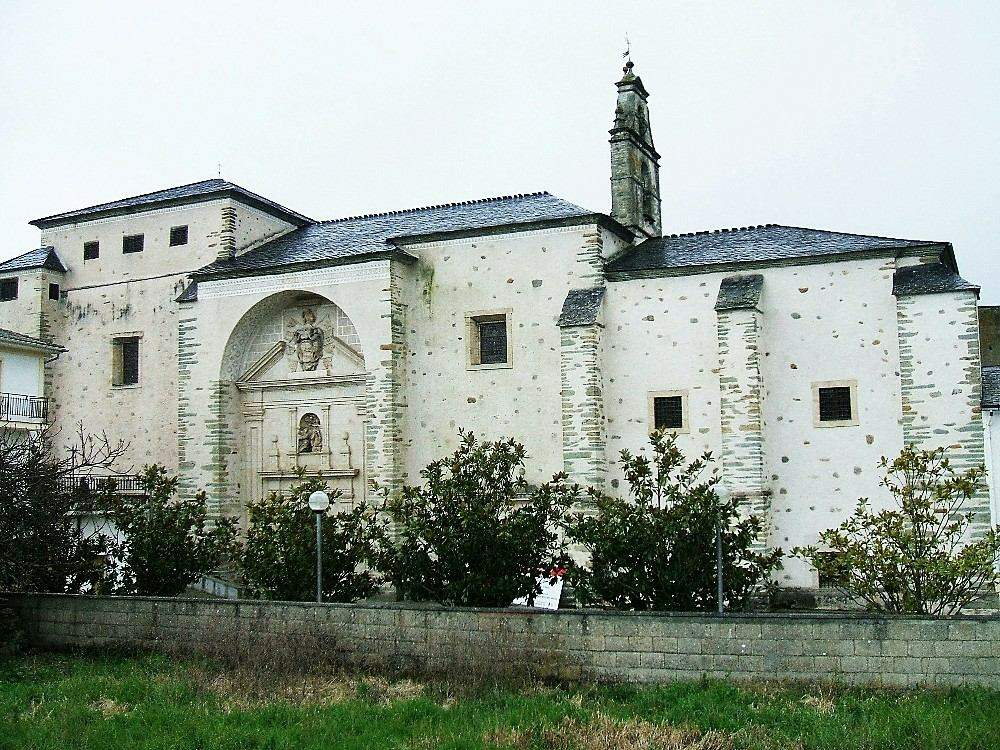
Monastery of the Anunciada, Villafranca del Bierzo
Villafranca del Bierzo
-

Church of El Buen Pastor, Ponferrada
Ponferrada
-
Iglesia de San Antonio
Ponferrada
-
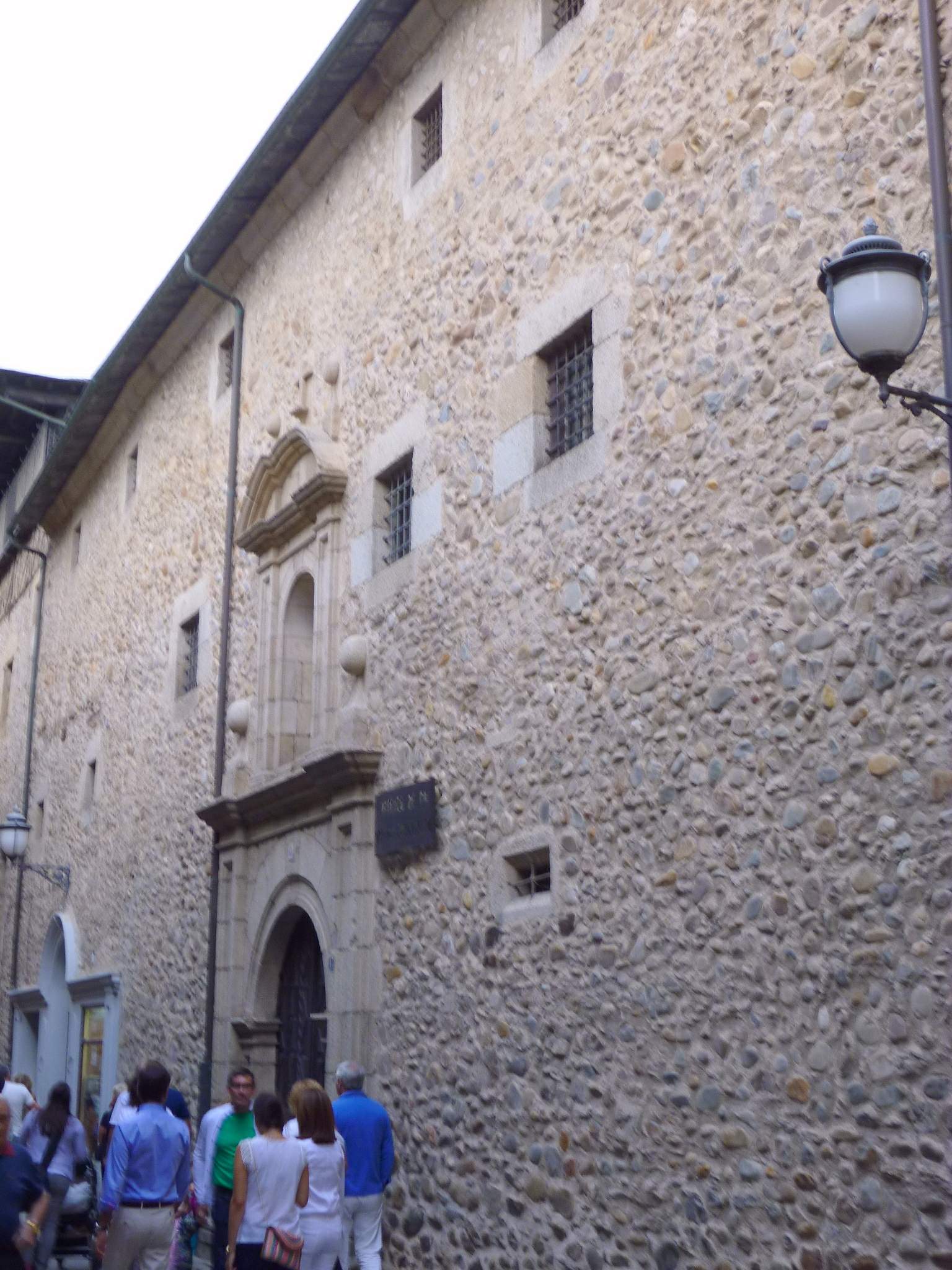
Convent of Inmaculada Concepción, Ponferrada
-
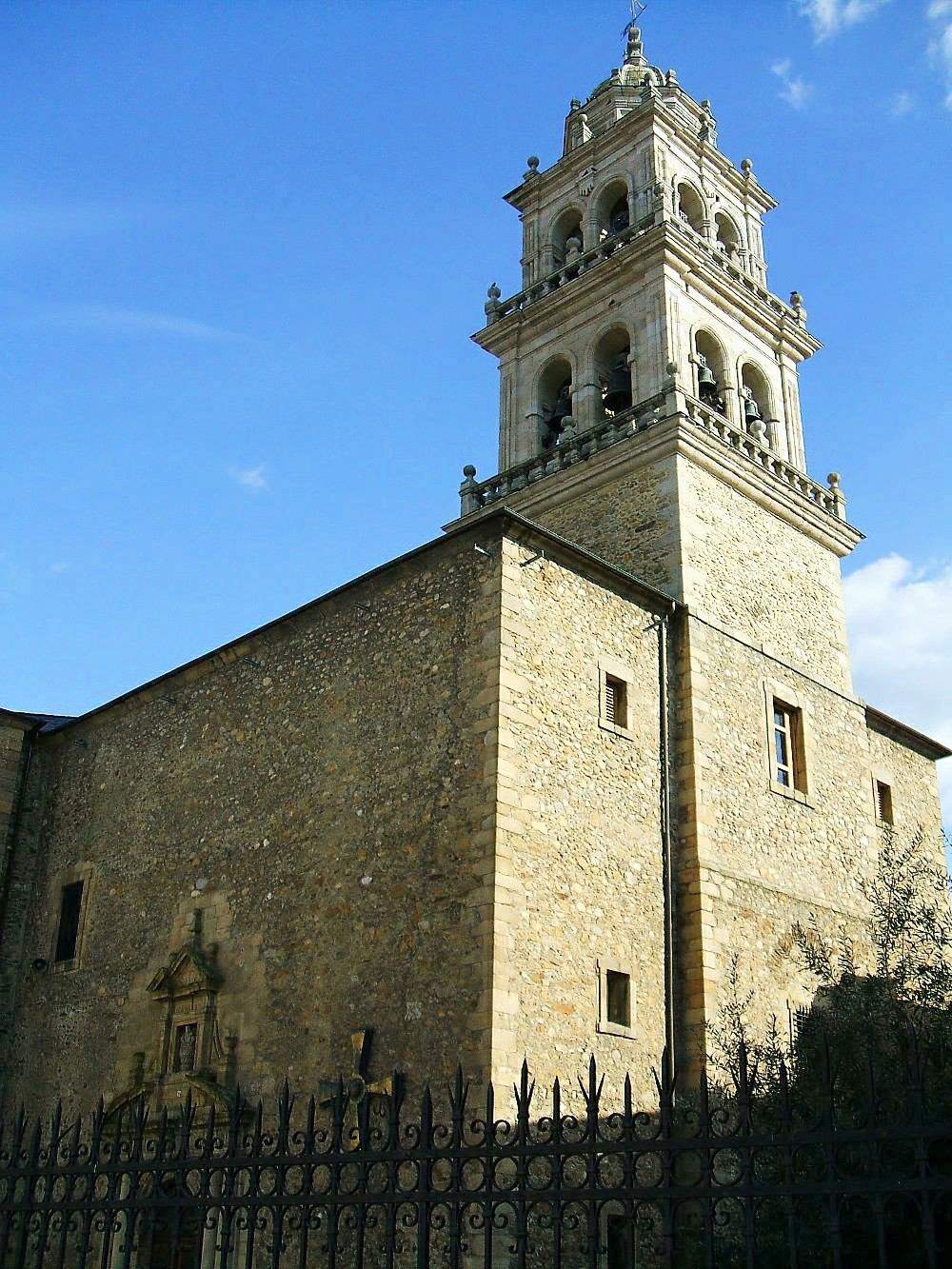
Basílica de la Virgen de la Encina de Ponferrada
Ponferrada
Earn badges for the places you visit
Download NextOnTrip, discover new places and check off your trails.