- Sacred Monuments
- Basilica
- Sanctuaries
Basílica de la Virgen de la Encina de Ponferrada
About this place
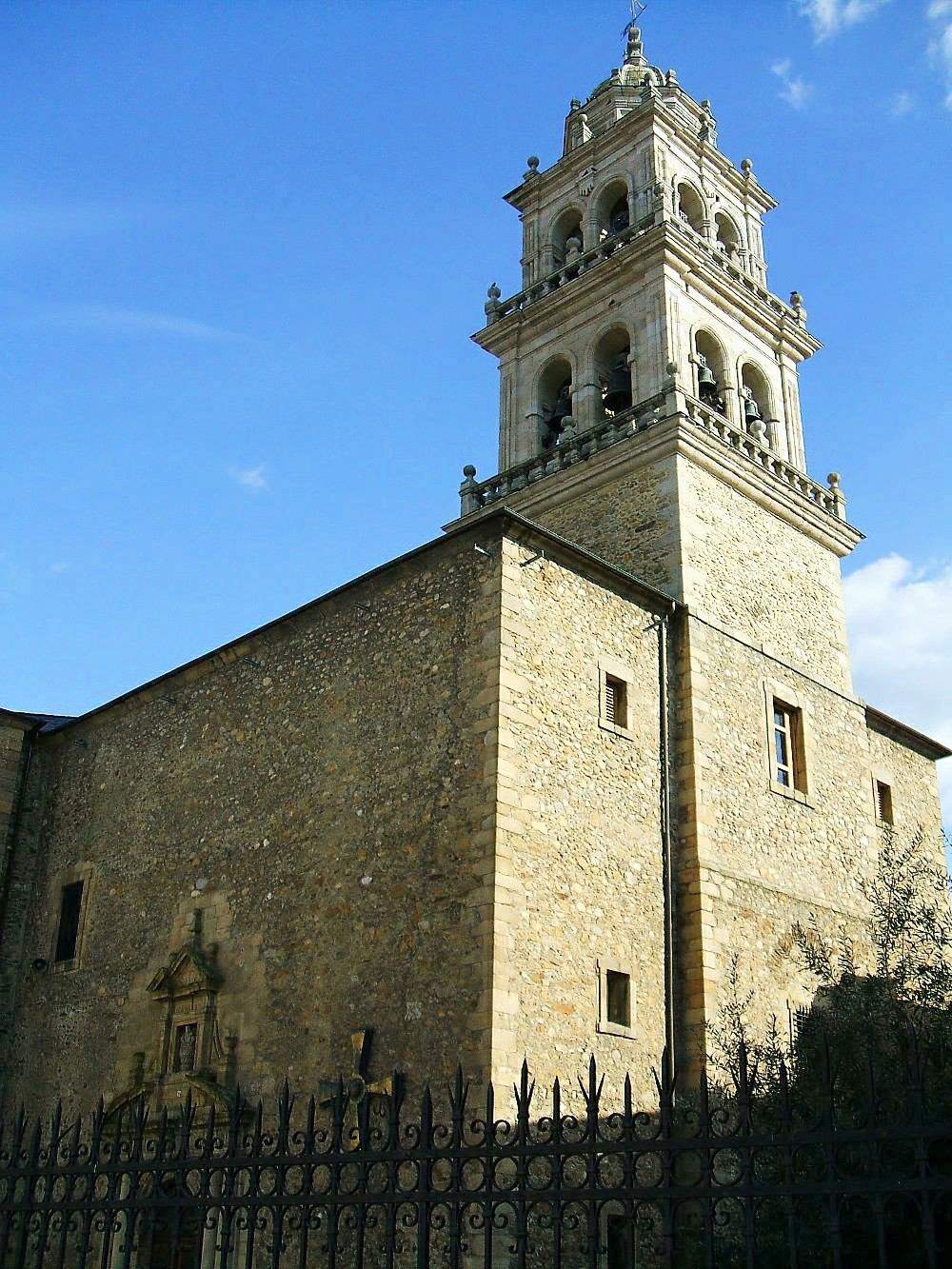
Basílica de la Virgen de la Encina stands as the main church of Ponferrada and the spiritual heart of the wider El Bierzo region in the province of León. Built in the second half of the 16th century, it houses the image of Our Lady of la Encina, patroness of El Bierzo and an object of deep local devotion for centuries. The basilica sits in the historic centre of the city, close to the Templar castle, and ranks among the essential stops on any visit to Ponferrada.
What is the legend behind the Virgen de la Encina?
Local tradition traces devotion to this image back to the early Christian era, claiming it was brought from Jerusalem by Bishop Toribio and later hidden near Ponferrada in the 9th century by Saint Genadius to protect it from raids. The best-known part of the story involves the Knights Templar: while felling a holm oak (encina in Spanish) to build their castle in Ponferrada, they are said to have discovered the figure of the Virgin inside the trunk. The image took its name from the tree in which it was found, and the date of the discovery, September 8, remains the day of Ponferrada's patronal festivities.
When was the basilica built, and in what style?
Construction of the current building began in 1572, replacing an earlier medieval church on the same site. The works were directed by Juan de Alvear, who designed the chancel. The church follows a Renaissance style on a Latin-cross plan, with a semicircular apse closing the upper section of the chancel. A restrained, sober exterior contrasts with an interior that was enriched over the following decades.
What should visitors look for inside?
The centrepiece of the interior is the main altarpiece, produced within the workshop circle of Gregorio Fernández, one of the most influential sculptors of the Spanish Baroque. Carved and painted between 1630 and 1640, it uses polychrome wood, the technique typical of Castilian religious art of the period. The venerated image of the Virgen de la Encina occupies the central position of the altarpiece and draws pilgrims and local residents throughout the year.
Why does the church hold the rank of basilica, and what is its significance?
The building holds the title of basilica, reflecting its role as the principal Marian shrine of El Bierzo. The image of the Virgen de la Encina was crowned as patroness of the region in 1908, formally confirming its central place in local religious life and identity. The Fiesta de la Encina, celebrated on September 8, doubles as Ponferrada's main city festival, marked by processions, masses and a wide range of accompanying events that draw people from across the region.
Frequently Asked Questions
What does "Encina" mean? Encina is the Spanish word for holm oak. According to legend, the image of the Virgin was found inside the trunk of such a tree when the Knights Templar were felling it to build their castle in Ponferrada.
When is the patroness celebrated? The feast of the Virgen de la Encina falls on September 8 and serves as Ponferrada's main patronal festival, combining religious observance with citywide celebrations.
What sets a basilica apart from an ordinary parish church? The title of basilica marks a special ecclesiastical status granted because of a church's religious and historical significance — in this case, its role as the shrine of the patroness of the entire El Bierzo region.
What is the most important feature inside? The main altarpiece from 1630-1640, produced within Gregorio Fernández's workshop circle, with the venerated image of the Virgen de la Encina at its centre.
Nearby places

Earn badges for the places you visit
Download NextOnTrip, discover new places and check off your trails.