About this place
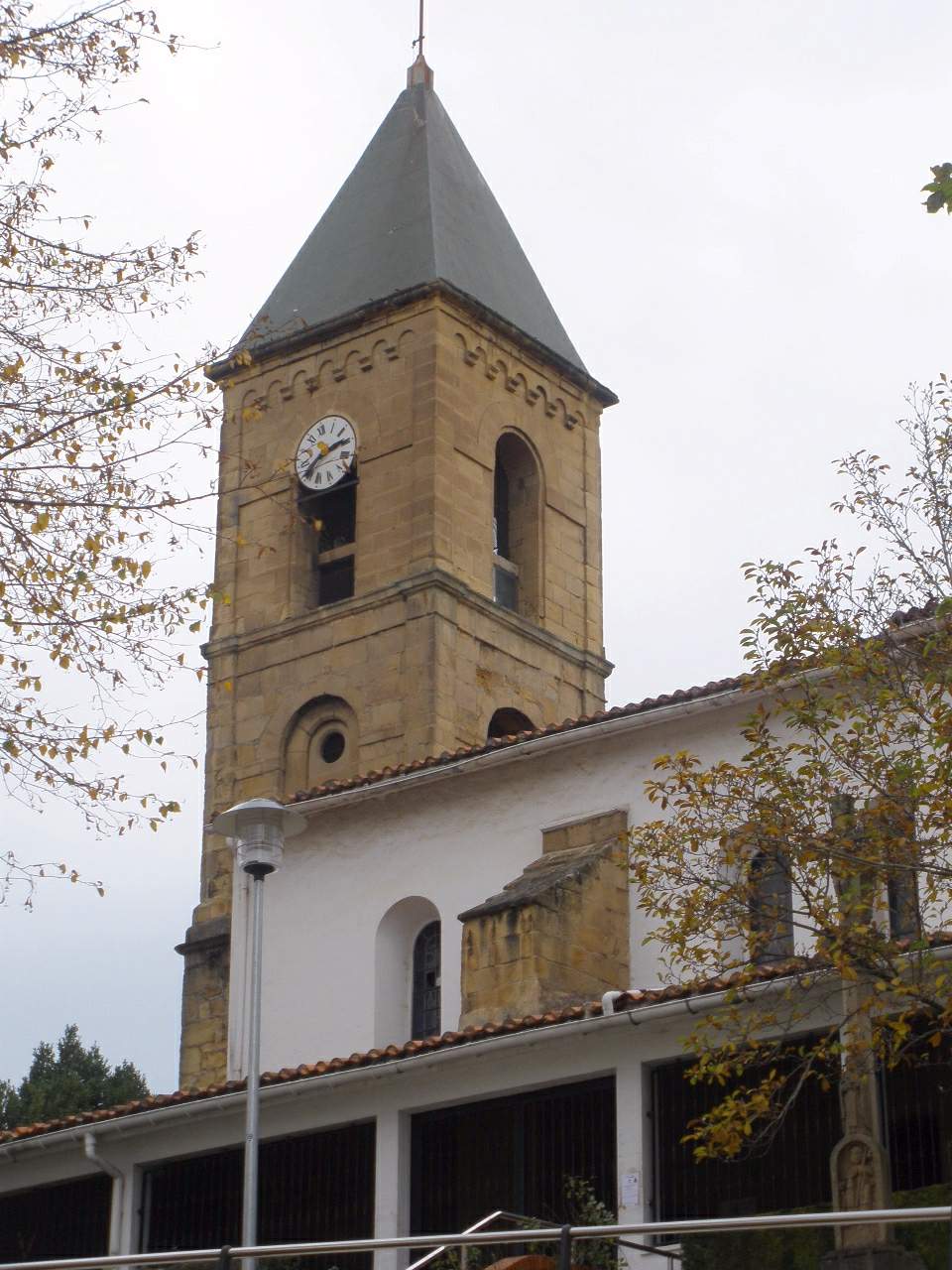
San Joan Bataiatzailea / San Juan Bautista is the parish church of Leioa, a town in Biscay, in the Basque Country of northern Spain. It stands in the Elexalde neighbourhood, close to the Lamiako metro stop, and has been the heart of the local community for centuries.
Where does this church come from?
Until the early 16th century, the area of present-day Leioa belonged, in ecclesiastical terms, to the parish of Santa María in the neighbouring anteiglesia of Erandio, founded back in the 12th century. A small Romanesque hermitage originally stood on the site of today's church. On 31 October 1526, the parish of San Juan Bautista formally separated from Erandio and gained independence, and a larger church was built over the foundations of the earlier hermitage.
What will you see there?
The building dates mainly from the 16th century and was originally raised in a Renaissance style, but later centuries added a distinct Baroque character — the entrance arch and the vaulting of the transept chapel both belong to this later phase. The most recognisable feature is the square stone bell tower, divided into four levels, with semicircular arches, a clock, and a cross crowning the top. The result is a building that blends several architectural periods into one coherent structure, making it a good example of the stylistic layering typical of Basque religious architecture.
It is worth paying attention to the portico in front of the entrance. This space once carried a significance well beyond religious use: until the 19th century, representatives of the anteiglesia gathered under its roof to discuss the community's most important matters. The church therefore functioned not only as a place of worship but also as the practical civic centre of Leioa.
How do you get there?
The church sits in the Elexalde district of Leioa, right next to Bilbao's metro network — the nearest stop is Lamiako. Leioa is part of the greater Bilbao metropolitan area, so getting there by public transport from the city centre typically takes somewhere around ten to thirty minutes. It makes for a convenient stop when combined with a visit to Bilbao itself or the nearby Biscay coast.
When should you visit?
The church is an active parish, so plan your visit around the hours it is open to visitors outside of mass times. It is worth checking the local schedule of services beforehand, since access to the interior may be limited during liturgical celebrations. Climate-wise, the region enjoys mild temperatures and fairly high humidity year-round, typical of the Bay of Biscay coastline, so a visit is comfortable in almost any season.
Frequently Asked Questions
How old is this church? The current building dates from the 16th century, though it stands on the site of an earlier Romanesque hermitage, and the parish itself has existed independently since 1526.
What architectural style is it built in? The structure combines Renaissance foundations with later Baroque additions, most visible in the entrance arch and the vaulting of the transept chapel.
What is the most distinctive architectural feature? The square stone bell tower, with its four levels, semicircular arches, and clock, visible from a distance across Leioa's skyline.
Does this place have significance beyond religion? Yes — until the 19th century, the church's portico served as the meeting place for representatives of the local community (anteiglesia), functioning much like today's town council.
Nearby places

Earn badges for the places you visit
Download NextOnTrip, discover new places and check off your trails.