Sacred Monuments in Spain
A guide to 2038 Sacred Monuments in Spain — with descriptions, photos and traveler visits from the NextOnTrip community. Locations spread across 1060 cities and towns. Most visited by the community: Basilica of the Most Holy True Cross, Sant Salvador d’Artà, Iglesia y muralla del Tozal del Muro.
-
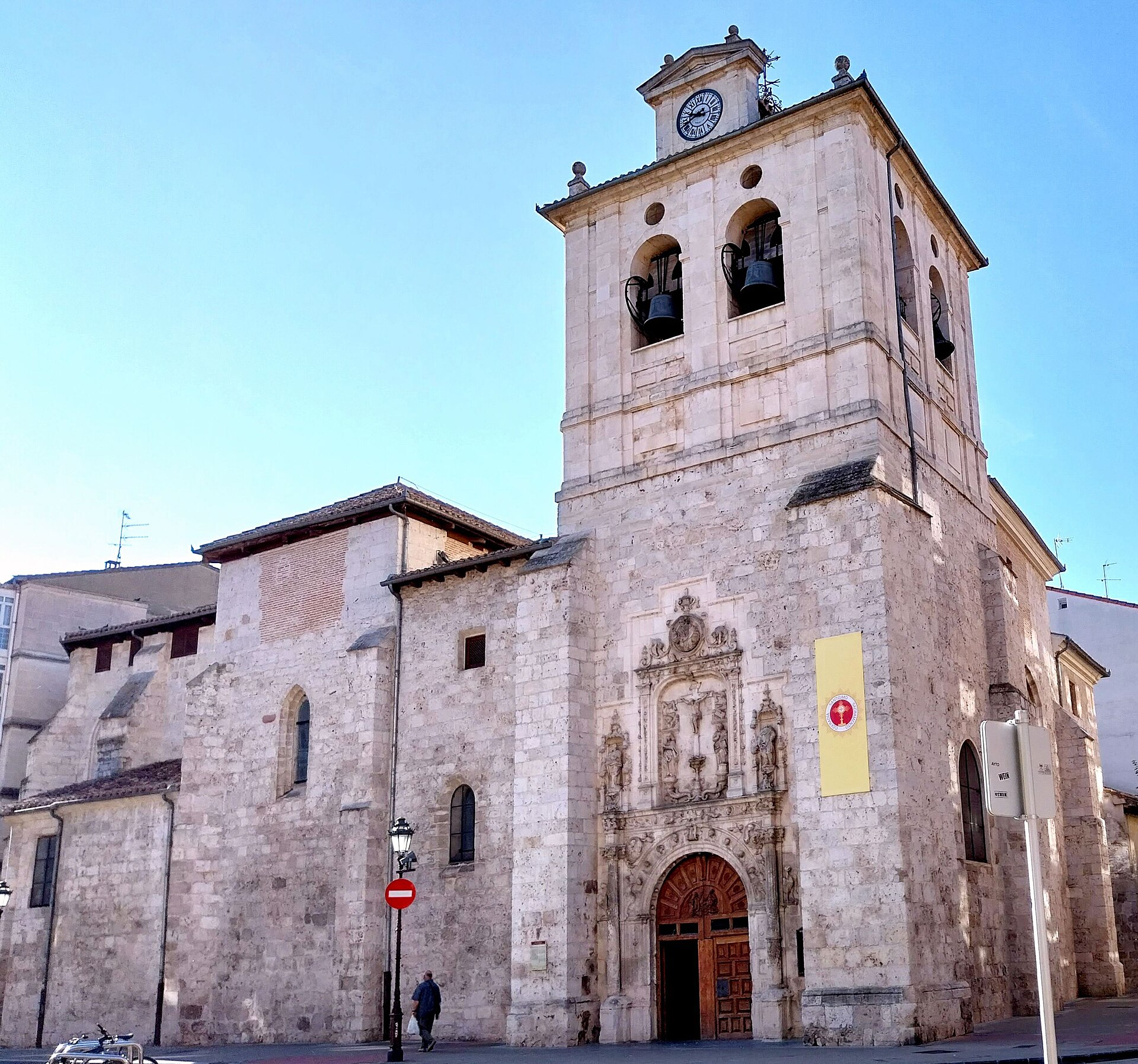
Iglesia de San Cosme y San Damián
Burgos
Iglesia de San Cosme y San Damián is a historic parish church in Burgos, northern Spain, standing on the left bank of the Arlanzón River. The building dates back to the sixteenth century and blends Late Gothic structural forms with Renaissance decorative elements — a mix typical of Spanish religious architecture during that transitional period. Historically, the church also served as a burial place for notable artists of the era, giving it additional cultural weight beyond its architecture alone. How do you get there? Burgos sits along the Camino de Santiago (Camino Francés), and for centuries the city has welcomed pilgrims heading toward Santiago de Compostela — parish churches such as San Cosme y San Damián functioned as natural stopping points for rest and prayer along the way. The church stands near the Arlanzón, a short distance from the historic center, dominated by Burgos' famous Gothic cathedral, a UNESCO World Heritage Site. A riverside walk connects the main landmarks of the old town, and the church makes for an easy stop along that route. What will you see inside? The building's architecture combines two styles — the sturdier, structural lines of Gothic building with the more decorative Renaissance details that began appearing in Spanish religious architecture during the sixteenth century. That stylistic overlap is worth a look for anyone interested in tracing the evolution of church architecture in Castile. Another detail worth noting are the tombs and inscriptions inside: the church served as a burial site for artists well regarded in their time, a sign of its standing within the local cultural circles of historic Burgos. When should you visit? Burgos sits on the high Castilian plateau, which brings a continental climate — hot summers and cold, sometimes frosty winters. Spring (April to June) and early autumn (September to October) tend to be the most comfortable seasons for exploring the city and its religious landmarks, with milder temperatures than midsummer and fewer crowds than peak holiday season. Parish churches in Spain often keep limited opening hours tied to Mass times and select periods of the day, so it's worth checking the current schedule locally or at the tourist information office before visiting. Frequently asked questions Is Iglesia de San Cosme y San Damián open to visitors? As an active parish church, it's typically accessible mainly around Mass times and select hours during the day — worth confirming locally, since schedules can shift. How much time should you set aside? A short visit to take in the architecture and interior usually takes 15–30 minutes, easy to combine with exploring Burgos' nearby old town. Is it worth pairing with other Burgos landmarks? Yes — the church sits close to the riverside promenades and the historic center, within easy walking distance of the cathedral and other city sights. Does the church matter to Camino de Santiago pilgrims? Burgos is a major stage on the Camino Francés, and the city's parish churches, including San Cosme y San Damián, have long served as rest and prayer stops for travelers on the route.
-
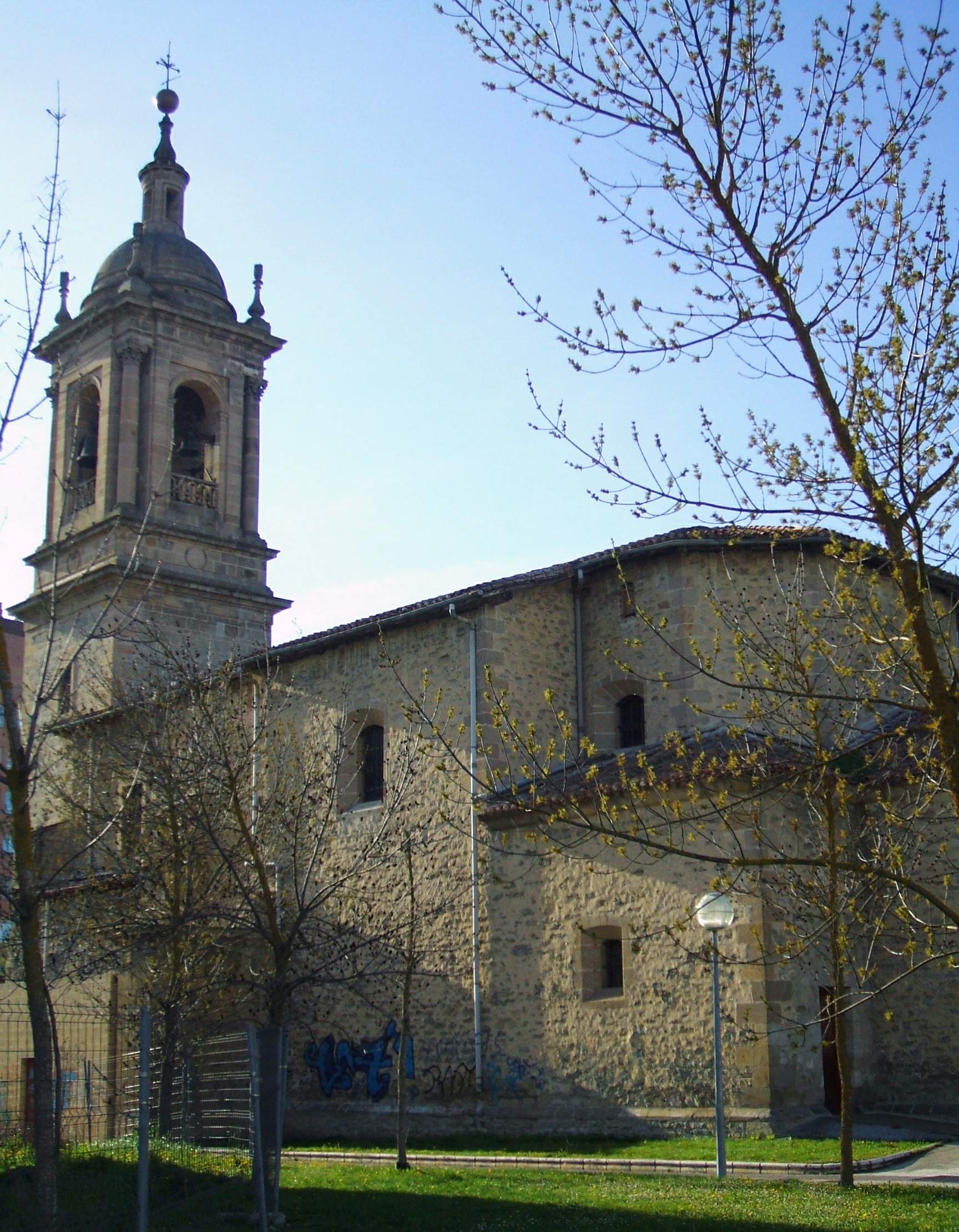
Church of San Vicente de Arriaga
Vitoria-Gasteiz
The Church of San Vicente de Arriaga is a modest parish church in the Arriaga neighborhood of Vitoria-Gasteiz, the capital of Spain's Basque Country. It stands on the northern edge of the city, in an area that until relatively recently was its own rural village before being absorbed into the growing urban perimeter and turned into a quiet, green residential district. What is the history behind this church? The present building dates from the 15th and 16th centuries and was raised in a Gothic-Renaissance style, likely on the site of an earlier Romanesque church. Over the following centuries the structure underwent repeated repairs and remodeling, and the work carried out in the 18th and 19th centuries gave the exterior its current, largely Neoclassical appearance. As a result, the church offers a layered record of architectural changes spanning several hundred years, even though its outward face reads as a single, later style. What can you see when you visit? The most recognizable feature of the building is its tower, an elegant Neoclassical design created in 1789 by Vitoria-born architect Justo Antonio de Olaguíbel. Together with the towers of the nearby San Miguel and San Pedro churches, the San Vicente tower forms a skyline silhouette that has long been associated with the historic core of Vitoria — one of the visual signatures of the city, visible from many vantage points around town. Inside, the main altarpiece is the standout piece: its construction was commissioned in August 1575 from local sculptor Esteban de Velasco. Art historians count it among the early examples of Alavese Mannerism, a regional style that left its mark on the decoration of several churches in the province of Álava. How do you get to the Church of San Vicente de Arriaga? The church sits in the Arriaga neighborhood, north of the historic center of Vitoria-Gasteiz. It's a calm, green part of the city, well served by local buses and by the cycling network the Basque capital is known for. A walk from the old town typically takes somewhere between fifteen minutes and half an hour depending on the starting point, and the surrounding streets — laid out along the lines of the former village — are pleasant to explore at a slower pace. When is the best time to visit? Vitoria-Gasteiz has a mild climate, so the church and its neighborhood can be visited comfortably year-round. Spring and early autumn bring the most agreeable temperatures for walking, while summer pairs well with time spent in the city's many parks, one of the reasons Vitoria-Gasteiz earned the title of European Green Capital. As an active parish church, it is worth checking local opening times in advance, since access is generally tied to Mass schedules rather than fixed tourist hours. Frequently asked questions Is the Church of San Vicente de Arriaga still an active parish? Yes, the building continues to function as a parish church and hosts regular services for residents of the Arriaga neighborhood. Why does the exterior look different from what you'd expect of a 15th-century church? The original structure was built in a Gothic-Renaissance style in the 15th and 16th centuries, but extensive remodeling during the 18th and 19th centuries reshaped the exterior into its current Neoclassical appearance. Why is the tower considered important to the city's skyline? Designed by Justo Antonio de Olaguíbel in 1789, the tower joins those of San Miguel and San Pedro to form a distinctive three-tower profile that is one of the most recognizable views of Vitoria-Gasteiz. What is the most notable piece inside the church? The main altarpiece, commissioned in 1575 from sculptor Esteban de Velasco, is the highlight for visitors and is regarded as an early work of Alavese Mannerism.
-
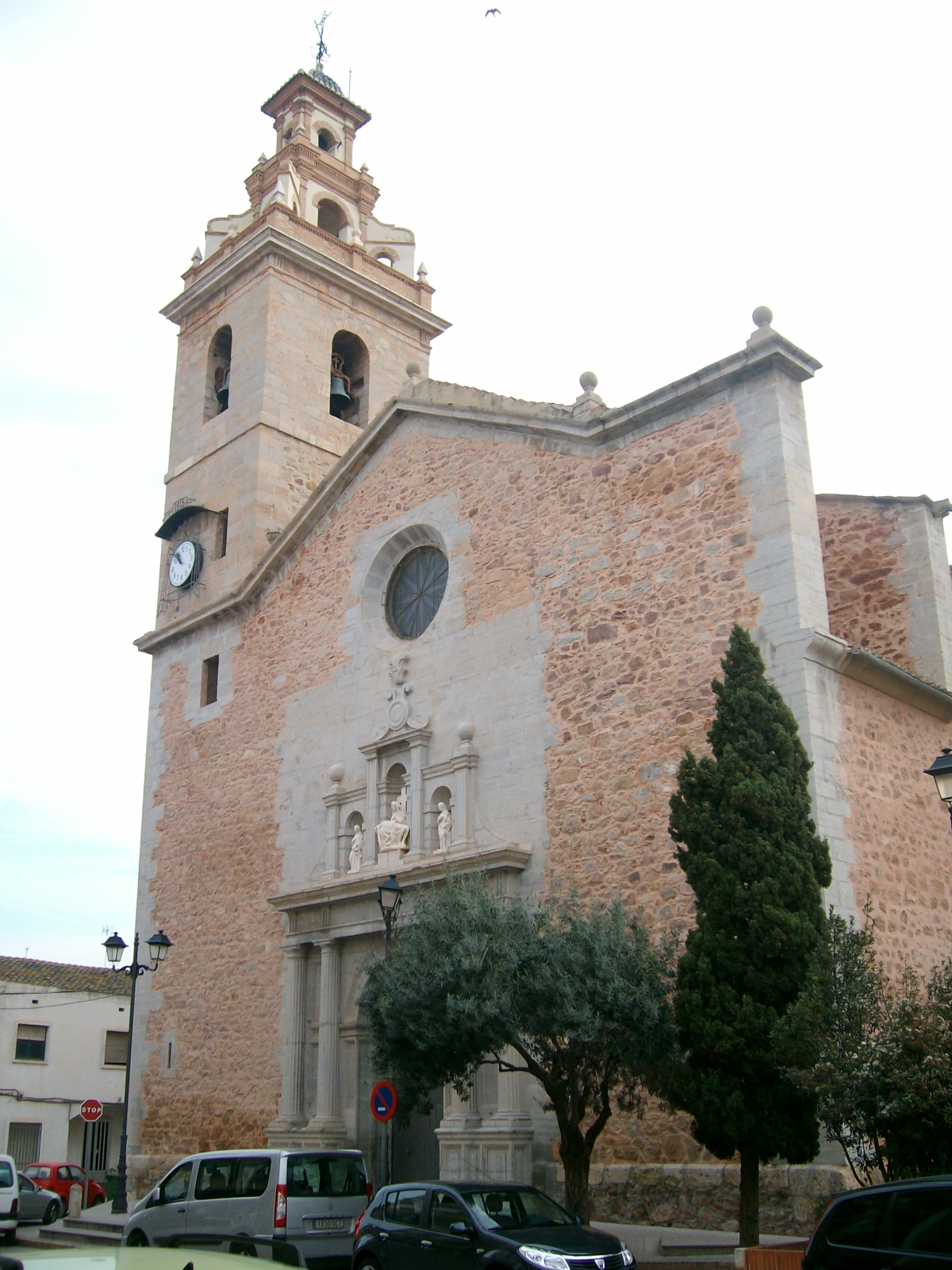
Church of Sants Joans, Puçol
Puçol
The Church of the Sants Joans (Iglesia de los Santos Juanes) stands as the main religious landmark of Puçol, a small town in the province of Valencia, only a short drive north of the regional capital. Rising above the old quarter, the building has anchored community life here for more than four centuries. How do you get there? Puçol sits along the corridor connecting Valencia to Sagunto and is served by the C-6 suburban rail line as well as regional buses, with journeys from central Valencia taking roughly 20–25 minutes. The church occupies the heart of the historic centre, so once in town a short walk through narrow streets brings you straight to it. Drivers should look for parking near the edge of the old quarter, since the surrounding lanes are tight. What is the story behind the building? Construction of the current church began in 1587. On 29 April 1588, the first stone was blessed by Juan de Ribera, Patriarch of Antioch and Archbishop of Valencia — a towering figure in the region's history who was later canonised. The stonework was carried out by the brothers Antonio and Pedro de Xado, master masons from Argoños in Cantabria. Building continued for a full twenty years. The finished church was consecrated on 28 October 1607 by Tomás de Espinosa, auxiliary bishop of Valencia. On that same day, Juan de Ribera moved the Blessed Sacrament from the old parish church into the new building and celebrated the first mass there — an episode still remembered locally as the symbolic beginning of a new chapter for the parish. What can you see inside and outside? The main facade, designed between 1588 and 1589 by Juan de Ambuesa, an architect from Paris who had earned considerable renown in Valencia at the time, ranks among the building's most artistically significant features. The church itself is Baroque in style, marked by lavish gilded ornamentation, though a closer look reveals traces of earlier Gothic and Renaissance elements — the result of the two-decade construction process and later modifications. Inside, several notable works of religious art await. Chief among them is the image of Nostra Senyora del Peu de la Creu, which holds a place of particular devotion among locals. Also worth attention are a painted canvas decorating one of the chapels and the main altarpiece, the work of Manuel Vergara, one of the more significant sculptors of the Valencian Baroque period. When is the best time to visit? The interior is easiest to appreciate during quieter morning hours, outside mass times — it is worth checking the parish schedule in advance. Summers in Puçol run hot, so plan a visit for early morning or late afternoon and combine it with a walk through the old town and its nearby square. The town also comes alive during the patronal festivities linked to the cult of the Sants Joans, when the church becomes the focal point of the religious celebrations and the events surrounding them. Frequently asked questions How old is the church in Puçol? Construction began in 1587 and the church was consecrated in 1607, making it more than four hundred years old. Who designed the facade? The main facade was designed by Juan de Ambuesa, an architect from Paris who was highly regarded in Valencia at the time. What architectural style does the building represent? It is predominantly Baroque, with gilded decoration, though Gothic and Renaissance elements from earlier construction phases are still visible. What are the highlights inside? The image of Nostra Senyora del Peu de la Creu, a painted canvas in one of the chapels, and the main altarpiece by Manuel Vergara.
-
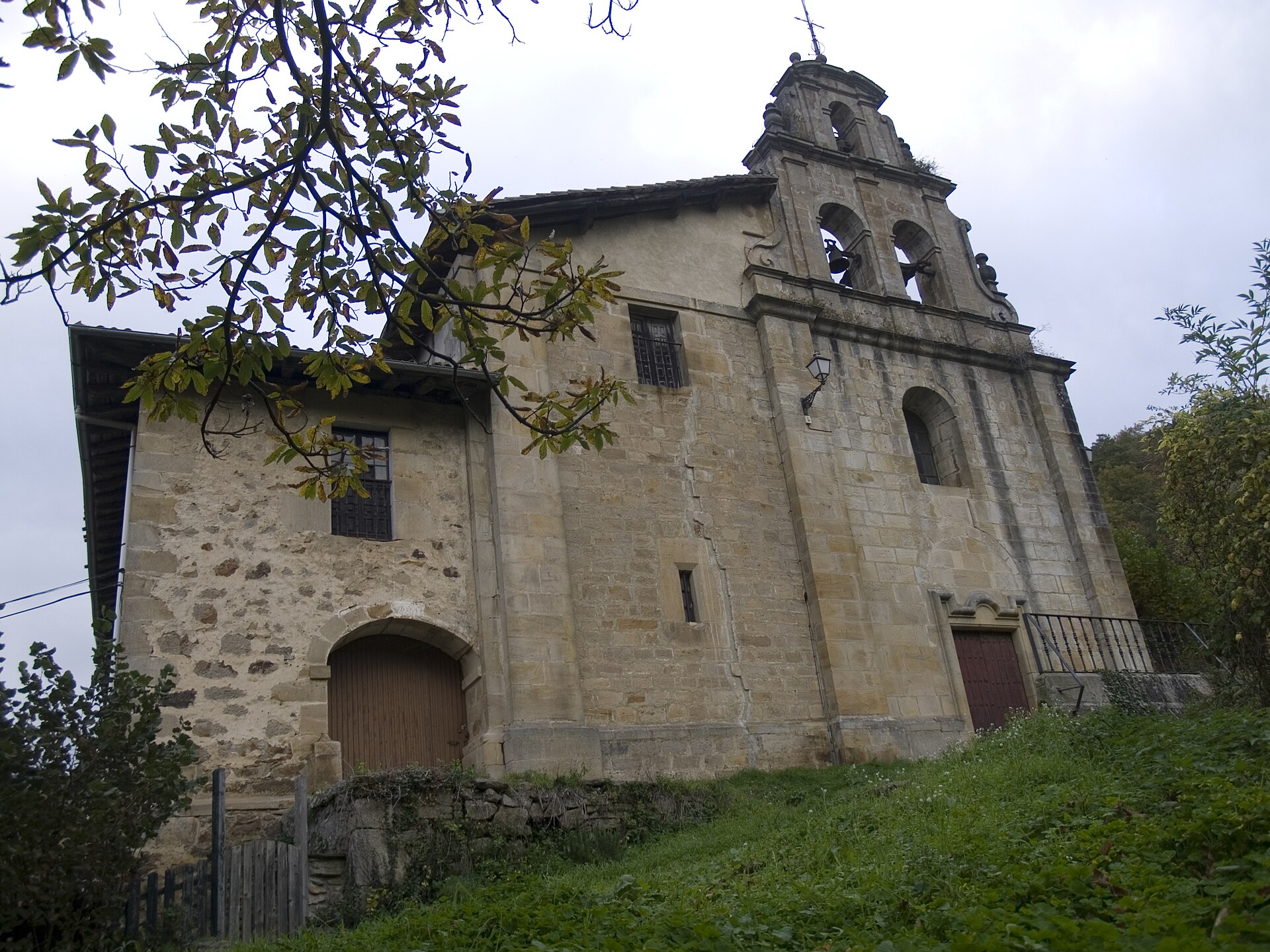
Nuestra Señora de Dorleta
Leintz-Gatzaga
Nuestra Señora de Dorleta is a Marian sanctuary in the village of Leintz Gatzaga, in the Gipuzkoa province of the Basque Country, northern Spain. Set near the Arlaban mountain pass, it has been a religious and cultural landmark of the region for centuries. Where is it and how do you get there? Leintz Gatzaga sits in the hilly eastern part of Gipuzkoa, close to the border with the neighbouring province of Álava. The easiest way to reach it is by car — the road over the Arlaban pass has long served as a link between the Basque interior and the coast, and today it still works as a natural stopping point for anyone driving between the two. Eibar and Vitoria-Gasteiz are the nearest larger towns to plan a route from. Expect winding but well-maintained mountain roads, typical of this part of the Basque Country. What will you see on site? The sanctuary is best known today for its Baroque appearance — most of the current building dates from that period, even though devotion at this site goes back to the Middle Ages. The church and its surroundings draw both pilgrims and visitors interested in the region's religious architecture. Look out for how the Baroque details sit against the rugged mountain backdrop — the contrast is part of what makes the site memorable. The area around the Arlaban pass itself, with views over the Basque hills, is worth a slower walk before or after visiting the sanctuary. Why is this place special? Nuestra Señora de Dorleta holds an unusual status in Spain: she is regarded as the patron saint of cyclists. This blend of religious tradition and modern sport means the sanctuary is sometimes a deliberate stop for cyclists riding the mountain roads of the region, folding a symbolic and historical detour into a longer route. If you're exploring the Basque Country by bike, it's worth building this stop into your plan. A short history Devotion at this site is documented back to medieval times, although the structure visitors see today is largely the result of a later Baroque rebuilding. This layering — an older medieval core beneath a Baroque exterior — is common among sanctuaries in this part of Spain, and it's worth keeping in mind while walking through the church: some details may hint at a much older story than the facade alone suggests. When should you visit? Given the mountainous setting, late spring through early autumn tends to offer the most comfortable travel conditions and the greenest surrounding hills. In winter, road conditions around the pass can be more demanding, so plan accordingly if visiting during the colder months. Frequently asked questions Where exactly is the Nuestra Señora de Dorleta sanctuary? In the village of Leintz Gatzaga, in the Gipuzkoa province of the Basque Country, near the Arlaban pass. Is the sanctuary only significant for religious visitors? Not only — it also carries cycling tradition, since Nuestra Señora de Dorleta is considered the patron saint of cyclists in Spain, which draws visitors beyond those on a religious pilgrimage. What architectural style does the building represent? The current structure is mostly Baroque, though the site's religious history dates back to the Middle Ages. Is there anything else to see nearby? Yes — the drive or ride over the Arlaban pass and the surrounding hills of eastern Gipuzkoa make for a worthwhile extended visit, especially for those travelling by car or bicycle.
-
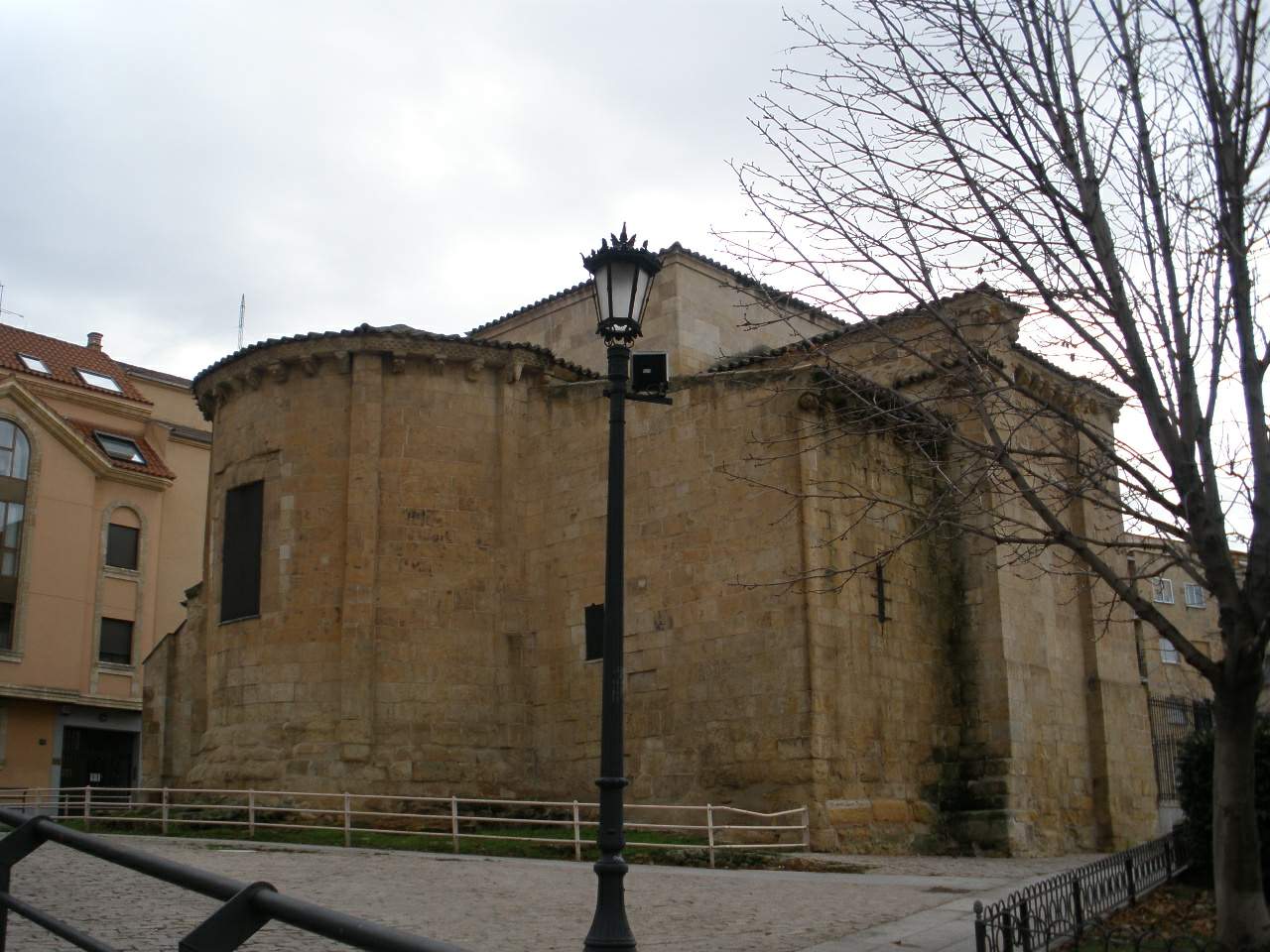
Church of Saint Christopher
Salamanka
The Church of Saint Christopher stands on Plaza de San Cristóbal in the historic center of Salamanca, one of Spain's best-preserved medieval cities. This small stone Romanesque church is usually visited as part of a walk connecting the city's cathedrals with the other old churches scattered across the old town. How do you get to the Church of Saint Christopher? The church sits inside the old walled center of Salamanca, an easy walk from the Old and New Cathedrals and from Plaza Mayor. Since the historic core is compact, most landmarks are only a ten-to-fifteen-minute stroll apart, so no public transport is needed once you're in the city center. Nearby stand several other churches worth combining into the same route: the Church of Sancti Spíritus, the Church of Santo Tomás Cantuariense, and the Calatrava Seminary, together forming a short trail through Salamanca's Romanesque and Gothic religious architecture. What is the history behind the church? The church's origins go back to 1128, when it was founded under the care of the Order of the Holy Sepulchre. That first building was destroyed for reasons that remain unclear, and in 1145 it was rebuilt by knights of the Order of Saint John (the Knights Hospitaller), operating under the commandery of Paradinas de San Juan. The structure visible today largely dates from this rebuilding phase in the second half of the 12th century. In the 20th century the building took on a new role, housing a school known as the Colegio de San José, which operated until 1960. Afterward the church stood empty, and between 1985 and 1994 it was closed entirely due to its deteriorating condition. A subsequent restoration project brought the building back to life and earned the Europa Nostra Award for heritage conservation in 2000, after which the church reopened to visitors. A local tradition connected to the site recalls that in 1412 the preacher Saint Vincent Ferrer delivered a sermon here, drawing such a large crowd that he reportedly had to speak from the small square outside rather than from within the church itself. What will you see when you visit? The church has a single nave, a common layout for the small Romanesque churches found throughout the Salamanca region. The most complete surviving element from the original 12th-century build is the semicircular apse at the east end, a hallmark of Romanesque design. On the exterior, look for the corbels — carved stone supports lining the roofline — a decorative detail typical of Romanesque churches in this part of Spain. Inside, near the crossing where the transept meets the nave, fragments of the original carved vegetal ornamentation survive, offering a glimpse of the stonework produced by 12th-century craftsmen. Later centuries added their own alterations and repairs, so the church you see today layers its original Romanesque core with subsequent restorations — a small but telling example of how a modest urban church accumulates history over eight centuries. When is the best time to visit? Salamanca has a mild continental climate, and the most comfortable months for sightseeing are spring (April to June) and early autumn (September to October), when temperatures are moderate and the city sees fewer visitors than during peak summer. Summers can turn quite hot and winters cold, but given the church's small size, it can easily be worked into an old-town walk at any time of year. Frequently asked questions Where exactly is the Church of Saint Christopher located? On Plaza de San Cristóbal, within Salamanca's historic center, close to several other old churches in the old town. In what architectural style was the church built? It is a Romanesque church dating mainly from the second half of the 12th century, built on the site of an earlier church founded in 1128. Who founded and rebuilt the church? It was originally founded by the Order of the Holy Sepulchre; after its destruction, it was rebuilt in 1145 by knights of the Order of Saint John. Was the church ever closed to visitors? Yes — it was closed from 1985 to 1994 due to poor structural condition. After a restoration recognized with the Europa Nostra Award in 2000, it reopened to the public.
-
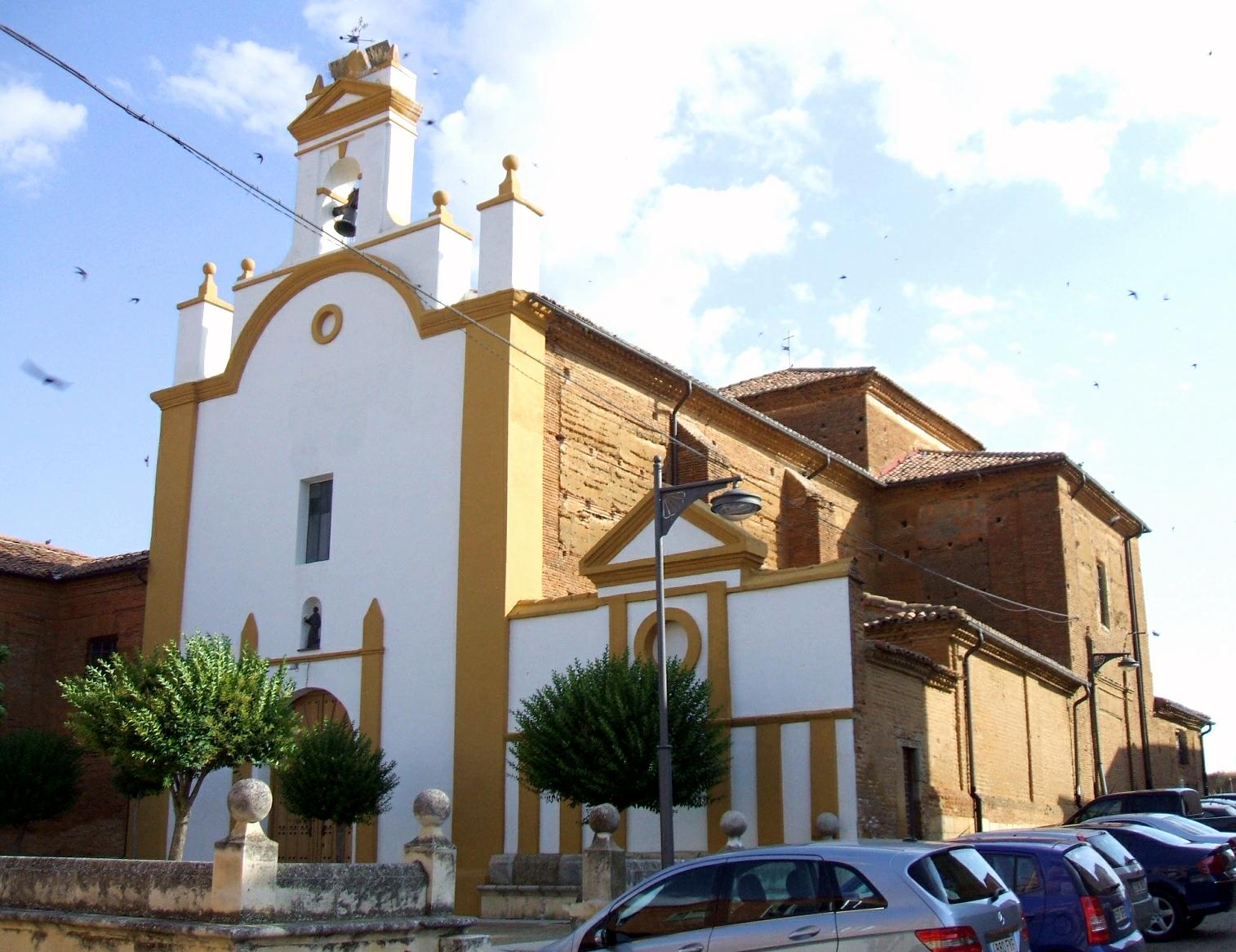
Church of San Juan, Sahagún
Sahagún
The Church of San Juan, Sahagún stands in the historic heart of Sahagún, a small town in Castile and León on the French Way of the Camino de Santiago. The building marks the spot where Saint John of Sahagún, the town's patron, was born in 1430, and local tradition holds that the main altar sits directly above the room of his birth. What is the history behind it? Construction started in 1627 and wrapped up by the middle of the seventeenth century. The result blends Baroque detailing with colonial neoclassical lines, a combination common to religious architecture in the León region during that era. It was raised as a sanctuary honoring the town's patron saint, turning his birthplace into a permanent place of devotion. What will you see inside? The single nave leads into a transept flanked by five altars, with a tall tower rising above the crossing. The floor plan is rectangular and split into four sections, the lower two carried on stone columns. On the main altar sits a silver reliquary holding the remains of Saints Facundo and Primitivo, the town's founding patrons, along with the head of Saint Mancio. Tradition places this altar directly over the chamber where John of Sahagún was born. Why does it matter to pilgrims? The church remains an active center of worship, and pilgrims walking the French Way regularly stop here to pay respects to the patron saint and view the reliquary. Sahagún has long served as a key resting point on the road to Santiago de Compostela, and this church stands alongside the town's Mudejar convents and churches as one of its spiritual anchors. When is the best time to visit? The standout date is June 12, when the town celebrates its patron saint's feast day and the church becomes the focus of local religious festivities. Outside that date, the church fits easily into a walk through Sahagún's historic center alongside its other monuments, including nearby Mudejar churches and convents. For travelers walking the Camino de Santiago, it's a natural stop along the way — a short visit is enough to see the reliquary and take in a place closely tied to the town's history and its patron saint. Frequently Asked Questions Where exactly is the church located? In the center of Sahagún, a town in the province of León, Castile and León, right on the French Way of the Camino de Santiago. Can visitors go inside? Yes — it functions as an active place of worship open to visitors and pilgrims alike. What relics does the church hold? A silver reliquary containing the remains of Saints Facundo and Primitivo, plus the head of Saint Mancio. When is the main festival held? June 12, the feast day of the town's patron, Saint John of Sahagún.
-
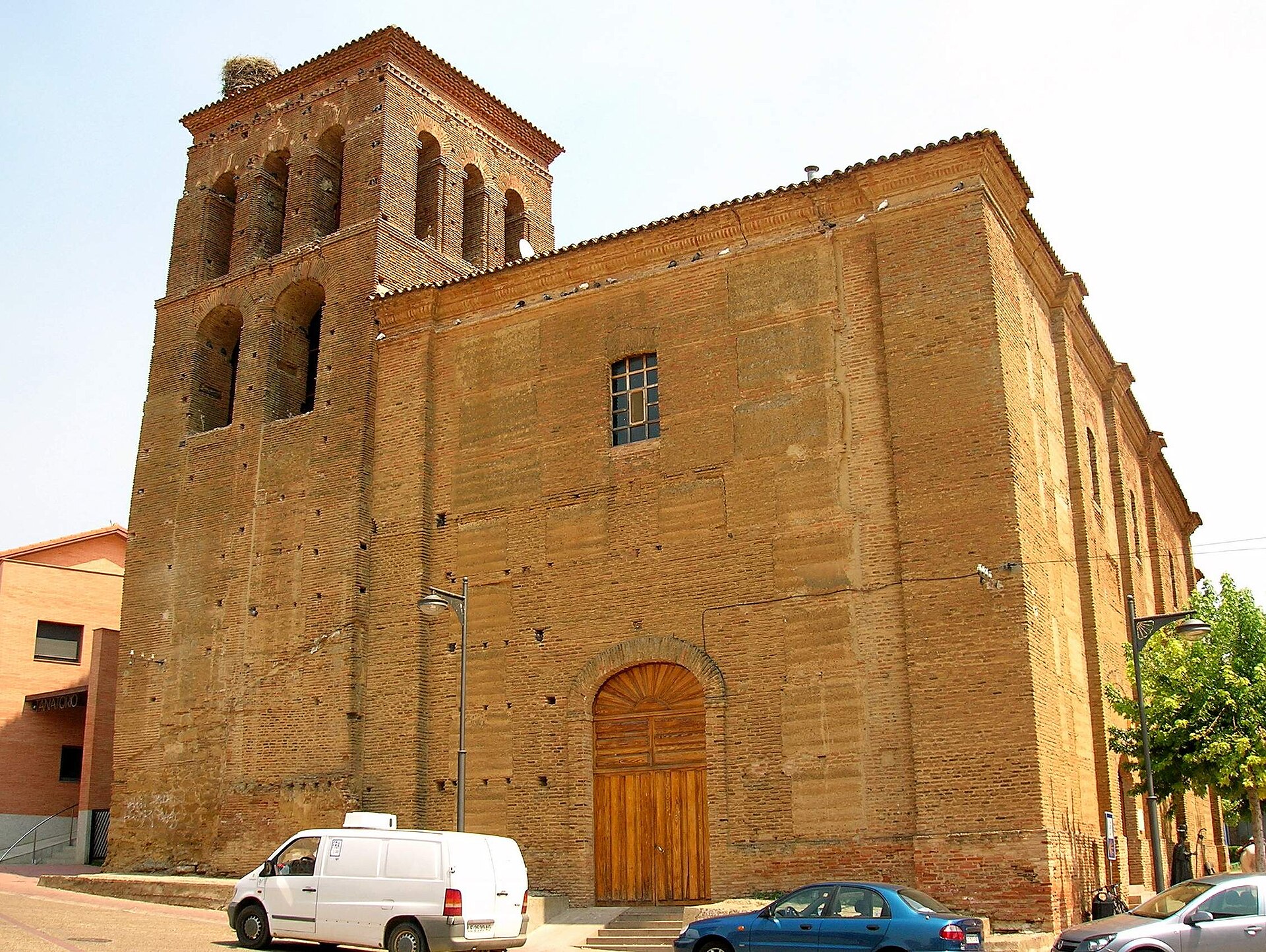
Church of La Trinidad, Sahagún
The Church of La Trinidad in Sahagún is a former Catholic church, no longer used for worship, standing in the province of León, in the Castile and León region of Spain. The building sits directly on the Camino de Santiago and has spent the last several decades serving travelers in a role quite different from its original purpose. What is the history behind this building? The church was built in the Mudéjar style in the 13th century, a period when Sahagún saw the construction of several churches blending Christian religious architecture with building techniques developed by Muslim craftsmen working under Christian rule. The structure was substantially reworked in the 16th and 17th centuries, giving it the layered historical character visible today. The church played an important role in the veneration of the town's patron saint, Saint John of Sahagún. After his beatification, the church received his relics and served for a time as the main site of worship dedicated to the town's patron, before a dedicated church was built for him elsewhere. The building also once housed an elaborate Churrigueresque altarpiece, which has since been moved to the Benedictine nuns' church (MM Benedictinas) in Sahagún. Ongoing deterioration of the building eventually led to the end of religious services in 1964, after which the church stood abandoned for decades, close to ruin. What can you see there today? Starting in 1993, the church underwent restoration and was adapted for new secular uses connected to the Camino de Santiago. Today the building houses the Carmelo Gómez Auditorium and a municipal albergue — a hostel for pilgrims walking the Way of St. James. This combination of history and practical function makes the church an interesting stop both for visitors interested in religious architecture and for pilgrims looking for a place to rest. Walking around the interior and exterior, visitors can trace the building's centuries of transformation — from its original Mudéjar structure to later Baroque additions, some of which, like the altarpiece mentioned above, now reside in other churches around town. How do you get there? Sahagún lies in the province of León, on the French route of the Camino de Santiago, making the town a natural stopping point for pilgrims traveling on foot or by bicycle. It can also be reached by car or train — Sahagún has its own railway station on the line connecting León and Palencia. The church stands in the town's historic center, close to other religious landmarks in Sahagún, such as the Church of San Tirso. When is the best time to visit? Spring and early autumn are the best times to visit, when pilgrim traffic along the Camino de Santiago is moderate and temperatures are comfortable for walking around town for extended periods. Summers in Sahagún can get quite hot, which is worth keeping in mind when planning a midday visit. Frequently Asked Questions Is the church still used for religious services? No. Worship ended in 1964 due to the building's poor structural condition. The site now serves cultural and tourism purposes instead. What happened to the church's original furnishings? The elaborate Churrigueresque altarpiece that once stood inside was moved to the Benedictine nuns' church in Sahagún. Can pilgrims stay overnight here? Yes — the building now houses a municipal albergue, a hostel for pilgrims walking the Camino de Santiago. What architectural style does the building represent? It was originally built in the 13th-century Mudéjar style, with later 16th- and 17th-century renovations that added elements typical of those periods.
-
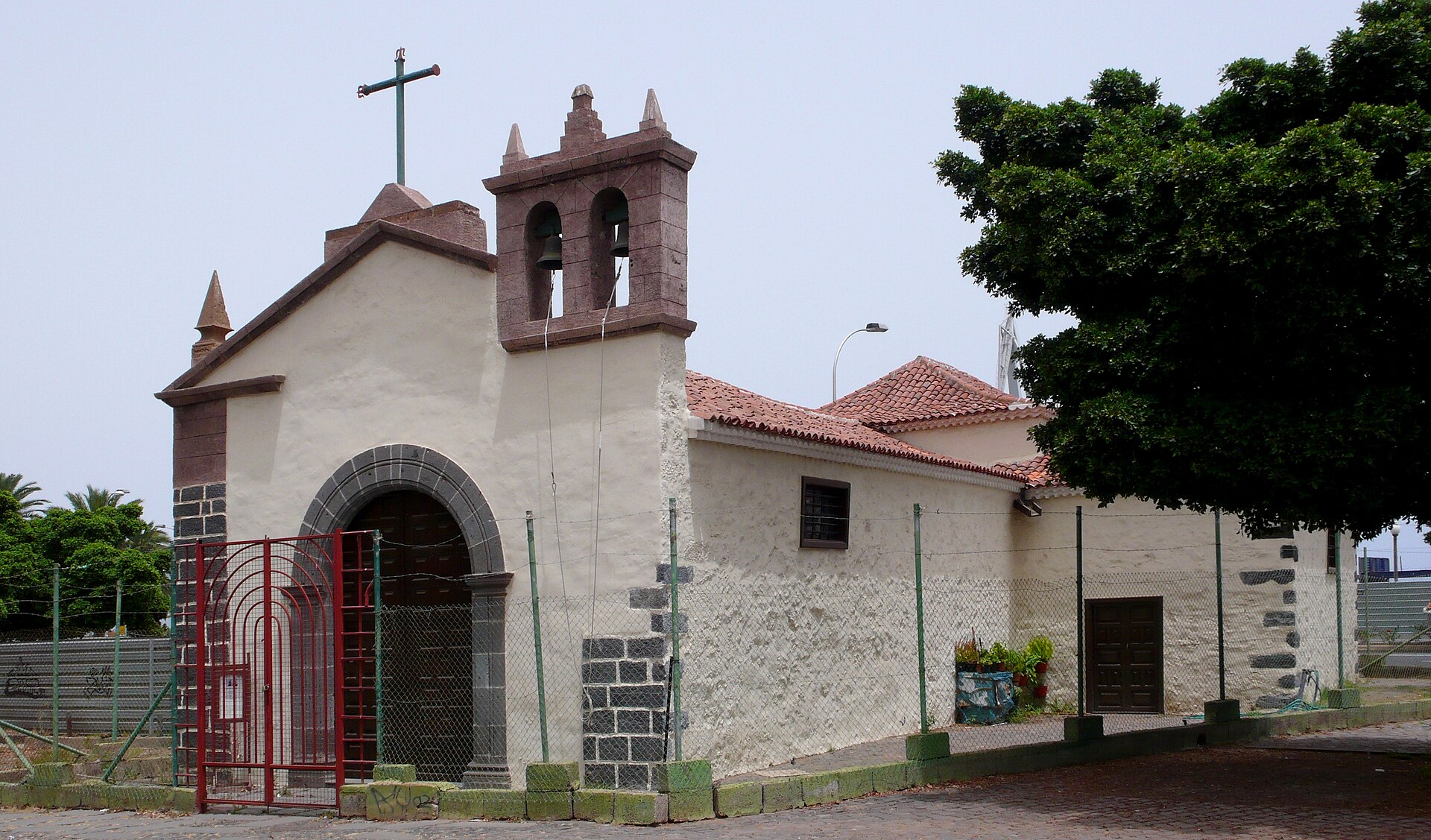
Capilla de San Telmo Santa Cruz de Tenerife
Santa Cruz na Teneryfie
Capilla de San Telmo is a 16th-century chapel in Santa Cruz de Tenerife, tucked into the El Cabo district right by today's Cabo-Llanos waterfront. What is this place? The chapel was built in the mid-1500s at the initiative of the cofradía de mareantes, the local guild of sailors and fishermen, who raised it in honor of their patron, Saint Elmo (San Telmo), protector of seafarers. It ranks among the oldest surviving churches in Santa Cruz de Tenerife and on the island as a whole. The building now holds official protected status as a Bien de Interés Cultural, in the Monumento category — Spain's designation for sites of major historical significance. For much of the 19th century the chapel housed the so-called Cruz Fundacional, or Founding Cross, sometimes called the Cross of the Conquest. Local tradition places the founding of Santa Cruz de Tenerife itself, in May 1494, near this exact spot — which gives this small corner of El Cabo an outsized role in the story of the island's capital. What will you see inside? The interior is modest in size but holds several details worth a slow look. A semicircular arco toral, carved from red volcanic tuff — a material typical of Canarian building traditions — frames the presbytery. The main chapel is dominated by an 18th-century retablo, or altarpiece. Above, the ceiling is worked in the artesonado mudéjar style, a wooden coffered technique using the lacería de par y nudillo interlacing pattern, resolving into an eight-sided (ochavada) design over the presbytery. Why visit? San Telmo speaks to the maritime identity that shaped Santa Cruz for centuries, back when the city's fortunes rested on fishing and seafaring. Devotion to the chapel's patron saint ran deep among the mareantes guild and the residents of El Cabo, and the annual feast in his honor was once one of the city's most passionately observed traditions. For visitors curious about Santa Cruz's history and Canarian architecture, the chapel packs a religious, maritime, and civic story into one small building. How to get there and when to go? The chapel sits in an easily reachable part of Santa Cruz de Tenerife, in the Cabo-Llanos area, within walking distance of the city center. It makes a natural short stop on a broader walk through historic Santa Cruz. Since the chapel functions as an active place of worship rather than a fixed tourist attraction with regular hours, it's worth checking current opening times locally before planning a visit around it. Frequently asked questions When was Capilla de San Telmo built? In the mid-16th century, funded by the cofradía de mareantes, the guild of sailors and fishermen. Who is the chapel dedicated to? Saint Elmo (San Telmo), patron saint of sailors and fishermen. Is the chapel a protected heritage site? Yes, it holds Bien de Interés Cultural status under the Monumento category. What links the chapel to the founding of Santa Cruz de Tenerife? For part of the 19th century it housed the Founding Cross, tied to the tradition that the city was founded near this spot in May 1494.
-
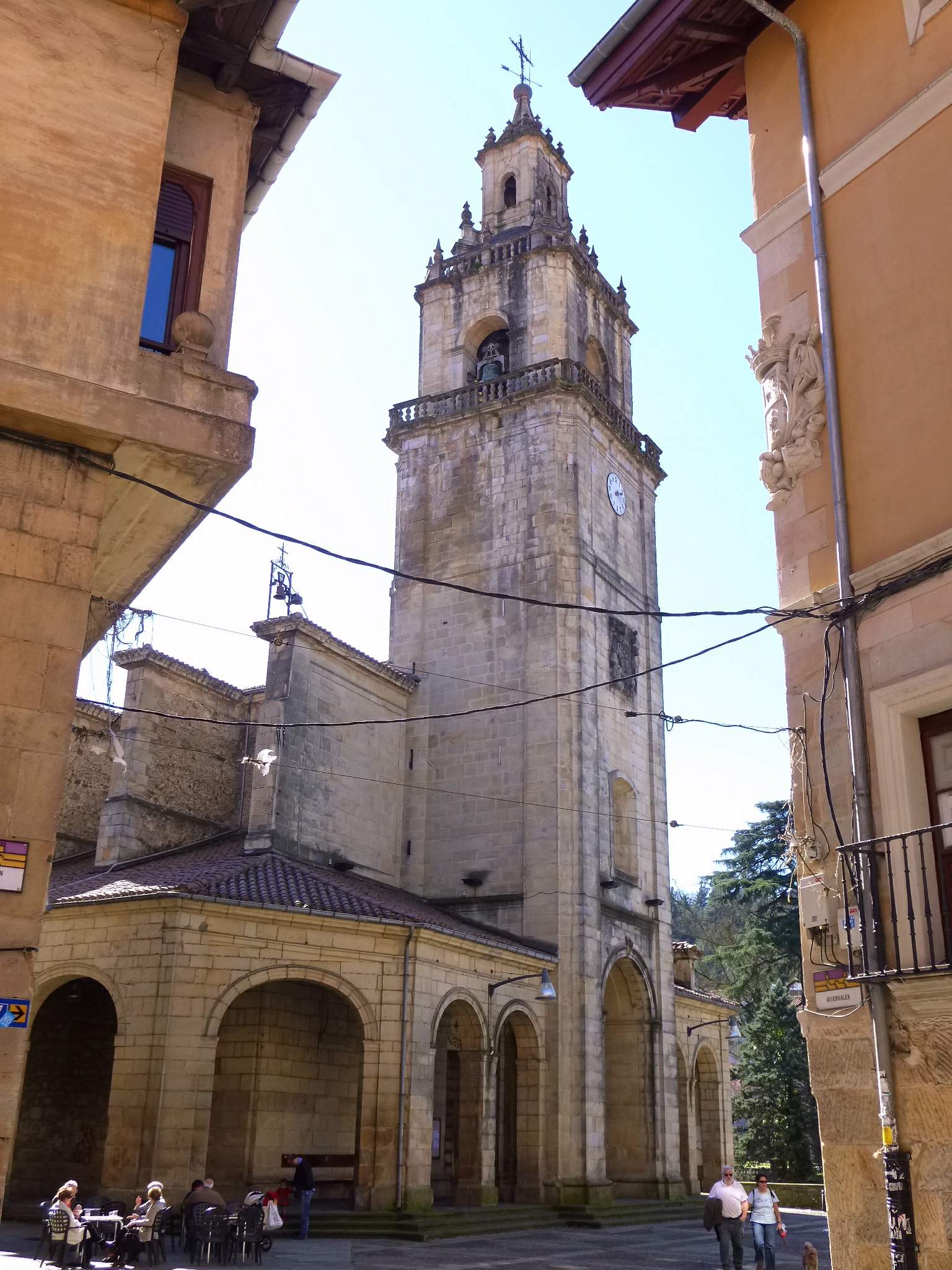
Church of Santa Ana, Durango
Durango
The Church of Santa Ana stands in the neighborhood of the same name in Durango, Mexico, and ranks among the city's oldest and most recognizable religious buildings. Officially the Parish of Santa Ana and the Holy Family, it pairs a Baroque facade with a history shaped by war, making it as much a record of local events as a piece of colonial architecture. How did the church come to be? Construction began between 1723 and 1734, when the site started out as a modest chapel commissioned under Bishop Baltazar Colombo. Work resumed under Bishop Pedro Anselmo Sánchez de Tagle (1749–1754), assisted by Canon Bernardo Joachín de Mata, who oversaw the building's expansion. The church was enlarged again toward the end of the 18th century, then restored through the 19th and into the early 20th century — a layered building history that explains the mix of details visible on the structure today. What stands out during a visit? The facade follows the Baroque style and is marked by three episcopal coats of arms set into its upper section, a feature not commonly repeated at this scale in the region's other churches. The portico and main entrance sit to one side of the nave, while two large doors on the north side lead inside. Inside, the highlight is a Neo-Gothic chapel, carved with detail fine enough to resemble filigree work. Outside, look closely at the stone columns supporting the bell tower: they still carry scars from bullets and cannon fire dating back to the struggles for independence and later to the 1913 revolutionary period. The tower itself served as a defensive position during those conflicts, turning it into more than an architectural feature — it's a physical record of the city's turbulent past. How do you get there, and when should you go? The church sits on Calle Constitución in the Santa Ana district, within easy walking distance of Durango's historic center. It opens daily from 8:00 to 19:00, making it simple to combine with a visit to the cathedral and other colonial landmarks nearby. It consistently appears on lists of Durango's religious sites and things to do, alongside the city's better-known cathedral. Morning hours work best if you want to avoid the heat typical of this part of Mexico, while late afternoon light tends to favor photos of the street-facing facade. Frequently asked questions Is there an entrance fee? No, visiting the interior is free — it functions as an active parish, so the only expectation is the usual respectful conduct inside a place of worship. How long does a visit take? Around 20–30 minutes is enough to see the facade, the interior, and the Neo-Gothic chapel, making it an easy stop on a longer walk through the old town. Is the church still used for services? Yes, it remains an active parish dedicated to Saint Anne and the Holy Family, with regular Mass held on-site. How does it differ from Durango's cathedral? Santa Ana is older and more modest in scale, and its main draws are different: the bullet and cannon marks on the bell tower's stone columns and the Neo-Gothic chapel inside, neither of which the cathedral offers.
-
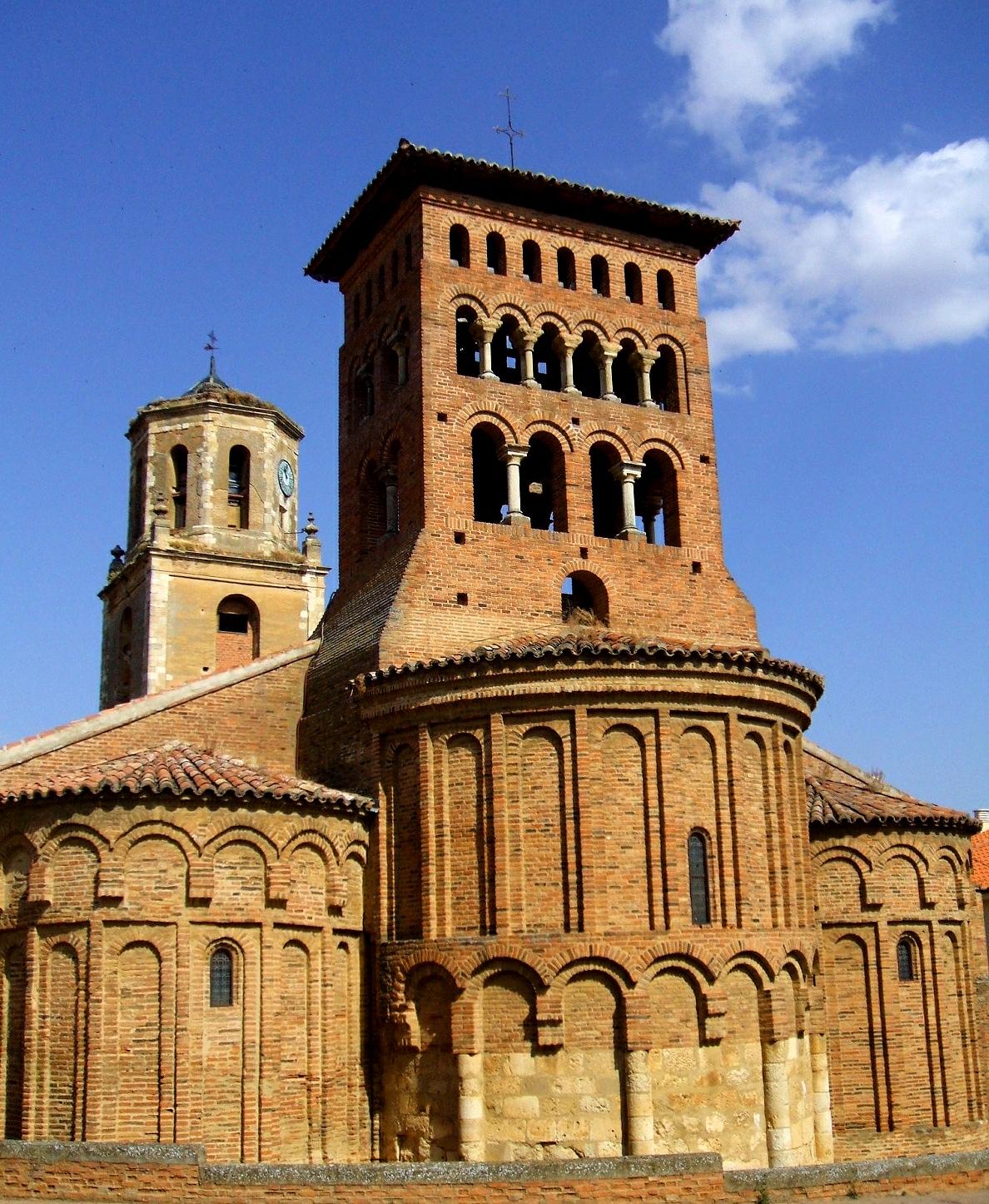
Church of San Tirso, Sahagún
Sahagún
Church of San Tirso stands in Sahagún, a small town in the province of León on the Camino de Santiago, and ranks among the oldest and most important Mudéjar buildings in Spain. It was here, in a town with a deep monastic tradition, that the style now known as Castilian-Leonese Mudéjar first took shape before spreading across the wider region. Where does this building come from? The church's story begins in the early 12th century — documents dated 1123 and 1126 already mention a church on this site, which allows historians to date its construction with unusual precision. At the time, Sahagún was a major religious and pilgrimage centre: its Benedictine monastery gave the town a standing comparable to the greatest monastic hubs of medieval Spain. San Tirso was built in that context as a parish church, closely tied to the town's growth along the pilgrim route. What makes this place architecturally unusual? Construction started in stone — traces of this first phase are still visible today in part of the main apse, where columns and details follow Romanesque forms. The stonework, however, stopped at a height of just over three metres, and the rest of the building was raised in brick, in the Mudéjar style: a distinctive fusion of Islamic building techniques with a Christian architectural programme. This shift in material and style partway through construction is easy to spot with the naked eye and is one of the most interesting details for anyone visiting the site. San Tirso's importance goes beyond Sahagún itself: the church is considered the prototype that inspired later Mudéjar buildings, both in the town — its typological twin is the Church of San Lorenzo — and in the neighbouring provinces of Zamora, Valladolid, Ávila and Segovia. Since 1931 it has held the status of a Historic-Artistic Monument of national interest, confirming its place in the history of Spanish architecture. What should you look out for on site? While visiting San Tirso, pay attention to the tower, the distinctive brick texture of the walls, and the details of the apse, where the transition from Romanesque stone to Mudéjar brick is most clearly visible. The interior, more modest than the exterior, retains a layout typical of churches from this period and lets visitors trace the building's successive alterations across the centuries. How to get there and when to visit? Sahagún sits directly on the Camino Francés, the main route of the Camino de Santiago, so the church is seen by many pilgrims walking or cycling toward Santiago de Compostela. The town has good road connections to León and Palencia, and the church itself stands in the centre, within walking distance of the town's other monuments. Spring and autumn are the best times to visit, since temperatures on the Meseta plateau are milder than during the region's hot summers. Frequently Asked Questions How old is the Church of San Tirso? The earliest documentary references date to 1123 and 1126, and the building itself was constructed in the early 12th century. Why is the church considered so significant? It is one of the first and most representative examples of Mudéjar style in Castile and León, and it served as a model for later churches across the region. Can you actually see the different construction phases? Yes — the lower part of the main apse is stone and Romanesque, while the upper sections of the walls are brick and Mudéjar, a contrast that's easy to notice while touring the building. Is the church located on the Camino de Santiago? Yes, Sahagún lies on the Camino Francés, one of the most popular routes of the pilgrimage to Santiago de Compostela.
-
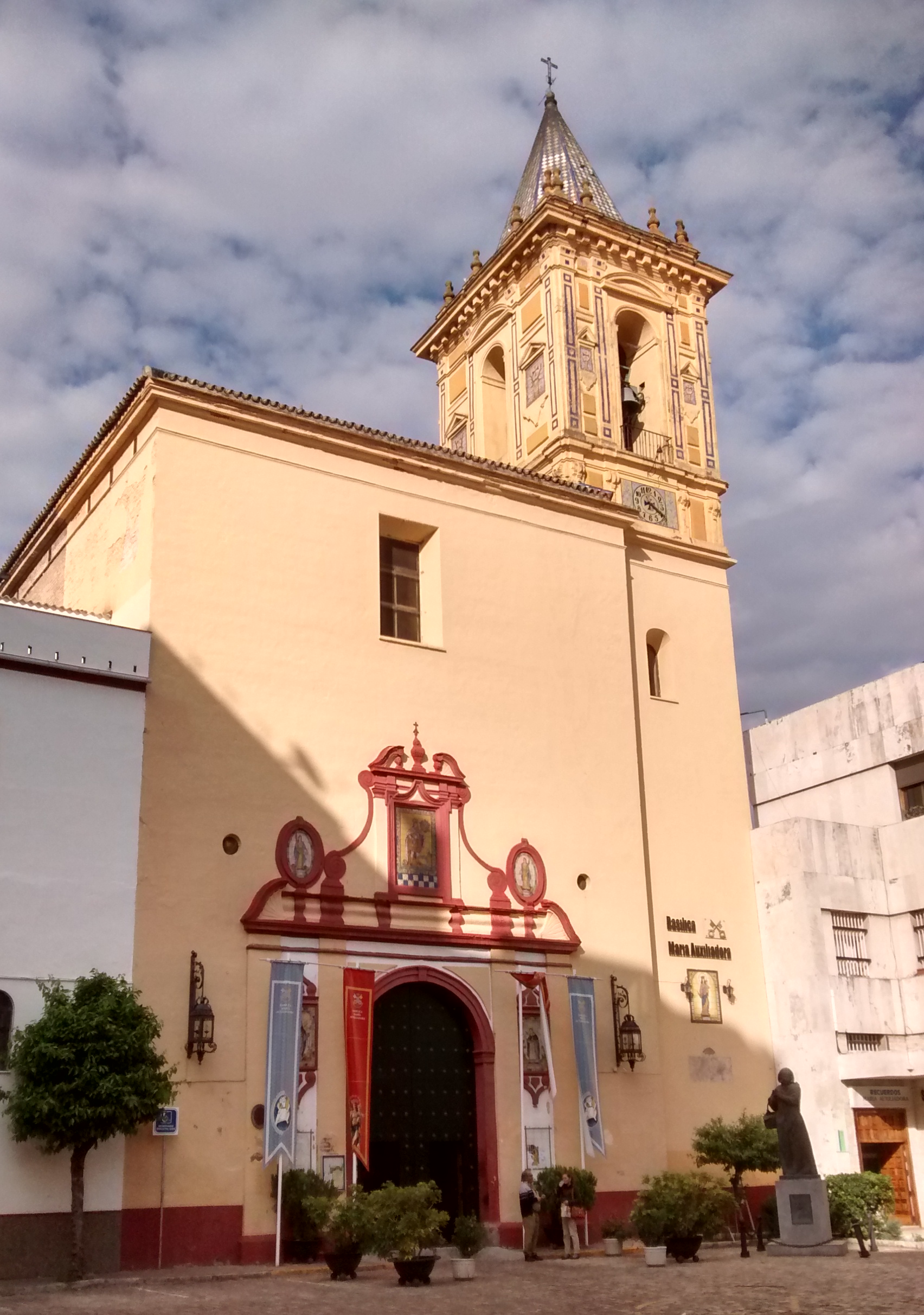
Basilica Shrine of Our Lady Help of Christians
Sewilla
The Basilica Shrine of Our Lady Help of Christians sits in the La Trinidad district of Seville, a quiet neighborhood that rarely makes it onto shortlists built around the cathedral and the Alcázar. Yet the building carries layers of history stretching back to the city's reconquest by Ferdinand III in 1248, when a Trinitarian convent was first established on the site. Where does this church come from? The original convent church declined over the centuries and stood in ruins by 1617. Reconstruction began in 1621 under a design credited to the friar Miguel de Peñalosa and Miguel de Zumárraga, the master architect of Seville Cathedral — a pairing that hints at how seriously the rebuild was taken. Construction itself was carried out by Juan de Segarra and Andrés de Oviedo, the city's master builder at the time. What stands today is therefore a genuine piece of 17th-century Sevillian baroque, even though its current name and purpose date from much later. The turning point came in 1893, when the Salesian order took over the building and founded the Salesian College of the Holy Trinity there. It was the Salesians who attached the site to the devotion of Mary Help of Christians, a Marian title central to the spirituality of Don Bosco. In 2008 the church was elevated to the status of shrine, and that same year it was granted the title of minor basilica — a designation the Vatican reserves for churches of particular historical or spiritual significance. What is there to see inside? Beyond the architecture and the main altar dedicated to Mary Help of Christians, the underground galleries of the former convent are the detail that draws the most curiosity. Local tradition holds that these vaults once held Saints Justa and Rufina — the patron saints of Seville, venerated since early Christian times — before their martyrdom. The legend is deeply woven into the identity of the La Trinidad neighborhood and often surfaces in accounts of its history. How do you get there, and when is the best time to visit? The basilica sits in central Seville, within easy walking distance of the city's main landmarks, making it a natural stop when exploring the old town on foot. As an active parish church and Salesian center, it operates year-round, and mornings or early afternoons outside Mass times are the easiest windows for a quiet look inside. Since it remains a working place of worship, modest dress and quiet behavior are expected, particularly during services. Why is it worth a visit? Few single stops let you trace so many layers of Seville's story at once: a medieval Trinitarian convent, a 17th-century baroque rebuild, and a modern Salesian identity confirmed by a papal basilica title. For travelers curious about the city's religious history beyond its most crowded monuments, this is a stop that adds real context to a Seville visit. Frequently asked questions What makes a church a "basilica" rather than an ordinary church? The title of minor basilica is granted by the Vatican as recognition of a church's historical or religious significance. The Basilica Shrine of Our Lady Help of Christians received this title in 2008. Who were the Trinitarians, and why did they have a convent here? The Trinitarians were a medieval religious order known for ransoming Christian captives. Their convent in Seville was founded shortly after the city's reconquest by Ferdinand III in 1248. Can visitors see the crypts linked to Saints Justa and Rufina? Access to the underground galleries can be limited and depends on the parish's current arrangements — it's worth asking on-site or checking ahead of a visit. Is admission to the basilica free? As a functioning parish church, the basilica is generally open to visitors free of charge outside of service times.
-
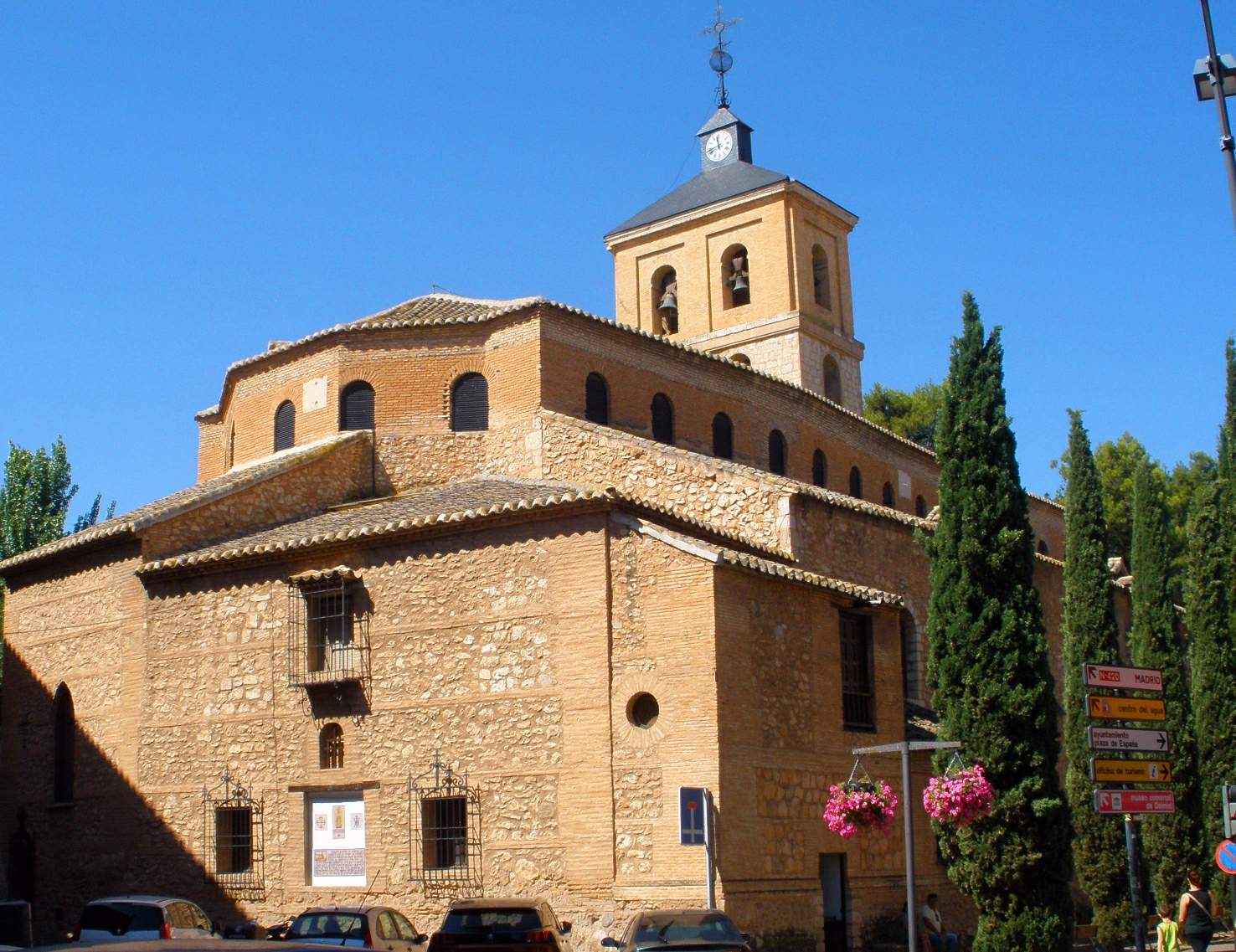
Church of Santa Maria Maggiore
Daimiel
The Church of Santa María la Mayor is the oldest standing building in Daimiel, a town in the province of Ciudad Real, in the Castilla-La Mancha region of Spain. Dedicated to Our Lady of the Assumption, it has anchored the town's historic center for more than six centuries and remains the clearest physical link to Daimiel's medieval origins. Who built it, and when? Construction began in the first third of the 14th century under the patronage of the Order of Calatrava, the military order that controlled this territory at the time. The church was raised in the second-period Ogival Gothic style, consistent with what was being built across the Diocese of Toledo in that era. Work stretched across several generations: the southern façade was added in the 15th century, and the bell tower followed in the 16th. That long build-out left a structure that is fundamentally Gothic but carries visible traces of later periods. What will you actually see? The floor plan is basilical, with three naves separated by round pillars carrying attached columns that support the transverse and lateral arches. Builders used brick and ashlar stone, and the clearest Gothic details survive on the north side: tall buttresses topped with pinnacles and a doorway known as the Puerta de la Umbría. The church has three entrances in total — the northern Umbría door, a now-blocked western portal, and a southern doorway dating from the 15th century. Centuries of restoration have altered parts of the interior, but the Gothic bones of the building are still easy to read throughout. Inside, in the lower choir, a plaque marks the burial of Joaquín Ibáñez Cuevas, Baron of Eroles, a noted hero of the Peninsular War (Spain's War of Independence), who died in Daimiel on 22 August 1825 and was interred here. What official protection does it have? On 28 September 1989, the church was declared a Bien de Interés Cultural in the monument category — Spain's highest level of heritage protection. That designation reflects its standing as both the oldest and the most architecturally significant religious building in Daimiel. How do you get there, and when should you go? The church sits in the heart of Daimiel, reachable by road from Ciudad Real and from Manzanares, the main regional route hubs. Spring and autumn are the most comfortable seasons to visit, since summers in La Mancha run hot and dry. Many visitors pair the church with a trip to the nearby Tablas de Daimiel National Park, one of mainland Spain's most important wetland reserves, and a walk through Daimiel's compact historic center, where the church serves as a natural starting point. Frequently asked questions How old is the Church of Santa María la Mayor in Daimiel? Construction started in the first third of the 14th century, though the southern façade dates to the 15th century and the tower to the 16th — making it the oldest building still standing in the town. What is the church dedicated to? It is dedicated to Our Lady of the Assumption, though locally it is known and referred to as Santa María la Mayor. Is the church legally protected? Yes. Since 28 September 1989 it has held the status of Bien de Interés Cultural in the monument category, Spain's top heritage-protection tier. What else is worth seeing nearby? The Tablas de Daimiel National Park, one of Spain's most significant wetland areas, lies just a few kilometers from the town center and pairs well with a visit to the church.
-
Iglesia de San Pedro Apóstol, Daimiel
Daimiel
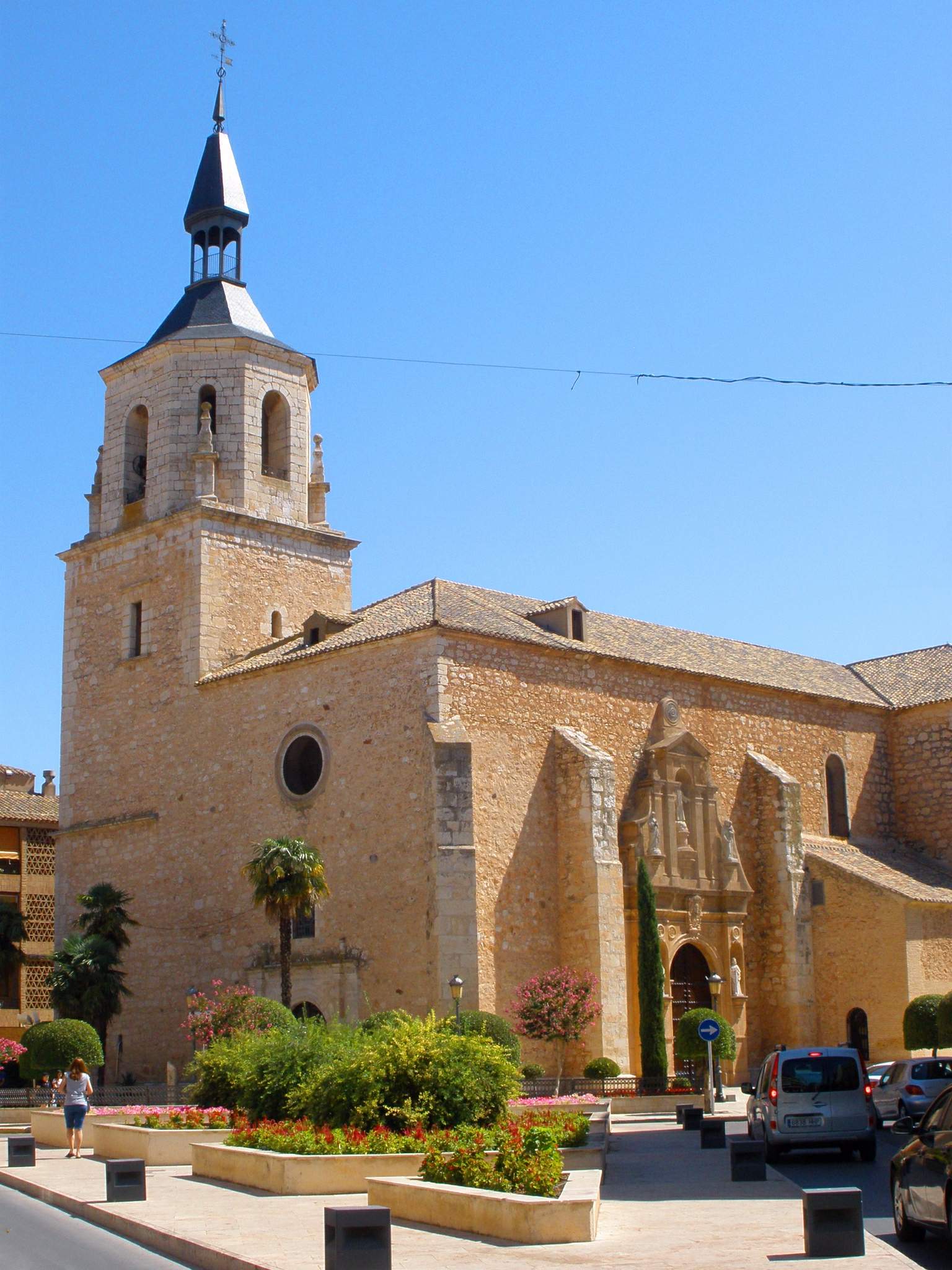
The Church of San Pedro Apóstol stands in the heart of Daimiel, a town in the province of Ciudad Real, in Spain's Castilla-La Mancha region. How did the church come to be built? Construction began shortly after 1542, the year Emperor Charles I granted, from Valladolid on 10 February, permission to raise a second parish church in Daimiel. Progress was slow: by 1563 the building was already functioning as a parish - the earliest surviving baptismal records date from that year - yet in 1576 half of the nave and the tower were still unfinished. The interior has changed considerably over the centuries. The original main altarpiece, carved in the ornate Churrigueresque style, was destroyed during the Spanish Civil War in 1936. Its replacement, created by sculptor Alfredo Lerga, was installed in 1948, the same year bishop Emeterio Echevarría Barrena consecrated the finished building. What should you look for inside and out? The church follows a Latin-cross floor plan built in the Doric order. Its vaults are brick, the transverse arches are cut stone, and the floor is laid with ceramic tiles. The vaulting consists of simple rib patterns, with star-shaped motifs appearing over the crossing and the apse. The most distinctive feature outside is the bell tower, divided into three stages by string courses. The lowest stage holds a round-arched window framed in rusticated stone; the second stage repeats a similar window but with a flat lintel instead of an arch. The top stage, built entirely of ashlar masonry, is octagonal in plan, capped with a spire, and marked at its corners by four small stone pyramids topped with balls. How do you get there? Daimiel sits roughly 30 km north of Ciudad Real, along the route linking that city with Manzanares and Madrid. Drivers can reach it via the A-43 motorway or the N-430 national road, while regional buses run from Ciudad Real. Since the church anchors the historic centre of town, it is an easy walk from anywhere in Daimiel once you arrive. When is the best time to visit? Spring and autumn bring milder temperatures than La Mancha's scorching summers, making them the most comfortable seasons for exploring the town on foot. Visiting around the town's patronal feast or other local religious celebrations often means catching the church at its liveliest, sometimes decorated for the occasion. Early morning visits are quieter and let the stonework of the tower catch the low sunlight to best effect. Frequently asked questions When was the Church of San Pedro Apóstol built? Building work started after Emperor Charles I authorised a new parish church in 1542, though construction dragged on for decades - as late as 1576 half the church and its tower remained unfinished. Has the original furnishing survived? Not entirely. The first altarpiece, in the Churrigueresque style, was destroyed in 1936 during the Civil War. The current one, by Alfredo Lerga, was installed in 1948. What architectural style does the building represent? It blends Renaissance and Baroque elements typical of religious architecture in Castilla-La Mancha: a Latin-cross plan, Doric order, and a tall stone tower built in distinct stages. Can visitors climb the tower? The tower is best appreciated from outside, from the square in front of the church; its three stages and octagonal, pyramid-topped summit are most visible from the streets of Daimiel's old town.
-
Church of San Martín, Valladolid
Valladolid
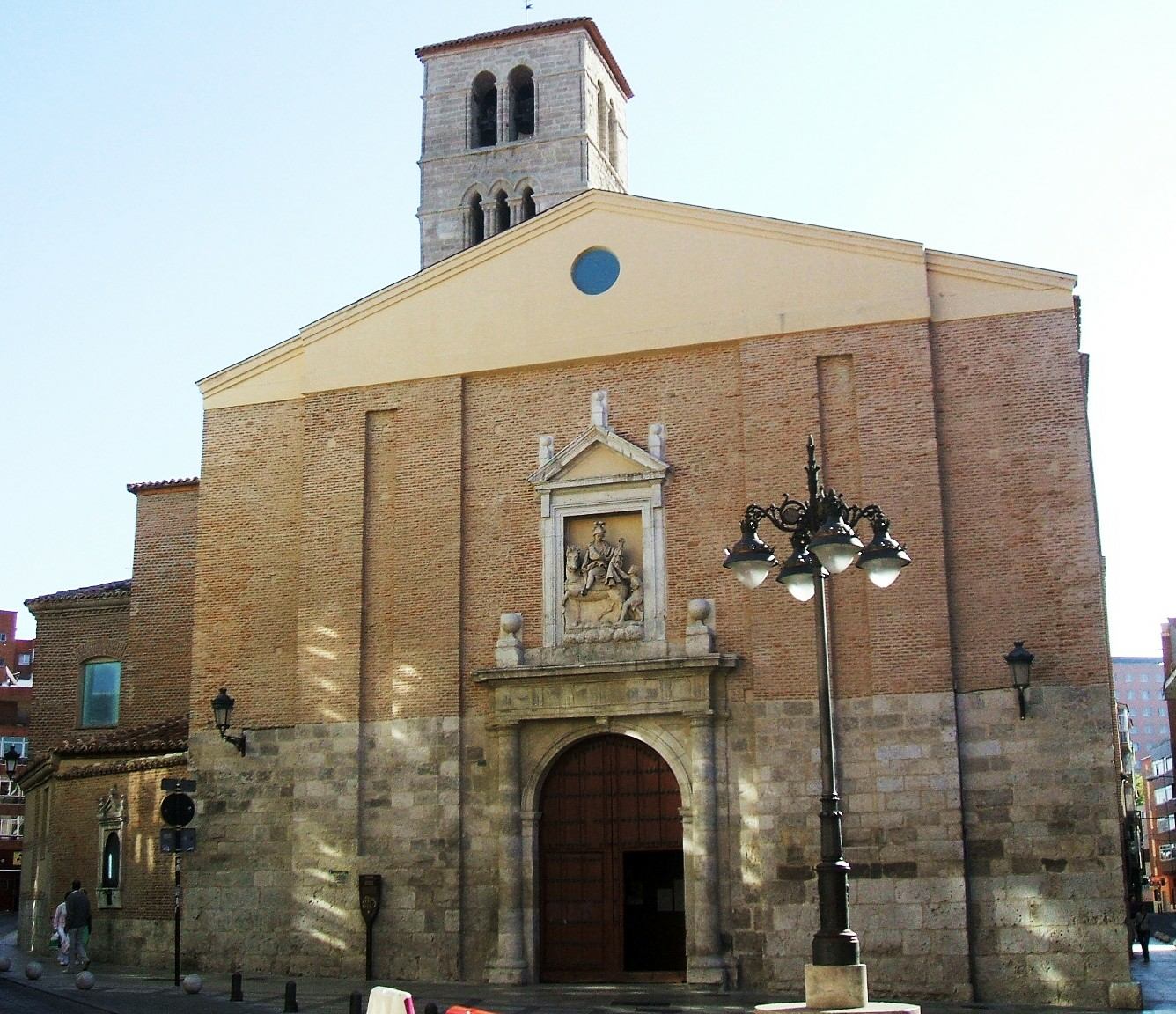
The Church of San Martín stands as one of the oldest religious landmarks in Valladolid, its distinctive tower shaping the city's skyline for more than eight centuries. Where does this church come from? The site's story begins in 1148, when a small hermitage was first built here. As the surrounding neighborhood grew, the building was elevated to parish status, serving an increasingly large local community. By the late 16th century, the original structure could no longer accommodate the growing congregation, and church authorities decided to tear it down in 1588. One element, however, was deliberately preserved: the tower, which still stands to the side of today's main chancel. What can you see there today? The undisputed highlight is the tower, raised in the early 13th century. Its builders modeled it on the tower of the Church of Santa María la Antigua, one of Valladolid's architectural icons, echoing the same proportions and massing. At the same time, details such as the pointed-arch windows hint at the arrival of Gothic influence, even though the overall design remains firmly rooted in Romanesque architecture. This blend makes the San Martín tower one of the most recognizable pieces of the city's skyline and the oldest surviving part of the entire complex. The main body of the church visitors see today dates from a much later period than the tower. Built in Baroque style, it was completed in 1621, and it has undergone several alterations and repairs over the following centuries. The most recent major restoration was finished in 2007, returning the building to a sound structural and aesthetic condition. Since 1993, the Church of San Martín has been listed as a Bien de Interés Cultural, Spain's designation for properties of national cultural significance, confirming its historical and architectural value. How do you get there? The church sits in the central historic quarter of Valladolid, an area best explored on foot. It is only a short walk from the Plaza Mayor and the city's cathedral, reflecting the compact layout of the old town, where parish churches were traditionally built close to one another. This makes it easy to combine a visit here with a broader walking route through the historic center. When is the best time to visit? Weekday daytime hours are ideal, when the surrounding streets are quieter and natural light best highlights the carved stone details of the tower. Because Valladolid is known for its dense concentration of historic churches, it's worth planning a visit to San Martín as part of a wider walk through the old town's religious landmarks rather than as an isolated stop. Frequently asked questions What is the oldest part of the Church of San Martín? The oldest and most valuable element is the tower, built in the early 13th century and preserved even when the rest of the church was rebuilt in 1588. Why is the tower compared to Santa María la Antigua? Because its builders repeated the proportions and overall composition of that other well-known Valladolid tower, while adding features that anticipated the Gothic style. When was the current church building constructed? The structure seen today was built in Baroque style and completed in 1621, after the earlier, smaller church was demolished. Is the church a protected heritage site? Yes, it has been listed since 1993 as a Bien de Interés Cultural, Spain's category for nationally protected cultural landmarks.
-
Church of San Salvador
Getaria
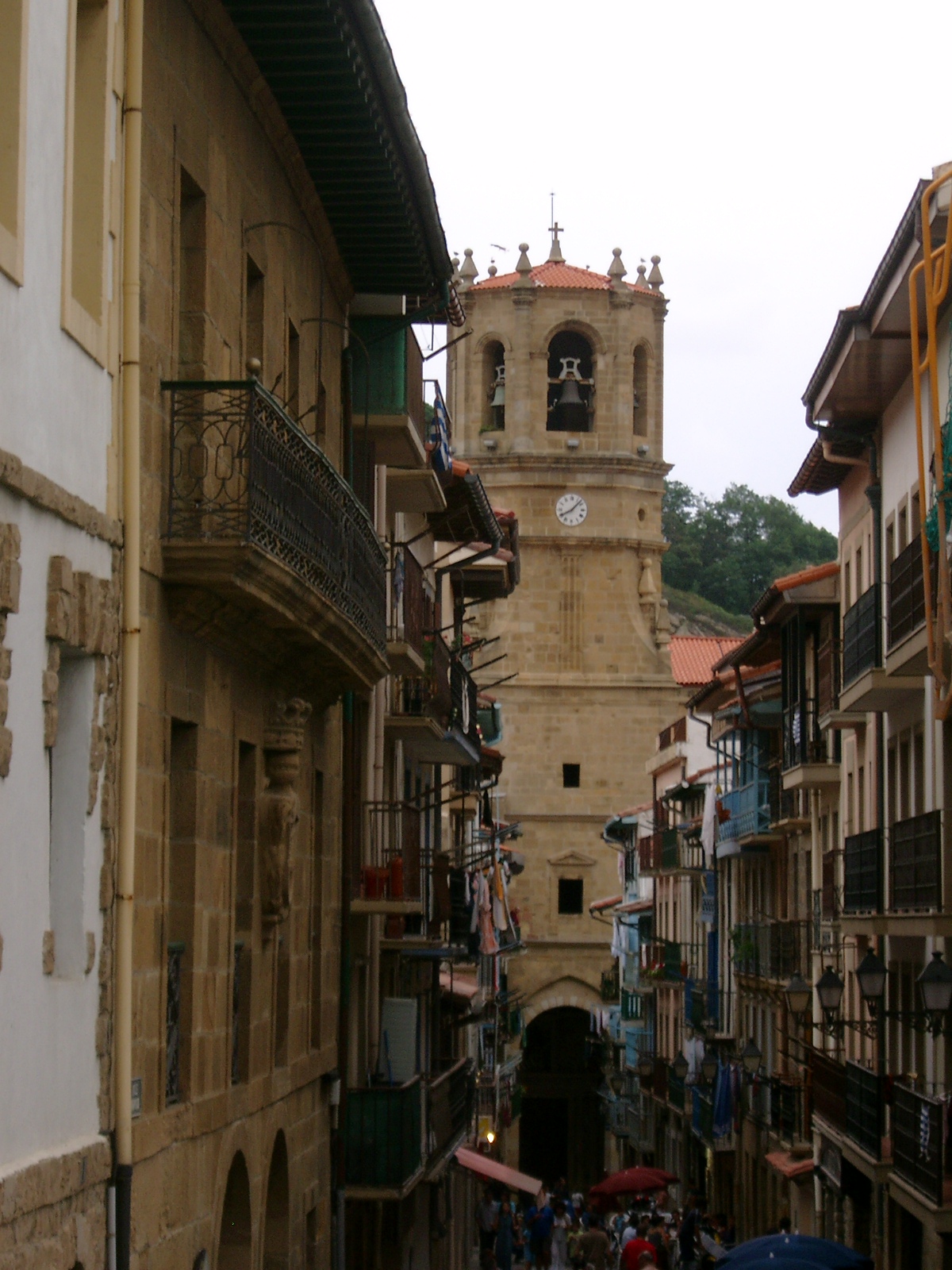
The Church of San Salvador is a Gothic landmark standing at the heart of Getaria's old town, a small fishing port on Spain's Basque coast. Its tower and heavy buttresses dominate the skyline of the town and rank among the most recognizable monuments on this stretch of coastline. How do you get there? Getaria sits on the Gipuzkoa coast, roughly between San Sebastián and Zarautz, and is well served by regional coastal bus lines. The church stands right in the middle of the old town, a short walk from the fishing harbour, so once you reach Getaria no further transport is needed — narrow stone-paved streets lead straight to its door. What will you see? Construction dates back to at least the 14th century, although most of the building as it stands today was raised between the 16th and 18th centuries, with repairs carried out in the 19th century after damage sustained during the Carlist Wars. Built from sandstone, the church was declared a Spanish National Monument in 1895. Its most surprising feature is that it was built directly on a steep slope: the floor inside tilts noticeably, and the presbytery sits at a different level than the naves, creating an unusual, multi-level interior with corridors running at different heights. The church has three naves, each divided into three sections, and the raised presbytery is lit by stained-glass windows set throughout the building. Behind a grille beneath the main altar, a crypt is visible. One particularly unusual architectural detail is a passage running underneath the church that connects the street to the harbour — a route once used by residents and fishermen to reach the port directly, giving the building a distinctly maritime character rarely found elsewhere. The church is also tied closely to the history of navigation: Juan Sebastián Elcano, the sailor who completed the first circumnavigation of the globe after Magellan's death, was baptised here. Inside stands a stone cenotaph to the Elcano family, commissioned by Pedro de Echave y Asu. In 1397, the church hosted the first General Assembly of Gipuzkoa, an early regional governing body, underlining how central the building once was to public life in Getaria. When should you visit? Getaria is pleasant year-round, but spring and early autumn offer the most comfortable conditions for exploring the old town and waterfront, before the summer crowds arrive. In summer the town gets busy thanks to its beaches and well-known local seafood restaurants, which is worth factoring in when planning a visit to the church and its surroundings. Frequently asked questions Can you visit the Church of San Salvador every day? The church is an active parish, so access for visitors can be limited during services. It's best to check current opening times with Getaria's local tourist information office. Why is the church floor tilted? Because the building was constructed directly on a natural slope, the architects never fully levelled the ground, leaving the interior with staggered floor levels and a gently inclined main nave — an unusual trait among Gothic churches in the region. What is the church's connection to Juan Sebastián Elcano? Elcano, commander of the first expedition to circumnavigate the globe, was baptised in this church. A stone cenotaph dedicated to him, commissioned by the Echave y Asu family, still stands inside. Are there other attractions near the church? Yes — a few minutes' walk away you'll find Getaria's fishing harbour, its beach, and the narrow streets of the old town, lined with restaurants known throughout the Basque Country for local fish and seafood dishes.
-
Saint Martin church of Errezil
Errezil
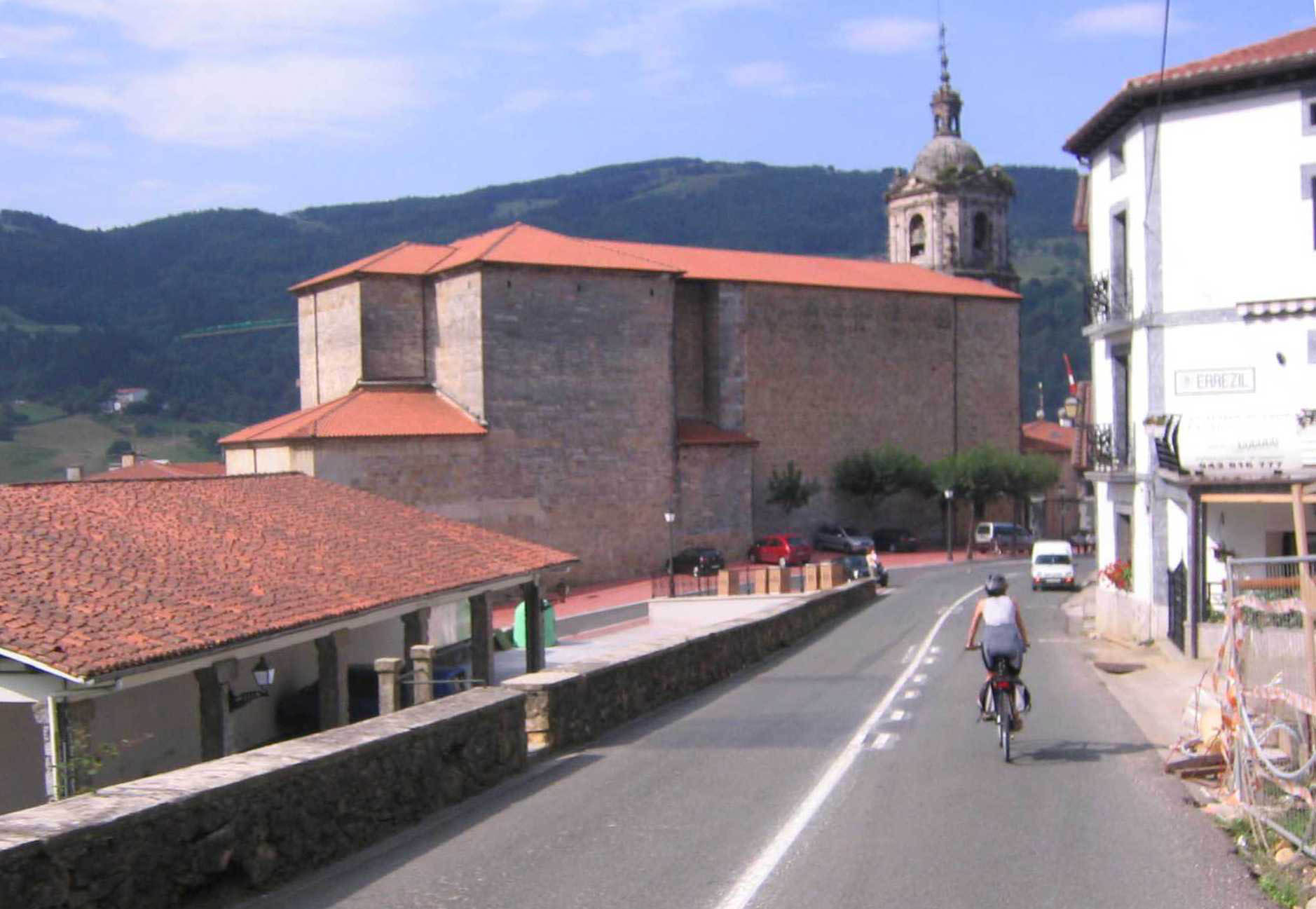
Saint Martin's Church in Errezil is the parish church of this small Basque village in Gipuzkoa, standing at the heart of the settlement and easily spotted from surrounding hills thanks to its distinctive clock tower. Where does the church come from? The earliest record of the parish church in Errezil dates back to 1267, when King Alfonso X the Wise granted patronage rights over it to Juan Lopez de Gamboa, a member of one of the powerful Basque noble houses. By the mid-15th century the building appeared in documents under the name San Martín de Zarrulloa, a name likely tied to a local lineage or district. The structure visitors see today is largely the result of a major rebuilding and expansion carried out in the 16th century, when the original medieval church was substantially replaced by a larger one. Who built it? The 16th-century works were carried out by Basque master stonemasons Martín de Mendiola, Pedro de Armendia and Martin de Landerrain. This reflects the common pattern for rural Basque churches of the period, where local craftsmen, often working across several neighbouring parishes, carried the construction forward over the course of decades. What can you see inside? The interior holds several notable pieces. In 1572 a Renaissance side altarpiece dedicated to Saint Peter was created, its painting and gilding carried out by Juan de Breheville. The main altarpiece was designed in 1625 by Juan de Andiazabal and completed in 1639 by sculptor Joanes de Cialceta — a project that stretched over more than a decade, which was typical for carved retable work of this scale. On the church facade stands a figure of Saint Martin, the church's patron, carved in 1784 by master craftsman Joseph de Echeverría of Azpeitia. The large church bell was cast in 1593, and the building is crowned by a later tower with a belfry and clock, visible above the rooftops of Errezil. How do you get to Errezil? Errezil sits inland in Gipuzkoa, surrounded by the green hills typical of the province's interior, within a reasonable drive of Donostia-San Sebastián and Azpeitia. The church stands right in the village centre, so a car is the most practical way to reach it, since public transport connections in this part of the region are limited. When should you visit? Spring and summer are the best times to come, when the surrounding hills are at their greenest and the longer days make it easy to combine a visit to the church with a walk through the countryside. Errezil is a small village, so it is worth checking opening hours in advance, as access to the interior can be limited outside of mass times. Frequently asked questions How old is Saint Martin's Church in Errezil? The parish has existed since at least 1267, though the building seen today dates mainly from a 16th-century rebuilding. What is the most valuable piece inside? The main altarpiece, designed in 1625 and completed in 1639, is considered the most important item in the church's furnishings. Did the church ever have another name? Yes, in the 15th century it was recorded as San Martín de Zarrulloa. Can the church be recognised from a distance? Yes, thanks to its later bell tower with a clock, which stands out above the rest of the village.
-
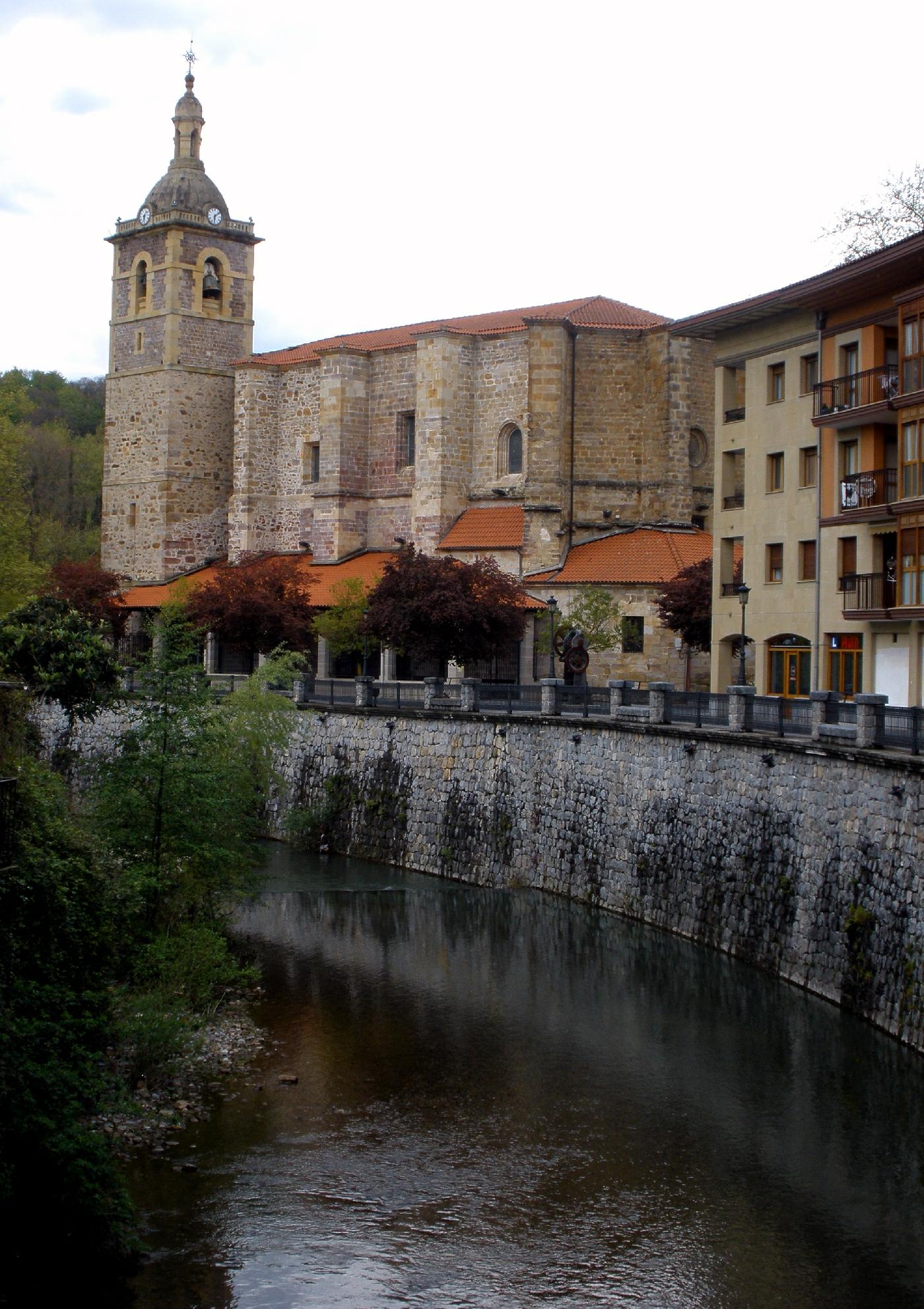
Church of San Miguel, Lazkao
Lazkao
Church of San Miguel is a Gothic parish church in Lazkao, one of the oldest landmarks of this Basque town in the Goierri region of Gipuzkoa. It stands on the banks of the Agaunza River, at the foot of the Aralar mountain range, and has long served as the spiritual and architectural anchor of Lazkao. How to get there? Lazkao lies in Goierri, in the eastern part of Gipuzkoa, an easy drive from San Sebastián or Vitoria-Gasteiz along regional roads that link the Oria river valley with the Aralar highlands. The church sits in the town centre, close to several other historic buildings, so it's best explored on foot after parking near the main square. Lazkao also has bus connections to larger towns in the region, making it a convenient stop on a wider trip through the Basque Country. What will you see? The current building was raised between the 14th and 16th centuries, on the site of a former hermitage from which the church inherited much of its spiritual significance for local residents. Its oldest and most distinctive feature is the Romanesque-Gothic entrance portal, dated to the 12th–13th centuries, whose side surfaces carry geometric engravings and carved signs — traces of stonework techniques and religious symbolism from centuries past. Inside, ribbed vaults from the 17th century crown the nave, giving the interior a stark, monumental character typical of Basque religious architecture of that era. The church forms part of a wider group of monuments in Lazkao, alongside the Palace of the Dukes of Infantado, the Benedictine monastery, and the convent of the Bernardine nuns — together they make up one of the more important architectural and historical heritage complexes in Gipuzkoa. It's worth pairing a visit to the church with a stroll through the surrounding streets, where traces of the town's older layout are still visible. When to visit? Spring and early autumn are the best times to visit, when the weather in Goierri favours walking and the nearby Aralar hills are at their most scenic. Summer tends to bring more visitors heading into the mountains, so mornings are a good choice for a quieter visit. As an active parish church, it's best seen outside mass times, allowing a closer, unhurried look at the portal and interior details. Frequently asked questions Can visitors go inside the Church of San Miguel? Yes, as an active parish it is generally open outside mass hours; it's worth checking local information on site, since opening times can vary seasonally. What makes this church stand out among others in the region? Above all, its Romanesque-Gothic portal from the 12th–13th centuries, with geometric engravings that survive in unusually good condition for this part of Gipuzkoa. Is it worth combining the visit with other sites in Lazkao? Definitely — the Palace of the Dukes of Infantado, the Benedictine monastery and the convent of the Bernardine nuns are all nearby and together form a coherent route through the town's historic centre. Is the area suitable for a longer stay? Yes, Lazkao sits at the foot of the Aralar range, making it a good base both for visitors interested in architecture and those planning hikes in the Goierri region.
-
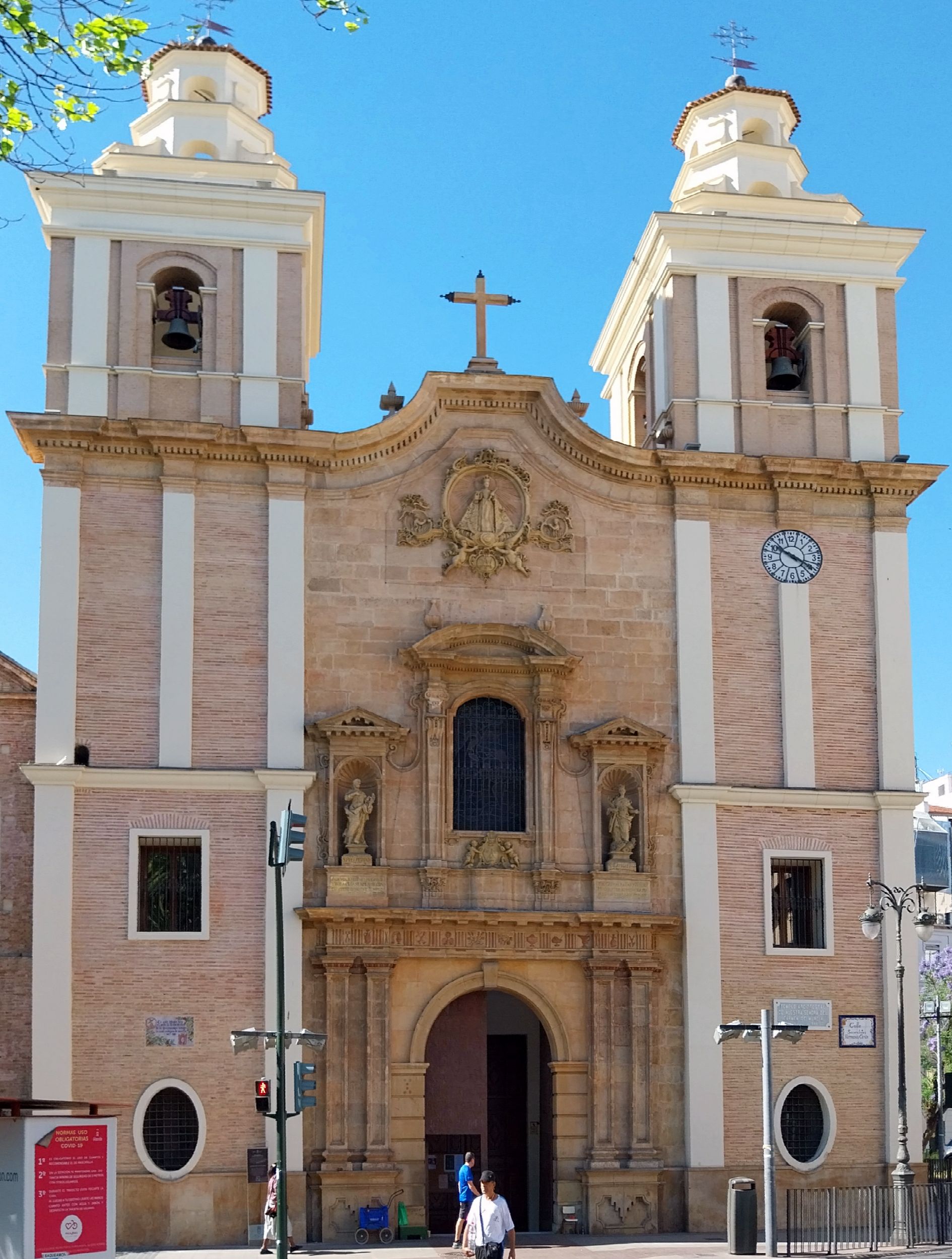
Our Lady of Mount Carmel Church
Murcja
Our Lady of Mount Carmel Church (Iglesia de Nuestra Señora del Carmen) is a Baroque parish church in the El Carmen district of Murcia, in southeastern Spain, standing opposite the Alameda de Colón promenade and the Jardín de Floridablanca, just across the Segura river from the old town. How do you get there? The church sits on the southern bank of the Segura, in the Carmen neighborhood, a short walk from Murcia's historic center and cathedral — simply cross the Puente Viejo or Puente de los Peligros bridge. It's one of the more recognizable landmarks on this side of the river, so finding it is easy even without navigation: just head toward the riverside promenade. What's the history behind it? The site's story stretches back to Islamic-era Murcia, when the Alhariella mosque stood here. After the Christian reconquest, in 1451, dean Martín Selva founded a hermitage dedicated to Saint Benedict on the same spot. In the 16th century a Carmelite monastery rose on its foundations, and over time the surrounding neighborhood took its name from that community. The church seen today, however, is a later construction. The foundation stone was laid on 14 September 1721, after the Carmelite community secured 4,000 reales in financial support from the diocese of Cartagena. Work stalled by the mid-18th century for lack of funds, and it wasn't until 1767 that construction resumed, thanks to the generosity of Felipe García Ros and his wife Catalina Faz Ros. The church was finally consecrated in 1769. For decades it served as the church of the Carmelite monastery. Spain's 19th-century wave of religious disentailment (desamortización) led to the suppression of the order, and in 1858 the building was reassigned as a parish church — a role it still holds today. What will you see inside and outside? The building follows the Baroque style typical of 18th-century Murcia, with a restrained stone façade characteristic of religious architecture built in the region during that period. Inside, as with most former monastery churches of the era, it keeps a single main nave flanked by side chapels, a layout common to Carmelite architecture of the post-Tridentine period. The setting itself — facing the grand Alameda de Colón, one of the city's main tree-lined promenades, and bordering the green Jardín de Floridablanca — makes the surrounding area worth a stop regardless of whether you step inside the church. It's a spot where sacred architecture blends into the everyday rhythm of the neighborhood. When's the best time to visit? The Carmen district and its surrounding avenues are at their best in spring and autumn, when Murcia's temperatures are milder than during the scorching summer months. Pair a visit with a stroll along the Alameda de Colón and a walk across to the historic center on the other side of the Segura — the whole route takes little time and shows both the quieter riverside and the landmark-filled old town. Frequently asked questions What is this church and where is it located? It's a Baroque parish church in the El Carmen district of Murcia, on the southern bank of the Segura river, facing the Alameda de Colón. Where does the neighborhood's name come from? The district takes its name from the Carmelite monastery (Carmen) built here in the 16th century, on the foundations of an earlier 1451 hermitage. When was the current church built? Construction began in 1721, stalled by the mid-18th century due to lack of funds, and resumed and finished with the church's consecration in 1769. Is it still an active church? Yes. Since 1858, following the suppression of the Carmelite order, the building has served as a parish church and remains one today.
-
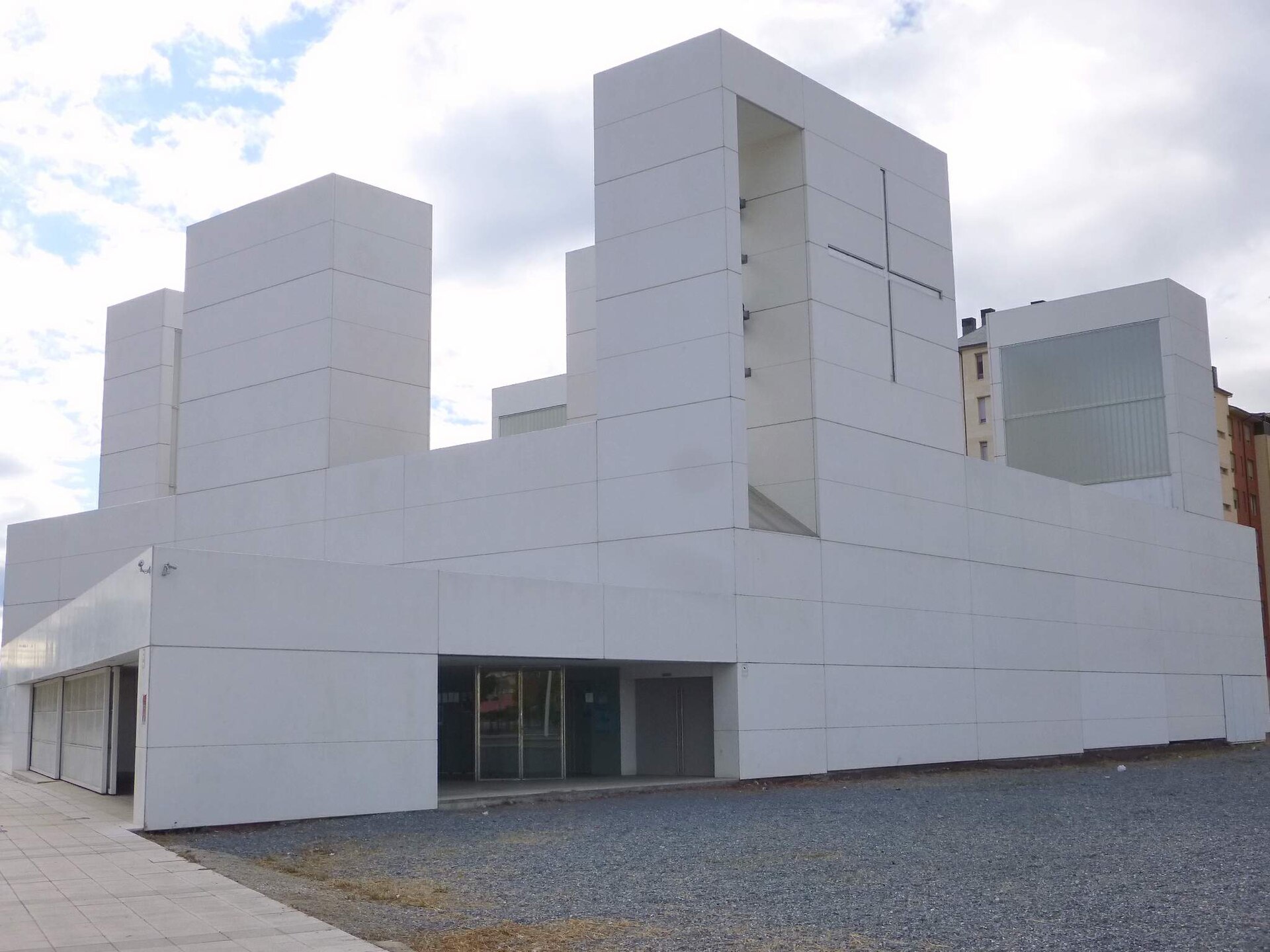
Church of El Buen Pastor, Ponferrada
Ponferrada
Church of El Buen Pastor (Good Shepherd) is one of the youngest parish churches in Ponferrada, standing in the La Rosaleda neighborhood in the province of León, Spain. It's less a historic monument and more a window into the everyday religious life of a modern Spanish city — and its short history says a lot about how Ponferrada grew in the early 2000s. How did the parish come about? The parish didn't exist at the start of the millennium. It was formally established in 2005, when priest Máximo Álvarez Rodríguez was appointed to lead it. A year later, on January 13, 2006, the Parish Council was formed, marking the first organized step for the community in this part of the city. For its first years, though, the parish had no building of its own. The parish office operated out of the Domus Pacis facility, and services were held temporarily in neighboring Ponferrada churches while the community waited for a permanent home. When did the church open? The building itself was dedicated on the Feast of the Good Shepherd, on Sunday, April 25, 2010. For the local community, that date effectively marks the parish's real beginning in its current form — the point when a growing congregation finally had a fixed place to gather rather than borrowed space. Where exactly is it located? The church sits on Avenida de la Constitución, s/n, postal code 24400, Ponferrada (León). It's in a modern, well-connected part of the city, so reaching it is straightforward — a short walk or quick trip from central Ponferrada. The parish belongs to the Diocese of Astorga, one of the oldest church structures in the León region, even though the building itself is thoroughly contemporary. What should visitors know before stopping by? This isn't an ancient monument in the architectural sense — it's a functional, present-day parish church serving a residential neighborhood. For visitors touring Ponferrada, it can work as an interesting counterpoint to the famous Templar Castle or the old town: a reminder of how the city actually lives day to day beyond the main tourist routes. It pairs naturally with a walk through La Rosaleda, one of Ponferrada's newer districts. Frequently asked questions Is the Church of El Buen Pastor a historic landmark? No, not in the traditional sense — it's a modern parish church, dedicated only in 2010, without protected heritage status. When was the parish founded? Formally in 2005, with the appointment of its first parish priest; the Parish Council has been active since January 2006. Where exactly is the church located? On Avenida de la Constitución, s/n, in the La Rosaleda neighborhood, postal code 24400, Ponferrada, León. Is it worth visiting as a tourist? It isn't a top-priority stop on Ponferrada's heritage map, but for anyone interested in the city's contemporary religious life or already walking through La Rosaleda, it's a natural stop along the way.
-
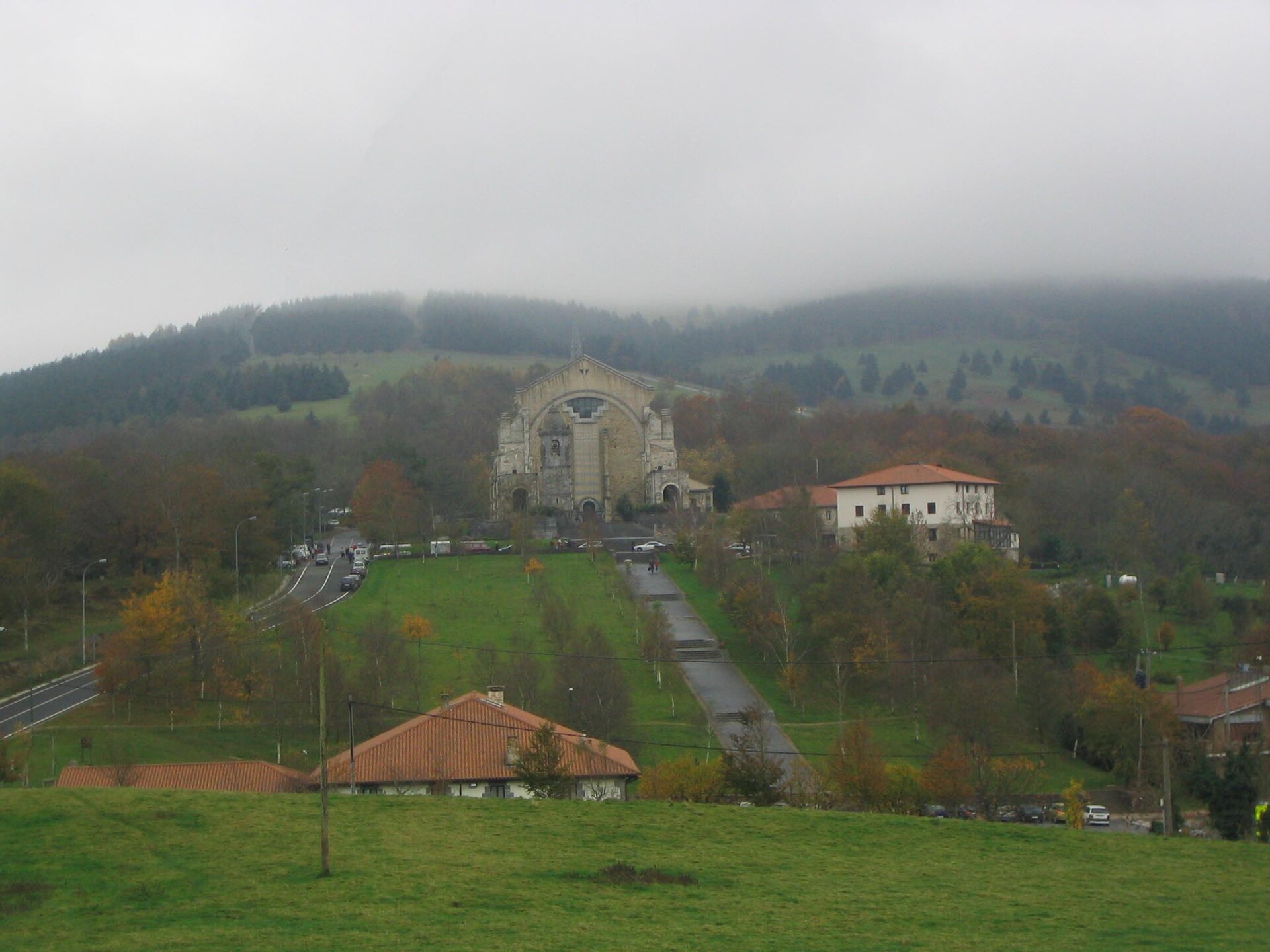
Urkiola Sanctuary
Abadiño
Urkiola Sanctuary stands watch over the Urkiola mountain pass in the municipality of Abadiño, right in the heart of the Basque Country. For centuries this small Catholic temple has doubled as a spiritual site and a natural landmark for travelers crossing between the Cantabrian coast and the Castilian plateau. How old is the sanctuary? Nobody can pin down its exact age. Some documents suggest it may date back as far as the 8th to 11th century, which would make it one of the oldest religious buildings in the region. Its dedication is unusual: it honors both Saint Anthony the Abbot and Saint Anthony of Padua, a double patronage rarely seen elsewhere in Basque religious tradition, hinting at layers of devotion built up over a very long time. The site's position is no accident. The Urkiola pass has always functioned as a natural corridor — part of a historic route linking the northern coast to the Iberian interior. Travelers, traders, and pilgrims have paused here for centuries, which goes a long way toward explaining why a place of worship took root at exactly this spot. What will you actually see there? The sanctuary sits at the very center of Urkiola Natural Park, surrounded by scenery that competes for attention with the building itself. The limestone walls of the Durangaldea mountain range form a raw, rocky backdrop, and towering over the whole area is Anboto, the highest peak in the vicinity. Anboto carries real weight in Basque mythology: according to local belief, it is the main dwelling place of Mari, the supreme deity of the Basque pantheon. That pairing of a Christian shrine with a mountain wrapped in pre-Christian legend gives Urkiola a distinctly layered character — sacred architecture and local myth sit side by side on the same ridge. Visiting the sanctuary, then, is about more than looking at a building. It's stepping into a landscape where religion, geology, and folklore overlap within a fairly compact stretch of mountain pass. How to get there and when to go? Urkiola lies in the municipality of Abadiño, in the province of Biscay, within easy reach of the Basque Country's larger cities. Given the mountainous terrain and the exposed setting of the natural park, spring, summer, and early autumn tend to offer the most reliable conditions — trails stay fully accessible and the limestone ridgelines are at their most striking. It's worth allowing more time than just a stop at the sanctuary itself. The surrounding trails through the natural park bring you close to the rock formations and open up viewpoints toward Anboto, rounding out the visit considerably. Frequently asked questions How old is Urkiola Sanctuary? Its exact age is unknown, but some sources place its origins between the 8th and 11th centuries, making it one of the oldest religious sites in the region. Who is the sanctuary dedicated to? It carries a double dedication — to Saint Anthony the Abbot and to Saint Anthony of Padua. Why does Urkiola matter in Basque mythology? The nearby peak of Anboto is believed, in Basque tradition, to be the main dwelling of Mari, the supreme deity of the local pantheon. Where exactly is the sanctuary located? In the municipality of Abadiño, province of Biscay, at the heart of Urkiola Natural Park, along a historic route connecting the Cantabrian coast with the Castilian plateau.
-
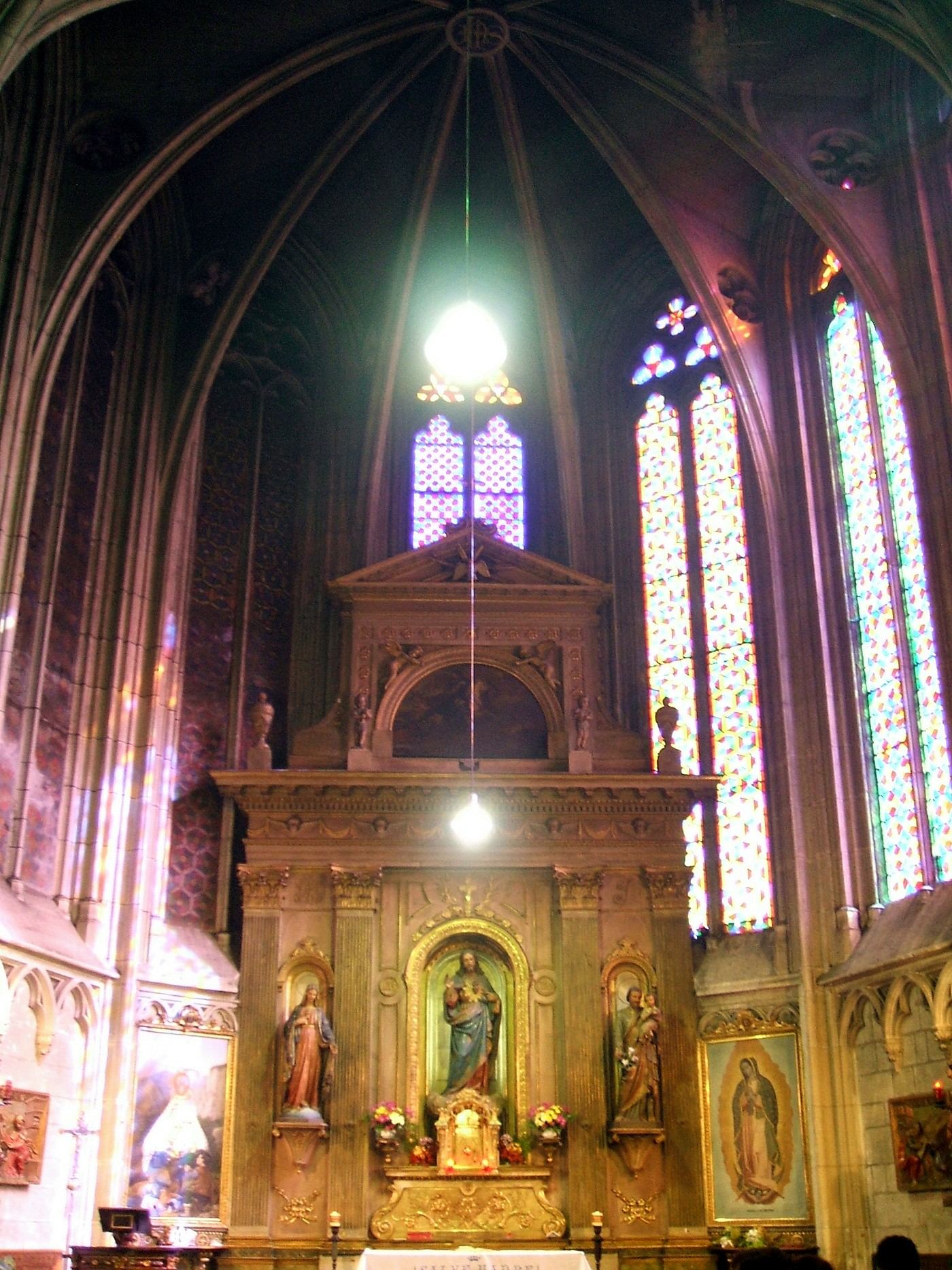
Church of Santa María, Vitoria
Vitoria-Gasteiz
Santa María Cathedral (Iglesia de Santa María) is the most significant Gothic church in Vitoria-Gasteiz, often called the "old cathedral" to set it apart from the newer one built on the other side of the city in the 20th century. Construction ran from the late 13th century through the 14th, and the building was designed as a church-fortress: its bulky mass and the closed, defensive character of the north facade formed part of the medieval town's fortification system. What is the history behind this church? For nearly four centuries, from 1496 to 1861, the building served as a collegiate church. It only became a cathedral in the mid-19th century, once the Diocese of Vitoria was established. In 1994 the building was closed to visitors because of a genuine risk of structural collapse — years of deterioration had left the Gothic structure unsafe. Stabilization and restoration work began at the start of the 21st century under the Fundación Catedral de Vitoria project, and it continues today. What can you see inside? The layout follows the classic large Gothic cathedral plan: three naves, a transept, and a presbytery ringed by an ambulatory with three adjoining chapels. The real artistic highlight, though, is the west facade. Its monumental portico is divided into three doorways — the central one dedicated to the Virgin Mary, the left one to Saint Gil, and the right one depicting the Last Judgment alongside Saint James (Santiago). The sculptural work on this ensemble is regarded as one of the finest examples of Gothic religious art in the region. How can you visit a building under restoration? What would elsewhere be a drawback has turned into one of Vitoria's most distinctive attractions. The ongoing restoration lets visitors watch archaeological and conservation work on a 13th-century Gothic structure up close — a rare chance to see, step by step, how a monument of this scale gets rescued. Guided tours run through the active work site, combining the story of the city's history with a look at the techniques used to stabilize the building. How do you get there? The cathedral sits in the historic heart of Vitoria-Gasteiz, within the medieval "almond" (almendra medieval) layout that defines the old town. It's a short walk of just a few minutes uphill from the central Plaza de la Virgen Blanca, through narrow streets that climb toward the hill where the original city grew. Nearby bus stops and car parks are all within a few hundred metres of the site. When should you go? Plan your visit for daytime hours, when guided tours of the restoration site are running — it's worth checking the current schedule in advance, since access to parts of the interior shifts as the works progress. Spring and early autumn are the most comfortable times to explore the old town on foot, with noticeably fewer crowds than at the height of summer. Frequently asked questions Can you visit Santa María Cathedral while it's under restoration? Yes — it's one of the few monuments in Europe where the ongoing works have become part of the visitor experience, with guided tours through the archaeological and conservation site. Why is it called the "old cathedral"? Because Vitoria-Gasteiz built a second, newer cathedral in the 20th century, and Santa María — much older, dating to the Gothic era — kept this name to distinguish the two buildings. Since when has it held cathedral status? Since the mid-19th century; before that, from 1496 to 1861, it functioned as a collegiate church. What is the most valuable artistic feature of the church? The west portico, with its three sculpted doorways dedicated to the Virgin Mary, Saint Gil, and the Last Judgment with Saint James — widely considered a masterpiece of Gothic religious sculpture.
-
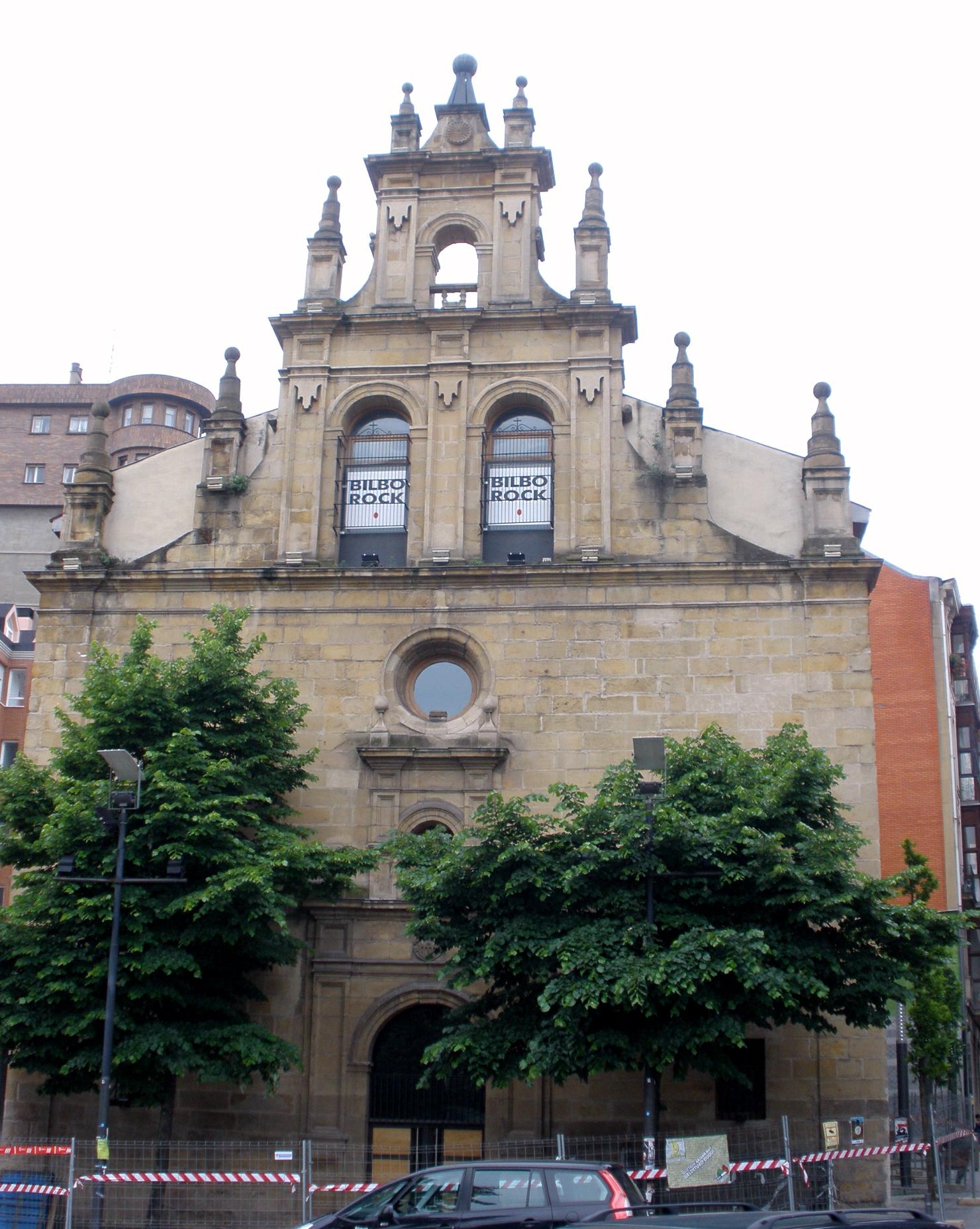
Convent of la Merced, Bilbao
Bilbao
Convento de la Merced is a former Mercedarian convent on the bank of the Nervión river in Bilbao, a building that traded centuries of monastic silence for a second life as one of the city's best-known concert venues, Bilborock. Where is it and how do you get there? The building stands on the left bank of the estuary, right by the wharf and bridge that share its name, facing the Casco Viejo, Bilbao's historic old town. That makes it an easy stop on foot: cross the bridge from the Seven Streets and the former convent is right there. The surrounding area belongs to Bilbao la Vieja, one of the oldest districts in the city, so a walk here pairs naturally with exploring the old town's historic core. Where did the convent come from? The community's roots go back to the 15th century, tied to a beaterio — a lay community of devout women — active in an area known as La Naja. Over time this group evolved into an enclosed convent, a transition formalized in 1621. Some sources point to an even earlier beaterio on what is now Calle Somera, which shows how tangled the early history of religious life in this part of the city really was. The first documented reference to a "convent of San José de Abando" dates from 1619, and it most likely refers to this same Merced community, since its dedication was to San José. How has the building changed over time? The structure visitors see today is not the original one. It was built between 1663 and 1673, designed by architects Antonio Ortiz de Colina and Francisco de Elorriaga. In 1750 the building underwent a substantial reconstruction. This convent church is now the only surviving example of the second wave of conventual architecture that flourished in Bilbao during the 17th century — most of the other convents built in that period have not survived to the present day. What will you see today? Mercedarian nuns occupied the building continuously until 1970, when the community relocated to a new monastery in Lañomendi, in the municipality of Loiu. The city of Bilbao purchased the property in 1989, turning it into public land. Since 1997, following a renovation carried out by the municipal company SURBISA, the former convent church has operated as a performance venue known as Bilborock (or Bilbo Rock – La Merced). The building covers roughly 1,330 square meters across three floors and can hold up to 300 seated spectators or 500 standing. Baroque walls once filled with prayer now host concerts, theater performances, puppet shows, film screenings, seminars, and literary or music presentations — making it one of the key cultural landmarks in the Basque capital of Biscay. When is the best time to visit? Since Bilborock functions as an active venue with a constantly changing lineup, it's worth checking the current events calendar before you go — that way you can combine a walk through the old town with an evening concert or show inside the historic walls. The riverside area itself looks especially striking at sunset, when the light reflects off the Nervión. Frequently asked questions Does Convento de la Merced still serve a religious purpose? No. The nuns left the building in 1970, and since 1997 it has operated as a secular cultural and concert venue. What is housed in the former convent today? The municipal cultural center Bilborock (La Merced) — a concert and performance hall with a program spanning music, theater, film, and literary events. How old is the current building? The structure visible today was built between 1663 and 1673, though the religious community's roots trace back to the 15th century, and the building itself was reconstructed in 1750. Can you visit the interior outside of scheduled events? Access to the interior is generally tied to attending an organized event, so it's best to check the current program and box office hours before planning your visit.
-
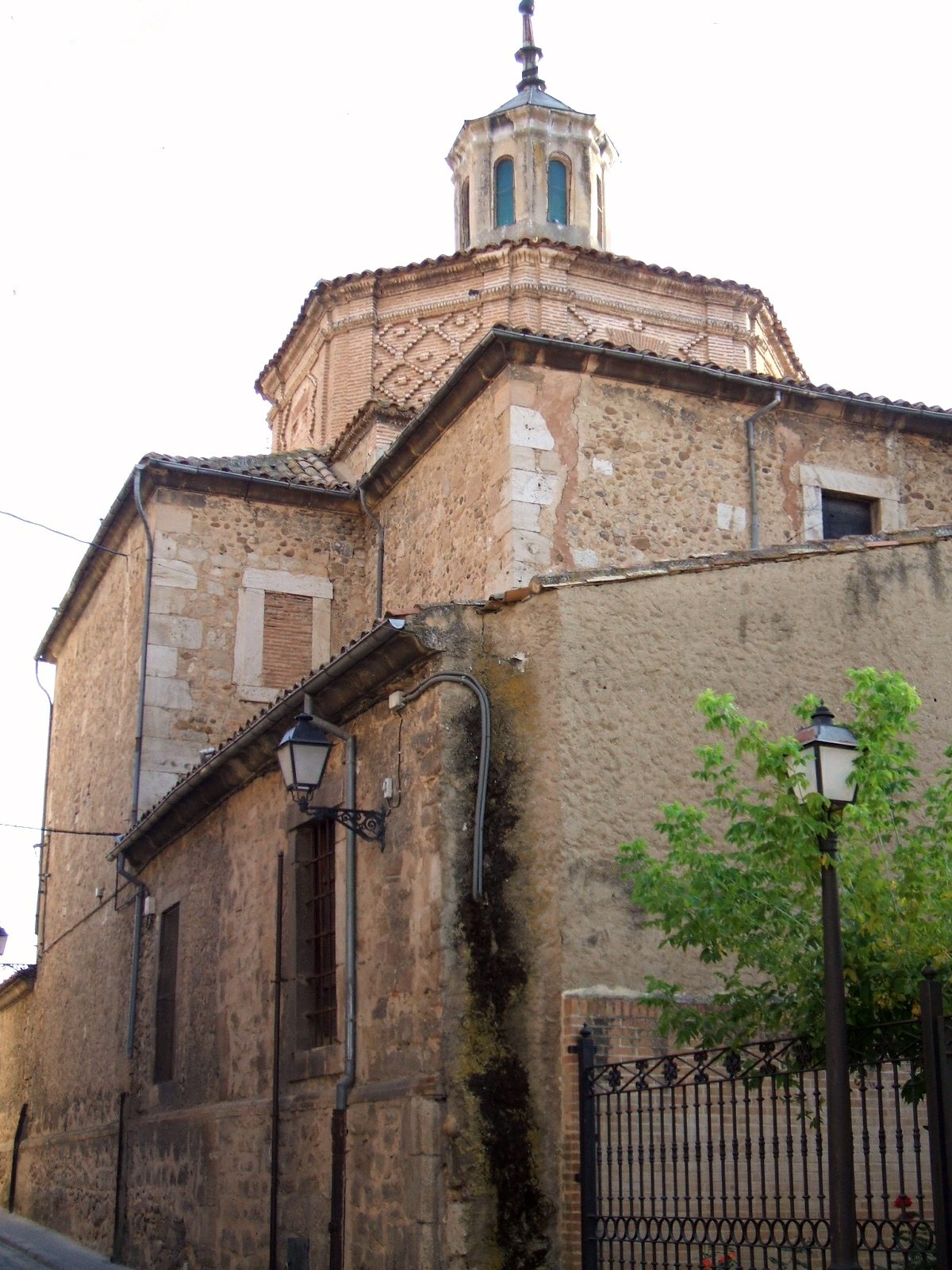
Category:Church of San Pedro, Almazán
Almazán
The Church of San Pedro in Almazán stands right in the historic centre of this Castilian town in the province of Soria, a short walk from the town walls and main square. It's easy to walk past it on the way to the more famous Romanesque collegiate church of San Miguel, but the building's tangled history, Baroque interior and climbable tower make it worth a proper stop. Where does the current building come from? The story behind the church is more layered than its name suggests. The original medieval parish of San Pedro ceased to exist around the mid-17th century, and its former site was turned into a garden rather than rebuilt. A new temple, with three naves, was raised in the central part of Almazán. In 1696 the priests of the old San Pedro parish and the neighbouring San Andrés parish agreed to merge the two congregations into a single one. The building that carries the San Pedro name today is therefore the product of that merger, blending the heritage of both former parishes under one roof. What should you look for inside and outside? Construction stretched across the 17th and 18th centuries, giving the church its Baroque character: three naves of equal height covered under a shared roofline, with a large dome resting on pendentives rising above the crossing. The façade is built in solid ashlar masonry, topped by a fairly tall tower crowned with an ornamental spire, and the interior is lit by a generous skylight. Inside, the standout piece is the main altarpiece, carved in 1778 by Félix Malo, an engraver from Calatayud, and typical of the late Baroque retable work found across the region. The side-nave altarpieces echo the design of the main one; the altarpiece on the left holds a Pietà sculpted by Gabriel Navarro in 1802, a detail worth pausing for. Can you climb the tower? Yes, and it's one of the more memorable parts of a visit. The climb follows a spiral staircase of 87 steps, gaining roughly 15 metres in height. It's worth knowing in advance that the ascent is not recommended for anyone with claustrophobia, fear of heights, cardiac or respiratory conditions, or reduced mobility, since the stairwell is narrow and steep. When to visit and how to plan around it? Opening hours for the church and tower shift with the season, so outside summer it's best to check current times at the local tourist information office in Almazán, since access to the interior can be limited off-season. The church sits right in the town centre, making it easy to combine with a walk along the walls and through the old quarter. Frequently asked questions Is the Church of San Pedro the same building as the original medieval parish of that name? Not exactly — the original San Pedro parish disappeared in the 17th century, and the current building dates from later, formally combining the heritage of the San Pedro and San Andrés parishes after their 1696 merger. How many steps does the tower climb involve? 87 steps up a spiral staircase, gaining about 15 metres in height. What's the most valuable piece inside the church? The 1778 main altarpiece by Félix Malo, along with the 1802 Pietà by Gabriel Navarro in one of the side altarpieces. Is the tower climb suitable for everyone? No — it's discouraged for visitors with claustrophobia, fear of heights, heart or breathing conditions, or mobility difficulties.
-
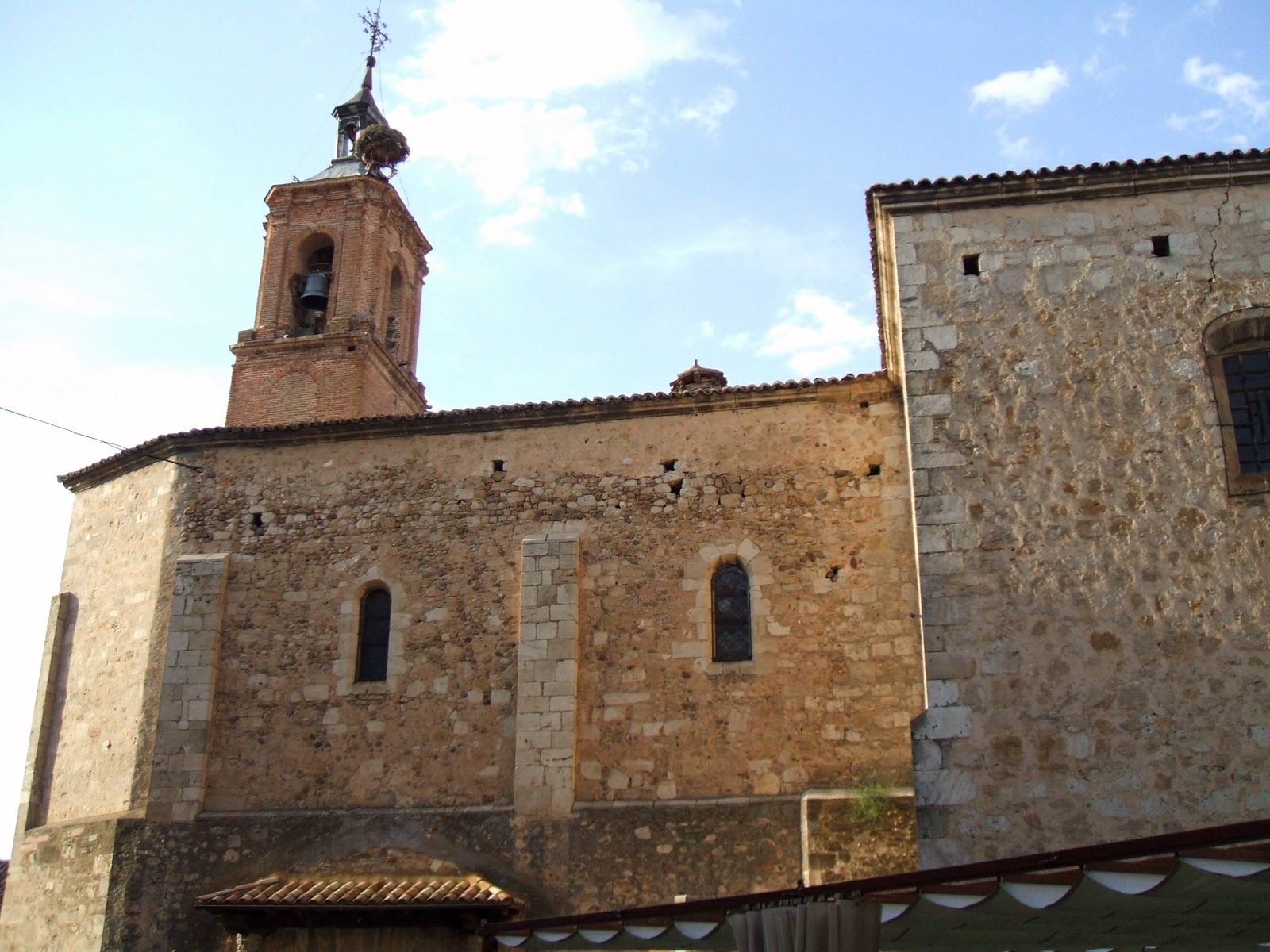
Church of Santa María de Calatañazor, Almazán
Almazán
The Church of Santa María de Calatañazor is a Gothic-Renaissance parish church in Almazán, in the province of Soria, standing on the Plaza de Santa María. Despite a name pointing to Calatañazor, a village dozens of kilometres away, the building itself is firmly in Almazán — this is not a data error, but a deliberate historical dedication. Why does it carry the name of another village? The first church on this site was built in 1332 in honour of the settlers who came to Almazán from Calatañazor during the reign of Alfonso VII. Their origins are what the church's dedication commemorates, which explains why a town from another part of the province appears in its name, even though the building has always stood in Almazán itself. Little survives from that original Romanesque structure. The church you see today largely dates from a 16th-century rebuilding that reused stone and elements from the earlier building while adding substantial new work. What will you see inside? The interior is organised around a slender main nave and a wide transept. Cylindrical pillars are set against the walls, and the ribbed vaults form striking star-shaped patterns overhead. This vaulting style is linked to the building system of the Rasines family, a group of Cantabrian architects active in the region, and the exact same decorative vault combinations appear in the collegiate church of Berlanga de Duero — a clue that the same workshop of builders was active across this part of Soria at the time. The church's standout feature is its main altarpiece, carved by Juan Sanz and Juan de Orihuela, craftsmen who also worked on the altarpiece of Sigüenza Cathedral. The retable combines painting, relief carving, and free-standing sculpture, and its rich iconographic programme makes it a notable example of the late-16th-century Romanist style. How do you get there? The church stands at Plaza de Santa María 12, right in the historic centre of Almazán, postcode 42200. Almazán sits on the main route linking Soria with Madrid and is easy to reach by car — roughly half an hour from Soria itself. The old town has a compact layout, so once you arrive the church is within walking distance of the town walls and Almazán's other historic sites. When is the best time to visit? Spring and early autumn are the most comfortable seasons, with mild weather for walking around Soria's old towns and fewer visitors, making it easier to take time over the interior and the altarpiece. It's worth checking local opening hours and Mass times before you go, since access inside can be limited outside of services. Frequently asked questions Is the Church of Santa María de Calatañazor actually located in Almazán, not Calatañazor? Yes. The building stands in Almazán; its name commemorates settlers who arrived there from Calatañazor under Alfonso VII. Calatañazor has its own separate parish church, Santa María del Castillo. How old is the church? The first church on the site dates from 1332. Most of the current structure comes from a 16th-century rebuilding that partly reused elements of the earlier Romanesque church. What is the most important artwork inside? The main altarpiece by Juan Sanz and Juan de Orihuela, richly decorated with sculpture and painting in the late-16th-century Romanist style. Do the church's vaults have parallels elsewhere in the region? Yes — the same star-shaped ribbed vault patterns, attributed to the Rasines family of architects, also appear in the collegiate church of Berlanga de Duero.
Earn badges for the places you visit
Download NextOnTrip, discover new places and check off your trails.