About this place
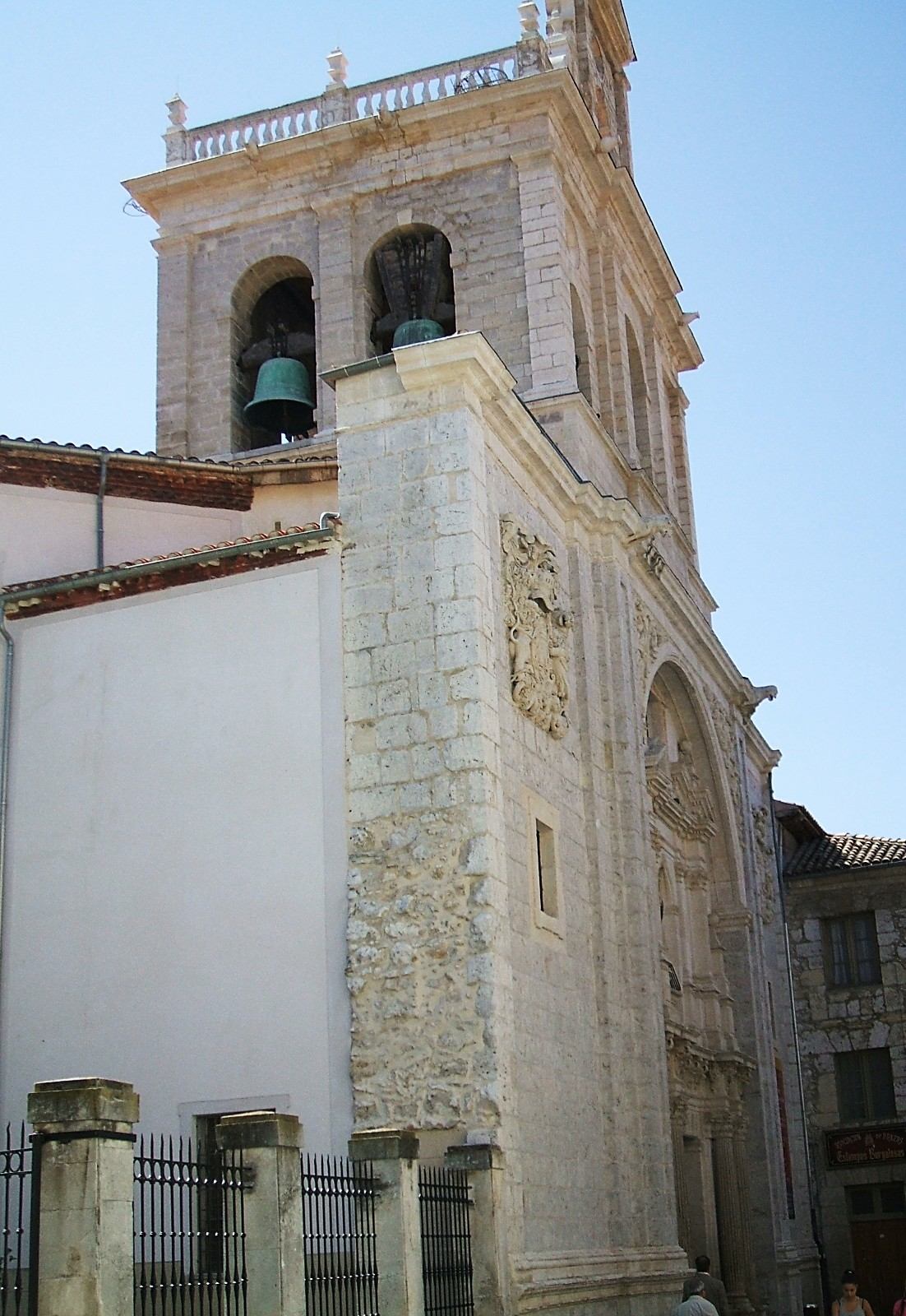
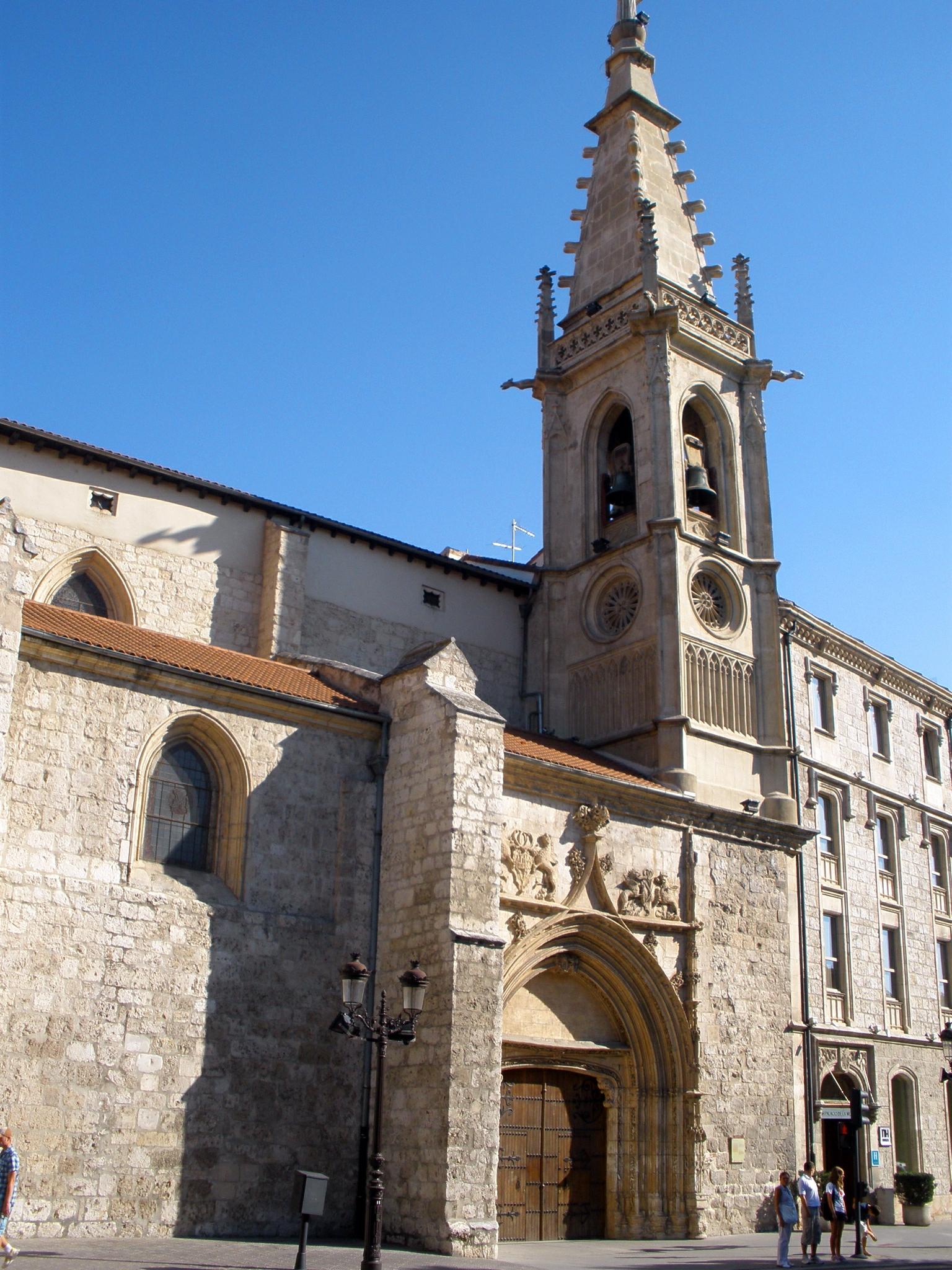
Iglesia de San Lorenzo el Real is a Baroque church in Burgos, northern Spain, standing on Calle Almirante Bonifaz just a short walk from the historic city center. Overshadowed by Burgos's famous cathedral, it's easy for visitors to miss, yet the church is one of the finest examples of Baroque religious architecture in the Castile and León region.
How do you get there?
The church sits right in the heart of Burgos, within walking distance of Plaza Mayor and the cathedral. The city is well connected by train and bus from Madrid (roughly 2.5 hours) and Bilbao (just over an hour), making it a convenient stop on a route through northern Spain. Once in the city center, a short stroll through the narrow streets of the old town brings you to Calle Almirante Bonifaz.
What will you see?
The current building was constructed between 1684 and 1694 as a Jesuit church, replacing a smaller, earlier structure on the same site. The project was financed and sponsored by Francisca de San Vítores, with construction carried out by architects Bernabé de Hazas and Francisco del Pontón. The result is a building with a striking Baroque façade and an interior that combines monumental scale with the ornamental detail typical of the period.
After the Jesuits were expelled from Spain in the late eighteenth century, the church changed function and became a parish church, a role it still holds today. Since 1945, Iglesia de San Lorenzo el Real has served as the seat of the Brotherhood of the Coronation of Thorns and Christ the King (Cofradía de la Coronación de Espinas y de Cristo Rey), one of the religious brotherhoods active during Holy Week in Burgos. This connection to local Easter traditions gives the church particular significance each spring, when it becomes a starting point for processions and Passion-related ceremonies.
Inside, it's worth paying attention to the proportions of the main nave and the altar, typical of Spanish church Baroque, with rich woodcarving and gilding that contrast with the more austere stone façade outside.
When should you visit?
The best time to visit is during Holy Week (Semana Santa), when the church is at the center of its role as a brotherhood seat and starting point for processions. Outside that period, the church functions as an ordinary parish, so it's worth checking mass and opening times before visiting, as access on weekdays can be limited to specific hours. Burgos itself is pleasant to explore in spring and autumn, when temperatures are milder than the hot Castilian summer.
Frequently asked questions
Is Iglesia de San Lorenzo el Real still an active church? Yes. Since the Jesuits were expelled in the late eighteenth century, it has functioned as a parish church and remains active today.
Who built the church and when? It was built between 1684 and 1694, designed by Bernabé de Hazas and Francisco del Pontón, and financed by Francisca de San Vítores.
What role does the church play in Burgos's Holy Week? Since 1945 it has been the seat of the Brotherhood of the Coronation of Thorns and Christ the King, which takes an active part in Semana Santa celebrations.
Is it worth combining a visit with the Burgos cathedral? Yes. The two sites are just a few minutes' walk apart, letting you see the contrast between the Gothic cathedral and San Lorenzo's Baroque architecture in one walk through the old town.
Nearby places

Earn badges for the places you visit
Download NextOnTrip, discover new places and check off your trails.