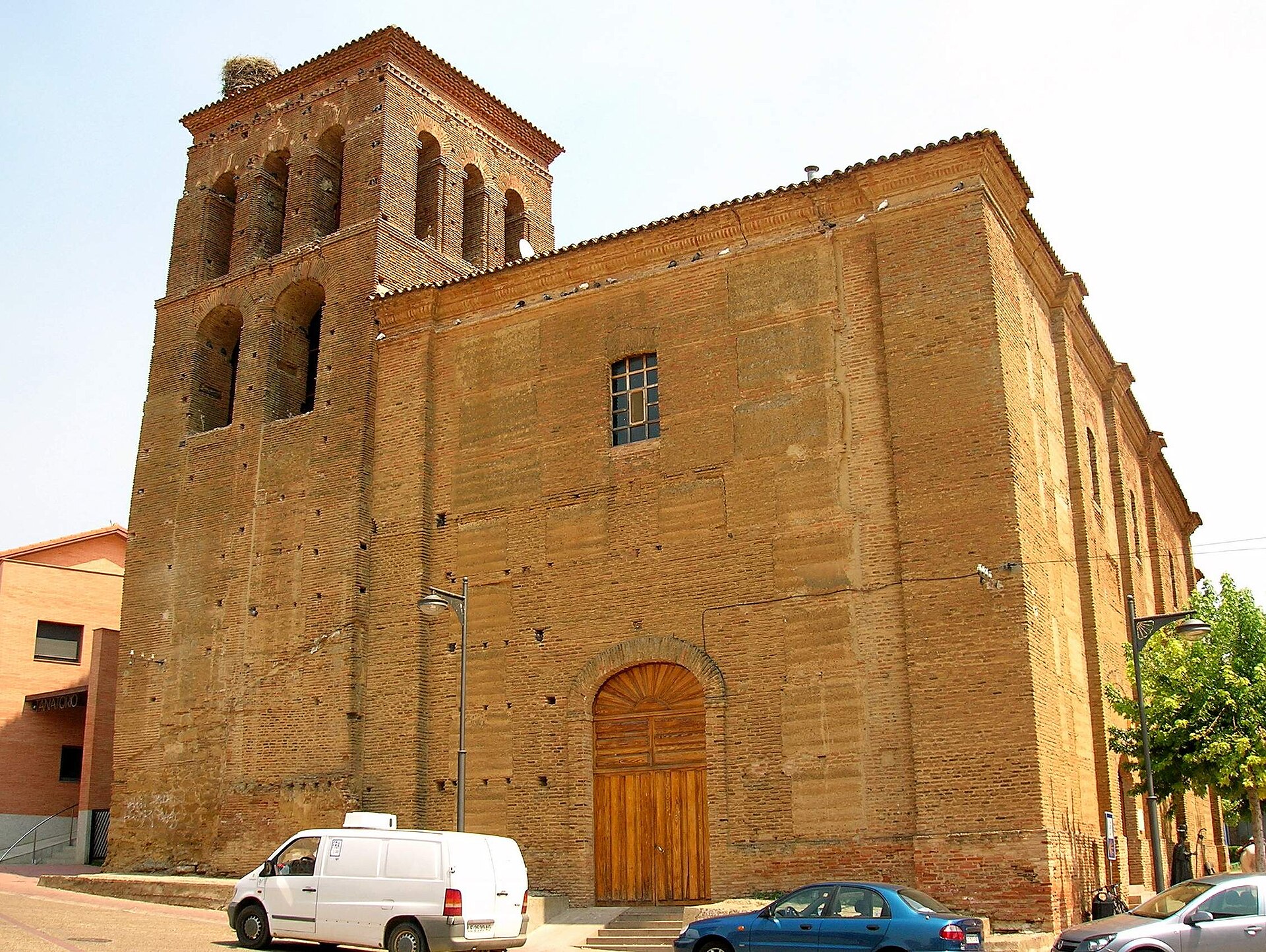
About this place
The Church of La Trinidad in Sahagún is a former Catholic church, no longer used for worship, standing in the province of León, in the Castile and León region of Spain. The building sits directly on the Camino de Santiago and has spent the last several decades serving travelers in a role quite different from its original purpose.
What is the history behind this building?
The church was built in the Mudéjar style in the 13th century, a period when Sahagún saw the construction of several churches blending Christian religious architecture with building techniques developed by Muslim craftsmen working under Christian rule. The structure was substantially reworked in the 16th and 17th centuries, giving it the layered historical character visible today.
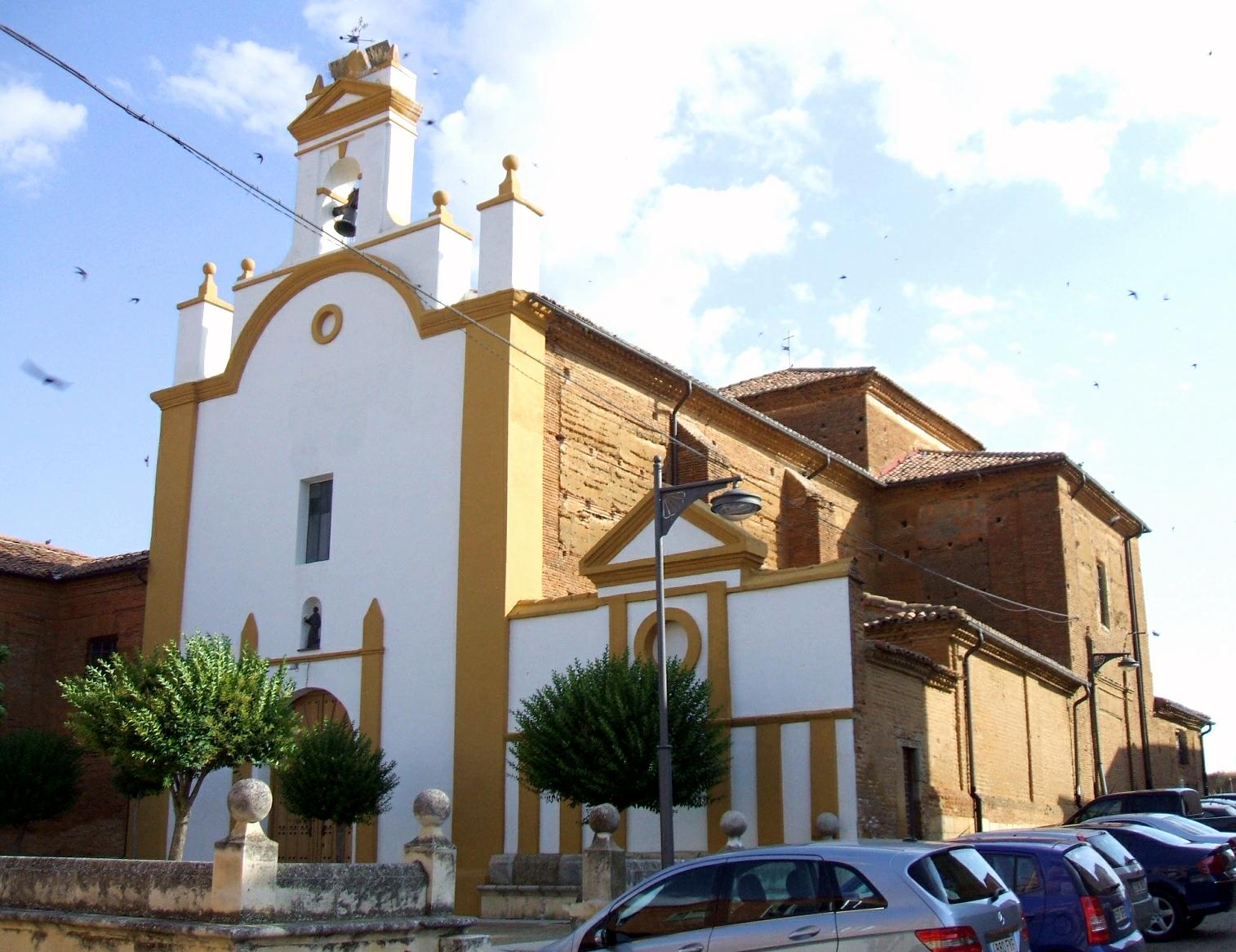
The church played an important role in the veneration of the town's patron saint, Saint John of Sahagún. After his beatification, the church received his relics and served for a time as the main site of worship dedicated to the town's patron, before a dedicated church was built for him elsewhere. The building also once housed an elaborate Churrigueresque altarpiece, which has since been moved to the Benedictine nuns' church (MM Benedictinas) in Sahagún.
Ongoing deterioration of the building eventually led to the end of religious services in 1964, after which the church stood abandoned for decades, close to ruin.
What can you see there today?
Starting in 1993, the church underwent restoration and was adapted for new secular uses connected to the Camino de Santiago. Today the building houses the Carmelo Gómez Auditorium and a municipal albergue — a hostel for pilgrims walking the Way of St. James. This combination of history and practical function makes the church an interesting stop both for visitors interested in religious architecture and for pilgrims looking for a place to rest.
Walking around the interior and exterior, visitors can trace the building's centuries of transformation — from its original Mudéjar structure to later Baroque additions, some of which, like the altarpiece mentioned above, now reside in other churches around town.
How do you get there?
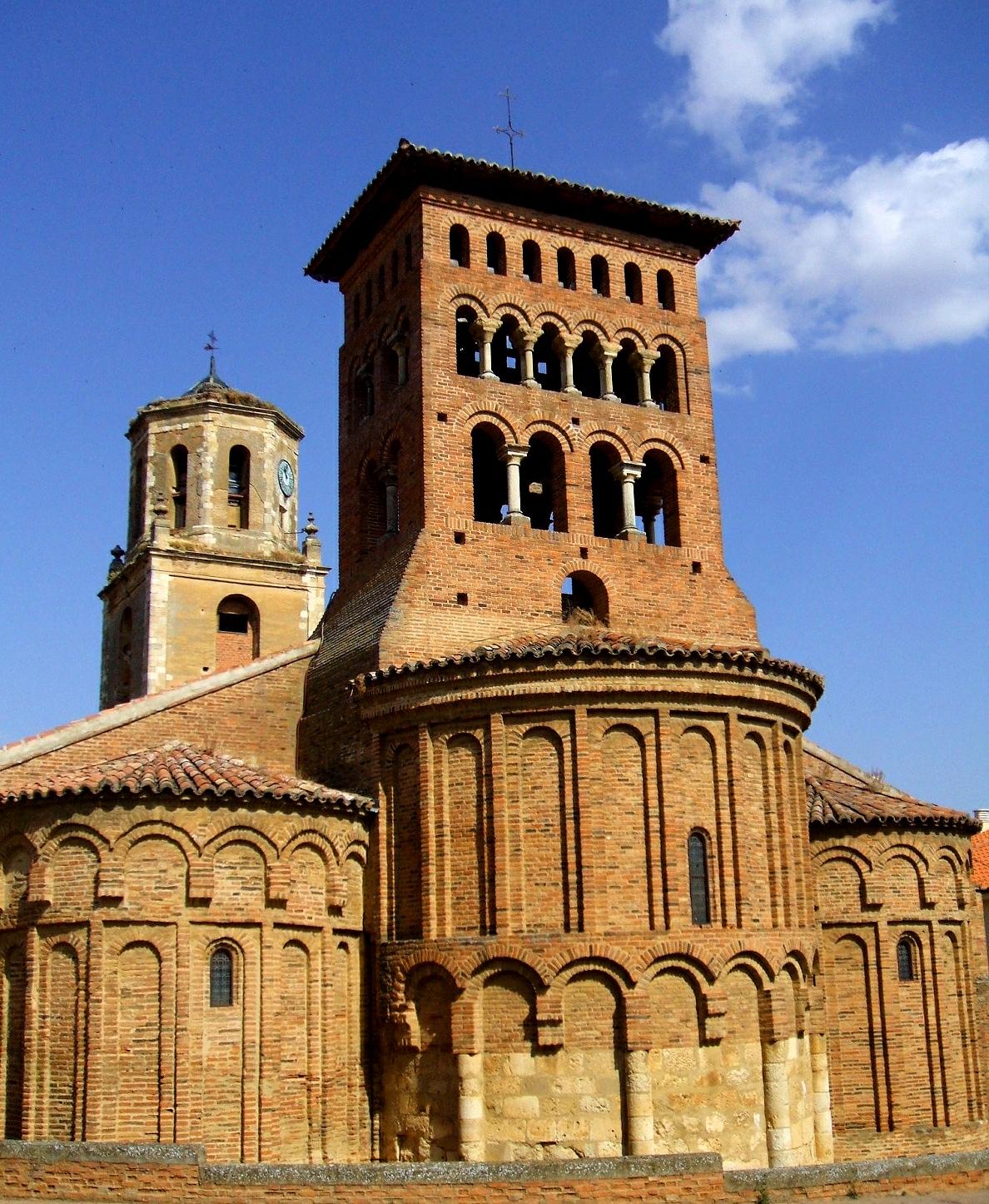
Sahagún lies in the province of León, on the French route of the Camino de Santiago, making the town a natural stopping point for pilgrims traveling on foot or by bicycle. It can also be reached by car or train — Sahagún has its own railway station on the line connecting León and Palencia. The church stands in the town's historic center, close to other religious landmarks in Sahagún, such as the Church of San Tirso.
When is the best time to visit?
Spring and early autumn are the best times to visit, when pilgrim traffic along the Camino de Santiago is moderate and temperatures are comfortable for walking around town for extended periods. Summers in Sahagún can get quite hot, which is worth keeping in mind when planning a midday visit.
Frequently Asked Questions
Is the church still used for religious services? No. Worship ended in 1964 due to the building's poor structural condition. The site now serves cultural and tourism purposes instead.
What happened to the church's original furnishings? The elaborate Churrigueresque altarpiece that once stood inside was moved to the Benedictine nuns' church in Sahagún.
Can pilgrims stay overnight here? Yes — the building now houses a municipal albergue, a hostel for pilgrims walking the Camino de Santiago.
What architectural style does the building represent? It was originally built in the 13th-century Mudéjar style, with later 16th- and 17th-century renovations that added elements typical of those periods.
Nearby places

Earn badges for the places you visit
Download NextOnTrip, discover new places and check off your trails.