- Sacred Monuments
- Churches
Church of Saint Nicholas in San Nicolás del Real Camino
About this place
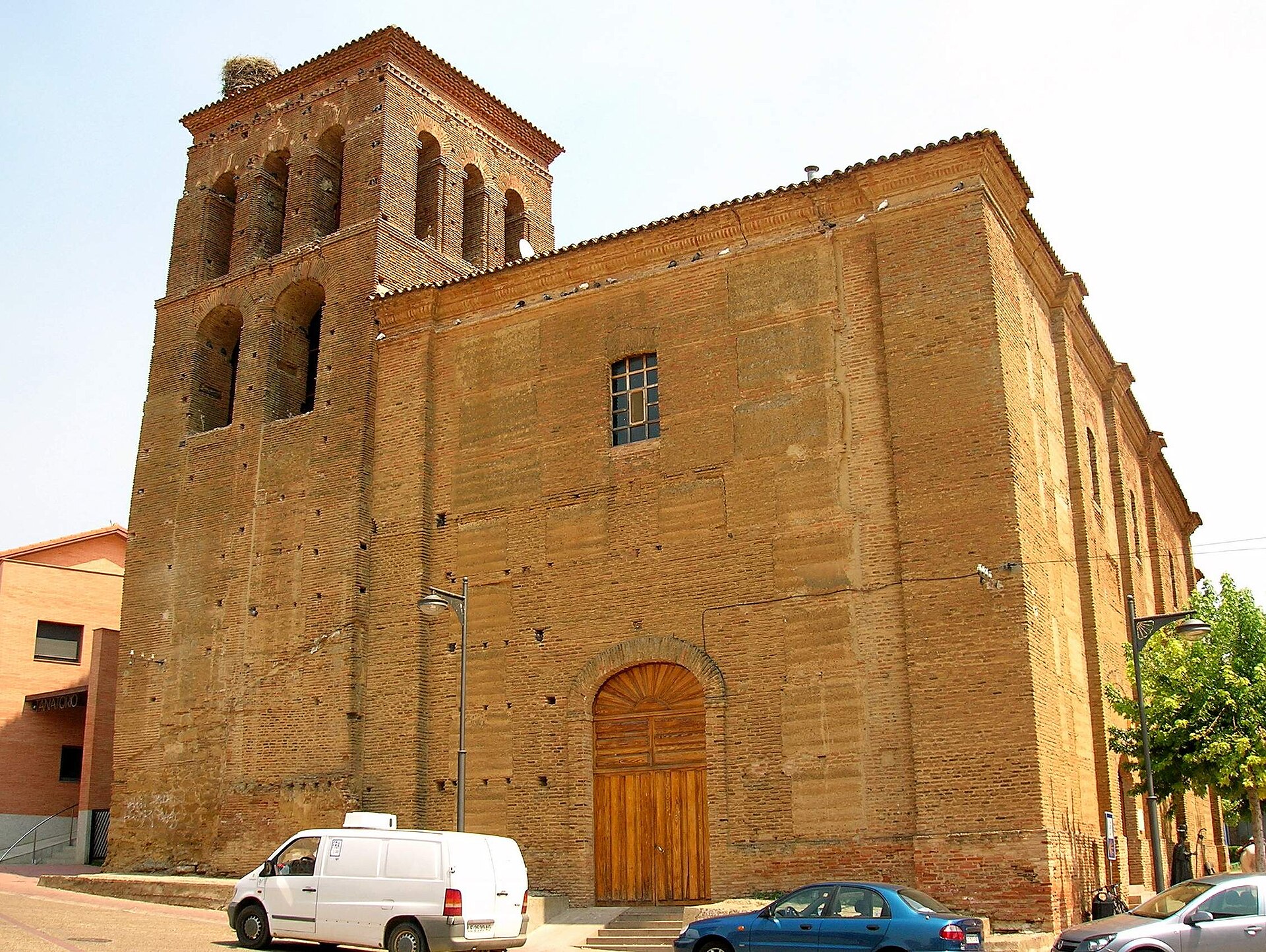
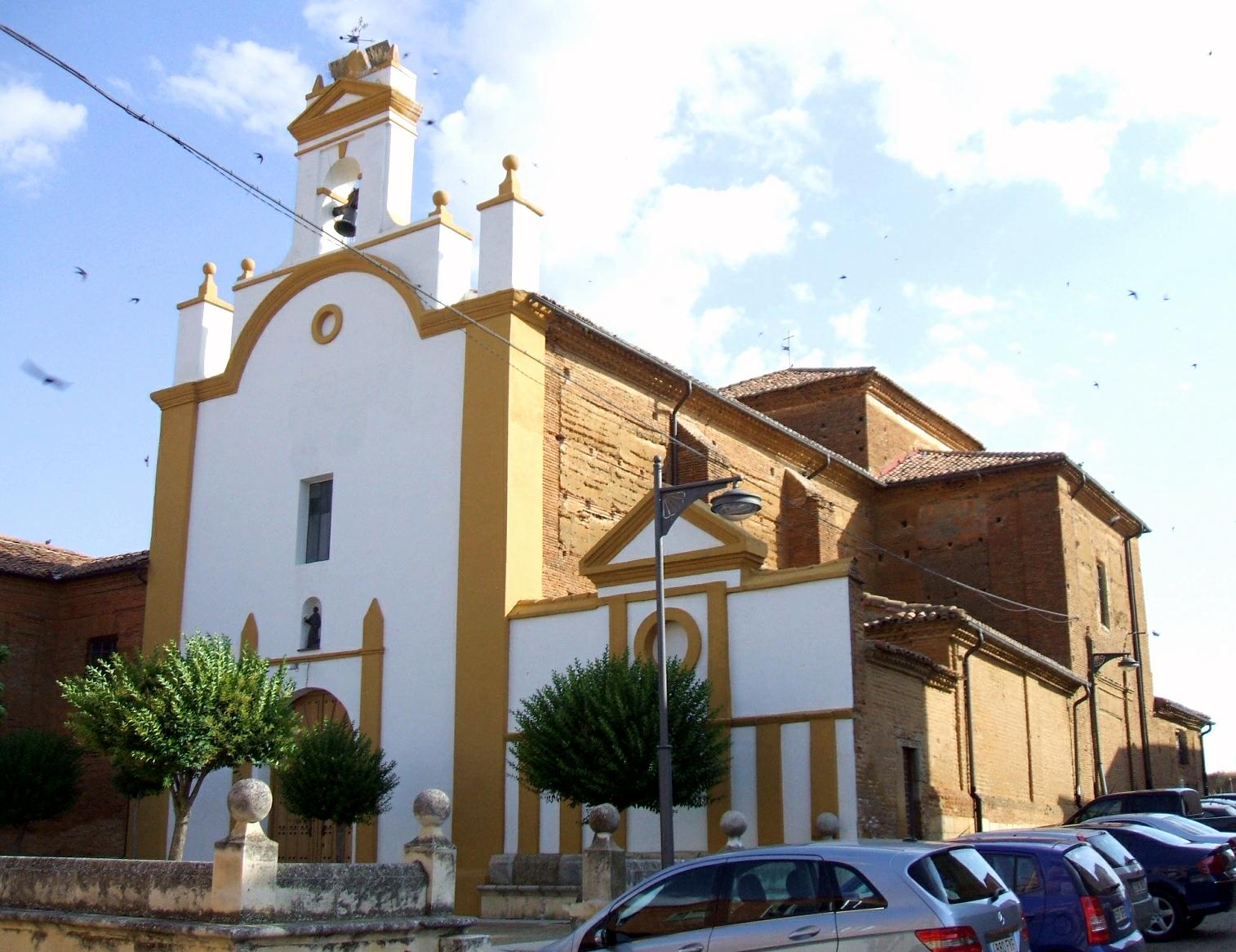
The Church of Saint Nicholas (Iglesia de San Nicolás Obispo) stands in San Nicolás del Real Camino, a tiny hamlet of barely 40 residents that today forms part of the municipality of Moratinos, in the Spanish province of Palencia. Despite its modest size, the village occupies a notable place on the Camino Francés, marking the last stretch of the route through Palencia before pilgrims cross into the province of León.
How do you get there?
The village sits directly on the Camino Francés, between Sahagún and Carrión de los Condes, on the flat wheat-growing plains of the Tierra de Campos. Most visitors arrive on foot or by bicycle as part of the pilgrimage itself — the church stands right in the centre of the settlement and is impossible to miss despite the village's small scale. Travellers driving in can reach it via the local roads connecting Sahagún and Carrión de los Condes, with Sahagún and the city of Palencia offering the nearest rail and bus connections.
What will you see?
The church was built in the 13th century using brick, the region's characteristic building material at a time when easily quarried stone was scarce across the Tierra de Campos. Its single nave is covered by a barrel vault, giving the interior a plain but well-proportioned character. Inside, a baroque main altarpiece stands in deliberate contrast to the austerity of the architecture, accompanied by sculptures of the Virgin of the Rosary, Saint Roch, and the church's own patron, Saint Nicholas.
The village's history reaches well beyond the building itself. In 1183, King Alfonso VIII granted the settlement to the Order of the Temple, likely with the intention of establishing a hospital for pilgrims. A local legend still speaks of a Templar presence here, although no surviving documents confirm that the knights ever physically settled in the village. What is documented is the existence, from the 12th century, of a hospital for pilgrims and lepers known as "Petit Chevalier," run by the Order of Saint Augustine. It could house up to thirteen patients at a time and operated under the patronage of Saint Nicholas — the same saint to whom the present-day church is dedicated, linking the medieval hospital directly to the building that replaced it.
When should you visit?
Spring (April to June) and early autumn (September to October) offer the most comfortable conditions, with mild temperatures across the exposed Tierra de Campos plateau and moderate pilgrim traffic along the Camino Francés. Summer brings intense sun and almost no shade along this stretch, making it a demanding season for walkers. In winter, opening hours for church interiors in small villages along the route tend to be limited, so it is worth checking access in advance.
Frequently asked questions
Is the church open to visitors? Access to the interior is often limited to service times or periods of heavier pilgrim traffic — small churches along the Camino Francés are frequently opened on request or around Mass times.
Is this an independent village, or part of a larger municipality? San Nicolás del Real Camino is administratively a hamlet belonging to the municipality of Moratinos, in the province of Palencia.
What is the village's connection to the Knights Templar? In 1183, King Alfonso VIII granted the settlement to the Order of the Temple. A legend persists about their presence here, though no documents confirm the Templars actually established themselves physically in the village.
What else is there to see besides the church? The surrounding stretch of the Camino Francés itself is worth the walk, running through the wide, flat cereal fields typical of the Tierra de Campos on this stage between Sahagún and Carrión de los Condes.
Nearby places

Earn badges for the places you visit
Download NextOnTrip, discover new places and check off your trails.