About this place
Ayuntamiento de Lagartos is the town hall and seat of local government for Lagartos, a small municipality in the province of Palencia, in the Castilla y León region of Spain. The municipality sits in the Vega-Valdavia district, northwest of the city of Palencia, and its population today numbers only around a hundred residents. Beyond the village of Lagartos itself, the municipality also administers two smaller settlements, or pedanías: Terradillos de los Templarios and Villambrán de Cea, both shaped by centuries of farming and pilgrim traffic.
What can you see in Lagartos itself?
The village's main landmark is its parish church, dedicated to San Vicente Mártir. It is a modest brick structure with a single nave, notable for the Mudéjar-style timber ceiling above its presbytery — a carpentry technique that blends Christian and Moorish building traditions common across northern Spain. The main altarpiece dates back to the 17th century, and the church also holds a carved image of the Virgin and Child. The building's roots go back to the Middle Ages: in the 13th century it belonged to the Order of St. John of Jerusalem, and the 1352 Becerro de Behetrías, a medieval land and lordship register, records Lagartos as a settlement whose overlordship was split between that military order and the descendants of three noble families.
How does Lagartos connect to the Camino de Santiago?
Lagartos itself sits just off the main pilgrim route, but its pedanía of Terradillos de los Templarios is one of the last stops on the French Way before pilgrims cross into the province of León. The settlement takes its name from the Knights Templar, who held the land in the 12th century. Its church of San Pedro contains a Gothic carving of the crucified Christ, and pilgrims passing through can choose between two albergues, Los Templarios and Jacques de Molay. That infrastructure means the wider Lagartos area is well set up to receive walkers on the Way of St. James, even though the administrative center itself lies a short distance from the trail.
What is there to see in Villambrán de Cea?
The municipality's other pedanía, Villambrán de Cea, has its own parish church, dedicated to the Galician saint Santa Marina. Inside, surviving paintings depict the twelve apostles, episodes from the life of San Juan de Sahagún, and the martyrdom of San Esteban. It is a small building, but one that illustrates how even the tiniest rural parishes of the Vega-Valdavia district accumulated genuine works of religious art over the centuries.
What kind of place is this to visit?
Lagartos and its two pedanías are classic examples of rural Castilian settlements: small, agricultural, sparsely built, and surrounded by the cereal fields typical of the Tierra de Campos plateau and the neighboring Vega-Valdavia valley. This is not a destination for crowds — it appeals instead to travelers looking for quiet, authentic detours and a handful of unpretentious but historically layered churches spread across three villages.
Frequently Asked Questions
Where is Lagartos located? Lagartos is a municipality in the province of Palencia, in the Castilla y León region, within the Vega-Valdavia district, northwest of the city of Palencia.
Is Lagartos on the Camino de Santiago? The village of Lagartos itself is just off the main route, but its pedanía Terradillos de los Templarios is one of the last stops on the French Way before entering the province of León.
What is the main thing to see in Lagartos? The parish church of San Vicente Mártir, notable for its Mudéjar timber ceiling in the presbytery and its 17th-century main altarpiece.
What other settlements belong to the municipality? Two pedanías: Terradillos de los Templarios, linked to the Knights Templar, and Villambrán de Cea, home to a church dedicated to Santa Marina.
Nearby places
-

Church of Saint Peter
Terradillos de los Templarios
-
Church of Saint Nicholas in San Nicolás del Real Camino
San Nicolás del Real Camino
-
Hospital de Santa María de las Tiendas
Cervatos de la Cueza
-
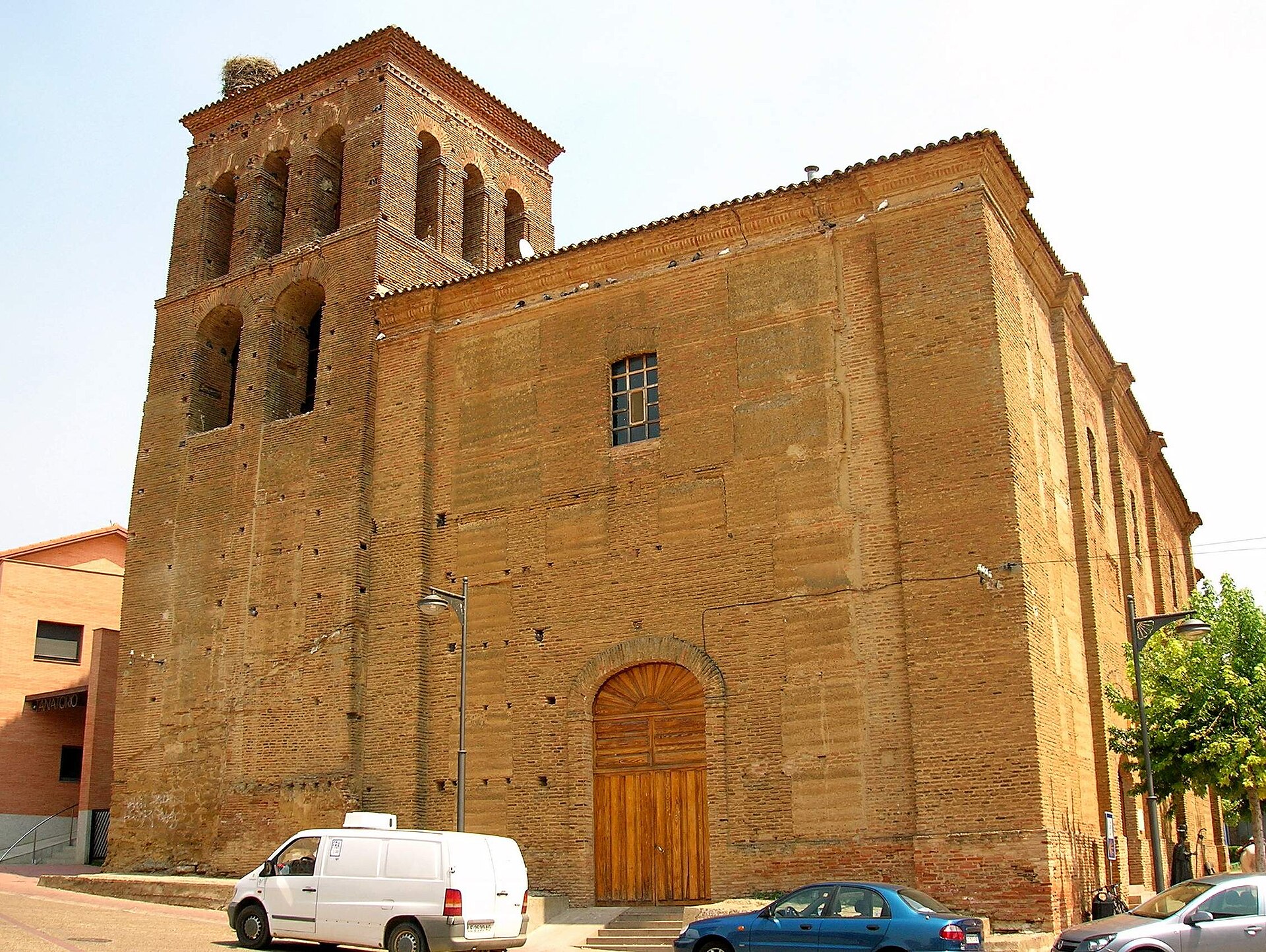
Church of La Trinidad, Sahagún
-
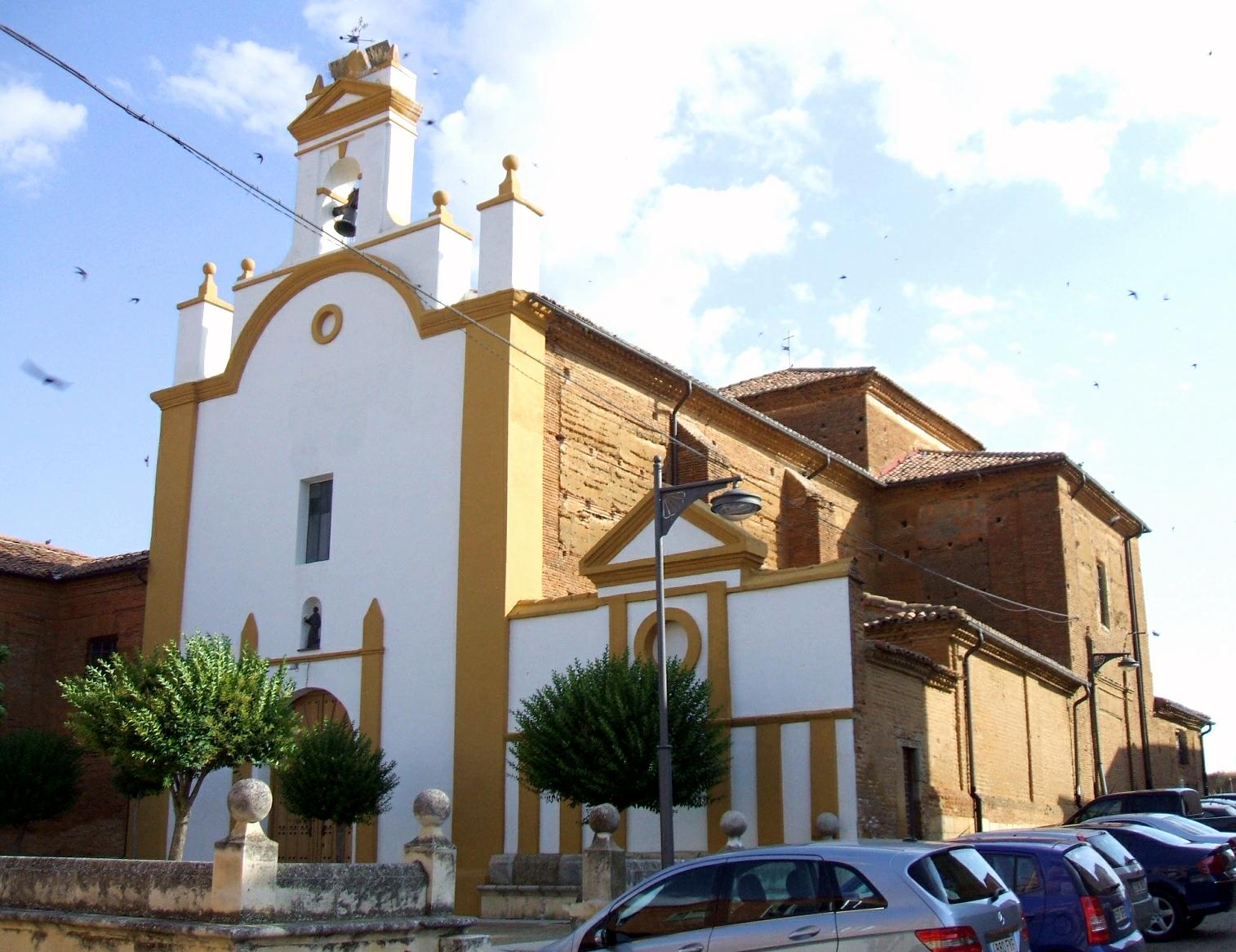
Church of San Juan, Sahagún
Sahagún
-
Church of San Lorenzo, Sahagún
Sahagún
Earn badges for the places you visit
Download NextOnTrip, discover new places and check off your trails.