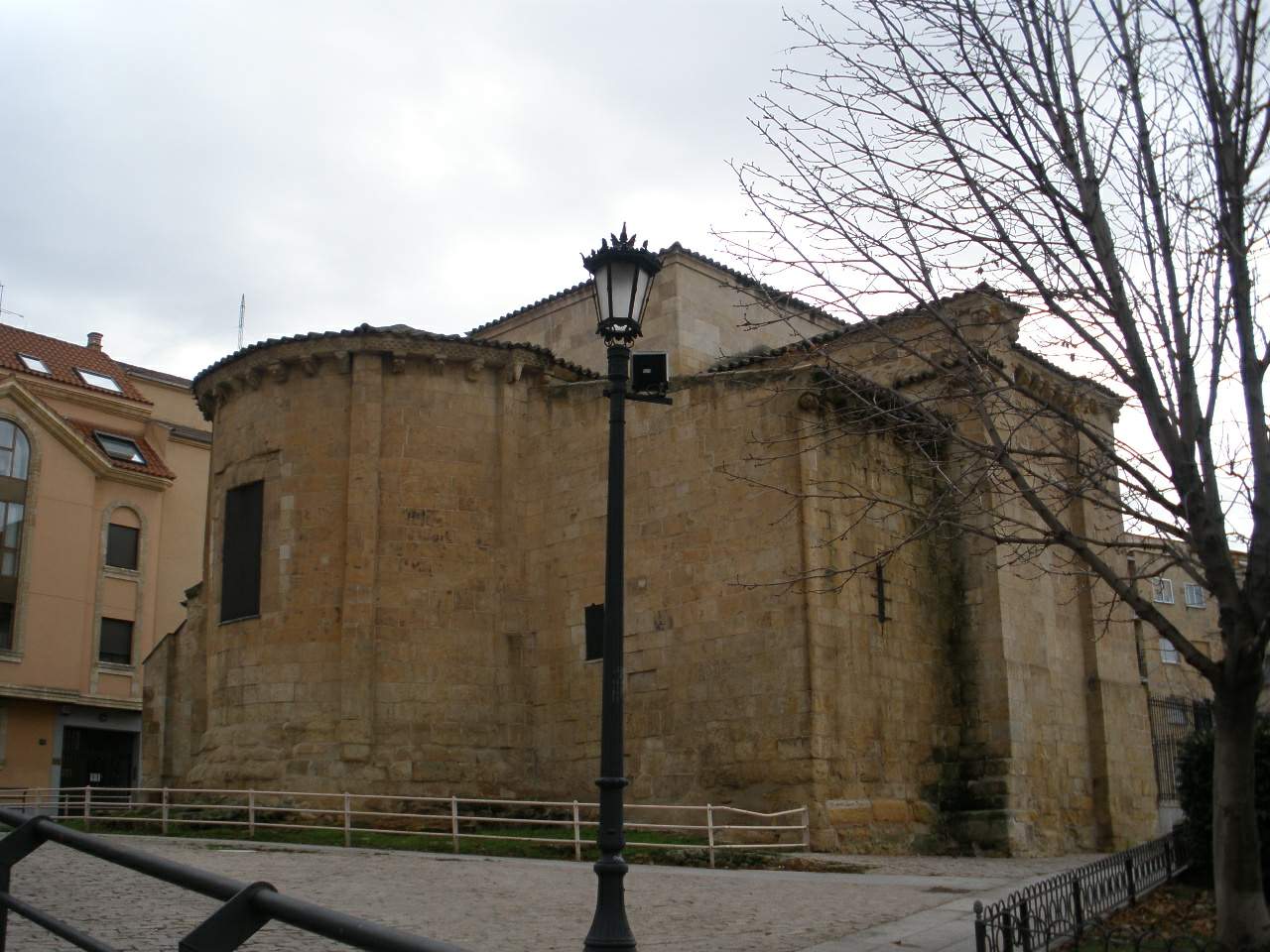
About this place
The Church of Saint Christopher stands on Plaza de San Cristóbal in the historic center of Salamanca, one of Spain's best-preserved medieval cities. This small stone Romanesque church is usually visited as part of a walk connecting the city's cathedrals with the other old churches scattered across the old town.
How do you get to the Church of Saint Christopher?
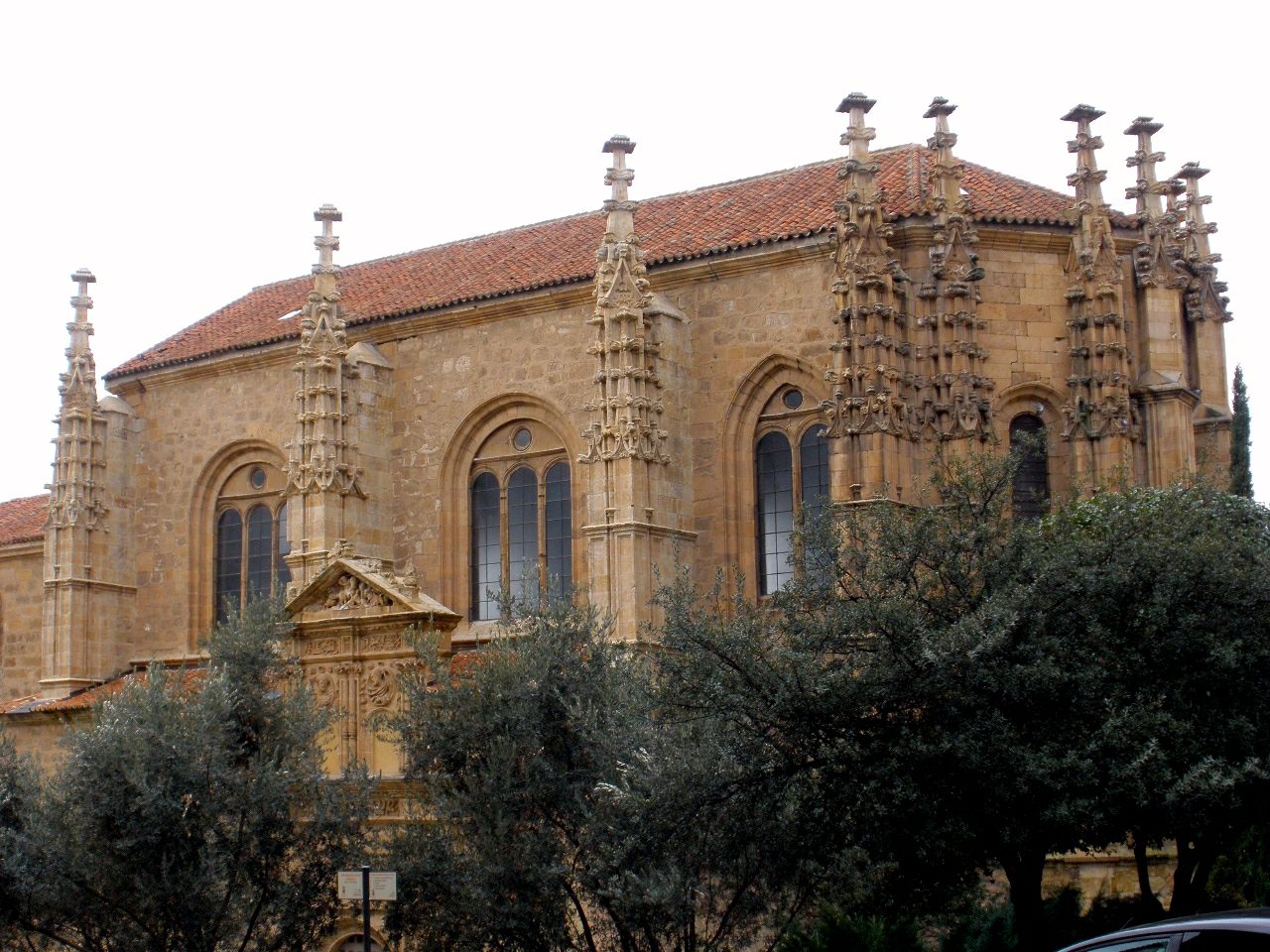
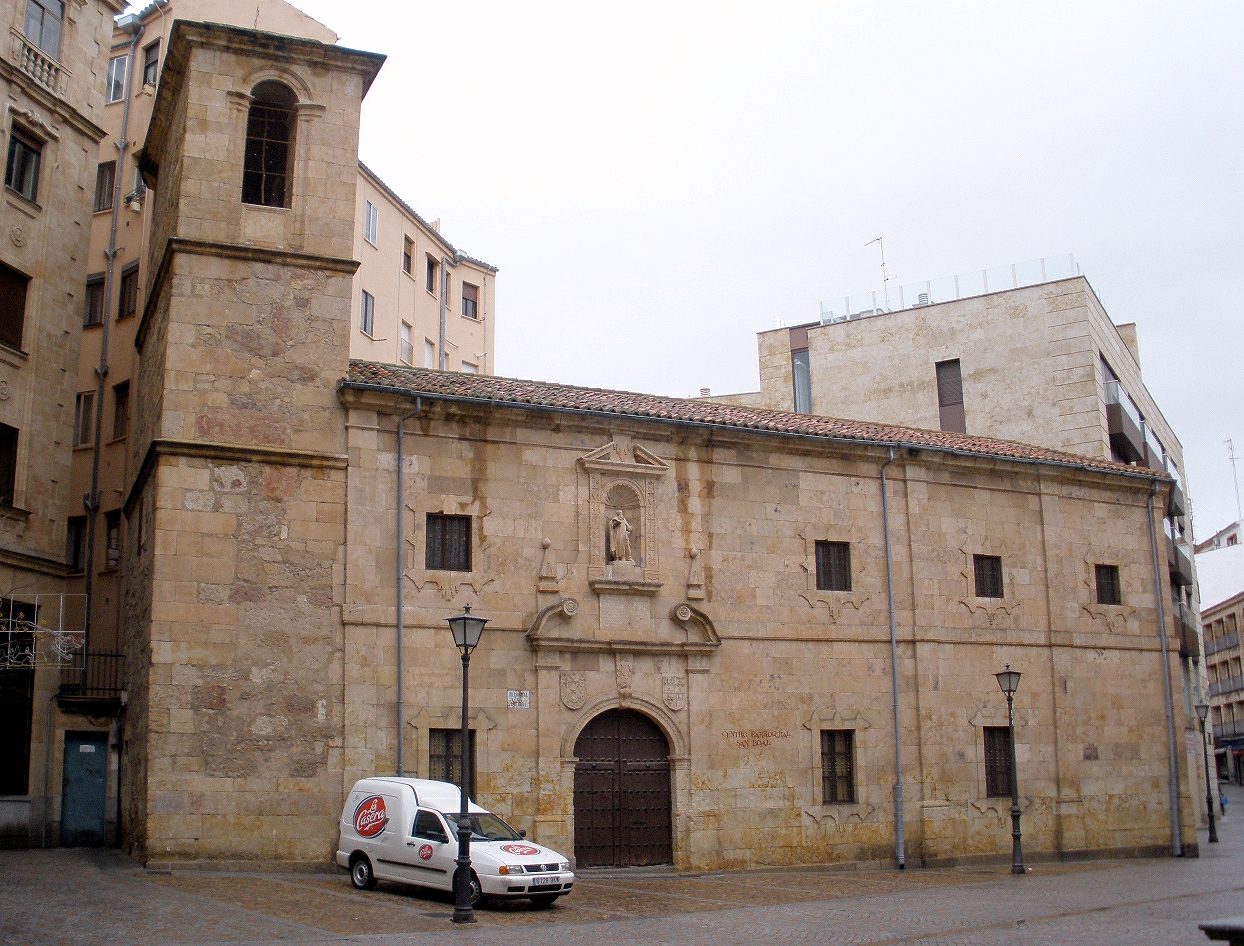
The church sits inside the old walled center of Salamanca, an easy walk from the Old and New Cathedrals and from Plaza Mayor. Since the historic core is compact, most landmarks are only a ten-to-fifteen-minute stroll apart, so no public transport is needed once you're in the city center. Nearby stand several other churches worth combining into the same route: the Church of Sancti Spíritus, the Church of Santo Tomás Cantuariense, and the Calatrava Seminary, together forming a short trail through Salamanca's Romanesque and Gothic religious architecture.
What is the history behind the church?
The church's origins go back to 1128, when it was founded under the care of the Order of the Holy Sepulchre. That first building was destroyed for reasons that remain unclear, and in 1145 it was rebuilt by knights of the Order of Saint John (the Knights Hospitaller), operating under the commandery of Paradinas de San Juan. The structure visible today largely dates from this rebuilding phase in the second half of the 12th century.
In the 20th century the building took on a new role, housing a school known as the Colegio de San José, which operated until 1960. Afterward the church stood empty, and between 1985 and 1994 it was closed entirely due to its deteriorating condition. A subsequent restoration project brought the building back to life and earned the Europa Nostra Award for heritage conservation in 2000, after which the church reopened to visitors.
A local tradition connected to the site recalls that in 1412 the preacher Saint Vincent Ferrer delivered a sermon here, drawing such a large crowd that he reportedly had to speak from the small square outside rather than from within the church itself.
What will you see when you visit?
The church has a single nave, a common layout for the small Romanesque churches found throughout the Salamanca region. The most complete surviving element from the original 12th-century build is the semicircular apse at the east end, a hallmark of Romanesque design. On the exterior, look for the corbels — carved stone supports lining the roofline — a decorative detail typical of Romanesque churches in this part of Spain. Inside, near the crossing where the transept meets the nave, fragments of the original carved vegetal ornamentation survive, offering a glimpse of the stonework produced by 12th-century craftsmen.
Later centuries added their own alterations and repairs, so the church you see today layers its original Romanesque core with subsequent restorations — a small but telling example of how a modest urban church accumulates history over eight centuries.
When is the best time to visit?
Salamanca has a mild continental climate, and the most comfortable months for sightseeing are spring (April to June) and early autumn (September to October), when temperatures are moderate and the city sees fewer visitors than during peak summer. Summers can turn quite hot and winters cold, but given the church's small size, it can easily be worked into an old-town walk at any time of year.
Frequently asked questions
Where exactly is the Church of Saint Christopher located? On Plaza de San Cristóbal, within Salamanca's historic center, close to several other old churches in the old town.
In what architectural style was the church built? It is a Romanesque church dating mainly from the second half of the 12th century, built on the site of an earlier church founded in 1128.
Who founded and rebuilt the church? It was originally founded by the Order of the Holy Sepulchre; after its destruction, it was rebuilt in 1145 by knights of the Order of Saint John.
Was the church ever closed to visitors? Yes — it was closed from 1985 to 1994 due to poor structural condition. After a restoration recognized with the Europa Nostra Award in 2000, it reopened to the public.
Nearby places

Earn badges for the places you visit
Download NextOnTrip, discover new places and check off your trails.