About this place
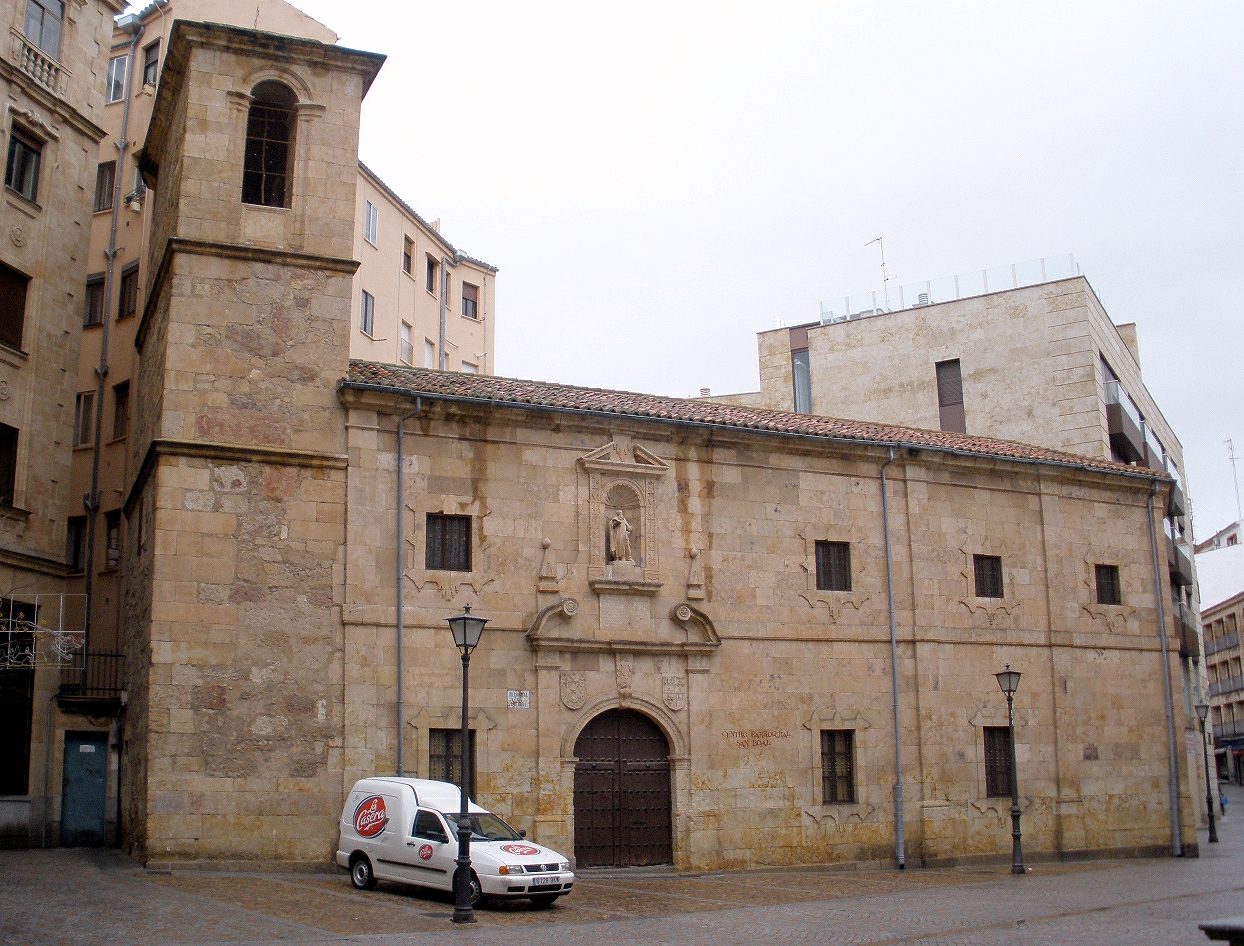
The Church of Saint Baudilus (Iglesia de San Boal) is a small but historically rich church in the heart of Salamanca, locally known as Iglesia de San Boal. It stands on the Plaza de San Boal, a short walk from the city's main landmarks, and blends surviving Romanesque elements with a later Baroque remodeling.
How do you get there?
The church sits within Salamanca's historic centre, so the easiest way to reach it is on foot — a walk from Plaza Mayor typically takes no more than fifteen minutes. The narrow streets of the old town lead directly to the square where the church stands, making it easy to combine a visit with a stroll through the surrounding lanes, which hide further old houses and smaller churches. Driving is less practical because of traffic restrictions in the centre, so most visitors park on the outskirts and continue on foot.
What will you see?
The building's history goes back to the twelfth century, when the original Romanesque church dedicated to Saint Baudilus (Spanish San Baudilio, popularly San Boal) was built. From that period survives, among other elements, a fourteenth-century tower raised by the builder known as Pedro de Lanestosa "El Viejo" — it gives the church a sturdier, older-looking silhouette compared to the later Baroque additions.
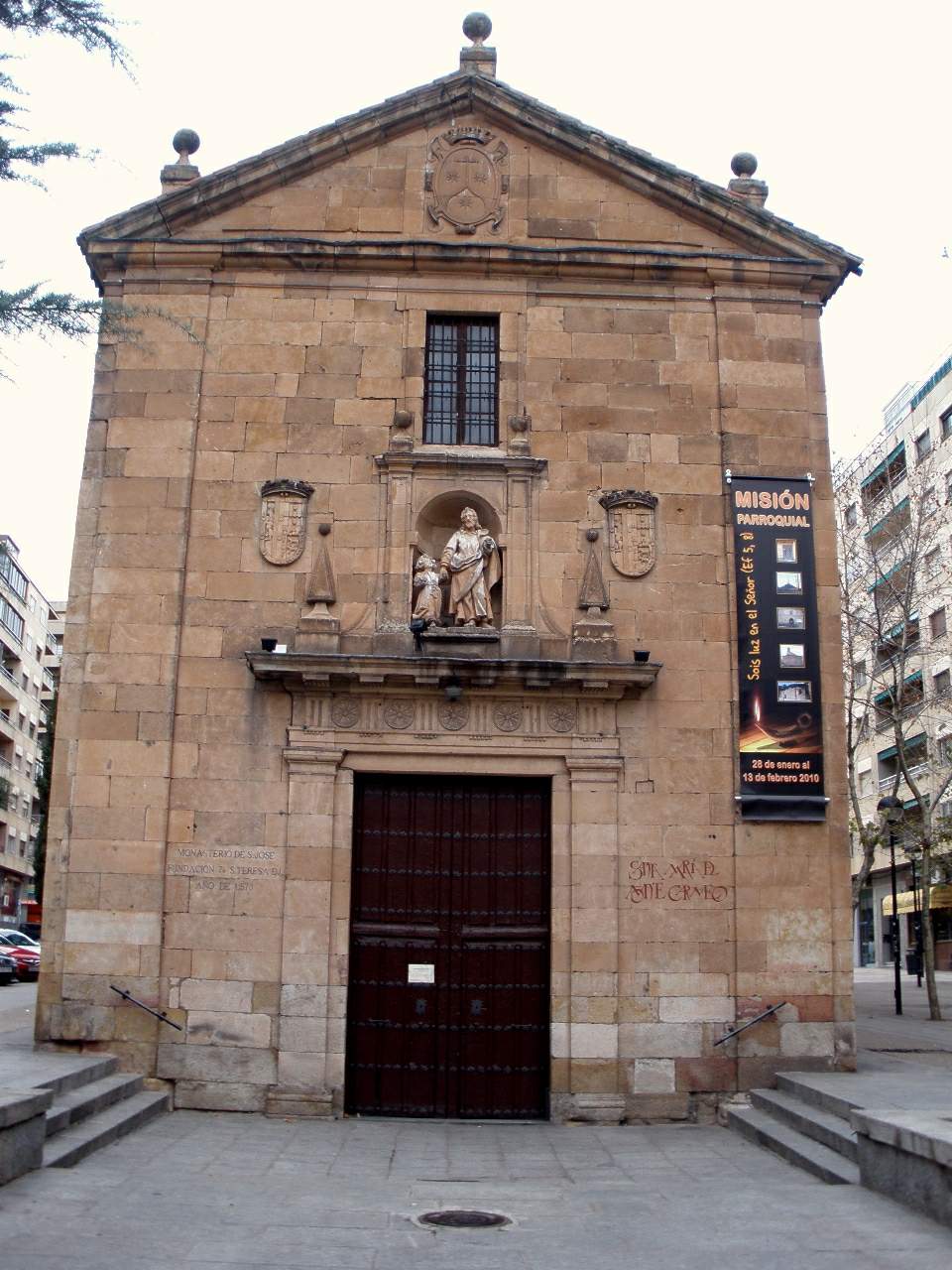
The building's present appearance largely dates from a 1740 remodeling, commissioned by Juan Antonio de Guzmán, Marquis of Almarza. That renovation gave the church the Baroque character still visible today in the facade and interior details. Above the main entrance you can spot the heraldic shields of the Herrera family and of Enrique de Sevilla, along with a plaque honoring the patron who funded the rebuilding. A niche above the door holds a sculpture of Saint Boal, the work of Simón Gavilán Tomé, a sculptor active in Salamanca during the eighteenth century.
Inside, the main attraction is the Baroque high altarpiece, created between 1740 and 1792 by three woodcarvers: Eustaquio Román, Miguel Martínez, and Tomás Monroy. It is an elaborate, gilded composition typical of Spanish church Baroque of the period — worth a few extra minutes to take in the carved details and overall composition.
The site is also tied to a local legend involving the Marquesa de Almarza, one that residents of Salamanca still like to recount during walks through the old town, adding a bit of folklore color beyond the architecture itself.
When should you visit?
The church is best seen during the day, when natural light shows off the facade and makes it easier to pick out the details on the stone tower and the shields above the entrance. As a university city, Salamanca stays lively year-round, but spring and early autumn bring the most comfortable temperatures for walking the old town. It's worth checking opening hours on site, since as an active parish church it may only be open to visitors at limited times, especially outside of Mass.
Frequently asked questions
What other name does this church go by? Locally it's mostly known as Iglesia de San Boal, the Spanish pet form of Saint Baudilus (San Baudilio).
How old is the building? The oldest surviving elements, including the tower, date to the fourteenth century, and the church existed as a Romanesque building as early as the twelfth century, though its current Baroque look comes from the 1740 remodeling.
What's the interior's biggest highlight? The Baroque high altarpiece from 1740–1792, made by three woodcarvers, and the sculpture of Saint Boal in the niche above the entrance by Simón Gavilán Tomé.
Is it worth combining with other Salamanca landmarks? Yes — the church sits within the old town, close to other historic churches and townhouses, so it fits naturally into a walking tour of the city centre.
Nearby places

Earn badges for the places you visit
Download NextOnTrip, discover new places and check off your trails.