About this place
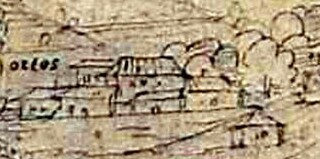
The Monastery of Santa María de los Huertos was a Premonstratensian abbey in Segovia, its former site now tucked in the shadow of the El Parral monastery along the Eresma river.
What was this place?
The monastery, also known as Nuestra Señora de los Huertos, already belonged to the Premonstratensian order by 1176, when it was dependent on the monastery of La Vid, in what is now the province of Burgos. It stood on the north bank of the Eresma valley, right below the city walls of Segovia, on ground later occupied by the monasteries of El Parral and San Vicente. In 1186, King Alfonso VIII of Castile granted the community a dam on the Eresma, and by the late 13th century the monks held farmland across several nearby villages.
Why did the monastery disappear?
The riverside site, convenient as it was, proved to be a poor long-term choice. The land was repeatedly flooded by the Eresma — the oldest recorded flood dates back to 1304. According to the chronicler Diego de Colmenares, the community relocated in 1637, first near the church of Santa Eulalia and then, for good, to a safer spot inside the city walls near the parish of San Facundo. The abandoned original building decayed over the following centuries and was finally demolished in 1888. A square now stands on the site, still known today as Plaza de los Huertos.
What can you see today?
Almost nothing remains of the original monastery on its riverside site beyond archaeological traces in the ground between El Parral and San Vicente — this is a stop for those curious about the city's history rather than a building to tour. It's worth heading instead to Plaza de los Huertos within the old walls, where the order continued its life after the move, and pairing the visit with the nearby El Parral monastery, which still stands over the same stretch of the Eresma valley and helps picture the landscape the original community once inhabited.
How do you get there?
The Eresma valley runs right below the old town walls of Segovia, a ten-to-fifteen-minute walk from the Alcázar. The easiest approach is on foot, descending from the walls toward the river and passing El Parral monastery along the way — a scenic route through the green of the valley. Parking directly by the river is scarce, so it's better to leave the car within the city and continue on foot.
When should you visit?
Spring and early autumn are the best times, when the Eresma valley turns green and temperatures are comfortable for a longer riverside walk. Midday summer heat can be intense with little shade, so mornings or late afternoons work better. In winter the ground can get muddy after rain — a small reminder of exactly why the original monastery had to move in the first place.
Frequently asked questions
Can you visit the monastery building today? No — the original building was demolished in 1888. Only archaeological traces remain on the ground, along with the Plaza de los Huertos, named after the site the community moved to.
Why did the monastery relocate? Because of repeated flooding from the Eresma river, first recorded in 1304. In 1637 the monks moved to a safer location inside the city walls.
What can you pair this visit with? The nearby El Parral monastery in the same valley, plus a walk along Segovia's city walls and the banks of the Eresma river.
Is this worth a dedicated trip? It's better suited as a stop for history enthusiasts during a walk through the Eresma valley than as a standalone destination.
Nearby places

Earn badges for the places you visit
Download NextOnTrip, discover new places and check off your trails.