About this place
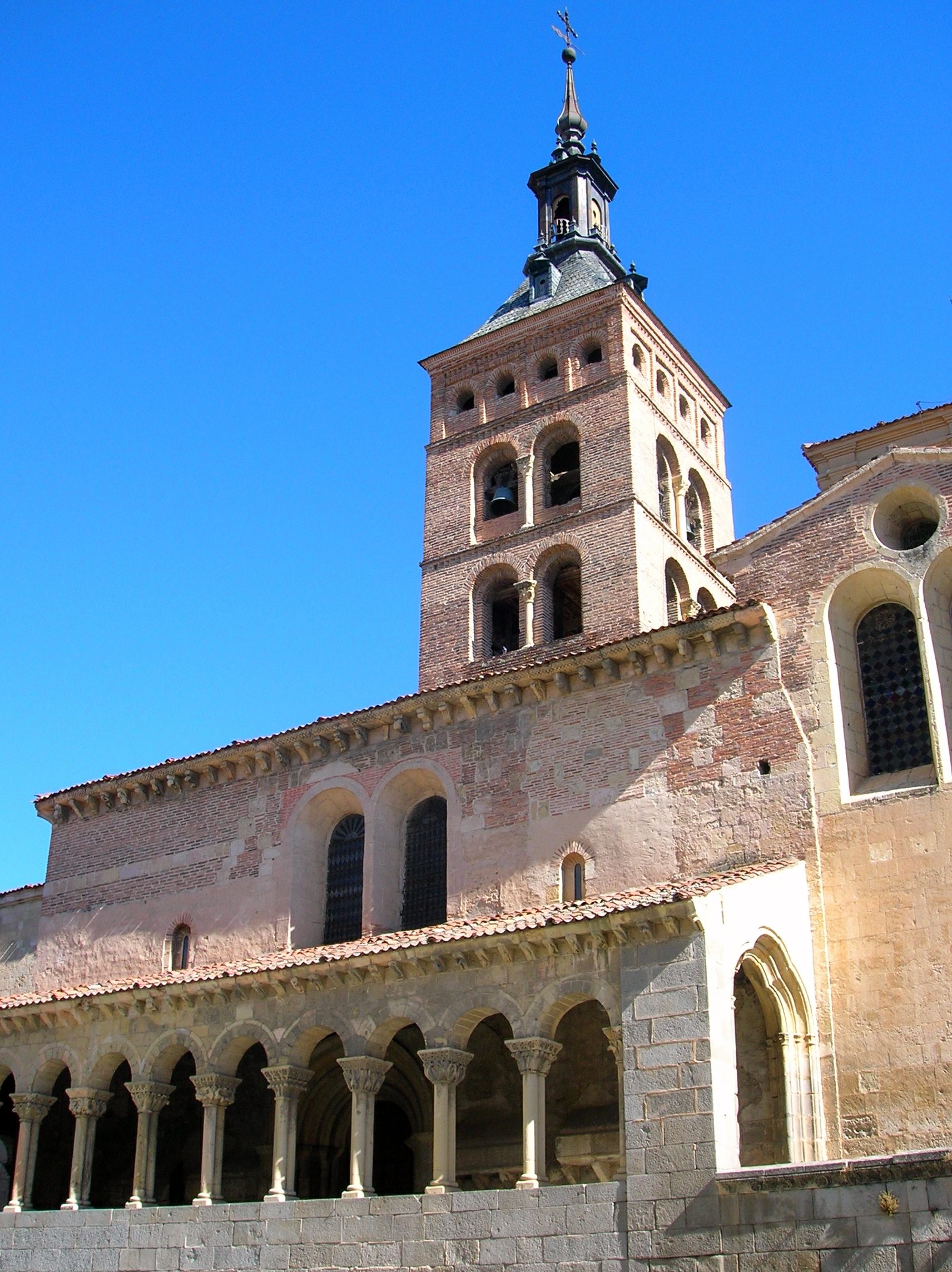
Church of San Martín stands on the small, historic Plaza de San Martín in the old town of Segovia, Spain, and ranks among the city's defining Romanesque landmarks.
When was the church built?
Documentary evidence places a building on this site as early as 1117, when it appears as a witness in a local resident's will - a detail pointing to Mozarabic origins predating the Romanesque construction. The church took its current form between the late 12th and early 13th centuries, during Segovia's great wave of Romanesque church-building that left the city with one of the densest concentrations of Romanesque architecture in Spain.
What makes the architecture distinctive?
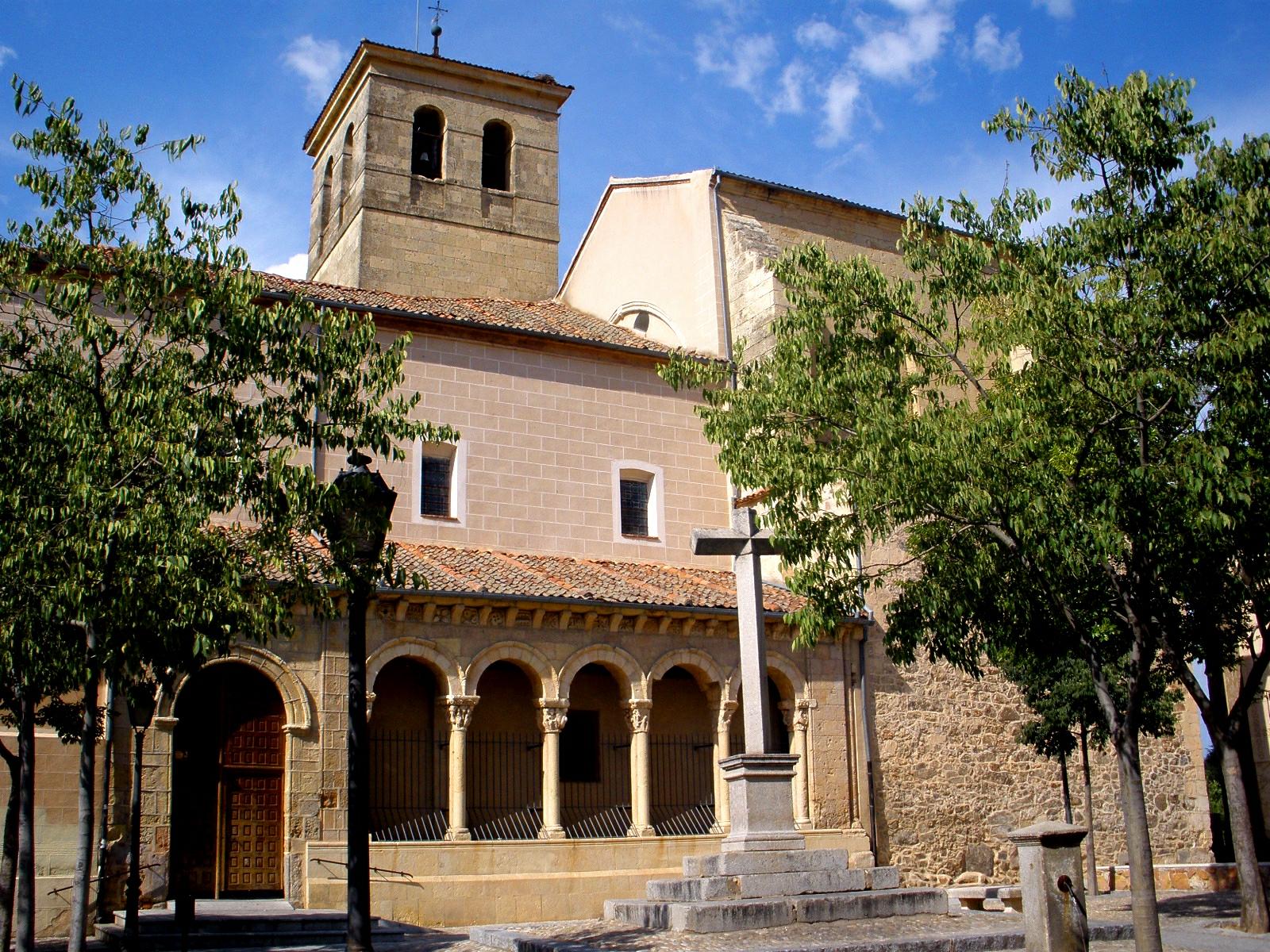
The building follows a three-nave plan with a transept covered by a brick dome and a tripartite chancel closed by apses. A covered gallery wraps around the church on three sides, leaving only the chancel exposed - a design signature found across Segovia's Romanesque churches, built from brick arches resting on stone columns. Rising above the gallery, the bell tower shows clear Mudéjar influence, blending brick arcading with stone supports in a style that reflects centuries of Christian and Islamic craftsmanship working side by side in Castile.
The west front holds one of the most elaborate Romanesque doorways in Spain: five deeply carved archivolts decorated with plant motifs frame the entrance, forming a facade that draws attention from across the square.
What can visitors see inside?
Two pieces stand out inside the church. A reclining figure of Christ, attributed to the Baroque sculptor Gregorio Fernández, is among the church's most valued works. Alongside it, two Hispano-Flemish triptychs testify to the trade and artistic ties that linked Castile with the Low Countries in the late Middle Ages.
Why is the square named after Juan Bravo?
The plaza in front of the church carries two names - Plaza de San Martín and Plaza de Juan Bravo - the latter honoring the leader of the Comuneros' revolt against the Spanish crown in the 16th century. His statue dominates the square, and the combination of the Romanesque church, its stone-columned gallery, and the monument makes this one of the most photographed corners of Segovia's old town.
Frequently Asked Questions
What architectural style is the Church of San Martín? It is a Romanesque church with Mozarabic roots, built mainly between the late 12th and early 13th centuries, though records place a structure on the site as early as 1117.
Who was Juan Bravo, and why is the square named after him? Juan Bravo led the Comuneros' revolt against Emperor Charles V in the 16th century. A statue in his honor stands in the square in front of the church, which now carries his name alongside its original dedication to Saint Martin.
What artworks are inside the church? The interior holds a reclining Christ attributed to Gregorio Fernández and two Hispano-Flemish triptychs from the late medieval period.
What is the covered gallery around the church? It is a porticoed walkway of brick arches on stone columns that wraps around three sides of the building, a recurring feature of Segovia's Romanesque churches and one of the most recognizable parts of this one.
Nearby places

Earn badges for the places you visit
Download NextOnTrip, discover new places and check off your trails.