About this place
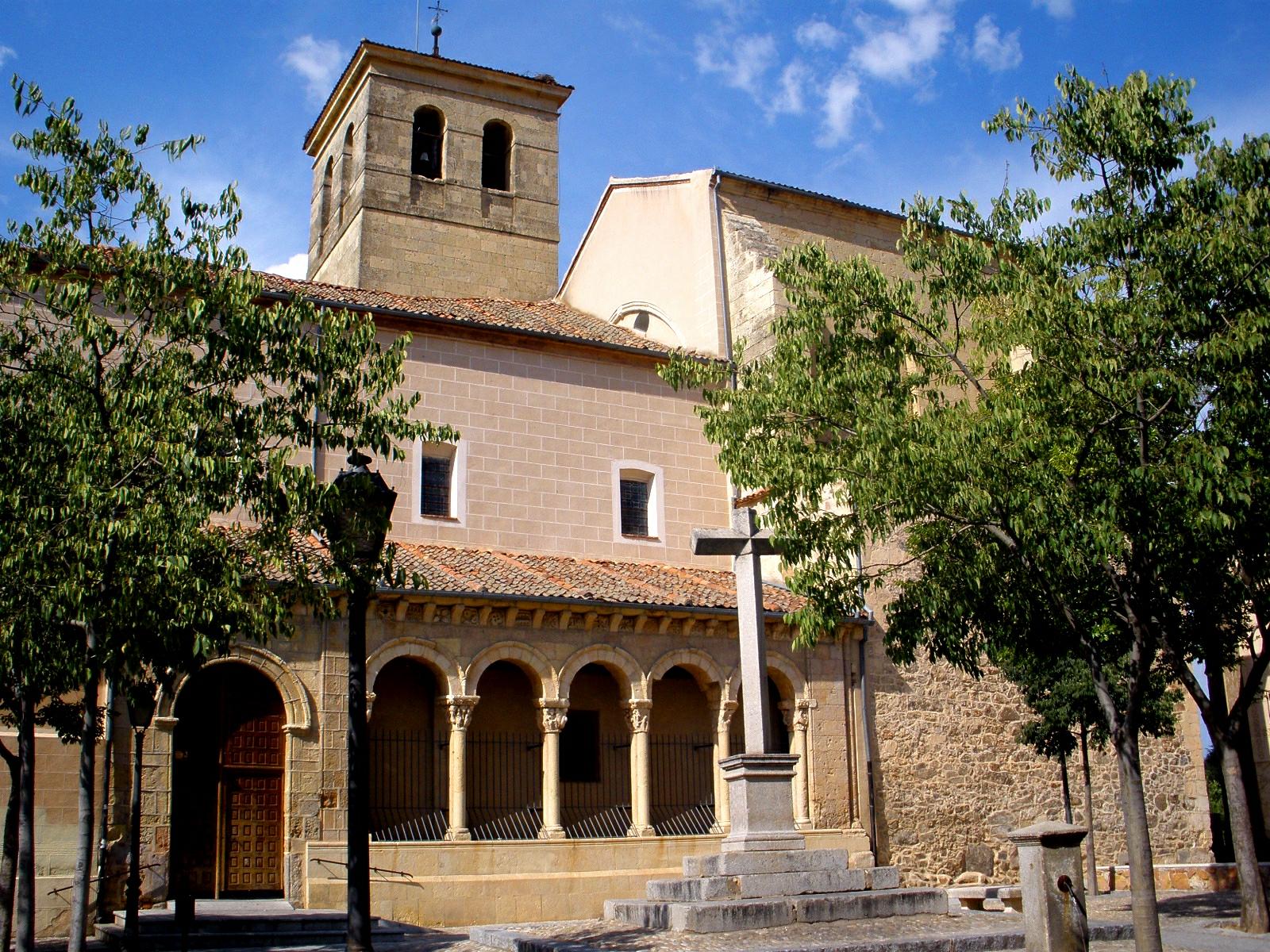
Plaza del Salvador is a small but historically significant square in the old town of Segovia, in Spain's Castile and León region. It takes its name from the Church of El Salvador (Church of the Savior) standing at its center, and sits within the dense web of narrow lanes that make up Segovia's historic quarter, not far from the city's famous Roman aqueduct.
How to get there?
The square lies in Segovia's historic center, bordered by the streets Ochoa Ondátegui, de los Cañuelos, Santa, and Pedro de Fuentidueña — a typical setting for old Segovia, with winding, cobbled lanes best explored on foot. From the Acueducto de Segovia (the Roman aqueduct), it's usually only a few minutes' walk, similar to the distance from the cathedral. Segovia is well connected to Madrid by high-speed rail, with journeys of around 30 minutes, which makes the city a popular day-trip destination. Drivers are better off parking outside the walls of the old town and continuing on foot, since streets in this part of the city are narrow and largely closed to traffic.
What will you see?
The centerpiece of the square is the Church of El Salvador, a building with roots going back to the 12th and 13th centuries, remodeled repeatedly in later periods, most notably in the 16th and 17th centuries. From the original Romanesque structure, a portico set at an angle to the main nave survives, along with part of a tower featuring bricked-up twin arched windows. During restoration work carried out in 1998 under architect Alberto García Gil, a fragment of a 12th-century Romanesque apse was discovered beneath the tower, hidden for centuries under later construction — one of the more notable conservation finds in this part of Segovia.
Inside, the church follows a single-nave plan, with a transept and a chancel covered by a Gothic ribbed vault, the result of a later remodeling that gave the originally Romanesque building a Gothic character. The interior's focal point is a gilded Plateresque altarpiece, commissioned in 1587 by Diego Tamayo. Its central panel depicts the Adoration of the Magi, flanked by additional religious scenes. The altarpiece was executed by Diego de Matienzo, based on designs attributed to Rodrigo Gil de Hontañón, one of the leading architects of the Spanish Renaissance.
The square itself, though modest in size, is a good example of Segovia's old-town layout — stone buildings, narrow passages, and a scale suited to pedestrians rather than traffic. It has few tourist amenities, which means it has kept an authentic, local character quite different from busier spots such as the square by the cathedral.
When to visit?
The Church of El Salvador is generally open only during service hours, so visiting the interior requires timing a visit around Mass times — it's worth checking by phone or with the local tourist office beforehand. The square itself and the church's exterior are accessible throughout the day, making it a good spot for a brief, quiet stop while exploring the old town. The best time to visit Segovia overall is spring or autumn, when temperatures are mild and the city sees fewer visitors than in peak summer. Pairing a visit to the square with a walk to the nearby aqueduct works well, since the route between the two runs through some of the old town's quieter streets.
Frequently Asked Questions
Where does Plaza del Salvador get its name? The square is named after the Church of El Salvador (Church of the Savior) at its center, around which this part of the old town developed.
How old is the church on the square? Its oldest elements, including the portico and part of the tower, date from the Romanesque period, in the 12th and 13th centuries. The church was later remodeled several times, mainly in the 16th and 17th centuries.
What is the most notable feature inside the church? The gilded Plateresque main altarpiece from 1587, commissioned by Diego Tamayo, with a central Adoration of the Magi painting, built to designs attributed to Rodrigo Gil de Hontañón.
Can you visit the church at any time? No — the church is generally open only during services, so it's best to check Mass times before planning a visit.
Nearby places

Earn badges for the places you visit
Download NextOnTrip, discover new places and check off your trails.