About this place
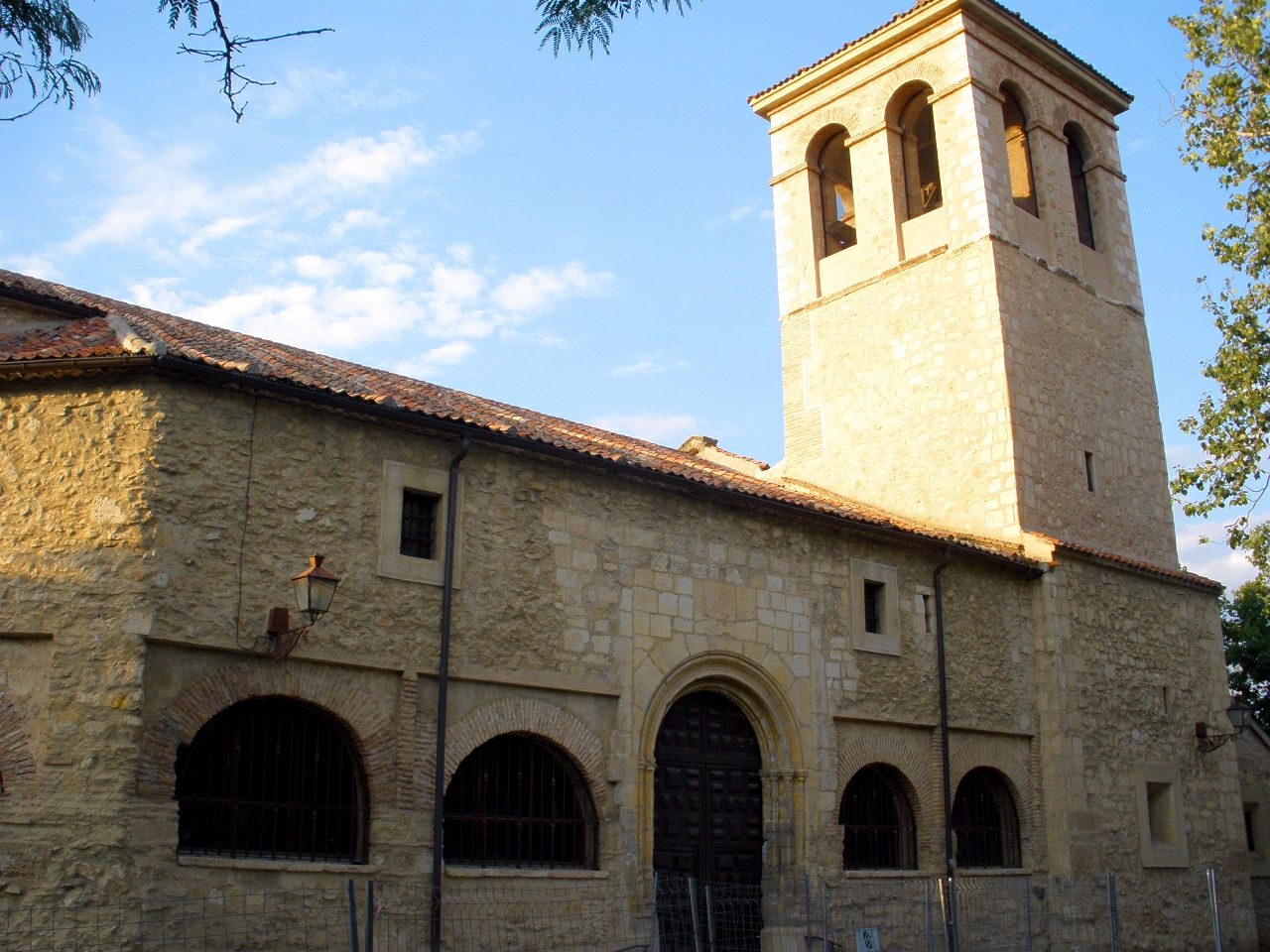
Church of Santo Tomás stands in Segovia, just outside the old town walls on Paseo de Ezequiel González, in an area that once formed part of the city's medieval outskirts. The building faces a small square with a garden, and it is easy to walk past it while chasing Segovia's bigger landmarks — yet it holds one of the latest surviving examples of Romanesque architecture in the city.
When was the church built?
The church dates to the 13th century, built near the end of the Romanesque period as it was practiced around Segovia. Only two elements survive from that original structure — the apse and the north doorway — while the rest of the building was reworked in later centuries, so the Romanesque character now shows up in fragments rather than in the overall façade.
What Romanesque features remain?
The clearest surviving piece is the semicircular apse, divided on the outside into three sections by two attached half-columns. A cornice, two roll mouldings (baquetones), and a decorated window complete the composition. Much of this detail is now partly obscured by later additions built onto the church over the centuries — a common pattern among Segovia's Romanesque churches, which were repeatedly adapted as parish needs changed.
What does the interior look like?
Inside, the mood shifts entirely to Baroque. The walls are covered in Baroque plasterwork, and the main nave ends in a semicircular chancel. Both the central nave and the later side nave, added along the south side, are roofed with barrel vaults finished in decorative stucco. The church also holds an altarpiece dated to 1759, which sets the Baroque tone of the interior firmly apart from the plainer, stone-built Romanesque apse outside. That contrast — an austere Romanesque shell wrapped around a richly decorated Baroque interior — is what tends to stand out most on a visit.
Is it worth visiting separately?
Church of Santo Tomás is not a headline stop on a Segovia itinerary, but it fits naturally into a walking route through the city's Romanesque churches, several of which are scattered around the historic centre and its immediate surroundings. Its position on Paseo de Ezequiel González means it can be folded into a longer loop on foot without much of a detour from the main sights, such as the cathedral or the Alcázar. For anyone interested in Romanesque architecture, it offers a compact case study in how the style faded out and gave way to later fashions, while still holding onto a few recognisable original features.
Frequently Asked Questions
What century is the Church of Santo Tomás from? It was built in the 13th century and is considered one of the latest Romanesque churches raised in Segovia.
Which parts of the church are originally Romanesque? Only the apse and the north doorway survive from the original structure; the rest of the building was remodeled in later periods, mainly in the Baroque style.
Is the interior Baroque? Yes. The interior is covered in Baroque plasterwork, and the altarpiece inside dates to 1759.
Where exactly is the church located in Segovia? It stands outside the old town walls, on Paseo de Ezequiel González, in an area that historically formed part of Segovia's outskirts.
Nearby places

Earn badges for the places you visit
Download NextOnTrip, discover new places and check off your trails.