About this place
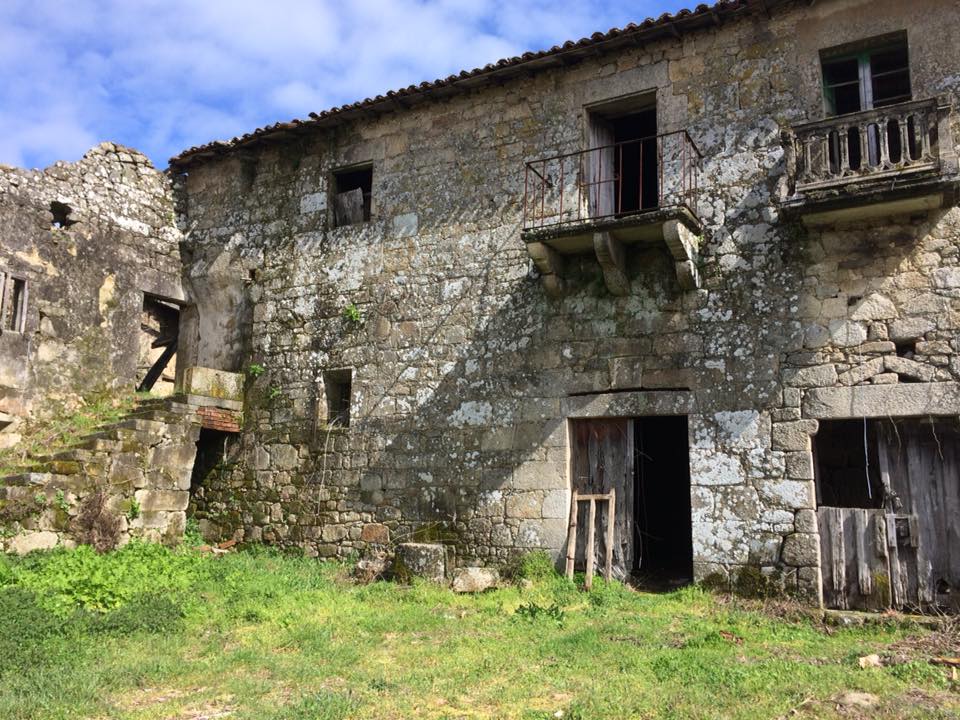
Convent of San Martiño de Pantón is the ruined remains of a former Dominican monastery near Ferreira, in the municipality of Pantón, province of Lugo, right in the heart of Galicia's Ribeira Sacra region.
The convent was founded in 1569 in the parish of San Martiño, made possible by a donation of a manor house from a local priest, Alonso Ares. The ambition was clear: a permanent home for a religious community, surrounded by the terraced vineyards and woodlands typical of this stretch of the Miño river valley. The convent's active life, however, turned out to be brief. Financial difficulties made it hard to sustain the house, and when the Duke of Lemos offered the Dominicans a new foundation in nearby Monforte de Lemos, the community accepted. By 1621 the monks had left Pantón for good, founding the convent of San Jacinto in Monforte — a house that still stands today.
From that point on, the building in Pantón fell gradually into ruin. What remains now are wall fragments and the outline of the original monastic layout, standing as a quiet record of a short but meaningful chapter in the religious history of the Ribeira Sacra — a region famous for its dense concentration of monasteries and churches built along the canyons of the Sil and Miño rivers.
How do you get there?
The ruins sit near the village of Ferreira, a few kilometers from the administrative center of the Pantón municipality. Driving is the most practical option, taking you through the typical Ribeira Sacra countryside, past terraced vineyards climbing the valley slopes. The nearest larger town with train and bus connections is Monforte de Lemos, roughly a 20–30 minute drive from Pantón.
What will you see?
On site, you'll find partially collapsed walls and the outline of the former convent buildings. This isn't a restored monument with full visitor facilities — it's an authentic, low-key site that appeals to those interested in the region's history and the sacred architecture of Ribeira Sacra. The surroundings themselves, with vineyards, woods, and views over the surrounding hills, add real value to a visit.
When should you visit?
Spring and autumn are the best times to come, when temperatures are mild and the Ribeira Sacra landscape is at its most photogenic — lush green in spring, golden vineyard colors in autumn before harvest. Summers can get hot in the river valleys, worth factoring in if you plan a longer walk around the area.
Frequently asked questions
Can you go inside the convent ruins? The site is in ruins with no organized visitor infrastructure — a visit means walking around and viewing the remaining walls and grounds.
Why did the monks leave the convent? Struggling to maintain the house financially, the community accepted an offer from the Duke of Lemos and relocated in 1621 to Monforte de Lemos, where they founded the convent of San Jacinto.
Are there other nearby sites worth visiting? Yes — the Ribeira Sacra region is known for its many Romanesque monasteries and churches as well as its terraced vineyards, making it easy to combine this stop with exploring nearby villages.
Do you need a guide to visit? No, the site can be visited independently, though since it isn't well signposted, it helps to check the exact location of the ruins beforehand.
Nearby places
-

Monastery of San Salvador, Ferreira de Pantón
O Castro de Ferreira
-
Monastery of San Miguel de Eiré
Pantón
-
Igrexa de Santo Estevo de Espasantes
Pantón
-
Mosteiro de Santo Estevo de Atán
Pantón
-
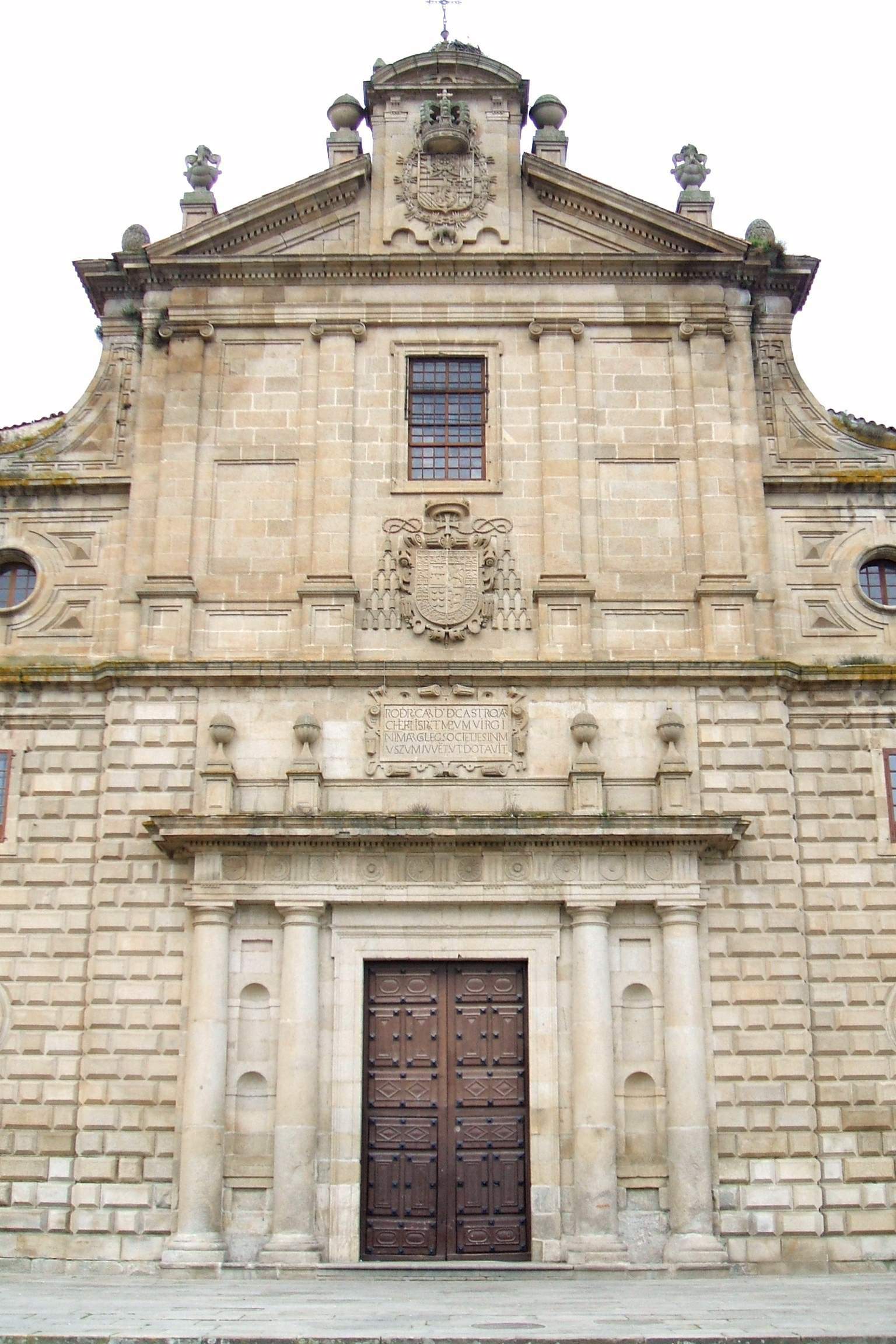
Igrexa do Colexio da Nosa Señora da Antiga de Monforte de Lemos
Monforte de Lemos
-
Igrexa de San Xoán de Frontón
Pantón
Earn badges for the places you visit
Download NextOnTrip, discover new places and check off your trails.