About this place
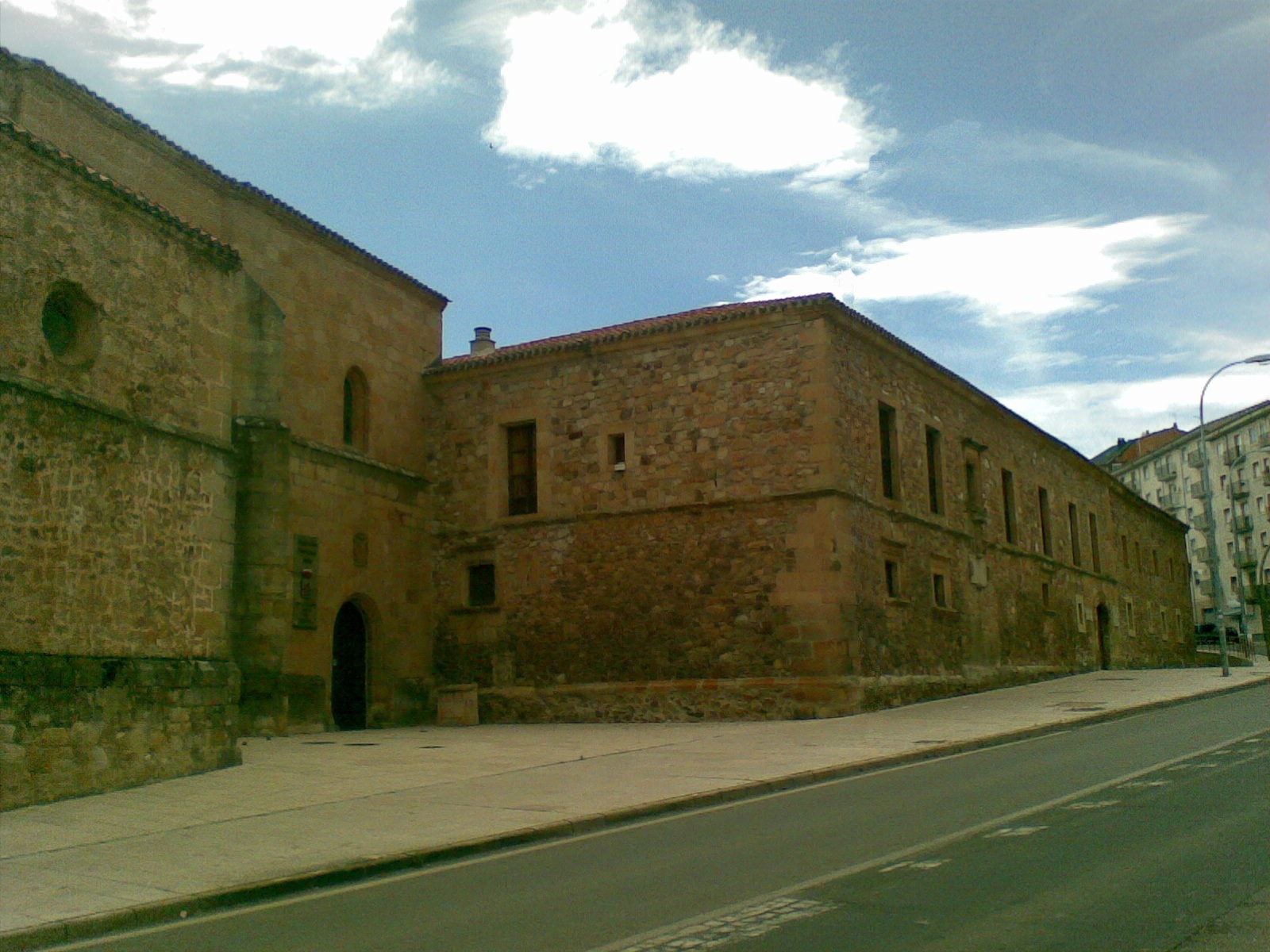
The Convent of Nuestra Señora de la Merced is a historic monastic complex in Soria, in the north of Spain, and one of the city's more overlooked but rewarding historical stops.
How did the Mercedarian convent in Soria begin?
The Mercedarian order already had a house in Soria by 1299, confirmed by a papal bull of Pope Boniface VIII. The friars themselves only settled permanently in the city around 1387, and notably without the backing of a noble family or royal patronage — an unusual position for a religious order at the time. They first took over the buildings of the Augustinian convent of Santi Spíritu, near the river.
That arrangement didn't last. A fire in 1499 forced the Mercedarians out, and the canons of the collegiate church of San Pedro stepped in to shelter them — only to expel the friars without warning years later. Tensions with the canons came to a head around 1593, ending in the order's abrupt expulsion. A wealthy Soria noblewoman, Catalina de Barnuevo y Salcedo, then took the friars in at her own palace. Two years later, in 1595, the monks bought the neighboring church of San Martín de Canales, annexing it to the rest of the complex by 1597 — the arrangement that essentially shaped the convent as it stands today.
What can you see at the Convent of la Merced?
The heart of the complex is its Gothic convent church, the part of the building that draws the most attention from visitors interested in the religious architecture of the Soria region. The convent grew steadily in importance through the 17th century, and its history is tied to one of the great names of Spanish Golden Age theater: Fray Gabriel Téllez, better known by his pen name Tirso de Molina, served as the convent's Comendador General between 1645 and 1647.
It was likely through his patronage that, a few years after his death, the Chapel of the Virgin was built. Between 1700 and 1704, the chapel was decorated with paintings by Juan Antonio Zapata — one of the most notable features to look for inside.
Today the building no longer houses a religious community; it serves as the headquarters of the Fundación Duques de Soria, a cultural foundation tied to the city, keeping the historic complex in active use.
How do you get to the convent?
The Convent of Nuestra Señora de la Merced stands in the city of Soria, the capital of the province that shares its name. Soria has good road connections to Madrid and Zaragoza, and the city itself is compact — most of its historic sites, this convent included, are within easy walking distance of the center. Because the building now functions as a foundation's headquarters, it's worth checking locally, or with the tourist information office, on current access to the interior.
Frequently Asked Questions
When was the Convent of la Merced in Soria founded? The Mercedarian presence in Soria dates back to 1299, though the friars only settled in the city around 1387. The complex took the shape it has today after 1595–1597, when the community bought and annexed the church of San Martín de Canales.
What is Tirso de Molina's connection to the convent? The celebrated Spanish playwright Fray Gabriel Téllez, who wrote under the name Tirso de Molina, served as the convent's Comendador General from 1645 to 1647.
What can visitors see there today? The main draws are the Gothic convent church and the Chapel of the Virgin, decorated with paintings by Juan Antonio Zapata between 1700 and 1704. The building is now the headquarters of the Fundación Duques de Soria.
Can you visit the convent's interior? Since the building currently serves as a foundation's headquarters, interior access for visitors can vary — it's best to confirm on-site or through Soria's local tourist information office.
Nearby places

Earn badges for the places you visit
Download NextOnTrip, discover new places and check off your trails.