About this place
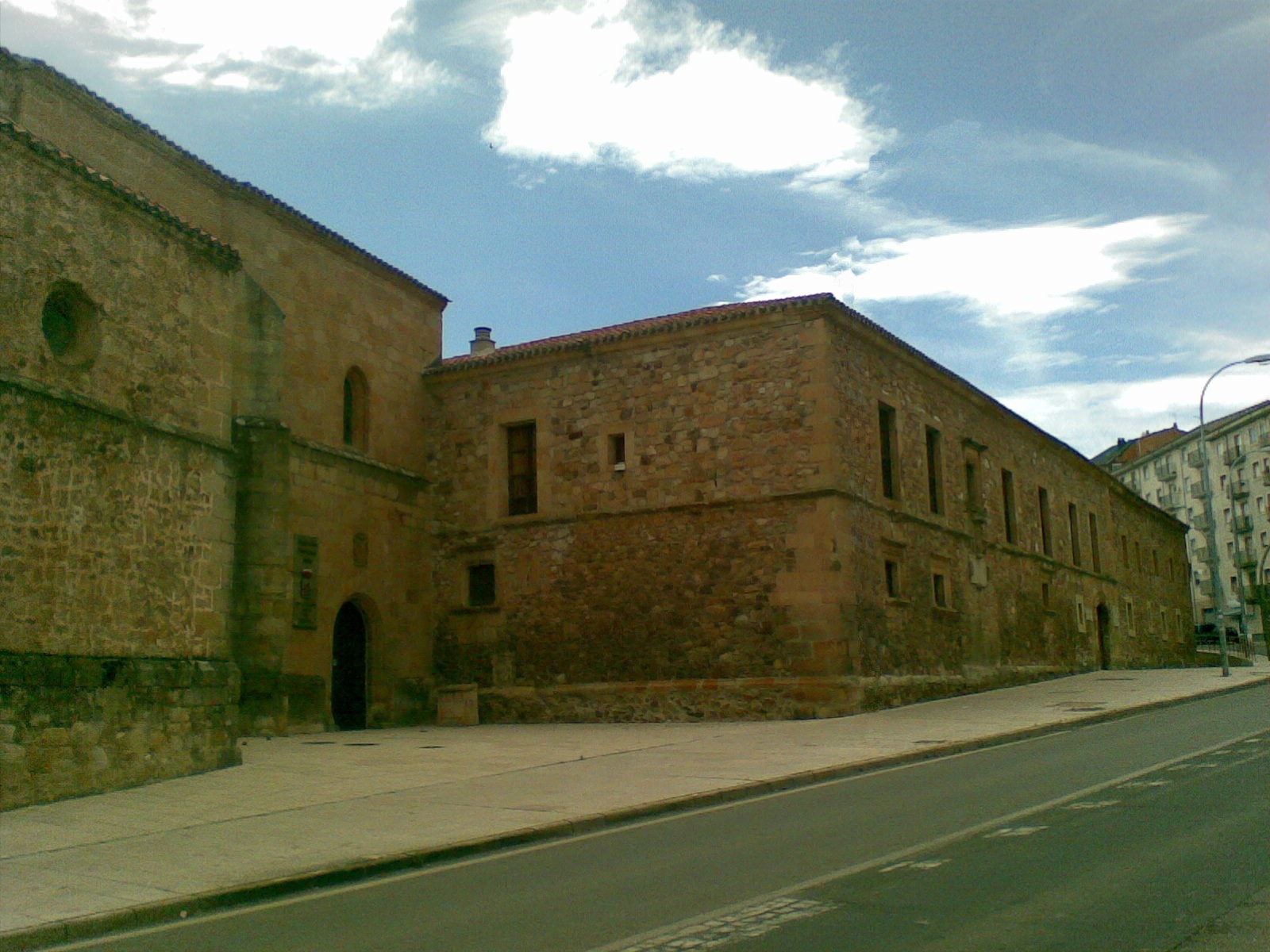
The Church of Santa María la Mayor is one of the oldest surviving churches in Soria, the provincial capital in Castile and León, standing right in the heart of the city's historic quarter.
Where does this church come from?
The current building stands on the site of a 12th-century Romanesque church dedicated to San Gil. Several elements from that original structure survive today: the entrance portal, the small apse on the epistle side, a stone sepulcher, and part of the tower. The rest of what visitors see now dates largely from the 16th century, when the church underwent a major rebuilding.
It was during that 16th-century phase that the church gained the significance it still carries today. While construction work was underway at the Collegiate Church of San Pedro, the chapter temporarily moved its meetings here — and the building came to be known as Nuestra Señora de la Mayor. City authorities even considered, on more than one occasion, making the move permanent and relocating the collegiate seat here for good.
What is worth seeing inside?
The interior follows a three-nave layout, typical of the larger parish churches in the region. The centerpiece is an imposing 16th-century main altarpiece by Francisco de Ágreda, whose work shows clear influence from Juan de Juni, one of the leading sculptors of the Spanish Renaissance. It is also worth pausing at the surviving Romanesque fragments, which stand in visible contrast to the later, more ornate sections of the building — a useful way to trace how Soria's religious architecture evolved across four centuries.
What history unfolded within these walls?
From the 12th century through the 19th, the church served a role beyond the purely religious: city magistrates (regidores) met here to handle municipal and judicial affairs. For centuries, it effectively functioned as both town hall and courthouse, which explains its central place in the life of old Soria.
For many visitors today, though, the most memorable chapter of the church's history is a later one: in 1909, poet Antonio Machado, one of the leading figures of Spain's Generation of '98, married Leonor Izquierdo here. That episode still draws literature lovers tracing the poet's footsteps through Soria, the city that shaped so much of his work.
How to get there and when to visit?
The church sits right in Soria's historic center, within easy walking distance of the main landmarks of the old town, making it a natural stop on a walking tour of the city. No special transport is needed — reach central Soria and cover the rest on foot.
The building and its interior can be visited year-round, though as with most active parish churches, opening hours are typically limited to windows between services. It is best to plan a visit outside mass times, and to check current opening hours locally or at the tourist information office if in doubt.
Frequently asked questions
Is the Church of Santa María la Mayor the same as Soria's Collegiate Church of San Pedro? No. They are separate buildings, though historically closely linked — in the 16th century the collegiate chapter moved here temporarily, which is how the name Nuestra Señora de la Mayor came about.
What survives from the original Romanesque church of San Gil? The entrance portal, the epistle-side apse, one sepulcher, and part of the tower — the rest of the structure dates from the 16th-century rebuilding.
Why is the church linked to Antonio Machado? It was here, in 1909, that the poet married Leonor Izquierdo — a detail that still draws fans of his work connected to Soria.
How much time should I set aside to visit? The church is fairly compact, so seeing the interior usually takes fifteen to twenty-five minutes, though it is worth allowing extra time to take in the main altarpiece and the Romanesque architectural details.
Nearby places

Earn badges for the places you visit
Download NextOnTrip, discover new places and check off your trails.