About this place
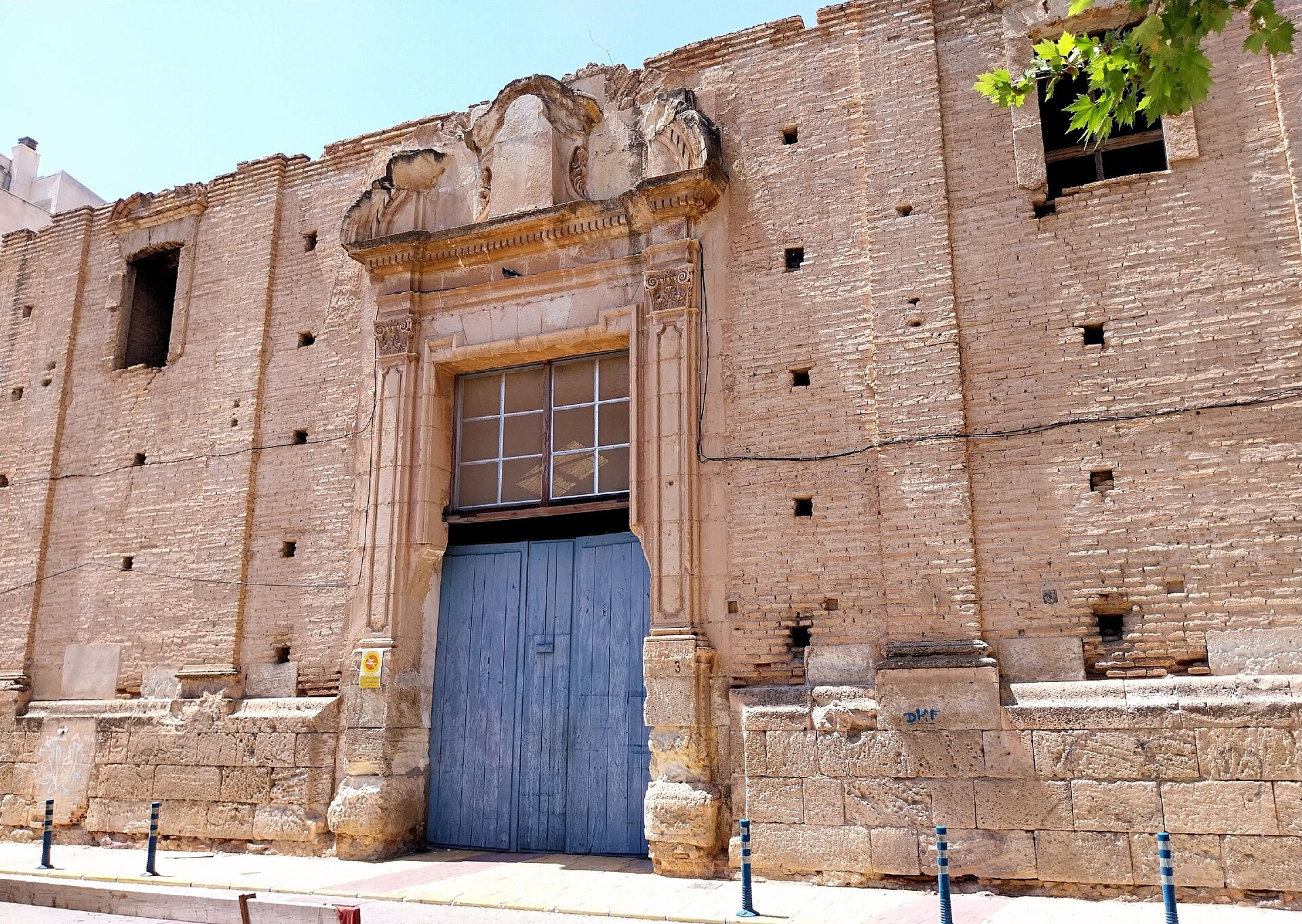
Convento de los Mínimos is a former monastic complex in Alcantarilla, in the Murcia region of southeastern Spain. Also known as the convent of San Francisco de Paula, it was built in the 18th century by the Order of Minims and remains one of the town's most significant historic landmarks.
How to get there?
Alcantarilla sits within the greater Murcia urban area, about 7 km west of the regional capital's city centre, making it an easy day-trip destination. The town is reached via the A-30 motorway and has regular train and bus connections to Murcia. The convent building itself stands in Alcantarilla's historic centre, within walking distance of the town hall and main square, so no additional local transport is needed once you arrive.
What will you see?
Of the original monastic complex, what survives today is mainly the church façade, the lower sections of the former bell tower, the cloister, and a monumental staircase leading to the upper floor. The building's overall style is Baroque, typical of religious architecture in the Murcia region during the first half of the 18th century. It's worth taking a moment to appreciate the proportions of the façade and the stonework details that have survived despite the building changing hands and function repeatedly over the past two centuries.
The Minims settled in Alcantarilla as early as 1704, bringing skilled master builders from the order, while construction of the convent and church itself began in the second quarter of the 18th century. The foundation originally functioned as a hospice and hospital serving Alcantarilla and the surrounding area, combining charitable work with monastic life. Between 1721 and 1767, the church housed the image of the Virgen de la Salud, the town's patroness, making the site an important religious centre for the wider area.
The building's fortunes changed drastically in the 19th century: as a result of Spain's ecclesiastical disentailment, the convent passed into private hands in 1860. Over the following decades the property changed use several times, and in 1950 a bakery equipment factory was installed on the site — a telling example of how former religious buildings were absorbed by urban industrial growth. Despite these transformations, the surviving fragment of the complex still allows visitors to read the monastery's original spatial layout.
What is its heritage protection status?
Given its historical and architectural value, Convento de los Mínimos has recently been placed under formal protection by the Region of Murcia, which declared the monastic ensemble an Asset of Cultural Interest (Bien de Interés Cultural) and established a protection zone around it, within which no alterations can be made without heritage authorisation. This confirms the site's standing as one of the key surviving examples of 18th-century religious architecture in the region.
When to visit?
Spring and autumn are the best times to explore Alcantarilla and its surroundings, as temperatures in the Murcia region are milder than during the height of summer. It's worth combining a visit to the convent with a walk through the historic town centre, home to other sites tied to local tradition and culture.
Frequently asked questions
What was Convento de los Mínimos originally used for? It served as both a convent and a hospice/hospital run by the Order of Minims for the people of Alcantarilla and the surrounding area.
When was the convent built? The order settled in Alcantarilla in 1704, with the main construction of the church and convent carried out in the second quarter of the 18th century.
What remains of the original monastic complex? The church façade, the lower sections of the former tower, the cloister, and a monumental staircase have survived to this day.
Is the building legally protected today? Yes, the Region of Murcia has declared it an Asset of Cultural Interest and established a protection zone around the site.
Nearby places

Earn badges for the places you visit
Download NextOnTrip, discover new places and check off your trails.