About this place
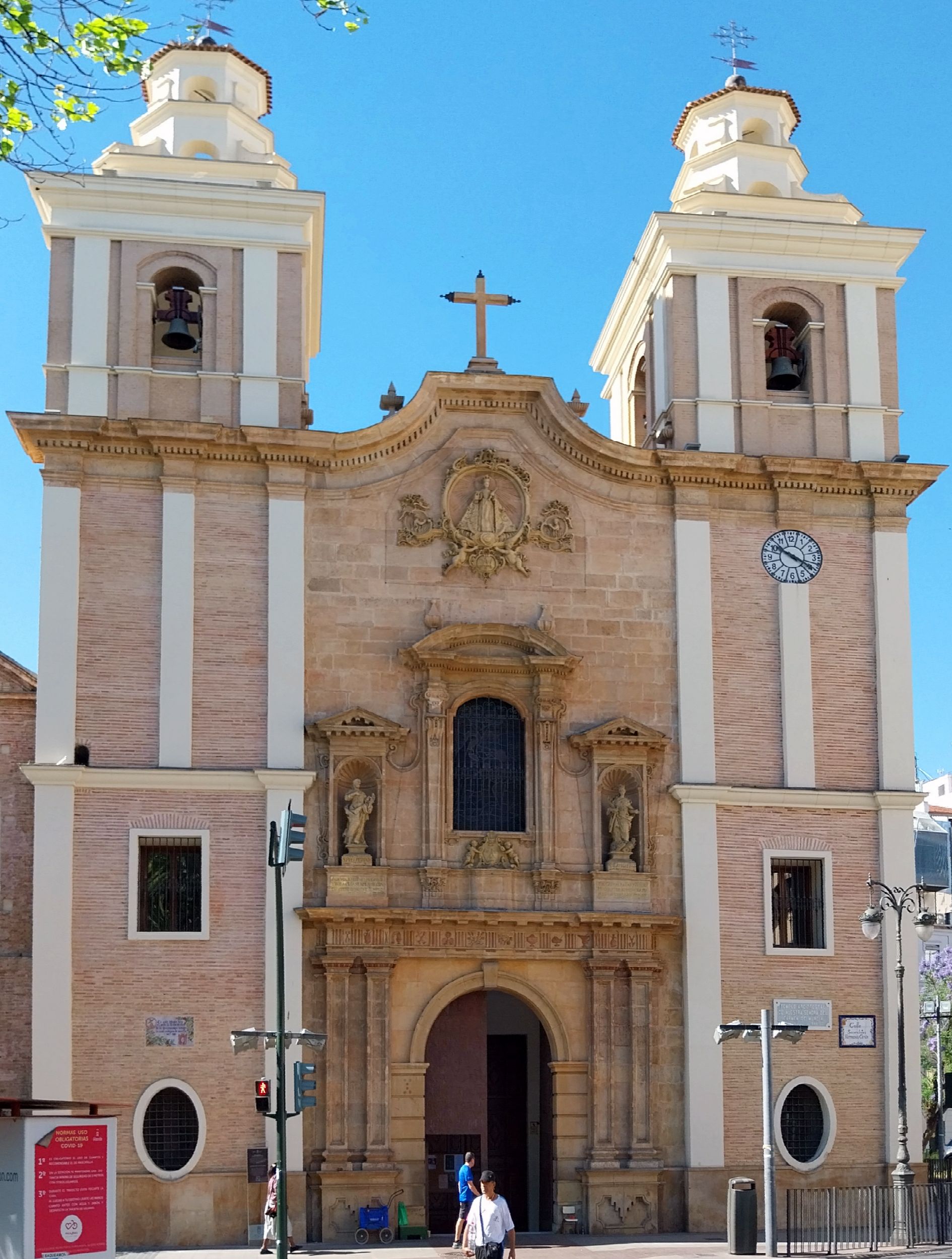
Convento de las Agustinas del Corpus Christi is one of the grandest Baroque landmarks in Murcia, tucked away on the small Plaza de las Agustinas in the San Andrés district — once the outlying suburb of Arrixaca. Still home to a community of Augustinian nuns, the complex is both a living place of worship and one of the city's largest and most striking monastic ensembles.
How to get there?
The convent sits in the northern part of Murcia's historic centre, an easy walk of about fifteen minutes from the cathedral and the main squares of the old town. Walking is the simplest way to reach it — head for the San Andrés neighbourhood, one of the city's traditional enclaves that still keeps the character of a former suburb. Streets in the area are narrow and densely built, so it helps to have a route planned before setting out.
What will you see?
The community's story begins in 1615, when the first Augustinian nuns arrived in Murcia. Their original building proved structurally weak and was repeatedly flooded, forcing the sisters to build a second one, financed by Bishop Francisco de Rojas y Borja, who asked to be buried within its walls. A third and final monastery went up in 1729, during the economic boom known as Murcia's "golden century," with further funding from Bishop Tomás José Ruíz Montes.
The current church dates from the 18th century and ranks among the most important works of Murcian Baroque architecture, designed by master builder Bolarín el Viejo. Inside, the standout feature is the main altarpiece, carved by José Ganga Ripoll, crowned by a figure of Saint Augustine attributed to Francisco Salzillo — one of the leading names in 18th-century Spanish religious sculpture. The church and convent together form one of the largest monastic complexes in the city, making it a key stop for anyone interested in the region's sacred architecture.
When to visit?
Since this is an active enclosed convent, visits are generally limited to the church itself and follow the building's opening hours, which are usually tied to Mass times and services. It's worth checking the current schedule before you go. Weekday mornings tend to be the quietest time to visit, with fewer tourists in Murcia's old town. Spring and autumn also make for a more comfortable walk through the historic centre than the height of Murcia's hot summer.
Frequently Asked Questions
Can you go inside the convent itself? Access is mostly limited to the convent church — the living quarters remain an enclosed cloister for the Augustinian nuns and are not open to visitors.
What is the most valuable feature inside? The main altarpiece by José Ganga Ripoll, topped with a figure of Saint Augustine attributed to Francisco Salzillo, one of Spanish Baroque sculpture's most celebrated names.
Why was the building constructed three times? The first convent, built in 1615, was poorly constructed and prone to flooding, so the sisters built increasingly solid replacements until the definitive complex was completed in 1729.
Is there anything else worth seeing nearby? The San Andrés district around the convent is one of Murcia's historic enclaves — while you're there, it's worth wandering its streets to see other churches and traces of the old Arrixaca suburb.
Nearby places

Earn badges for the places you visit
Download NextOnTrip, discover new places and check off your trails.