About this place
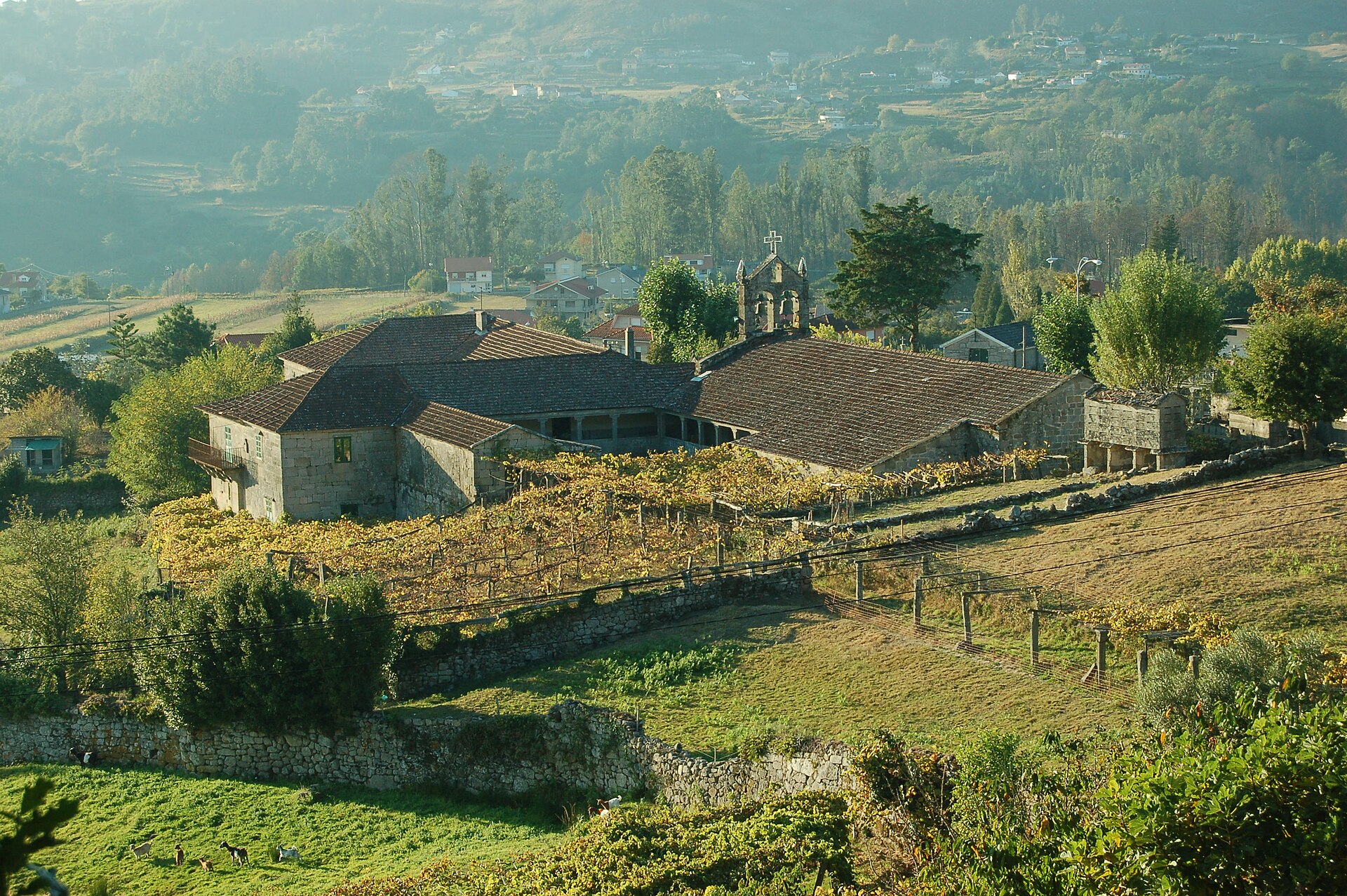
The Monastery of San Pedro de Tenorio stands in the small village of As Covas, within the parish of Tenorio, in the municipality of Cerdedo-Cotobade in the province of Pontevedra, Galicia.
Where does its history begin?
Some scholars trace the first religious community on this site back to the 10th century, but the earliest surviving document that directly confirms the monastery's existence dates from 1073 and is kept in the archives of the nearby monastery of Lérez. The whole municipality of Cotobade actually takes its name from this abbey — from the Galician "coto do abade," meaning "the abbot's territory." At the height of its influence, the monastery's estates stretched across much of the valleys of the Lérez and Almofrei rivers, a sign of how central this place once was to the region's economic and spiritual life.
Everything changed at the end of the 15th century, when the powerful nobleman Pedro Madruga replaced the local abbot with a monk brought in from Lérez. The resident monks refused to accept the new appointment and abandoned the buildings, marking the beginning of a long decline. The monastery suffered another blow during the Peninsular War in the early 19th century, when it served as a hideout for guerrilla fighters resisting Napoleon's troops — and was partially burned down by French forces in retaliation. Final abandonment came later that century, after the Mendizábal disentailment stripped the Church of much of its property across Spain.
What can you actually see there today?
The centerpiece of the complex is an 18th-century Baroque church, raised over an earlier structure that was likely Romanesque, judging by the shape of the vaulting and several blocked-up windows still visible in the walls. Next to the church stands a 16th-century cloister — a two-story, rectangular structure arranged around three wings, echoing the layout of the cloister at Lérez. At its center sits a fountain that once marked the daily rhythm of monastic life.
Walking through the courtyard today, visitors feel a striking contrast between the monumental stone architecture and the quiet countryside surrounding it — decades of near-total abandonment have, somewhat paradoxically, preserved the site's raw, unpolished character.
How do you get there?
The monastery sits in the village of As Covas. The most convenient route is via the N-541 highway, followed by a turn onto the local EP-0406 road, which leads directly to the site. The surroundings are rural, so travelling by car is by far the most reliable way to reach this spot, which lies well off the main tourist routes.
When is the best time to visit?
Given its open, rural setting, spring and summer are the most rewarding seasons, when the greenery of the Lérez river valley sets off the stone walls at their best. It's worth keeping in mind that the site has been awaiting restoration for years — a private hospitality investor has already put forward a project to turn the former monastery into a wine-tourism venue, with a budget of around two million euros. Before planning a visit, it's best to check the current access status with the local Cerdedo-Cotobade authorities, since renovation work may affect what can be seen on site.
Frequently asked questions
What was the Monastery of San Pedro de Tenorio? A monastery whose earliest documented mention dates to 1073, with estates that once covered much of the surrounding river valleys.
Where does the name of the Cotobade municipality come from? It comes directly from this monastery — from the Galician phrase meaning "the abbot's territory."
What architectural features survive today? An 18th-century Baroque church built over older, likely Romanesque foundations, and a 16th-century cloister with a central fountain.
Can the monastery be visited today? The site has long stood abandoned, and there are ongoing plans to convert it into a wine-tourism venue, so it's worth checking current access information with local authorities before visiting.
Nearby places

Earn badges for the places you visit
Download NextOnTrip, discover new places and check off your trails.