Museums in Spain
A guide to 891 Museums in Spain — with descriptions, photos and traveler visits from the NextOnTrip community. Locations spread across 469 cities and towns. Most visited by the community: Muzeum Picassa w Barcelonie, Museo Internacional de Arte Contemporáneo, Palace of Zulueta.
-
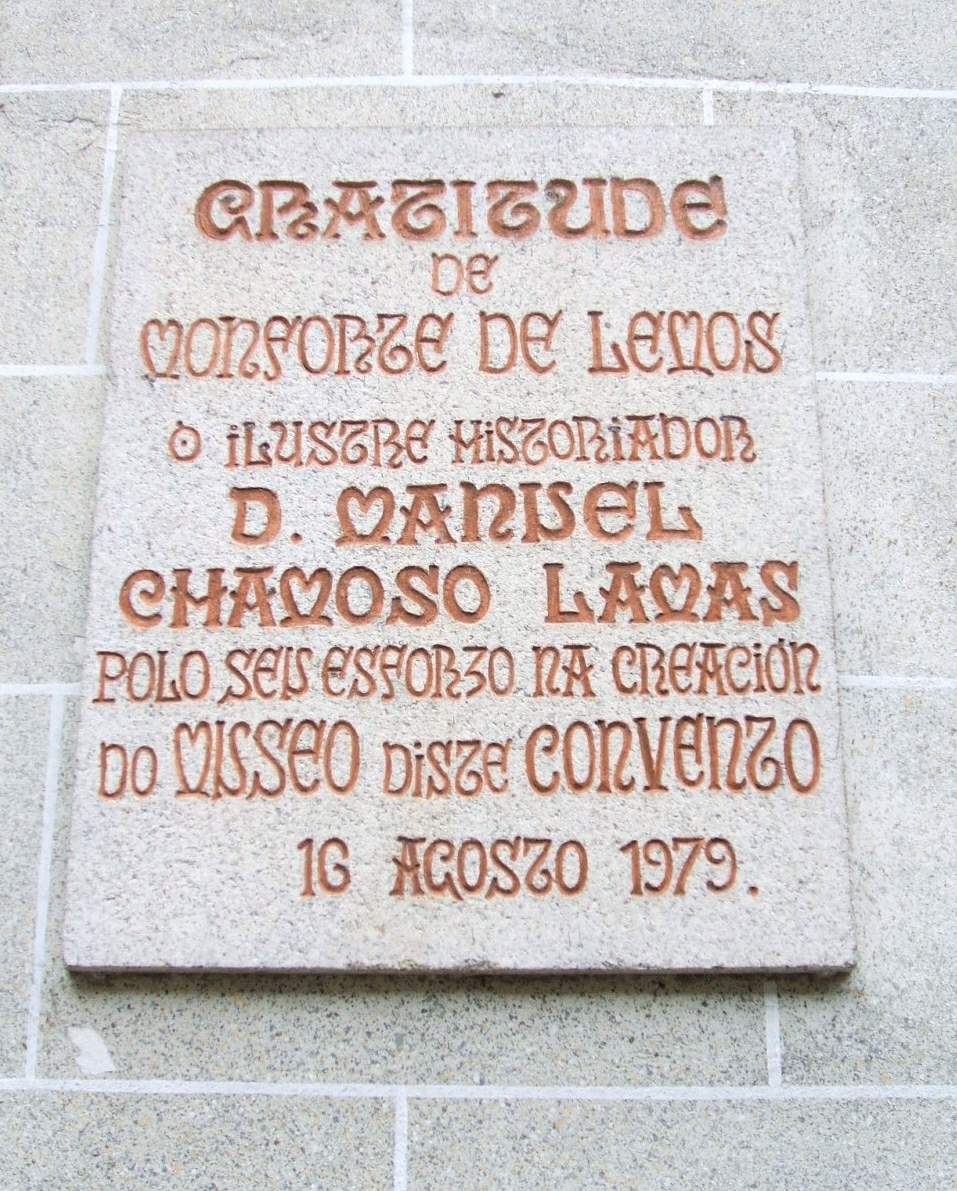
Museo de Arte Sacra das Clarisas de Monforte
Monforte de Lemos
The Museo de Arte Sacra das Clarisas in Monforte de Lemos is one of Galicia's finest collections of sacred art, tucked inside the walls of an active Poor Clare convent at the gateway to the Ribeira Sacra. What is this place? The museum occupies several rooms of the Convent of Santa Clara, founded in 1622 by Catalina de la Cerda y Sandoval, wife of Pedro Fernández de Castro, 7th Count of Lemos. After being widowed, the countess herself entered the convent and lived out her remaining years there. Much of what visitors see today came directly from the count and countess's own household, brought back from Naples, where Pedro Fernández de Castro served as viceroy between 1610 and 1616. The museum opened its doors to the public in 1977 and has since become recognised as one of the most important holdings of early 17th-century Italian art anywhere in Galicia. What will you see inside? The collection is spread across four rooms and centres on works the count's family carried back from their years in Naples. Cases and walls display Spanish and Italian paintings and sculpture from the 16th and 17th centuries alongside goldsmith work, carved ivories, richly embroidered liturgical textiles, and reliquaries prized for both their craftsmanship and their history. It is usually the reliquaries and other luxury objects — worked with the precision typical of Neapolitan artisans of the period — that leave the strongest impression on visitors. Because the museum sits inside a working enclosed convent, tours stay within a designated section of the building; the sisters' private quarters remain off-limits. How do you get there, and when should you go? The museum stands on Calle Santa Clara 26, right in the historic centre of Monforte de Lemos, the town that serves as the main entry point to the Ribeira Sacra wine region. Driving from Lugo or Ourense takes roughly an hour either way, and once in town the convent is only a short walk from the old quarter. Opening hours run Tuesday to Saturday from 11:00 to 13:00 and 17:00 to 19:00, and on Sundays and holidays from 12:00 to 13:00 and 17:00 to 19:00; the museum is closed on Mondays. Visits are typically guided, often by one of the resident sisters, so calling ahead to book a slot is worth doing, especially for groups. The entrance fee is modest, and mornings tend to offer the best light through the convent windows for viewing the paintings. Who should visit? The museum rewards travellers interested in sacred art, Galician history, or the Baroque-era ties between Spain and Naples. Given its intimate scale, a visit typically takes 30 to 45 minutes, making it an easy addition to a day exploring Monforte de Lemos itself — a town also known for its Torre del Homenaje keep and the Monastery of San Vicente do Pino, both reachable on foot from the convent. Frequently Asked Questions Do I need to book in advance? It is strongly recommended to call ahead, since visits run at set hours and organised groups should confirm a time slot by phone. How long does a visit take? Given the small number of rooms, a full visit usually lasts between 30 and 45 minutes. Is the museum part of a working convent? Yes, the Convent of Santa Clara is still home to a community of Poor Clare nuns, and public access is limited to a designated section of the building. What is the most valuable piece in the collection? The Italian artworks brought back from Naples by the Counts of Lemos in the early 17th century, including the reliquaries and goldsmith pieces, are generally considered the collection's most valuable items.
-
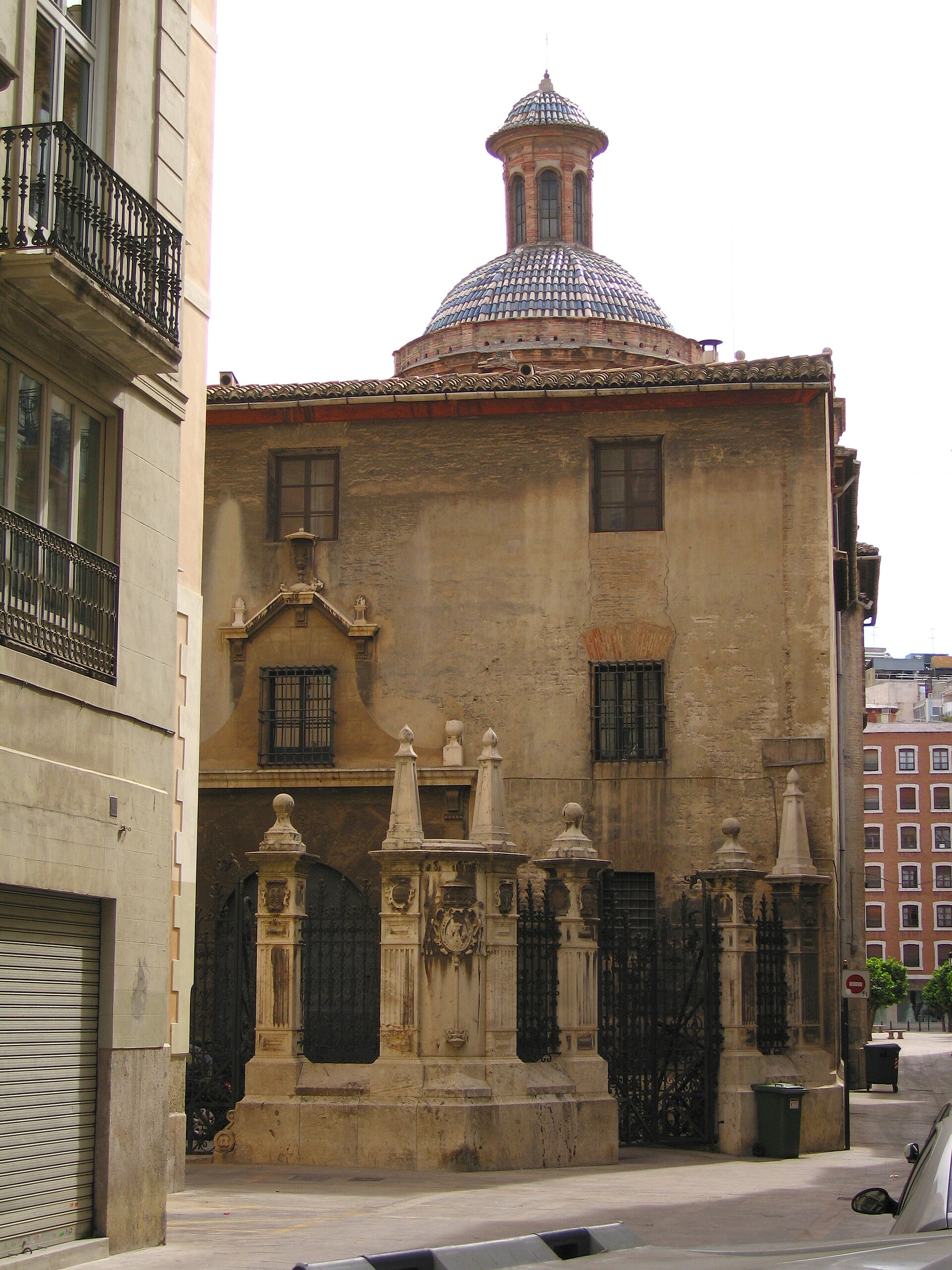
Museu del Patriarca
Walencja
Museo del Patriarca is a compact but art-packed museum in Valencia, tucked inside a former seminary and college on calle de la Nau, directly opposite the historic La Nau building, once home to the city's old Universidad Literaria. Officially the Real Colegio Seminario del Corpus Christi, the complex was founded in 1583 by Patriarch Juan de Ribera and still functions today as a working church and educational institution, with one wing opened to visitors as a museum housing the founder's private art collection. What should you know before visiting? The college was established to train clergy in the spirit of the Counter-Reformation, and Juan de Ribera — Archbishop of Valencia and Viceroy of Valencia — made sure the building served not only as a school but also as a showcase for fine art. The result is a painting collection that has survived almost intact for over four centuries, a rare feat for a private ecclesiastical collection of this age. How do you get to Museo del Patriarca? The museum sits right in the heart of Valencia's old town, a short walk from Plaza del Ayuntamiento and the cathedral. Walking is by far the easiest way to arrive, since the surrounding streets are narrow and largely closed to car traffic. The nearest metro and bus stops are within a few hundred meters, and calle de la Nau itself is easy to find thanks to its neighbor, the former university building La Nau, which makes a reliable landmark. What will you see inside? The centerpiece of a visit is the college's Renaissance courtyard — a square space wrapped in two-tiered arcades, considered one of the finer examples of this architectural style in the city. Around it, exhibition rooms display the painting collection assembled by Patriarch Ribera, featuring Spanish and Italian masters of the era, including works tied to Valencia's own school of religious painting. The collection also includes a piece attributed to El Greco, making the museum one of the few places in the Valencia region where his work can be seen. The visit extends into the collegiate church itself, with its richly decorated interior, and the sacristy, which preserves liturgical objects connected to the founder. What sets the complex apart architecturally is that it has combined a religious, educational, and museum function in a single building almost without interruption since the 16th century. That gives a visit a different feel from a typical museum: this was never converted into an exhibition space after the fact — it was designed from the start to house and protect art. When is the best time to visit? The museum keeps limited opening hours typical of a church-run institution, so it's worth checking the current schedule before setting out, since religious services can close the building to casual visitors on certain days. Weekday mornings tend to be the quietest window for taking in the courtyard and exhibition rooms without a crowd. Given its small footprint, a visit usually takes 30 to 60 minutes, which makes it easy to pair with a stop at the neighboring La Nau building or the nearby cathedral. Frequently Asked Questions Is Museo del Patriarca the same as Valencia Cathedral? No. It's a separate site — a former college and seminary founded by Patriarch Juan de Ribera in 1583, located on calle de la Nau near the cathedral but operating as its own institution, with its own church and museum. Can you see an original El Greco painting here? Yes, the collection includes a work attributed to the artist, making this one of the few places in the Valencia region where his painting can be viewed. How much time should you set aside? Given the museum's small scale, half an hour to an hour is usually enough to take in the courtyard, the church, and the painting galleries. Is it worth combining with other nearby sights? Definitely — the building faces the former university building La Nau, and from there it's a short walk to the cathedral and Plaza del Ayuntamiento, making it easy to fold into a single walk through the historic center.
-
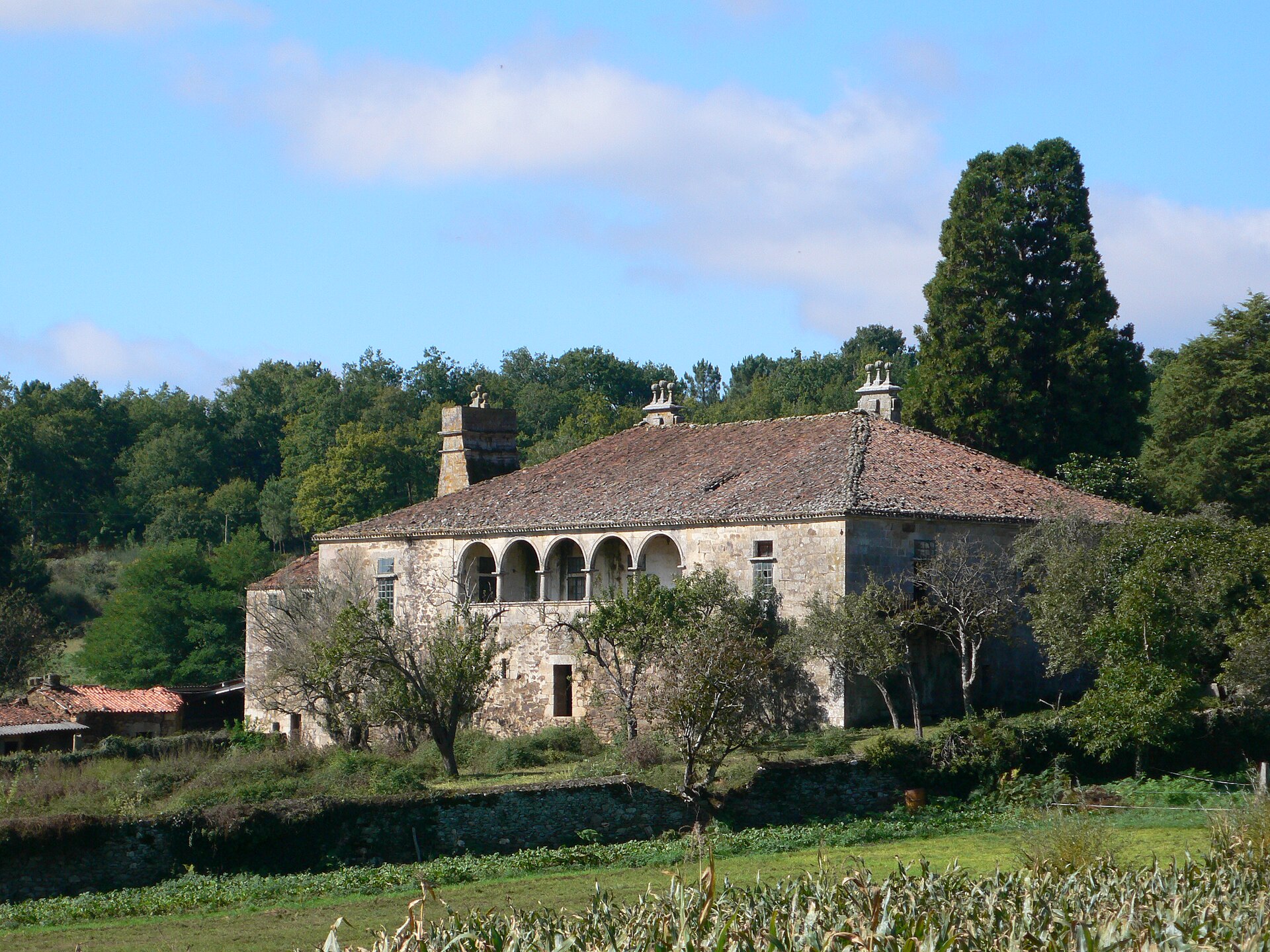
Museo Galego do Xoguete e a Marioneta
Lalín
The Museo Galego do Xoguete e a Marioneta, in Lalín, is one of the few museums in Spain dedicated entirely to puppetry and the history of toys. Founded in 2001, the museum has occupied the restored halls of the baroque Pazo de Liñares since December 2014 — a 17th-century manor house that once belonged to the Taboada family, one of the most prominent noble lineages in Galicia. How did this museum come to be? The museum grew out of an agreement between the Lalín town council and Viravolta, a puppet theatre company that had spent years building and maintaining a collection of performance puppets. Today the palace permanently displays more than 300 puppets and marionettes spanning different eras and continents. Alongside it sits the A. Chaves collection, comprising over a thousand toys tied to the circus, cinema, transport, and the animal world. What will you see inside? The ground floor houses a room dedicated to circus, cinema, and puppet theatre, tracing how these three forms of entertainment overlapped and influenced one another over the decades. A separate multimedia room screens an audiovisual piece created specifically for the museum, exploring imagination as the thread connecting play and puppet art. Moving through the rooms, visitors can follow the evolution of toys — from simple, handmade objects to more elaborate 20th-century designs. The puppet section, meanwhile, illustrates how the craft developed on different continents, from traditional shadow theatre to European string marionettes. For many visitors, it's precisely this juxtaposition of cultures and eras under one roof that leaves the strongest impression. The Pazo de Liñares itself is worth the visit independent of the exhibits — its baroque architecture, stone façades, and preserved layout provide a fitting backdrop for the collections and stand as an example of Galician manor-house building from the period. How do you get there? Lalín sits in the province of Pontevedra, in the Deza region, in central Galicia. It's a key transport hub between Santiago de Compostela and the inland areas of the region, which makes driving the most convenient way to arrive — the town lies on the main roads connecting the coast with Galicia's interior. Regional buses also run to Lalín from larger towns in the province. The Pazo de Liñares stands in the town centre itself, so once you've parked, it's an easy walk to the entrance. When should you visit? The museum can be visited year-round, and since the exhibits are indoors, it's a solid option even on the cooler or rainier days common in this part of Galicia. It's worth checking current opening hours on the Lalín town council's website before your visit, as they can vary seasonally. Lalín is also known for its local festivals and cultural events — pairing a museum visit with one of these can add an extra layer to the trip. Who is this museum for? The exhibition appeals both to families with children and to anyone with an interest in theatre or craft history. Children will enjoy the colourful toys and puppets from different periods, adults will appreciate the historical context and craftsmanship on display, and architecture enthusiasts will find plenty to admire in the baroque palace itself. Frequently Asked Questions Where exactly is the museum located? Inside the Pazo de Liñares, a historic manor house in the town of Lalín, in the province of Pontevedra, in Galicia's Deza region. How many pieces are on display? The permanent collection includes more than 300 puppets and marionettes, plus the A. Chaves collection of over a thousand toys related to the circus, cinema, and transport, among other themes. Is the museum suitable for children? Yes — the toy and puppet theme, along with the colourful, visual nature of the exhibits, makes it especially appealing for families with children. Is the manor house itself worth seeing beyond the museum? Definitely — the Pazo de Liñares is a 17th-century baroque residence built for the Taboada family, and it's worth a visit for its architecture alone.
-
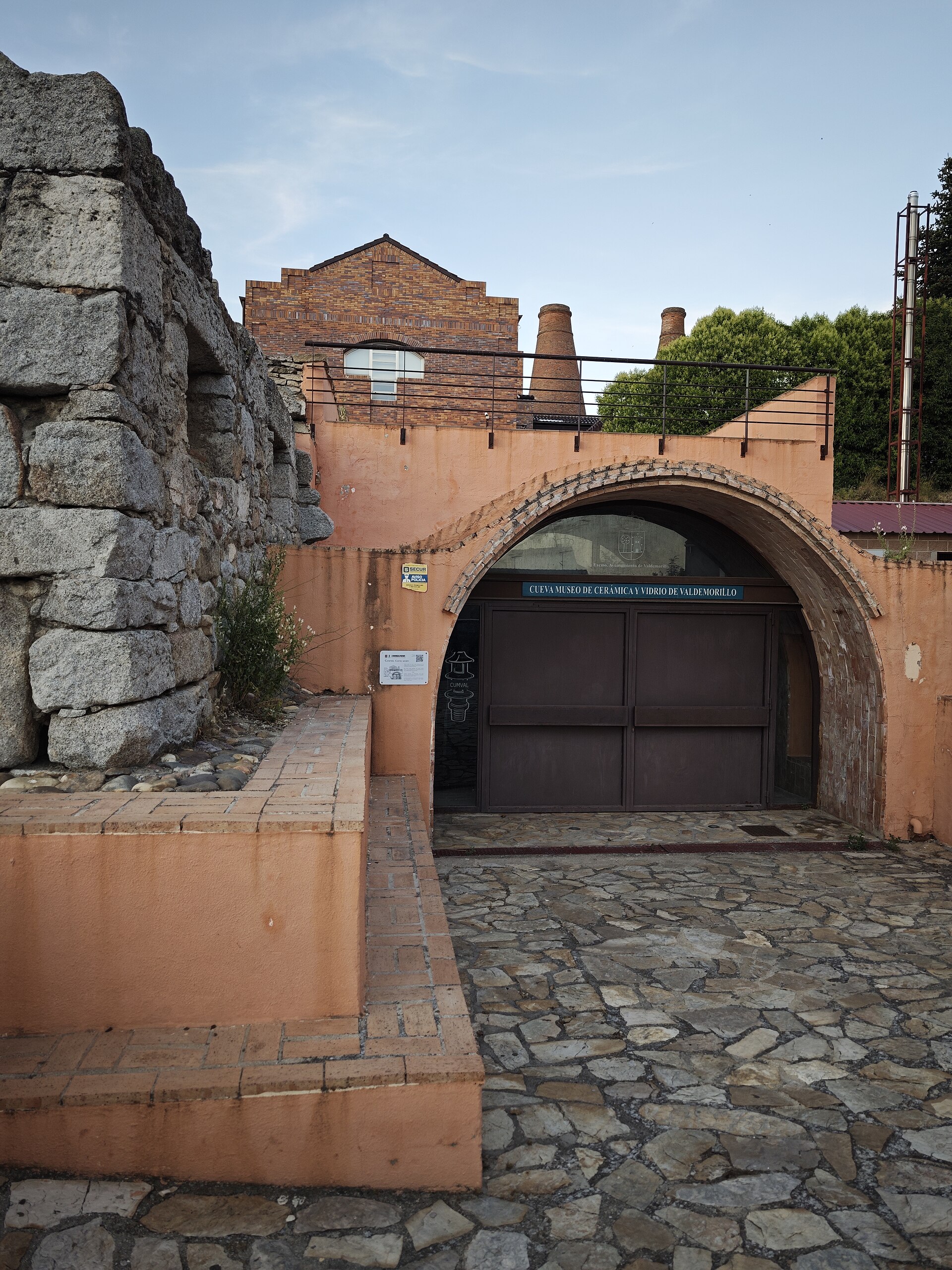
Cueva Museo de Cerámica y Vidrio
Valdemorillo
Cueva Museo de Cerámica y Vidrio is a small but striking museum tucked inside an artificial cave on Avenida de Segovia in Valdemorillo, a town west of Madrid. It brings together geology and industrial history — the cave itself dates back centuries, while the objects inside tell the story of a period when Valdemorillo was a notable center of ceramics and glass production in Spain. What is this cave, and why is there a museum inside it? The cave now housing the exhibition originally served as a natural ice store: locals packed it with snow and ice collected in winter, which was then used to keep food cold throughout the rest of the year. Later, as the town's ceramics factory grew, the cave was repurposed as a soaking pit for kaolin, the raw clay mineral needed to make porcelain. It wasn't until 2007 that the space reopened in its current form, as a museum dedicated to the town's industrial heritage. What will you see inside? Inside the cave sit more than a hundred pieces connected to Valdemorillo's historic ceramics and glass factory, active through the 19th and 20th centuries and known as the Juan Falcó factory, or Sociedad del Aulencia, founded in 1845. The collection includes Roman pottery fragments found in the area, electrical insulators produced for period infrastructure, laboratory porcelain, and — perhaps the standout piece — the first heat-resistant glass ever manufactured in Spain, made right here in Valdemorillo. A separate group of pieces consists of tableware commissioned for the Spanish royal household, used by Alfonso XII and Alfonso XIII. The Falcó factory won awards at national and international fairs and was among the first in the region to use decal decoration on its wares. How do you get to the museum? Valdemorillo sits in the Sierra Oeste area of the Madrid region, and the easiest way to reach it is by car — the drive from central Madrid typically takes around 40 to 50 minutes. The museum is located on Avenida de Segovia, in an easily accessible part of town. It's worth pairing a visit with a wider walk around Valdemorillo, since the town has a rich history tied to stonework and traditional crafts that many visitors enjoy exploring alongside the museum. When should you visit, and how do you book? Visits to the Cueva Museo de Cerámica y Vidrio only happen by prior appointment — there's no walk-in access. Admission is free, and you arrange a visiting slot by contacting the local town hall, either by email (cultura@aytovaldemorillo.com) or by phone (+34 91 897 76 15). Because the interior is compact, group sizes tend to be limited, so it's worth reaching out ahead of time, particularly if you're planning a weekend visit or coming during the busier tourist months. Who is this museum for? This is a destination for visitors interested in local industrial history, ceramics, and craftsmanship, as well as anyone looking for a quieter, less obvious stop near Madrid. Given its small size and cave setting, it works best as part of a longer day exploring Valdemorillo rather than as a standalone full-day destination. Frequently Asked Questions Is admission to the museum free? Yes, entry is free, but you need to book a visiting slot in advance by phone or email. Do I need to book ahead? Yes — the museum operates strictly by appointment, arranged directly with the town hall, rather than allowing walk-in visits. What's the most interesting piece on display? Many visitors are drawn to the first heat-resistant glass ever made in Spain, along with the tableware produced for the Spanish royal family. How long does a visit take? Given the cave's small size, a typical visit lasts around 30 to 45 minutes.
-
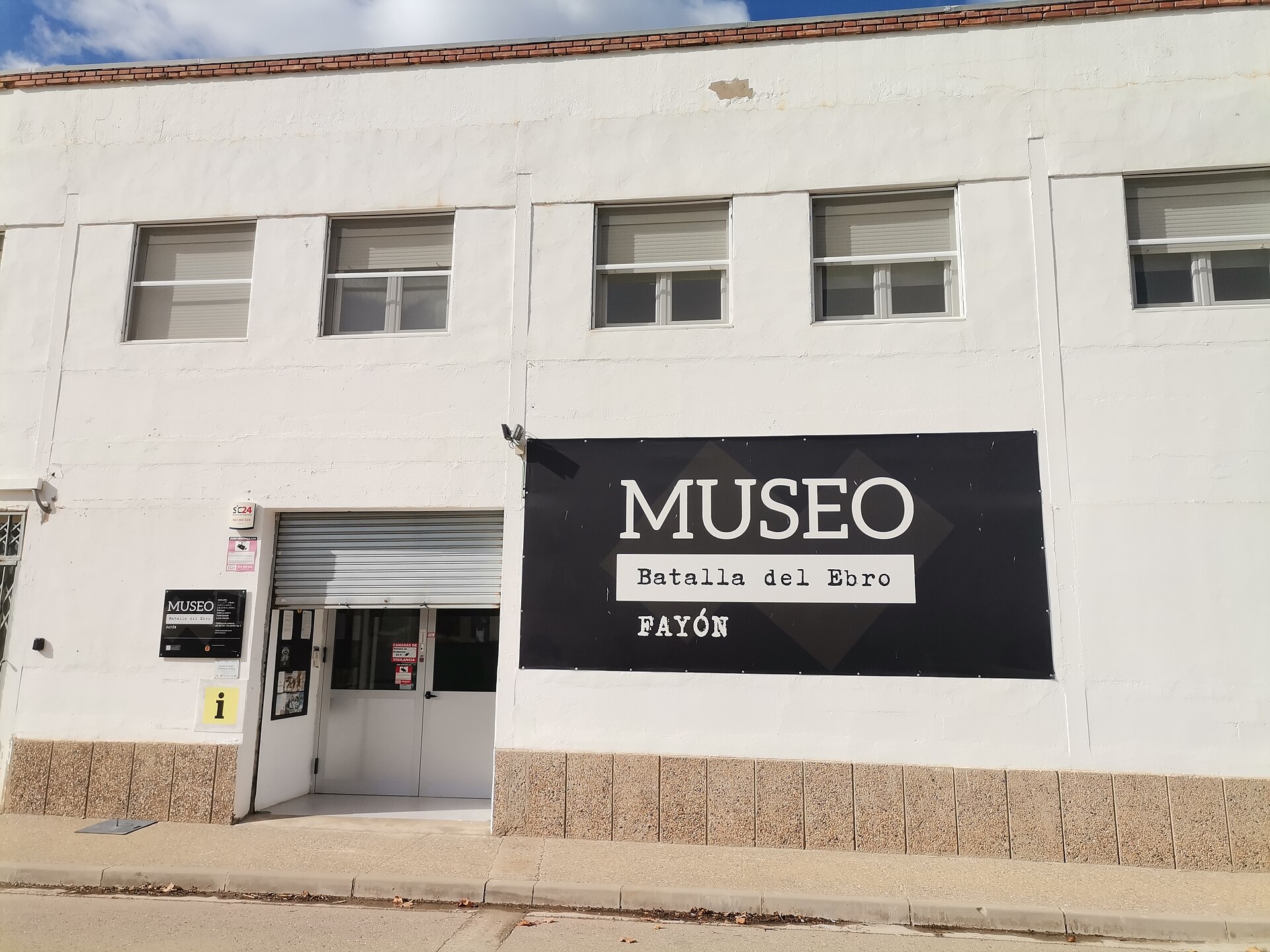
Battle of the Ebro Museum
Fayón
Museo de la Batalla del Ebro (Battle of the Ebro Museum) tells the story of one of the bloodiest confrontations of the Spanish Civil War, and it stands in Fayón, a small town in the province of Zaragoza, right on the border between Aragon and Catalonia. What is this museum about? The exhibition occupies a former textile factory, converted for museum use, with more than 1,000 m² split into three zones: a documentation centre and archive, an interpretation centre, and a permanent exhibition hall. That layout means a visit is both educational and immersive — rather than just cabinets of artefacts, the museum recreates the atmosphere of the 1938 front line. What will you see inside? The collection holds more than 3,000 objects tied to the Spanish Civil War, with a strong focus on the Battle of the Ebro specifically. Exhibits include weapons and soldiers' equipment, documents, and personal belongings. The dioramas are a particular highlight — built to realistically recreate combat scenes and life in the trenches, they make it easier to grasp the scale and brutality of the fighting that took place in this stretch of the Ebro valley. What is the history behind the museum? The Battle of the Ebro began on 25 July 1938, when the Republican 42nd Division crossed the river with the aim of capturing Fayón. It became the longest and bloodiest single battle of the entire civil war, with an extremely high number of casualties on both sides. Sitting directly on the riverbank, Fayón was one of the operation's key points, and traces of those events — trenches, fortifications, combat positions — can still be found in the surrounding landscape today. How do you get there? Fayón sits in the Ebro valley, within easy reach of both Catalonia (the Terres de l'Ebre region) and central Aragon. Driving is the most practical option — the nearest larger towns are Tortosa and Móra d'Ebre on the Catalan side, and Caspe on the Aragonese side. Because it is a small, locally run museum, it's worth checking current opening hours in advance, as visits are sometimes arranged by appointment or at set times. What else is there to see nearby? A museum visit pairs well with exploring the terrain outside. Guided tours to the trenches of position 36, and sometimes position 9, are organised around Fayón, letting visitors see authentic fortifications up close and better understand the tactics used in this rugged, hilly ground above the river. When is the best time to visit? The area has hot summers and mild winters, typical of the Ebro valley. Walking the trenches and outdoor combat positions is most comfortable in spring or autumn, when temperatures are more moderate than in the height of summer. The museum's indoor exhibition is open year-round, but it's worth setting aside enough time — a full visit combined with a trench tour usually takes a few hours. Frequently Asked Questions Where exactly is the museum located? In the town of Fayón, province of Zaragoza, Aragon, right on the border with Catalonia, in the Ebro river valley. How many exhibits can you see? The collection includes more than 3,000 objects related to the Spanish Civil War and the Battle of the Ebro, presented in part through realistic dioramas. Can you visit the actual battle trenches? Yes, the museum organises guided tours to the trenches of position 36 (and sometimes 9) around Fayón, where fortifications from 1938 have been preserved. What building houses the museum? The exhibition is set in a former textile factory, converted into a documentation centre, an interpretation centre, and a permanent exhibition hall spanning over 1,000 m².
-
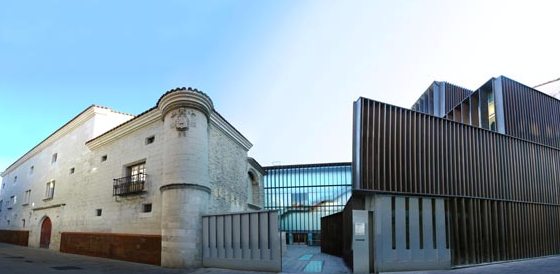
Fournier Museum of Playing Cards
Vitoria-Gasteiz
The Fournier Museum of Playing Cards in Vitoria-Gasteiz is one of the very few museums in the world dedicated entirely to playing cards. Its collection dates back to 1916, when Félix Alfaro Fournier, grandson of the founder of the renowned Naipes Heraclio Fournier company, began assembling decks from around the globe. The private collection eventually grew significant enough to be declared a Bien de Interés Cultural (an asset of cultural interest) in 1984, prompting the government of Álava province to acquire it and open it to the public. How do you get there? The museum occupies the Bendaña Palace, one of the standout historic buildings in Vitoria-Gasteiz's old town, which it has shared with the Álava Museum of Archaeology since 1994. Given its central location, walking is by far the easiest way to reach it — most visitors combine the trip with a stroll past the cathedral and the surrounding squares of the old quarter. If you're arriving from outside the city, the train or bus station is the usual starting point, with the historic center just a short walk away. One thing worth planning around: the opening hours are unusual for a museum, skewing toward evenings rather than mornings. It's open Tuesday to Wednesday and Sundays from 18:00 to 23:00, and Thursday to Saturday from 18:00 until 1:00 in the morning. A standard daytime visit simply won't work here, so check the schedule before you go — or call ahead at +34 672 21 72 56 if you're unsure. What will you see inside? At the heart of the exhibition is a collection of playing cards spanning different eras and cultures — from European tarot decks to distinctive designs from Asia and the Americas. The pieces on display trace how playing cards evolved beyond mere entertainment, becoming a canvas for decorative art, religious symbolism, and even political propaganda. A substantial part of the holdings comes directly from the archives of the Fournier family, tied to one of Spain's oldest and most recognizable playing-card manufacturers. Because the building is shared with the Álava Museum of Archaeology, a visit here often turns into two experiences under one roof — ancient artifacts on one side, the modern history of card and board games on the other. The Bendaña Palace itself, with its distinctive stone façade and interior courtyard, is also worth a look as an example of the bourgeois architecture of old Vitoria. When should you visit? Given the evening opening hours, this museum fits naturally into an afternoon or evening itinerary — for example after lunch, once the main daytime sights in the center have already been covered, and away from the summer heat or winter chill. It's also a solid choice for travelers spending their days exploring other parts of the Basque Country and reserving evenings for Vitoria-Gasteiz itself. Plan for 45 minutes to an hour, depending on whether you also tour the archaeology wing. Frequently Asked Questions Is the Fournier Museum of Playing Cards a large museum? No — it's a compact, single-theme museum built around one collector's passion, and most visitors can see it all in under an hour. Where does the museum's name come from? From the Fournier family, specifically Félix Alfaro Fournier, grandson of the founder of Naipes Heraclio Fournier, who started the private card collection in 1916. Does it share a building with any other attraction? Yes — since 1994 it has occupied the Bendaña Palace together with the Álava Museum of Archaeology, making it easy to visit both in one trip. Do you need to book tickets in advance? Given its niche appeal and lower visitor volume compared to major attractions, advance booking usually isn't necessary, but it's worth calling ahead to confirm current opening hours before you go.
-
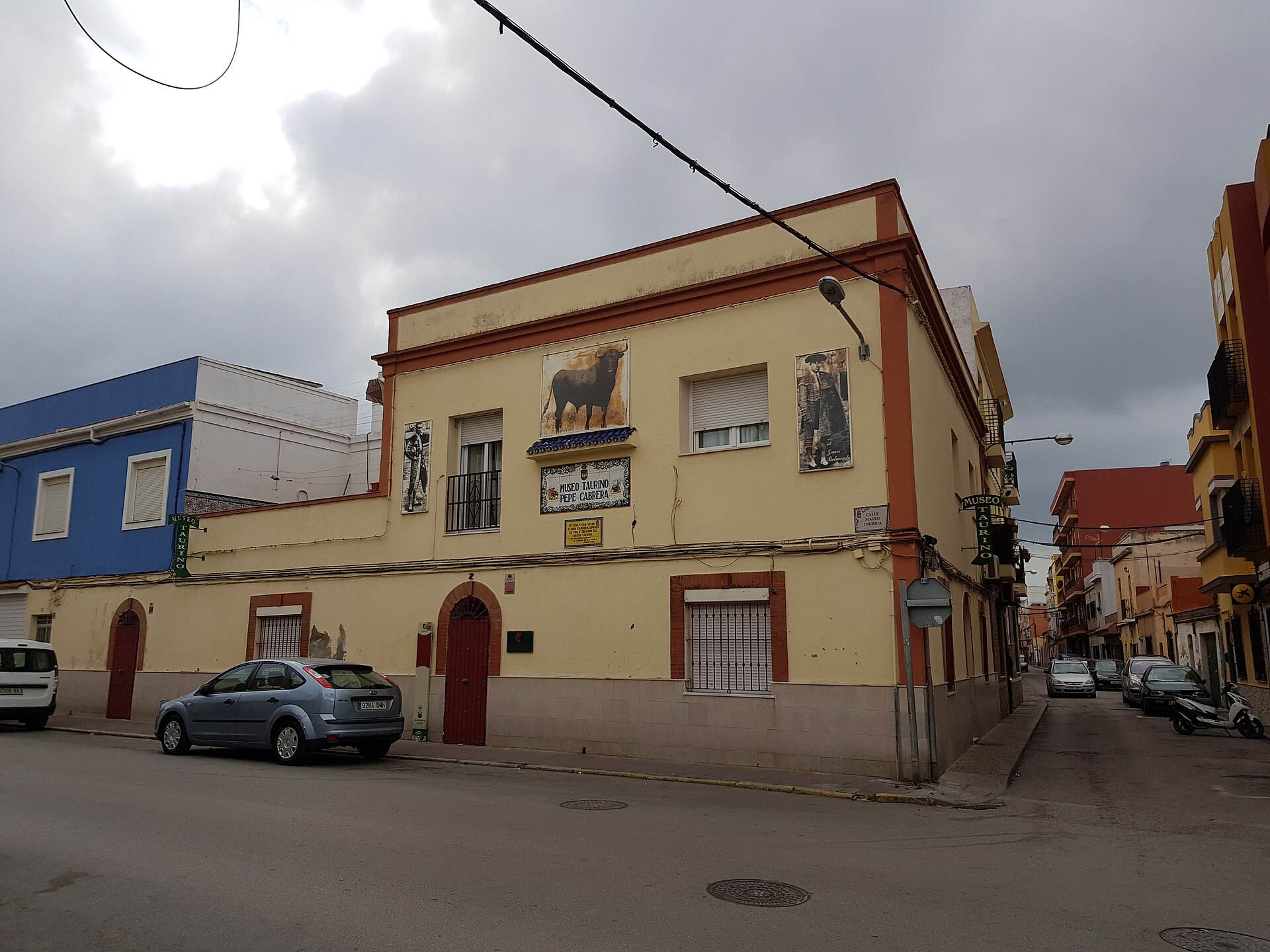
Museo Taurino
La Línea de la Concepción
The Museo Taurino "Pepe Cabrera" in La Línea de la Concepción is one of Spain's notable bullfighting museums, tracing the history of the corrida in the Campo de Gibraltar area. How did this museum come to be? The collection was built by José Cabrera Duarte, a lifelong bullfighting enthusiast who spent decades gathering posters, photographs, matador costumes and arena equipment connected to the tradition. His growing archive eventually became a formal museum, officially opened in 1960 and still carrying his name today. What will you find inside? The exhibition fills four rooms plus a small chapel, each dedicated to a different figure or era of bullfighting history: the Manolete room, the El Gordito room, the Antonio Duarte "Pota" room, the El Marinero room and the Frascuelo room. Displays include thousands of photographs and bullfighting posters, branding irons (hierros) from various breeding ranches, traditional matador suits (trajes de luces), trophies won in the ring, capes, banderillas and swords. Together the collection offers a detailed look at the ritual of the corrida, from the raising of the bulls to the final moments of a fight. How do you get there? La Línea de la Concepción sits in the province of Cádiz, right on the border with Gibraltar, making it a convenient stop for travelers exploring Andalusia or visiting the Rock. The town has regular bus connections to Algeciras and Gibraltar, and drivers can reach it via the A-7 motorway along the Costa del Sol. The museum sits in the town center, so once you arrive it's an easy walk from most central points. When should you visit? Given the museum's compact size, a visit typically takes 30 to 60 minutes, making it a natural stop while exploring La Línea, for instance on the way to or from Gibraltar. It's worth checking current opening hours before you go, since as a small, locally run institution it may operate on a limited or seasonal schedule, particularly outside peak tourist months. Summers in the area run hot, so stepping into the museum's cooler indoor rooms can also be a welcome break from the midday sun. Who is this museum for? The museum will appeal most to visitors curious about Andalusian culture and tradition, as well as anyone wanting to understand the phenomenon of the corrida regardless of their personal views on the practice. It also occasionally hosts local cultural events and gatherings focused on bullfighting themes, making it more than just a static collection. Frequently Asked Questions How much does it cost to enter the Museo Taurino? Ticket prices and current opening hours are best checked shortly before your visit, since this small local museum may adjust its schedule seasonally. Is the museum suitable for children? The exhibits relate directly to bullfighting, including costumes and equipment used in the ring, so parents should judge whether the subject matter suits their children. How much time should I set aside? Given the compact size of the four rooms and chapel, a visit usually takes between 30 and 60 minutes. Can I combine this with a trip to Gibraltar? Yes, La Línea de la Concepción sits right on the Gibraltar border, so the museum fits naturally into a day plan covering both destinations.
-
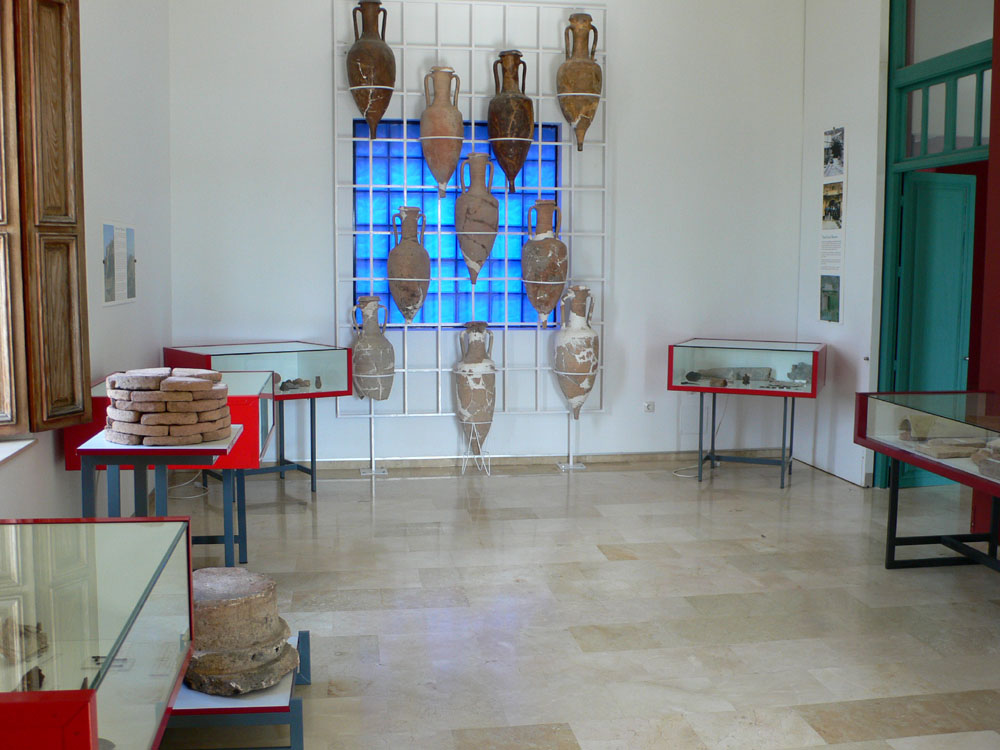
Museo Arqueológico de La Unión
La Unión
Museo Arqueológico de La Unión is a small archaeological museum, but it isn't actually located in La Unión's town center — it sits in Portmán, a coastal former mining settlement that belongs to the municipality of La Unión, in the Region of Murcia. The building itself has history: it was originally the Hospital de Caridad (Charity Hospital), built in 1892 to treat miners injured in accidents at the nearby pits. Today that same building tells the story of thousands of years of mining in the Sierra Minera district. What will you see inside? The collection is spread across three rooms and walks visitors chronologically through the area's mining past, from prehistoric extraction activity through to more recent industrial exploitation. The heart of the museum, though, is its Roman-era material: when these mines belonged to Carthago Nova (present-day Cartagena), they were worked intensively for silver, lead, iron, and zinc. Silver from these very hills once flowed into the Roman treasury, helping fund the Republic's and later the Empire's ambitions. The single most valuable piece on display is a set of fragments from a large polychrome mosaic recovered from the Roman villa of Paturro, found near Portmán. The mosaic dates from between the 1st century BC and the 3rd century AD and is considered one of the most significant Roman mosaics in the whole Region of Murcia. Look closely at the precision of the tesserae and the surviving color palette — a level of preservation that's genuinely rare among Roman mosaics unearthed in this part of Spain. How do you get there? Portmán lies on the Costa Cálida coastline, a short drive from central La Unión and close to Cartagena, which is the most practical base for planning a visit by car or local public transport. The village sits at the heart of the famous Sierra Minera de Cartagena-La Unión mining district, so it's worth pairing the museum with a look at the surrounding, dramatically scarred mining landscapes and Portmán Bay itself — a body of water whose seabed was partially filled in by decades of nearby smelting waste, making it a landmark of industrial history in its own right. When should you visit? Given its compact exhibition space, the museum works best as one stop within a longer day exploring the mining region — combined, for example, with the Parque Minero de La Unión or a walk around Portmán itself. It's worth checking current opening hours directly with La Unión's local tourism office before setting out, since the museum has been known to close temporarily for renovation work — don't assume fixed hours without confirming on the day. Who is this museum for? This is a must for anyone interested in mining history or Roman archaeology, and for travelers curious about why this stretch of the Murcian coast has drawn people searching for metal ores for thousands of years. Because the exhibition is small, a visit typically takes 30 to 45 minutes, making it an easy addition to a route through Cartagena and the surrounding area. Frequently Asked Questions Where exactly is the Museo Arqueológico de La Unión located? The museum is in Portmán, a coastal village that belongs to the municipality of La Unión, housed in the former Hospital de Caridad building dating from 1892. What is the museum's main highlight? Fragments of a polychrome mosaic from the Roman villa of Paturro, dated between the 1st century BC and the 3rd century AD. How long does a visit take? Because the museum has only three rooms, a visit usually takes 30 to 45 minutes. Is it worth combining with other nearby attractions? Yes — Portmán sits in the middle of the Sierra Minera de Cartagena-La Unión mining district, close to the Mining Park and the striking Portmán Bay, so it's worth planning extra time in the area.
-
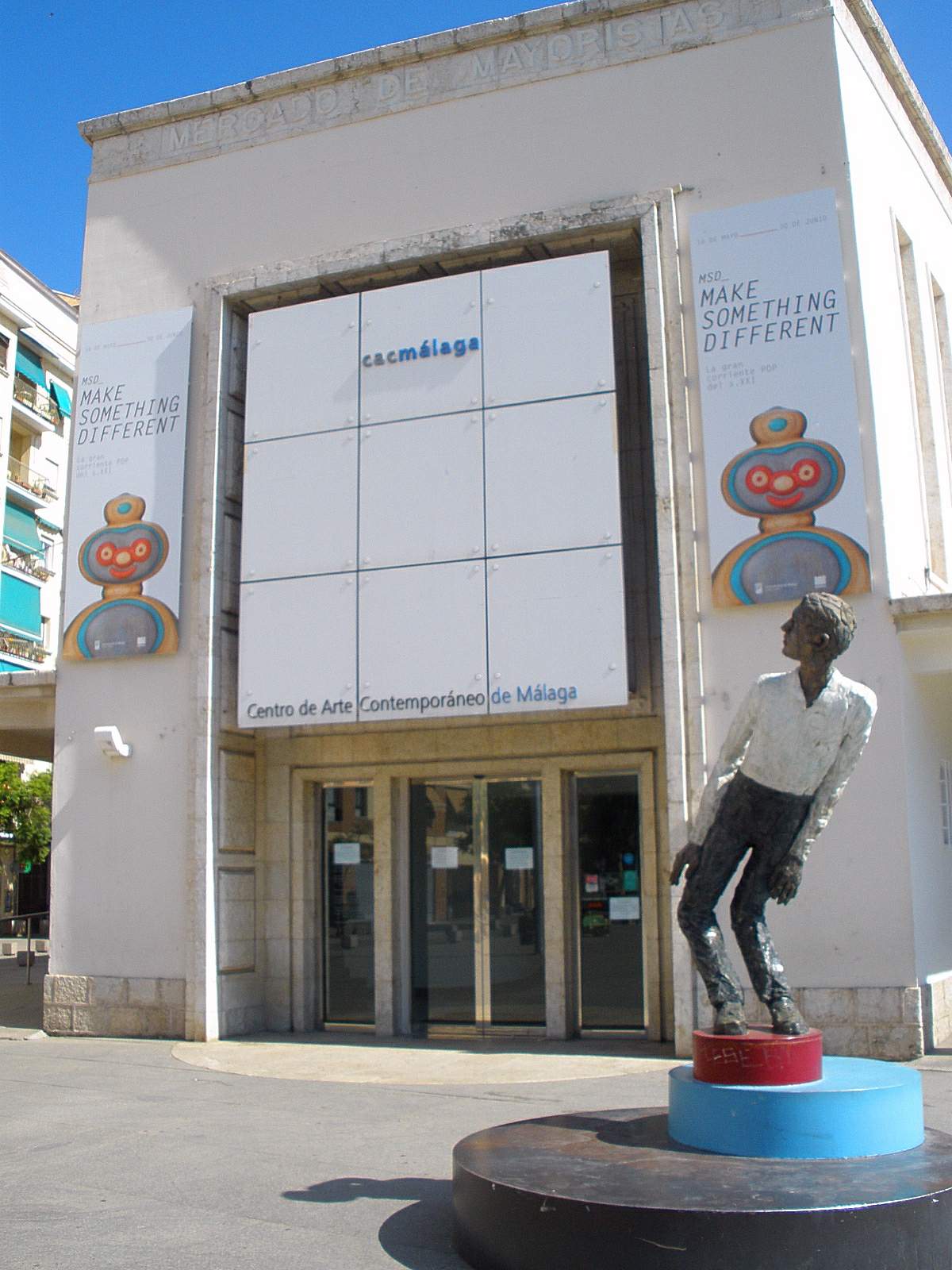
Centro de Arte Contemporáneo de Málaga
Málaga
Centro de Arte Contemporáneo de Málaga (CAC Málaga) is one of the leading contemporary art venues in Andalusia, sitting right in the heart of Málaga along the banks of the Guadalmedina river. Where is CAC Málaga located, and what's the building's story? The museum occupies the former wholesale market building (Mercado de Mayoristas), built in 1939 by architects Luis Gutiérrez Soto and Juan Jáuregui. The structure has been protected as a Site of Cultural Interest (Bien de Interés Cultural) since 1987, safeguarding its original industrial silhouette. Renovation work began in 2000 under architect Miguel Ángel Díaz, and the centre opened its doors to the public in February 2003. The result is a space that keeps the raw, industrial character of the old market hall while functioning as a fully modern art gallery. What will you see inside? The exhibition area covers close to 2,400 square metres, split across five distinct zones: three host temporary exhibitions, one is dedicated to the permanent collection, and the last — called Espacio Proyectos — is a flexible space used for experimental events and projects. The permanent collection, owned by the city of Málaga, holds more than 400 works and keeps growing, partly through a system of temporary loans from private collectors. Artists represented include Louise Bourgeois, the collective Art & Language, Olafur Eliasson, Thomas Hirschhorn, Damien Hirst, Julian Opie, Thomas Ruff, and Thomas Struth. Nearly every contemporary discipline is present, from painting and sculpture to photography, installation, and video art. The museum's underlying idea draws on the German Kunsthaus model — an art house conceived as a place for dialogue and reflection on contemporary art, rather than simple display. How do you get to CAC Málaga? The museum sits right in the city centre, on the bank of the Guadalmedina, making it an easy walk from most of Málaga's main sights, including the old town and the cathedral. Its riverside setting makes it a natural stop to pair with a stroll along the embankment. When is the best time to visit? Temporary exhibitions rotate regularly, so it's worth checking the current programme before visiting if you're after a specific show. Weekday mornings tend to be quieter, making them a good choice for a relaxed look at the permanent collection rooms. Who is this museum for? CAC Málaga suits anyone with an interest in contemporary art in the broadest sense, from conceptual art pioneers to installation and video work. It's also a good stop for visitors curious to see how a piece of industrial-era architecture can be given a new life as a cultural space. Frequently Asked Questions What is CAC Málaga? It's Málaga's municipal contemporary art centre, open since 2003, housed in a converted 1939 wholesale market building. What can you see in the permanent collection? The collection holds more than 400 works, including pieces by Louise Bourgeois, Olafur Eliasson, Damien Hirst, and Thomas Struth, spanning media from painting to video art. How much exhibition space does the museum have? Around 2,400 square metres across five rooms: three for temporary exhibitions, one for the permanent collection, and one flexible space (Espacio Proyectos). Is the building historically significant? Yes — the former market hall from 1939, designed by Luis Gutiérrez Soto and Juan Jáuregui, has been protected as a cultural heritage site (BIC) since 1987, and its conversion into a museum began in 2000.
-
Museo Zuloaga
Segowia
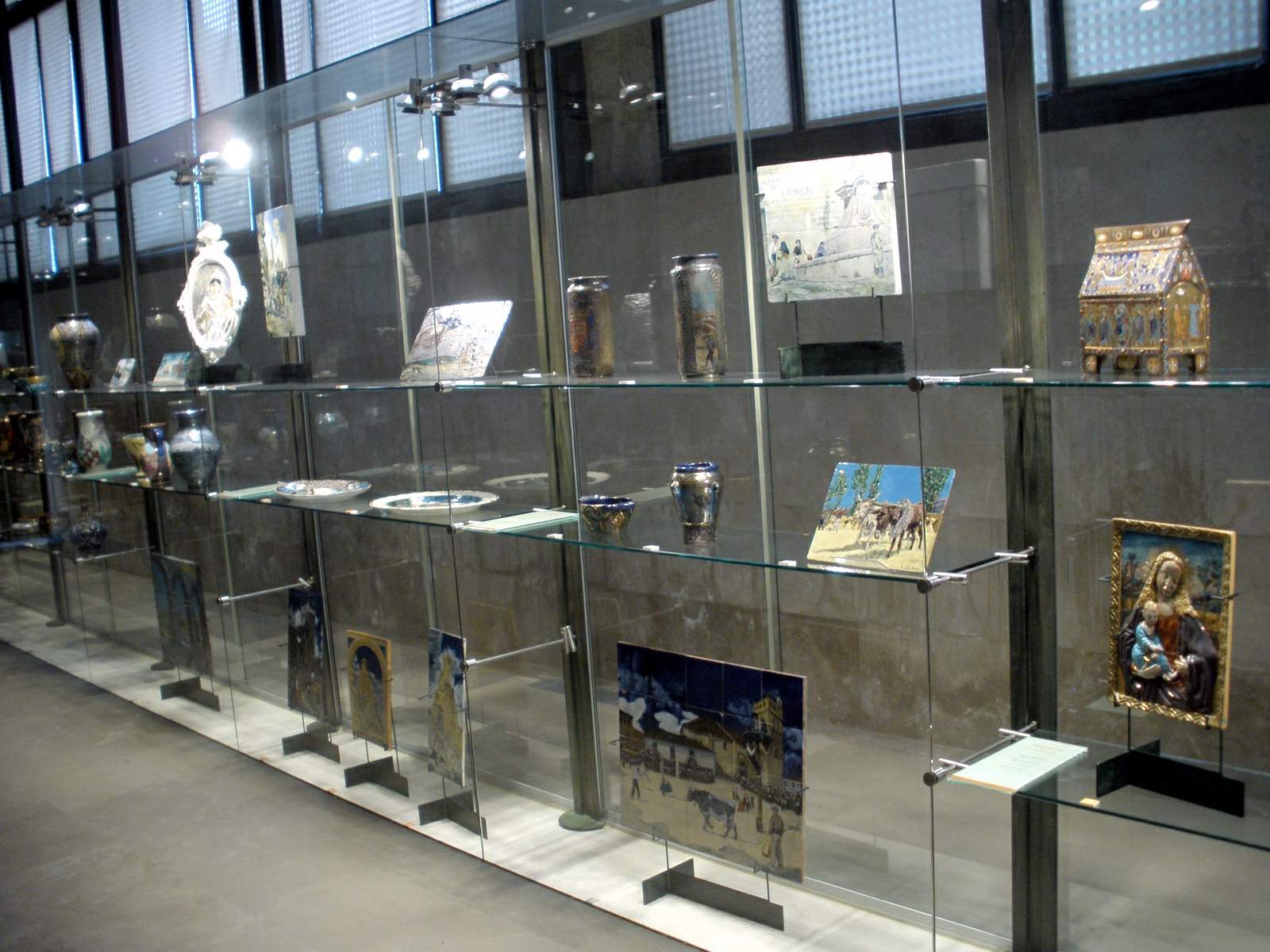
Museo Zuloaga is a small regional museum in Segovia that brings together three different kinds of collections under one roof: archaeology, ethnology, and fine art. For anyone exploring the historic centre of the city, it offers a side of Segovia beyond the famous aqueduct or cathedral — a quieter, less-visited angle that still rewards a short stop. What will you see inside? The collection is organised into three thematic areas. The archaeological section presents objects tracing the region's history back to pre-Roman and Roman times, the ethnological section focuses on the everyday life and traditions of people from Segovia and its surroundings, and the fine-art section brings together paintings and artistic craftwork. Because of this structure, a visit is not limited to a single period or discipline — in one building you can move from traces of the area's earliest inhabitants to objects of daily life from later centuries. The museum's regional focus means it concentrates specifically on material connected to Segovia and its immediate area, rather than holding a national-scope collection. That makes it a good complement to a city visit for travellers who want to understand local history in more depth than architecture alone can show. How do you get there? Segovia sits in central Spain, in the Castile and León region, and is well connected to Madrid — a high-speed train from Madrid's Chamartín station covers the route in around half an hour. The museum itself is located within the historic centre, among the old town's narrow streets, so the easiest way to reach it is on foot after parking or arriving by bus on the outskirts, since much of central Segovia is closed to car traffic. When is the best time to visit? Segovia is worth visiting year-round, but spring and autumn tend to be the most comfortable seasons for sightseeing, avoiding the summer heat and the cold typical of Castile's high-plateau winters. Like many of the city's smaller cultural sites, the museum pairs well with a longer walk through the old town, letting visitors combine major architectural landmarks and local museum collections in a single day. Frequently asked questions What sets Museo Zuloaga apart from other museums in Segovia? Its regional, multidisciplinary character stands out — it combines archaeology, ethnology, and fine art, while many other venues in the city focus on a single subject, such as the cathedral or the alcázar. Is it worth visiting on a short trip to Segovia? If time is limited, the city's main landmarks should come first, but on a stay longer than a single day, the museum makes a worthwhile addition to the itinerary. Is the museum close to other attractions? Yes, it sits within Segovia's historic centre near other sights, so it fits easily into a walking route through the old town. Who is this museum best suited for? It appeals most to travellers interested in the region's local history and archaeology rather than architecture alone — visitors looking for deeper cultural context beyond Segovia's monuments.
-
Museu de Cultures del Món
Museu de Cultures del Món in Barcelona is a museum dedicated to the material cultures of Africa, Oceania, Asia and the Americas, housed inside two Gothic palaces on the celebrated Carrer de Montcada in the Gothic Quarter. Where is it located? The museum occupies two connected medieval mansions — Palau Nadal and Palau Marquès de Llió. The Palau Marquès de Llió was built in the mid-13th century, while Palau Nadal is a Gothic structure with later Catalan Renaissance additions. Both buildings sit on Carrer de Montcada, one of the oldest and most distinguished streets in the old city, just steps from the Picasso Museum. What will you see inside? The permanent display features around 530 objects gathered from far-flung corners of the world — masks, textiles, sculptures, and ritual and everyday items from sub-Saharan Africa, Oceania, Asia and the American continent. The collection traces artistic forms and daily customs far removed from European traditions, and the palace interiors themselves — stone courtyards, Gothic arches, and timber ceilings — are just as much a part of the visit as the objects on display. What is the story behind the museum? Renovation of both palaces for their new museum purpose began in 2013, with the venue opening to the public in 2015. In 2017, the institution merged with the former Ethnological Museum to form a single body, the Museu Etnològic i de Cultures del Món (MuEC), operating across two sites in the city. The Montcada venue remained the main showcase for the non-European collections. How do you get there? Sitting right in the heart of the Gothic Quarter, the easiest way to reach the museum is on foot, combined with a walk past the Santa Maria del Mar basilica or the Picasso Museum — all within a few minutes' walk. The nearest metro stations are Jaume I (L4) and Liceu (L3), both a short stroll away through the narrow streets of the old town. When is the best time to visit? The palace interiors stay cool and shaded, making a visit comfortable even during the warmer months when sightseeing outdoors can be tiring. Given the modest size of the exhibition, plan for about one to two hours and pair the visit with the other attractions clustered along Carrer de Montcada on the same day. Frequently asked questions How does this differ from Barcelona's Ethnological Museum? Since 2017 both institutions have formed a single organisation, the Museu Etnològic i de Cultures del Món, but they operate from two separate venues in the city, so it's worth checking which site you're visiting. Is the building itself worth seeing? Yes — both the Nadal and Marquès de Llió palaces are medieval Gothic buildings with Catalan Renaissance touches, and their courtyards and halls are part of the experience. How many objects are on display? The permanent exhibition includes roughly 530 pieces from Africa, Oceania, Asia and the Americas. Can the visit be combined with other nearby sights? Absolutely — Carrer de Montcada and the surrounding Gothic Quarter streets host several other museums and historic buildings, making it easy to plan a full afternoon on foot.
-
Placentia de Butron Museum
Plentzia
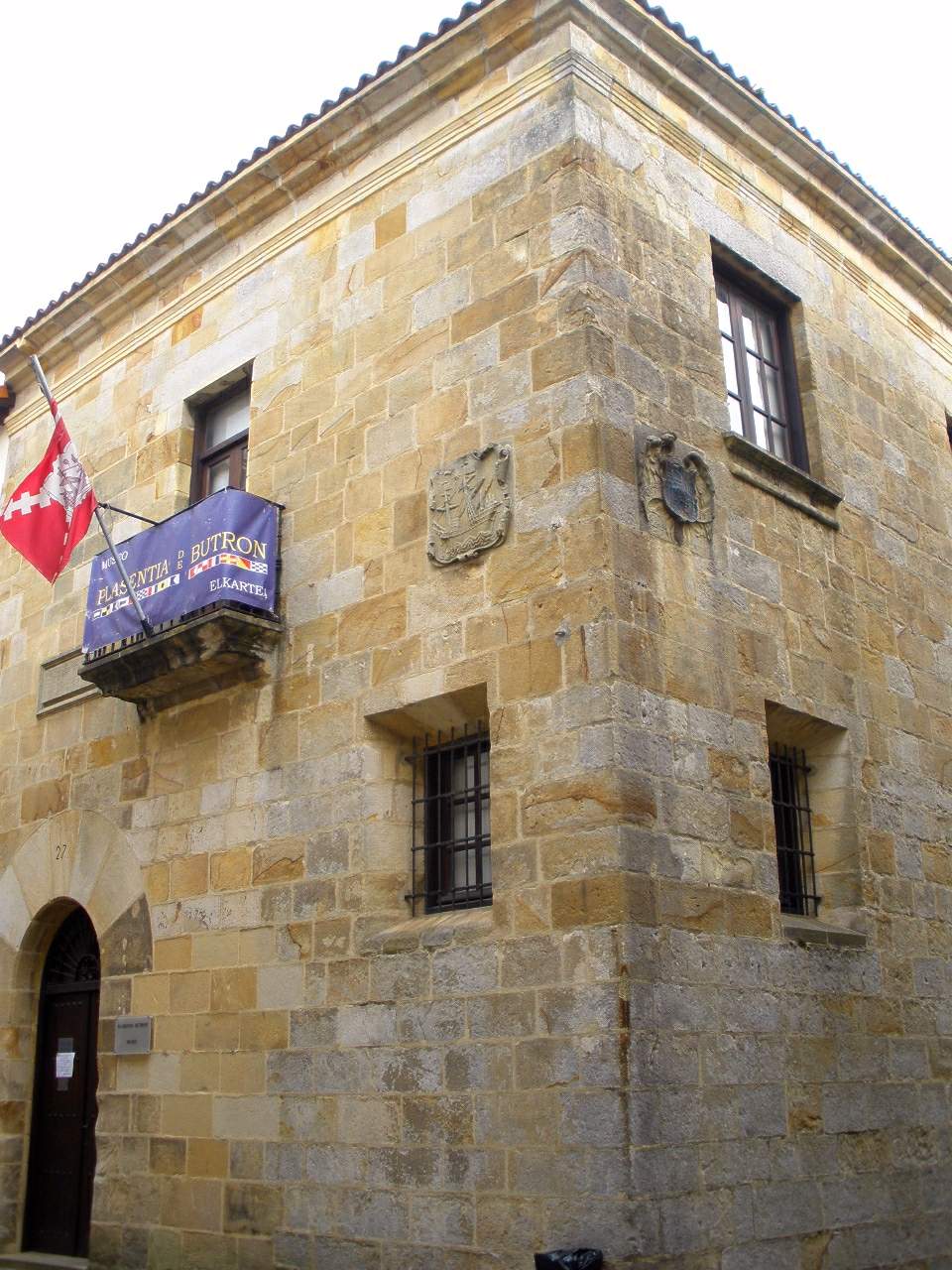
The Plasencia de Butrón Museum is a small maritime museum in Plentzia, a coastal town in the Basque Country whose history has always been tied to the sea. Where is it and what's the building? The museum sits right in the historic centre of Plentzia, inside the former town hall, a 16th-century building. It's a cubic stone tower-house with a hipped roof, a style typical of fortified Basque architecture from that era. Its main façade carries two coats of arms — that of the town itself and that of the Catholic Monarchs — a reminder of how important Plentzia once was as a port. The Placentia de Butrón Foundation opened the museum here in January 1999, with the goal of preserving the seafaring past of the town and its surrounding region. What will you find inside? The collection centres on Plentzia's maritime history. Expect navigation instruments, scale models of vessels, nautical charts and cartography, plus paintings depicting ships from different eras. The museum also holds part of Plentzia's Historical Archive, including photographs of local sailors and records from the town's Seafarers' Guild (Cofradía de Mareantes), active between 1524 and 1870. A separate section covers the Nautical School of Plentzia, which trained sailors until 1933. Among the highlights are plans and a diorama showing the estuary and the shipyards that once operated here, along with further ship models — including ex-votos, small votive boats offered in thanks for a safe return from the sea. Together the exhibits paint a picture of a town where sailing, fishing and shipbuilding shaped everyday life for centuries. How do you get there, and when's the best time to visit? Plentzia sits at the mouth of the Butrón river, about 25 km from Bilbao, and is easy to reach by metro — the Bilbao Metro line runs directly into town. The museum is a short walk from the station, right in the historic quarter, so it's easy to combine with a stroll through the old town and a visit to the nearby beach. Since opening hours can vary outside peak season or on certain days of the week, it's worth checking ahead — the museum also runs temporary exhibitions and guided tours throughout the year. Is there an entrance fee? No — admission is free, which makes the museum an easy addition to any visit to Plentzia. Even a short stop is enough to get a real sense of how deeply this small town's story is bound to the sea. Frequently asked questions Is entry to the museum free? Yes, admission is free. How long does a visit take? It's a small museum — a visit typically takes 30 to 45 minutes, depending on whether you join a guided tour. What was the building used for before it became a museum? The 16th-century building originally served as Plentzia's town hall; it's a stone tower-house with a hipped roof. What else is worth seeing nearby? Plentzia's historic old town, the mouth of the Butrón river and its beach, plus a coastal walking or cycling route toward Gorliz and the neighbouring towns.
-
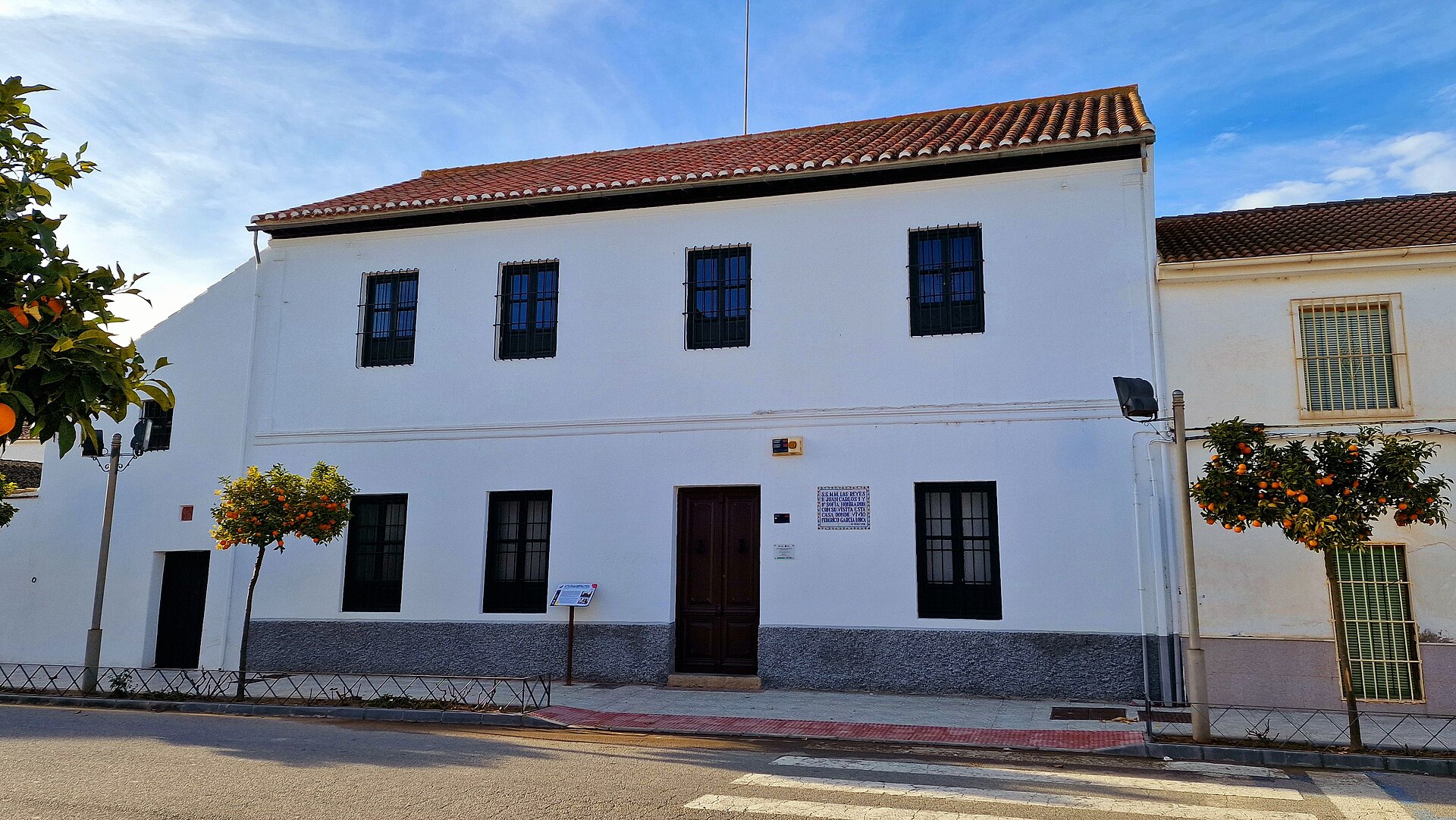
Casa Museo Federico García Lorca Valderrubio
Valderrubio
Casa Museo Federico García Lorca in Valderrubio is the house where the poet lived through part of his childhood and adolescence, now a small museum devoted to that period of his life. What is this place about? The Lorca family moved to Valderrubio (then called Asquerosa) from Fuente Vaqueros, and the building standing today was constructed in 1915 on the foundations of an older house that the poet's father had converted into the family's country home between 1905 and 1909. It follows the typical two-storey farmhouse layout of the Vega de Granada region — working areas on the ground floor, living quarters above. It was in this house that young Federico went to school and saw his first traveling theater performance, an experience often cited as the spark that led him toward drama and literature. Valderrubio's importance to Lorca's work goes beyond biography — the town's people, neighbors and local stories are widely believed to have inspired parts of some of his best-known plays set in rural Andalusia. How do you get there? Valderrubio sits in Granada province, in the fertile Vega area, a short drive from the city of Granada. Getting there by car takes roughly 20–25 minutes from central Granada. Local bus routes also connect the smaller Vega towns with Granada, though schedules are limited, so it's worth checking timetables before setting off. What will you see inside? The rooms recreate the interior as it looked when the Lorca family lived here — furniture and everyday objects that bring back the atmosphere of an early-20th-century rural home. The exhibition focuses on the poet's childhood and youth rather than his later career or his death, which sets it apart from other stops on the Lorca trail. When should you visit and how does a tour work? The museum opens Tuesday to Saturday, 10:00 to 14:00, with visits run in two sessions — at 10:00 and at 12:00. Visits outside these hours can be arranged with an email reservation in advance. You can choose an individual visit (around €4), a group visit (around €3 per person), or a theatricalized tour (around €20 per person) that blends the guide's story with elements of staged performance. Guided tours in Spanish typically run at 11:00 and usually include the nearby house known for inspiring one of Lorca's plays; self-guided visits with materials in English and French are also available. Booking ahead is required for every type of visit, so reserve a slot in advance, especially during busier travel months. Valderrubio is a small, quiet town, so it's a good fit for a relaxed half-day trip — pair the museum visit with a walk around the village and a stop at the neighboring house tied to Lorca's writing. Frequently asked questions Do I need to book in advance? Yes — every type of visit, whether individual, group or theatricalized, requires a prior reservation, ideally by email. Can I visit without speaking Spanish? Yes, alongside the Spanish-language guided tour, self-guided materials are available in English and French. How long does a visit take? A standard visit usually lasts around an hour; the theatricalized version can run longer due to the staged elements. Is there anything else nearby connected to Lorca? Yes, Valderrubio is also home to a neighboring house that inspired one of Lorca's famous plays, and many tickets combine visits to both houses.
-
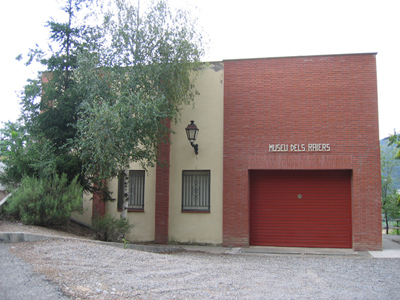
Museo de los Almadieros
Coll de Nargó
Museo de los Almadieros (Catalan: Museu dels Raiers) in Coll de Nargó is a small museum dedicated to the almost-forgotten trade of the almadiero, or raier — the raftsmen who floated timber down the Segre River from the Pyrenees. The museum occupies a former chapel dedicated to Our Lady of the Rosary, patron saint of the trade, and forms part of the Alt Urgell "Route of the Professions of Yesterday." What did the almadiero trade involve? Before trucks and river dams took over, logs cut in the Pyrenees had to reach the sawmills and processing centers on the plains and coast somehow. Almadieros solved this by lashing the logs together into large rafts called almadías and steering them downriver on the current. It was physically demanding, dangerous work: rafts had to navigate rock shelves and narrow gorges, and accidents were part of the job. The last raft to leave Coll de Nargó down the Segre ran in 1932, marking the practical end of the trade. What will you see inside? The exhibits cover the tools, raft-building techniques, and daily life of the raftsmen who worked the Segre out of Coll de Nargó and neighboring villages. The museum opened in 1998 and is one stop on a countywide trail promoted by the Alt Urgell council that groups together several sites tied to traditional local trades — worth pairing with other stops nearby. Why is the museum inside a chapel? The building was originally a chapel dedicated to Our Lady of the Rosary, who was venerated as the patron saint of the almadieros. Housing the museum there reflects how central religious ritual was to the raftsmen's lives — they would seek her protection before setting off on a genuinely dangerous journey downriver. How do you get to Coll de Nargó? Coll de Nargó sits in the Alt Urgell county, Lleida province, on the Segre River, along the road connecting Lleida with the Pyrenees. The village is easily reached by car via the local road that follows the river valley, making it a straightforward stop for anyone touring this part of Catalonia. The museum itself sits in the village center, inside the former chapel, an easy walk from anywhere in Coll de Nargó. When is the best time to visit? Spring and summer are the most practical seasons, when longer daylight hours and steadier weather make it easier to combine the museum with other stops around Alt Urgell. Because it's a small, community-run museum, it's worth checking opening hours in advance, since schedules can be limited outside peak season. Frequently asked questions What did the almadieros of Coll de Nargó actually do? They were raftsmen who lashed logs cut in the Pyrenees into rafts called almadías and floated them down the Segre River to processing centers on the plains, before trucks and dams replaced the trade. When was the museum founded? The Museo de los Almadieros opened in 1998, inside a former chapel dedicated to Our Lady of the Rosary in the center of Coll de Nargó. Why is it housed in a chapel? Our Lady of the Rosary was the patron saint of the almadieros, so the chapel once dedicated to her became the natural home for a museum telling their story. Can this be combined with other sights nearby? Yes — the museum is part of the Alt Urgell trail of traditional trades, so it pairs well with other stops on that same route around Coll de Nargó.
-
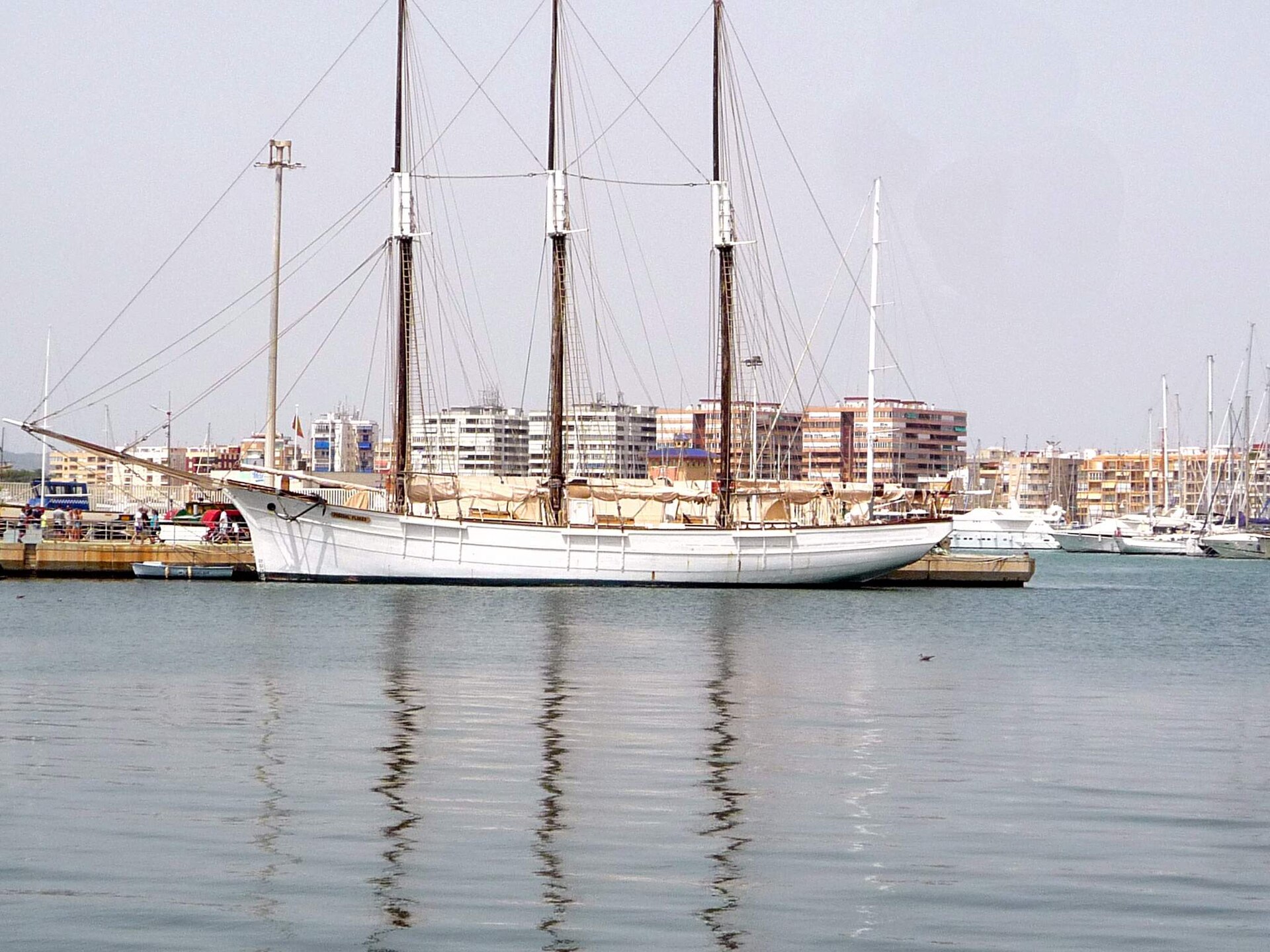
Museo del Mar y de la Sal
Torrevieja
Museo del Mar y de la Sal is a small ethnographic museum in Torrevieja that traces the town's history through its two defining forces — the sea and salt. Give it fifteen minutes and you'll understand why this seaside town on the southern Costa Blanca looked completely different before it became a popular holiday destination. What is inside the museum? The collection is compact but packed with detail. You'll find reconstructions of a salt-worker's workshop alongside tools once used to extract salt from the nearby lagoons — for centuries the main livelihood of Torrevieja's residents. Another section is dedicated to fishing and seafaring: ship and boat models, fishing gear, and navigation instruments. Old photographs of the town and archaeological pieces round out the display, giving a sense of everyday local life long before the tourism boom arrived. Don't expect a sprawling multi-floor institution — this is a tightly curated collection that links geography, economy, and local identity in a way that's easy to take in during a single short visit. Where is it and how do you get there? The museum sits on Calle Patricio Pérez 10, right in the centre of Torrevieja, within walking distance of the seafront promenade and the town's main landmarks. If you're staying centrally, there's no need for a car or public transport — it's an easy stroll through the old town. When should you visit, and how much does it cost? Admission is free, which makes it an easy addition to any day's itinerary without extra planning around cost. Opening hours run Tuesday to Friday from 10:00 to 14:00 and 17:00 to 21:00, and Saturdays from 10:00 to 13:00 and 17:00 to 20:00. The museum is closed on Sundays and Mondays, so plan your visit for the other days of the week. In summer, when afternoons can get hot, the evening opening slot is a good choice — cooler air and quieter streets outside. A bit of history The museum opened its doors on 4 February 1995 and has since become one of Torrevieja's more notable cultural institutions — primarily an ethnological museum focused on preserving the memory of the town's origins. In 2023 the building underwent renovation work, after which it reopened to visitors with a refreshed presentation of its collection. Frequently asked questions Is there an entrance fee? No, admission is completely free. How much time should I set aside for a visit? Given its small size, a visit typically takes 30–45 minutes. Is the museum open every day? No — it's closed on Sundays and Mondays. On other days it operates in two blocks: morning/midday and late afternoon/evening. Can I combine this with other sights in the centre? Yes, the museum is close to Torrevieja's old town, so it's easy to pair a visit with a walk along the promenade and through the historic centre.
-
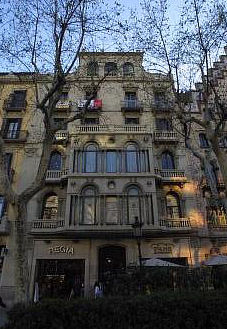
Perfume Museum
The Perfume Museum in Barcelona, known locally as Museu del Perfum, is a small collection dedicated to the history of scent containers. It has been open since 1961, gathering pieces that trace how bottles and vessels for perfume changed shape and style across different periods, from ancient forms to designs tied to modern fragrance houses. What will you see inside? The core of the display follows the shape and craft of perfume bottles over time — starting with simple, practical vessels from early history, moving through decorative containers from later centuries, and ending with the kind of packaging associated with today's well-known perfume brands. This is a niche stop for anyone curious about glasswork, packaging design, or the beauty industry's past, rather than a broad art or city-history museum. The collection is compact, so a visit fits easily alongside other stops in central Barcelona without eating up a whole afternoon. Where is it and how do you get there? The museum sits in a central, upscale part of Barcelona, close to the city's main shopping and walking streets. Given that central location, the easiest way in is on foot or by metro if you're staying in the Eixample or the Gothic Quarter — the surrounding area is well served by both metro lines and buses. It works best as one stop within a wider loop of central Barcelona sights, since it doesn't require a separate trip away from the main tourist core. When is a good time to visit? Because this is a small, specialised attraction rather than a headline museum, it doesn't really have the sharp seasonal peaks that hit Barcelona's biggest sights. Slotting it into a broader sightseeing day works at any time of year, and lower visitor numbers generally mean a calmer, less rushed visit than at the city's major draws. It's worth checking current opening details locally before heading over, since small museums like this one can keep limited or irregular hours. Frequently asked questions How old is the Perfume Museum? It has been running since 1961, giving it more than six decades of history collecting and displaying perfume bottles and containers. What is the museum called in Catalan? Its official Catalan name is Museu del Perfum — the same institution known in English as the Perfume Museum. What is the exhibition mainly about? It focuses on how perfume vessels and bottles evolved across different historical periods, from early, simple containers to more elaborate later designs. Is this a full-day attraction? No — it's a compact museum best treated as a short stop while exploring central Barcelona, rather than the main focus of a day out.
-
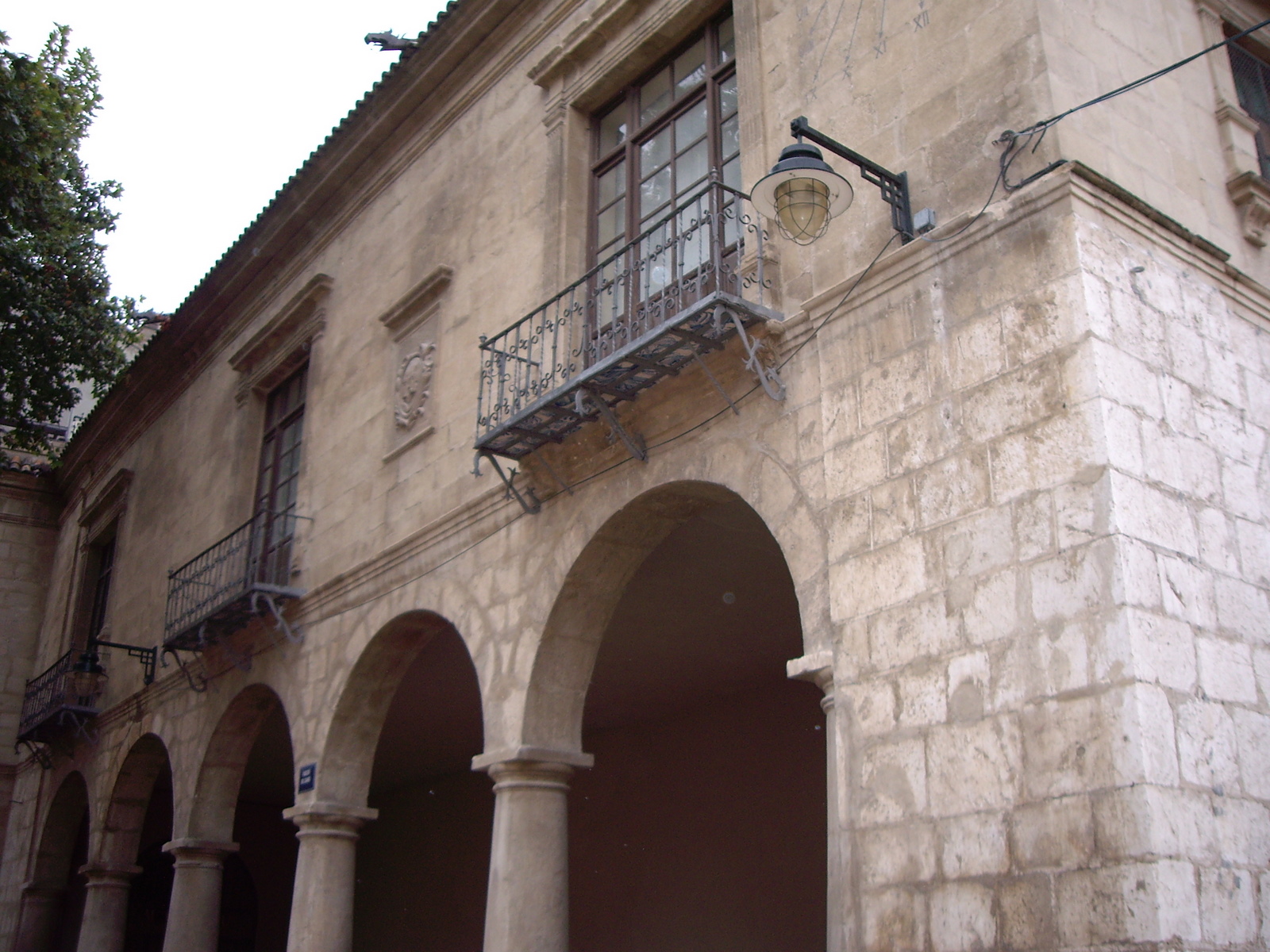
Museu Arqueològic Camil Visedo
Alcoy
The Camil Visedo Archaeological Museum sits in the heart of Alcoy, a city in Alicante province in Spain's Valencian Community. Run by the town council, it gathers and displays finds that trace the area's history from prehistoric times through the Iberian and Roman periods. What will you see inside? The core of the collection comes from La Serreta, an Iberian hilltop settlement in the mountains near Alcoy. Highlights include Iberian pottery and everyday objects unearthed at the site, along with one of the region's most important epigraphic finds: a lead sheet inscribed with Iberian script, known as the Plom d'Alcoi, considered one of the longest surviving texts in that ancient language. Beyond the Iberian material, the museum also covers earlier periods — Palaeolithic and Neolithic finds — and later Roman-era pieces, tracing how settlement in the Alcoy area shifted over thousands of years. Why is it named after Camilo Visedo Moltó? Camilo Visedo Moltó was a local pharmacist who, in the early 20th century, turned amateur curiosity into systematic excavation work at La Serreta. His digs — which uncovered the lead inscription among other finds — sparked scholarly interest in the region's Iberian past and formed the backbone of what is now the museum's collection. How do you get there? The museum sits in central Alcoy, a city well connected to both Valencia and Alicante by regional bus and rail links. Driving or taking a bus is the simplest option — the trip from Alicante takes roughly an hour, a bit longer from Valencia. Opening hours can vary by season, so it's worth calling ahead: +34 96 553 71 44. When should you visit? Because it's an indoor museum, it works well any time of year. Many visitors pair it with a walk through Alcoy's old town or a trip into the nearby Sierra de Mariola, especially in spring or autumn when temperatures are more comfortable for exploring the city on foot. Frequently asked questions What is the Camil Visedo Museum best known for? Its collection from the Iberian site of La Serreta, especially a unique lead plaque inscribed in the Iberian language — one of the most significant epigraphic finds of its kind in Spain. Who was Camilo Visedo Moltó? A pharmacist and self-taught archaeologist from Alcoy who led the excavations at La Serreta in the early 1900s; his discoveries form the foundation of the museum's collection. Is it suitable for children? Archaeological displays like everyday tools and pottery tend to work well as an introduction to regional history for younger visitors, though it's worth checking locally what educational materials are available. How should I plan my visit? Call ahead on +34 96 553 71 44 to confirm opening times, and combine the museum with a stroll through Alcoy's historic centre.
-
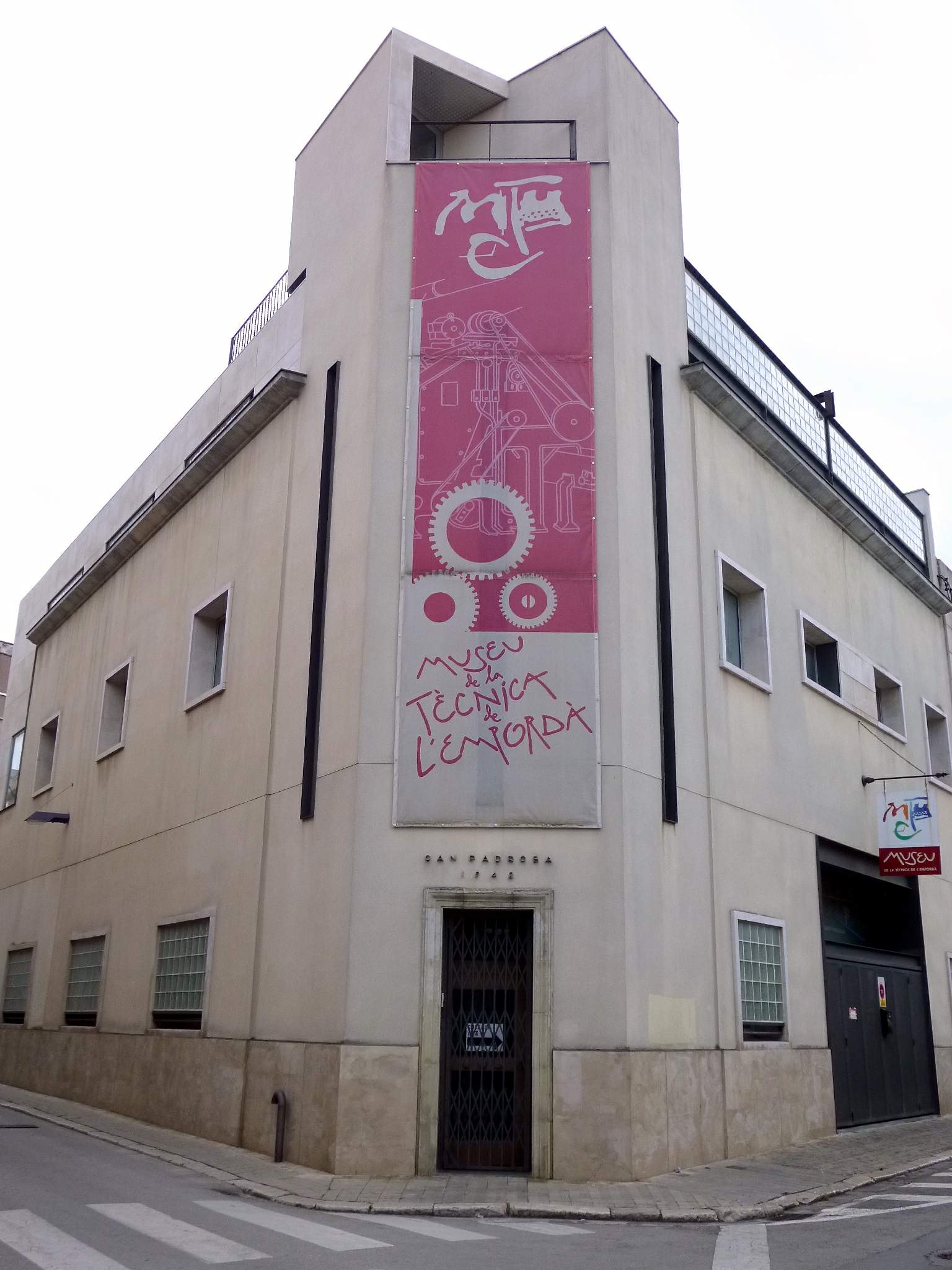
Technical Museum of the Empordà
The Technical Museum of the Empordà is a small themed museum in Figueres, the capital of the Empordà region in Catalonia. It falls into the category of technical museums, focused on objects and machinery tied to the history of engineering and technology rather than on art or archaeology — a different profile from the city's far more famous neighbor, the Dalí Theatre-Museum. Where is it located? Figueres sits in northeastern Catalonia, roughly 20 minutes from the French border and close to the Costa Brava coastline. The city is well connected: Figueres-Vilafant station has AVE high-speed trains from Barcelona (around 55 minutes) and from Girona, and Girona airport is under a 45-minute drive away. The town center itself is compact, so most sights, including this museum, fit comfortably into a single walkable day plan. What should you know before visiting? This is a niche, specialist attraction aimed at visitors interested in the history of technology and engineering rather than a typical must-see stop for every traveler. It works best as an add-on to a Figueres visit alongside the city's headline sights, particularly if you're traveling with a child or with someone drawn to mechanics and inventions. Given its modest size, a visit generally takes far less time than at the city's larger museums, making it easy to slot into a broader itinerary. When is the best time to go? Figueres is most pleasant to visit in spring and autumn, when temperatures are mild and crowds thinner than during the peak summer rush on the Costa Brava. Summers can be hot and busy because of the nearby beaches, so if you're planning to combine the museum with the rest of the town center, an earlier start helps you avoid queues at the main attractions, including the Dalí Theatre-Museum. What else is nearby? Figueres is above all Salvador Dalí's hometown, and its best-known attraction, the Dalí Theatre-Museum, is just a short walk from the center. Nearby you'll also find the lively Rambla, the town's main square, and plenty of cafés and restaurants serving Catalan cuisine. For visitors curious about technology and invention, this museum offers a less obvious counterpoint to the city's surrealist art scene, highlighting a different side of the area's local history. Frequently asked questions Is it worth visiting if I'm not particularly interested in technology? If the subject isn't a priority for you, it makes more sense to focus on Figueres' headline sights, especially the Dalí Theatre-Museum. This museum is better suited to visitors curious about the history of machines and inventions. How do you get to Figueres from Barcelona? The easiest way is the AVE high-speed train from Barcelona-Sants to Figueres-Vilafant, which takes about 55 minutes. Driving via the AP-7 motorway is the alternative, taking roughly 1.5 hours depending on traffic. Are there many other attractions in Figueres? Yes — besides the Dalí Theatre-Museum, the town has a historic center, the Sant Ferran Castle (one of the largest fortifications in Europe), and several other museums and galleries centered on Dalí and local history. Is this museum a good pick for a family visit with kids? Technical museums showing machinery and mechanisms often work well for children, since the exhibits tend to be concrete and visual rather than abstract — it's worth checking current opening hours and the exhibition format before you go.
-
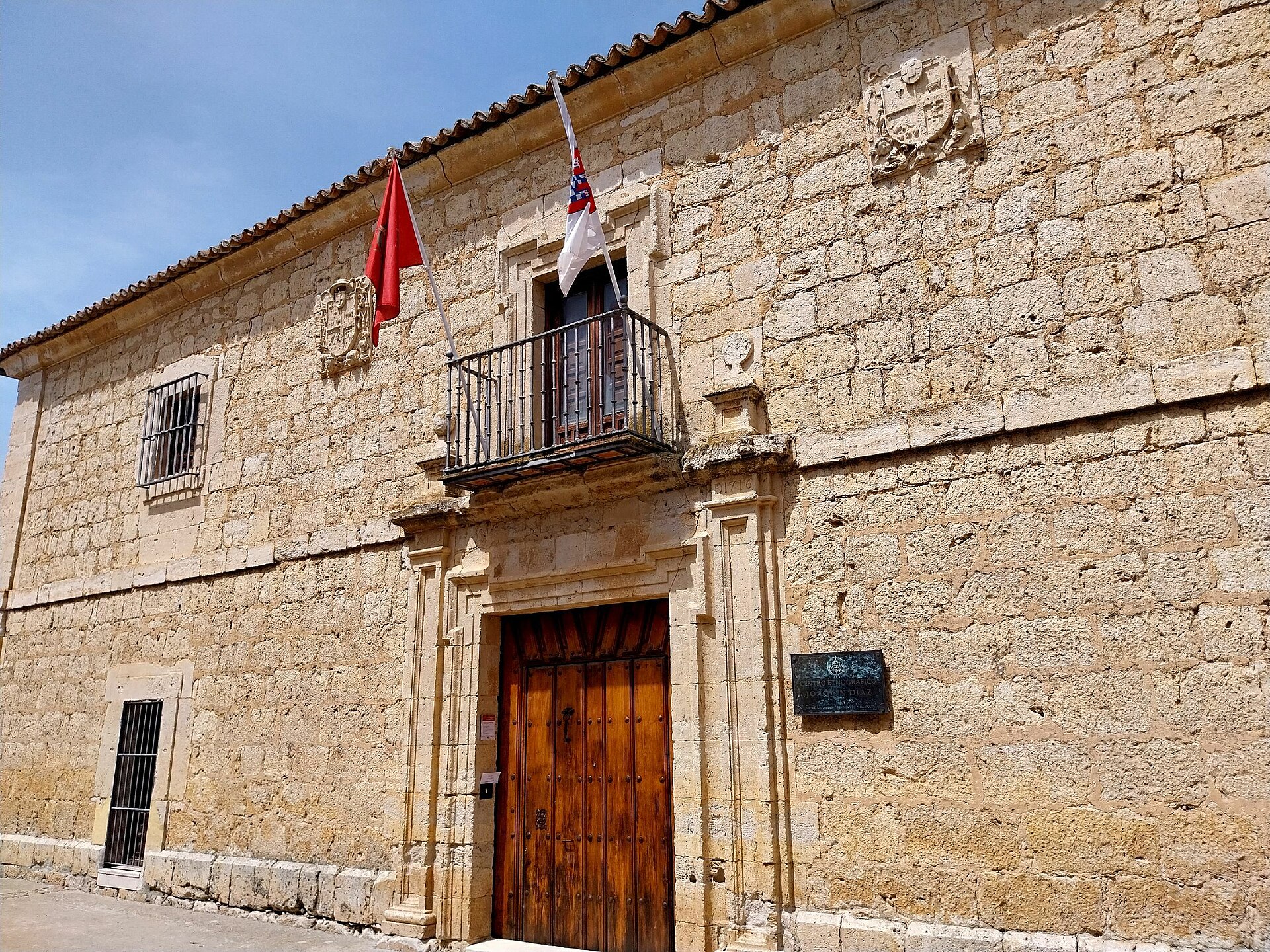
Joaquín Díaz Ethnographic Museum
Urueña
The Joaquín Díaz Ethnographic Museum in Urueña is one of the most distinctive cultural stops in the province of Valladolid — a compact center packed with material on the traditional folk culture of Castile and León. The institution grew out of an agreement signed in 1985 between the Provincial Council of Valladolid and folklorist and musician Joaquín Díaz, who agreed to donate his private collections for public display. The ethnographic center opened its doors in March 1991 and has operated since as the Joaquín Díaz Foundation. Where is it and how do you get there? The museum occupies an 18th-century mansion owned by the province, adapted to house the collection. It sits inside Urueña itself, a small walled town roughly 50 km north of the city of Valladolid, best known as "Villa del Libro" (Book Town) for the unusual concentration of bookshops packed within its old defensive walls. Driving is by far the easiest way in, whether from Valladolid or Medina de Rioseco; the town also works well as a day trip from Palencia or Zamora. Urueña itself is tiny, so it's a short walk from any parking spot to the museum entrance. What will you actually see inside? The exhibition is organized around a few core collections. The centerpiece is a set of roughly 300 traditional musical instruments from Castile and León, donated by various collectors — bagpipes, drums, castanets, and other tools of regional folk music. Alongside it sits an extensive library and sound archive specializing in songbooks, ballads, tales, legends, proverbs, riddles and other forms of popular literature, holding around 1,500 folklore recordings gathered from across the world. The collection is rounded out by engravings depicting traditional regional costumes and a set of "pliegos de cordel" — cheap popular broadsheets that for centuries spread songs, stories and news among audiences who often couldn't read. Who is this museum for? The place functions both as a research center and as an open visitor exhibition — it draws ethnographers and musicologists after primary source material, alongside travelers exploring the region for genuine traces of folk culture. The exhibition space is compact, so a visit usually takes 45 minutes to an hour, which fits comfortably into a short stop while passing through Urueña. When is the best time to visit? The museum operates year-round, though like many small cultural institutions in the region it may run reduced hours outside peak season or on certain weekdays — it's worth checking current opening times on the foundation's website or calling ahead before you go. Spring and early autumn are good windows for pairing a museum visit with a walk along Urueña's town walls and bookshops, when the weather is mild and the town quieter than at the height of summer. Frequently asked questions What makes this different from a typical regional museum? The collection isn't a generic assortment — it's the private lifetime collection of one folklorist, Joaquín Díaz, donated to the province under a 1985 agreement. That gives the exhibition an unusually coherent, personal character. How long should I plan for a visit? Given the modest size of the exhibition space, 45 to 60 minutes is generally enough to see the instruments, engravings and library section. Can I combine this with other things to see in Urueña? Yes — Urueña is the "Town of the Book," with numerous bookshops tucked inside its medieval walls, so the museum pairs naturally with a short walk through the historic center. Is the museum suitable for children? The exhibition leans educational and is aimed mainly at visitors interested in folklore and traditional music, though the instruments and costume engravings can still catch the interest of younger visitors accompanied by an adult.
-
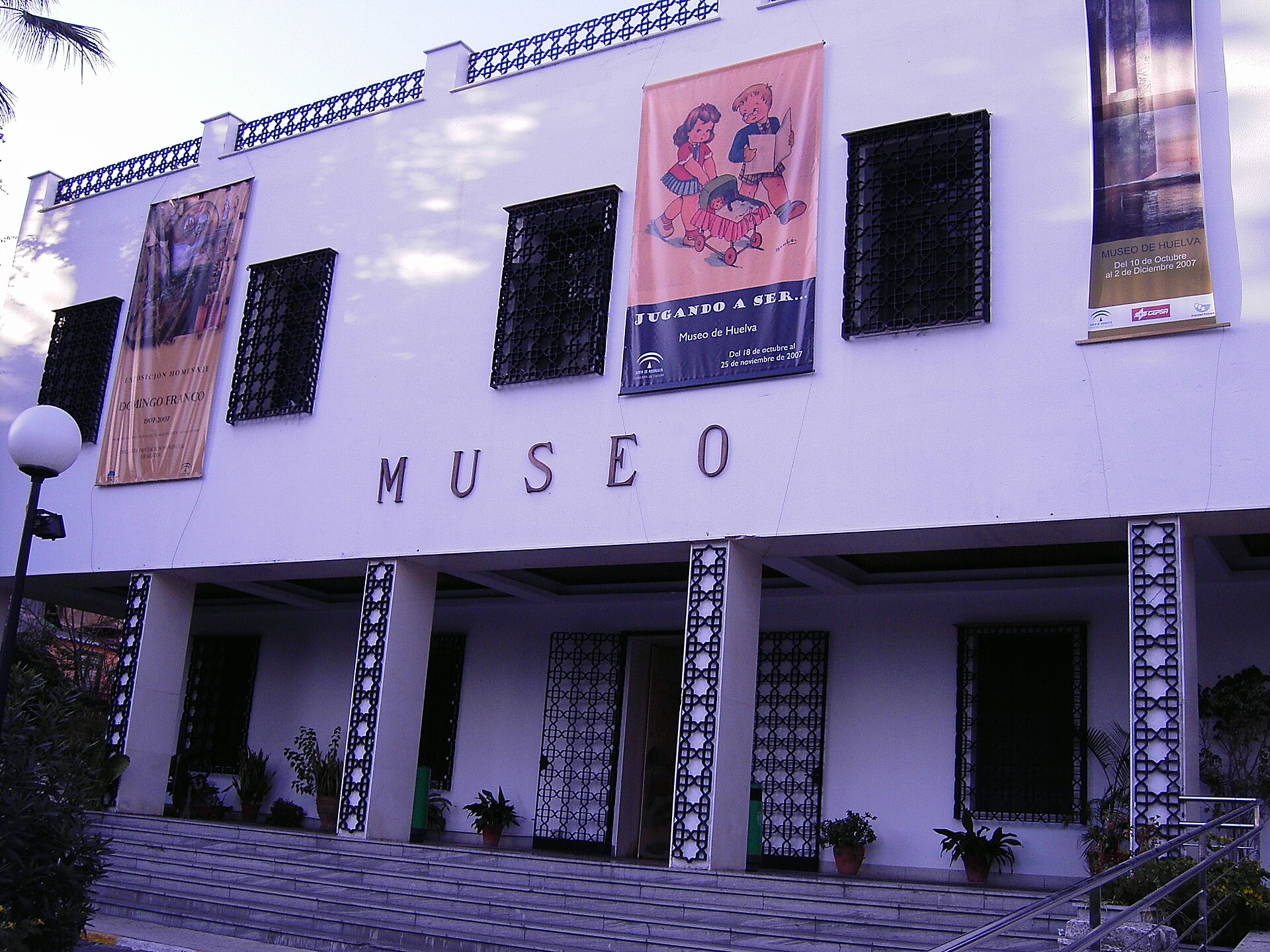
Museum of Huelva
Huelva
Museum of Huelva is the provincial museum of Huelva, in southern Spain's Andalusia region, bringing together more than a century of archaeological finds, fine art and regional ethnography under one roof. What can you see inside? The permanent collection is arranged in three sections: archaeology, fine arts and ethnography. Archaeology forms the core of the museum, with pieces from the megalithic sites of La Zarcita and El Pozuelo, a Tartessian treasure recovered from the La Joya necropolis, and Phoenician and Greek artifacts unearthed during excavations within the city itself. A particularly striking group of objects comes from Roman-era mining at Riotinto — the entrance hall displays a large hydraulic wheel once used to drain mine shafts, one of the museum's most recognisable pieces. The fine arts section is anchored by works from Daniel Vázquez Díaz, a 20th-century painter born in nearby Nerva and one of Spain's most notable modern artists. The collection has grown through pieces contributed by the Museo de Bellas Artes de Sevilla and the Museo Nacional Centro de Arte Reina Sofía, as well as private donors. The third section, ethnography, focuses on the everyday life and traditional occupations of the wider Huelva province. What does the building look like? The current museum building has stood on Alameda Sundheim since 1973, purpose-built to house the collection. It is a three-storey structure of roughly 3,000 square metres, with an additional lower-ground floor and an adjoining garden where visitors can pause between galleries. Before this building opened, the museum operated from earlier, temporary premises. Where did the museum come from? The Museo de Huelva was formally founded on 7 July 1920 and opened its doors to the public on 25 May 1921. Since then it has steadily expanded its holdings, becoming the main showcase for the archaeological and artistic heritage of the entire province — spanning prehistoric times, the Phoenician and Roman periods, and on into modern art. When is the best time to visit? The museum makes an easy addition to a day exploring central Huelva, best paired with a stroll through the surrounding streets. Given how hot Andalusian summers can get, the indoor galleries offer a comfortable break from the midday sun. Plan on roughly ninety minutes to two hours to take in all three sections at a relaxed pace. Frequently asked questions Where is the Museum of Huelva located? It sits on Alameda Sundheim in the city of Huelva, in western Andalusia, in an easily reachable part of town. What is the museum's most notable exhibit? The Roman hydraulic wheel from the Riotinto mines, displayed in the entrance hall, is widely considered one of the collection's signature pieces, alongside the paintings by Daniel Vázquez Díaz. Is the museum suitable for families with children? Yes — the three themed sections (archaeology, art and ethnography) let visitors pace a visit around different interests, and the layout is easy to walk through with children. How much time should I set aside? A full visit to all three sections typically takes between 60 and 120 minutes, depending on pace and personal interest.
-
Asturias Gold Museum
Tineo
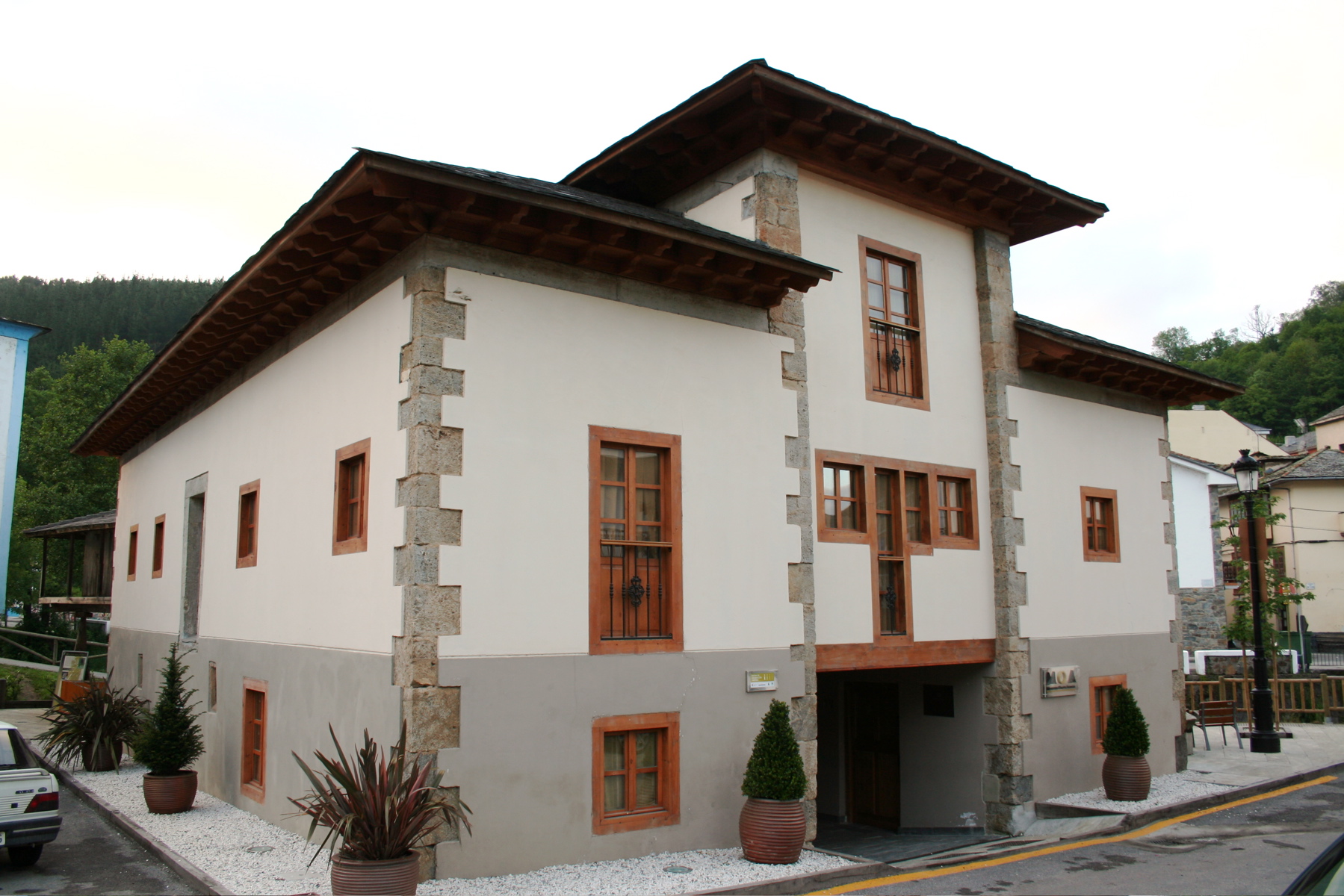
Asturias Gold Museum sits in Navelgas, a small village belonging to the municipality of Tineo in western Asturias. The exhibition tells the story of gold mining in the region and the techniques used for centuries to separate the metal from the sand of mountain rivers. What is there to see inside? The displays walk visitors through the different stages of gold prospecting, from simple hand sieves and wooden troughs to the equipment later used for larger-scale extraction. A dedicated section covers the Roman period, when the valley of the Narcea river was one of the more significant gold-producing areas of the Iberian Peninsula. Mining tools, ore samples, and tiny flecks of gold recovered from local streams are all on display. The museum goes beyond static cases: staff regularly run panning demonstrations, showing the traditional technique of swirling river sand in a pan to separate out grains of gold. Visitors are often invited to try the method themselves under guidance, which tends to be one of the highlights for families travelling with children. How do you get to Navelgas? Navelgas lies inland, in the mountainous part of Asturias, roughly half an hour by car from the centre of Tineo. Driving is by far the most practical option, since the approach winds through narrow, scenic valleys along the Narcea river, framed by forest and pasture typical of Asturias' interior. The nearest major city is Oviedo, usually around ninety minutes away by road. Public transport options are limited, so it's worth checking local bus schedules serving Tineo and the surrounding villages before relying on them. When is the best time to visit? Spring and summer are the most popular seasons, when mountain weather is more stable and the river valleys are at their greenest — this is also when outdoor panning demonstrations tend to run more often. Autumn brings striking colour to the surrounding forests, while winter visitors should confirm opening hours in advance, since smaller Asturian towns often adjust their schedules outside the main tourist season. What else can you combine with the visit? Navelgas sits along a route favoured by travellers interested in nature and the region's mining history. From here it's easy to continue exploring the Narcea valley, long associated with gold prospecting dating back to Roman times. The stop works well for anyone interested in industrial history and geology, or for those planning a longer stay in the Tineo area. Frequently asked questions Can visitors pan for gold themselves? Yes — during the museum's demonstrations, visitors can try the traditional panning technique under an instructor's supervision, making it one of the main draws for families. How long does a visit take? A typical visit, including the exhibition and a panning demonstration, takes between one and two hours, depending on whether you join a hands-on session. Is it easy to reach without a car? Public transport to Navelgas is limited, so travelling by car is strongly recommended, ideally combined with other stops around the municipality of Tineo. Why is a gold museum located here specifically? The Narcea river valley, where Navelgas sits, was historically one of Asturias' gold-producing areas, with mining activity dating back to Roman times — that tradition is the reason the museum was established in this location.
-
Museo de Segovia
Segovia
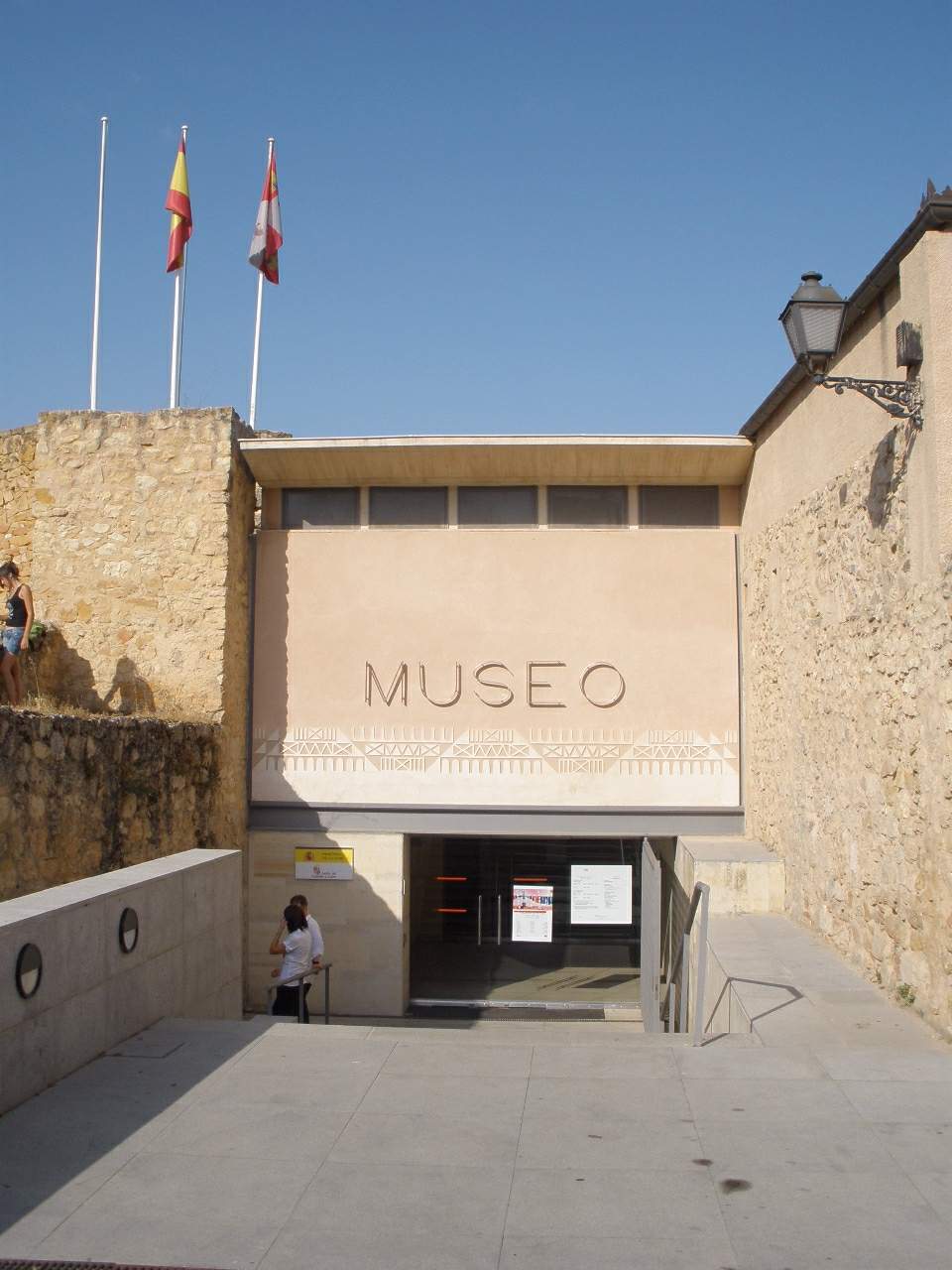
Museo de Segovia is the regional museum of Segovia, holding more than 1,500 archaeological, ethnographic, and fine-art pieces tied to the history of the province. Where is the museum located? The building sits on a rocky spur along the western stretch of Segovia's medieval walls, on the site of the former municipal slaughterhouse known as Casa del Sol. That position gives visitors an extra reason to stop by: a lookout point over the Eresma river valley and the surrounding hills, even before stepping inside the exhibition halls. How has the museum's history unfolded? The institution opened in 1842 inside the episcopal palace, run by the Provincial Commission for Historical and Artistic Monuments. Its original purpose was to safeguard artworks seized during the Spanish Desamortización — the 19th-century process of confiscating and auctioning off church property, which sent numerous paintings, sculptures, and liturgical objects into state hands. Over the decades the museum carried several names: Museo de Pinturas, Museo de Bellas Artes, Museo Provincial, before settling on its current one, Museo de Segovia. As early as 1845 the collection moved to the San Facundo building, and from the second half of the 19th century onward the pieces were scattered across different premises in the city. That fragmented state lasted for decades until 1967, when everything was finally reunited at Casa del Hidalgo and the adjoining building. Another turning point came in 1981, when day-to-day management passed to the Autonomous Community of Castile and León, even though formal ownership of the collection remained with the Spanish state. The current building — a conversion of the old municipal slaughterhouse — was renovated in stages between 1986 and 2006, adapting the historic structure to modern museum-display standards. What can visitors see in the collection? The holdings are organized into three main areas: archaeology, ethnology, and fine arts, all centered on the heritage of the Segovia region. The archaeological section walks visitors through successive periods — from the Paleolithic, through Celtiberian, Roman, and Visigothic cultures, to traces of the Islamic presence and objects from Christian-era Segovia. It's a rare chance to trace continuous settlement in this territory across thousands of years in a single visit. The fine-arts section — paintings, sculptures, and decorative-arts pieces — largely comes from monasteries and churches secularized during the 19th-century Desamortización. As a result, the collection preserves works that might otherwise have been dispersed or lost once those religious institutions closed. Who is this museum for? Museo de Segovia is a natural stop for anyone wanting to place the city's history in a broader context, whether before or after visiting the cathedral, the Alcázar, or the defensive walls. The compact scale of the exhibition means a visit doesn't require a full day, and the location right against the walls makes it easy to fold into a walking route through the old town. Frequently asked questions Where exactly is Museo de Segovia located? The museum stands on the western stretch of Segovia's city walls, inside the Casa del Sol building, the former municipal slaughterhouse. How many objects does the collection hold? The holdings include roughly 1,500 pieces, ranging from archaeological finds to paintings and sculptures dating from the Desamortización period. Where does the name Casa del Sol come from? It's the historic name of the building, which previously served as the city's slaughterhouse before being converted for museum use between 1986 and 2006. Who currently runs the museum? Since 1981 the museum has been managed by the Autonomous Community of Castile and León, although the collection formally belongs to the Spanish state.
-
Museo del Teatro Romano de Cartagena
Cartagena
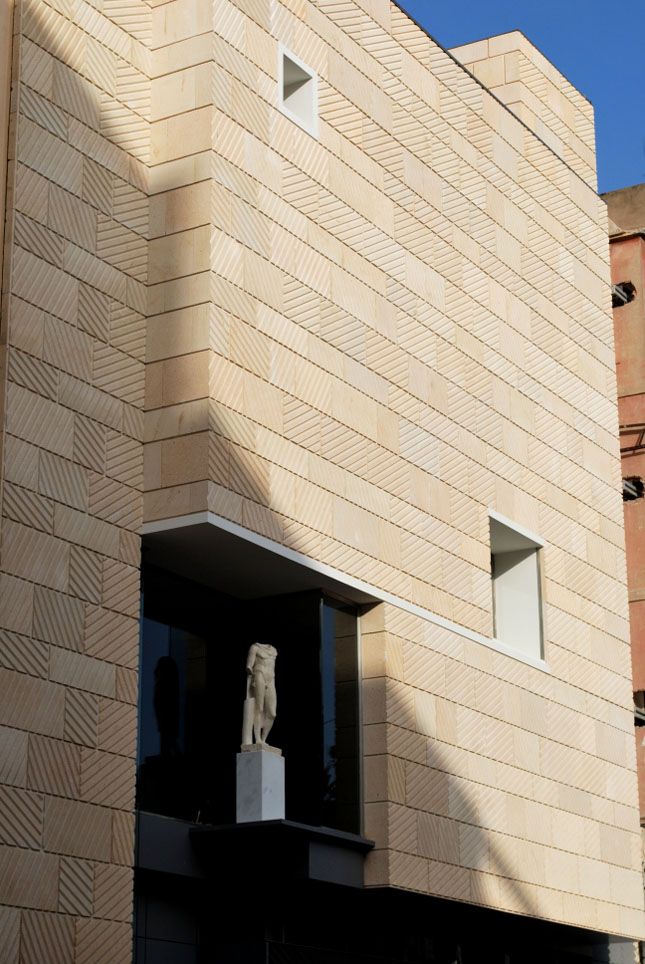
Museo del Teatro Romano de Cartagena is a museum in Cartagena, in Spain's Murcia region, dedicated to an ancient Roman theatre unearthed right in the heart of the city. Rather than just housing artefacts, the building itself acts as a guide, leading visitors from a modern entrance structure through a stretch of the old town and down to the actual theatre ruins. How was the Roman theatre discovered? The remains came to light in 1988, during the demolition of houses in Cartagena's historic centre. Until that point there was no historical record or prior archaeological trace suggesting a monument of this scale existed underneath the old town. The chance discovery triggered years of excavation campaigns that gradually revealed more and more of the structure, turning an ordinary demolition site into one of the city's most significant archaeological finds. Why does this theatre matter so much for Cartagena's history? The size and quality of the building point to how important Cartagena — ancient Carthago Nova — once was within Roman Hispania. The theatre ranks among the largest of its kind found on the Iberian Peninsula, with seating for roughly 7,000 spectators. A venue of that capacity implies a city with real administrative and economic weight, capable of drawing crowds comparable to the biggest Roman theatres known in Hispania. Who designed the museum, and when did it open? The museum building was designed by Rafael Moneo, one of Spain's most acclaimed architects and a Pritzker Prize laureate. His design goes beyond a conventional exhibition hall: the building works as a passage linking the modern city to the ancient monument, walking visitors step by step deeper into the past until they reach the ruins themselves. The museum opened to the public on 11 July 2008, following years of conservation work and exhibition preparation. What will visitors see on a tour? The visit begins in the modern exhibition wing, where finds from successive excavation campaigns are displayed — architectural fragments, decorative elements, and everyday objects connected to the theatre's use in antiquity. From there the route runs through remnants of old Cartagena, letting visitors see how different historical layers stacked up on the same spot over time. The route ends at the exposed ruins of the seating tiers, orchestra, and stage — a monument that lay hidden beneath the city for centuries before its rediscovery. Frequently asked questions Where is the Museo del Teatro Romano de Cartagena located? The museum sits in the historic centre of Cartagena, in Spain's Murcia region, right next to the exposed ruins of the ancient theatre. When was the Roman theatre in Cartagena discovered? The ruins were found in 1988 during the demolition of houses in the old town — before that, no historical source had recorded the theatre's existence. How many people could the theatre hold? The theatre's seating could accommodate around 7,000 spectators, making it one of the largest Roman theatres ever found in Hispania. Who designed the museum building? The building was designed by architect Rafael Moneo, and the museum opened to visitors on 11 July 2008.
-
Museo Oriental de Valladolid
Valladolid
Museo Oriental in Valladolid holds one of Europe's richest collections of Asian art, tucked inside the walls of an active Augustinian monastery in the city center. Where is the museum located? The Museo Oriental occupies part of the Real Colegio de PP. Agustinos Filipinos (Royal College of the Philippine Augustinians) in Valladolid. The building is still a working monastery, so the museum operates as a distinct institution inside a religious complex rather than a standalone civic building. That setting explains the nature of the collection: for centuries, Augustinian missionaries brought back objects from their outposts across Asia to this house in Spain. Where did the collection come from? The story begins in 1565, when Augustinian friars started missionary work in China, Japan, and the Philippines. Over the following centuries, the friars gathered religious, artistic, and everyday objects that made their way back to Valladolid and into the monastery's holdings. Individual rooms were already open to visitors more than a century ago, but the museum in its current form was inaugurated by the King and Queen of Spain on 12 October 1980. Following a major renovation, it reopened to the public in May 2006. What can visitors see inside? The collection splits into two main geographic sections. The Philippine section covers ethnological art from Luzon and Mindanao, colonial-era objects, and material tracing the history of the Manila Galleon, the trade route linking the Philippines with New Spain. A dedicated space is given to Hispano-Philippine art from the 17th to 19th centuries, alongside memorabilia connected to the 1898 war and the last Spanish soldiers stationed in the Philippines. The second part of the collection is devoted to Chinese art. Experts regard the museum's holdings as the best collection of Oriental art in all of Spain. Who is this museum for? Given the religious and ethnographic focus of the exhibits, the Museo Oriental appeals to visitors interested in the history of Catholic missions in Asia, collectors of Far Eastern art, and travelers looking for something different from Valladolid's usual museum offerings, which lean heavily toward sacred art and Castilian sculpture. It is a strong stop for anyone wanting to understand how Spain connected with Asia during the colonial era. How should visitors plan a visit? Because the museum sits inside a still-active monastery, expect limited opening hours and the quiet atmosphere typical of a religious site. A visit doesn't take an entire day: the exhibition is compact but densely packed, and one to two hours is usually enough to see it properly. It pairs well with a walk through Valladolid's historic center, since the monastery sits within the old town itself. Frequently asked questions What sets the Museo Oriental apart from other museums in Valladolid? It is the only museum in the city dedicated to Asian art rather than Spanish sacred art or sculpture — its pieces come from Augustinian missions in China and the Philippines, not from local workshops. When was the museum established in its current form? The modern exhibition was inaugurated by the King and Queen of Spain on 12 October 1980, although individual rooms with objects existed earlier. After renovation, the museum reopened in May 2006. Does the collection focus only on the Philippines? No — alongside an extensive Philippine section (ethnological and colonial art, the history of the Manila Galleon), the museum also holds a significant collection of Chinese art. Is the museum inside a working monastery? Yes, the building is the Real Colegio de PP. Agustinos Filipinos, an active Augustinian monastery — worth keeping in mind when planning a visit and behaving accordingly on site.
Earn badges for the places you visit
Download NextOnTrip, discover new places and check off your trails.