Museums in Spain
A guide to 891 Museums in Spain — with descriptions, photos and traveler visits from the NextOnTrip community. Locations spread across 469 cities and towns. Most visited by the community: Muzeum Picassa w Barcelonie, Museo Internacional de Arte Contemporáneo, Palace of Zulueta.
-
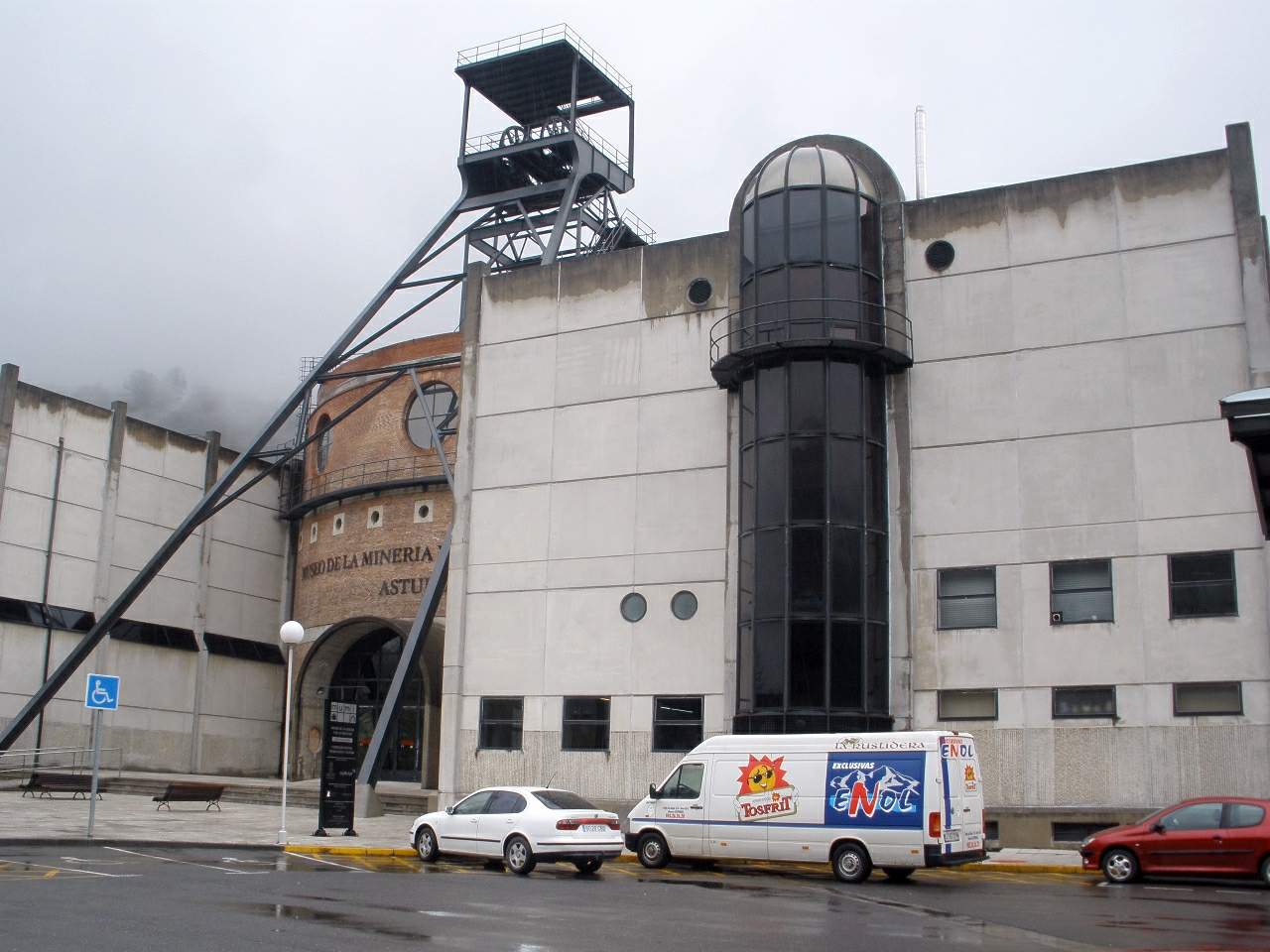
Mining Museum of Asturias
The Mining Museum of Asturias (MUMI) stands in El Entrego, a town within the municipality of San Martín del Rey Aurelio, in the coal-mining heart of Asturias, northern Spain. It tells the story of an industry that shaped this region for more than two centuries. What is MUMI about? The museum opened in 1994 with a clear mission: to document how coal mining developed in the Asturian coalfields from the 18th century onward. Exhibits trace the arrival of the Industrial Revolution, the mechanization that followed, and the technological progress that transformed a labor-intensive craft into an organized modern industry. Rather than treating mining as a purely technical subject, the museum weaves in the everyday reality of the communities that depended on it. What does the building look like? The main structure is a striking cylindrical volume topped by a tower, a shape that echoes the winding towers found above real mine shafts. Two wings extend from this central body, housing the exhibition halls along with visitor services. The layout lets the museum display a large collection of machinery and artifacts while keeping the visit easy to follow, moving naturally from one themed section to the next. What will you actually see inside? Inside, visitors find an extensive collection of mining equipment, ranging from early hand tools to heavier mechanical gear used as extraction methods advanced. The exhibition halls are arranged to walk visitors chronologically through the region's mining history, pairing technical displays with context about daily life underground and in the surrounding towns. The undisputed highlight, though, is the simulated underground mine. Visitors descend in a cage that recreates the experience of a real mineshaft lift — the enclosed space and the slow, mechanical descent set the tone before you even reach the tunnels. Below, reconstructed galleries and period equipment recreate the cramped, physically demanding conditions miners worked in, giving a far more visceral sense of the job than static displays alone could offer. How do you get there? MUMI sits in El Entrego, in the San Martín del Rey Aurelio municipality, within easy reach of Oviedo and Gijón by local road. The town lies in the Nalón valley, one of the traditional coal-mining basins of Asturias, making it a natural stop for anyone exploring the region's industrial heritage alongside its greener, more rural landscapes. When is the best time to visit? The museum operates year-round, and since most of the experience — including the underground mine — takes place indoors, weather is rarely a concern. Plan for a couple of hours, especially if you intend to join the underground tour, as descents are typically organized in timed groups rather than continuously. Frequently asked questions What is MUMI? MUMI, the Mining Museum of Asturias, is a museum in El Entrego dedicated to the history of coal mining in the region, covering its development from the 18th century through to modern extraction technology. What's the main attraction? The simulated underground mine is the centerpiece: visitors ride a cage-style lift down and walk through reconstructed tunnels and mining stations. What does the museum building look like? The main building is a cylindrical structure with a tower recalling a mine's winding gear, flanked by two wings containing the exhibition halls. Where exactly is the museum located? It's located in El Entrego, part of the San Martín del Rey Aurelio municipality in Asturias, northern Spain, in a valley historically defined by coal mining.
-
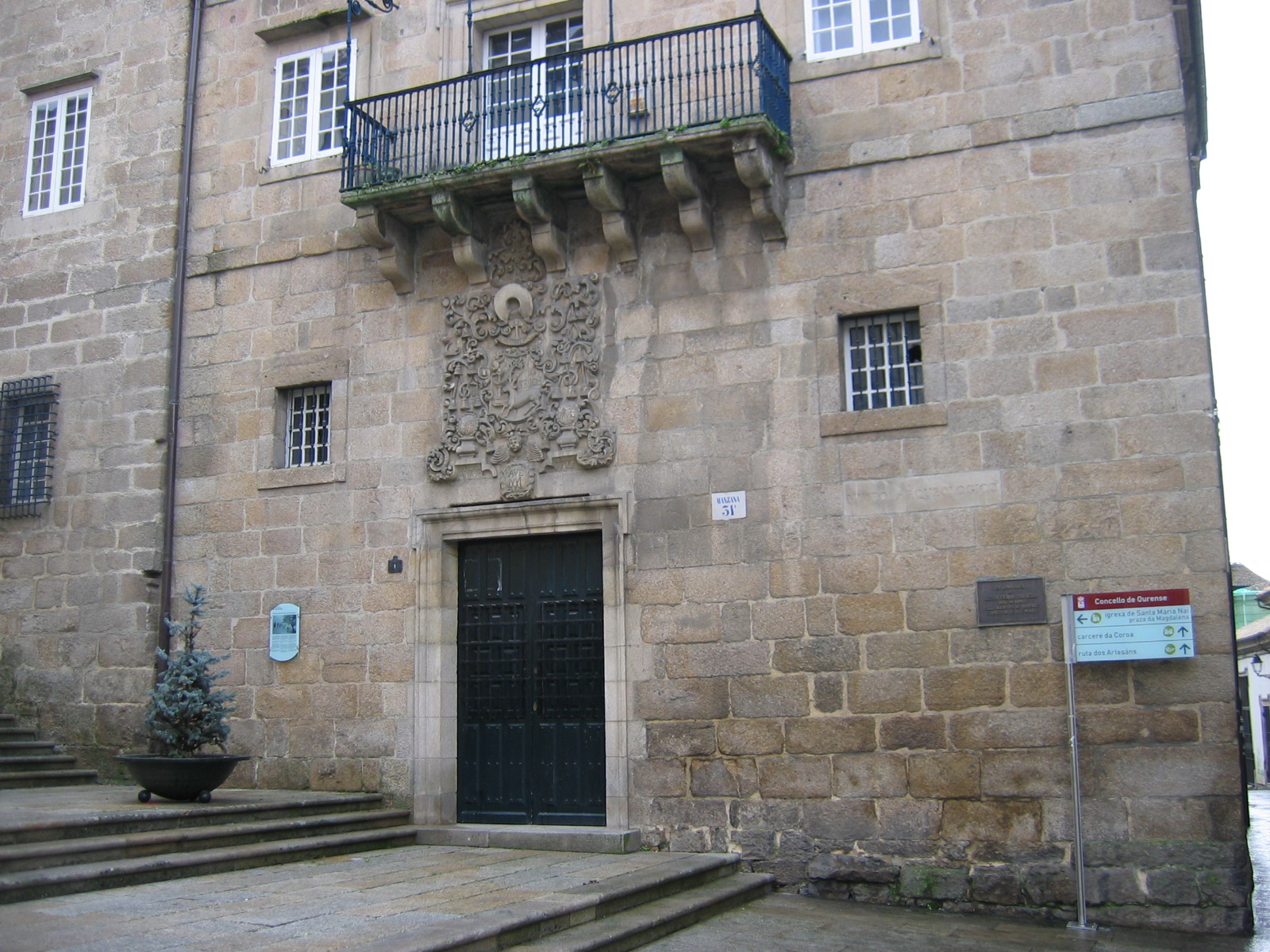
Museo Arqueológico Provincial de Ourense
Ourense
The Museo Arqueológico Provincial de Ourense is the oldest museum in all of Galicia, housed in the historic Bishop's Palace right at the heart of Ourense. Its collections span thousands of years of regional history, from the Palaeolithic era to 19th-century painting, and the building itself — a former episcopal residence — is as much a draw as what's on display inside. How do you get there? The museum sits in Ourense's old town, right next to the cathedral, making it an easy walk from anywhere in the city centre. The surrounding narrow streets and stone architecture turn the approach itself into part of the visit. Travellers arriving from outside the city typically start from the train or bus station, both a short walk or a quick local bus ride from the historic core. What's the history behind it? The museum was founded in 1844 by the Comisión Provincial de Monumentos, making it the oldest institution of its kind in Galicia. For decades it lacked a permanent home, moving between several buildings — the former Jesuit college of San Fernando, the Convento de Santo Domingo, and, from 1896, the Centro Provincial de Instrucción. A fire in 1927, in a building the museum then shared with the public library and a secondary school, destroyed most of the library's holdings and part of the museum's own collection. It wasn't until 1951 that the state purchased the Bishop's Palace, finally giving the museum a stable and fitting home, where it remains today. What will you see inside? The exhibition is organised into several clear sections. The archaeological wing takes visitors through the Palaeolithic and Megalithic periods before moving into the Castro culture — Galicia's pre-Roman hillfort settlements — and the Galaico-Roman era, where surviving epigraphic inscriptions are a particular highlight. Another section covers pre-Romanesque and medieval material, mostly architectural and structural fragments. A separate fine arts wing brings together Renaissance and Baroque sculpture, 17th- and 18th-century painting, and works by the Ourense painter Ramón Parada Justel from the late 19th century, alongside a collection of decorative arts. Who is this museum for? It rewards both archaeology enthusiasts tracing Galicia's deepest history and anyone drawn to older art — sacred sculpture or regional painting alike. The Bishop's Palace itself, with the stone walls and internal courtyards typical of Galician architecture, adds another layer to the visit. It's also a natural stop for anyone already exploring the cathedral and the old town, fitting neatly into a walk through the historic centre. When should you visit? Ourense draws visitors year-round thanks to its thermal springs, but timing a museum visit for the cooler parts of the day or year pays off — the palace's stone interior stays pleasantly cool during the city's hot summers. Pairing the visit with a walk through the old town and the neighbouring cathedral makes the most of the location. Frequently Asked Questions Where exactly is the museum located? Inside the former Bishop's Palace, in Ourense's old town, immediately next to the cathedral. Is it really Galicia's oldest museum? Yes — it was founded in 1844 by the Comisión Provincial de Monumentos and is considered the region's oldest museum institution. What shouldn't you miss? The Galaico-Roman epigraphy collection and the fine arts section featuring works by Ramón Parada Justel are the two most distinctive parts of the exhibition. Is the building itself historic? Yes — the Bishop's Palace is a historic residence that the museum has occupied since 1951, after years of moving between different locations in the city.
-
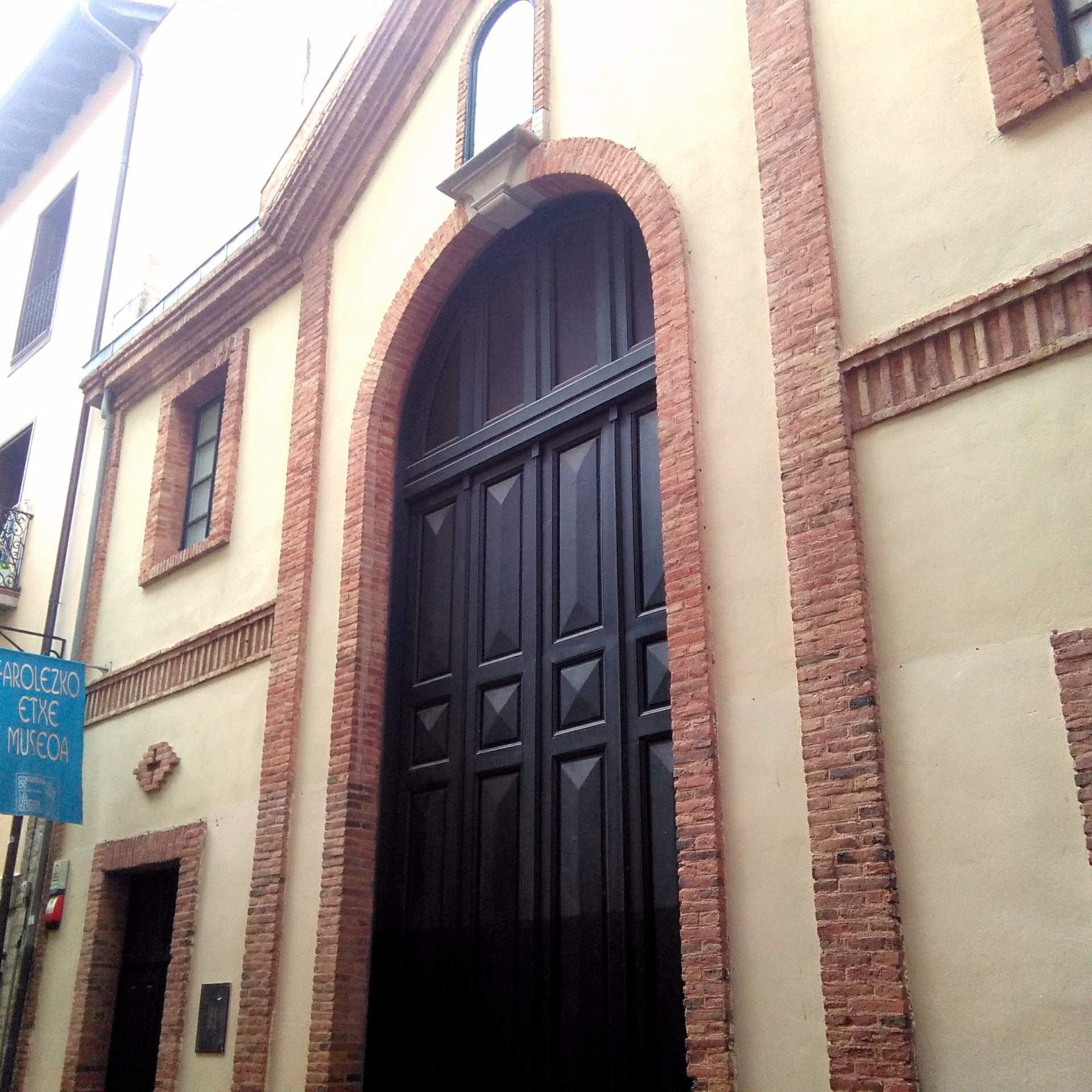
Lantern Museum
Vitoria-Gasteiz
Lantern Museum is a small museum in Vitoria-Gasteiz, the capital of the Basque Country and of the province of Álava in northern Spain. It preserves and displays the ornate lanterns carried each year in the Rosario de los Faroles (Rosary of the Lanterns) procession, one of the central events of the Virgen Blanca Festivities held in honor of the city's patron saint. What is the Lantern Museum? The museum is entirely dedicated to a tradition tied to Vitoria-Gasteiz's August festivities. Its collection consists of colorful, often hand-decorated lanterns that participants carry through the streets during the night-time rosary procession honoring the Virgen Blanca. Outside the festival dates, these lanterns are kept and displayed here, letting visitors examine up close a craft that otherwise appears on the streets for only a single night each year. How to get there? Vitoria-Gasteiz sits in northern Spain, roughly between Bilbao and Pamplona, and is well connected by rail and long-distance bus from the main Basque cities. The museum lies within the city, close to the historic center, from which most of the old town's landmarks are only a short walk away. The easiest way to reach Vitoria-Gasteiz is by train from Bilbao or San Sebastián (around an hour to ninety minutes) or by flying into the nearby airport, which mainly handles domestic routes. What will you see? The main attraction is the lanterns themselves — structures of varying sizes made from paper, wood and glass, lit from within, which together form a flickering procession through the old town's streets. The Rosario de los Faroles takes place on the night of August 4th, opening the Virgen Blanca Festivities, the city's most important annual celebration, which that same day also begins with the symbolic "descent" of the Celedón figure onto the Plaza de la Virgen Blanca. The museum reveals the craftsmanship behind this tradition outside the context of the procession itself, away from the crowds and night-time setting, which makes it an easier way for many visitors to get to know the local custom. When to visit? If seeing the lanterns in their live, original setting matters to you, the best time is the evening of August 4th, when the rosary procession takes place and the whole city celebrates the start of the Virgen Blanca Festivities. The museum's exhibition, however, is open year-round, making it a good option outside festival season too, when Vitoria-Gasteiz is quieter and the old town easier to explore. Frequently asked questions What can you see at the Lantern Museum? The museum displays the ornate lanterns carried each year in the Rosario de los Faroles procession, held in honor of the Virgen Blanca, patron saint of Vitoria-Gasteiz. When does the procession linked to the museum take place? The Rosario de los Faroles procession takes place on the night of August 4th, opening the annual Virgen Blanca Festivities. Where is Vitoria-Gasteiz located? It is the capital of the Basque Country and of the province of Álava, in northern Spain, between Bilbao and Pamplona. Can the museum be visited outside festival season? Yes, the lantern collection is open to visitors year-round, regardless of the August festival dates.
-
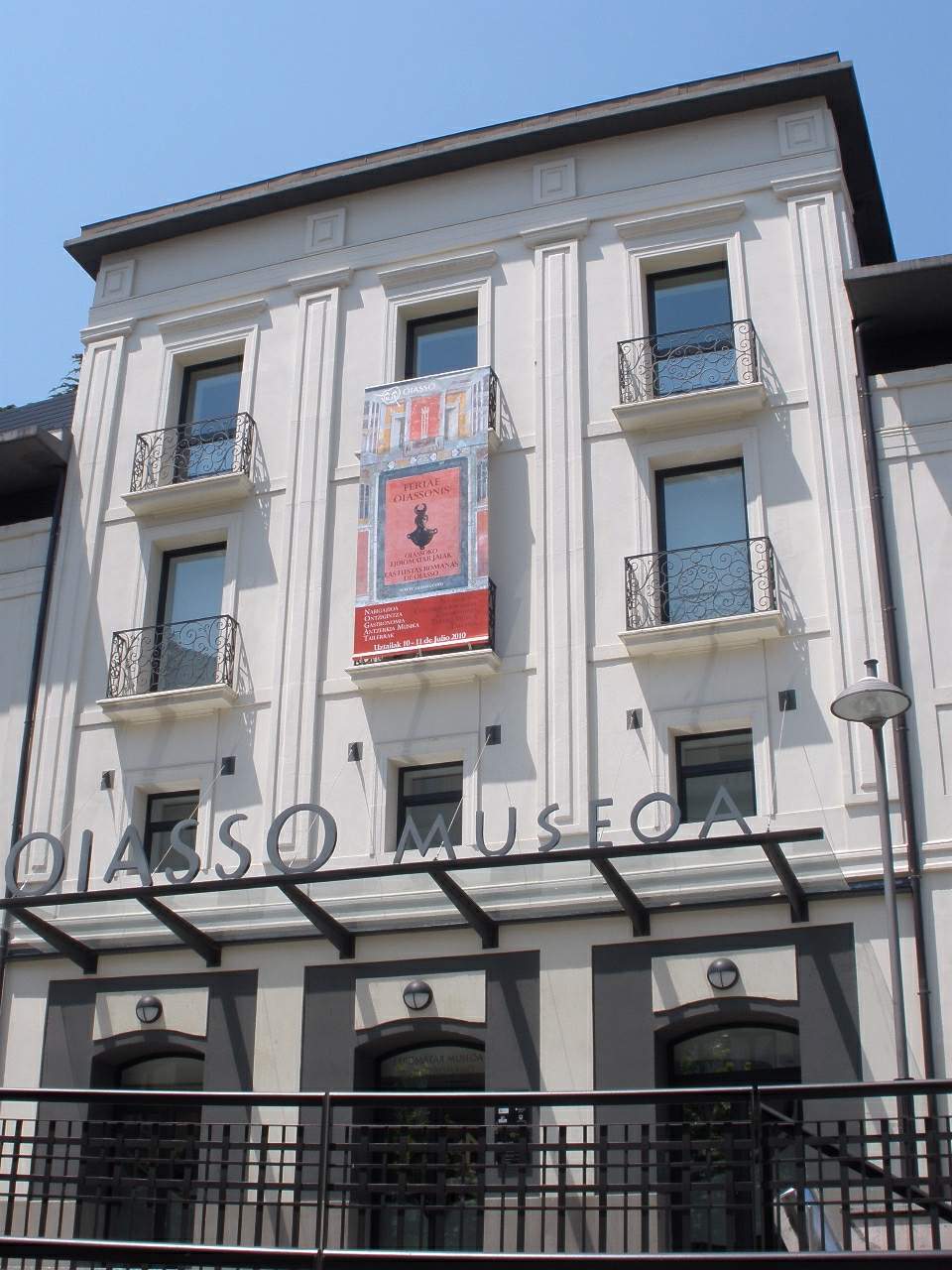
Museo Romano Oiasso
Museo Romano Oiasso in Irun is a small but content-rich archaeology museum dedicated to the town's Roman past, sitting right on the Bidasoa river near the border with France. Its name refers to Oiasso, the ancient settlement that served as a trading port at the western edge of the Roman Empire's reach into the Iberian Peninsula. The exhibition is built around finds uncovered during construction work and excavations carried out in the heart of modern Irun, so the museum literally stands above part of the site it describes. What's inside the museum? The display is organised into three themed rooms. The first looks at cultural contact, showing how the local Vasconic population lived before the Romans arrived and how daily life changed once relations with the newcomers began. The second room focuses on the port itself, presenting objects tied to maritime trade and fishing — the two economic activities that drove Oiasso's growth. The third room recreates everyday life in a Roman provincial town, covering food, clothing, writing, leisure and religious practice. Most exhibits are everyday objects, pottery and tools recovered from archaeological digs across the town. How do you get there? The museum sits at Eskoleta 1, in Irun's historic centre, within easy walking distance of the train station and the town's main landmarks. Irun lies right on the Spanish-French border, making it a natural stop for travellers moving between the Basque Country and French Aquitaine, for example alongside a visit to nearby Hondarribia or Saint-Jean-de-Luz. When should you visit and how does a visit work? Opening hours shift with the season. From June to September the museum opens Tuesday to Saturday from 10:00 to 20:00, and on Sunday only until 14:00. From October to May a shorter schedule applies: Tuesday, Wednesday, Thursday and Sunday from 10:00 to 14:00, with Friday and Saturday adding an afternoon slot from 16:00 to 19:00. The museum is closed on Mondays and on Sunday afternoons year-round, as well as on a handful of specific holidays in December and early January. Visitors who want a guided visit can join a tour in Spanish at 11:00 or in Basque at 12:30; these tours run about 75 minutes and require booking ahead by phone. Who is this museum for? Oiasso works best for visitors drawn to archaeology and ancient history who want something more intimate than the large-scale Roman museums found elsewhere. It's a compact space where the exhibits have a direct link to the location — you're effectively standing on the footprint of the old port while looking at objects pulled from beneath the town. It also pairs well with a wider Basque Country itinerary, especially alongside the coastal towns nearby. Frequently asked questions Is the guided tour worth it? Yes — a guide helps tie the three rooms together into a coherent story about the port town, which matters since many exhibits are small everyday objects that are easier to appreciate with context. How long does a visit take? A self-guided visit through the three rooms usually takes about an hour, while the guided version runs roughly 75 minutes. Is the museum suitable for children? Yes — the compact format and the everyday-life focus (food, clothing, play) make it accessible for younger visitors too. Are there other historical sights nearby in Irun? Yes — the museum sits in the town centre near other historical points in Irun, and it's a short trip from the coastal town of Hondarribia.
-
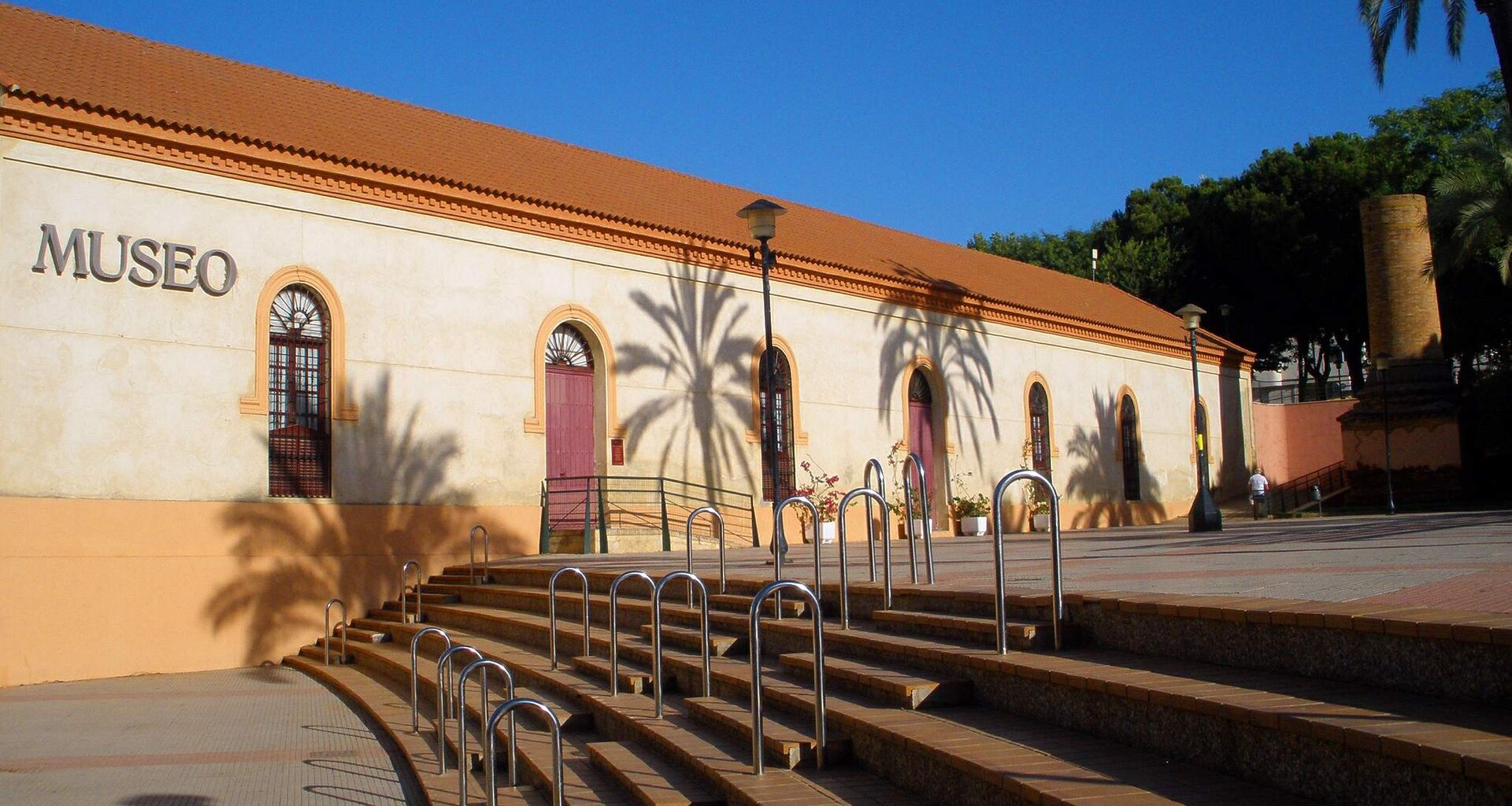
Museo de Alcalá de Guadaíra
Alcalá de Guadaíra
Museo de Alcalá de Guadaíra is the town museum of Alcalá de Guadaíra, a town a short distance from Seville that brings together local history, archaeology and Andalusian painting under one roof. What will you see inside? The museum occupies the restored building of the former Idogra factory, which produced olive-derived goods from the early twentieth century, and it opened its doors as a museum on 11 November 2005. The ground floor is dedicated to the history of Alcalá de Guadaíra and, since December 2016, has been arranged into four themed rooms that guide visitors chronologically through the region's past — from the era before humankind, through prehistory and the span from protohistory to the Middle Ages, up to the Modern Age and the present day. Upstairs there is a space for temporary exhibitions alongside the permanent exhibition "Tiempo de Paisajes" (Time of Landscapes), devoted to the Sevillian landscape painters who formed the so-called Alcalá School between 1850 and 1950 — among the artists on display are Emilio Sánchez Perrier and José Pinelo Llull. The museum's core holdings are made up of three municipal collections: an archaeological collection, a bullfighting-themed painting collection known as the legacy of the Count of Colombí (Legado Conde de Colombí), and a fine arts collection. The museum also runs a specialised library on art and heritage with more than one hundred titles. How do you get there? The museum sits on Calle Juez Pérez Díaz, in the centre of Alcalá de Guadaíra, a town just east of Seville with good connections to the Andalusian capital. For anyone visiting Seville, it makes an easy half-day trip — worth pairing with a walk through the old town and a look at the nearby castle (Castillo de Alcalá de Guadaíra) and the town's characteristic watermills along the Guadaíra river. When should you visit? The museum is open Monday to Friday from 10:00 to 14:00, with Monday afternoons closed. From Tuesday to Sunday it opens again in the evenings, from 19:00 to 21:00. On Saturdays, Sundays and public holidays the hours are 12:00 to 14:00. This schedule makes it easy to fit a visit around either a morning or an evening stop in the town — it's worth checking the current timetable before you go, since cultural venues sometimes adjust their hours around holiday periods. A visit to the exhibition itself usually takes about an hour to an hour and a half, depending on whether a temporary exhibition is also running upstairs. It's a good pick for anyone interested in archaeology, local history or Andalusian painting, and the rooms are compact enough that the visit doesn't feel tiring even with children in tow. Frequently Asked Questions When did the museum open? The museum opened its doors on 11 November 2005, in the restored building of the former Idogra factory, which had produced olive-derived goods. How much time should you set aside for a visit? A standard tour of the permanent exhibition on both floors takes about an hour to an hour and a half, depending on your pace and whether a temporary exhibition is on. What is the museum's main highlight? The combination of the ground-floor history and archaeology exhibition with "Tiempo de Paisajes" upstairs, showcasing works by Alcalá School painters from 1850 to 1950, including Emilio Sánchez Perrier and José Pinelo Llull. Can you combine the visit with other sights in town? Yes, the museum sits in the centre of Alcalá de Guadaíra, close to the castle and the historic watermills along the Guadaíra river, making it easy to plan a full day exploring the town.
-
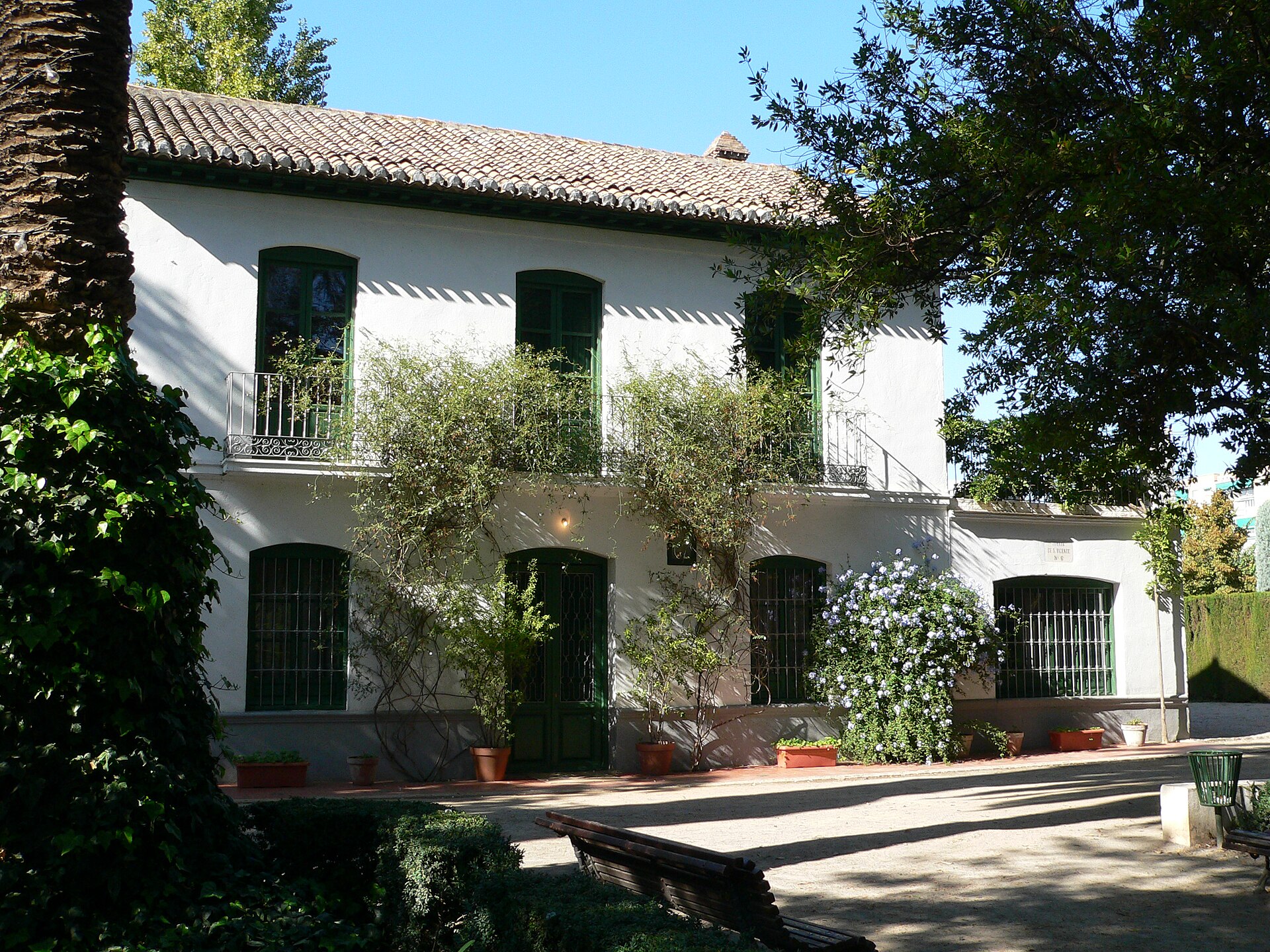
Casa Huerta de San Vicente
Casa Huerta de San Vicente is a house museum dedicated to Federico García Lorca, set inside the park in Granada that today carries the poet's name. This is where the Spanish writer spent his summers with his family and produced some of his most important work. What is this place? The house was built in the second half of the 19th century as a rural property on the outskirts of Granada, formerly known as Huerta de los Mudos. In 1926 the García Lorca family took it as their summer residence and kept using it until 1936. It was here, among the orchards and gardens, that Federico García Lorca wrote some of his best-known works, including the play "Blood Wedding" and the poem "Lament for Ignacio Sánchez Mejías". The house was also where the poet spent his final days before his arrest at the outbreak of the Spanish Civil War, shortly before he was killed. In the 1970s the property came under threat from Granada's expanding urban development. Thanks to the efforts of local residents, it was saved from demolition, and in 1985 the estate passed into the ownership of Granada's city council. Following a careful restoration, it opened as a house museum dedicated to the poet's memory in 1995. What will you see inside? The rooms have kept the atmosphere of the years when the García Lorca family lived here. Visitors can see the poet's personal belongings, furniture, family photographs, drawings and paintings, and original manuscripts of his work. The house has been arranged to recreate the setting of nearly a century ago, including the space where Lorca worked during his summer stays. The museum traces the connection between the family's everyday life and the writing of one of the most important Spanish poets of the 20th century. The house is surrounded by the park that bears the poet's name, a green space open to residents and visitors alike, ideal for a rest after the tour or simply a walk in the shade away from the bustle of central Granada. How do you get there? Huerta de San Vicente stands at Calle Virgen Blanca 6, inside Federico García Lorca Park, not far from the centre of Granada. It's a quiet, leafy part of the city, easily reached on foot or by public transport from the historic centre. When should you visit? The museum is open Tuesday to Sunday and closed on Mondays and select public holidays. From April to October the house can be visited from 10:00 to 19:00, and from November to March from 10:00 to 17:00. It's worth checking the current schedule before visiting, since hours can change with the season. Spring and autumn are good times to come, as the park surrounding the house keeps a pleasant climate for a walk before or after the museum visit. Summers in Granada can get very hot, so it's worth planning a visit for the morning hours. Frequently Asked Questions What was Huerta de San Vicente before it became a museum? It was the García Lorca family's summer home, used from 1926 to 1936, previously known as Huerta de los Mudos. What works did Lorca write in this house? Federico García Lorca wrote here, among other works, the play "Blood Wedding" and the poem "Lament for Ignacio Sánchez Mejías". When did the house become a museum? After being acquired by the city of Granada in 1985 and restored, the house opened as a museum in 1995. Is the museum open every day? No, it is closed on Mondays and on select public holidays — it's best to check current hours before visiting.
-
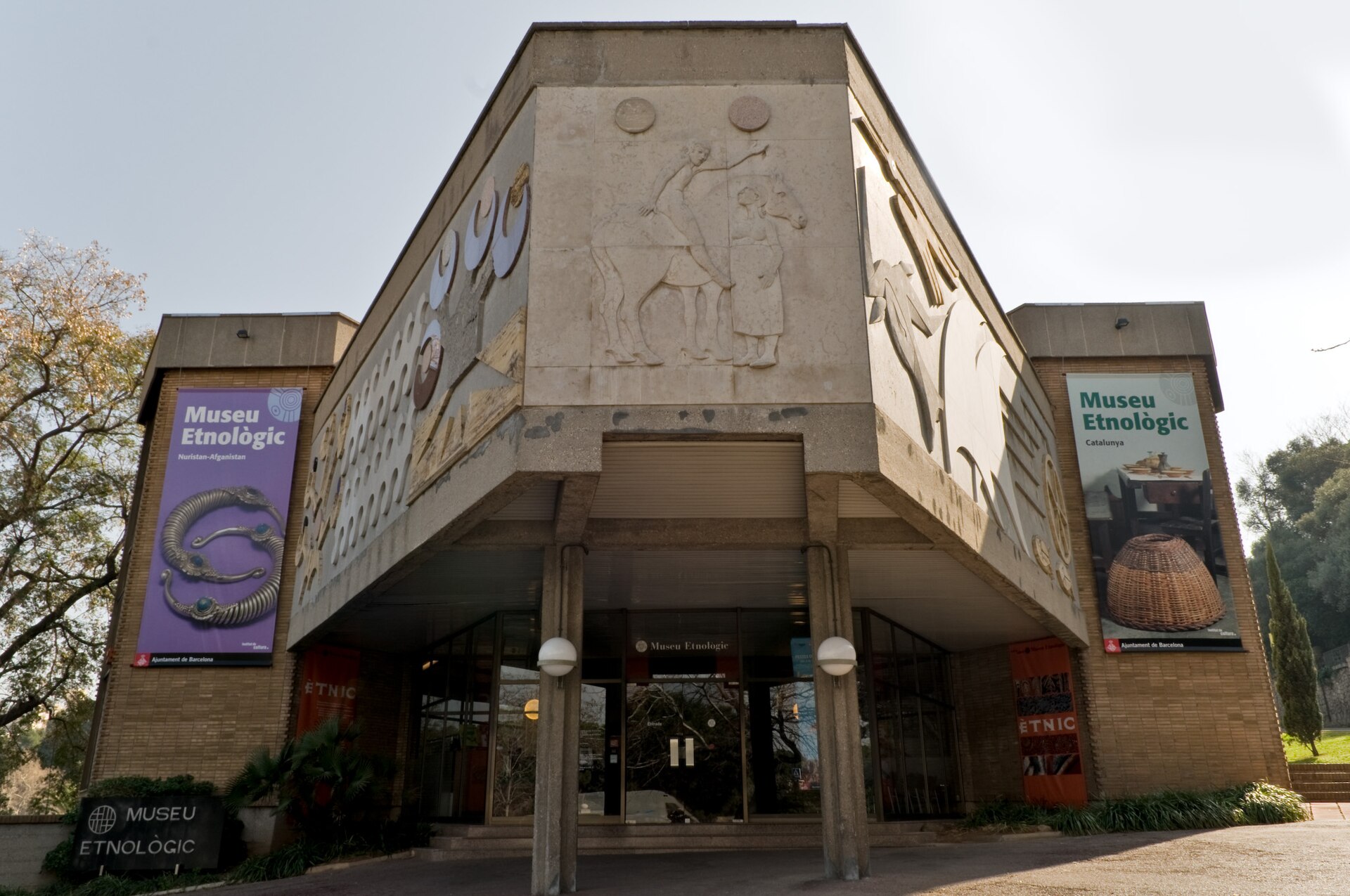
Museu Etnològic
Barcelona
Museu Etnològic i de Cultures del Món is Catalonia's leading ethnology museum, set on Montjuïc hill in Barcelona next to the Laribal Gardens. Its holdings span more than 70,000 objects gathered from the Iberian Peninsula and from all five continents, making it one of the most wide-ranging collections of its kind in Spain. What's inside? The permanent exhibition, titled "Feel Our Heritage," builds around a straightforward idea: everyday objects from different cultures are placed side by side to show how distinct societies have tackled similar human needs — food, clothing, belief systems, the organisation of domestic space. More than 10,000 items are on display across the galleries, and the museum additionally holds an archive of roughly 50,000 films and photographs documenting traditional cultures worldwide. The Montjuïc building has its own architectural story. It was the first structure in Barcelona designed from the ground up specifically to house a museum, opening in 1973 as the home of the Museu Etnològic. After a four-year renovation, it reopened to the public in 2015. How did the museum come about? Its origins trace back to the late 1910s, when a group of Catalan ethnographers recognised the need to systematically document and preserve traditional cultures. That effort eventually produced two separate institutions: the Museu d'Indústries i Arts Populars, founded in 1942, and the Museu Etnològic i Colonial, established in 1949. Their collections formed the basis of what the museum holds today. In 2017, the Museu Etnològic de Barcelona merged with the Museu de Cultures del Món, and the following year the combined institution adopted its current name — Museu Etnològic i de Cultures del Món, known by the acronym MUEC. The merger was more than a rebrand: it brought two separate collecting traditions together into a single narrative about global cultural diversity. How many sites does it have, and where are they? The museum operates across two venues. The main site sits on Montjuïc, at Passeig de Santa Madrona 16, surrounded by the greenery of Parc de Montjuïc — close to other attractions in that part of the city, such as Poble Espanyol and the Fundació Joan Miró. The second venue is in the Montcada district, in Barcelona's historic centre, near the Picasso Museum. Both form a single institution but each highlights a different side of the collection. Who is this museum for? It suits visitors with an interest in anthropology, colonial history, and cross-cultural exchange, but it also works well for families with children — the display method leans on side-by-side comparisons and tangible objects rather than dense text panels. It's a natural stop for anyone exploring Montjuïc who wants more than views and Olympic-era architecture on their walk up the hill. Frequently asked questions Where exactly is the museum located? The main building stands on Montjuïc, at Passeig de Santa Madrona 16, next to the Laribal Gardens. A second venue is located in the Montcada district in the city centre. How many exhibits are on display? More than 10,000 objects are shown across the galleries, out of a total collection of over 70,000 items plus an archive of around 50,000 films and photographs. What sets MUEC apart from other ethnographic museums in Spain? It's the largest institution of its kind in Catalonia, formed by merging two historic museums — the Museu Etnològic de Barcelona and the Museu de Cultures del Món — into one between 2017 and 2018. Is the Montjuïc building itself worth noting? Yes — it was the first building in Barcelona purpose-built to house a museum, opened in 1973 and later fully renovated, reopening in 2015.
-
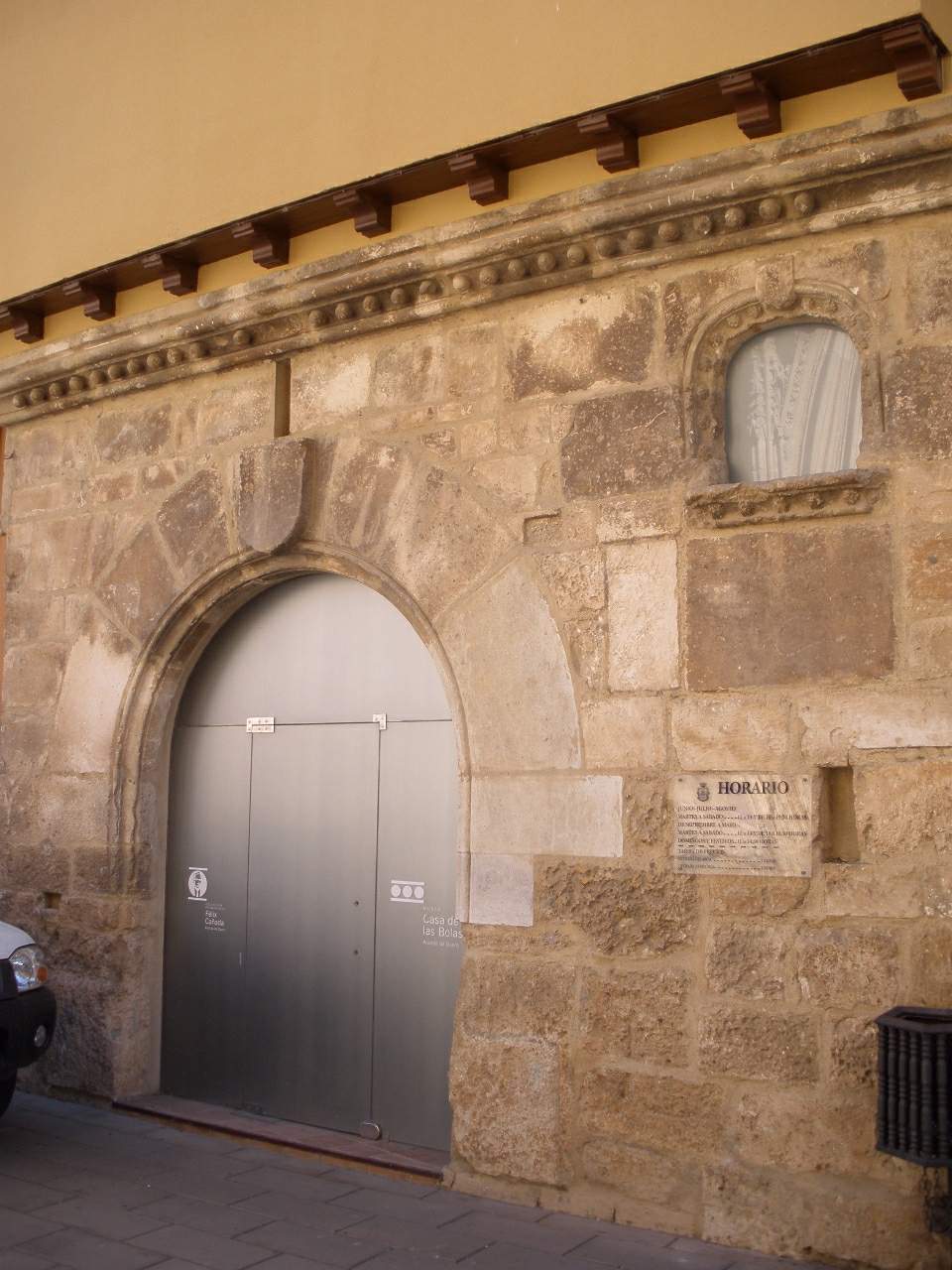
Museo Casa de las Bolas
Aranda de Duero
Museo Casa de las Bolas sits inside a 15th-century townhouse on Plaza de San Juan, right in the historic core of Aranda de Duero, and punches well above its size for a museum of this scale. The building takes its name — House of the Balls — from a Gothic window whose stone sill is carved with round, ball-like ornaments, a detail that has survived centuries of renovations and still catches the eye of anyone crossing the square. What's inside the museum? The permanent collection is built around European paintings spanning the 17th to the 20th century, donated to the town by Félix Cañada Guerrero, a mining engineer who grew up in Aranda de Duero and later gifted his private art collection to the city that raised him. The result is a compact but dense display of period painting, bringing together works from different schools and eras under one roof. A second, unexpected draw is a standing exhibition of one hundred Salvador Dalí engravings illustrating Dante's Divine Comedy — a complete cycle rarely found displayed in full in a town this size, and a genuine surprise for visitors touring the Ribera del Duero wine region. The museum also runs temporary exhibitions and creative workshops, so the program shifts through the year and it's worth checking what's currently on before you go. What's the story behind the building? Local tradition holds that this house was once the residence of Juana de Avís, wife of King Henry IV of Castile, who is said to have lived here between 1461 and 1464. She was reportedly accompanied by her daughter Juana la Beltraneja and the king's half-siblings — Princess Isabella, the future Isabella the Catholic, and Prince Alfonso. The claim is hard to pin down in hard documentary evidence, but it's a story local guides like to tell, and it sits alongside the Gothic window as part of the building's character. How do you get there and when should you visit? The museum is located at Plaza de San Juan 9, within easy walking distance of Aranda de Duero's other old-town landmarks, so a visit slots naturally into a stroll through the historic center. Opening hours shift with the season: from March to May and October to December, it's open Fridays (4pm–6pm), Saturdays (11am–2pm and 4pm–6pm), and Sundays and public holidays (11am–2pm). From June to September, and during Easter week, the museum opens daily from Tuesday to Sunday, giving visitors far more flexibility. Admission is modest — €2 for a standard ticket, €1 for students and retirees — which makes the museum an easy, low-cost stop to slot between a wine tasting and a walk around Ribera del Duero. Guided tours and educational workshops for groups and schools can be arranged in advance by phone. Who is this museum for? It suits travelers with an interest in painting and historic architecture, as well as families looking for a quiet, low-key stop away from crowds. Given the building's modest size, a visit typically takes 30 to 45 minutes, making it an easy addition to a shorter stay in a region best known for its vineyards and Ribera del Duero wine. Frequently asked questions How much does a ticket to Museo Casa de las Bolas cost? Standard admission is €2, with a reduced €1 rate for students and retirees. What are the opening hours? They vary by season: from March to May and October to December the museum keeps limited hours on Fridays, Saturdays, Sundays and holidays; from June to September and during Holy Week it opens daily, Tuesday through Sunday. What will I see in the collection? European paintings from the 17th to 20th century donated by Félix Cañada Guerrero, plus a permanent display of one hundred Salvador Dalí engravings for Dante's Divine Comedy. Can I combine the visit with sightseeing in town? Yes — the museum stands on Plaza de San Juan, in the middle of Aranda de Duero's old town, close to other historic sites, so it fits easily into a walking tour of the center.
-
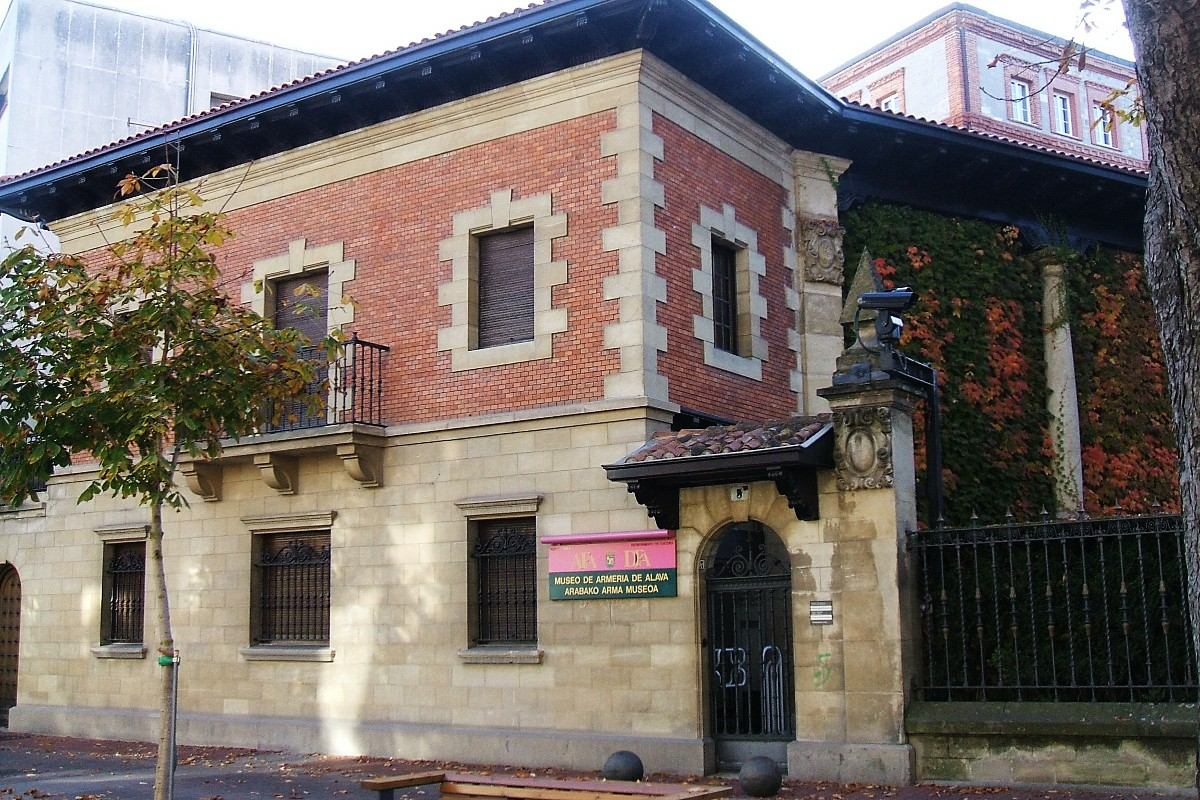
Museo de Armería de Álava
Vitoria-Gasteiz
The Museo de Armería de Álava is a compact, focused museum in Vitoria-Gasteiz dedicated entirely to the history of arms and weaponry. It occupies annex buildings next to the Ajuria Enea mansion, with the former main house serving as exhibition space and an adjoining caretaker's building handling administrative functions. Where did the collection come from? The museum began as a private passion project. In 1966, collector Félix Alfaro Fournier handed over his entire arms collection to the provincial authority of Álava, and that donation became the founding core of the institution. In 1975 the collection moved into its present home beside the Ajuria Enea mansion, where it has remained ever since. What will you actually see inside? The exhibition holds more than 1,500 pieces, tracing the evolution of weaponry across thousands of years — from simple prehistoric stone points through to sophisticated firearms from the early 20th century. European arms form the backbone of the collection, but the rooms also include African and Middle Eastern and Asian weaponry, plus uniforms, decorations, medals, and coins. Why is the Battle of Vitoria section worth seeking out? One standout section is dedicated specifically to the 1813 Battle of Vitoria, a decisive clash of the Peninsular War fought right on the city's doorstep. The militaria and artifacts gathered there give visitors a concrete, tangible sense of the battle without needing outside background reading. Who is this museum best suited for? Given its specialized focus — military history, historic weaponry, battlefield context — the museum will appeal most to visitors with an interest in military history or antique arms, or anyone looking for something different from the usual fine-arts museum circuit. It also works well as a stop for families with school-age children, who often find the visual progression of weapons technology genuinely engaging. Practical visitor information The museum is closed on Mondays. From Tuesday to Saturday it opens from 10:00 to 14:00 and again from 16:00 to 18:30, while on Sundays hours run from 11:00 to 14:00. Admission is free, making it an easy, no-cost addition to a Vitoria-Gasteiz itinerary. Frequently Asked Questions Is admission to the Museo de Armería de Álava free? Yes, entry to the exhibition is free of charge. Which day is the museum closed? The museum is closed on Mondays; it operates on set morning and afternoon schedules the rest of the week. Where does the museum's collection come from? The core of the collection is the private arms collection donated by Félix Alfaro Fournier to the provincial authority of Álava in 1966. Does the museum cover anything specific to Vitoria's own history? Yes, one of its key sections is dedicated to the 1813 Battle of Vitoria, fought near the city itself.
-
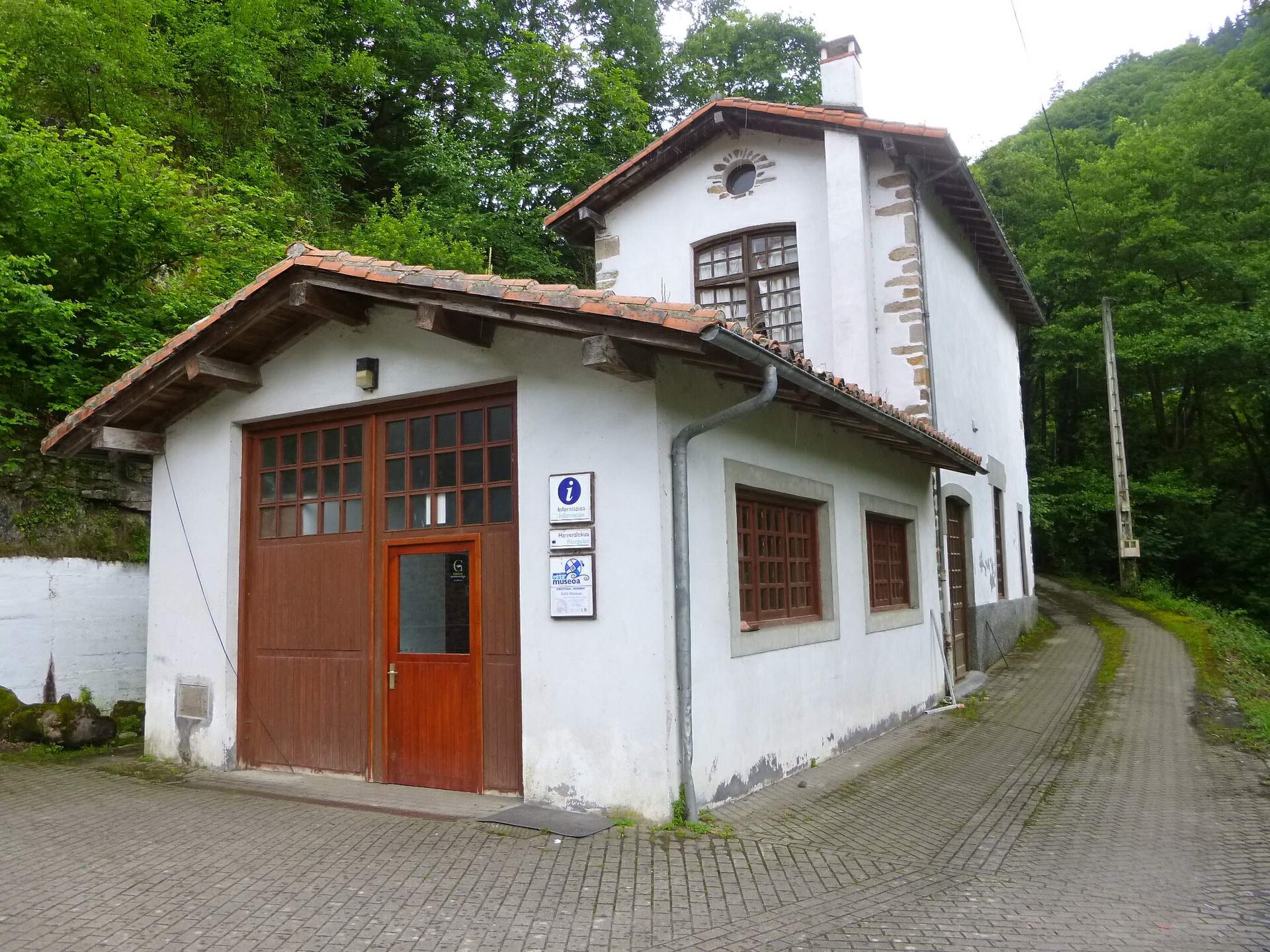
Gatz Museoa
Gatz Museoa (the Salt Museum) sits in Leintz-Gatzaga, a small town in the Debagoiena area of Gipuzkoa province, in Spain's Basque Country. Unlike most salt museums, it tells the story of salt drawn not from the sea but from an inland brine spring that gave the town its very reason for existing. Why does a town in the mountains have a salt museum? Leintz-Gatzaga was founded and sustained for centuries by the exploitation of a local salt spring. Salt was extracted here continuously from the Iron Age right through to 1972, when the works finally shut down, unable to compete with cheaper sea salt. For generations, this "white gold" was the backbone of the local economy and the reason people settled in this particular spot. What made the local extraction method unusual? The technique used at Leintz-Gatzaga stood apart from other salt-producing sites on the Iberian Peninsula. Brine from the spring was channelled into wooden vessels called "dorlas," which were then heated by burning wood cut from the surrounding forest. As the water evaporated, salt crystallised at the bottom of the containers. This same basic process, refined only in small details, was repeated here for roughly two thousand years, which is part of what makes the site such an unusual record of pre-industrial craft. What will you actually see inside? The site works as an eco-museum, pairing an exhibition with the surviving infrastructure of the old salt works. Visitors follow the full production chain: drawing the brine, heating it in the dorlas, and collecting the crystallised salt. Displays also explain how extraction methods evolved over the centuries and why the operation eventually became commercially unviable in the 20th century. A small shop on site sells products made from the local salt, and free parking is available. How do you plan a visit? Visits are guided and run on Saturdays, Sundays and public holidays, between 10:00 and 14:00. Because places are limited, booking ahead is required, either by phone (943 71 47 92) or by email. Admission is €5.50 for adults and €3 for children aged 7 to 12; children under 7 go free. Groups of more than 10 people pay €4.50 per person. Frequently Asked Questions Is the salt at Gatz Museoa sea salt? No. It is one of the few sites where salt came from an inland spring rather than seawater, making the production method distinct from coastal salt works. When did the salt works in Leintz-Gatzaga stop operating? Production ran from the Iron Age until 1972, when the works closed due to competition from cheaper sea salt. Do I need to book in advance? Yes. Guided visits only take place on weekends and holidays between 10:00 and 14:00, so calling or emailing ahead is necessary to secure a spot. Can I buy salt made using the traditional method? Yes, the on-site shop sells products based on the local salt as a memento of the traditional craft.
-
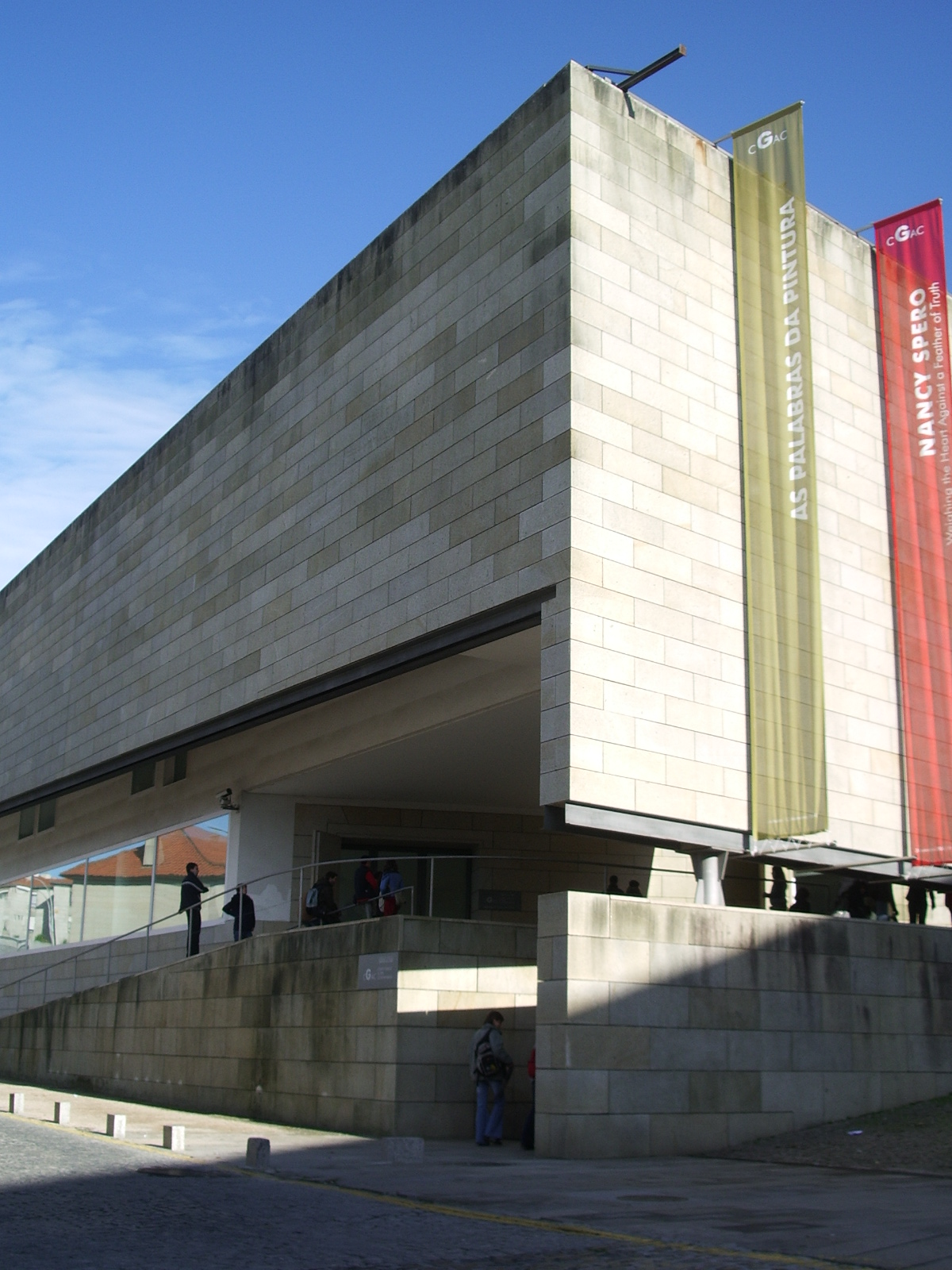
Galicia Contemporary Art Center
Centro Galego de Arte Contemporánea (CGAC) is a contemporary art museum in Santiago de Compostela, set in the historic heart of the city right next to the Convent of San Domingos de Bonaval and Bonaval Park. What is CGAC and why visit it? CGAC was founded in 1993, and has run a stable exhibition programme since 1995. It stands as Galicia's leading institution for contemporary art, in a building where the architecture itself is part of the visit. The centre was designed by Portuguese architect Álvaro Siza Vieira and built between 1988 and 1993. He worked in granite, the stone most closely tied to Galician building tradition, shaping an austere, serene structure rooted in rationalist and modernist ideas. Siza placed the building deliberately at the edge of the old town, in one of the most visually sensitive corners of Santiago, in direct dialogue with the surrounding historic fabric. What will you find inside? The museum's collection holds around 1,300 works by Galician and international artists, spanning the second half of the 20th century through to the present day. Since opening, CGAC has steadily built up this contemporary art collection, showing it through rotating temporary exhibitions alongside presentations drawn from its own holdings. The interiors — shaped by Siza's characteristic handling of light, line and volume — form a setting that is itself worth studying alongside the art on display. Where exactly is the centre located? CGAC sits within the historic centre of Santiago de Compostela, directly beside the Convent of San Domingos de Bonaval and the adjoining Bonaval Park, one of the city's best-loved green spaces. This location makes it easy to pair a museum visit with a walk through the park and a look at the convent complex, turning the area into a natural stop on a Santiago itinerary beyond the cathedral and old town. Who is this museum for? CGAC appeals above all to travellers interested in contemporary art and architecture — the work of Pritzker Prize winner Álvaro Siza is present here not just as a shell but as part of the institution's own message. It's also a strong choice for visitors looking for a quieter counterpoint to Santiago's crowded religious landmarks, a calmer, more intimate space where you can slow down. Frequently Asked Questions Where is CGAC located? In the historic centre of Santiago de Compostela, next to the Convent of San Domingos de Bonaval and Bonaval Park. Who designed the building? Portuguese architect Álvaro Siza Vieira, who built it between 1988 and 1993. What can you see at the museum? A collection of roughly 1,300 works by Galician and international artists, from the second half of the 20th century to today, shown through both permanent and temporary exhibitions. Since when has CGAC been open? The centre was founded in 1993, with a regular exhibition programme running since 1995.
-
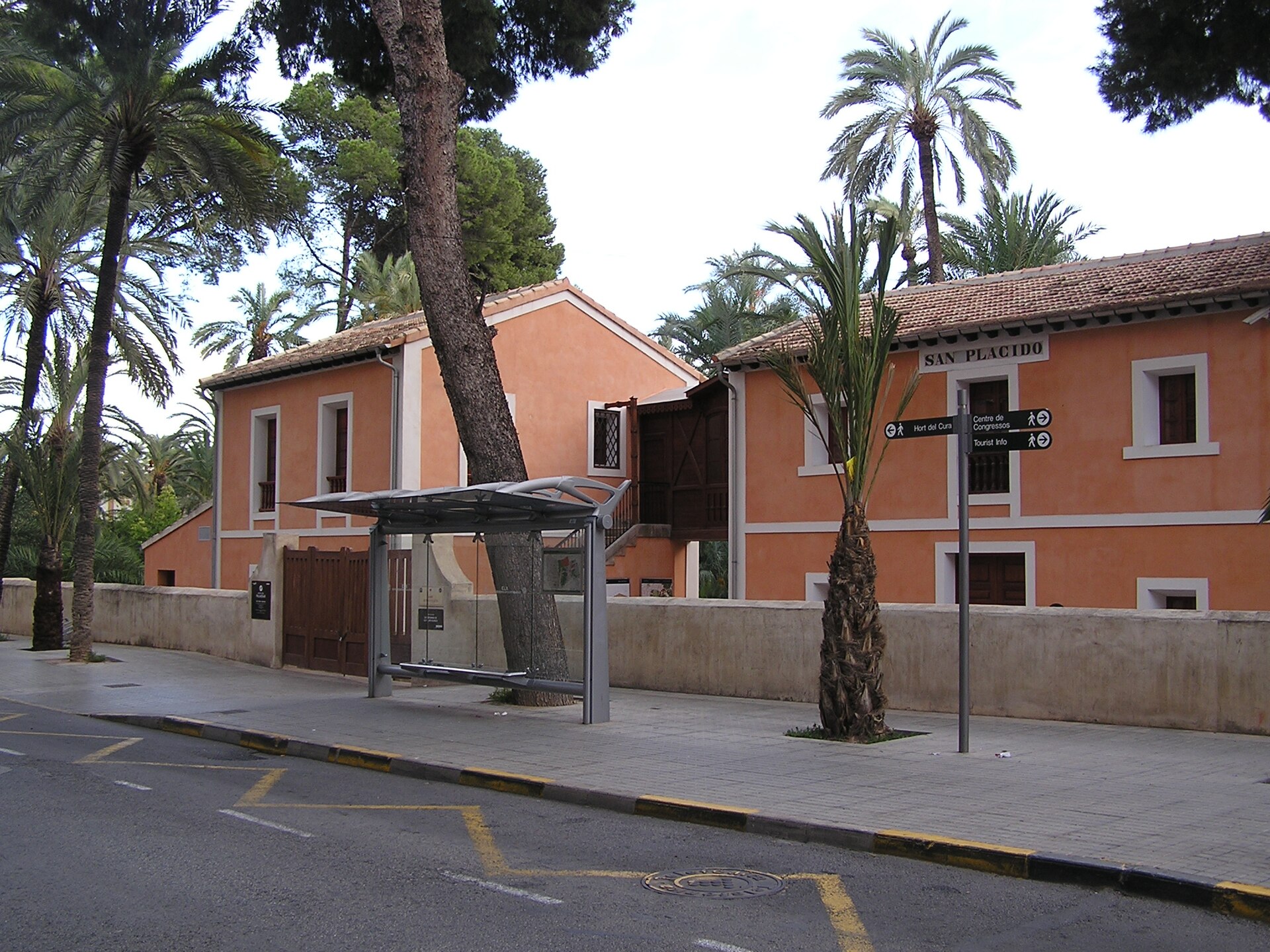
Museo del Palmeral
Elx / Elche
Museo del Palmeral is a small museum in Elche (Elx) dedicated to the history and culture of the city's famous palm grove, a UNESCO World Heritage site. It occupies a 19th-century house inside the garden known as Huerto de San Plácido, right in the heart of town. What will you see at the Museo del Palmeral? The building itself is part of the attraction: two wings joined by a covered wooden footbridge, giving the museum a distinctive layout before you even reach the exhibits. Inside, the displays trace the origins and development of the Palmeral de Elche — how date palms first took root here, how their economic role shifted over the centuries, and how the local community has used the grove throughout its history. The visit doesn't stop at the exhibition rooms. Admission includes a walk through the adjoining orchard, where a reconstructed version of the traditional irrigation system is on display — the network of channels and sluices that allowed the palms to survive for centuries in a dry Mediterranean climate. This hands-on section works well alongside the historical rooms: seeing the actual irrigation layout makes the earlier explanations click into place. The museum opened in 1997 and was renovated in 2006, updating how the collection is presented while keeping the original character of the house intact. It's worth remembering that the Palmeral de Elche — the entire historic palm grove surrounding the city — was added to the UNESCO World Heritage List in 2000 as a unique example of oasis-style agriculture transplanted to Europe. The museum is a natural starting point for understanding what makes the site significant before heading out for a longer walk through the grove itself. How do you get there? The museum sits at C/ Porta de la Morera, 12, within the Huerto de San Plácido, an easily reachable spot inside central Elche. Given its location in a historic garden right in town, walking from the city center is the simplest option for most visitors spending more than a day in Elche. When should you visit? Museo del Palmeral is open Tuesday to Saturday from 10:00 to 14:00 and 15:00 to 18:00, and on Sundays and public holidays from 10:00 to 14:00. It's closed on Mondays, which is worth keeping in mind when planning a day in Elche. Regular admission costs €1, while the reduced rate — for students, organized groups, Carnet Jove holders, retirees and large families — is €0.50. Entry is free on Sundays, for children under 6, holders of Elche's Gold Card for residents, teachers and accredited group leaders, and for visitors with disabilities or reduced mobility. Thanks to the low admission price and short visiting time, the museum pairs easily in one day with a walk through the Palmeral de Elche and a look at other landmarks in the city center. Frequently Asked Questions How long does a visit to Museo del Palmeral take? The exhibition together with the walk through the adjoining garden and irrigation system usually takes about an hour, making it a convenient stop during a longer day of sightseeing in Elche. Is there an entrance fee? Yes. Regular admission is €1 and the reduced rate is €0.50. Entry is free on Sundays and for certain groups, including children under 6, people with disabilities, and teachers. Is the museum closed on Mondays? Yes, Museo del Palmeral is closed every Monday. On the other days of the week it follows a fixed opening schedule. What's the difference between the museum and the Palmeral de Elche itself? The Palmeral de Elche is the entire historic palm grove recognized as a UNESCO World Heritage site, while the Museo del Palmeral is the specific exhibition space in the Huerto de San Plácido that explains the grove's history and function and displays its reconstructed irrigation system.
-
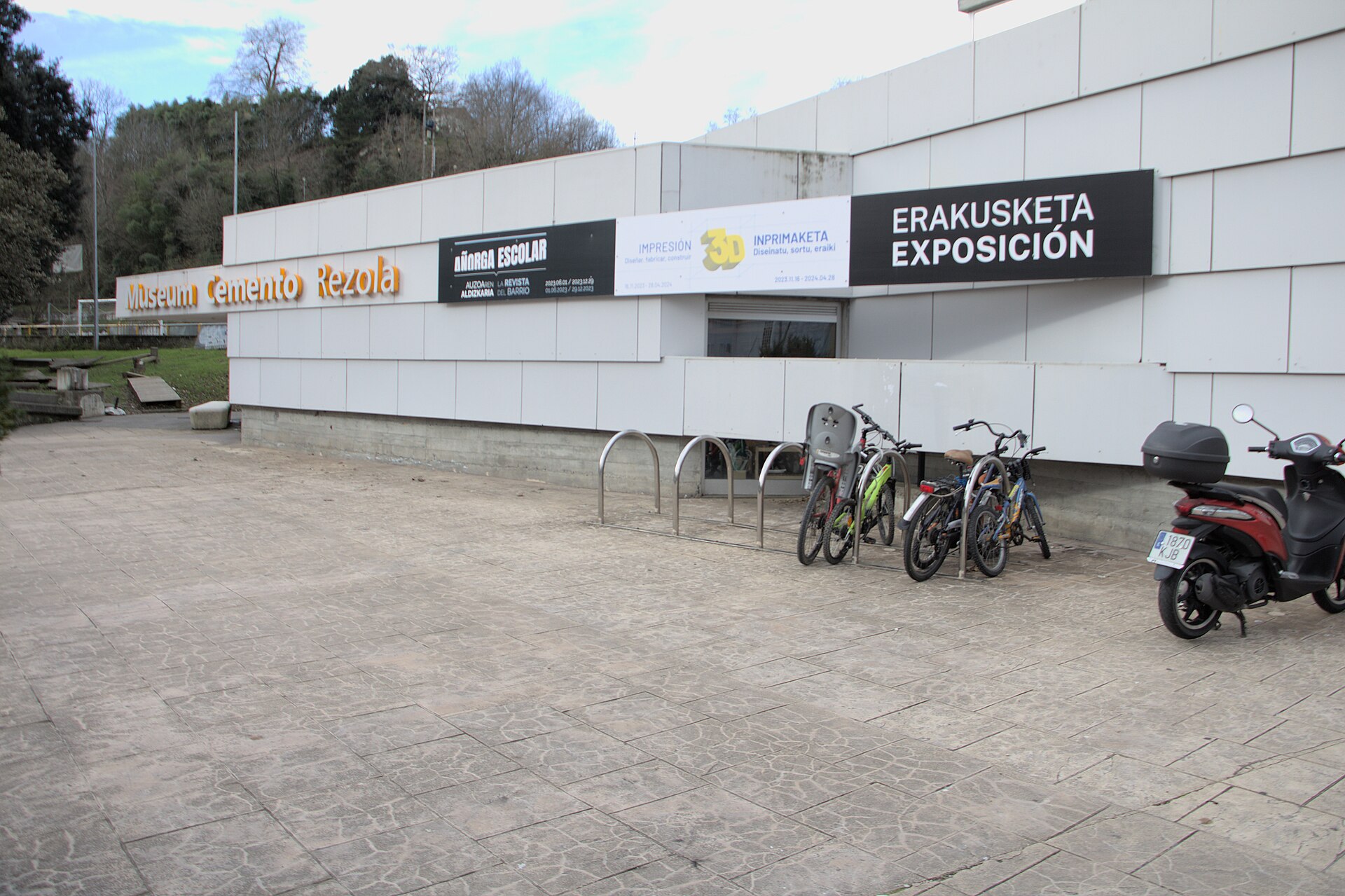
Museum Cemento Rezola
Donostia / San Sebastián
Museum Cemento Rezola is a small, distinctive museum in Donostia / San Sebastián dedicated to the history of cement and the industry that shaped the surrounding Añorga neighborhood for decades. Where is it and how do you get there? The museum sits in the Añorga district, about 3 km from downtown San Sebastián, inside a former school building located right next to the local church, football pitch and frontón (Basque pelota court). The building faces the Cementos Rezola plant itself, whose story the museum tells — that direct proximity to a working factory is what gives the place its authentic, industrial feel. The easiest way to reach it from the city center is by local bus toward Añorga or by car; the surrounding area is residential, so parking nearby is usually straightforward. What will you see inside? The exhibition walks visitors through thematic areas explaining what cement actually is, how it's made, and how the material and its production evolved over the last century. A parallel storyline traces the history of the Cementos Rezola factory itself and its impact on the growth of the neighborhood — from a modest local works to a plant that became one of the symbols of industrialization in this part of the Basque Country. The museum opened in 2000 to mark the factory's 150th anniversary, with the exhibition space designed by architect Luis Peña Ganchegi. That means the building itself, blending an industrial shell with an educational layout, is as much a part of the visit as the objects on display. The visit is intimate rather than crowded: this is a spot for people interested in industrial history, factory architecture and the local identity of Añorga, not a mainstream tourist attraction. That makes it easy to take your time reading the displays without competing for space. When should you go, and what does it cost? Both general admission and guided visits are free, which makes the museum an easy addition to a longer walk through San Sebastián's less touristy neighborhoods. Because it's a small, local institution off the main tourist circuit, it's worth checking current opening days and hours in advance, since they can be more limited than at the city's larger central museums. Pairing the visit with a stroll around Añorga is a good idea — the church, the football pitch and the frontón right next to the museum give a real sense of a neighborhood built around its factory. Who is this museum for? It suits travelers looking for something different from San Sebastián's usual highlights — the beaches, the Parte Vieja or the Kursaal. Fans of industrial architecture, the history of technology, and genuine local working-class stories will find a solid, authentic narrative here about how a single factory shaped an entire city district. Frequently Asked Questions Is admission to Museum Cemento Rezola free? Yes, both self-guided visits and guided tours are free of charge. How far is the museum from central San Sebastián? It's located in the Añorga district, roughly 3 km from the city center. What does the exhibition cover? It covers the history of cement as a material and the story of the Cementos Rezola factory and its role in the development of the surrounding area. When was the museum founded? It opened in 2000 to mark the 150th anniversary of the Cementos Rezola factory, with the exhibition space designed by architect Luis Peña Ganchegi.
-
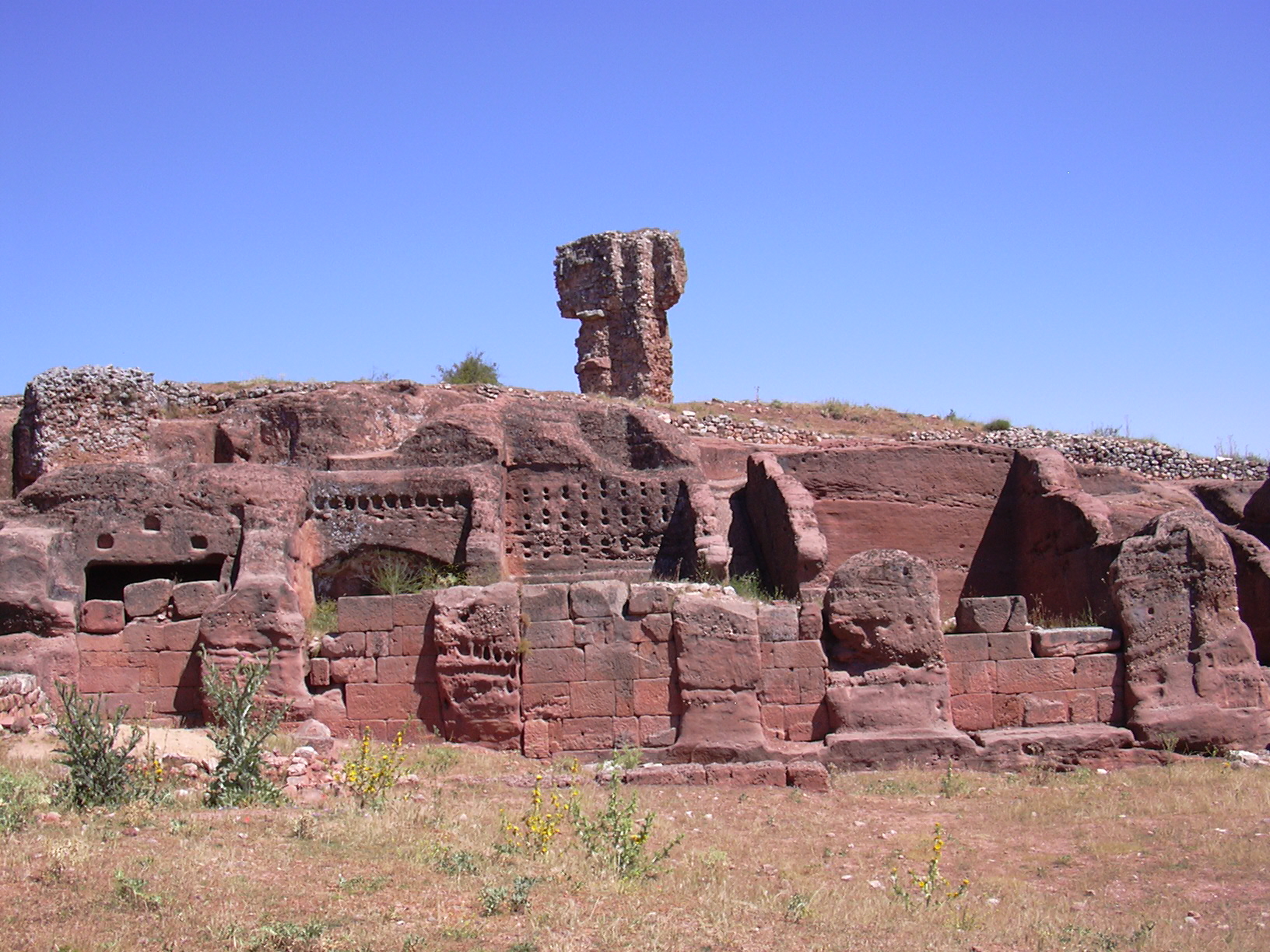
Museo Monográfico de Tiermes
Montejo de Tiermes
Museo Monográfico de Tiermes is a small archaeological museum in Montejo de Tiermes (Soria), sitting right at the entrance to the celebrated Tiermes site — a former Celtiberian settlement that grew into the Roman city of Termancia. Opened in 1983 as a dependent branch of the Museo Numantino in Soria, it works as an information hub: it prepares visitors for the excavation site itself, presenting the most important finds and explaining the history of the place through panels, display cases and audiovisual material. What will you see inside? The exhibition walks through the successive periods that left their mark on Tiermes. The oldest items on display are Celtiberian — weapons, bronze ornaments and pottery dated to between the 6th and 3rd centuries BC, recovered from excavations of the Arévaci settlement. Later rooms cover the Roman period, when Termancia grew on top of the earlier settlement into a fortified city, with defensive walls built in the 3rd century AD. The museum also shows material from the medieval period, so the whole collection gives a coherent picture of more than a thousand years of continuous habitation on this single spot. The biggest advantage of visiting the museum is that it functions as a proper introduction to the archaeological site itself. Tiermes is known for unique structures carved directly into the rock — cisterns, tombs, living quarters — making it one of the most unusual archaeological sites in Spain. Photos, models and explanatory panels in the museum help visitors know what to look for once they start walking the ruins. How do you get there? Museo Monográfico de Tiermes is located in the municipality of Montejo de Tiermes, in Soria province, in the region of Castile and León. The area is rural and off the main tourist routes, so arriving by car is the most practical option — the nearest larger city is Soria, from which a local road runs southeast toward the site. Build some extra time into the drive, since the route crosses hilly, sparsely populated countryside where navigation apps aren't always precise. When should you go, and how much time should you plan? The museum's opening hours change with the season: from October to June it is open from 10:00 to 14:00 and 16:00 to 19:00, and from July to September from 10:00 to 14:00 and 17:00 to 20:00. On Sundays and public holidays it only opens in the morning, from 10:00 to 14:00, and it is closed on Mondays (except on holidays). The archaeological site itself, unlike the museum building, is unfenced and open every day of the year — visits are recommended from 10:00 until half an hour before dark, which in practice leaves plenty of time to see both the museum and the ruins comfortably. Thirty to forty-five minutes is usually enough for the museum itself, but plan for considerably more time walking the excavation site — the grounds are extensive, and the most striking features, such as the rock-cut structures and the remains of a Roman amphitheater, require walking on uneven terrain. Frequently Asked Questions Does a museum ticket also cover entry to the archaeological site? The museum and the excavation grounds are formally two separate places, so it's worth checking current ticketing arrangements on-site or by calling +34 975 352 051 before you visit. Are there guides or guided tours at Tiermes? The museum offers informational material, panels and audiovisual presentations designed as a self-guided introduction to the site, so you don't need to book a tour in advance — though it's still worth confirming current options before arriving. Is the archaeological site suitable for visiting with children? The ground is partly uneven and undeveloped, but the open landscape and the unusual rock-cut structures tend to catch younger visitors' attention — bring comfortable footwear and water, especially in summer. What's the best time of year to visit? Summer extends opening hours for both the museum and daylight visiting time at the site, while spring and autumn offer milder temperatures for walking around the open terrain.
-
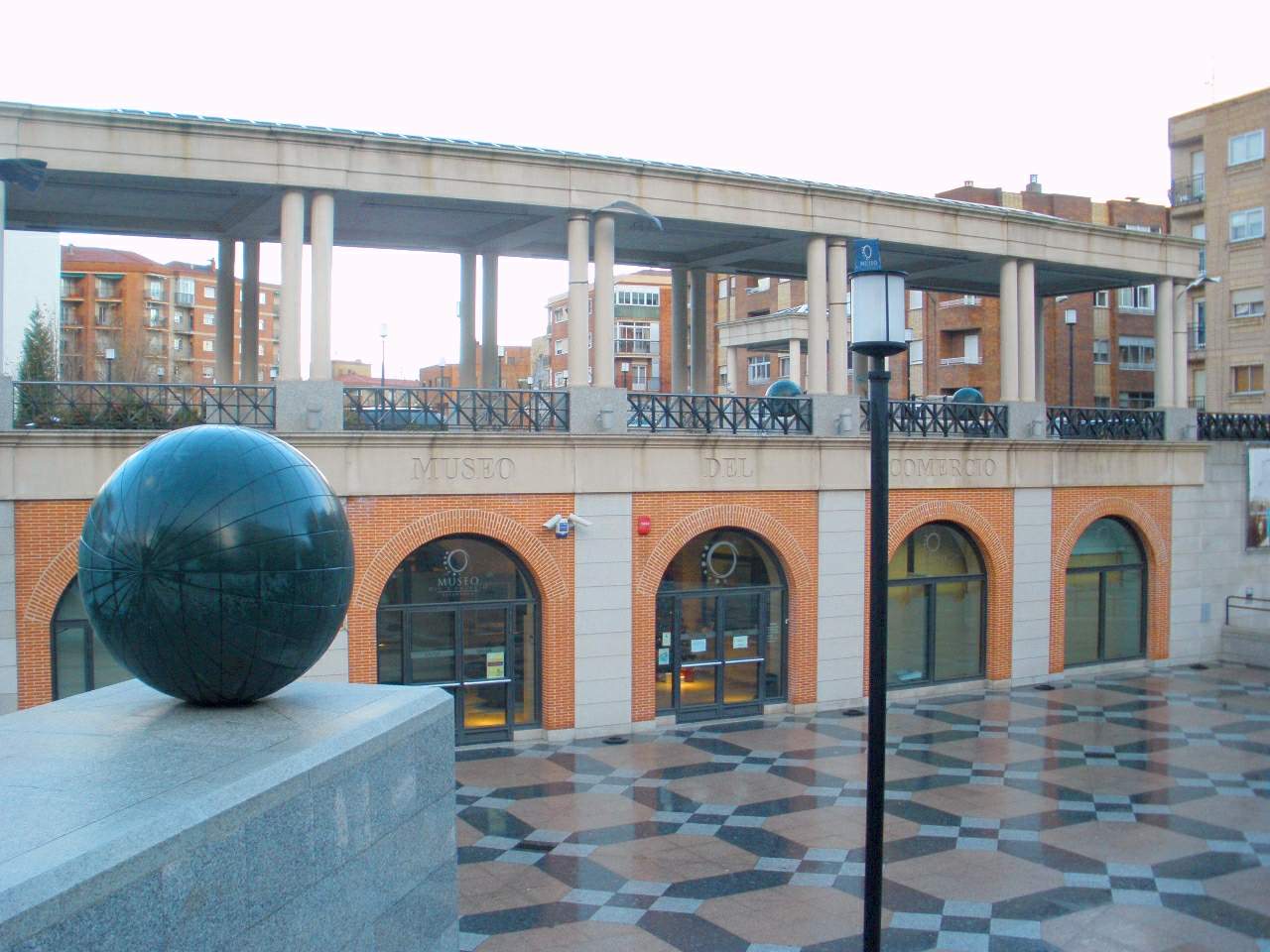
Museo del Comercio y la Industria
Salamanca
The Museo del Comercio y la Industria is a small but distinctive museum in Salamanca dedicated to the history of local trade and industry. It occupies former 19th-century municipal water cisterns, whose sturdy brick pillars and vaulted ceilings have been carefully restored, turning a once purely functional underground space into an exhibition hall. The museum opened in January 2006, created jointly by Salamanca's city council and the local Chamber of Commerce and Industry, with the goal of preserving the memory of inventions and everyday solutions once used by manufacturers, shopkeepers, and customers alike. What will you see inside? The permanent collection centers on "Los sonidos de ayer" ("The Sounds of Yesterday"), a collection of roughly 400 antique radio receivers. The pieces are arranged chronologically, letting visitors trace the technical evolution of radio from the earliest crystal (galena) sets through valve radios to the transistor models that became common in households in the second half of the 20th century. Beyond their technical interest, the sets also chart shifting design trends decade by decade — changing cabinet materials, shapes, and styling. The setting itself is almost as striking as the collection. The brick vaults and thick pillars of the former cisterns give the hall a raw, industrial character rarely found in Salamanca's more conventional historic museums. How to get there? The museum sits on Avenida de Campoamor in Salamanca (postal code 37003), in an easily reachable part of the city not far from the historic center. It pairs naturally with a walk through the old town, since Salamanca is compact enough that most sights are within walking distance of each other. For questions ahead of your visit, the museum can be reached at +34 923 23 84 02. When should you visit? The museum is open every day of the week, though hours vary: Tuesday to Saturday: 10:00 a.m.–2:00 p.m. and 5:00 p.m.–8:00 p.m. Monday and Sunday: 10:00 a.m.–2:00 p.m. only Afternoons on weekdays tend to be quieter than mornings, when school groups are more likely to visit. A typical individual visit takes about 30 to 45 minutes, so it fits easily alongside other stops on a Salamanca itinerary. How much does it cost? Individual admission is free — one of the few attractions in the city you can visit at no cost at all. Groups wanting a guided tour pay a modest 1.5€ per person, though guided visits require booking in advance by phone or email. Who is this museum for? It appeals mainly to visitors curious about the history of technology, collectors of vintage objects, and anyone looking for something different from Salamanca's usual churches and historic facades. Families with children can treat it as a short, engaging break between visiting the cathedral or Plaza Mayor. Given its modest size and carefully arranged single collection, the museum doesn't demand a lengthy visit — it works best as an interesting hour-long stop rather than a full day's plan. Frequently Asked Questions Is admission to the museum free? Yes, individual visits are completely free. The 1.5€ per-person fee only applies to guided group tours, which require advance booking. How long does a visit take? Given the compact exhibition space, a typical individual visit takes around 30 to 45 minutes. Is the museum open on Sundays? Yes, on Mondays and Sundays the museum is open from 10:00 a.m. to 2:00 p.m., shorter hours than the rest of the week. What is the museum's main attraction? The highlight is a collection of about 400 vintage radio receivers, ranging from the earliest crystal sets to classic transistor models, displayed chronologically inside the former brick-vaulted municipal cisterns.
-
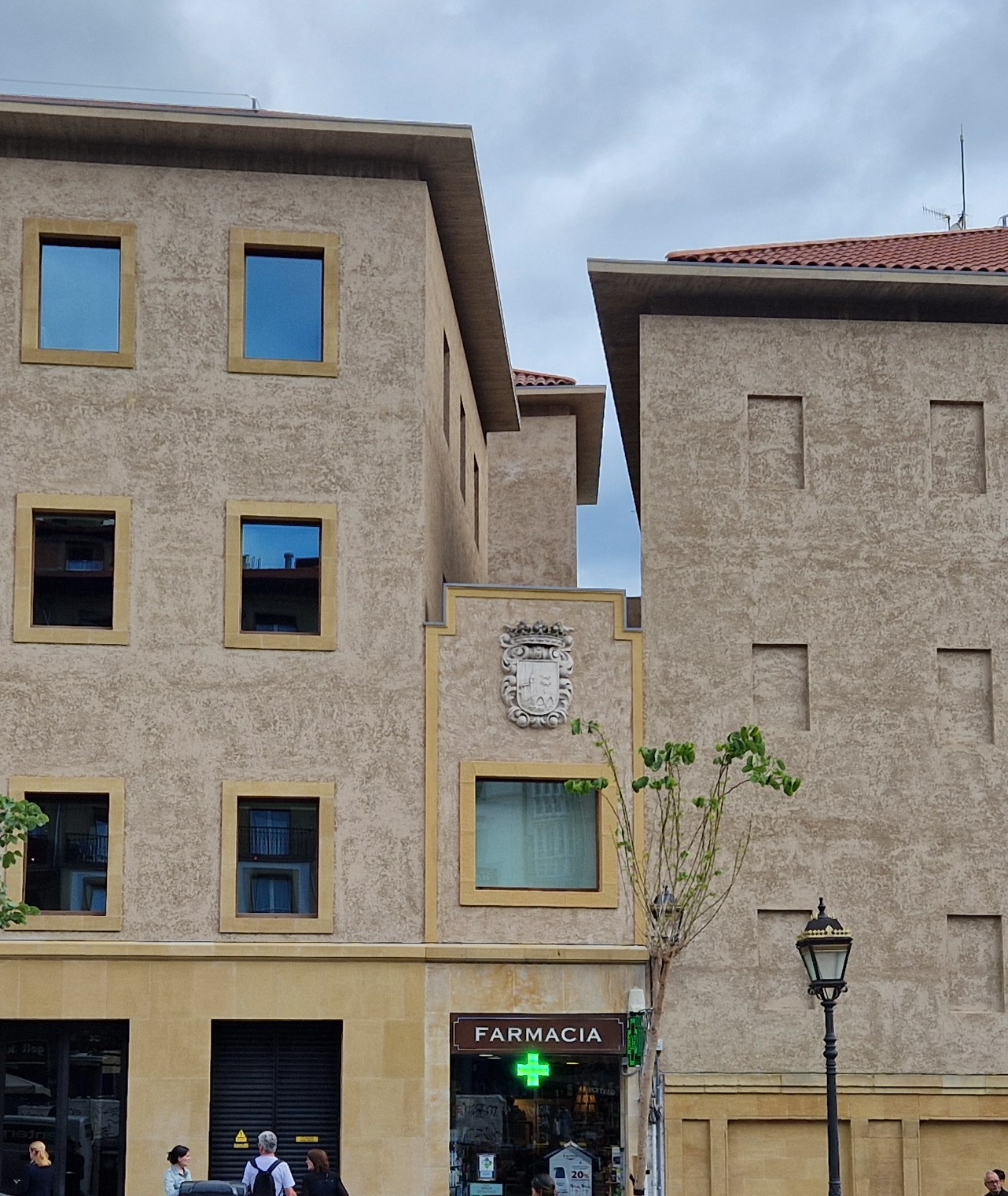
Euskal Museoa
Bilbao
Euskal Museoa (the Basque Museum) in Bilbao is one of the region's oldest museums, housed in a historic building on the edge of the Casco Viejo, right by the Nervión River. It traces Basque history and culture from prehistoric times to the present through a collection of more than 20,000 objects. How do you get there? Euskal Museoa sits at Plaza Miguel de Unamuno 4, right in the heart of the old town. The easiest way in is the metro — Casco Viejo station is just a few minutes' walk from the entrance. It's also a natural stop if you're exploring the old quarter on foot: the museum borders the Siete Calles (Seven Streets) and sits conveniently between them and landmarks like the Zubizuri bridge or the Guggenheim Museum. What's inside the building itself? The building is part of the appeal. It was originally the Jesuit school of San Andrés, built in the early 17th century, and later served as a Mercy House (a charitable poorhouse). Stone walls, an inner cloister, and a monastic layout give the visit a quieter, more intimate feel than Bilbao's modern galleries. In 1962 the building and its collection were declared an Asset of Cultural Interest, cementing the institution's standing in the region. What will you actually see? The exhibition is organized into themed rooms that walk visitors through chapters of Basque life: Prehistory and archaeology — the earliest traces of settlement in the area. The sea and fishing — boat models, sailing gear, navigation instruments, and the story of Basque sailors and whalers. Shepherding culture — sheep bells, mountain-farming tools, and the tradition of transhumance. Ironworks and gunsmithing — the blacksmithing and weapons-making heritage that powered the Basque economy for centuries. Crafts and trade — weaving, pottery, traditional dress, and everyday objects. The museum is compact, so a visit usually takes about an hour to ninety minutes — a good option if you don't want to spend a full day in one place but still want to go deeper than a postcard-level introduction to Basque identity. When's the best time to visit? The museum is open Monday through Saturday (with a midday break on Saturdays) and Sunday mornings, but it's closed on Tuesdays — worth factoring into a Bilbao itinerary. Thursdays bring free admission, making that day especially attractive for budget-conscious travelers. Because the exhibition rooms are relatively small, mornings are the better bet during peak tourist season, when crowds are thinner. Who is this museum for? Euskal Museoa is most rewarding for anyone interested in ethnography, regional history, and what sets the Basque Country apart from the rest of Spain. It also works well for families, since the exhibits — boats, tools, garments — are concrete and easy to explain to kids. Travelers looking purely for contemporary art are better served by the Guggenheim; Euskal Museoa is a story about roots, not the avant-garde. Frequently Asked Questions How much does a ticket to Euskal Museoa cost? The museum charges a modest entrance fee, and admission is free for everyone on Thursdays. Is the museum suitable for visiting with children? Yes — the sections on fishing, shepherding, and traditional crafts are visual and concrete, which makes them easy to explore with younger children. How much time should I set aside for a visit? A typical visit takes between one and one and a half hours, depending on how closely you go through each room. Can I easily combine it with other old-town sights? Yes — the museum sits within the Siete Calles, so it fits naturally into a walk through historic central Bilbao, close to Santiago Cathedral and Plaza Nueva.
-
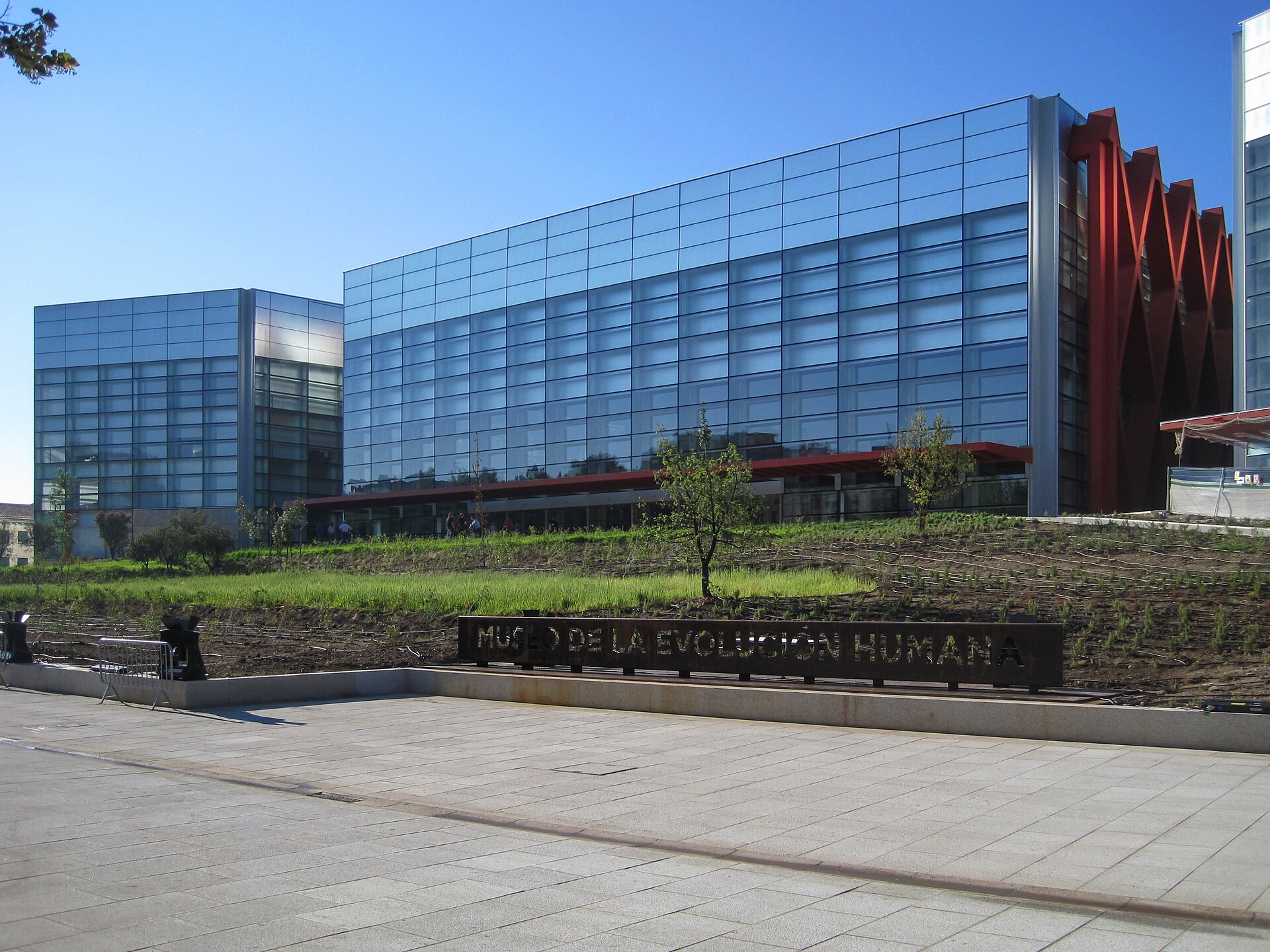
Museum of Human Evolution
Burgos
The Museum of Human Evolution (Museo de la Evolución Humana) in Burgos ranks among the city's must-see sights, especially for anyone curious about the deep roots of humankind. The building sits on the bank of the Arlanzón river, a short distance from the Sierra de Atapuerca, the UNESCO World Heritage archaeological site where some of Europe's oldest human fossils have been unearthed. Those Atapuerca finds form the core of the museum's collection. How do you get there? The museum sits centrally in Burgos, on the south bank of the Arlanzón, within easy walking distance of the cathedral and the old town — a riverside stroll is all it takes to reach the entrance from the historic center. Travelers who also want to see the Atapuerca excavation sites themselves should plan for a separate trip out of town, since the sites lie several kilometers away and visits usually need to be booked in advance as part of an organized group tour. What will you see inside? The exhibition walks visitors through the story of human evolution, from the earliest hominid species through the discoveries made at Atapuerca to modern Homo sapiens. The biggest draws are the original fossils alongside strikingly lifelike reconstructions of early humans, which let you look our ancestors in the eye across hundreds of thousands of years. The museum leans heavily on modern, multimedia storytelling — scale models, projections, interactive stations, and large-format displays that bring both the biology and the material culture of Europe's earliest inhabitants to life. A parallel thread of the exhibition covers the history of the Atapuerca research itself: how the excavations were carried out, which dating methods were used, and why the site was considered significant enough to earn UNESCO World Heritage status back in 2000. Who is this museum for? The exhibits work equally well for adults with an interest in anthropology and archaeology and for families traveling with children — the heavy reliance on visual models and reconstructions makes a genuinely complex subject easy to follow without any specialist background. It's also a solid choice for a rainy day in Burgos, when outdoor sightseeing loses its appeal. When should you visit? Set aside at least two to three hours for a proper visit, and if a trip to Atapuerca itself is also on the agenda, it's worth planning that as a separate day or folding both visits into a longer stay in the region. Outside peak tourist season the museum is noticeably quieter, making it easier to take in the exhibits without crowds. Burgos itself rewards a longer stop too — the cathedral, the old town, and the local cuisine all pair naturally with a museum visit. Frequently Asked Questions Is it worth combining the museum with a trip to Atapuerca? Yes — the museum provides the context and significance behind the finds, which makes an actual visit to the excavation site far more meaningful. Keep in mind that access to the dig itself usually requires a separate advance booking. How long does a visit take? A relaxed tour of the full exhibition typically takes two to three hours, depending on how much time you spend with each gallery and its multimedia content. Is the museum suitable for children? Yes, the presentation style — models, life-like reconstructions of early humans, and interactive elements — works well for younger visitors too. Does the museum display original fossils, or only replicas? The collection combines genuine finds from the Sierra de Atapuerca with reconstructions and replicas that together give a fuller picture of human evolution in the region.
-
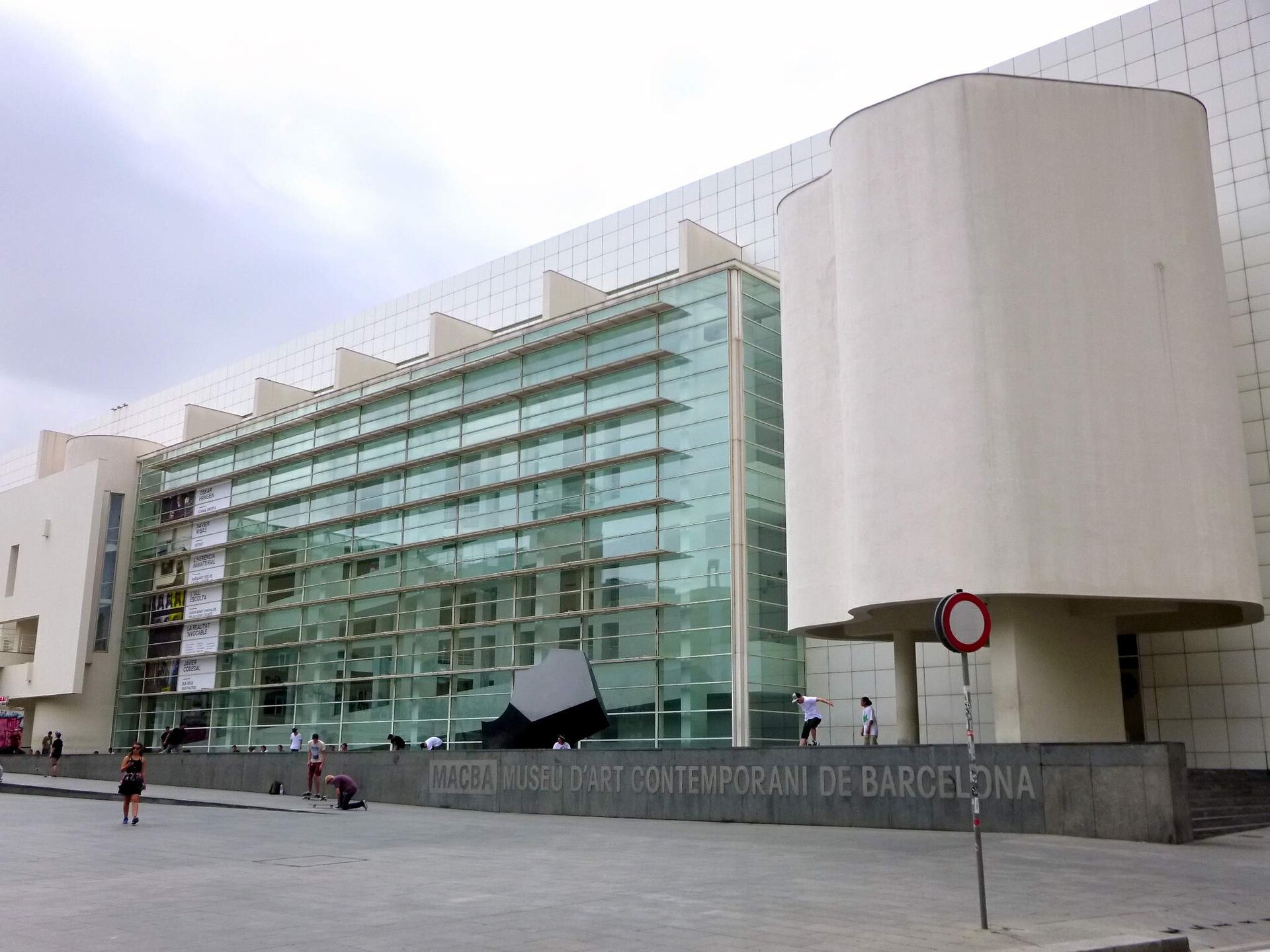
MACBA Barcelona Museum of Contemporary Art
Barcelona
MACBA (Barcelona Museum of Contemporary Art) is one of the city's key art institutions, standing in the heart of the Raval district. Its striking white building, designed by American architect Richard Meier, draws almost as much attention as the art inside — visitors often pause on the square outside just to take in the structure before stepping through the doors. Where does MACBA come from? The museum's roots go back to the 1950s, when art critic Alexandre Cirici Pellicer began assembling works by contemporary artists, laying the groundwork for what would eventually become the collection. It took decades, though, before the institution had a permanent home: Richard Meier, working with the Meier Partners studio, completed the building on Plaça dels Àngels, and MACBA opened its doors there in November 1995. The arrival of the museum reshaped the character of the surrounding neighborhood — Raval, once a rundown corner of the old city, gradually became one of Barcelona's more culturally vibrant districts. What does Richard Meier's building look like? The museum occupies a base of 120 by 35 metres and rises 23 metres high, adding up to roughly 14,300 square metres of floor space arranged as an assembly of geometric volumes. The main facade is clad in white enamel-painted steel panels, with a circular pavilion at the western end housing the visitor entrance and service areas, and an additional wing to the east containing extra gallery space and offices. Meier's design draws heavily on rationalist and modernist traditions, echoing Le Corbusier in particular — visible in the building's strict geometry and in the way natural light is channeled through ramps and glazed surfaces into the interior. What will you see inside? MACBA's permanent collection spans contemporary art from 1950s abstraction through pop art to conceptual practices, with a dedicated section for photography and for work by artists from Spain and Latin America. Among the best-known pieces on display are works by Antoni Tàpies — including his large-scale "Gran Vidrio" — alongside pieces by Joan Miró and Alexander Calder. The permanent display is complemented by rotating temporary exhibitions, so it's worth checking the current programme before a visit. How do you get to MACBA? The museum sits right in the middle of Raval, an easy walk from Las Ramblas and Plaça de Catalunya. The closest metro stations are Universitat (lines L1/L2) and Catalunya (L1/L3), both just a few minutes on foot through the district's narrow streets. The open square in front of the building has become a well-known gathering spot for local skateboarders — Meier's ramps and wide flat surfaces make it an unofficial skate spot, which is itself worth a look even if you're not stopping to watch. When should you visit, and how much time do you need? Plan on roughly two hours to see the permanent collection along with one temporary exhibition. Mornings and the off-peak seasons (autumn and winter) tend to be quieter, making for a more relaxed visit. Since Raval is lively throughout the day, a stop at MACBA pairs naturally with a wander through the neighborhood's cafes and small galleries afterward. Frequently Asked Questions Is MACBA worth visiting if you're not particularly into contemporary art? Yes — the building's architecture alone makes it a worthwhile stop, and the exhibitions are presented with accessible context that helps newcomers engage with the works on display. Does the museum offer guided tours? MACBA regularly runs themed guided tours and educational events; check the official schedule ahead of your visit for current offerings. Is the square outside the museum really a skateboarding spot? Yes, the open plaza in front of the entrance has for years attracted skateboarders and is considered one of the informal landmarks of this part of Raval. Can you combine a MACBA visit with other nearby attractions? Absolutely — the Centre de Cultura Contemporània de Barcelona (CCCB) and several small art galleries sit just steps away, making it easy to build a full day of culture around Raval.
-
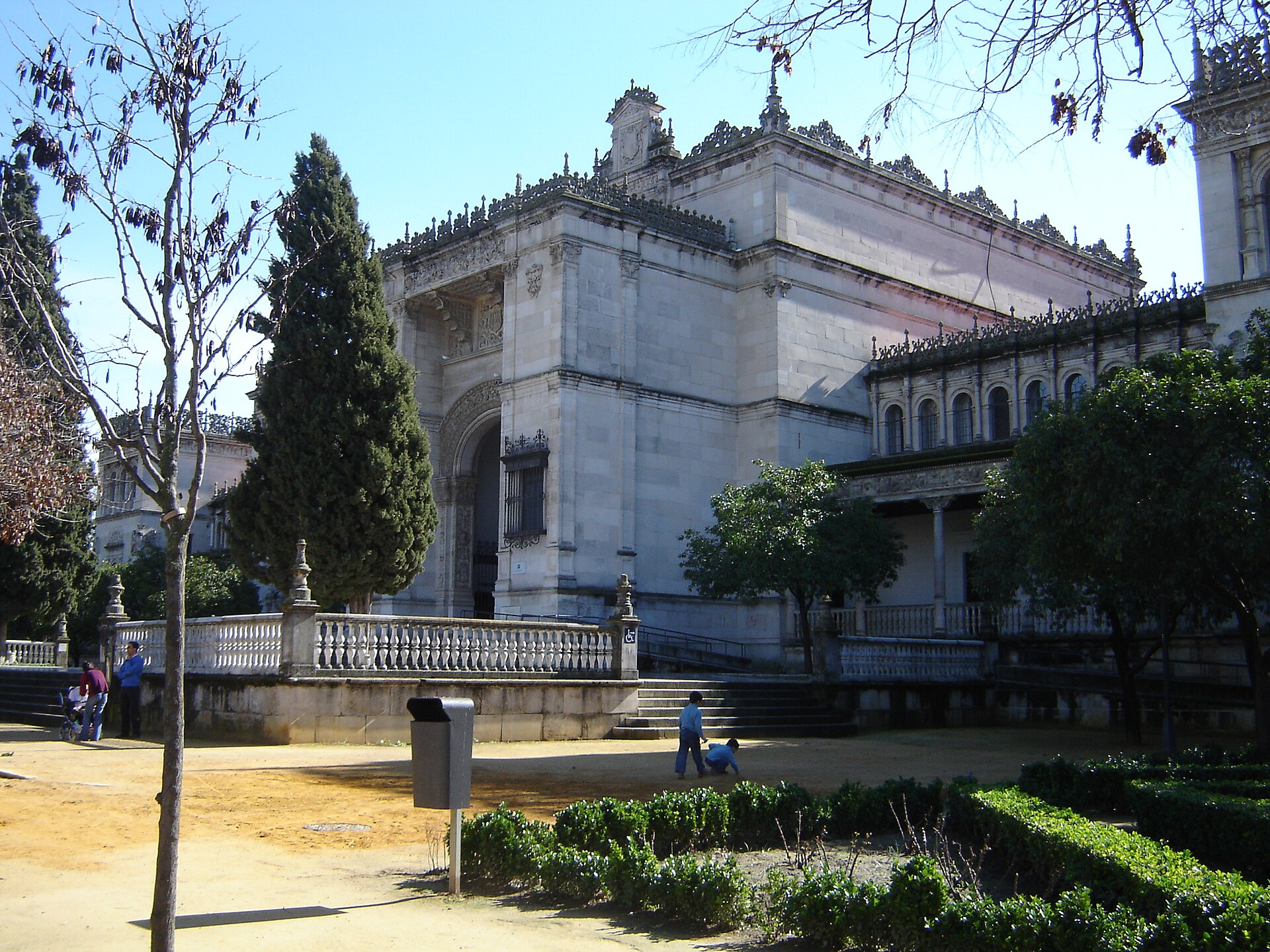
Archeological Museum of Seville
Sevilla
The Archaeological Museum of Seville sits inside María Luisa Park in Seville, housed in one of the grand pavilions built for the 1929 Ibero-American Exposition. Behind its ornate facade, a handful of galleries trace several thousand years of southern Spain's history, from the region's earliest settlers through the Tartessian and Phoenician periods to Roman cities and early medieval life. Where is the museum and how do you get there? The building stands on Plaza de América, in the southern part of María Luisa Park — the same green expanse that holds the famous Plaza de España. Known as the Pabellón del Renacimiento (Renaissance Pavilion), it was designed by Aníbal González, the architect behind most of the 1929 exposition's buildings, which explains its flat, brick-and-stone facade echoing Spanish Renaissance style. Walking from central Seville is the easiest option — it takes roughly fifteen to twenty-five minutes from the cathedral or the Alcázar. Travelers who'd rather not walk the whole way can head to the Prado de San Sebastián stop, served by city buses and the tram line, which leaves only a short stroll to the park entrance. What will you see inside? The displays follow a roughly chronological path, starting with tools and pottery from the Stone and Bronze Ages, moving through Tartessian material culture, and building toward an extensive Roman collection. The single most important piece in the whole museum is the Carambolo Treasure — a set of Tartessian gold jewelry found near Seville, widely regarded as one of the most significant pre-Roman finds in Spain. Separate rooms are dedicated to material from nearby Itálica, the Roman city founded just outside Seville, including floor mosaics, sculpture, and architectural fragments. Coin collections, everyday objects, and material from the Visigothic and early medieval periods round out the exhibition, showing how settlement in the area continued long after Rome's decline. How much time should you set aside? The museum is compact, so a relaxed visit that includes reading the display panels usually takes about an hour and a half to two hours. It also makes a good stop during the hottest part of the day in Seville — the galleries are air-conditioned, unlike a walk through the park outside. When is the best time to visit? The museum is traditionally closed on Mondays, so it's worth planning around that when mapping out your Seville itinerary. Arriving shortly after opening tends to be the quietest window, before tour groups fill the rooms, giving you more space around the display cases. A visit pairs naturally with a walk through María Luisa Park and a stop at the neighboring Plaza de España. Frequently Asked Questions Is the Archaeological Museum right next to Plaza de España? It sits within the same María Luisa Park, but on the adjacent Plaza de América, a few minutes' walk from Plaza de España itself. What is the museum's most famous exhibit? The Carambolo Treasure, a collection of Tartessian gold jewelry considered the most valuable pre-Roman piece in the collection. How long does a visit take? At a relaxed pace, plan on about an hour and a half to two hours to see the full exhibition. Is the museum closed on any particular day? Yes, it's traditionally closed on Mondays, so factor that into your Seville sightseeing schedule.
-
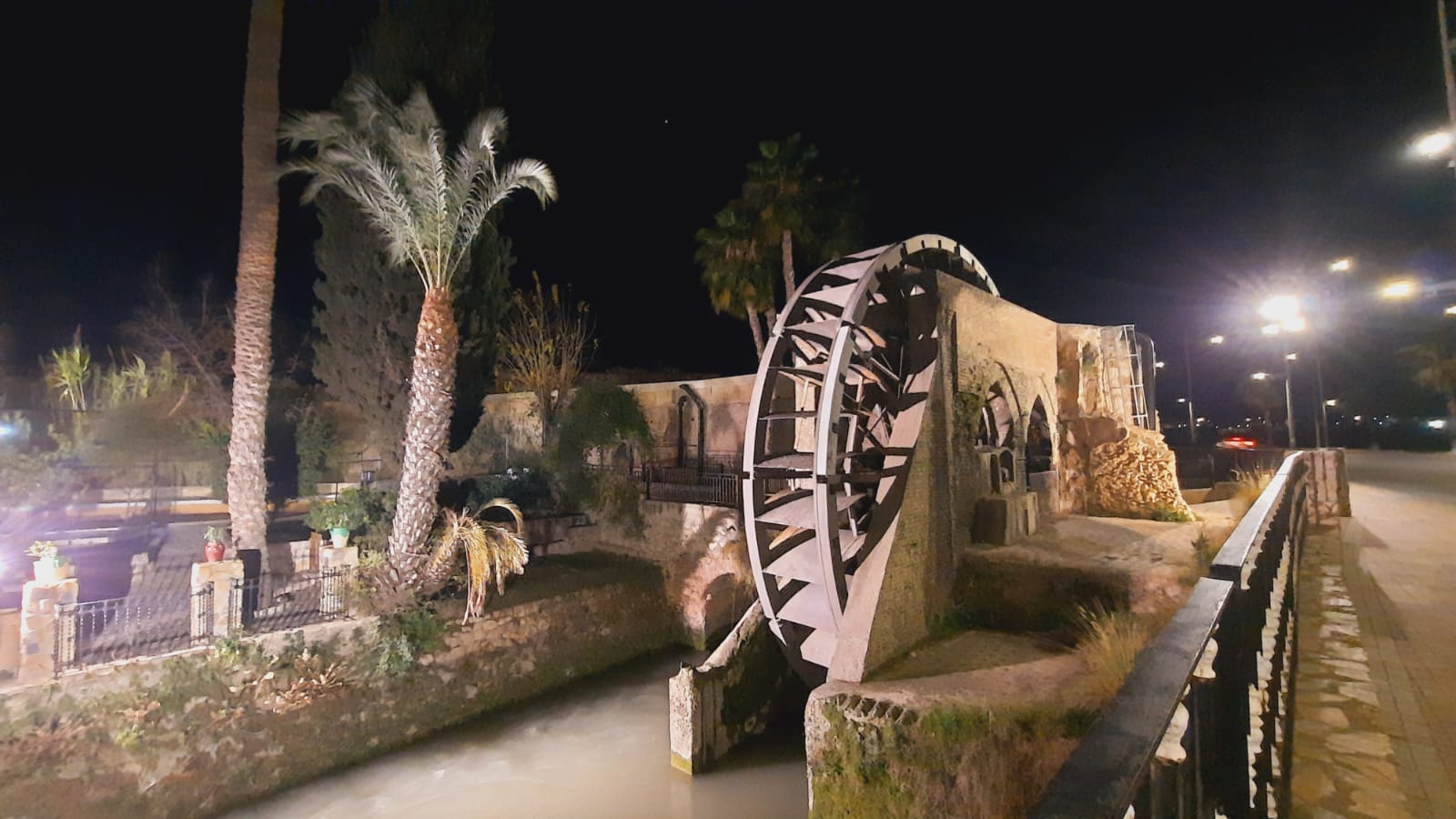
Museo Etnológico de la Huerta
Alcantarilla
Museo Etnológico de la Huerta in Alcantarilla is one of the most distinctive attractions in the Murcia region, bringing to life the history of farming and everyday rural traditions around the sound of a slowly turning waterwheel. Open since 1967, the museum has spent decades showcasing the customs, folklore and popular arts of the Murcian huerta — the fertile, irrigated plain that has sustained the region for centuries. What will you see? The centerpiece of the whole complex is the famous Noria de la Ñora, a massive waterwheel whose origins trace back to the 15th century and Islamic-era engineering. It remained built of wood until the 19th century and was fitted with 56 buckets (cangilones) that lifted river water into an irrigation network once supplying roughly 700 tahullas of farmland around Alcantarilla and the nearby Nonduermas area. The wheel was built out of sheer necessity — the surrounding city and orchards needed a reliable water supply, and this ingenious mechanism provided it for generations. Next to the wheel, visitors can explore a reconstructed barraca, the traditional dwelling once used by the huertanos, the farming families who worked this land. Inside the museum itself, the collection covers the everyday craftsmanship and material culture of the region: ceramics from Cartuja, silverware, glass and pottery from the former Valarino factory in Cartagena, agricultural tools, a collection of fans, and traditional huertano clothing. The entire ensemble — the wheel, the huerta's aqueduct, and the museum building — was declared a Spanish national historic-artistic monument on June 18, 1982, underscoring its importance to the cultural heritage of the whole Región de Murcia. How do you get there? The museum sits in Alcantarilla, just a short distance from the regional capital, Murcia, with good road links and regular bus connections between the two towns. Drivers typically reach the site in 20 to 30 minutes from central Murcia, and parking is available near the museum grounds. When should you visit? Opening hours change with the season, so it's worth checking them before setting off. During the winter period (October to May), the museum welcomes visitors Tuesday to Friday across morning and afternoon hours, Saturdays in two sessions, and Sundays only in the morning. In summer (June to September) weekday hours run later into the evening — but the site closes entirely in August, which is worth keeping in mind if you're planning a summer trip to the region. In recent years the museum underwent a thorough modernization that turned the visit into a genuinely multisensory experience, with reconstructed scenes of huerta life, audiovisual displays, and even scent effects designed to recreate the atmosphere of the historic orchard valley. Frequently Asked Questions What is the Noria de la Ñora? It's a historic 15th-century waterwheel with roots in Islamic-era irrigation technology, which for centuries lifted river water and channeled it into the network of canals feeding the surrounding farmland. How long does a visit take? A typical visit — covering the museum interior, the grounds around the wheel, and the reconstructed barraca — takes about one to one and a half hours, depending on your pace. Is the museum open in August? No, the museum closes for the whole month of August, so it's best to plan a visit for June, July, or September instead if you're traveling in summer. Is it a good visit for families with children? Yes — thanks to the reconstructions, multisensory elements, and the sight of the working waterwheel itself, the site offers a hands-on way for younger visitors to discover the region's agricultural past.
-
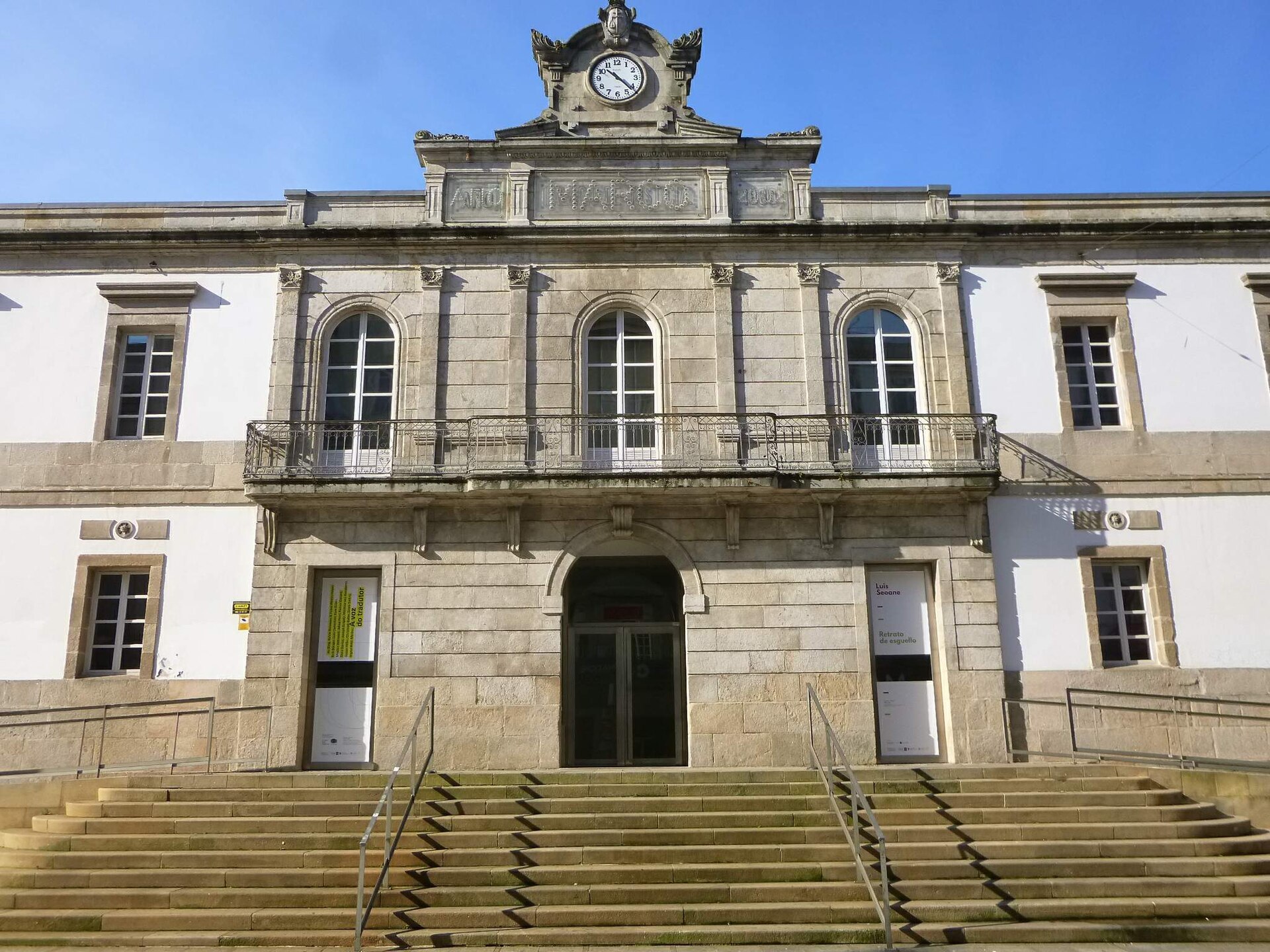
Museum of Contemporary Art, Vigo
MARCO, the Museum of Contemporary Art, sits in Vigo, one of the largest cities on the Atlantic coast of Galicia in northwestern Spain. The museum holds no permanent collection — instead, its program rotates through temporary exhibitions of contemporary art. For anyone exploring Vigo beyond the usual historic sights, it's a worthwhile stop if modern and contemporary work is more your interest than classical galleries. How do you get to MARCO in Vigo? Vigo sits on the Ría de Vigo, an inlet on Spain's Atlantic coast, and is well connected both domestically and internationally. Flights land at Vigo-Peinador Airport, from where a taxi or city bus gets you into the centre. Travelers coming by train can connect from A Coruña, Santiago de Compostela, or Pontevedra, with Vigo-Urzáiz station sitting a manageable distance from downtown. The city itself is fairly compact, so once you're in the centre, most attractions — including the museum — are within walking distance of each other. It's worth building a route that pairs a museum visit with a walk through the old town or along the harbourfront. What will you see inside? Because MARCO has no permanent collection, what's on display depends entirely on when you visit. The programming centres on contemporary art — painting, installations, photography, and other visual media — shown as temporary exhibitions that change over time. That means two visits months apart can show completely different work. It's worth checking the current exhibition schedule before you travel, especially if you're hoping to catch a particular artist or style. This rotating format also makes the museum a good return stop for anyone who's already seen Vigo before and wants something new on a second trip. When should you visit? The best time to plan a Vigo trip largely depends on whether you're combining the museum with time outdoors along the coast. Spring and early autumn tend to bring milder weather than the height of summer, when the city gets busier with visitors also heading to nearby beaches and the Cíes Islands. As an indoor attraction, the museum also works well as a backup plan for a rainy day, when beach or waterfront plans need to be postponed. Who is this museum for? MARCO appeals most to travelers with a specific interest in contemporary art who want something different from the historical and ethnographic museums that Galicia has in abundance. It's also a solid way to add a cultural stop to a Vigo itinerary built around the harbour, the old town, or the surrounding beaches. Visitors expecting a large, fixed collection of classical painting may be disappointed — the focus here is squarely on what's current and changing. Frequently Asked Questions Does MARCO in Vigo have a permanent collection? No. The museum has no permanent collection; its program is built around temporary, rotating exhibitions of contemporary art. How much time should I plan for a visit? It depends on the current exhibition and how much work is on display, but visits tend to be shorter than at large museums with an extensive permanent collection. Should I check the exhibition schedule before arriving? Yes — since the program changes over time, checking what's currently on display helps you avoid disappointment if you're hoping for a specific type of art. Is the museum close to central Vigo? Vigo is a compact city, and most of its main attractions, including this museum, can be covered on a single walk through the centre.
-
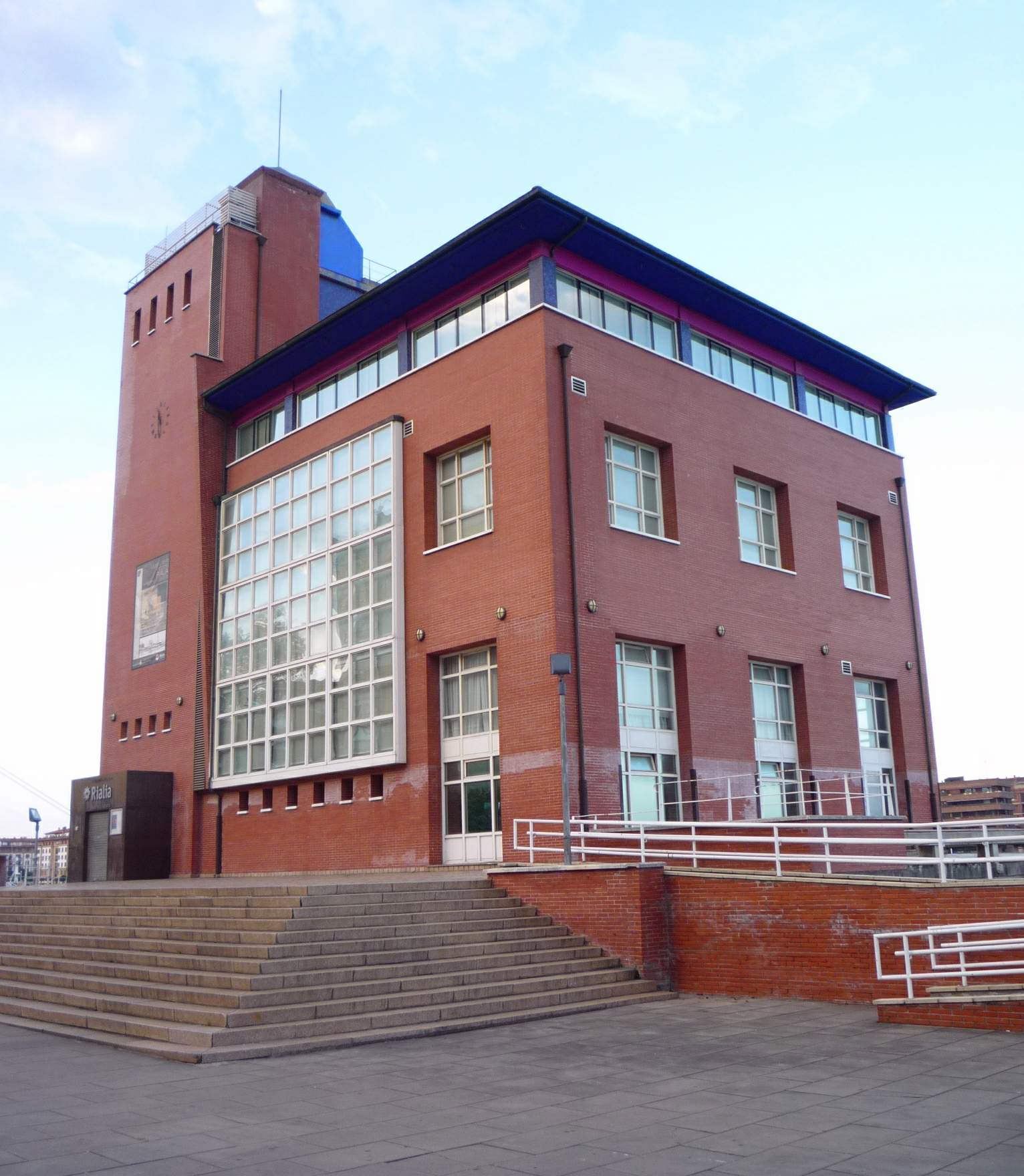
Rialia Museum of Industry in Portugalete
Portugalete
Rialia Museum of Industry sits in Portugalete, a town on the left bank of the Nervión estuary in the Basque Country, right beside the famous Vizcaya Bridge. Opened in 2006, the museum was created to preserve the memory of the region's industrial and maritime past and to honour the workers whose labour built up more than a century of heavy industry here. What is the museum about? Rialia's collection rests largely on the historical and artistic holdings of two former industrial giants, Altos Hornos de Vizcaya and Babcock & Wilcox, supplemented by objects donated over the years by former workers and local residents. Rather than a generic history museum, it reads as a portrait of a single industrial region told through the companies and people who shaped it. How is the exhibition organised? The building is arranged over four themed floors, and the visit is designed to move from top to bottom. The fourth floor covers the maritime landscape of Portugalete and the so-called Iron Estuary, explaining how iron ore and river transport shaped the town's growth. The third floor turns to working life, showing the daily reality of people who laboured along the estuary and inside the factories. The second floor pairs the history of the iron industry with an art collection and a documentation centre where archival material is available to visitors. On the ground floor stands a reconstruction of the Altos Hornos de Vizcaya works, alongside photography, and a section devoted to the literature, music and games of the industrial era. How do you get there? Portugalete lies a short distance from central Bilbao, on the left bank of the Nervión, and is well connected by metro and rail. The museum stands right next to the Vizcaya Bridge (Puente Colgante), a UNESCO World Heritage Site, which makes it easy to pair a museum visit with a walk along the waterfront and a ride across the bridge's gondola — together these fill a comfortable half-day. When is a good time to visit? Beyond its permanent collection, Rialia regularly hosts temporary exhibitions built around the themes of iron and steel, so it's worth checking what's on before you go, since the offering changes through the year. Given the riverside setting next to the bridge, clear days are especially rewarding if you plan to explore the surrounding area after the visit. Who is this museum for? Rialia appeals particularly to visitors interested in industrial history, engineering and the social history of factory workers, as well as families looking for an alternative to conventional art museums — the exhibition blends technical content with the everyday stories of the people who once worked along the estuary. Frequently Asked Questions What does the Rialia Museum of Industry cover? It is dedicated to the industrial, shipbuilding and maritime history of the Portugalete area, built mainly on the collections of the former Altos Hornos de Vizcaya and Babcock & Wilcox companies. How many floors does the exhibition have, and what do they show? Four: the maritime landscape and Iron Estuary, working life along the estuary, the iron industry paired with an art collection and documentation centre, and a ground-floor reconstruction of the AHV works with photography, literature and period games. Is it worth combining with a visit to the Vizcaya Bridge? Yes — the museum sits right next to the UNESCO-listed bridge, so both can easily be seen on the same walk through Portugalete. Does the museum have temporary exhibitions? Yes, alongside its permanent collection Rialia regularly runs temporary exhibitions centred on iron and steel industry themes.
-
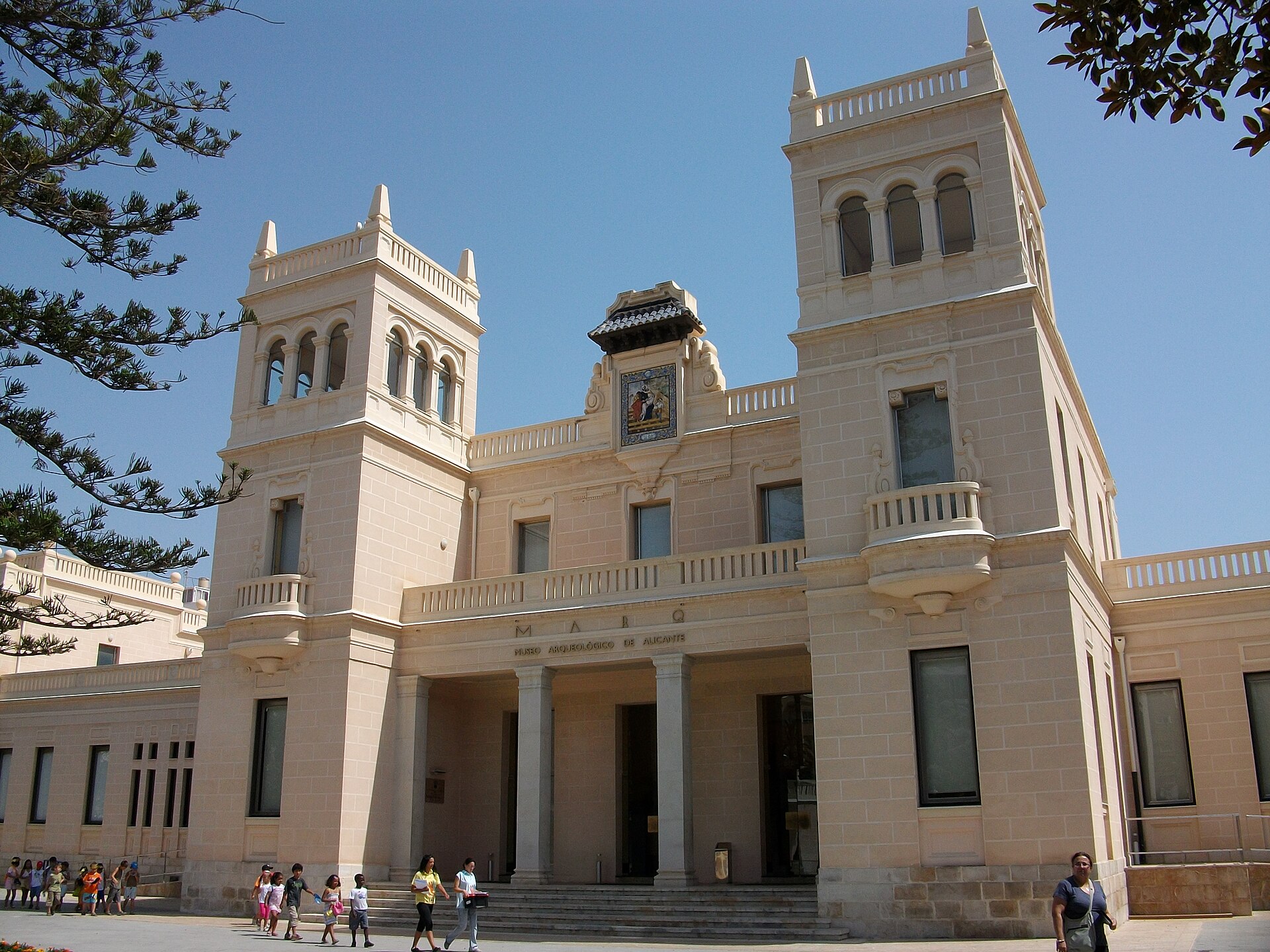
Archaeological Museum of Alicante
Alicante
The Archaeological Museum of Alicante (MARQ) stands out among Alicante's cultural attractions, having won the European Museum of the Year Award in 2004, not long after a major expansion moved its collection into the renovated buildings of the former San Juan de Dios hospital. What can you see at MARQ? The museum is organized into eight themed galleries, and the storytelling here goes well beyond glass cases with labels. Multimedia installations and interactive stations let visitors engage directly with how past inhabitants of the region actually lived, tracing a timeline that stretches from prehistory through more recent eras. That hands-on format makes MARQ a solid choice for families traveling with children, not just for archaeology enthusiasts — the content is scientifically grounded but presented in an accessible, engaging way. The building itself is part of the experience. The former San Juan de Dios hospital was adapted for museum use while preserving its historic structure, so moving between galleries also means walking through a layer of Alicante's own architectural history. How do you get there? MARQ is located within Alicante, in a part of the city that's easy to reach, making it a convenient stop whether you're spending several days in town or just passing through for a single day. Given its central location, the most practical options are walking from the city center, taking a local bus, or grabbing a taxi — Alicante's public transport network connects the neighborhoods to downtown and the main tourist landmarks reasonably well. It's worth pairing a visit here with other things to see nearby, since Alicante has plenty beyond its beaches and marina, and the museum's central position makes it easy to combine with other stops without doubling back to where you're staying. When should you visit? Thanks to its air-conditioned interiors and multimedia-driven exhibits, the museum works well year-round, and it's a particularly sensible option during the hottest hours of summer, when exploring outdoor sites can be less comfortable. Outside peak season, MARQ is a good way to add a cultural stop to your day before heading back toward the seafront or the old town in the evening. Give yourself a bit more time than you'd expect — the interactive elements across eight galleries tend to hold visitors' attention longer than a typical exhibition, especially if you're traveling with kids who enjoy the multimedia stations. Frequently Asked Questions What exactly is MARQ? It's the Archaeological Museum of Alicante, a museum presenting the region's history across eight themed galleries using multimedia and interactive elements. What makes this museum stand out? It received the European Museum of the Year Award in 2004, reflecting the quality of both its collection and how it's presented to visitors. Where is the museum located? Inside the renovated buildings of the former San Juan de Dios hospital in Alicante — the historic architecture is part of the visit, not just a backdrop for the exhibits. Is MARQ suitable for families with children? Yes, the interactive and multimedia-based presentation makes the museum accessible to younger visitors too, not only to those with an academic interest in archaeology.
-
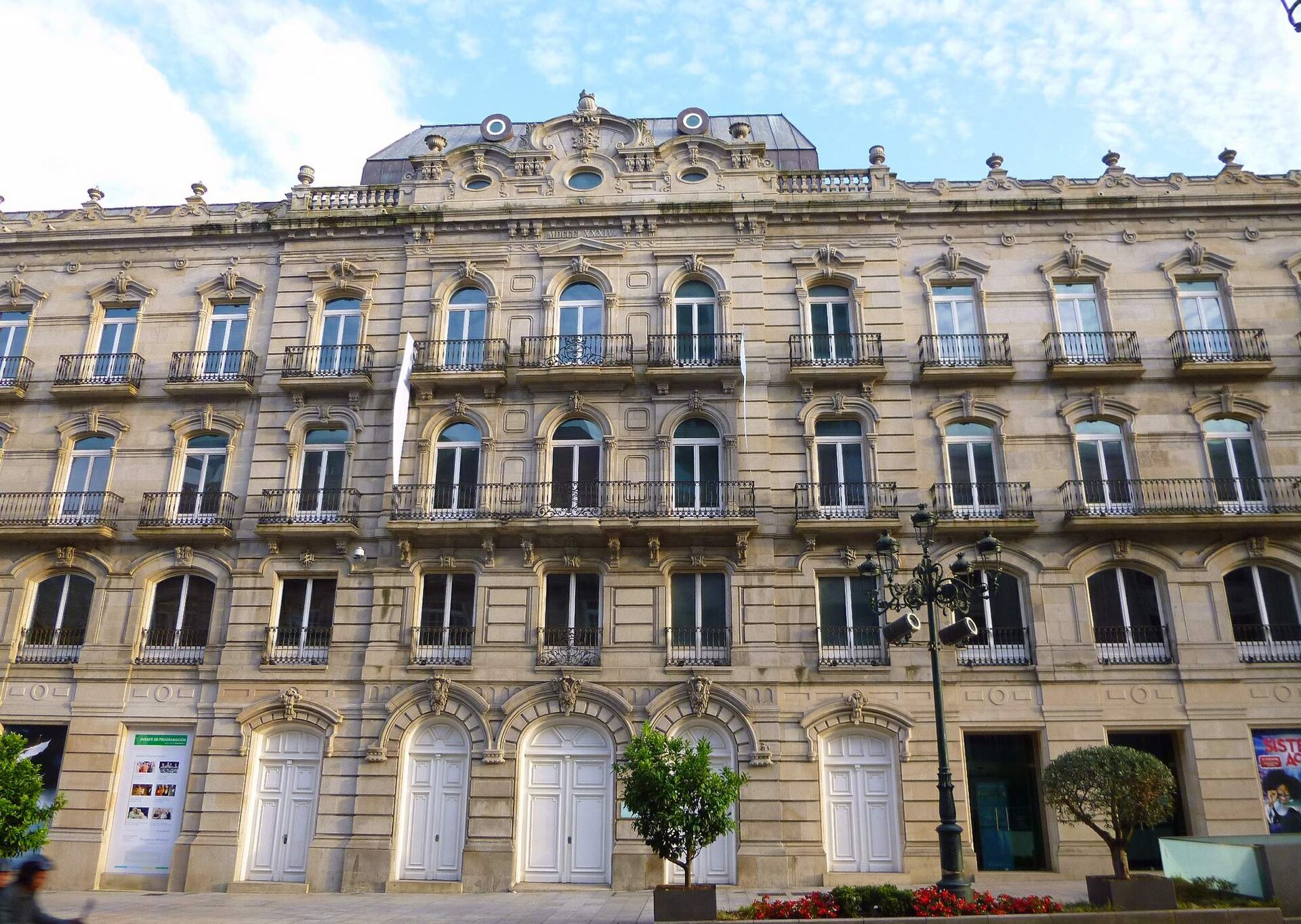
Afundación art collection
Vigo
The Afundación art collection is one of the most significant showcases of Galician art, housed in the historic Sede Afundación building in Vigo. It's a stop that rewards visitors twice over — once for the architecture, once for the art inside it. Where is it and how do you get there? The Sede Afundación stands in the heart of Vigo, inside the former Casa Bárcena, an eclectic 19th-century townhouse designed by architect Jenaro de la Fuente and thoroughly restored in the early 2000s. Given its central location, the easiest way in is on foot from the old town or the city's main shopping streets — there's no need for public transport if you're staying downtown. Drivers should expect the same parking constraints typical of central Vigo. What will you see inside? The building spans more than 13,000 square meters across five floors, centered around a glazed interior courtyard that floods the space with natural light. This is the setting for the permanent collection, which holds around 4,000 works, of which roughly 120 are on display at any given time, arranged chronologically for an easy, self-guided walk through Galician art — from 19th-century painting and sculpture through to contemporary pieces. It means visitors can trace two centuries of regional artistic development without hopping between several museums. Beyond the permanent display, the building regularly hosts temporary exhibitions on loan from other museums and private collections, alongside thematic shows with a scientific or ethnographic angle. The program changes throughout the year, so it's worth checking what's currently on before visiting. The building itself carries legal protection: in 2015, the Xunta de Galicia (the regional government) declared it a Bien de Interés Cultural — a formal recognition of cultural interest — underscoring the importance of both the architecture and the collection it houses for the region's heritage. When should you visit? The interior is open year-round, and since most of the collection sits in enclosed galleries, weather has little bearing on the experience. That said, it's worth checking the calendar for temporary exhibitions — if a particular guest show interests you, confirm its dates in advance, since these rotate more frequently than the permanent collection. For anyone spending a day in Vigo, the Sede Afundación pairs naturally with a walk through the city's historic center. Who is this for? The collection will particularly interest visitors curious about Spanish art beyond the Madrid or Barcelona mainstream — Galicia's painting and sculpture tradition has its own identity, shaped by the region's landscape, fishing culture, and history of emigration. It's equally worthwhile for anyone drawn to 19th-century architecture, since the building itself functions as an exhibit in its own right. Frequently Asked Questions How much does it cost to visit the Afundación art collection? Admission terms and any fees tied to temporary exhibitions are worth checking directly before your visit, as they can vary depending on what's currently on show. How long should you plan for a visit? The permanent collection, with around 120 works on display, can comfortably be seen in about an hour to ninety minutes — allow extra time if a temporary exhibition is running concurrently. Is the building accessible for visitors with disabilities? As a public cultural institution, the building is set up for visitor access, though it's worth confirming ahead of time if you have specific accessibility needs. How does this collection differ from other museums in Vigo? The Afundación collection focuses specifically on Galician art, presented in chronological order, which makes it a strong starting point for understanding the region's artistic tradition before visiting more specialized institutions nearby.
Earn badges for the places you visit
Download NextOnTrip, discover new places and check off your trails.