About this place
Centro Galego de Arte Contemporánea (CGAC) is a contemporary art museum in Santiago de Compostela, set in the historic heart of the city right next to the Convent of San Domingos de Bonaval and Bonaval Park.
What is CGAC and why visit it?
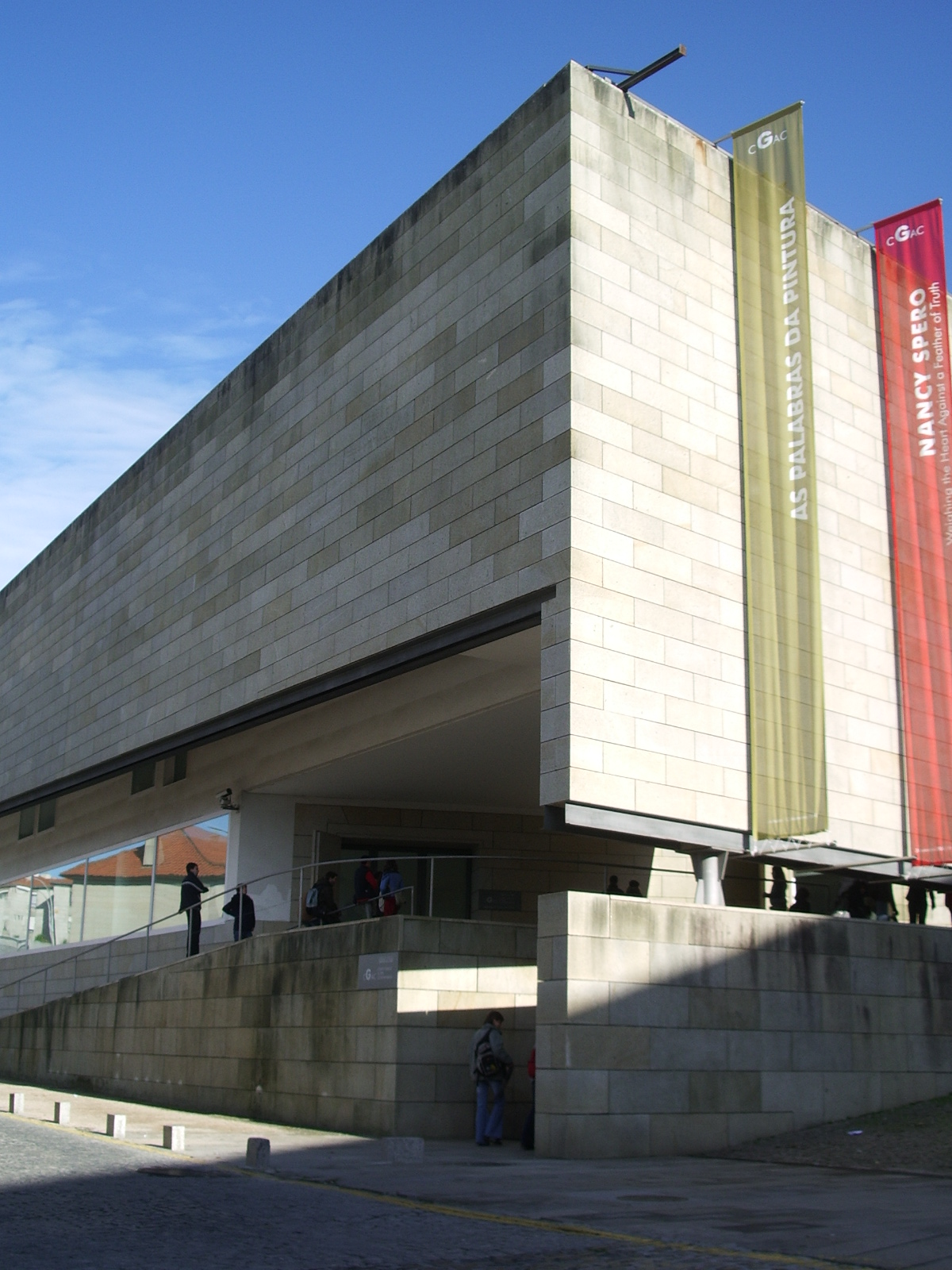
CGAC was founded in 1993, and has run a stable exhibition programme since 1995. It stands as Galicia's leading institution for contemporary art, in a building where the architecture itself is part of the visit. The centre was designed by Portuguese architect Álvaro Siza Vieira and built between 1988 and 1993. He worked in granite, the stone most closely tied to Galician building tradition, shaping an austere, serene structure rooted in rationalist and modernist ideas. Siza placed the building deliberately at the edge of the old town, in one of the most visually sensitive corners of Santiago, in direct dialogue with the surrounding historic fabric.
What will you find inside?
The museum's collection holds around 1,300 works by Galician and international artists, spanning the second half of the 20th century through to the present day. Since opening, CGAC has steadily built up this contemporary art collection, showing it through rotating temporary exhibitions alongside presentations drawn from its own holdings. The interiors — shaped by Siza's characteristic handling of light, line and volume — form a setting that is itself worth studying alongside the art on display.
Where exactly is the centre located?
CGAC sits within the historic centre of Santiago de Compostela, directly beside the Convent of San Domingos de Bonaval and the adjoining Bonaval Park, one of the city's best-loved green spaces. This location makes it easy to pair a museum visit with a walk through the park and a look at the convent complex, turning the area into a natural stop on a Santiago itinerary beyond the cathedral and old town.
Who is this museum for?
CGAC appeals above all to travellers interested in contemporary art and architecture — the work of Pritzker Prize winner Álvaro Siza is present here not just as a shell but as part of the institution's own message. It's also a strong choice for visitors looking for a quieter counterpoint to Santiago's crowded religious landmarks, a calmer, more intimate space where you can slow down.
Frequently Asked Questions
Where is CGAC located? In the historic centre of Santiago de Compostela, next to the Convent of San Domingos de Bonaval and Bonaval Park.
Who designed the building? Portuguese architect Álvaro Siza Vieira, who built it between 1988 and 1993.
What can you see at the museum? A collection of roughly 1,300 works by Galician and international artists, from the second half of the 20th century to today, shown through both permanent and temporary exhibitions.
Since when has CGAC been open? The centre was founded in 1993, with a regular exhibition programme running since 1995.
Nearby places

Earn badges for the places you visit
Download NextOnTrip, discover new places and check off your trails.