Museums in Spain
A guide to 891 Museums in Spain — with descriptions, photos and traveler visits from the NextOnTrip community. Locations spread across 469 cities and towns. Most visited by the community: Muzeum Picassa w Barcelonie, Museo Internacional de Arte Contemporáneo, Palace of Zulueta.
-
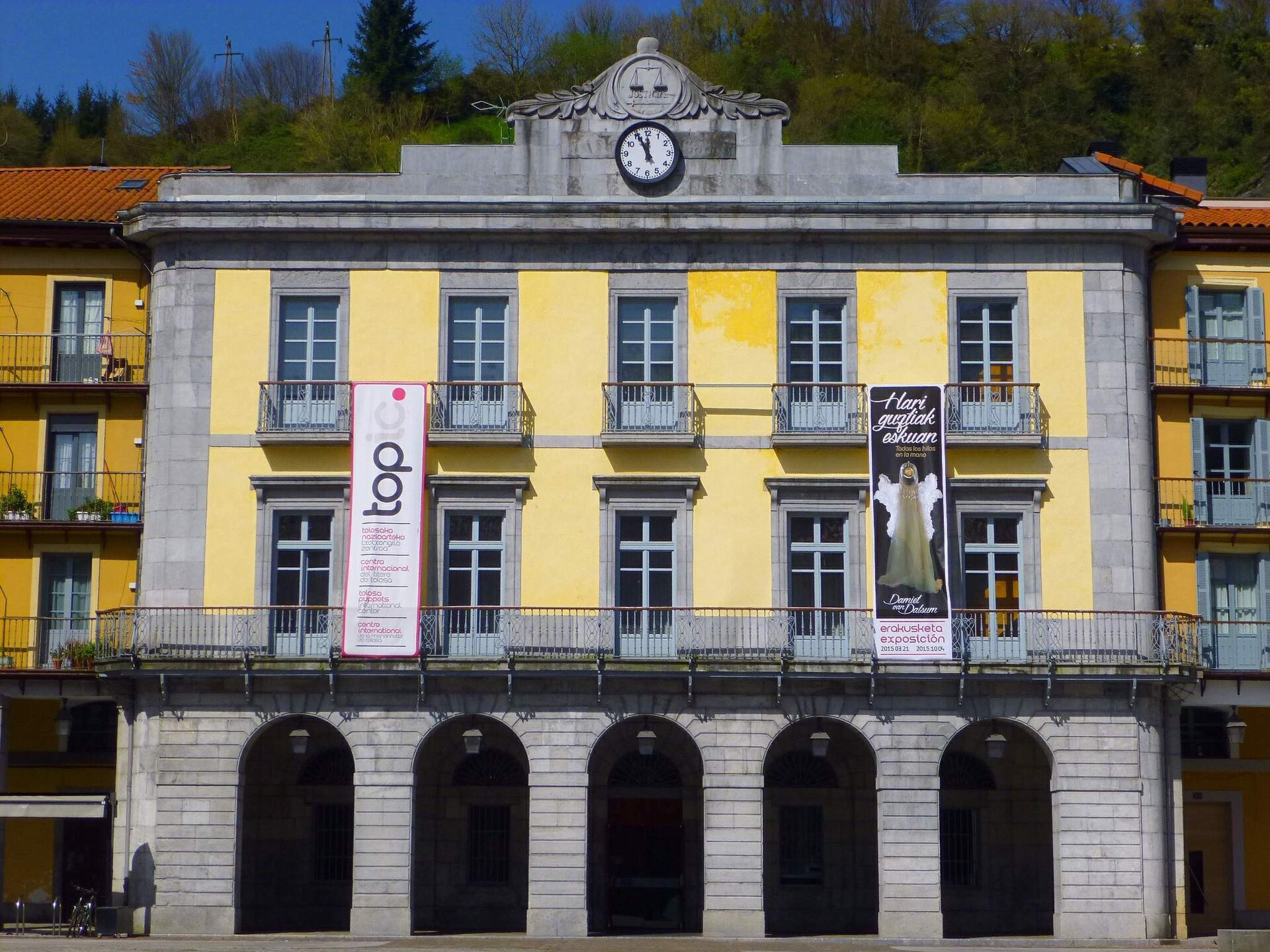
International Centre of the Puppet of Tolosa
Tolosa
TOPIC. International Puppet Centre of Tolosa TOPIC — Centro Internacional del Títere de Tolosa is the only museum in Europe devoted entirely to the art of puppetry. It stands in Tolosa, a small town in the Basque Country, inside the former Palace of Justice on Plaza Euskal Herria (also known as Plaza de Justicia). The centre holds a collection of more than 1,400 puppets from around 40 countries and has become the cultural anchor of a town famous for its international puppet festival. Where exactly is TOPIC located? The museum sits right in the historic core of Tolosa, a municipality in the province of Gipuzkoa, a short drive from San Sebastián. Its home is a carefully restored former courthouse building, whose formal, historic facade contrasts with the playful, colourful displays inside. The site's coordinates are roughly 43.138 N, -2.075 W. How did the centre come about? The story behind TOPIC begins in 1967, when a group of residents founded the Centro de Iniciativas de Tolosa (CIT), a non-profit cultural association set up to promote the town. In 1994 the association was formally recognised as an entity of public utility. Back in 1982, CIT had already launched Titirijai, an international puppet festival that grew year after year, drawing companies and audiences from across the globe. As the festival's reputation expanded, CIT members Miguel Arreche and Idoya Otegui put forward, in 1987, the first proposal for a permanent puppet centre in Tolosa. It took roughly two more decades for that idea to become a physical reality. When did TOPIC open its doors? TOPIC officially opened on 27 November 2009. The date was chosen deliberately: it coincided with the 27th edition of the Titirijai festival, tying the new museum symbolically to the very event that had inspired its creation. Since then, TOPIC has operated as a year-round institution, complementing the annual festival with permanent and temporary exhibitions as well as educational activities. What can visitors see in the collection? The museum's holdings include more than 1,400 puppets gathered from roughly 40 countries, making it one of the richest collections of its kind anywhere in Europe. Visitors encounter a wide range of puppetry traditions and techniques — from classic string marionettes and hand puppets to shadow figures and other animated forms — reflecting how different cultures across the world have shaped the craft over time. The exhibits also pay tribute to the Titirijai festival, which has brought international puppeteers to Tolosa for more than four decades. What should you know before visiting? TOPIC appeals to both children and adults with an interest in theatre and visual art, and its colourful, often surprising exhibits make it a popular stop for families exploring the Basque Country. The best time to visit is during the Titirijai festival itself, when the town comes alive with performances and the museum's programme runs alongside the festival schedule. Frequently asked questions Where exactly is TOPIC located? In the historic centre of Tolosa, in the Basque Country, inside the former Palace of Justice on Plaza Euskal Herria. Why is TOPIC considered unique in Europe? It is the only museum on the continent dedicated entirely to the art of puppetry. How many puppets does the collection hold? More than 1,400 puppets from around 40 countries. When did TOPIC open to the public? On 27 November 2009, timed to coincide with the 27th edition of the Titirijai festival. What is the museum's connection to the Titirijai festival? TOPIC grew out of the Titirijai festival (first held in 1982) and the Centro de Iniciativas de Tolosa, which began developing plans for a permanent puppet centre in 1987.
-
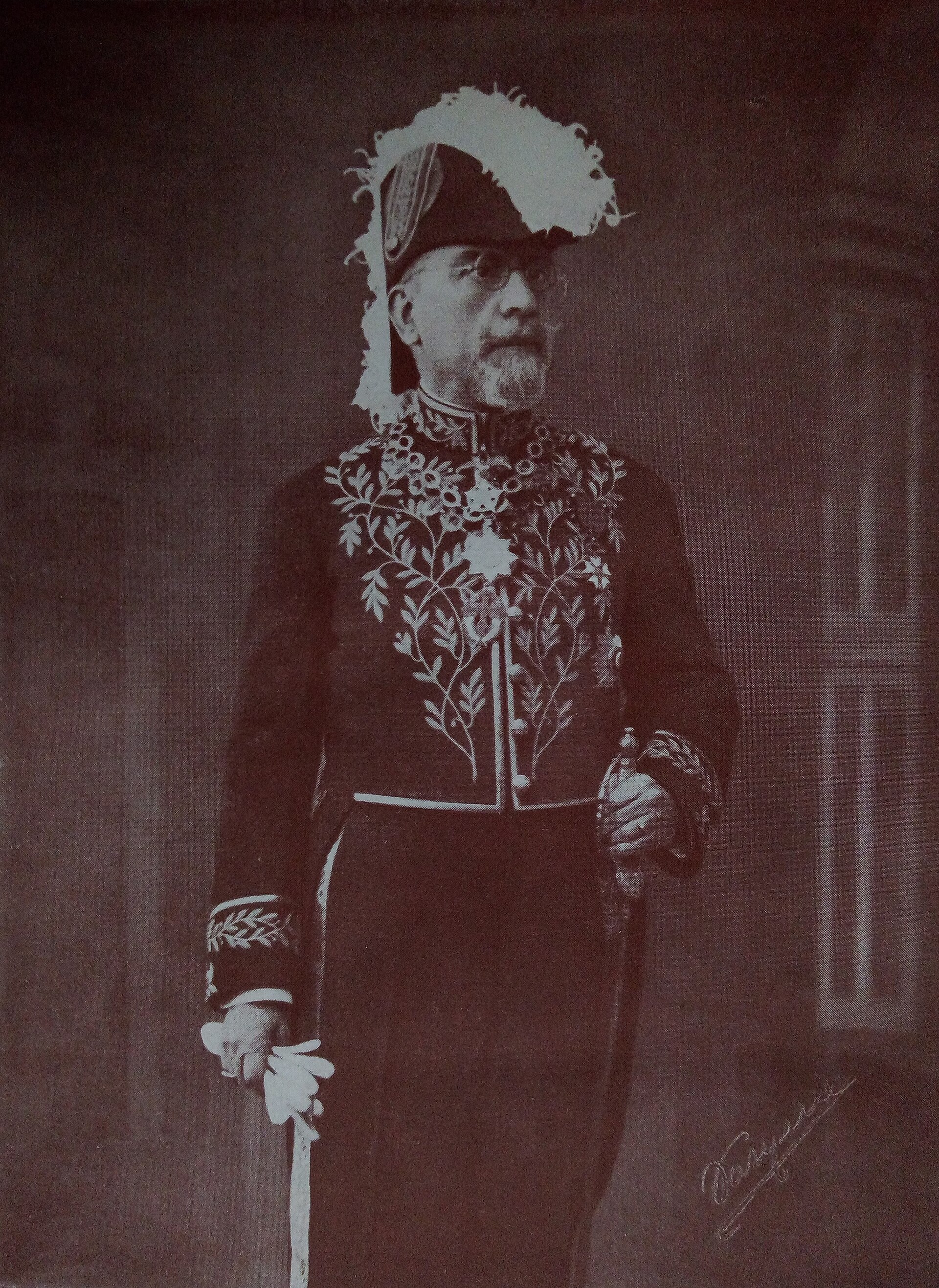
António Cabreira
Tavira
Rua Dr. António Cabreira is one of the quiet historic lanes of Tavira's old town, named after a mathematician and scholar born on this very street in 1868. For visitors wandering through Tavira, it's more than a street sign — it marks the family home of a local figure whose legacy now lives on as the town's municipal archive. Who was António Cabreira? António Tomás da Guarda Cabreira de Faria e Alvelos Drago da Ponte was born on 30 October 1868 in the family house in Tavira's Santa Maria parish, right at the corner of what are today Rua Jacques Pessoa and Rua Dr. António Cabreira. He belonged to the aristocratic Cabreira family and, as a Miguelist, claimed the noble titles of Count of Lagos and Viscount of Vale da Mata. Professionally he built a career as a mathematician, polymath and prolific writer, leaving behind a substantial body of published work. He died in Lisbon on 21 November 1953. Why does a Tavira street carry his name? In 1917 the town council chose to honour its native scholar by renaming Rua da Alegria as Rua Dr. António Cabreira — the exact street where his birthplace stands. At the same time, the neighbouring lane was renamed after another native son, Jacques Pessoa. This is a recurring pattern in Tavira: walk through the old town and street names keep pointing back to figures who shaped the city's history. What can you actually visit here? The main draw tied to this name is Casa Cabreira, the house where António Cabreira was born. In 1944 he donated the building to Tavira's town council, intending it to become a library, museum and archive. Restoration work began in August 2000, and the building reopened on 24 June 2001 as Tavira's Municipal Archive. Today visitors can step inside a genuine old Tavira townhouse and browse historical records covering the town and the wider region. The street itself runs through an atmospheric stretch of the old town, close to the Gilão river and the city's main landmarks, so it fits naturally into a walking route. How do you get there? The street sits right in the heart of historic Tavira, an easy walk from the Roman bridge and the main town square. Getting around on foot is by far the best option — the old town is compact, and most sights cluster within a few hundred metres of each other. Drivers should park at the edge of the historic centre and continue on foot, which is really the only practical way through the narrow lanes anyway. When is the best time to visit? Spring and early autumn are the most pleasant seasons for exploring Tavira, avoiding the peak summer heat while the town is still lively. Mornings are ideal for wandering the old town's streets, and afternoons are best spent by the river or on the beaches of nearby Tavira Island. Frequently asked questions Is Rua Dr. António Cabreira a sight in its own right? It's primarily a historic street of the old town — its interest lies in context, namely the scholar's birthplace and its location within Tavira's protected historic centre, rather than in dramatic architecture along the street itself. Can you visit the house where António Cabreira was born? Yes. The building now serves as Tavira's Municipal Archive (Casa Cabreira) and is open to visitors during the institution's regular hours. What was António Cabreira known for? He was a mathematician, scholar and publicist from the aristocratic Cabreira family, who also claimed the noble titles of Count of Lagos and Viscount of Vale da Mata. Is it worth combining this area with other Tavira sights? Definitely — the street lies close to the Roman bridge, the old town's churches and the Gilão riverfront, making it an easy addition to a longer walk through Tavira's historic centre.
-
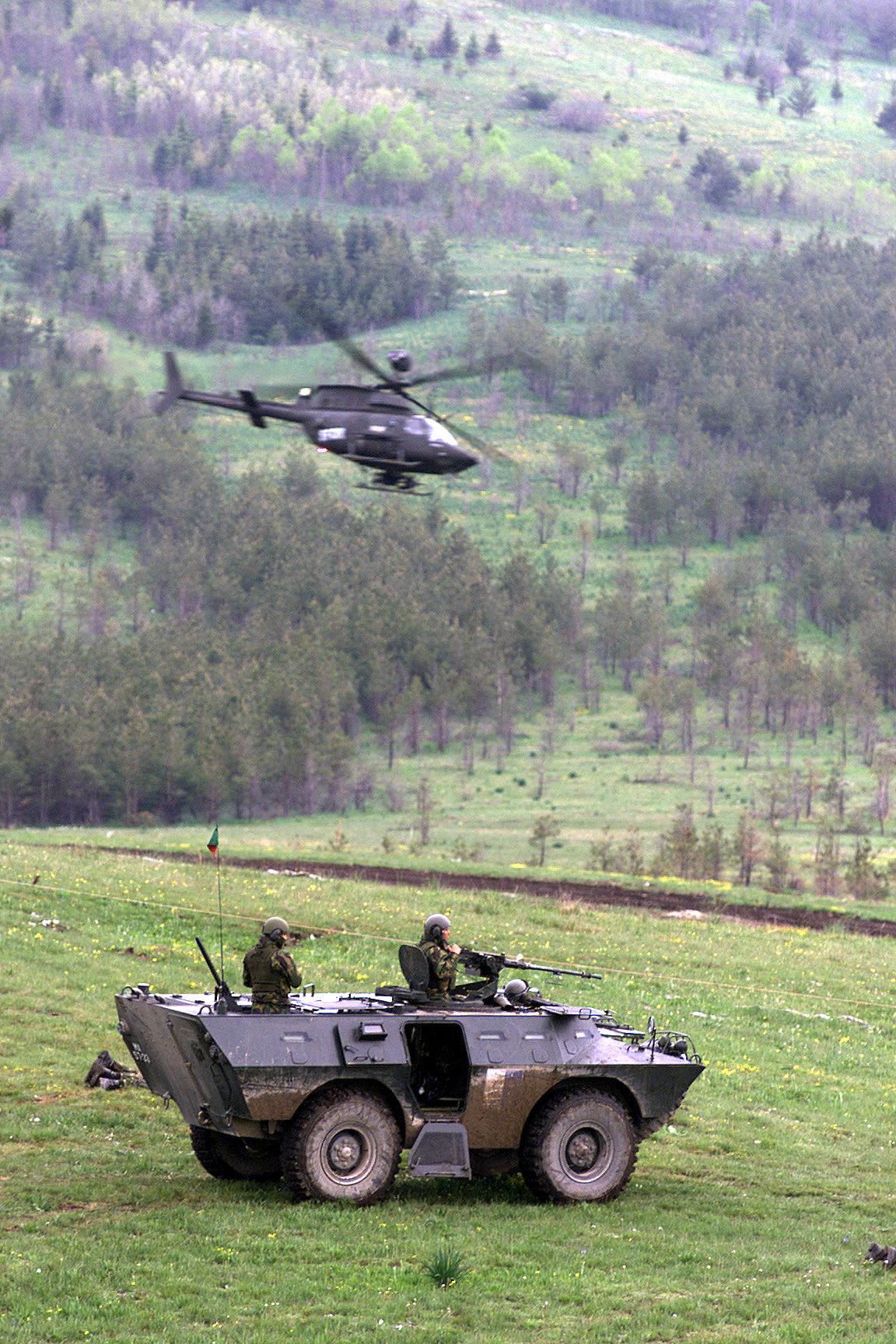
Bravia Chaimite
Elvas
Bravia Chaimite is a Portuguese all-wheel-drive armoured vehicle, and a preserved example is on display at the Military Museum of Elvas (Museu Militar de Elvas). For visitors interested in military history and the town's fortifications, it makes for an interesting stop while exploring the walled city. What kind of vehicle is it? The Chaimite was developed by the Portuguese manufacturer Bravia, starting out as an unlicensed adaptation of the American Cadillac Gage Commando armoured car. It was first assembled and later built entirely in Portugal, with a series of local design and technical changes. Its four-wheel-drive layout and armoured hull made it the backbone vehicle of the Portuguese Army between 1967 and 1974, the years covering the colonial wars fought in Angola, Mozambique and Portuguese Guinea. Why is it in Elvas? Elvas is a UNESCO-listed fortress town that for centuries guarded the Portuguese-Spanish border. Its Military Museum brings together equipment and memorabilia connected to the town's garrison history, and the Chaimite fits naturally into that collection — it bridges the era of 20th-century colonial conflict with the much older military tradition embodied by Elvas itself. What will you actually see? The vehicle has the unmistakable look of a 1960s-era armoured personnel carrier: a raised boxy hull, large off-road wheels and an angular, purely functional shape. While viewing it, it's worth paying attention to the historical framing the museum provides — the Chaimite was one of the defining pieces of equipment used by Portuguese forces during the difficult decolonisation period, and its presence in the collection helps trace the growth of Portugal's own defence industry. How do you get there? Elvas sits in the Alentejo region, right on the border with Spain, close to Badajoz. Driving is the most convenient option, with good road connections from Lisbon and Évora. The historic centre where the museum stands is best explored on foot, since the narrow streets and fortified walls aren't built for car traffic. When is the best time to visit? Spring and early autumn are the best times to visit Elvas and its military sites, when Alentejo temperatures are milder than in the height of summer. Aim for the museum in the late morning, before the day's heat sets in and while visitor numbers are still low. What else to pair it with? A stop at the Chaimite works well as part of a longer walk through Elvas's fortifications — the Amoreira Aqueduct, the Fort of Santa Luzia and the town's defensive walls. Together they show how the region's military history evolved from the early modern period through to the 20th century. Frequently asked questions What exactly is the Bravia Chaimite? It's a Portuguese all-wheel-drive armoured vehicle, built from the late 1960s onward based on the American Cadillac Gage Commando design. Where can you see it? A surviving example is part of the collection at the Military Museum of Elvas, Portugal. What was it used for? The Portuguese Army used the Chaimite between 1967 and 1974 during the colonial wars in Angola, Mozambique and Portuguese Guinea. Is it worth combining with other sights in Elvas? Yes — Elvas is a UNESCO World Heritage site thanks to its fortification system, so the museum visit pairs naturally with a walk along the town walls and nearby forts.
-
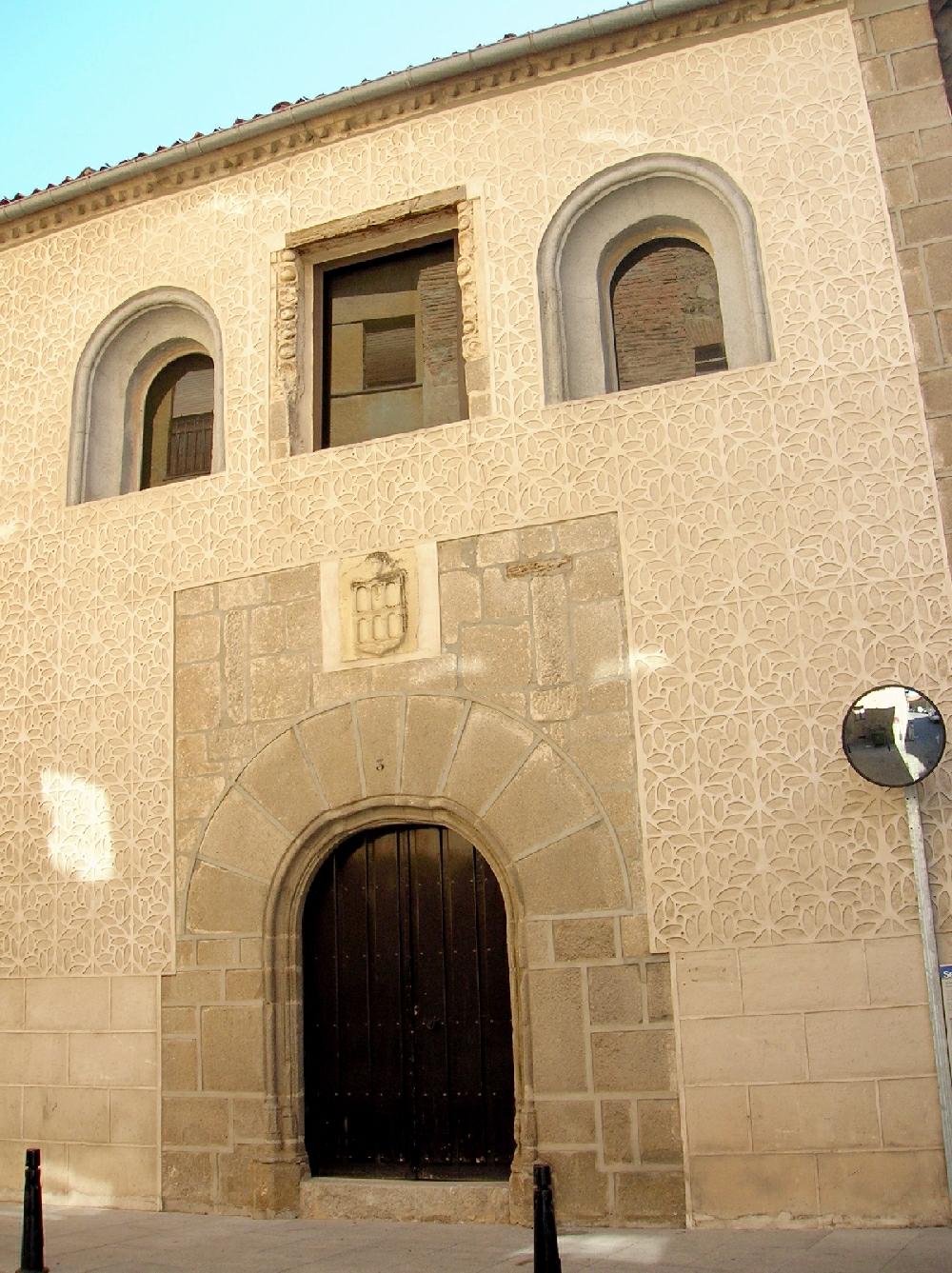
Palacio de Enrique IV, Segovia
Segowia
Palacio de Enrique IV (also known as Palacio de San Martín) is a Gothic-Mudejar palace in Segovia, now home to the Esteban Vicente Museum of Contemporary Art. The building was raised around 1455 on the orders of Prince Henry, son of John II and Lord of Segovia, as a residence for himself and his sister Isabella — the future Isabella the Catholic. How to get there? The palace sits in Segovia's historic center, close to the church of San Martín and within walking distance of the Plaza Mayor and the cathedral. Segovia connects easily with Madrid: the high-speed train takes around 30 minutes, while the bus takes somewhat longer. Once in town, the old quarter is best explored on foot, since most landmarks, including the palace, cluster inside the medieval walls. What will you see? The façades combine Mudejar building technique — brick, rammed-earth panels cast in wooden frames (tapial), and stone — with sgraffito decoration and stucco framing around the window openings. Inside, fragments of polychrome wooden ceilings (artesonados) survive, characteristic of 15th-century Castilian architecture. After Prince Henry became King Henry IV, the palace continued to serve the royal court, though more recent historical research suggests it functioned as a private, secondary residence rather than the monarch's principal seat. Following the king's death in 1499, the building was split into three sections. One part housed a charity hospital for a period. In 1778 the palace became the seat of the Drawing School, and in 1841 it passed to the provincial government (Diputación), turning into the School of Arts and Crafts. Since 1998 the palace has housed the Esteban Vicente Museum of Contemporary Art, showcasing a collection of 20th-century Spanish abstract art — making the building today both an architectural landmark and a modern art gallery. When to visit? Segovia is pleasant to visit nearly year-round, but spring (April–June) and early autumn (September–October) bring mild weather and smaller crowds than the peak summer months of July and August. The museum keeps standard public-institution hours — it's worth checking the current schedule before visiting, as it is often closed on Mondays. Frequently asked questions Is Palacio de Enrique IV the same as Palacio de San Martín? Yes, both names refer to the same building — the palace was built near the church of San Martín, which gave rise to its alternate historical name. What does the palace house today? Since 1998 it has been home to the Esteban Vicente Museum of Contemporary Art, exhibiting works of 20th-century Spanish avant-garde art. Who commissioned the palace? Construction began around 1455 by order of Prince Henry, the future King Henry IV, son of John II of Castile and then Lord of Segovia. What architectural style does the building represent? The palace blends Mudejar construction — brick, rammed earth, and stone — with Gothic decorative elements typical of 15th-century Castilian palace architecture.
-
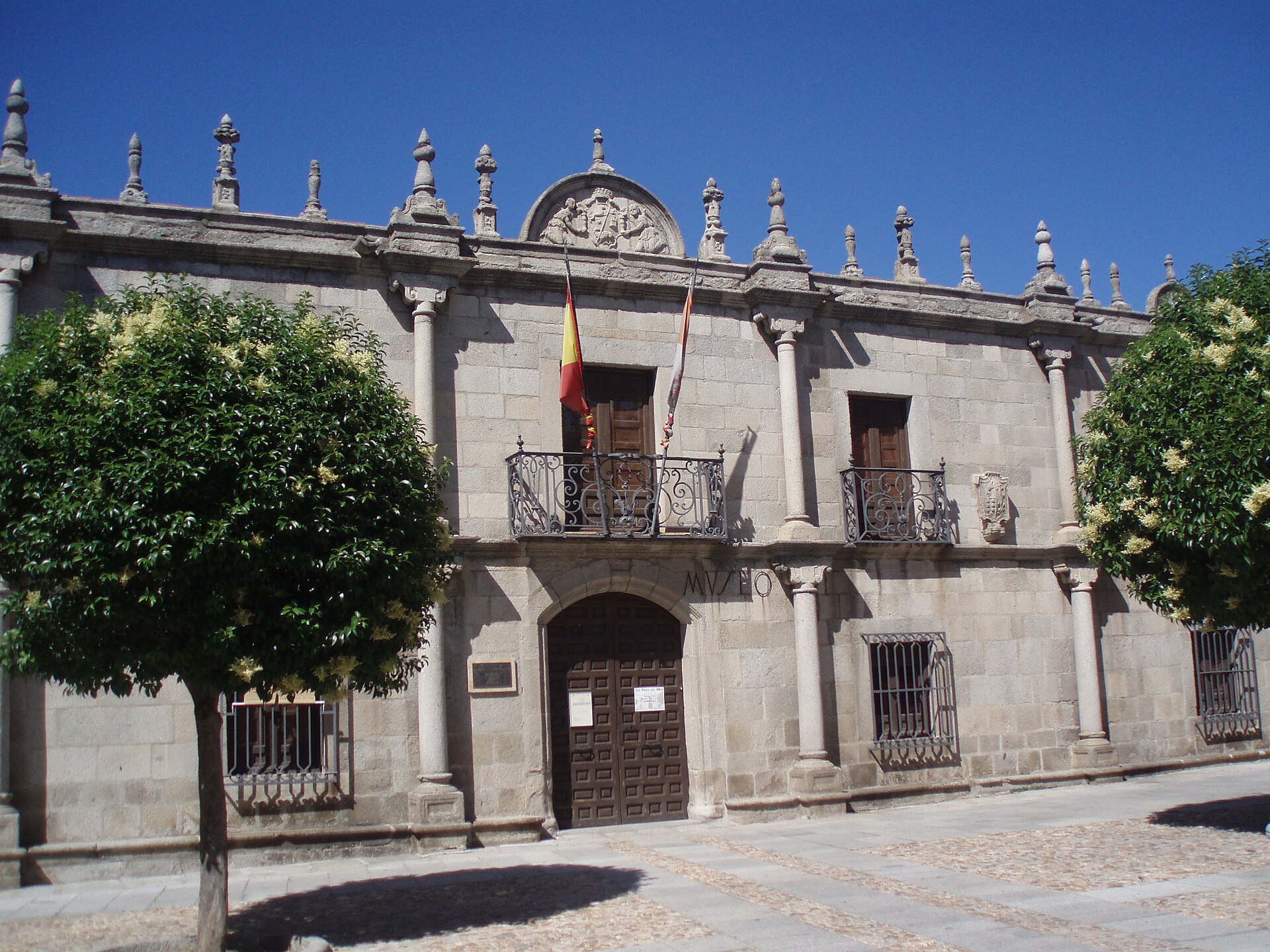
Casa de los Deanes
Ávila
Casa de los Deanes is a Renaissance palace in Ávila, in the Spanish region of Castile and León, once the residence of the cathedral's deans and now home to the city's provincial museum. The building sits just outside the medieval walls, in a quieter part of town, making it an easy addition to a walk through Ávila's older monuments. Why is it called Casa de los Deanes? The name is literal rather than decorative: in the 16th century the building was home to the "deanes," the deans of Ávila's cathedral chapter. It was the cathedral clergy itself that commissioned the residence, which explains both its proximity to the city's religious core and the formal, dignified style of its architecture. What does the building look like, and what style is it built in? The palace has two storeys arranged around a regular, quadrangular plan typical of Renaissance-era noble and ecclesiastical residences. At its centre is an inner courtyard ringed by a gallery, where segmental, basket-handle arches rest on granite columns. The main façade is built of dressed granite ashlar and blends Herrerian-Plateresque detailing with Gothic-Mudejar influence, making the building a notable example of how different architectural traditions overlapped during the Spanish Renaissance. Its historical and artistic value led to its designation as a national monument in 1962. What can visitors see inside the Museo de Ávila? The palace now houses the Museo de Ávila, the province's museum, with a permanent collection organised into three sections. The first covers the traditional rural culture of the province, including local crafts, folk art and everyday occupations. The second traces the province's history from prehistoric times through the 19th century, charting how the territory changed over thousands of years. The third section focuses on the city itself, displaying archaeological finds recovered during excavations carried out around Ávila, offering a look beneath the modern streets. Where exactly is Casa de los Deanes located? The building stands on Plaza de Nalvillos, outside the walls of the old town and close to the Romanesque church of Santo Tomé. Sitting right on the boundary between the walled centre and the newer parts of Ávila, it is easy to combine a visit here with other Romanesque and medieval sites scattered around the city. Frequently Asked Questions What was Casa de los Deanes before it became a museum? It was a private residence, built in the 16th century for the deans of Ávila cathedral's chapter — the origin of the building's current name. What architectural style does the building represent? Its façade and courtyard combine Herrerian-Plateresque features with Gothic-Mudejar elements, all executed in dressed granite. What exactly can you see inside? The permanent exhibition of the Museo de Ávila, split into three parts: the province's rural folk culture, its history from prehistory to the 19th century, and archaeological finds from excavations within the city. Is the building protected as a heritage site? Yes, Casa de los Deanes was declared a national monument in 1962 in recognition of its historical and architectural value.
-
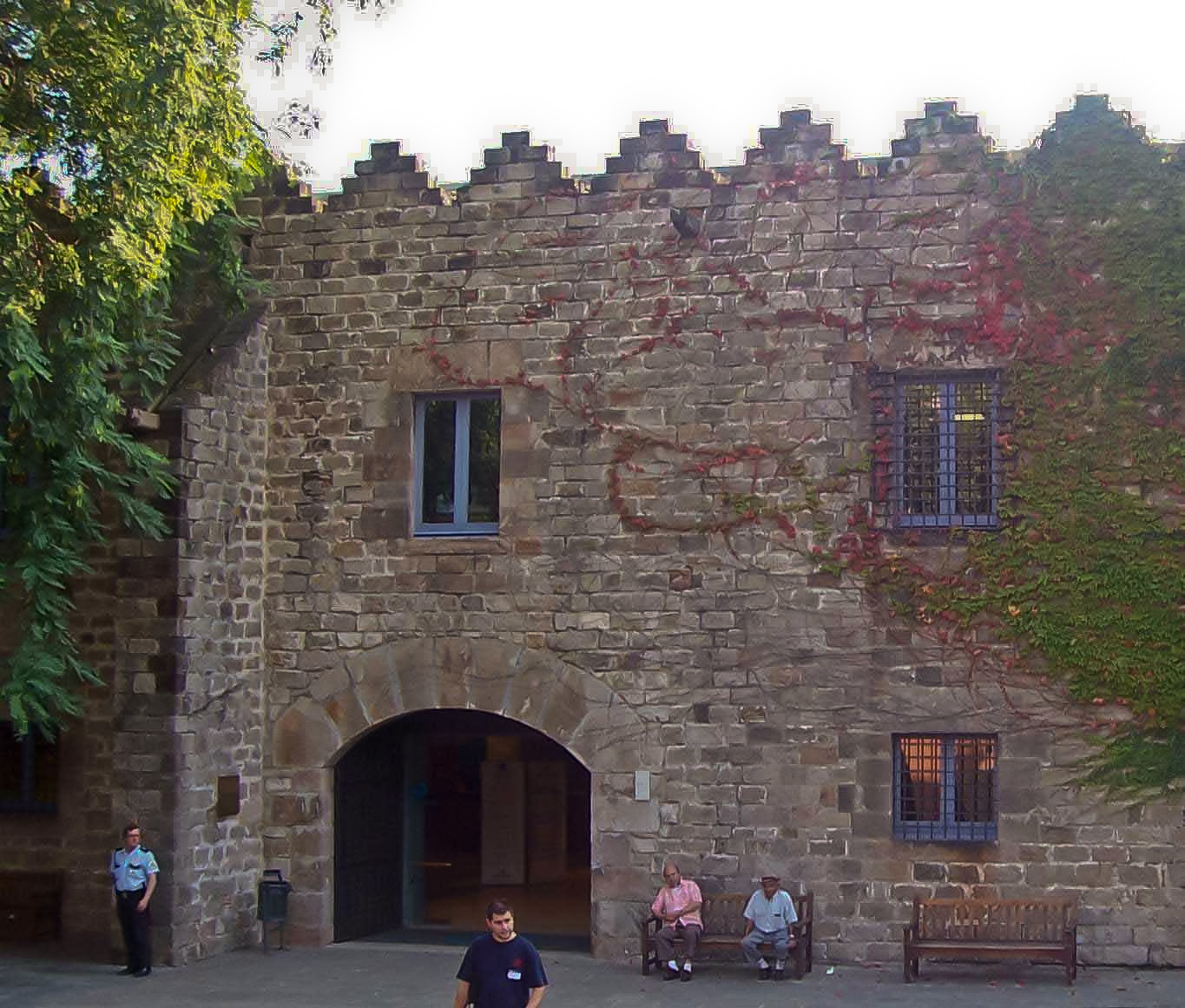
Maritime Museum of Barcelona
Barcelona
The Maritime Museum of Barcelona (Museu Marítim de Barcelona) occupies one of the city's most unusual buildings — the former Royal Shipyards (Drassanes Reials), where vessels for the Crown of Aragon's fleet were built for centuries. It's a rare case of a medieval shipbuilding complex that has survived almost intact into the present day. What are the Drassanes Reials, and why does the museum sit inside them? The building housing the museum was never designed as an exhibition space — it is an authentic working shipyard. The Drassanes Reials served as the city's royal arsenal, where ships were built and repaired between the thirteenth and eighteenth centuries for the rulers of the Crown of Aragon. The earliest known reference to a shipyard in Barcelona dates back to 1243, appearing in a document that defined the city's boundaries, where the shipyard is listed as a landmark. That means the facility must already have existed at the time the document was drawn up, making it one of the oldest pieces of evidence for Barcelona's maritime past. The building's layout itself — long, vaulted bays built in a Gothic style, once open directly to the water — allowed large vessels, including galleys, to be constructed and launched under cover. That kind of indoor shipbuilding space was unusual in medieval Europe, and it's often what strikes visitors most, even before they look at a single exhibit. What does the museum's collection focus on? The museum traces Barcelona's relationship with the sea, from the medieval shipyards through the growth of maritime trade and into later centuries of port development. Because the building itself is an industrial heritage site, much of the visitor experience also centers on shipbuilding techniques and how work was organized inside the old arsenal — the halls that now display exhibits were once filled with carpenters, sailmakers, and dockworkers. Where exactly is the museum located? The museum sits close to Barcelona's historic port, in an area long tied to the city's maritime activity. That proximity to the waterfront wasn't accidental — the Drassanes were built so finished ships could be launched straight from the production halls into the water. Today the surrounding district is a popular part of Barcelona for visitors, combining historic architecture with a distinctly seaside atmosphere. Is it worth visiting if you're not particularly interested in ships? Even visitors with no special interest in maritime history tend to appreciate the building on its own terms. The monumental stone bays, with proportions that echo cathedral interiors, show how seriously medieval Barcelona took its maritime power — investing in such a large, durable shipbuilding complex was itself a statement about the city's standing in the Mediterranean world. Frequently Asked Questions What were the Drassanes Reials? They were Barcelona's royal shipyard — a complex where ships were built and repaired between the thirteenth and eighteenth centuries on behalf of the rulers of the Crown of Aragon. When was a shipyard in Barcelona first mentioned in records? The earliest known reference dates from 1243, in a document defining the city's boundaries, where the shipyard is cited as a landmark. Is the museum building itself historic? Yes — it's the original medieval shipyard structure, not a building purpose-built for exhibitions, which makes it unusual among maritime museums in Europe. What can I expect from a visit? The museum covers Barcelona's maritime history and the history and craft of shipbuilding carried out in the old arsenal, and the architecture of the halls is very much part of the experience.
-
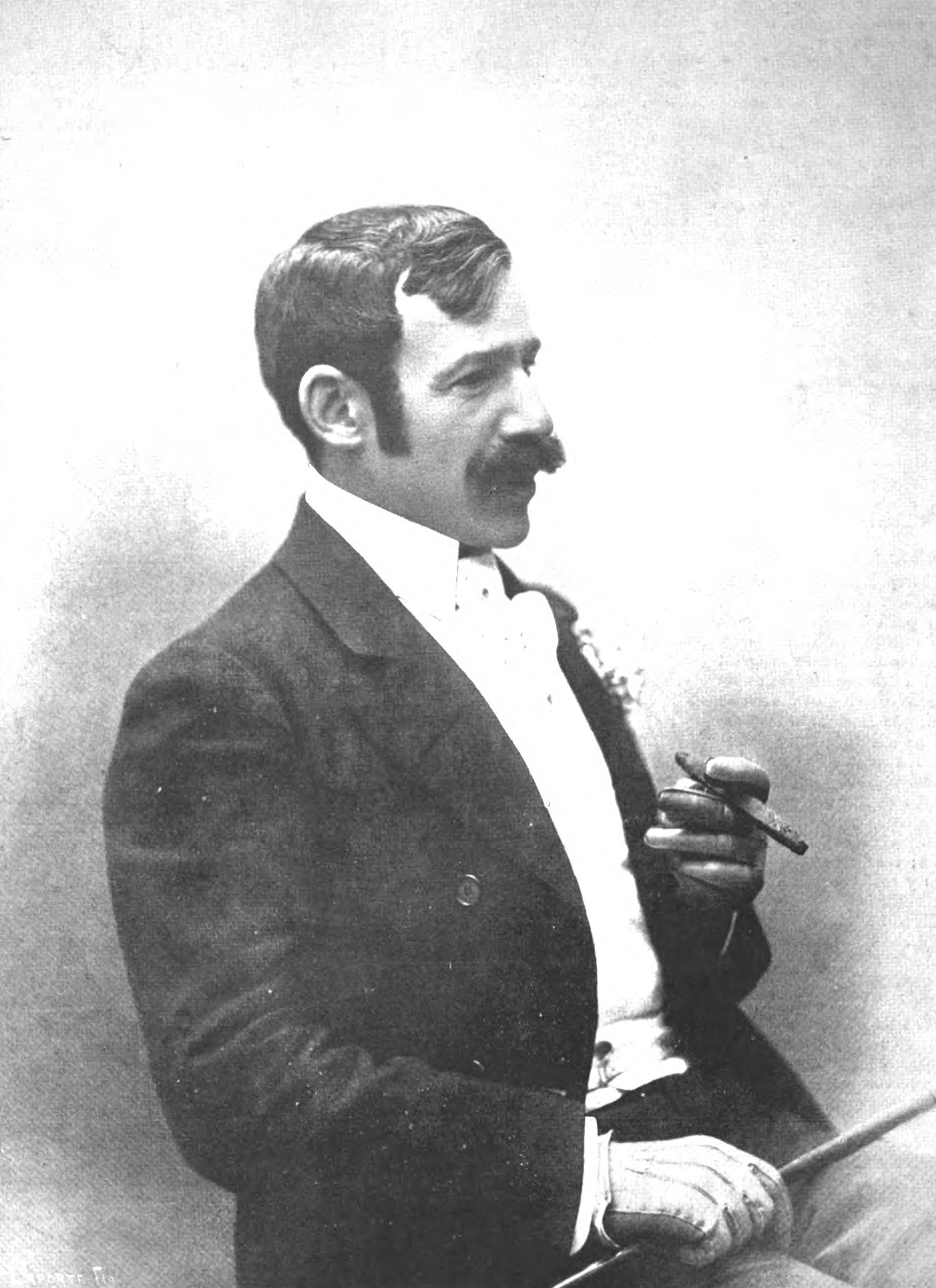
Mariano Benlliure
Walencja
Mariano Benlliure was one of Spain's leading sculptors at the turn of the 20th century, and his legacy lives on in Valencia inside the former Benlliure family home, now known as the Casa-Museo Benlliure. The building stands at Calle Blanquerías 23, facing the Turia Gardens and just steps from the medieval Serranos Towers, right in the heart of the old town. What can you see inside? The Casa-Museo Benlliure is the former residence of a whole dynasty of artists, where generations of the Benlliure family lived and worked, bringing painting and sculpture together under one roof. The rooms still feel like a lived-in home as much as a gallery, with personal belongings displayed alongside exhibition pieces. One room is dedicated specifically to the sculptural and pictorial work of Mariano Benlliure. Highlights include a decorative relief and design study for the monument to playwright Eduardo Escalante, plus a clay sketch for the monument to writer Antonio Trueba — a commission from the Provincial Council of Biscay for which the sculptor won an honor medal at the 1895 Fine Arts exhibition. The collection also includes a self-portrait of the artist flanked by two muses, held on loan from the Fundación Mariano Benlliure. Mariano Benlliure y Gil made his name as a sculptor and medallist, producing numerous public monuments and religious sculptures across Spain in a style often described as heroic realism. Visiting the house on Calle Blanquerías offers a chance to trace how his large-scale monuments took shape, from early clay studies to finished commemorative designs. How do you get there? The Casa-Museo Benlliure sits in an easily walkable part of Valencia, right beside the Jardín del Turia — the former riverbed turned into a long park that runs through the whole city. It's only a few minutes on foot from the Serranos Towers, making it a convenient stop on any walk through the old town. Its location next to the park also makes it easy to combine a visit with a stroll or bike ride along the Turia. When is the best time to visit? Since this is a small, intimate museum, it's worth planning a visit outside the busiest hours around the Serranos Towers. As a municipal institution it may keep a limited schedule with closing days, so checking current opening hours on the museum's website before setting out is a good idea. Frequently asked questions What is the Casa-Museo Benlliure? It is the former home of the Benlliure family in Valencia, converted into a museum that displays paintings and sculptures by several generations of this artistic family, including Mariano Benlliure. Which works by Mariano Benlliure are on display? Visitors can see the design for the monument to Eduardo Escalante, a clay sketch for the monument to Antonio Trueba, and a self-portrait of the artist with two muses. Where exactly is the museum located? At Calle Blanquerías 23 in Valencia, facing the Turia Gardens and close to the Serranos Towers. Is it worth combining with other sights? Yes — its proximity to the Serranos Towers and the Jardín del Turia park makes it easy to pair a museum visit with a walk through the historic center.
-
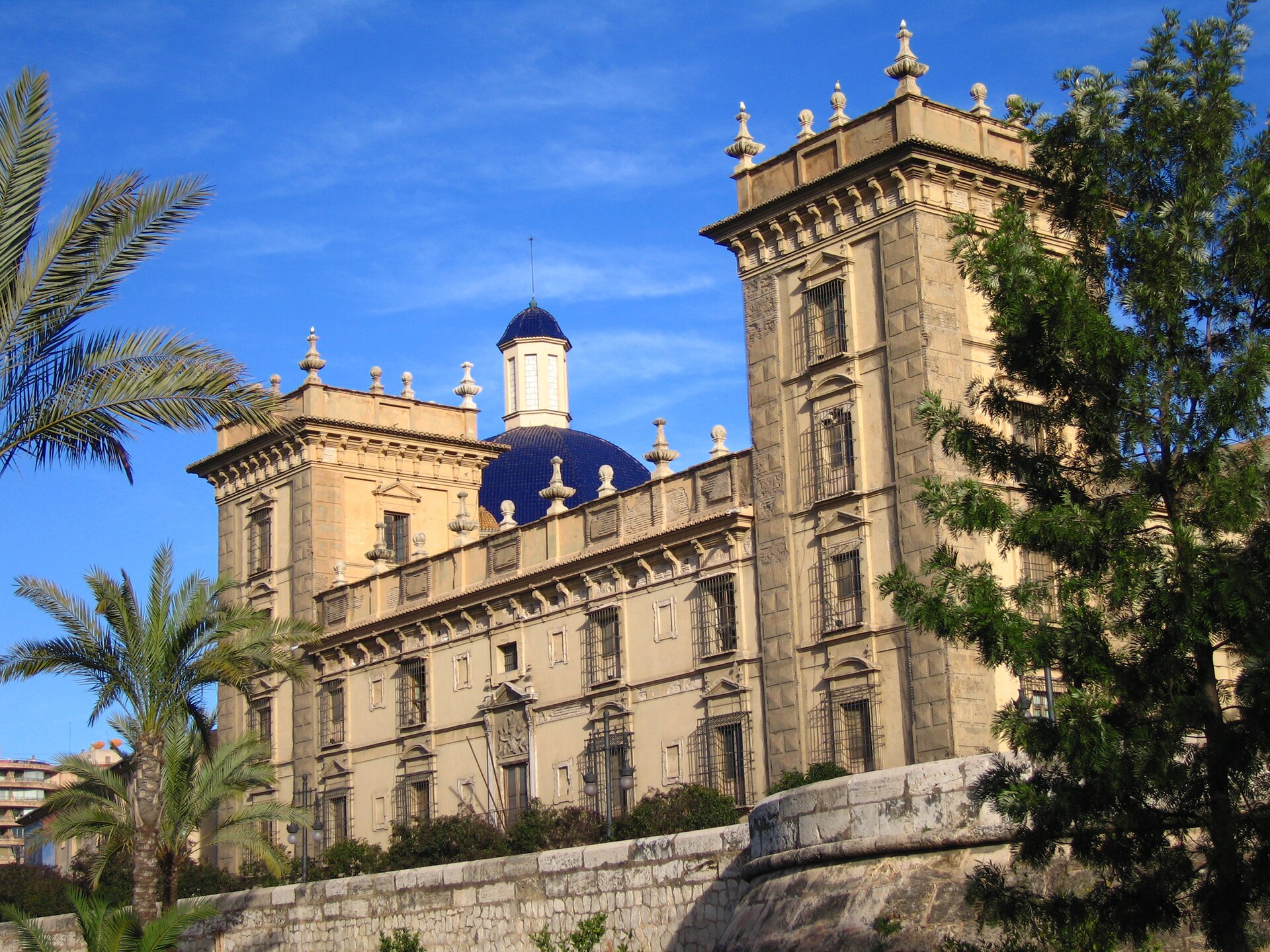
Museu de Belles Arts de València
València
Museo de Bellas Artes de Valencia is one of the most significant art museums in Spain, located in the city of València. The institution grew out of the collection built by the Royal Academy of Fine Arts of San Carlos and formally separated from it in 1913, becoming a museum in its own right. Today it is a must-see for anyone interested in Spanish painting who wants to experience the work of past masters in a city more often associated with modern architecture and beaches. Where is the museum located? The museum sits in València itself, in the north-eastern part of the historic centre, close to the former riverbed of the Turia, now converted into a city park. Its coordinates are roughly 39.479°N, -0.371°W, placing it near other major landmarks in the city and making it an easy walk from the centre. Why is this museum worth a visit? For a visitor exploring València, the museum offers a natural complement to a day of sightseeing — a chance to step away from the city's architecture and focus on art instead. It's a place where you can trace the development of Spanish painting across the centuries while also discovering artists directly connected to the Valencia region. For anyone planning a day of touring, it's a good option for a few hours indoors in cool, air-conditioned galleries — a welcome alternative during hot summer afternoons. What is the history behind the institution? The museum's roots trace back to the Royal Academy of Fine Arts of San Carlos, one of the oldest art academies in Spain. The collections gathered by the academy grew over time to the point where, in 1913, the decision was made to formally split off the museum as an independent institution. That moment is considered the official starting point of the museum in its current form, even though the collection and the tradition of gathering artworks at this site go back considerably further. What should you know before planning a visit? The museum operates as a public institution dedicated to the fine arts, meaning its programme includes both a permanent collection and educational activities or temporary exhibitions. Given its standing as one of Spain's more important art galleries, it's worth setting aside a generous amount of time for the visit — this is a place that rewards spending more than just a quick stop between other attractions in the city. Frequently Asked Questions What is the Museo de Bellas Artes de Valencia? It is an art museum in València that began as part of the Royal Academy of Fine Arts of San Carlos and was formally separated from it in 1913 to become an independent museum institution. Where exactly is the museum located? The museum is located in València, at approximately 39.479°N, -0.371°W, close to the city's historic centre and the area of the former Turia riverbed. Since when has the museum existed as an independent institution? Its formal separation from the Academy of San Carlos and its establishment as an independent museum dates back to 1913. Who is this attraction for? Primarily for those interested in painting and the fine arts, but also for travellers looking to add something different to their València itinerary beyond architecture and beaches — it makes for a calm, culture-focused afternoon in the city.
-
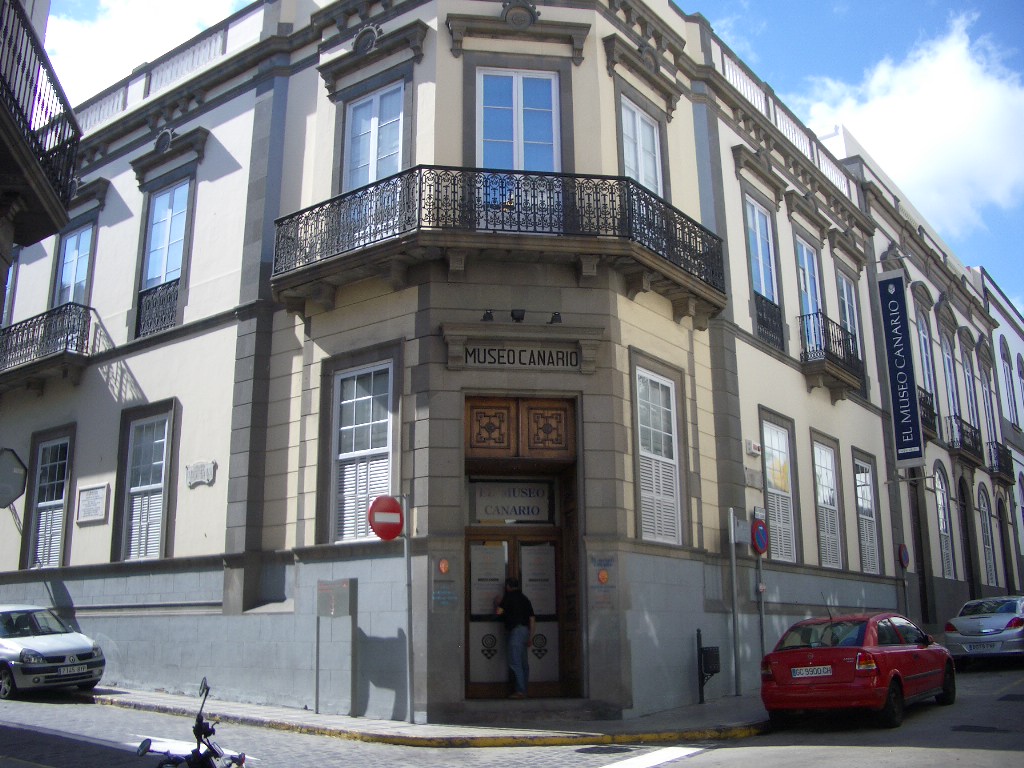
Canarian Museum
The Canarian Museum (Spanish: El Museo Canario) is one of the most important research and exhibition institutions in Las Palmas de Gran Canaria, dedicated to the history and culture of the archipelago's indigenous population before the Spanish conquest. Where is the museum located? The museum sits in Vegueta, the historic quarter of Las Palmas de Gran Canaria, inside a house bequeathed to the institution by one of its founders. Vegueta is the oldest part of the city, full of colonial-era architecture, cobbled streets and patio houses — a pleasant area to explore on foot before or after your visit. How did the museum come to be? The institution traces back to 1879, when a group of Gran Canarian intellectuals — led by physician Gregorio Chil y Naranjo and historian Agustín Millares Torres — set out to create a center for studying the islands' past. A year later, in 1880, they opened a small museum and library on the second floor of the Las Palmas city hall. The collections grew quickly enough that in 1923 the institution moved to its current home in Vegueta, the house left to it by Dr. Chil. Since then, the museum has become the leading reference point for research into the heritage of the Canary Islands. What will you see inside? The museum's centerpiece is a permanent exhibition on the aboriginal population of Gran Canaria — the Guanches, the island's original inhabitants before European settlement. Its archaeological holdings rank among the richest in the entire archipelago, including the famous Idolo de Tara, one of the most recognizable pre-Hispanic figurines from the Canary Islands, alongside pintaderas (stamp-like seals used to decorate skin), pottery, everyday tools and naturally preserved mummies. From its earliest days, the museum's own archaeologists organized expeditions into the island's interior to recover artifacts from ancient Guanche settlements, building a collection of exceptional scientific value. Beyond the exhibition halls, the museum's documentation center — comprising a library, an archive and a newspaper archive — deserves attention. It holds books dating back to the 15th century, historical documents including material connected to the Inquisition's archive, and an extensive collection of old Canarian press. It's a resource valued by historians of the region, but also open to curious visitors. How much time should you plan? The exhibition is spread across eleven rooms, so allow roughly an hour and a half to two hours for an unhurried visit. Anyone particularly interested in archaeology or the history of the islands' original inhabitants may want to linger longer, especially in the rooms devoted to Guanche everyday objects and funerary practices. When is the best time to visit? Being an indoor institution, the museum works well year-round and makes a good option on days with strong sun or wind, both common on Gran Canaria. Pair the visit with a stroll through Vegueta when temperatures are milder — early morning or late afternoon tend to be most comfortable. Frequently asked questions What is the Idolo de Tara? It's one of the best-known pre-Hispanic figurines found on Gran Canaria, displayed in the museum's archaeological collection as an example of Guanche art and belief. Who were the Guanches? They were the indigenous inhabitants of the Canary Islands before the arrival of Spanish settlers. The Canarian Museum holds some of the most important surviving evidence of their material culture. Can visitors use the library and archive? Yes — the documentation center includes a library, archive and newspaper archive with documents dating back to the 15th century, open to those doing historical research. Is it worth combining the visit with the Vegueta district? Absolutely — the museum sits in the heart of the historic part of Las Palmas, surrounded by period architecture, making it easy to pair the visit with a short walk through the city's oldest quarter.
-
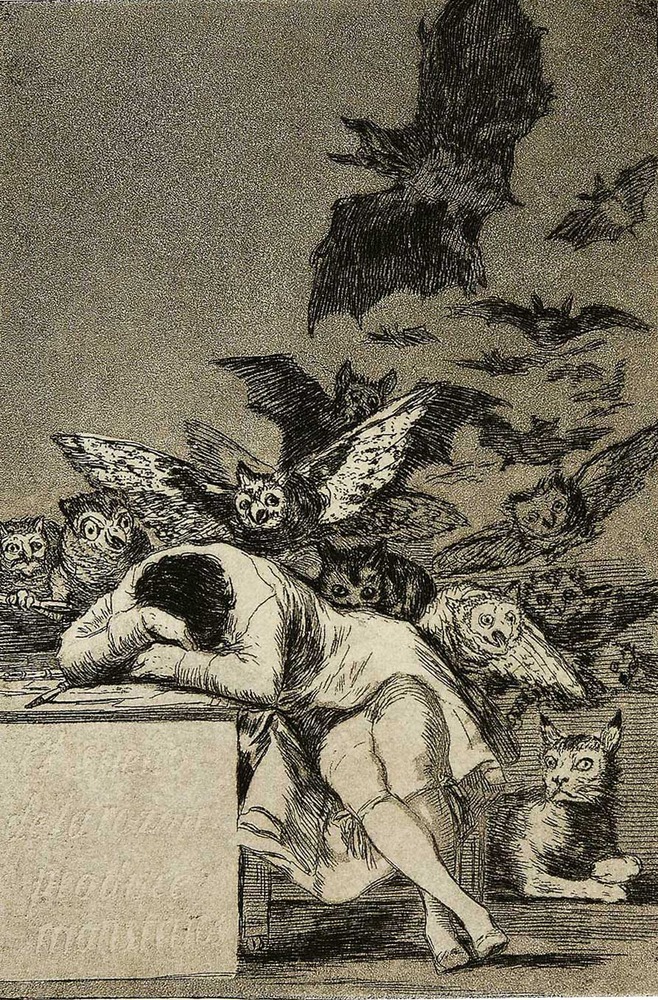
Goya Museum - Ibercaja Collection - Camón Aznar Museum
Zaragoza
Museo Camón Aznar is one of the notable art museums in Zaragoza, the capital of Aragon. The institution takes its name from José Camón Aznar, an Aragonese professor, art critic and collector whose private collection forms the core of the museum's holdings. Today the museum operates under its full title, Museo Goya – Colección Ibercaja – Museo Camón Aznar, and is run by the Ibercaja Foundation (La Obra Social de Ibercaja). What will you find inside? The backbone of the collection is the estate that Camón Aznar bequeathed to Aragon, a gesture meant to keep his lifetime of collecting accessible to both locals and visitors. Inside, guests encounter paintings and graphic works spanning different periods of Spanish art, with the works of Francisco Goya — the region's most celebrated painter — occupying a special place, as reflected in the museum's official name. The presence of "Museo Goya" in the institution's title signals clearly that Goya's output is one of the main draws for anyone visiting Zaragoza. Walking through the rooms, visitors can trace how one man's private passion for collecting grew into an institution of regional importance. It's a rare chance to see a collection shaped by the eye of a single connoisseur over decades, rather than assembled by an anonymous museum committee — which explains the personal, curated feel of the display. Who was José Camón Aznar? José Camón Aznar was a distinctive figure in Aragon's cultural life, combining an academic career as a professor with work as an art critic and a lifelong dedication to collecting. It was his decision to hand his collection over to the region that allows residents of Zaragoza and visiting travelers to view, today, works he spent years gathering privately. The museum is therefore not only an art gallery but also a testimony to one biography and one vision of what a publicly accessible art collection should be. How do you get there? Museo Camón Aznar is located in Zaragoza, a city that is easy to reach by train — the Zaragoza-Delicias station serves high-speed connections from Madrid and Barcelona — or by air through Zaragoza's airport. The museum itself sits within the historic city centre, within walking distance of major landmarks such as La Seo Cathedral and the Basilica of Nuestra Señora del Pilar, which makes it simple to combine a museum visit with a walk through the rest of the old town in a single day. When is the best time to visit? Because the collection is displayed indoors, Museo Camón Aznar makes a good option year-round: in the height of summer, the air-conditioned galleries offer relief from Aragon's heat, while in the cooler months an indoor visit can be more comfortable than walking the streets outside. It's worth planning enough time to take in the collection without rushing — this is a place where the quality of the encounter with the art matters more than the speed of the visit. Frequently asked questions Who is the museum named after? The museum is named after José Camón Aznar, an Aragonese professor, art critic and collector whose collection forms the basis of the exhibition. Which artist is especially associated with this museum? The museum's full name — Museo Goya – Colección Ibercaja – Museo Camón Aznar — points directly to Francisco Goya's work as one of the pillars of the collection. Who manages the museum? The museum is run by the Ibercaja Foundation (La Obra Social de Ibercaja). Is the museum located in central Zaragoza? Yes, it sits within the historic centre of Zaragoza, close to the city's other main tourist attractions.
-
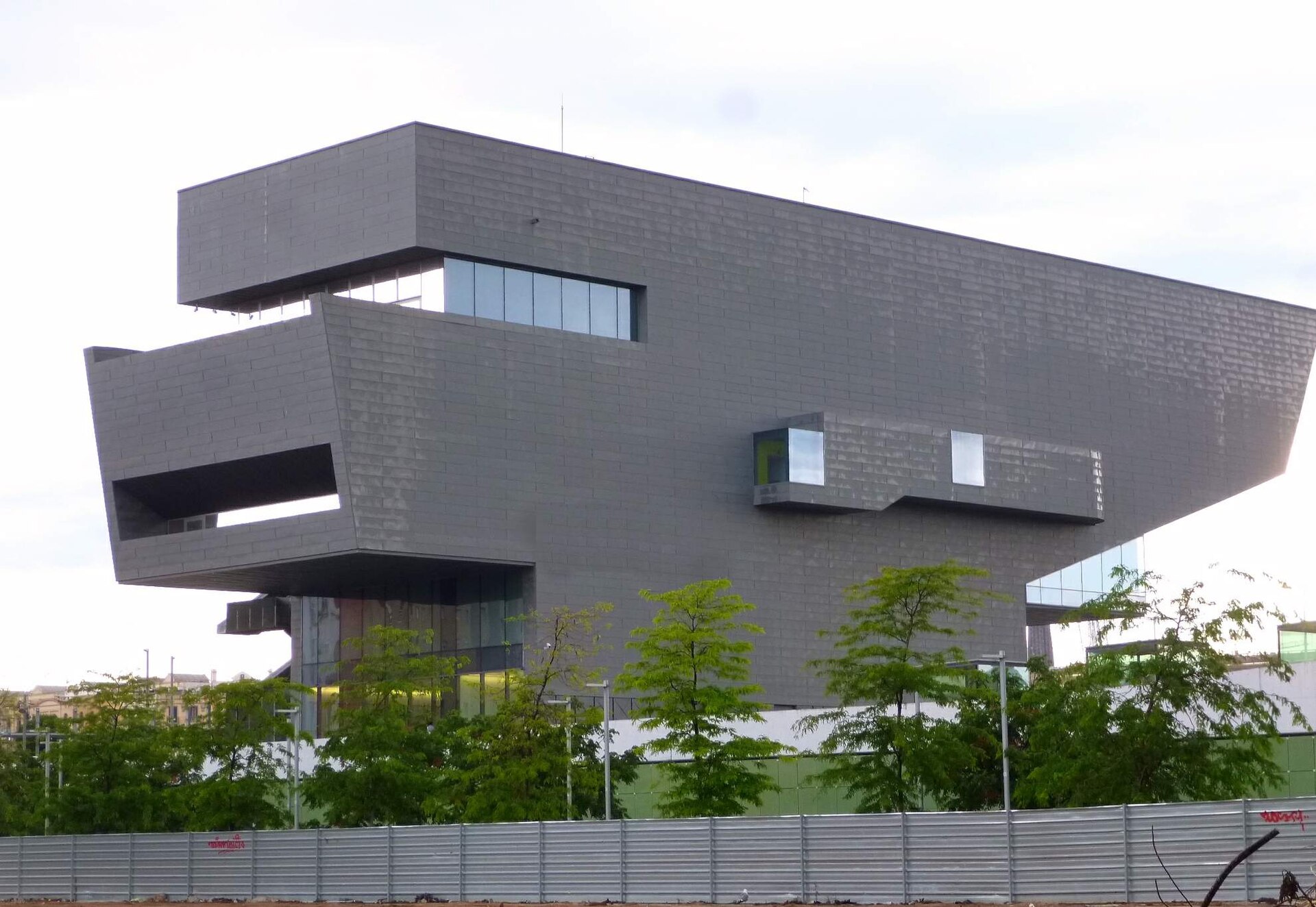
Disseny Hub Barcelona
Barcelona
Disseny Hub Barcelona is a design institution in Barcelona, operating as part of the city's Institute of Culture (Institut de Cultura de Barcelona, ICUB). It functions both as a museum and as a laboratory, aiming to promote a deeper understanding and thoughtful use of design in everyday life. What exactly is Disseny Hub Barcelona? Rather than focusing on a single discipline, the institution covers design in a broad sense, organized around four branches: space design (interior architecture and design applied to everyday environments), product design (objects, furniture, and everyday items), information design (visual communication, graphics, signage systems), fashion (clothing and accessory design). This structure lets visitors see design not as mere decoration, but as a discipline shaping nearly every part of urban life — from furniture and apps to street signage and clothing. Why is it worth adding to a Barcelona itinerary? Disseny Hub Barcelona is a good stop for anyone interested not only in art and architecture, but also in how everyday objects and spaces are actually designed. It offers something different from the city's classic art museums: the focus here is on functionality, the design process, and the relationship between form and usefulness. The institution also acts as a "laboratory" — a space for testing and discussing new approaches to design, not just displaying finished works. That means its exhibition and event program can shift and evolve alongside current design trends, rather than staying static. Who is this place for? Disseny Hub Barcelona tends to attract: people interested in design, interior architecture, and fashion, design students and practitioners looking for inspiration, visitors who want to see a different side of Barcelona — a city best known for Gaudí and Catalan modernism, but one that also has a strong, contemporary design scene. Because it spans four distinct design fields, most visitors — whether more drawn to fashion or to product design — should find something relevant to their interests. How does it fit into Barcelona's cultural landscape? As part of the Institut de Cultura de Barcelona, Disseny Hub Barcelona operates within a broader network of municipal cultural institutions. Its role goes beyond exhibitions — the mission also includes educating residents and visitors about the "good use" of design, meaning a conscious approach to objects and spaces created with attention to function, aesthetics, and durability. Frequently Asked Questions What does Disseny Hub Barcelona focus on? It is a design institution covering four fields: space design, product design, information design, and fashion. It works simultaneously as a museum and as a laboratory promoting good design practices. Who runs Disseny Hub Barcelona? The institution is part of the Institut de Cultura de Barcelona (ICUB), the municipal body responsible for culture in the city. Is this place only for design professionals? No — while its program appeals to designers and design students, its broad scope (fashion, products, space, information) also makes it accessible to travelers looking for a different perspective on Barcelona's culture. How is Disseny Hub Barcelona different from the city's classic art museums? Instead of focusing purely on artworks, the institution centers on the functional and practical dimension of design — showing how design shapes the objects and spaces people use every day.
-
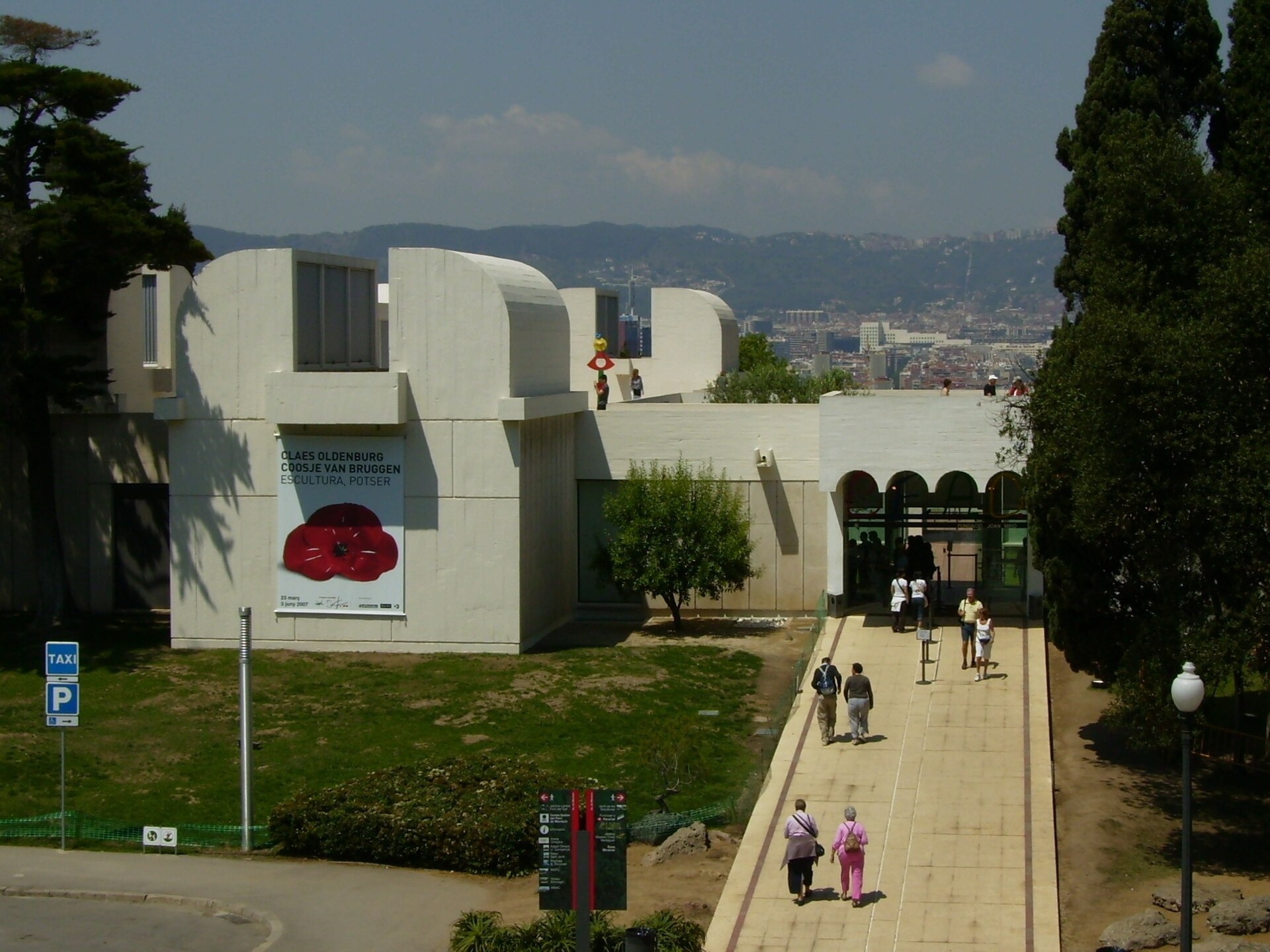
Edifici de la Fundació Joan Miró
Barcelona
Edifici de la Fundació Joan Miró is the home of the Joan Miró Foundation in Barcelona, set on the hill of Montjuïc and regarded as one of the finest examples of rationalist architecture in Catalonia. What will you see inside? The building was designed by Josep Lluís Sert, an architect, town planner and close friend of Joan Miró, who was among the key figures promoting avant-garde architecture in Catalonia. It rose on land granted by the city council in Montjuïc park, and its layout borrows clearly from Le Corbusier's ideas: exhibition rooms are arranged around a central courtyard, creating a spiral route that lets visitors move through the museum without ever retracing the same room while linking its different levels. The structure is built of white concrete and defined by pure, functional forms. Sert placed strong emphasis on natural light, with skylights and large windows brightening the interiors while the whole complex sits in harmony with the surrounding landscape. Traditional materials also feature throughout, including ceramic flooring and Catalan vaulted ceilings. A central patio and a rooftop terrace complete the design — Mediterranean touches that tie the interior spaces to their outdoor setting. Inside, the Foundation holds more than 14,000 works by Joan Miró, including over 8,000 preparatory sketches, making it one of the largest and most complete collections of the artist's output anywhere in the world. How do you get there? The Foundation stands in Montjuïc park in Barcelona, in an area that gathers several other cultural attractions in the city. It's a natural stop on any route through the hill, alongside the nearby gardens and viewpoints. The building's history Toward the end of the 1960s, Sert and Miró began developing the idea of a "Miró Museum" on this very site. The Foundation's building opened to the public on 10 June 1975. It was later expanded in 1988 and again in 2000 to make room for new services and to increase its exhibition space. Sert's design earned international recognition: the building received the Council of Europe Museum Prize in 1977, and in 2002 it was given the Twenty-five Year Award, granted to architectural works that retain their value and significance a quarter-century after completion. When should you visit? Because the interiors rely heavily on natural light pouring in through the skylights, the building is at its best on sunny days. Montjuïc can get hot and crowded with visitors touring its nearby attractions during summer, so an early-morning visit or a trip outside peak season tends to make for a calmer experience inside the galleries. Frequently asked questions Who designed the Fundació Joan Miró building? The building was designed by Josep Lluís Sert, an architect and close friend of Joan Miró known for promoting avant-garde architecture in Catalonia. When did the Foundation open to the public? It opened on 10 June 1975 and was later expanded in 1988 and 2000. How many works by Joan Miró can be seen at the Foundation? The collection includes more than 14,000 pieces, among them over 8,000 preparatory sketches by the artist. What awards has the building's architecture received? It won the Council of Europe Museum Prize in 1977 and the Twenty-five Year Award in 2002.
-
Museum of the Asturian People
Gijón/Xixón
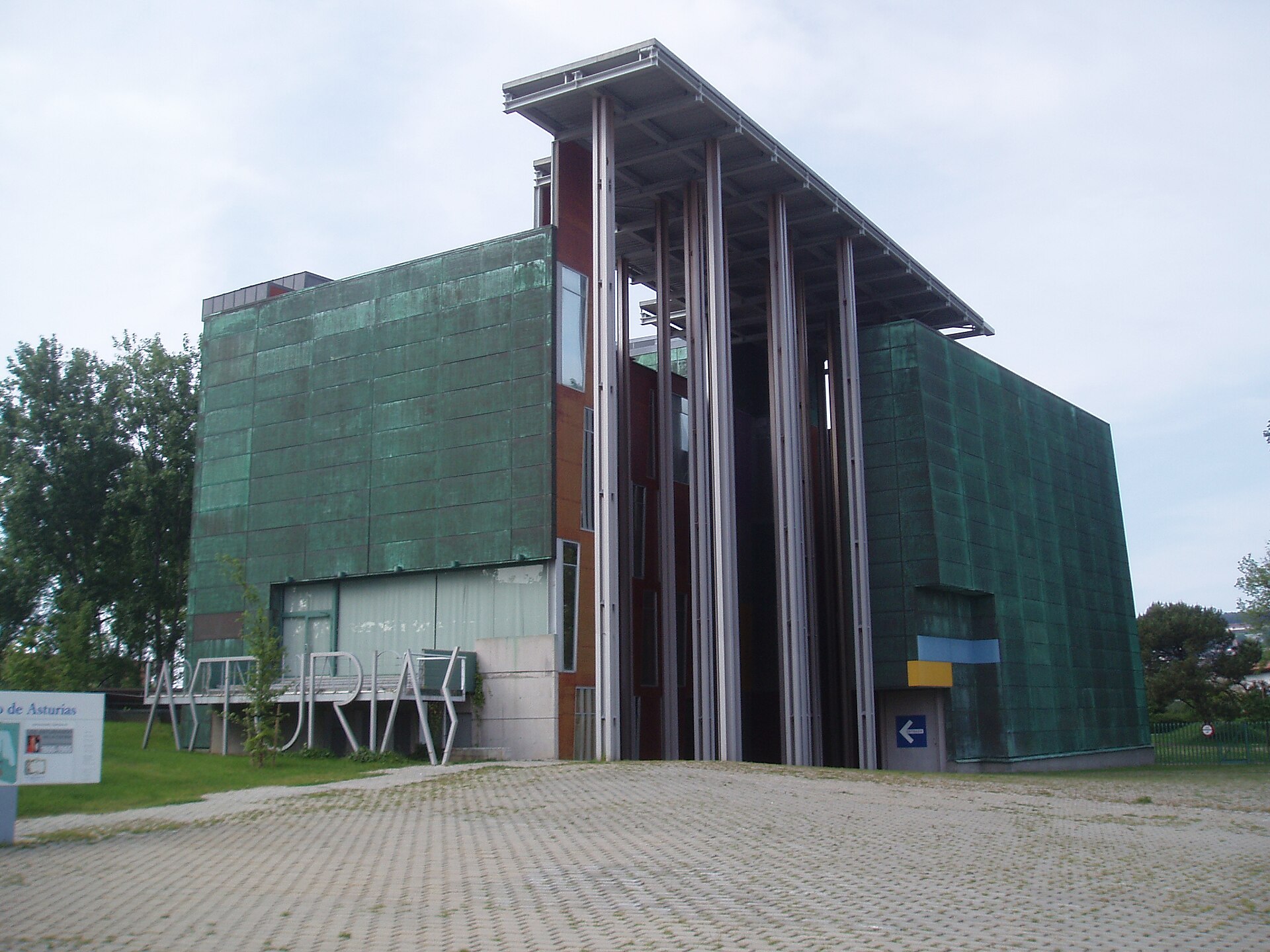
The Museum of the Asturian People in Gijón is one of the region's most distinctive cultural institutions, dedicated to the folk heritage and everyday traditions of Asturias. Rather than a single indoor exhibition hall, visitors encounter an open-air museum grounds where large ethnographic pieces sit alongside a handful of historic buildings, each holding its own story. What will you see there? The site is anchored by three notable structures. Casa de los Valdés serves as the temporary exhibition space, hosting rotating displays on rural crafts, everyday objects and regional customs. Casa de los González de la Vega houses the International Bagpipe Museum, a collection built around traditional Asturian musical instruments — the gaita, the region's iconic bagpipe, sits at the heart of this display as a symbol of local musical identity. The third landmark is the Asturian Pavilion, originally constructed for the 1992 Universal Exposition in Seville and later relocated to the museum grounds in Gijón, where it was reinstalled in 1994. It is an unusual case of exhibition architecture that found a permanent public home once its original event had ended. Beyond the buildings, the grounds themselves function as an outdoor art space, scattered with large-scale ethnographic installations that visitors can explore on foot, moving between exhibits at their own pace rather than following a fixed indoor route. How do you get there? The museum is located in Gijón, one of the largest cities in Asturias, well connected by road and rail to the rest of the region. The easiest way to reach the site is on foot or by local public transport from the city centre — its location in a green, open part of Gijón also makes it a pleasant cycling destination. Visitors arriving by car will find parking available nearby. When is the best time to visit? Since a significant part of the museum experience takes place outdoors, spring and summer are the most comfortable seasons for a relaxed walk through the grounds. That said, the indoor exhibition buildings, including the Bagpipe Museum, remain open year-round regardless of weather, making the site a worthwhile stop even outside the main tourist season. Who is this museum for? The Museum of the Asturian People is an essential stop for anyone interested in folk culture, traditional music and the regional history of northern Spain. The combination of ethnographic displays, a unique instrument collection and the unusual backstory of the Asturian Pavilion makes it appealing both to travellers seeking local character and to those curious about late-20th-century exhibition architecture. Frequently asked questions What is the Museum of the Asturian People? It is an open-air ethnographic museum in Gijón showcasing Asturian folk culture through outdoor installations and exhibitions housed in three historic buildings. What is the International Bagpipe Museum? It is part of the same museum complex, located in Casa de los González de la Vega, and holds a collection of traditional Asturian musical instruments, including bagpipes known as gaitas. Where did the Asturian Pavilion on site come from? The building was originally constructed for the 1992 Universal Exposition in Seville and was later relocated and reinstalled at the museum grounds in Gijón in 1994. Can the museum be visited year-round? Yes — the exhibition buildings are open throughout the year, although the outdoor areas are most enjoyable during the spring and summer months.
-
Museu Boca del Calvari
Benidorm
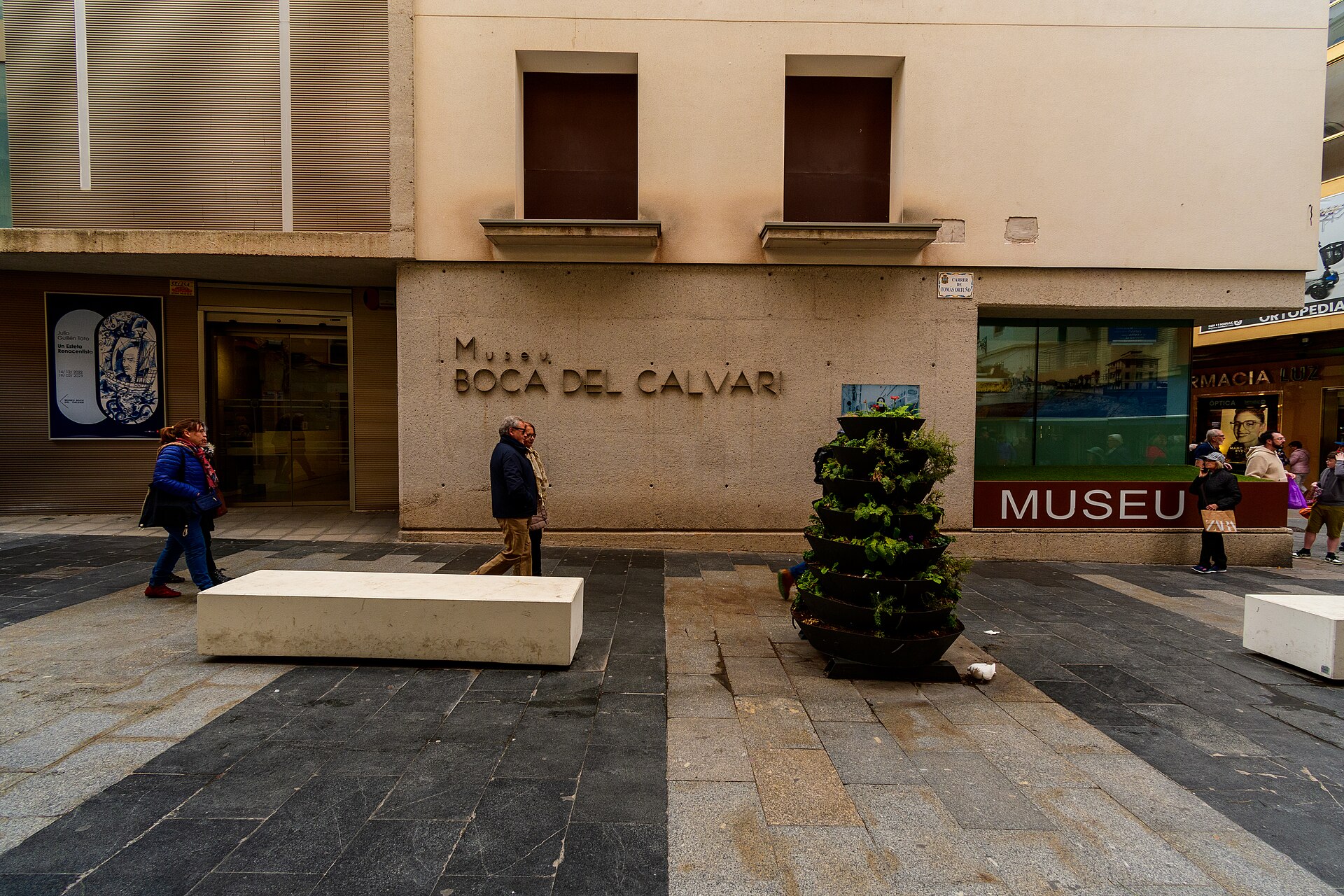
Museu Boca del Calvari is the municipal history and art museum of Benidorm, on Spain's Costa Blanca. It stands on Calle Tomás Ortuño in the town centre, on the site of Benidorm's original town hall — land donated to the municipality by Gaspar Ortuño Orts back in 1916. The old building was replaced in 2012 by a contemporary structure with a fully glazed ground floor, an investment of roughly 1.6 million euros supported through a regional development plan. The museum opened its doors to the public in March 2015. What will you see inside? The museum's programme rests on two pillars. The first is a permanent archaeological display, the Lluís Duart i Alabart Archaeological Hall, opened in July 2024. It brings together more than 500 pieces spanning the Neolithic period to the 20th century, drawn from the town's archaeological, archival, library and photographic collections. Its centrepiece is a Roman lead anchor weighing 350 kilograms — the largest of its kind ever found in the province of Alicante. The second pillar is a rotating programme of temporary exhibitions covering both local history and contemporary art. Past shows have featured photographer Martin Parr and architect Óscar Tusquets, alongside thematic exhibitions such as a retrospective on the Benidorm International Song Festival (1959–2006). The museum has also displayed finds from local excavations spanning prehistory to the early modern era, tracing how the town evolved from its earliest settlers into the tourist resort it became in the second half of the 20th century. How do you get there, and when should you go? Museu Boca del Calvari sits right in Benidorm's old town, an easy walk from either Levante or Poniente beach into the historic centre. The building is fully accessible, with ramps, a lift and adapted facilities for visitors with disabilities. Admission is free. The museum generally opens in the afternoon and evening, with longer hours in the summer months — it's worth checking the current schedule before visiting, since opening times shift with the season and with whatever exhibition is running. Guided tours can be arranged for groups. Early afternoon is a good time to visit, giving you somewhere cool to spend an hour during the hottest part of the day before heading back out to the beach or into the old town's restaurants in the evening. Who is this museum for? It suits visitors curious to see a side of Benidorm beyond the beaches and high-rises: a town with a history reaching back to prehistoric and Roman times, long before it became one of the Costa Blanca's best-known resorts. The archaeological hall will appeal to anyone interested in the region's past, while the changing temporary exhibitions also draw in art and photography enthusiasts. Frequently asked questions Is admission free? Yes, entry to the museum is free of charge. Where exactly is the museum located? On Calle Tomás Ortuño, in the centre of Benidorm, in the building that replaced the town's old town hall. What is the museum's main exhibit? A 350-kilogram Roman lead anchor, the largest ever found in the province of Alicante, displayed in the Lluís Duart i Alabart Archaeological Hall. Is the museum accessible for visitors with disabilities? Yes, the building has ramps, a lift and fully adapted facilities.
-
Centro Arqueolóxico do Barbanza
Boiro
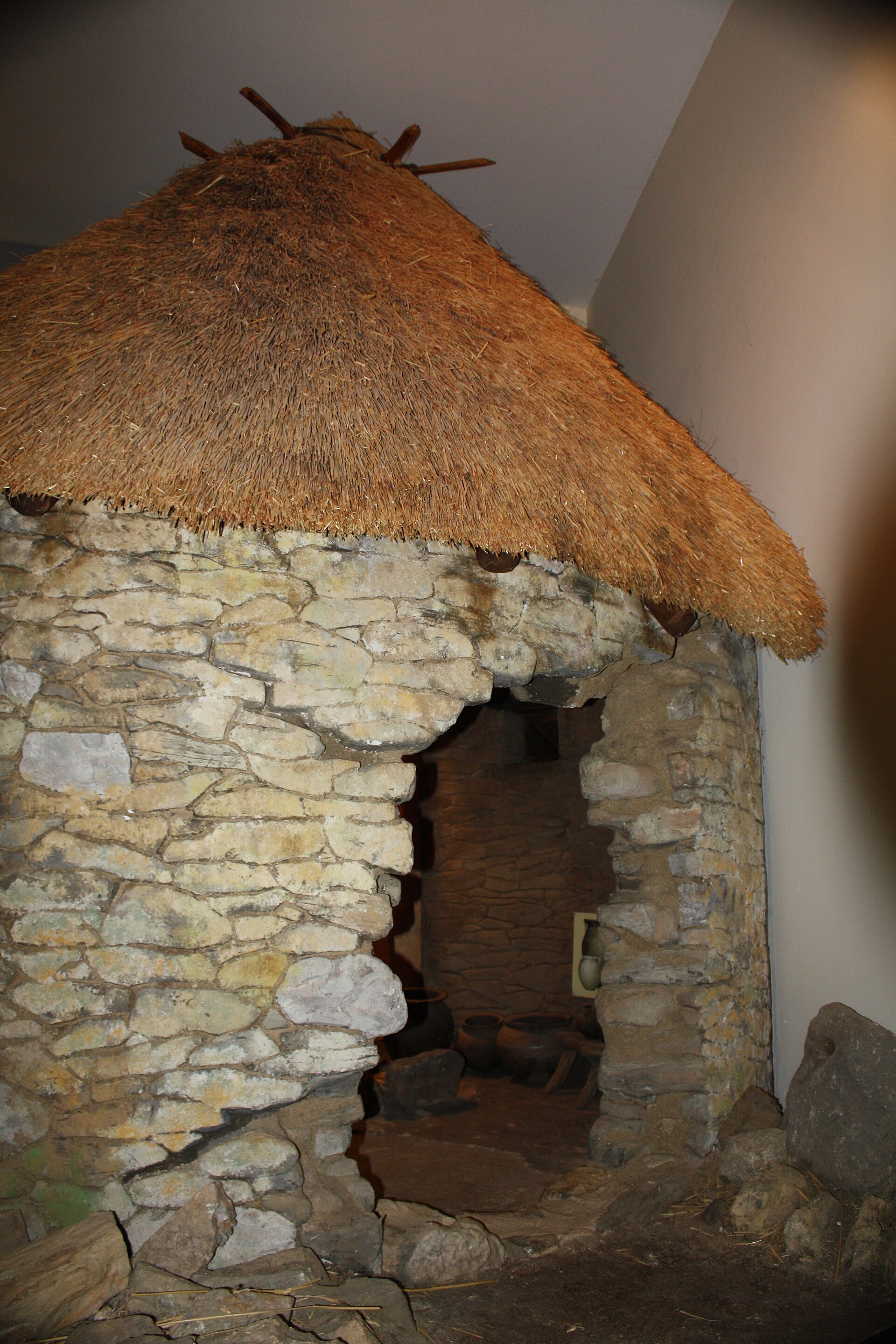
Centro Arqueolóxico do Barbanza is a small interpretation centre dedicated to the prehistory of the Barbanza peninsula, located in Boiro, in the Galicia region of northwestern Spain. Where exactly is the centre located? The building stands on the Punta de Neixón isthmus, in the village of Nine, within the parish of Cespón, part of the municipality of Boiro (province of A Coruña). This narrow, rocky headland juts into the Ría de Arousa and sits directly beside two hillforts: Castro de Neixón Pequeno and Castro de Neixón Grande. That proximity is exactly why the centre was built here — visitors can walk straight from the exhibition to the excavation site itself. What is the centre and when was it founded? The centre has been operating since late 2002. Its creation was driven by the Rede Galega do Patrimonio Arqueolóxico (Galician Network for Archaeological Heritage), established the previous year by the Servizo de Arqueoloxía of Galicia's Directorate-General for Cultural Heritage. It is run by the Culture and Heritage Department of Boiro's town council. In December 2012, the Consello da Xunta (the Galician regional government) formally recognised and classified it as a visitable archaeological collection of local scope — the first institution of this kind in all of Galicia. What does the exhibition cover? The centre's programme focuses on three cultural threads spanning several millennia of the Barbanza region's history: Neolithic burial phenomena — earthen mounds (mámoas) and dolmens, the oldest traces of organised settlement in the area. Rock art from the early metal ages — petroglyphs carved directly into the local rock, a hallmark of Galicia's coastline. Iron Age hillfort culture (castros) — fortified settlements, best represented locally by the neighbouring Castros de Neixón. Why do the Castros de Neixón matter? The Neixón Pequeno and Neixón Grande hillforts rank among the most significant archaeological sites in the northwestern Iberian Peninsula. Research campaigns here date back to the early 20th century and have continued, intermittently, ever since, yielding evidence of successive occupation phases on this rocky headland, from the Iron Age through the Roman period. Who is this site aimed at? The centre is aimed mainly at visitors interested in regional archaeology, Galician history and the cultural landscape of the Barbanza peninsula. Given its scale — a local-level institution rather than a large museum — it works best as a complement to a walk around the Punta de Neixón headland and a visit to the hillforts themselves, rather than as a standalone, multi-hour destination. How to get there and what to know before visiting The centre sits by the village of Nine (Cespón), in the municipality of Boiro, on the shore of the Ría de Arousa. Because opening hours at smaller Galician cultural centres tend to vary seasonally, it's worth contacting the centre directly by phone or email before visiting to confirm current visiting hours. Frequently Asked Questions Where exactly is Centro Arqueolóxico do Barbanza located? In the village of Nine, parish of Cespón, municipality of Boiro, on the Punta de Neixón isthmus, right next to the Castro de Neixón Pequeno and Castro de Neixón Grande hillforts. When was the centre founded and who runs it? It has operated since late 2002 and is managed by Boiro's Culture and Heritage Department. In 2012, Galicia's regional government officially recognised it as the region's first visitable archaeological collection of local scope. Which historical periods does the exhibition cover? Three main themes: Neolithic burial mounds and dolmens, petroglyphs from the early metal ages, and Iron Age hillfort (castro) culture. Is it worth combining the visit with anything else? Yes — the centre sits directly beside the Neixón hillforts, so a walk around the headland and the excavation site is a natural extension of the visit.
-
García Lorca family historic mansion
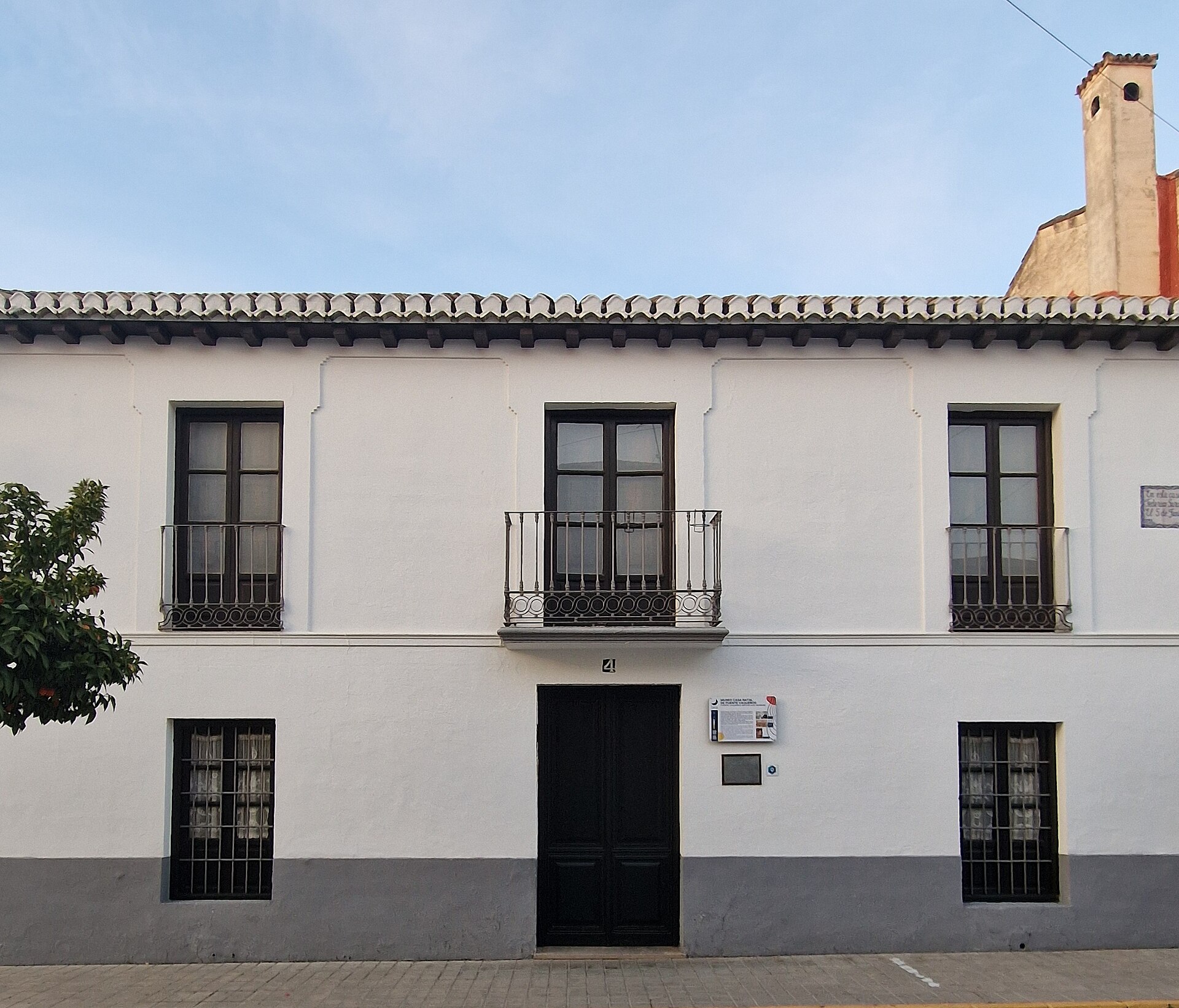
The García Lorca family historic mansion stands in Fuente Vaqueros, a small town in the province of Granada, and marks the birthplace of one of the most important Spanish poets and playwrights of the 20th century. Why does this house matter to literature travelers? Federico García Lorca was born here on 5 June 1898. The building is a typical farmhouse of the La Vega region, built in 1880 when the poet's father, Federico García Rodríguez, married his first wife, Matilde Palacios. The Lorca family lived here during the writer's earliest years before moving to nearby Valderrubio and later to the city of Granada. The rural landscape and atmosphere of Fuente Vaqueros left a lasting mark on his work, feeding recurring themes of countryside life, nature and Andalusian identity found throughout his poetry and theater. What can visitors see inside the house-museum today? The house opened to the public as a museum on 29 July 1986, after being acquired by the institution managing the poet's legacy in 1982. It was the first museum devoted entirely to García Lorca. The rooms recreate the furnishings and decor typical of a well-off rural family home in the late 19th century, giving visitors a sense of the domestic setting of the poet's childhood. Upstairs, in what used to be the barn, an exhibition hall now hosts temporary displays and cultural events. What is in the collection? The museum holds an extensive collection of family photographs, manuscripts, first editions of his books, and personal memorabilia connected to the poet and his relatives. The exhibits trace both García Lorca's biography and the literary and historical context in which he worked, from his early interests in music and theater to his mature poetry and drama. How to plan a visit The house-museum is located at Calle Poeta Federico García Lorca, nº 4, in Fuente Vaqueros, province of Granada. Visits are guided and run at set times that change with the season — mornings typically from 10 am to 1 pm, with afternoon hours differing between summer and winter. The museum is closed on Mondays, public holidays, and Sunday afternoons. Booking ahead by phone or email is recommended, especially in high season, since guided tour slots are limited. Fuente Vaqueros sits in the La Vega de Granada, a fertile, irrigated farming region that has long been the economic backbone of the area. A visit to the house-museum pairs well with a walk through the town itself, where traces of the landscape the poet knew as a child are still visible. Frequently Asked Questions Where exactly is the García Lorca family historic mansion located? In Fuente Vaqueros, at Calle Poeta Federico García Lorca nº 4, in the province of Granada, Andalusia. When was Federico García Lorca born here? On 5 June 1898, in the house that belonged to his family at the time. Since when has the house operated as a museum? It opened to the public on 29 July 1986, after the building was acquired in 1982. Can visitors explore on their own, or is it guided-only? Visits are guided, at set times that vary by season; advance booking is recommended.
-
Casa Museo de María Pita
A Coruña
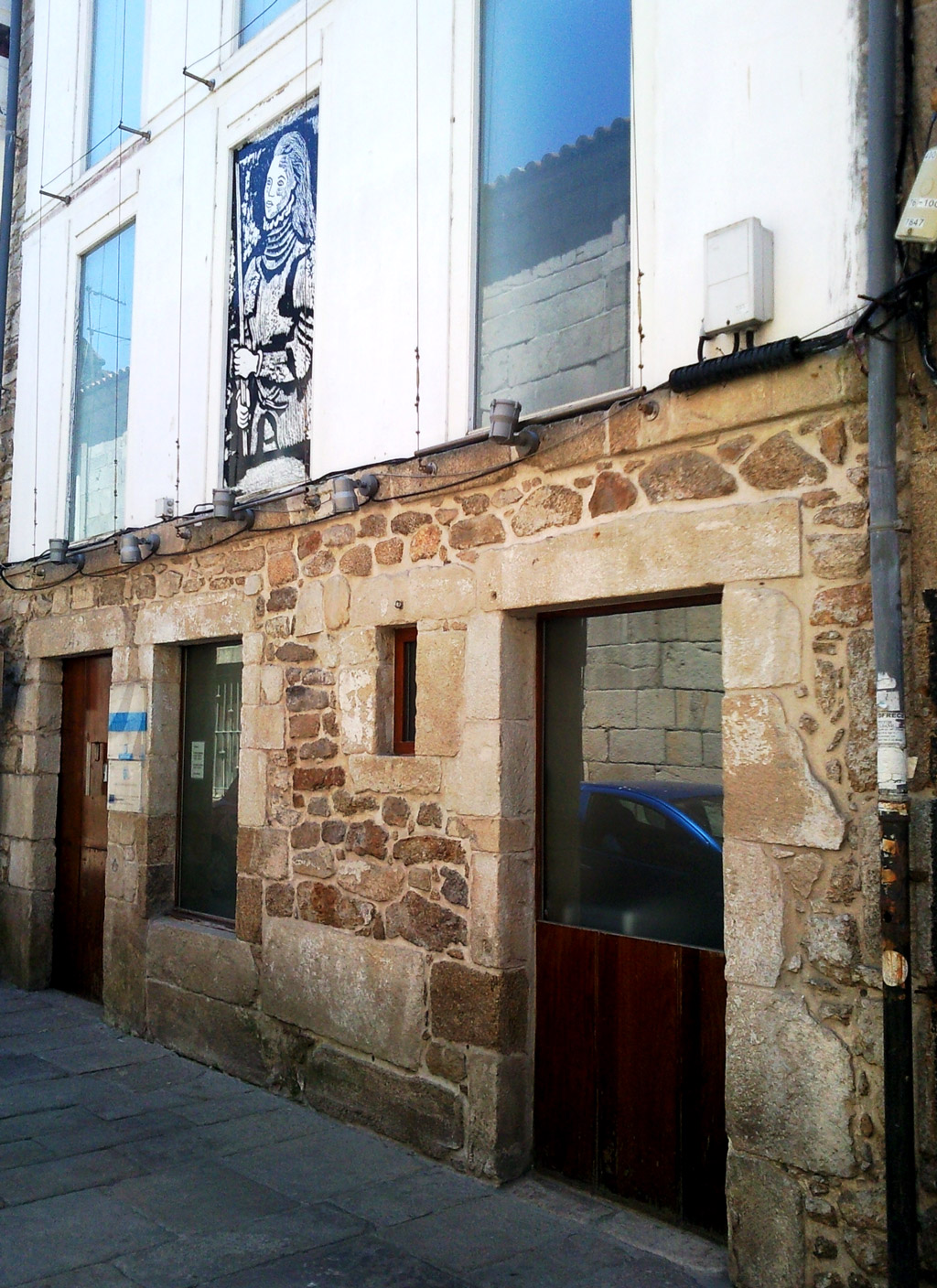
Casa Museo de María Pita is a small biographical museum in A Coruña dedicated to the city's local heroine, who in 1589 helped defend the town against an English fleet. The building stands on Calle Herrerías, right in the heart of the old town, just steps from the Puerta de Aires — the gate where the decisive moment of the siege is said to have played out. Who was María Pita, and why does she have a museum here? María Pita is remembered in A Coruña as the woman who, at a critical moment during the attack of the English armada led by Francis Drake, took matters into her own hands and helped turn back the assault on the city. She remains a symbol of local courage to this day, and the city's main square also carries her name. The museum on Herrerías Street was created to tell both her personal story and the broader realities of the era she lived through. What is inside the museum? The exhibition is spread across a ground floor and three upper levels. The ground floor recreates the home of María Pita's parents, including the family shop and the main bedroom, reconstructed with details meant to reflect everyday life of the period. The upper rooms take a more informational approach: one introduces visitors to the political and social situation in Galicia during the 16th and 17th centuries, while another explains the tensions between Spain and England that led to the 1589 attack on A Coruña. The ground floor is also occasionally used for temporary themed exhibitions unrelated to María Pita herself. How much does it cost, and what are the opening hours? Admission is free. The museum is open Tuesday through Saturday, from 10 a.m. to 1 p.m. and 5 p.m. to 8 p.m. It is closed on Sundays, Mondays, and public holidays, so it is worth planning a visit for a weekday, either around midday or in the early evening. How do you get there, and how much time should you set aside? The museum sits right in the historic centre, close to Plaza de María Pita and the cathedral, so it is easy to combine with a walk through the rest of the old town on foot. Given the modest size of the exhibition, a visit typically takes between 30 and 45 minutes — it works best as a stop within a longer walk through historic A Coruña rather than a destination for an entire afternoon. Is it worth visiting with children or in a group? The intimate scale of the museum and its reconstructed interiors make it a good fit for visits with school-age children, who often find it easier to picture daily life four centuries ago by looking at a recreated bedroom or shop than by reading a plain historical account. Occasional guided tours are also offered for groups or visitors wanting more historical context, though it is worth checking current availability beforehand, since these do not run every week on a fixed schedule. Frequently Asked Questions Is admission to Casa Museo de María Pita free? Yes, entry is completely free of charge. What are the opening hours? Tuesday to Saturday, 10 a.m.–1 p.m. and 5 p.m.–8 p.m. The museum is closed on Sundays, Mondays, and public holidays. How much time should I plan for a visit? Around 30 to 45 minutes is usually enough, since the exhibition is compact and spread across four small levels. Where exactly is the museum located? On Calle Herrerías 28, in A Coruña's old town, close to the Puerta de Aires and Plaza de María Pita.
-
Coruña Fine Arts Museum
A Coruña
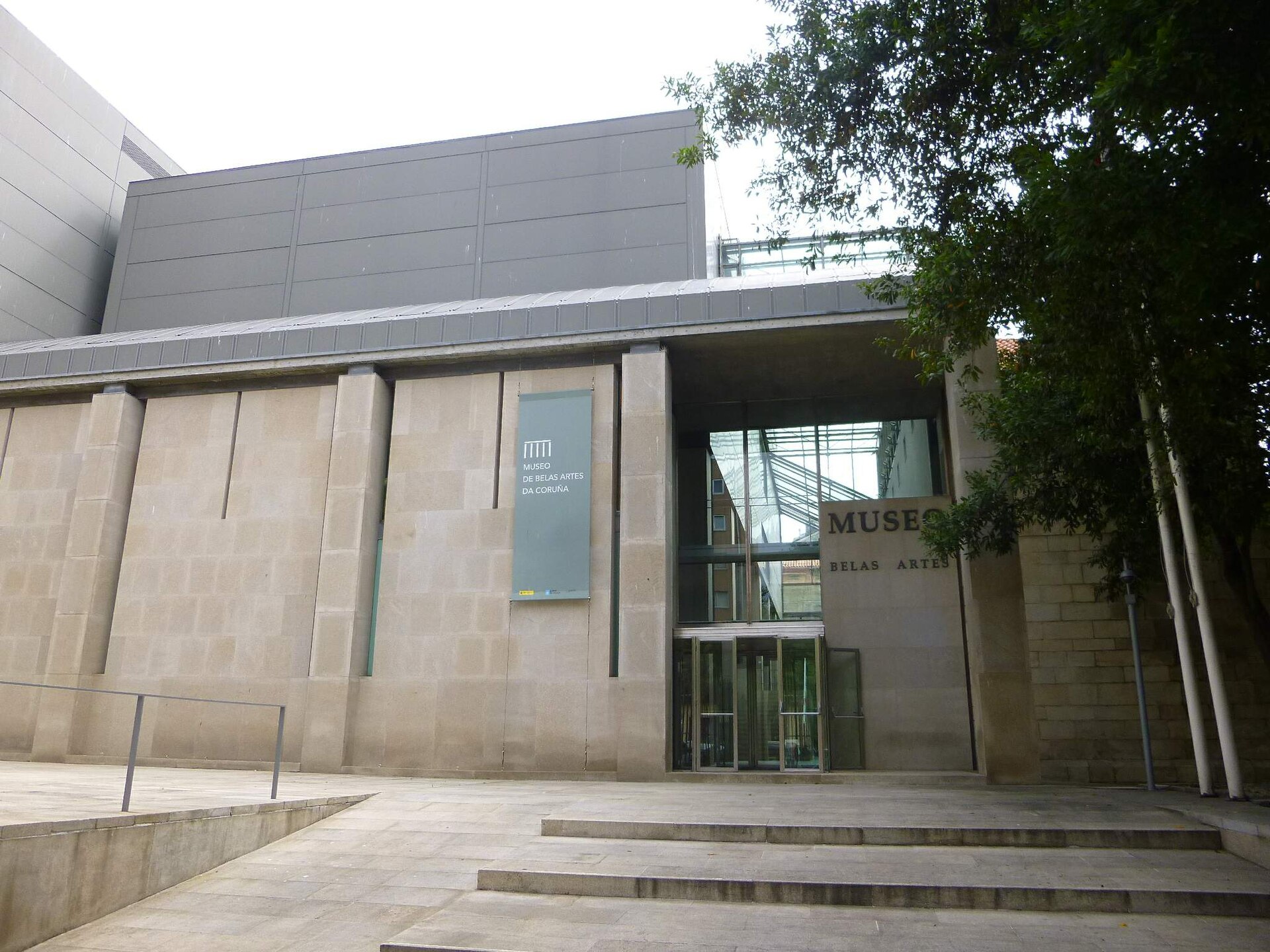
The Coruña Fine Arts Museum in A Coruña stands as one of Galicia's leading art institutions, housing a collection of more than 5,000 works spanning painting, sculpture, engraving, and ceramics. The museum occupies a striking modern building designed by Galician architect Manuel Gallego Jorreto, built on the grounds of a former Capuchin convent and incorporating surviving 18th-century masonry originally attributed to Fernando Casas y Novoa. How did the museum come to be? The idea of establishing an art museum in A Coruña first surfaced toward the end of the 19th century, but it took until 1922 for a group of local intellectuals, artists, and art patrons to formally found the institution. Even then, the museum did not open its doors to the public until 1947. For decades the collection shifted between temporary homes — in 1938 part of it was moved into the Consulado del Mar building. The museum only gained a permanent, purpose-built home in 1995, when the current building opened on the site of the former Capuchin Sisters' convent. What is in the collection? The painting collection ranges from the 16th century to contemporary work, featuring prominent Galician artists such as Sotomayor, Colmeiro, Laxeiro, and Seoane alongside European masters including Arellano, Rubens, Carducho, and Frans Francken. Beyond painting, the galleries hold sculpture, prints, ceramics, and decorative art. Among the most celebrated pieces are a set of etchings by Francisco Goya and ceramic works from the historic Sargadelos factory, one of Galicia's most recognized 19th-century ceramic producers. Why is this museum worth visiting? The Fine Arts Museum combines artistic depth with architectural interest — the building itself, blending contemporary design with the historic fabric of the former convent, rewards a close look. Visitors can trace several centuries of Galician and European art in a single space, from old masters to 20th-century Galician painters. For anyone exploring the region's cultural identity, it is one of A Coruña's essential stops. Where is the museum located? The museum sits in central A Coruña, in Galicia, in northwestern Spain, on the grounds of a former convent complex. Its central location makes it an easy addition to a day exploring the city's cultural sites. Frequently Asked Questions When was the Coruña Fine Arts Museum founded? The institution was formally established in 1922, though it did not open to visitors until 1947. The current building, designed by Manuel Gallego Jorreto, opened in 1995. How many works does the museum hold? The collection includes more than 5,000 objects — paintings, sculptures, prints, ceramics, and decorative art pieces — dating from the 16th century to the present. Which artists are featured in the museum? Highlights include Galician painters Sotomayor, Colmeiro, Laxeiro, and Seoane, along with European masters such as Rubens, Carducho, Arellano, and Frans Francken. A notable set of etchings by Goya draws particular attention. What is distinctive about the museum building? The building stands on the site of a former Capuchin convent, combining modern architecture with preserved 18th-century masonry originally attributed to Fernando Casas y Novoa.
-
Santiago Casares Quiroga
A Coruña
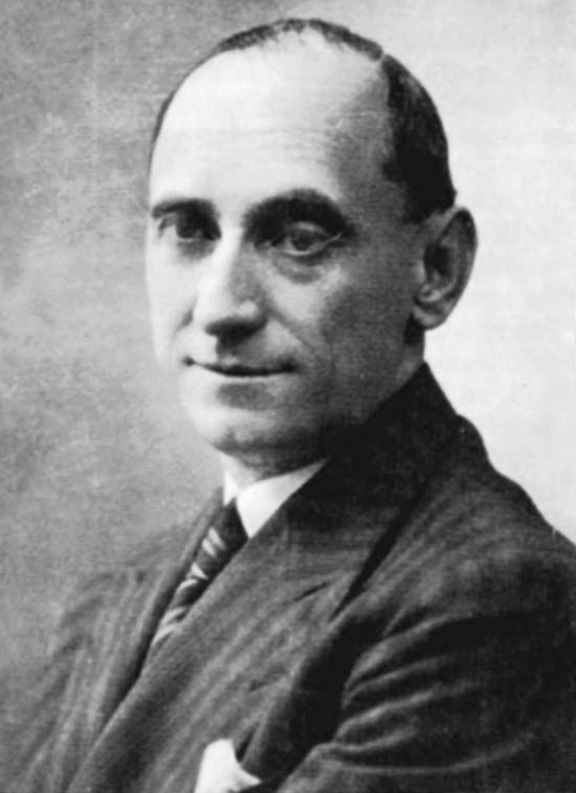
Casa Museo Casares Quiroga is a small biographical museum in A Coruña, set up in the family home of Santiago Casares Quiroga, the last prime minister of Spain before the outbreak of the civil war. Who was Santiago Casares Quiroga? Santiago Casares Quiroga was born in A Coruña in 1884. Trained as a lawyer, he became a leading figure in the Galician republican movement during Spain's Second Republic and rose to the highest office in the country. He served as prime minister of the republican government from May to July 1936, resigning just 48 hours after the military uprising that turned into the Spanish Civil War. That short, tense period is what ties his personal story to one of the most dramatic turning points in twentieth-century Spanish history. Where is the house, and what makes it distinctive? The building stands at Rúa das Panadeiras 12, in A Coruña's historic quarter. It was not only the politician's home — it is also where his daughter, María Casares, was born in 1922. She went on to become an acclaimed stage and film actress, working mainly in France. This double thread — politics and the arts — gives the museum its particular character: the story of one family whose two branches were each shaped, in very different ways, by the upheavals of the twentieth century. What can visitors see inside? The permanent display is organized around three themes. The first is dedicated to the Casares Quiroga family itself and everyday life in the house on Panaderas. The second traces Santiago Casares Quiroga's political career against the backdrop of the Second Spanish Republic, following his ideals and the decisions he made during the fraught weeks of 1936. The third focuses on María Casares, from her Galician childhood to her career on the Parisian stage. Together, the three sections let visitors see how political history and cultural history intertwined within a single family. How did the house become a museum? The property on Rúa das Panadeiras passed into the hands of the A Coruña city council in 2001, when local authorities decided to acquire the building linked to the memory of the Casares Quiroga family. In the years that followed, the house was converted into a municipally run museum, opened to residents and visitors interested in the history of Galicia and the Republic. How can you plan a visit? The museum is open Tuesday to Saturday from 10:30 to 14:00 and again from 17:30 to 20:00, and on Sundays only in the morning, from 10:30 to 14:00. It is closed on Mondays. Admission is free, which makes Casa Museo Casares Quiroga an easy addition to a walk through A Coruña's old town, alongside the city's other historic sites. Frequently Asked Questions Is admission to Casa Museo Casares Quiroga free? Yes, entry to the museum is free of charge. Who was María Casares, and what is her connection to this house? María Casares was the daughter of Santiago Casares Quiroga, born in this house in 1922. She became a celebrated stage and film actress, mainly in France, and part of the museum's permanent display is devoted to her life and career. Why is Santiago Casares Quiroga significant in Spanish history? He was prime minister of the government of the Second Spanish Republic in 1936 and resigned only 48 hours after the military uprising that triggered the Spanish Civil War. Is the museum open every day? No, it is closed on Mondays. Opening hours also vary through the rest of the week — longer hours from Tuesday to Saturday, and morning-only on Sundays.
-
Museu Deu
el Vendrell
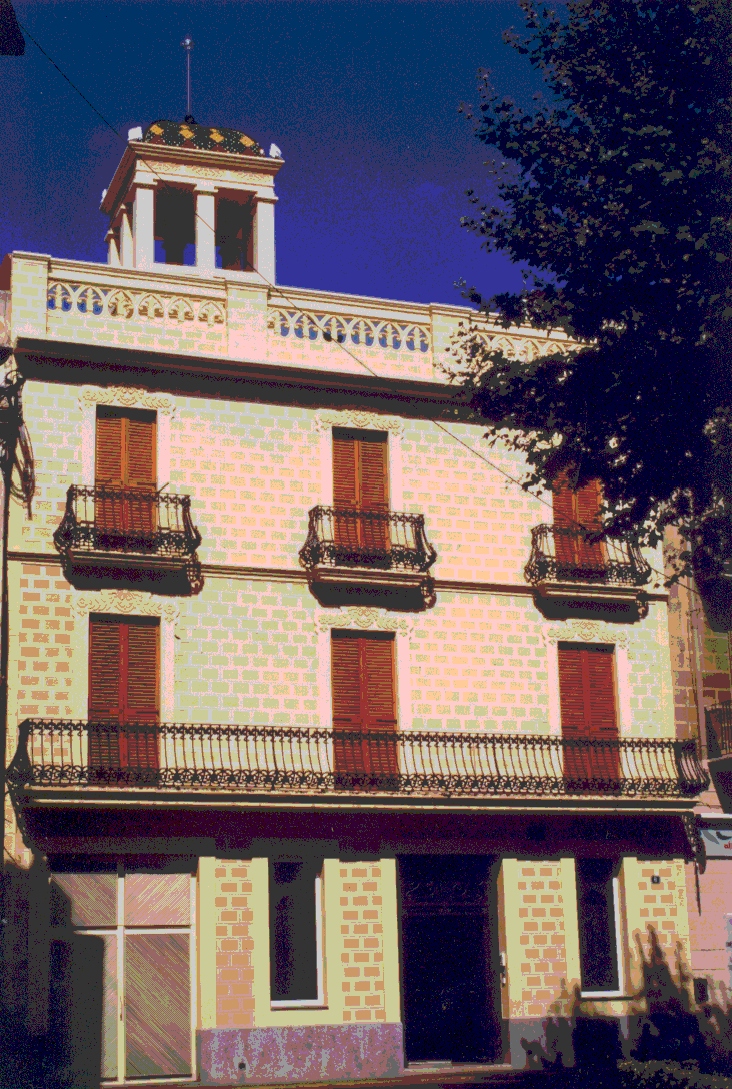
Museu Deu is a small, intimate art museum in el Vendrell, a Catalan town on the Costa Daurada coast. It occupies a restored 19th-century manor house that once belonged to the Rabassó family, standing on Plaça Nova right in the heart of the old town, just a short walk from the rest of the town's sights. The collection was born from a donation by Antoni Deu i Font, a local notary and passionate art collector, and the museum opened its doors in April 1995. What will you find inside? Four exhibition rooms hold works spanning from the 12th century to the present day: religious carvings, paintings by Catalan artists such as Ramon Casas, Joaquim Mir and Joaquim Sunyer, tapestries, glasswork, ivory pieces, goldsmith's work and ceramics. One of the most memorable features is the collection of oriental carpets, which visitors view from above by walking across a purpose-built glass floor suspended over the display — an unusual touch for a museum of this size. The layout is clear and easy to follow, guiding visitors chronologically and thematically through the rooms, so even a short visit gives a full sense of the collection without feeling rushed or overwhelming. How do you get to Museu Deu? The museum sits in central el Vendrell at Plaça Nova 6, an easy walk of about ten to fifteen minutes from the town's train station, served by the R2/RT2 lines connecting Barcelona and Tarragona. El Vendrell also has bus links to nearby Costa Daurada resorts such as Coma-ruga and Sant Salvador. Drivers will find municipal parking near the old town. When should you visit, and what does it cost? In July and August the museum opens Tuesday to Friday from 10 a.m. to 2 p.m. and 6 to 8 p.m., Saturdays from 11 a.m. to 2 p.m. and 6 to 8 p.m., and Sundays from 11 a.m. to 2 p.m. Outside the summer months, the afternoon slot shifts slightly earlier, to 5–7 p.m. General admission costs 5 euros, with a reduced rate of 2.25 euros for retirees, students, teachers and groups of 15 or more. Admission is free for residents of el Vendrell, unemployed visitors and children under 12. Guided tours, bookable in advance, cost 8.35 euros per group. Budget around an hour to ninety minutes for a relaxed visit through all four rooms, leaving time afterward for a stroll through el Vendrell's old town and its nearby seafront promenade. Why is it worth a visit? Museu Deu stands out among regional collections for the quality and range built up by a single private collector — a rare chance to see religious art, Catalan paintings from the turn of the 19th and 20th centuries, and decorative craftsmanship spanning several centuries, all in one place and without the crowds of a major city museum. The building itself adds to the experience: the restored manor house, with its period architectural details, sits well alongside the works displayed inside. Frequently asked questions How long does a visit to Museu Deu take? A typical visit lasts between 45 minutes and an hour and a half, depending on whether you join a guided tour. Is the museum suitable for children? Yes. The exhibition is compact and well organized, and admission is free for children under 12, making it an easy addition to a family day out in town. Do you need to book tickets in advance? Individual visits require no reservation, but guided tours should be arranged beforehand by phone or through the museum's website. How does Museu Deu connect with other things to see in el Vendrell? The museum sits in the town's historic center, close to el Vendrell's other cultural sites, so it pairs easily with a walk through the old town and a visit to the nearby Costa Daurada coastline.
-
Museo Torre del Vino
Socuellamos
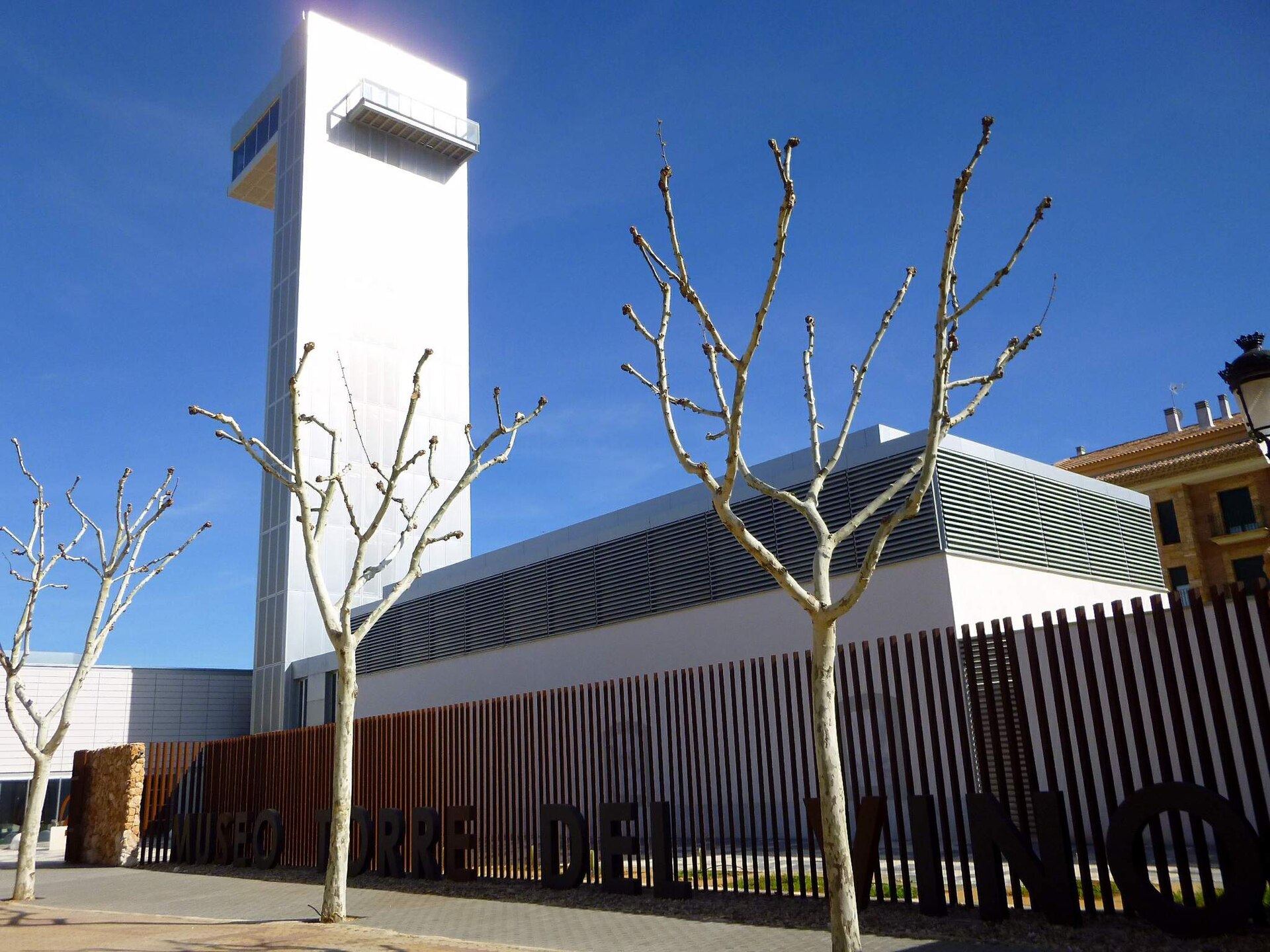
Museo Torre del Vino is one of the most recognizable landmarks of Socuéllamos, a town in the province of Ciudad Real, right in the heart of Castilla-La Mancha. Its tower rises above the rooftops and can be spotted from a distance, and its unusual shape immediately signals what it's about: wine, the product that has shaped this region's economy for generations. What's the story behind this tower? The museum stands on the walls and foundations of Socuéllamos' original 19th-century railway station, which was eventually abandoned as the town grew and rail infrastructure moved on. Rather than tearing the old structure down, local authorities chose to repurpose it, grafting a modern viewpoint tower onto the historic railway remains. The museum officially opened its doors on December 10, 2014, with María Dolores de Cospedal, then president of Castilla-La Mancha, among the guests at the inauguration. What will you find inside? The exhibition walks visitors through the entire winemaking journey, from growing the vines through harvest and fermentation to bottling and tasting. Each room covers a different stage: vineyard cultivation, the vinification process, how to properly assess a wine's aroma and flavor, and how to pair it with food. This isn't a static, text-heavy display — the museum leans on sensory experience and hands-on interaction, so a visit blends learning with actual tasting. The centerpiece, though, is the viewpoint tower at the top of the building, reached by a panoramic elevator. Locals affectionately call it "El Faro de La Mancha" — the Lighthouse of La Mancha — because from up there you get a sweeping view over the entire town and the sea of vineyards that surrounds it. What activities and events does the museum run? Museo Torre del Vino keeps a full calendar of activities throughout the year. Visitors can join guided wine tastings, show-cooking sessions that pair food with wine, and even workshops on painting with wine or training the senses of smell and taste. The museum also hosts concerts, school education programs, and technical training sessions for people working in the wine industry. A dedicated tasting room is designed specifically to let guests focus on the sensory side of wine appreciation. How do you get there and when should you visit? Socuéllamos sits in the province of Ciudad Real, in a region defined by large-scale vine cultivation — one of the pillars of the local economy. The museum is open Wednesday to Saturday from 10:00 to 13:30, then again from 17:00 to 20:00 (October to April) or 18:00 to 21:00 (May to September, when daylight lasts longer). On Sundays and public holidays, it's open mornings only, from 10:00 to 14:00. It's worth timing a visit to cover both the exhibition rooms and the trip up to the viewing terrace — the afternoon light, closer to sunset, tends to give the best views over the surrounding countryside. Frequently asked questions What was this building originally? Socuéllamos' 19th-century railway station. The museum was built on its walls and foundations, combining the historic structure with a modern viewpoint tower. When did the museum open? It was officially inaugurated on December 10, 2014. Why is the tower called "the Lighthouse of La Mancha"? Because of its height and the panoramic view it offers over the town and its surrounding vineyards — from the top, the whole area unfolds before you. Can you taste wine at the museum? Yes, the museum has a dedicated tasting room and regularly organizes professional tastings and events that pair wine with food.
-
Museo de Bellas Artes de Murcia
Murcja
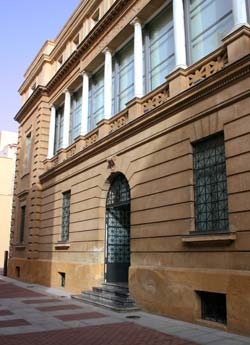
Museo de Bellas Artes de Murcia (MUBAM) is the leading fine arts museum in Murcia, Spain, holding painting and sculpture that span from the medieval period to the 20th century. Where did the museum come from? The institution traces back to 1864, when the Provincial Commission of Monuments established the Museo Provincial, a combined collection that at the time held both artworks and archaeological finds. It was only in 1953, once the archaeological material moved to a separate building — today's Museo Arqueológico de Murcia — that the institution took on its current focus and name, Museo de Bellas Artes de Murcia. The building it now occupies opened in 1910 and underwent a thorough renovation between 2000 and 2005, which brought its infrastructure up to contemporary museum standards. How is the museum laid out? MUBAM occupies two linked pavilions. The historic Pabellón Cerdán houses the permanent painting and sculpture collection, while the Pabellón Contraste serves administrative functions, containing offices, a conference hall, and the space used for temporary exhibitions. The permanent display runs across eight rooms arranged in a roughly chronological and thematic sequence: 15th- and 16th-century painting and the Renaissance in Murcia; 17th-century art in the region; Golden Age painting; an 18th-century room covering the Enlightenment period; academicism moving into eclecticism; costumbrista painting and regionalism; and a final room devoted to allegory, decorative painting, and landscape. What can visitors see in the collection? The galleries bring together Spanish old masters, including works by Bartolomé Esteban Murillo — among them a Crucifixion and an Ecce Homo — and Francisco de Zurbarán. Alongside these hang paintings by artists with strong regional ties, such as Rafael Tegeo, Martínez Pozo, Medina Vera, and Pedro Orrente. Beyond painting, the museum presents sculpture as well as decorative arts collections covering glass and ceramics, plus a holding of antique book editions. Together, this range traces the development of painting and artistic craft in the Murcia region across several centuries. Who is this museum for? Compact yet substantial, MUBAM works well as a half-day cultural stop in central Murcia, and pairs naturally with a visit to the neighboring Museo Arqueológico. The eight themed rooms make it easy to move through Spanish and regional art history at an unhurried pace, and the temporary exhibition space in the Pabellón Contraste means the program is worth checking again on a return visit to the city. Frequently Asked Questions What is MUBAM? MUBAM is the abbreviation for Museo de Bellas Artes de Murcia, the city's main fine arts museum, holding painting, sculpture, and decorative arts. Since when has the museum existed in its current form? The institution began as the Museo Provincial in 1864 and took on its name and focus as Museo de Bellas Artes in 1953, after the archaeological collections were moved to a separate site. What are the highlights of the collection? Key works include paintings by Murillo and Zurbarán, alongside pieces by regional painters such as Rafael Tegeo and Pedro Orrente. How many sections does the museum have? MUBAM is made up of two pavilions — the historic Pabellón Cerdán, holding the permanent collection, and the Pabellón Contraste, with offices and a temporary exhibition space — with the permanent display spread across eight themed rooms.
-
Casa natal de Pablo Ruiz Picasso
Málaga
The Casa Natal de Pablo Ruiz Picasso stands at Plaza de la Merced 15 in Málaga, the house where one of the twentieth century's most celebrated painters was born in 1881. The Ruiz Picasso family lived here until 1884, and today the building houses a small museum run by the Fundación Picasso, dedicated to the artist's early years and his lifelong ties to his home city. How do you get there? The house sits right on Plaza de la Merced, one of Málaga's liveliest central squares, ringed by cafés and restaurants. It's an easy walk from the cathedral or the Alcazaba — no more than fifteen minutes through the old town. The square is also well served by city bus routes, with a stop just steps from the museum entrance. What will you see inside? The rooms have been arranged to recreate the home as it looked when the Picasso family lived there. In what was once the parlour-studio, original nineteenth-century furniture survives — a wooden desk, several chairs, a lamp — alongside an easel and an oil painting by the artist's father, José Ruiz Blasco, who worked as a fine arts teacher. A separate room is devoted to Pablo's parents, José Ruiz and María Picasso, displaying family keepsakes and documents. Another gallery explores how growing up in Málaga shaped the artist's later work, and a final room shows clothing that once belonged to the family. Rather than a conventional art gallery, this is an intimate house-museum built around the painter's earliest years. When should you visit? The museum is open every day, including Sundays and public holidays, from 9:30 am to 8:00 pm, which leaves plenty of room to fit it into a day's itinerary. The exceptions are December 24th and 31st, when it closes early at 3:00 pm, and January 1st and December 25th, when it's closed entirely. Because the exhibition space is small, mornings tend to be quieter, especially during the busy summer months. How much time should you set aside? Given the modest scale of the house — just a handful of rooms — a visit typically takes between 30 and 45 minutes. It pairs naturally with a stroll around Plaza de la Merced itself, where a statue of Picasso stands, and with a trip to the nearby Museo Picasso Málaga, which holds a much larger collection of his artwork — the two sites complement each other well. Frequently asked questions Is the Casa Natal de Picasso the same as the Museo Picasso Málaga? No. The Casa Natal is the family home on Plaza de la Merced where the artist was born and spent his earliest years, focused on his roots and family life. The Museo Picasso Málaga is a separate, much larger institution elsewhere in the old town, housing his artistic works. Are there original Picasso paintings inside the house? The exhibits are mostly family furniture, documents, and personal keepsakes, including a painting by his father. This is a biographical site rather than an art gallery in the traditional sense. Do you need to book tickets in advance? Because the building is small, queues can form during peak tourist season, so booking online ahead of time is more convenient, though not strictly required. Is it suitable for visiting with children? Yes — the intimate scale and short visiting time make it an easy addition to a family itinerary, especially combined with time spent on the lively square outside.
-
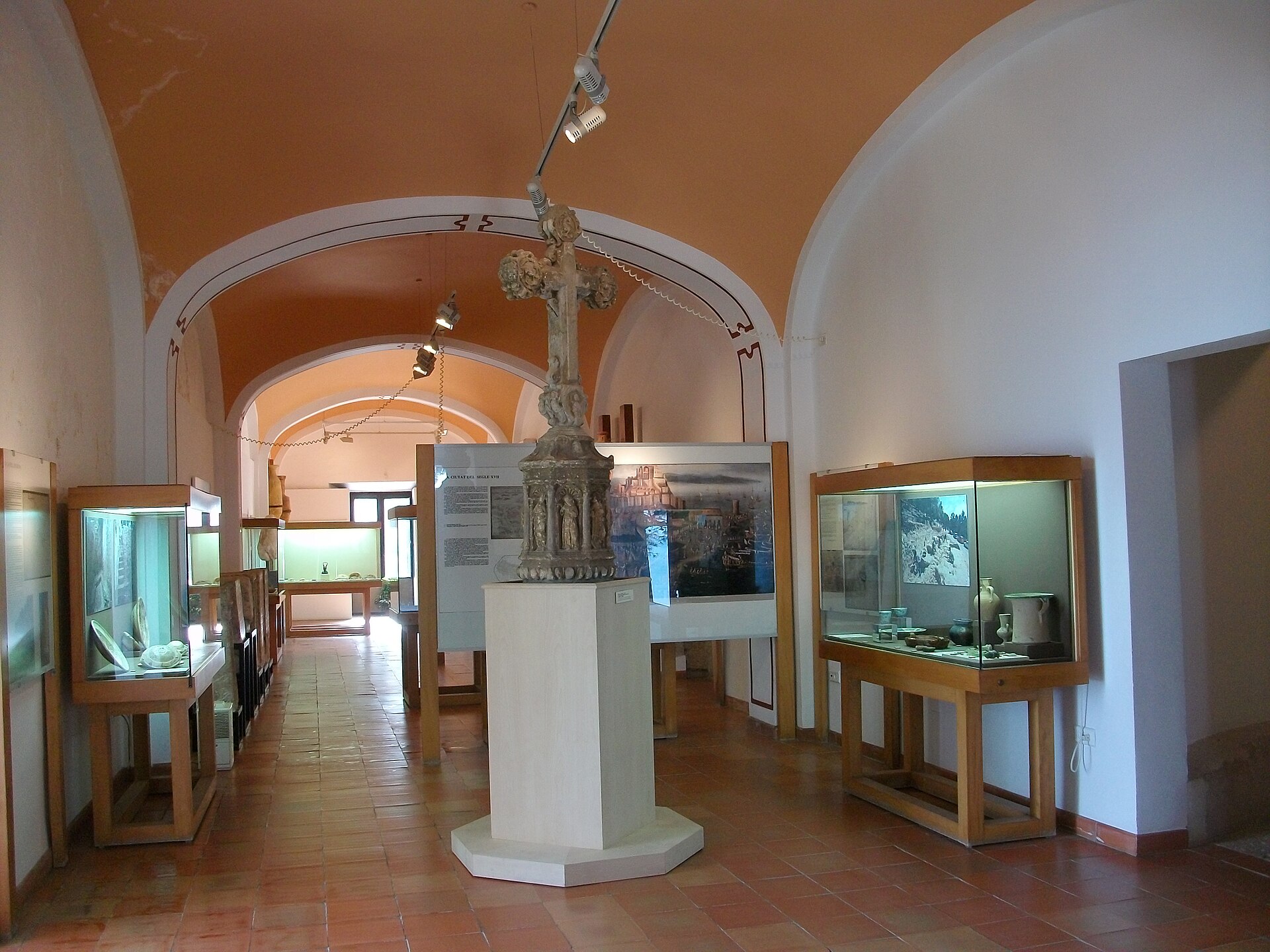
Museu Arqueològic de Dénia
Dénia
Museu Arqueològic de Dénia is the city's archaeological museum, tracing the history of this Mediterranean town from its Iberian origins through to the early modern period. Founded in 1957, it was one of the first museums of its kind in the Valencian region and in Spain as a whole, giving it a long-standing role in preserving the city's cultural heritage. Where is the museum located? For most of its history, the museum's collection was tied to the Castell de Dénia, the fortified hill that has overlooked the city since antiquity. The exhibition was first housed in the castle tower and in an extension of the Palau del Governador. In 1975, an exhibition hall opened in the Torre del Consell within the castle, and in 1987 a further display was set up in the Eastern Gallery of the Duke of Lerma's palace at the summit of the castle hill — this arrangement remained in place until December 2023. Today the museum occupies the former house of the Marquesa de Valero de Palma, on Calle Cavallers 3, in the city's historic centre. What can visitors see inside? The exhibition traces the city's development from its earliest settlement through to the 18th century, organised into four main periods. The first covers the Iberian era and the early stages of Romanization in the area. The second is dedicated to the Roman period, when the settlement was known as Dianium. The third focuses on the Islamic era, when the city — called Daniya — served as an important port on the eastern coast of the peninsula. The fourth section covers the Christian period, from the 13th to the 18th century, as Dénia developed as a town within the Crown of Aragon and later Spain. Why is this museum worth visiting? The Museu Arqueològic de Dénia offers a compact way to grasp the layered identity of a city that was, in turn, an Iberian settlement, a Roman port, an Islamic city-state, and a Christian trading town. Few places let visitors trace more than two thousand years of continuous settlement in such a small area. For anyone visiting the Dénia castle, the museum is a natural complement to the trip, adding historical context to the walls, towers and ruins visible on the hill. How should you plan a visit? The museum sits in the heart of Dénia, within walking distance of the port and the old town, making it easy to combine with other attractions such as the castle itself or the waterfront. Since the collection moved from the castle grounds to the building on Calle Cavallers in 2023, it is worth checking current opening hours and any combined tickets with the castle before visiting, as arrangements may have changed following the relocation. Frequently Asked Questions When was the museum founded? The Museu Arqueològic de Dénia was established in 1957, making it one of the earliest archaeological museums in the Valencian region. Where is the exhibition currently housed? Since December 2023, the museum has been located in the former house of the Marquesa de Valero de Palma, at Calle Cavallers 3, after decades of being based within the Dénia castle. What historical periods does the exhibition cover? The display is divided into four sections: the Iberian era, the Roman period (Dianium), the Islamic era (Daniya), and the Christian period from the 13th to the 18th century. Is the museum connected to the Dénia castle? Yes, historically the museum was closely tied to the castle — successive exhibitions were housed in the castle tower, the Palau del Governador, the Torre del Consell, and the Eastern Gallery of the Duke of Lerma's palace, before the collection moved to its current location in the city.
Earn badges for the places you visit
Download NextOnTrip, discover new places and check off your trails.