About this place
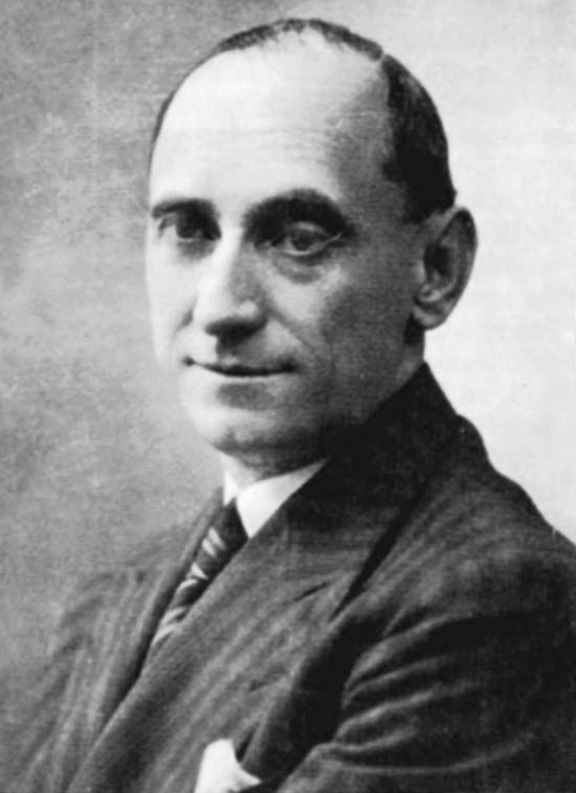
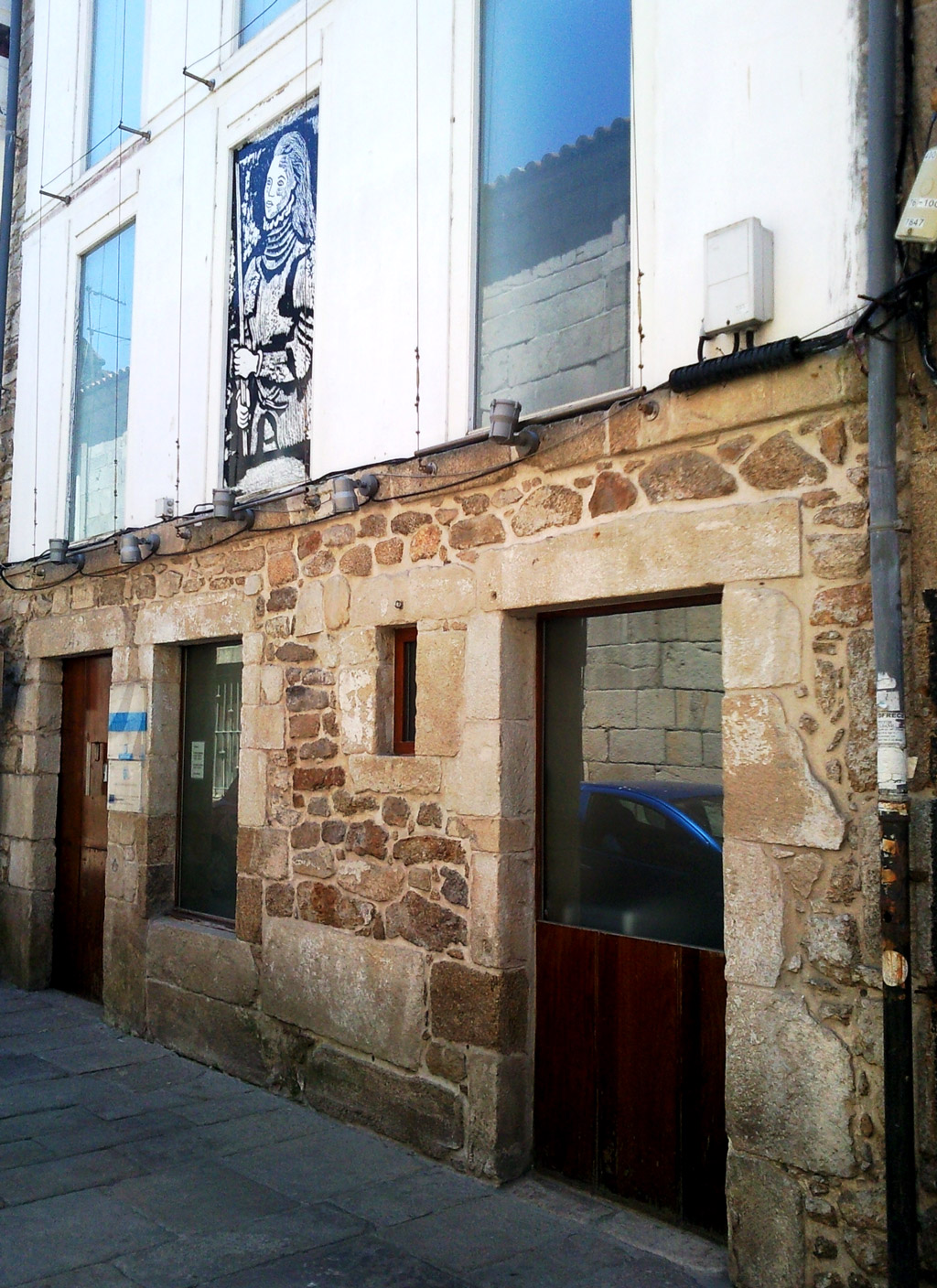
Casa Museo Casares Quiroga is a small biographical museum in A Coruña, set up in the family home of Santiago Casares Quiroga, the last prime minister of Spain before the outbreak of the civil war.
Who was Santiago Casares Quiroga?
Santiago Casares Quiroga was born in A Coruña in 1884. Trained as a lawyer, he became a leading figure in the Galician republican movement during Spain's Second Republic and rose to the highest office in the country. He served as prime minister of the republican government from May to July 1936, resigning just 48 hours after the military uprising that turned into the Spanish Civil War. That short, tense period is what ties his personal story to one of the most dramatic turning points in twentieth-century Spanish history.
Where is the house, and what makes it distinctive?
The building stands at Rúa das Panadeiras 12, in A Coruña's historic quarter. It was not only the politician's home — it is also where his daughter, María Casares, was born in 1922. She went on to become an acclaimed stage and film actress, working mainly in France. This double thread — politics and the arts — gives the museum its particular character: the story of one family whose two branches were each shaped, in very different ways, by the upheavals of the twentieth century.
What can visitors see inside?
The permanent display is organized around three themes. The first is dedicated to the Casares Quiroga family itself and everyday life in the house on Panaderas. The second traces Santiago Casares Quiroga's political career against the backdrop of the Second Spanish Republic, following his ideals and the decisions he made during the fraught weeks of 1936. The third focuses on María Casares, from her Galician childhood to her career on the Parisian stage. Together, the three sections let visitors see how political history and cultural history intertwined within a single family.
How did the house become a museum?
The property on Rúa das Panadeiras passed into the hands of the A Coruña city council in 2001, when local authorities decided to acquire the building linked to the memory of the Casares Quiroga family. In the years that followed, the house was converted into a municipally run museum, opened to residents and visitors interested in the history of Galicia and the Republic.
How can you plan a visit?
The museum is open Tuesday to Saturday from 10:30 to 14:00 and again from 17:30 to 20:00, and on Sundays only in the morning, from 10:30 to 14:00. It is closed on Mondays. Admission is free, which makes Casa Museo Casares Quiroga an easy addition to a walk through A Coruña's old town, alongside the city's other historic sites.
Frequently Asked Questions
Is admission to Casa Museo Casares Quiroga free? Yes, entry to the museum is free of charge.
Who was María Casares, and what is her connection to this house? María Casares was the daughter of Santiago Casares Quiroga, born in this house in 1922. She became a celebrated stage and film actress, mainly in France, and part of the museum's permanent display is devoted to her life and career.
Why is Santiago Casares Quiroga significant in Spanish history? He was prime minister of the government of the Second Spanish Republic in 1936 and resigned only 48 hours after the military uprising that triggered the Spanish Civil War.
Is the museum open every day? No, it is closed on Mondays. Opening hours also vary through the rest of the week — longer hours from Tuesday to Saturday, and morning-only on Sundays.
Nearby places

Earn badges for the places you visit
Download NextOnTrip, discover new places and check off your trails.