About this place
The Museum of the Asturian People in Gijón is one of the region's most distinctive cultural institutions, dedicated to the folk heritage and everyday traditions of Asturias. Rather than a single indoor exhibition hall, visitors encounter an open-air museum grounds where large ethnographic pieces sit alongside a handful of historic buildings, each holding its own story.
What will you see there?
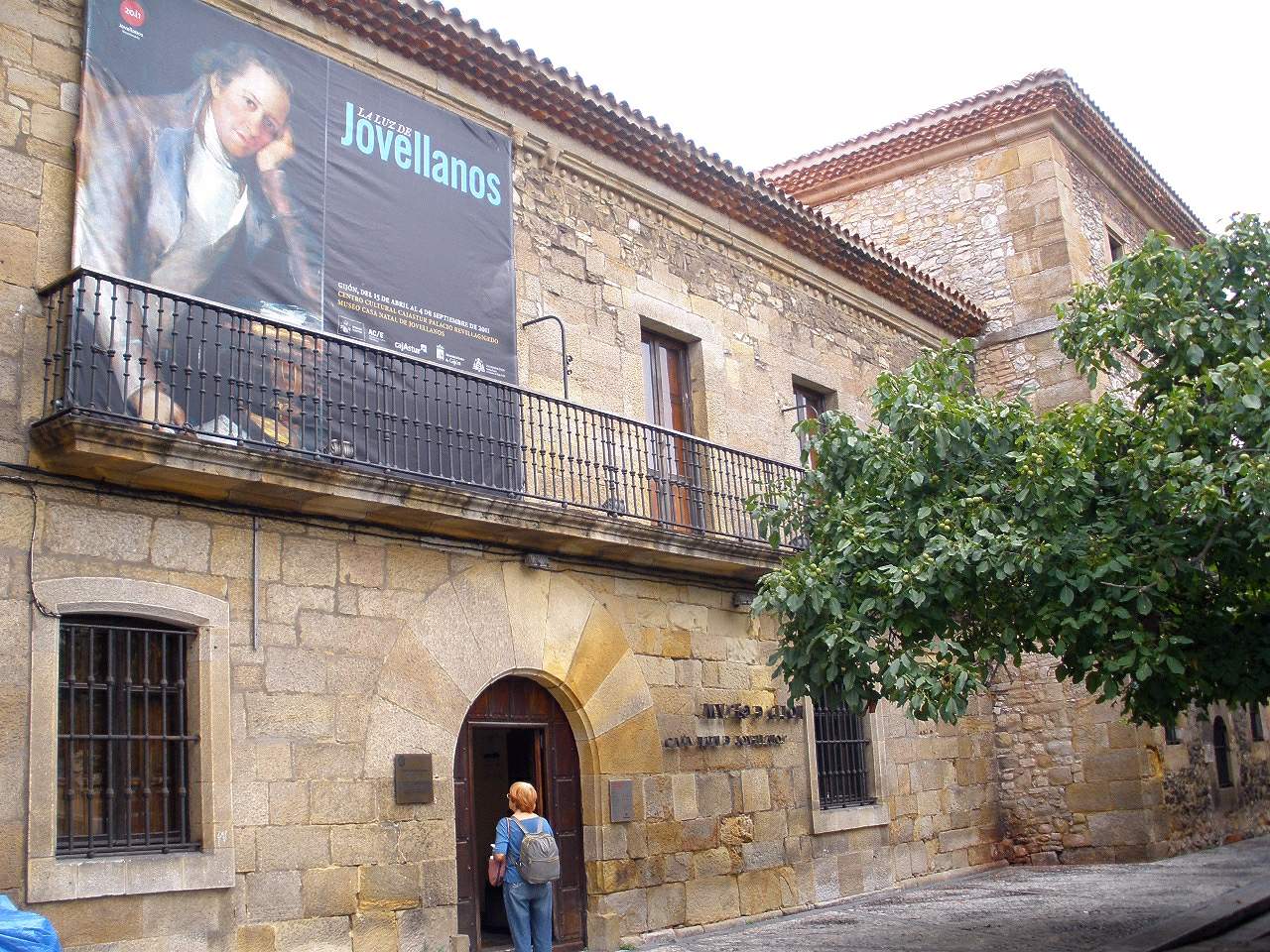
The site is anchored by three notable structures. Casa de los Valdés serves as the temporary exhibition space, hosting rotating displays on rural crafts, everyday objects and regional customs. Casa de los González de la Vega houses the International Bagpipe Museum, a collection built around traditional Asturian musical instruments — the gaita, the region's iconic bagpipe, sits at the heart of this display as a symbol of local musical identity.
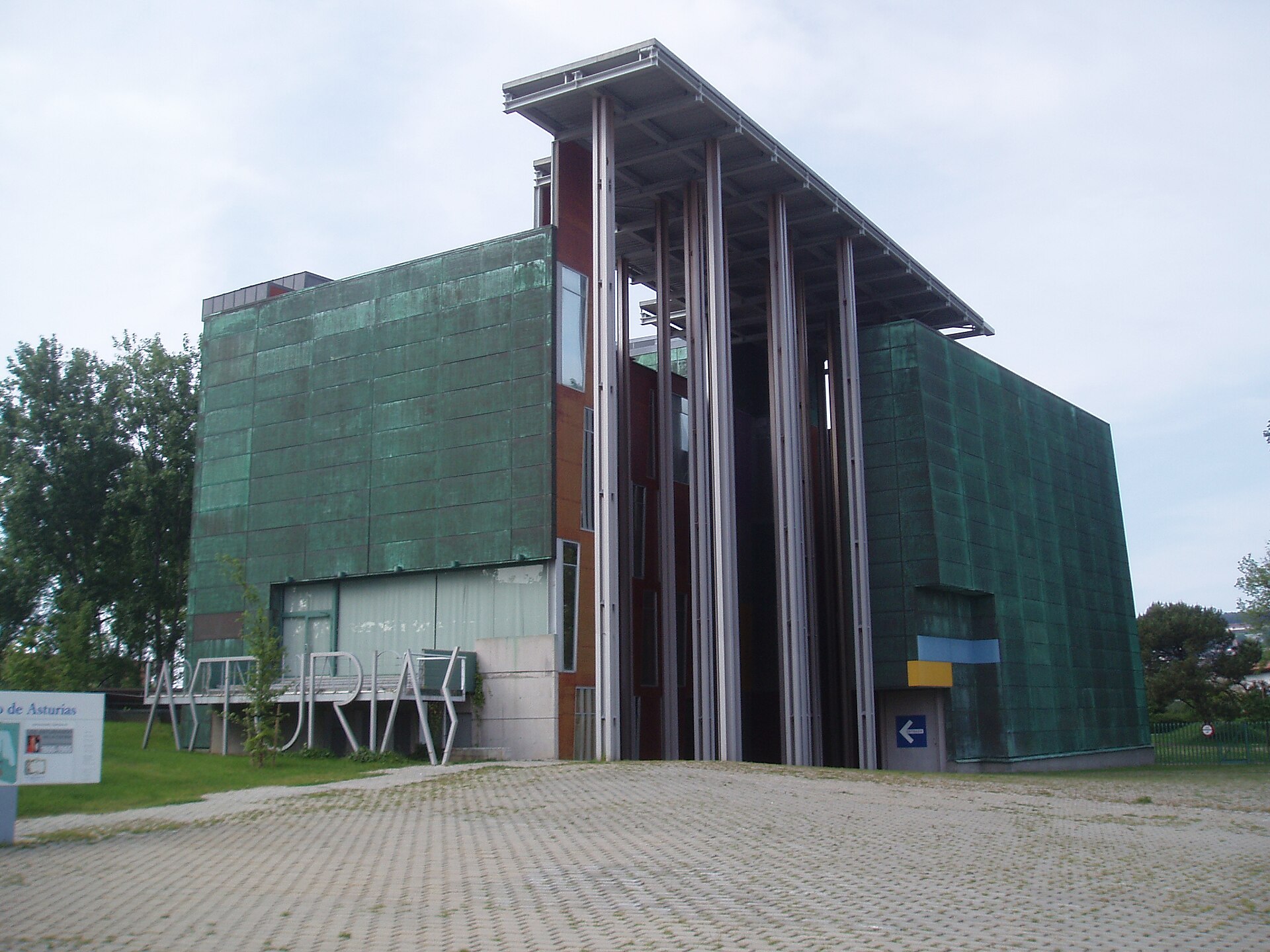
The third landmark is the Asturian Pavilion, originally constructed for the 1992 Universal Exposition in Seville and later relocated to the museum grounds in Gijón, where it was reinstalled in 1994. It is an unusual case of exhibition architecture that found a permanent public home once its original event had ended.
Beyond the buildings, the grounds themselves function as an outdoor art space, scattered with large-scale ethnographic installations that visitors can explore on foot, moving between exhibits at their own pace rather than following a fixed indoor route.
How do you get there?
The museum is located in Gijón, one of the largest cities in Asturias, well connected by road and rail to the rest of the region. The easiest way to reach the site is on foot or by local public transport from the city centre — its location in a green, open part of Gijón also makes it a pleasant cycling destination. Visitors arriving by car will find parking available nearby.
When is the best time to visit?
Since a significant part of the museum experience takes place outdoors, spring and summer are the most comfortable seasons for a relaxed walk through the grounds. That said, the indoor exhibition buildings, including the Bagpipe Museum, remain open year-round regardless of weather, making the site a worthwhile stop even outside the main tourist season.
Who is this museum for?
The Museum of the Asturian People is an essential stop for anyone interested in folk culture, traditional music and the regional history of northern Spain. The combination of ethnographic displays, a unique instrument collection and the unusual backstory of the Asturian Pavilion makes it appealing both to travellers seeking local character and to those curious about late-20th-century exhibition architecture.
Frequently asked questions
What is the Museum of the Asturian People? It is an open-air ethnographic museum in Gijón showcasing Asturian folk culture through outdoor installations and exhibitions housed in three historic buildings.
What is the International Bagpipe Museum? It is part of the same museum complex, located in Casa de los González de la Vega, and holds a collection of traditional Asturian musical instruments, including bagpipes known as gaitas.
Where did the Asturian Pavilion on site come from? The building was originally constructed for the 1992 Universal Exposition in Seville and was later relocated and reinstalled at the museum grounds in Gijón in 1994.
Can the museum be visited year-round? Yes — the exhibition buildings are open throughout the year, although the outdoor areas are most enjoyable during the spring and summer months.
Nearby places

Earn badges for the places you visit
Download NextOnTrip, discover new places and check off your trails.