About this place
The International Bagpipe Museum sits in Gijón/Xixón, on Spain's northern Asturian coast, and stands out as one of the few institutions in the world dedicated entirely to bagpipe-type instruments.
Where is the museum located?
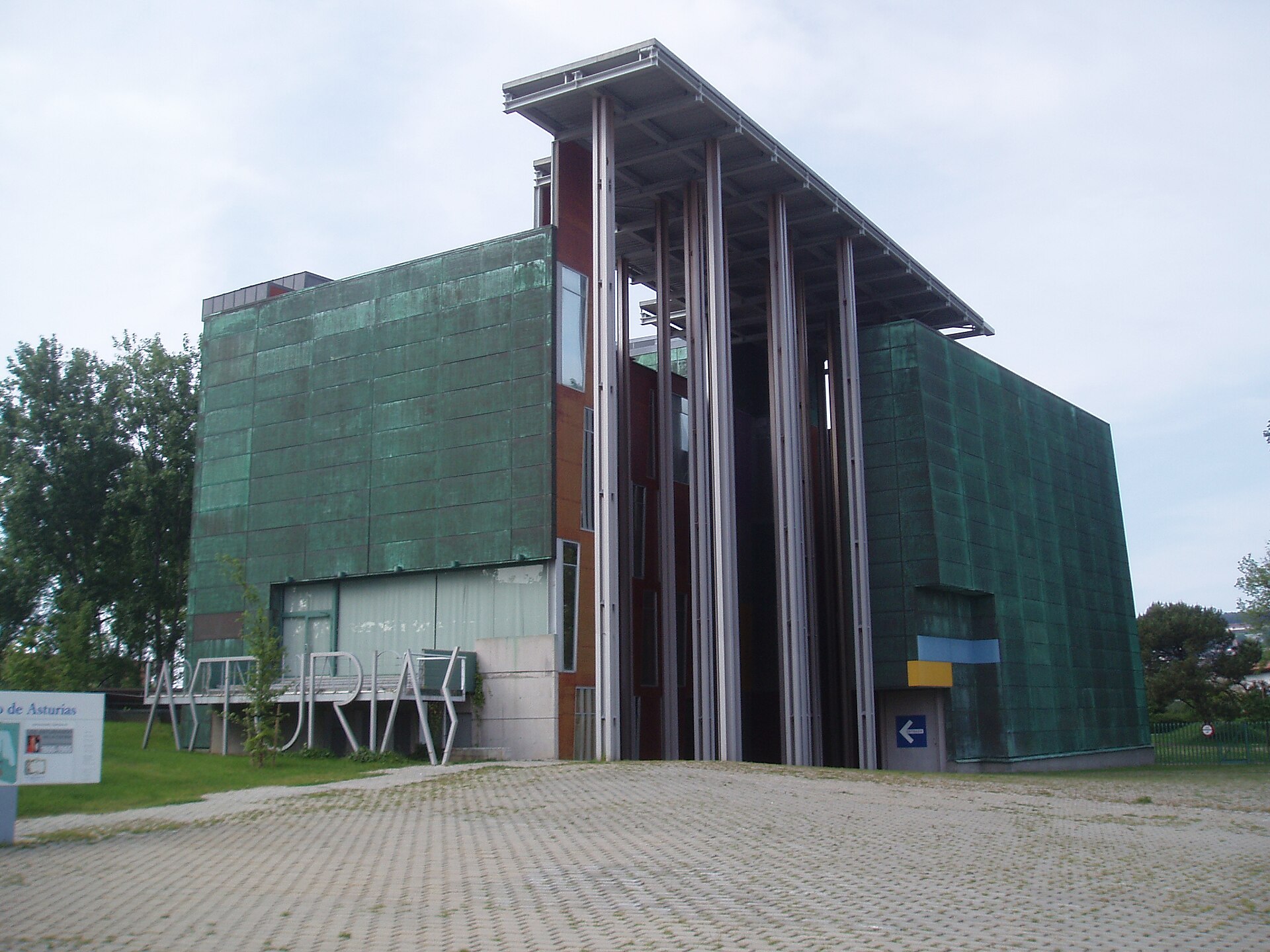
The museum is housed in Gijón, the largest city in Asturias, on the shore of the Cantabrian Sea. It operates as part of the Museo del Pueblu d'Asturies (Museum of the Asturian People), one of the region's key ethnographic institutions, which means a visit naturally pairs with exploring the broader folk culture of Asturias in a single stop.
How did the collection come about?
The museum was founded in 1965, built around the goal of documenting and preserving bagpipe-type instruments from across the world — not only the Asturian gaita, but related constructions from other parts of Europe and beyond. In 1975 the collection moved into its current home, becoming integrated with the Museo del Pueblu d'Asturies, which gave it a permanent, prominent place within Asturias's cultural heritage landscape.
Why is this museum in Asturias specifically?
Asturias is a region where the bagpipe — locally known as the gaita — has for centuries accompanied festivals, processions, and traditional music. That strong, living bagpipe tradition made the region a natural home for an institution gathering and studying wind-bag instruments on an international scale, turning Gijón into a reference point for musicologists and folk-music enthusiasts interested in the subject.
What should you know before visiting?
Because the museum functions as part of a larger institution, a visit typically also covers the rest of the Museo del Pueblu d'Asturies, which spans traditional crafts, rural architecture, and everyday life of the region's past inhabitants. It's a rewarding stop for anyone curious about ethnic music, but also for visitors wanting a fuller picture of Asturian cultural identity. Plan enough time so you're not rushing through the bagpipe hall alone.
Who is this museum for?
The museum mainly draws lovers of traditional music and folk instruments, along with travelers looking for offbeat attractions away from the standard tourist circuit. Gijón itself is a popular destination on Spain's northern coast, so a museum visit pairs easily with a stroll along the seafront promenade or a walk through the old town.
Frequently Asked Questions
Where exactly is the International Bagpipe Museum? It's located in Gijón/Xixón, Asturias, in northern Spain, as part of the Museo del Pueblu d'Asturies.
When was the museum founded? It was established in 1965 and moved to its current location, integrated with the Museo del Pueblu d'Asturies, in 1975.
Is the museum focused only on the Asturian gaita? No — the collection covers bagpipe-type instruments from various regions of the world, though the Asturian gaita tradition remains a natural point of reference for the institution.
Is it worth combining with other Gijón attractions? Yes, since the museum is part of a larger complex devoted to Asturian folk culture, and Gijón itself offers beaches and a historic old town nearby.
Nearby places

Earn badges for the places you visit
Download NextOnTrip, discover new places and check off your trails.