Museums in Spain
A guide to 891 Museums in Spain — with descriptions, photos and traveler visits from the NextOnTrip community. Locations spread across 469 cities and towns. Most visited by the community: Muzeum Picassa w Barcelonie, Museo Internacional de Arte Contemporáneo, Palace of Zulueta.
-
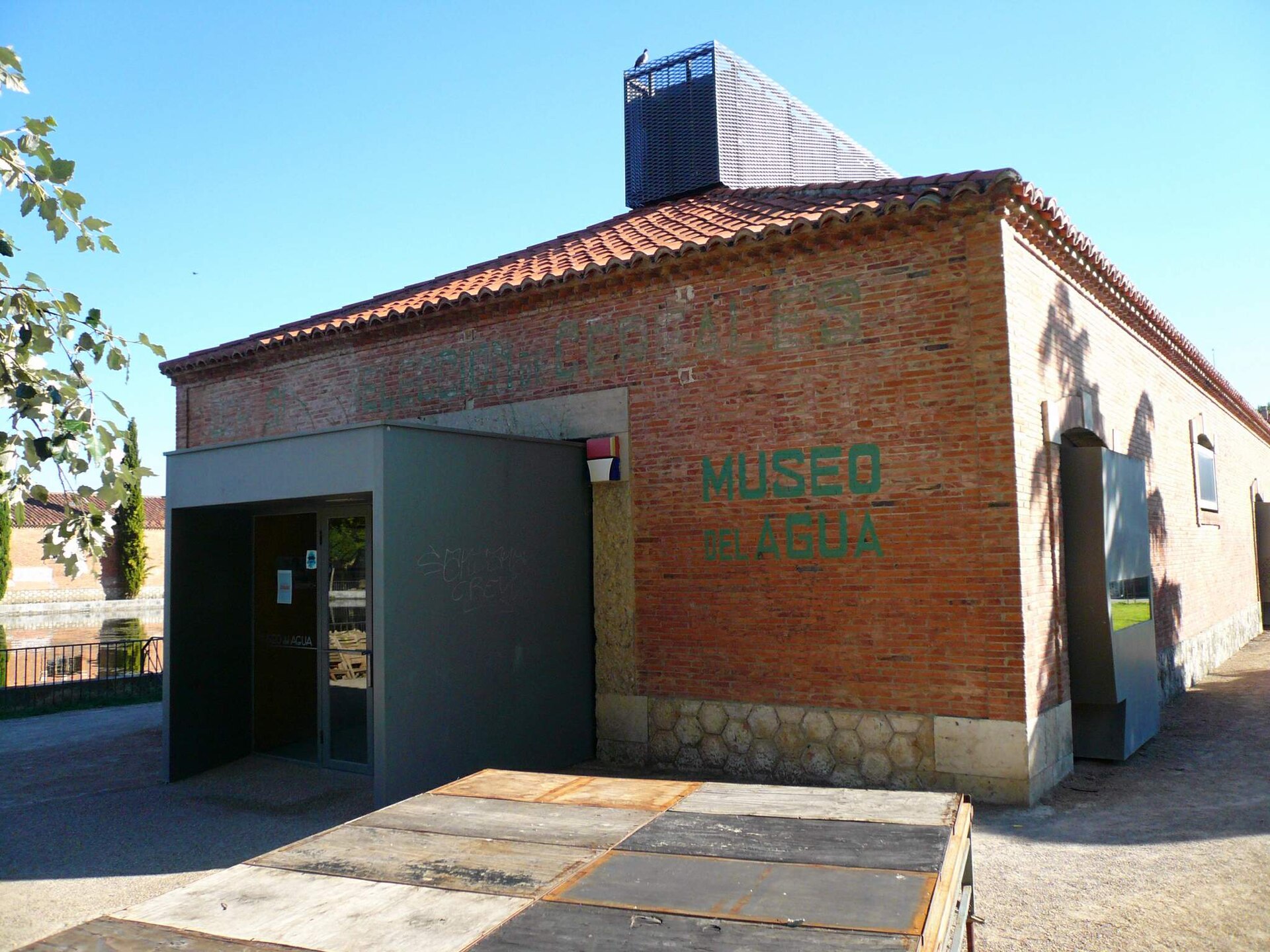
Museo del Agua, Palencia
Palencia
Museo del Agua in Palencia is a compact but unusual museum devoted to water, set inside a converted grain warehouse on the banks of the Canal de Castilla. Rather than display cases, visitors get an immersive audiovisual show — projections, surround sound, and sensory effects that tell the story of water's role in the region's history. Where is it and what does the building look like The museum sits beside one of the docks of the Canal de Castilla, the 18th-century inland waterway that once powered the economic growth of Palencia and the surrounding province. The building itself used to be a grain warehouse; its industrial shell was kept during the renovation completed in 2010, giving the interior a raw, warehouse-like feel that contrasts with the modern technology used inside. What is there to see The museum opened its doors in 2012 as one of the first projects of its kind in Castilla y León, built entirely around audiovisual storytelling rather than physical artifacts. Across more than 150 square metres of projection surface, the show plays 360-degree images — panoramic views, aerial shots, and three-dimensional effects — combined with projection mapping and surround sound that wraps around the audience. Misting effects add to the sensory illusion of being close to water. The whole thing plays out more like an experience than a traditional exhibition, which explains why it is particularly popular with families, though the format works just as well for adult visitors. What is the point of the museum The core idea is to show how water has shaped the landscape, economy, and daily life of this part of Spain over the centuries. Beyond its permanent educational program, the building also doubles as an exhibition space, regularly hosting temporary art shows, usually by local artists — a detail that keeps the museum tied to Palencia's own creative community. How to plan a visit Visits run in guided groups and last around 25 minutes, enough time to take in the full projection without feeling rushed. Admission is free, which makes the Museo del Agua an easy addition to a day of sightseeing in Palencia, especially paired with a walk along the canal's docks. Frequently asked questions Is there an entrance fee? No, admission is free, and visits are run as guided tours rather than self-guided walkthroughs. How long does a visit take? A standard guided visit lasts about 25 minutes. Is the museum suitable for children? Yes, its highly visual, multimedia format makes it a favorite family attraction, though the technology-driven presentation appeals to adults as well. Where exactly is the building located? The museum occupies a former grain warehouse right beside one of the docks of the Canal de Castilla in Palencia.
-
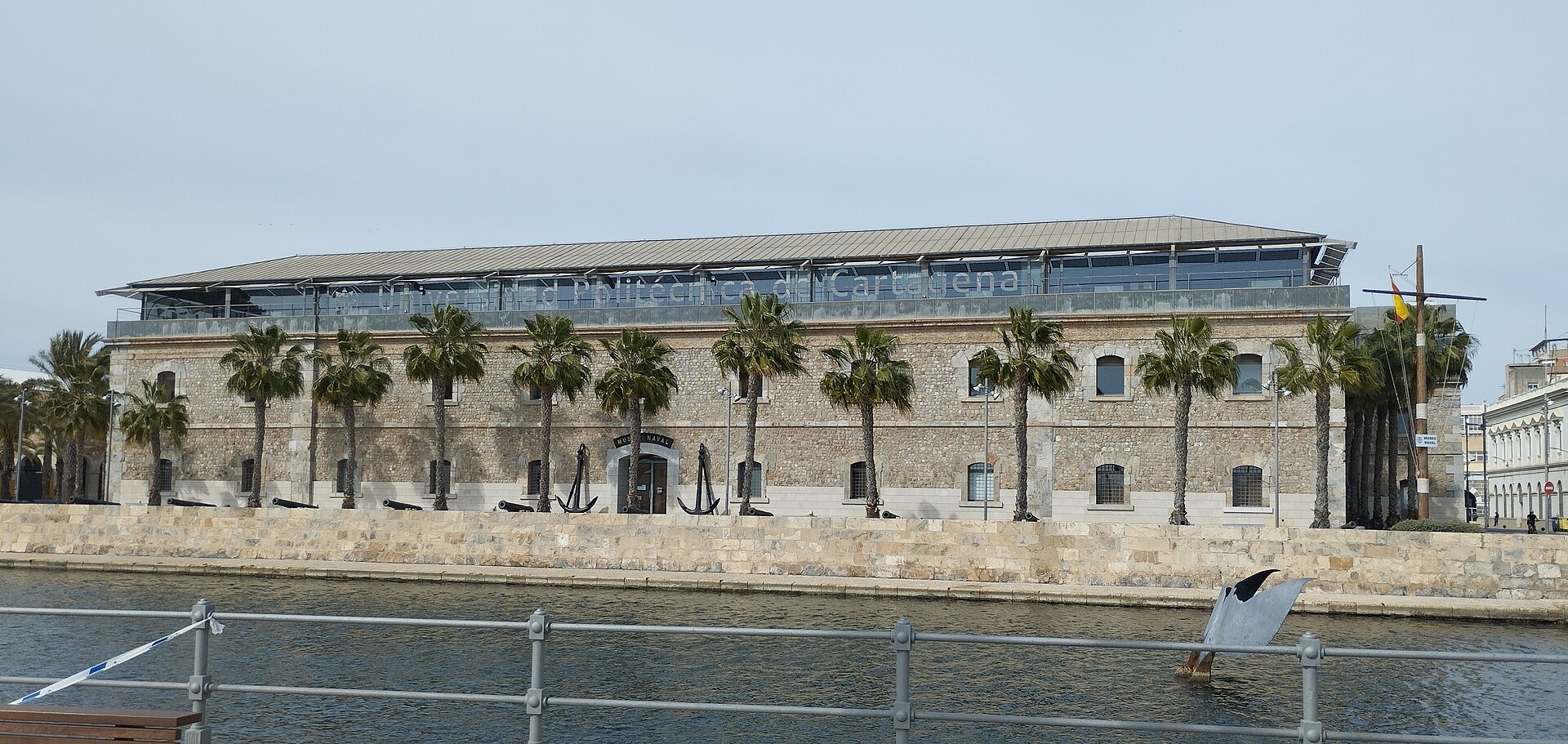
Naval Museum of Cartagena
Kartagena
The Naval Museum of Cartagena is one of the most rewarding maritime museums in Cartagena, run by the Spanish Navy and dedicated to the city's long role as one of the country's principal naval bases. Where is the museum located? The museum stands on Paseo Alfonso XII, close to the harbor and the historic center, so a visit fits naturally into a walk along the seafront promenade and the surrounding sights of Cartagena. The setting is not accidental: Cartagena has served as a key Spanish naval base for centuries, and the museum operates right next to the old arsenal. What building houses the collection? The exhibition occupies the former Cuartel de Presidiarios y Esclavos, barracks originally built to house convicts and enslaved laborers assigned to work in the naval arsenal. The building was designed by military engineer Mateo Vodopich, and over the following centuries it served as a state penitentiary from 1824 and as a prison from 1910. After the Spanish Civil War it became an officer training center, and only later took on its current role as a museum. This layered past is part of the appeal — visitors are exploring not just the collection but a building that changed function repeatedly across two and a half centuries. What can visitors see inside? The collection holds more than 3,000 items tracing different aspects of Cartagena's maritime history. The displays are organized into thematic areas covering shipbuilding, navigation, naval artillery, naval medicine, flags and uniforms, marine painting, marine infantry, and diving technology together with submarine weaponry. A dedicated space is given to the legacy of Isaac Peral, a Cartagena-born naval officer and engineer whose nineteenth-century submarine work carried real weight for the development of both military and scientific technology. This section explains why Cartagena is often linked to the early history of Spanish submarine navigation. When is the museum open, and is admission free? The museum opens Tuesday to Friday from 9:00 AM to 2:00 PM, and on Saturdays from 10:00 AM to 2:00 PM. It stays closed on Mondays, Sundays, and public holidays. In August the schedule shifts: the museum opens Monday to Friday during the same morning hours, while Saturdays, Sundays, and holidays remain closed. Admission is free, though the museum asks for a voluntary contribution of 3 euros toward its upkeep — worth keeping in mind if you'd like to leave something. Who is this museum best suited for? Given its military and historical focus, the museum appeals most to visitors interested in naval history, maritime technology, and defensive architecture, but the compact scale of the exhibition means a visit doesn't take long, making it an easy stop for families moving between Cartagena's other landmarks, such as Concepción Castle or the Roman theatre. Frequently asked questions Is admission to the museum free? Yes, entry is free, though the museum requests a voluntary 3-euro contribution to help fund its maintenance. Is the museum open on Mondays? No, the museum is closed on Mondays, Sundays, and public holidays, except in August when it opens Monday through Friday. What should visitors prioritize seeing? The section on Isaac Peral and early submarine history, along with the exhibits tied to the building's past as barracks and a prison — these are what set this museum apart from other maritime collections. How far is the museum from central Cartagena? It sits on Paseo Alfonso XII, within easy walking distance of the harbor and the old town, making it simple to fit into a broader sightseeing route.
-
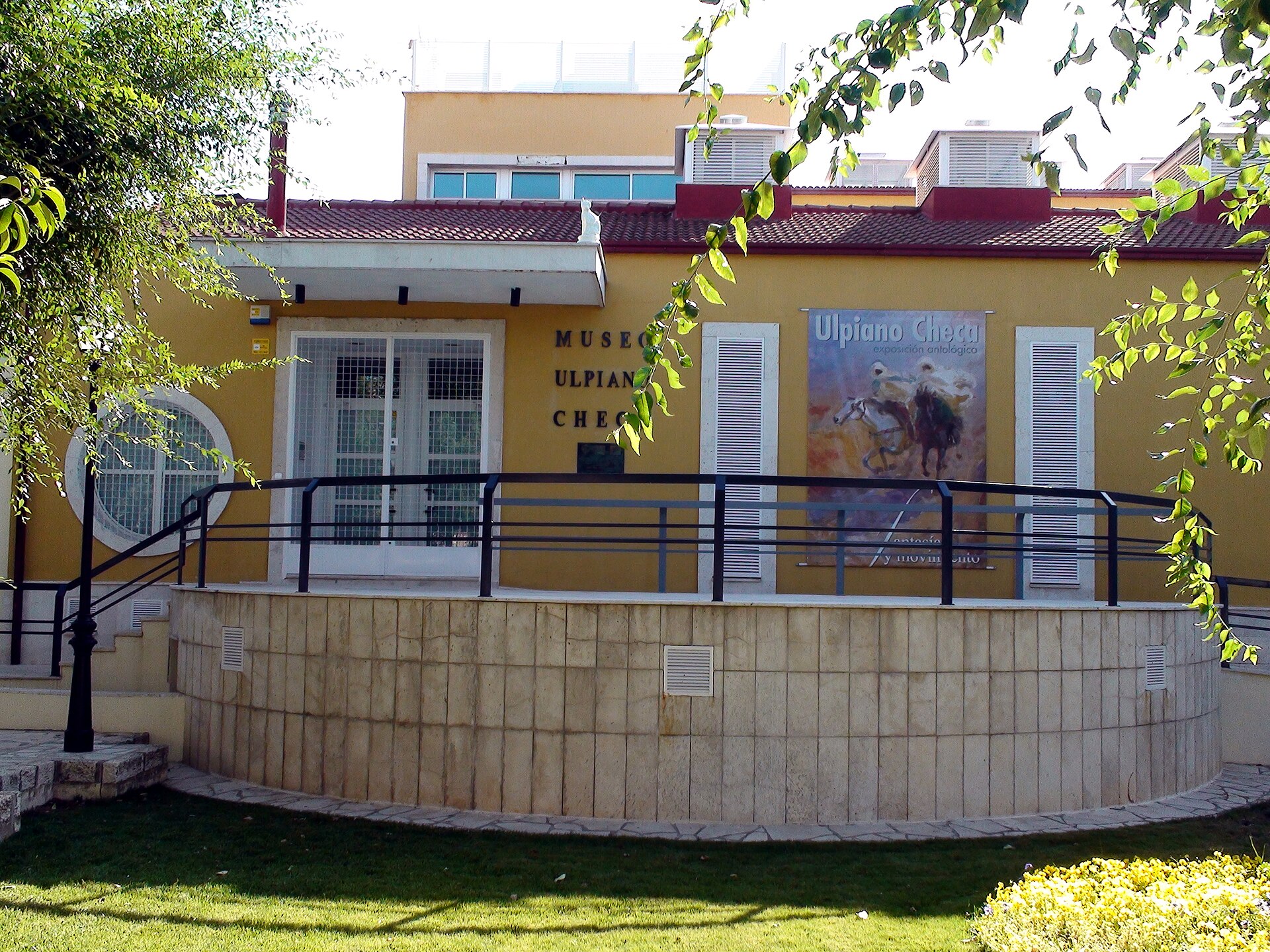
Museo Ulpiano Checa
Colmenar de Oreja
Museo Ulpiano Checa is a single-artist museum in Colmenar de Oreja, a small town south of Madrid, dedicated entirely to the work of Ulpiano Checa, the painter born there. The museum occupies his family home and traces the artist's path from his local roots to international recognition as a creator of large-scale historical and orientalist scenes. Where is the museum located? The building stands in the heart of Colmenar de Oreja, in a house locally known as the "house of the seven courtyards" — the very place where Ulpiano Checa was born. The address itself is part of the experience: visitors view the paintings inside the space that actually shaped the artist's early life, which sets this museum apart from typical municipal galleries housed in buildings with no direct link to the artist. How did the museum come about? The story goes back to the mid-20th century. The painter's family home underwent restoration work in the second half of the 1950s, and the museum itself opened on 3 April 1960. The date was chosen deliberately — it marks the feast day of Saint Ulpian of Tyre, echoing the painter's own name, while the opening year also coincided with the centenary of Checa's birth. Since then, the building has served as the permanent home of a collection devoted entirely to a single artist. What can visitors see in the collection? The holdings include oil paintings, watercolours, prints and engravings by Checa, alongside supporting material such as illustrated books, documents and studies on his life and work. The display is organised into thematic sections, letting visitors follow both the artist's biography and his connection to his native Colmenar de Oreja step by step. The undisputed highlight is the monumental canvas "The Last Days of Pompeii," a painting covering roughly 20 square metres and one of the most striking examples of historical painting in the collection. Checa specialised in this kind of large-scale composition, combining the drama of historical events with elaborate staging and crowded, dynamic scenes. What made Ulpiano Checa distinctive as a painter? Checa was one of the respected historical and orientalist painters working at the turn of the 19th and 20th centuries. His paintings, built with great attention to staging and movement, anticipated compositional techniques that cinema would later adopt. Art historians point to Checa's way of arranging mass scenes and dramatic framing as an influence on the set design of well-known films built around similar historical subject matter, including productions set in ancient Rome and Pompeii. That connection makes the museum interesting not only to painting enthusiasts but also to anyone curious about early cinema history. Why is this museum worth a visit? Museo Ulpiano Checa is regarded as one of the finest single-artist collections in the region. The modest scale of both the town and the museum itself makes for a calm, direct visit — without the crowds typical of major capital-city museums — while still offering access to works of real significance for Spanish painting. It makes a rewarding stop for anyone exploring the area around Madrid who wants to go beyond the main tourist trail. Frequently asked questions Who was Ulpiano Checa? He was a Spanish painter specialising in historical and orientalist scenes, born in Colmenar de Oreja, best known for large-scale canvases depicting ancient historical subjects. Where is the museum located? The museum occupies the artist's family home in Colmenar de Oreja, known as the "house of the seven courtyards," in the centre of town. How long has the museum existed? It opened on 3 April 1960, marking the centenary of the painter's birth, following restoration work carried out on the family home during the 1950s. What is the most famous work in the collection? The largest and best-known piece is the canvas "The Last Days of Pompeii," covering an area of roughly 20 square metres.
-
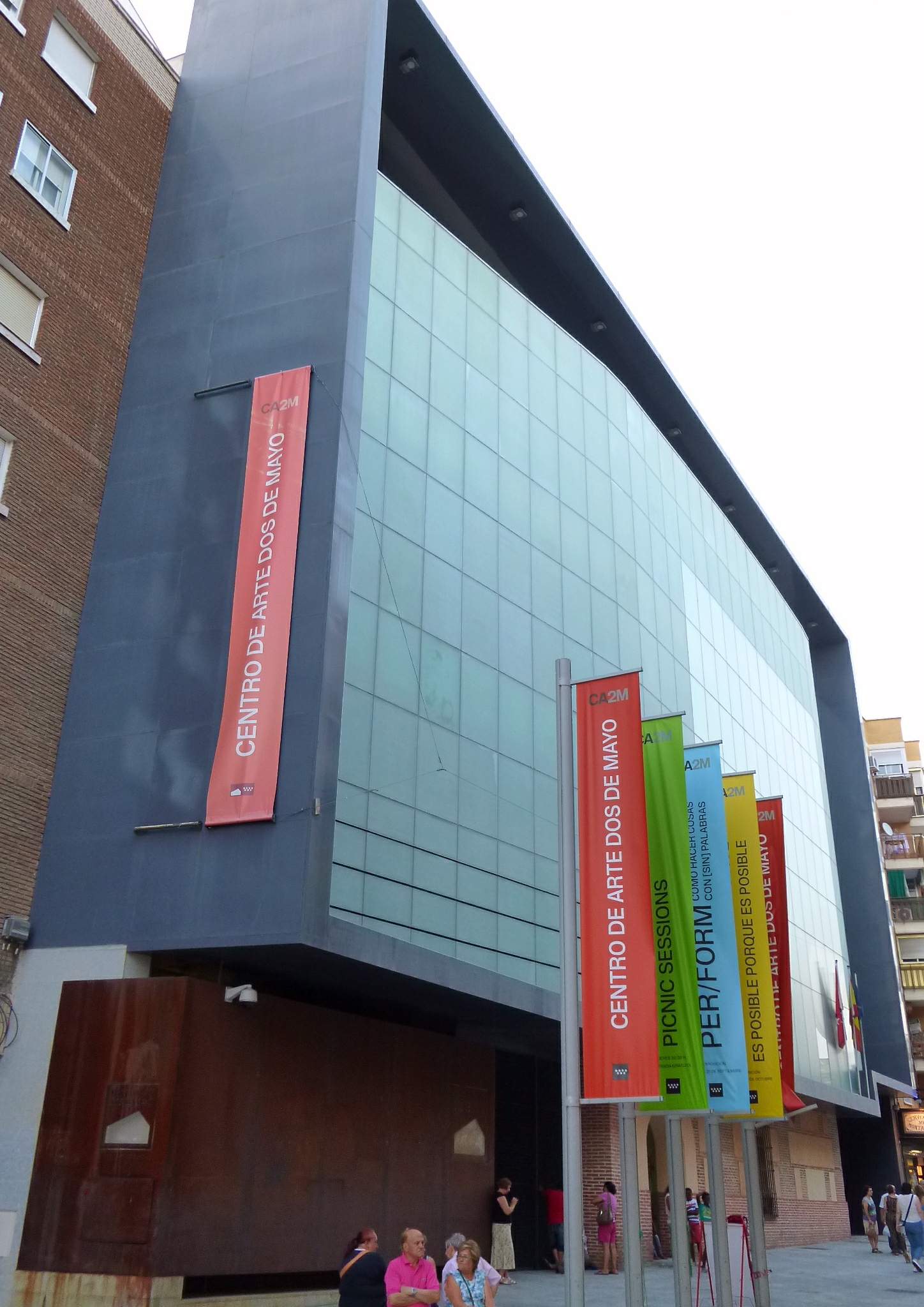
Centro de Arte Dos de Mayo
Centro de Arte Dos de Mayo (CA2M) is a contemporary art museum in Móstoles, a city just southwest of Madrid. It holds and displays the art collection belonging to the Community of Madrid — more than a thousand works created mainly from the second half of the twentieth century to the present day. Where exactly is CA2M located? The building sits in the center of Móstoles, one of the larger cities in the Madrid metropolitan area, reachable by metro and regional trains from central Madrid. The location is deliberate: Móstoles has invested in cultural offerings for years as a counterweight to the capital's flagship institutions, and CA2M is the most visible result of that effort. What does the name "Dos de Mayo" mean? The name refers to May 2nd, the date of the Community of Madrid's regional holiday, established to commemorate the 1808 uprising of Madrid residents against Napoleon's occupying forces. It is a local regional holiday rather than a national one, and the choice of name underlines that the center is an institution created and funded by the regional government. What makes up the collection, and where did it come from? The core of the holdings is the Community of Madrid's contemporary art collection, comprising more than a thousand pieces across disciplines — from painting and photography to installation and video art. Since 2014, CA2M has also served as the custodian of the Fundación ARCO Collection, adding several hundred further works. This lets the exhibition program combine displays of the permanent collection with temporary shows — both solo and group — as well as projects that go beyond a strictly museum-style format. What does the space itself look like? The building covers close to 5,900 square meters, with exhibition galleries spread across three floors. Visitors also have access to an auditorium seating around a hundred people, a library, a cafeteria, and a terrace used for open-air activities, from intimate events to film screenings and debates. This layout lets CA2M function not just as a gallery but as a gathering point built around art. What can visitors expect to see? The program is organized around four main strands: displays from the permanent collection, group exhibitions, solo exhibitions, and accompanying activities such as talks, film screenings, and discussions. Exhibitions rotate regularly, so returning visitors usually find a different arrangement of works than on a previous trip, even where part of the collection stays on view. Is it worth combining a visit with the rest of Móstoles? The center sits in a city that rarely appears on tourist routes centered on downtown Madrid, so a visit to CA2M is a good opportunity to see a more local side of the region — away from the crowds at the Prado or the Reina Sofía, but with a similarly ambitious art program. Frequently Asked Questions Is admission to CA2M free? Yes, admission is free — there is no charge to view the exhibitions. Which days is the museum closed? The center is closed on Mondays, as well as on a handful of holidays in December and January (December 24, 25, and 31, and January 1 and 6). How do you get to CA2M from Madrid? Móstoles is well connected to central Madrid by metro and regional Cercanías trains, and the journey typically takes several dozen minutes. Is there a permanent exhibition at CA2M? Part of the Community of Madrid's collection is displayed in a relatively stable way, but the exhibition program changes regularly, so the arrangement of works differs between visits.
-
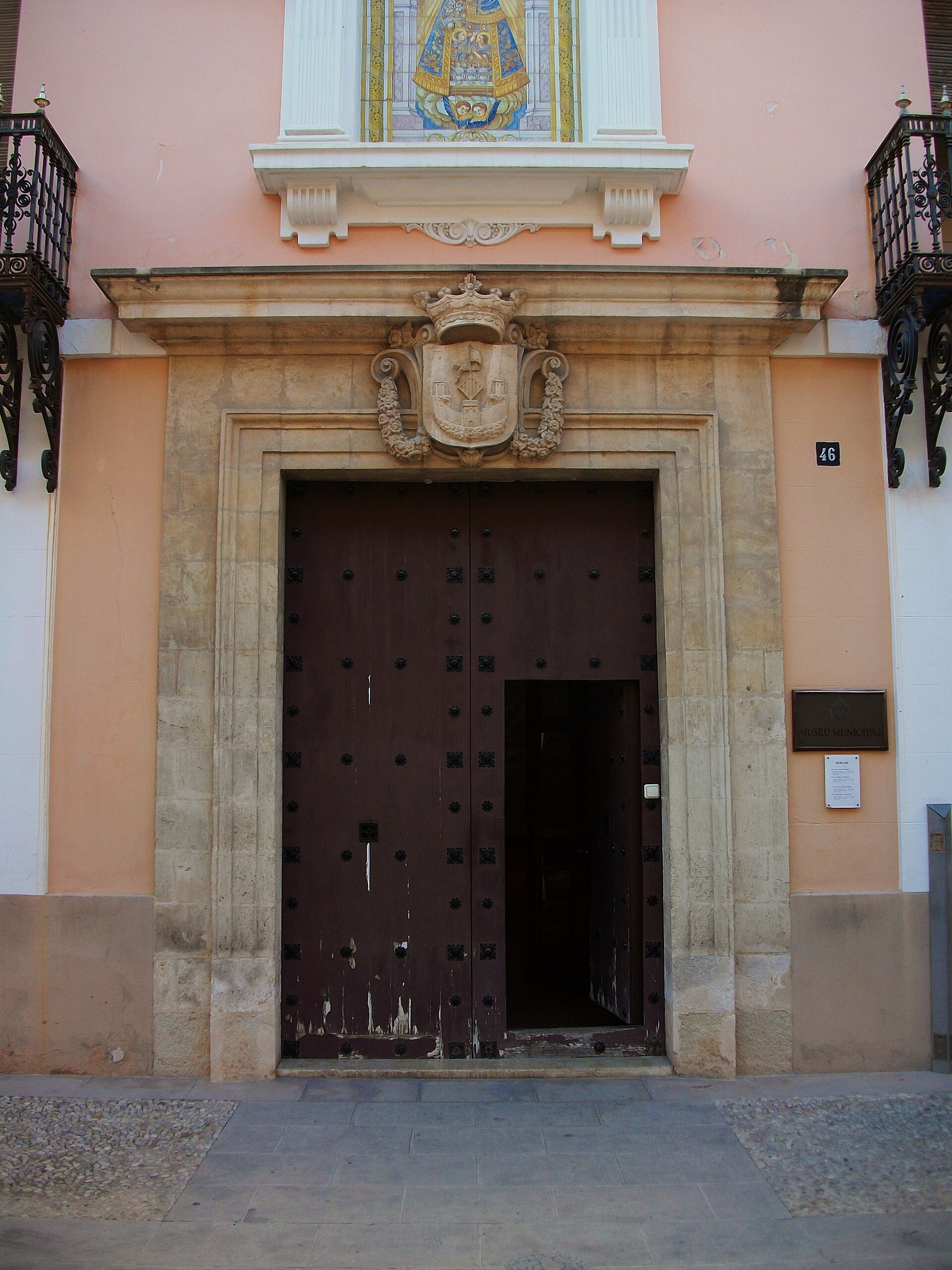
Almodí de Xàtiva
Xàtiva
Almodí de Xàtiva is a historic former grain market building in Xàtiva, in the province of Valencia. It now houses the town's municipal museum, covering local history from antiquity through the early modern period. What was an "almodí" and where does the name come from? An "almodí" was a public grain store — a building where towns across the Crown of Aragon stored and sold wheat under municipal control. Xàtiva's almodí served exactly that purpose, and the building's commercial and administrative role still shows in its layout: a spacious ground floor and a stately inner courtyard. When was the building constructed, and in what style? The almodí was built between 1530 and 1548. It counts as one of the last examples of Valencian Gothic architecture in the town, and at the same time the first building in Xàtiva to introduce the language of the Renaissance. The façade keeps its Gothic character, while the inner courtyard — with columns topped by Ionic capitals — already speaks the new Renaissance idiom. That mix of two architectural periods in a single structure makes the building an unusually clear marker of the stylistic transition in the region. What should visitors look for on the building itself? Three shields of the Crown of Aragon appear on the façade, marking the public nature of the institution — a sign that the granary belonged to the town, not to private owners. A cartouche on the façade records the completion date, 1548. Inside, the Renaissance courtyard, with arcades resting on Ionic columns, is the most photographed feature of the building. What can visitors see in the museum? The museum occupies not only the almodí itself but also the adjoining building, which had its own separate history: it served as the Royal Weighing House (Pes Reial), then as the customs office, and later as a branch of the Bank of Spain, before being absorbed into the museum. Among the collections, the Islamic period stands out, represented by arches taken from public baths and the double arch from the Pinohermoso palace, together with an extensive collection of ceramics from that era. The display also includes objects from antiquity, among them the skull of an Iberian man dated to the 4th century BC and Roman funerary inscriptions. Where exactly is Almodí de Xàtiva located? The building stands in the historic center of Xàtiva, a town in the province of Valencia, in the La Costera region. Its geographic coordinates are approximately 38.988°N, -0.522°E. Frequently asked questions What does the word "almodí" mean? It refers to a public grain store — a building where a town kept and sold wheat under the supervision of municipal authorities. When was Almodí de Xàtiva built? Construction ran from 1530 to 1548, a date confirmed by the cartouche on the façade. What is the oldest item in the museum's collection? The skull of an Iberian man dated to the 4th century BC, the oldest known piece in the collection. Does the museum occupy only the almodí building? No — the exhibition also spans the adjoining building, which was previously the Royal Weighing House, then a customs office, and later a branch of the Bank of Spain.
-
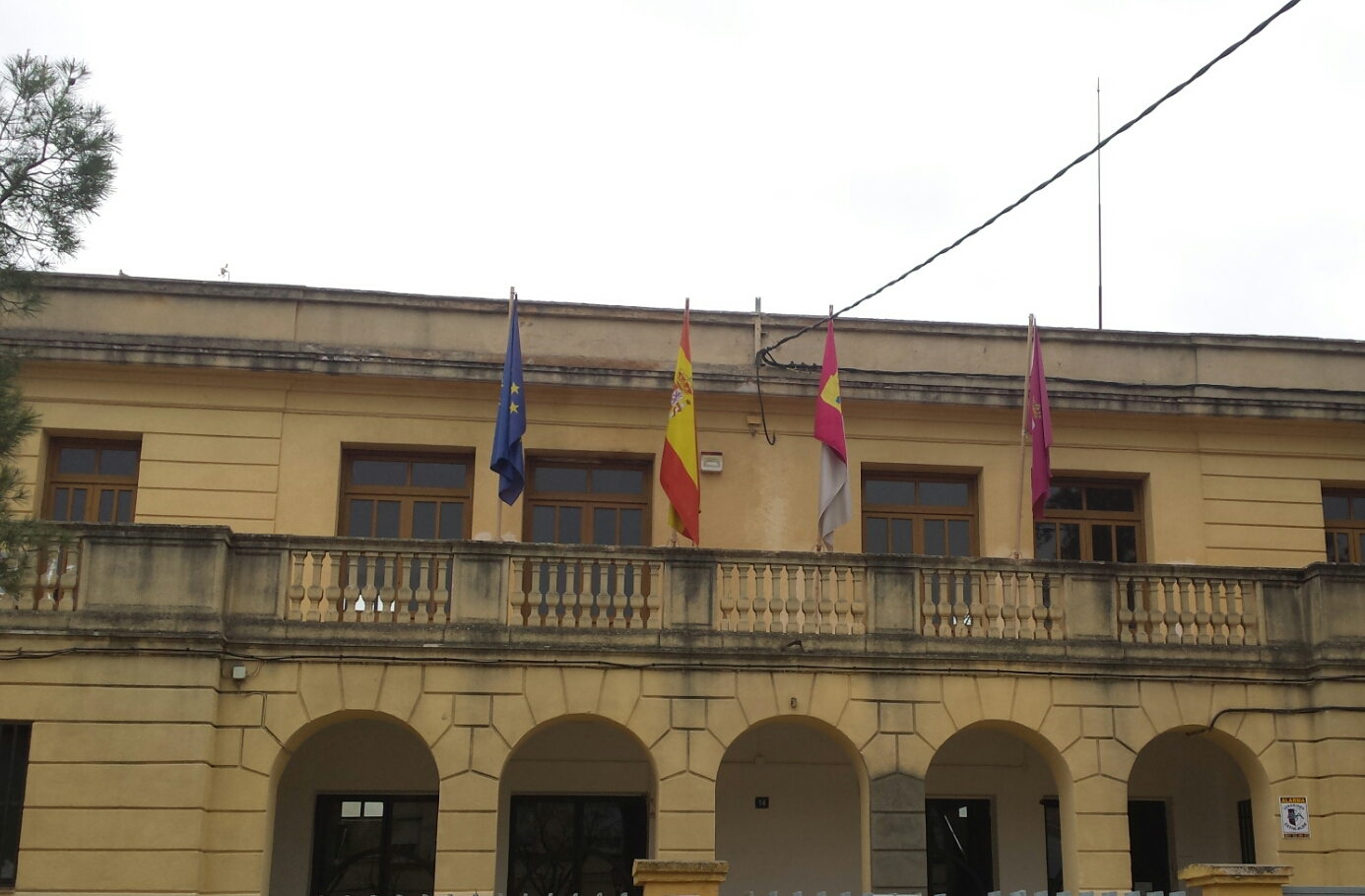
Museo Pedagógico y del Niño de Castilla-La Mancha
Albacete
Museo Pedagógico y del Niño de Castilla-La Mancha is a small thematic museum in Albacete dedicated to the history of schooling and childhood in the Castilla-La Mancha region. It turns everyday school life and children's play from past decades into a story about how education and upbringing changed across this part of Spain. What is this museum about? The collection revolves around two connected themes: formal education as it was practiced in local schools, and the daily life of children outside the classroom. Visitors will find objects typical of old classrooms — desks, blackboards, textbooks, and writing tools — alongside toys, dolls, and mementoes tied to children's entertainment from a time before television and the internet became part of daily routine. The displays invite a comparison between schooling several generations ago and today's classrooms, prompting reflection on the social changes that swept through Castilla-La Mancha during the 20th century. Who is this visit for? The museum is particularly appealing to families with children, teachers, and anyone interested in the social and educational history of Spain. Older visitors often recognize objects from their own childhood, turning the visit into a nostalgic trip back in time. For younger visitors, it's more of a chance to see how differently learning once looked — from chalk and slate tablets to today's digital classrooms. Where and when should you go? The museum is located in Albacete, the capital of the province of the same name and a well-connected hub within the Castilla-La Mancha region. For most of the year it opens Tuesday to Friday from 9:00 to 14:00 and 16:00 to 19:00. In July, a summer schedule applies instead: the museum welcomes visitors Tuesday to Sunday from 10:00 to 14:00, which makes it easier to fit into holiday travel plans. It's worth checking the current schedule before visiting, since opening hours at museums like this can shift seasonally. What else is worth seeing nearby? Albacete works well as a base for exploring the wider province — from here you can plan further trips to the historic center of the city itself and to nearby towns across Castilla-La Mancha known for their agricultural and winemaking traditions. Pairing the museum visit with a walk through Albacete is a good way to experience a quieter, less touristy side of the region compared to Castilla-La Mancha's better-known cities. Frequently asked questions What is the museum dedicated to? The history of schooling and childhood in the Castilla-La Mancha region, combining mementoes from old classrooms with objects tied to children's play from past decades. What are the opening hours? From September to June, Tuesday to Friday, 9:00–14:00 and 16:00–19:00; in July, Tuesday to Sunday, 10:00–14:00. Is this museum a good choice for kids? Yes — the focus on toys and children's daily life makes it accessible and engaging for young visitors, while adults often enjoy it for its nostalgic value. Where exactly is the museum located? In Albacete, the capital of Albacete province, in the Castilla-La Mancha region of central Spain.
-
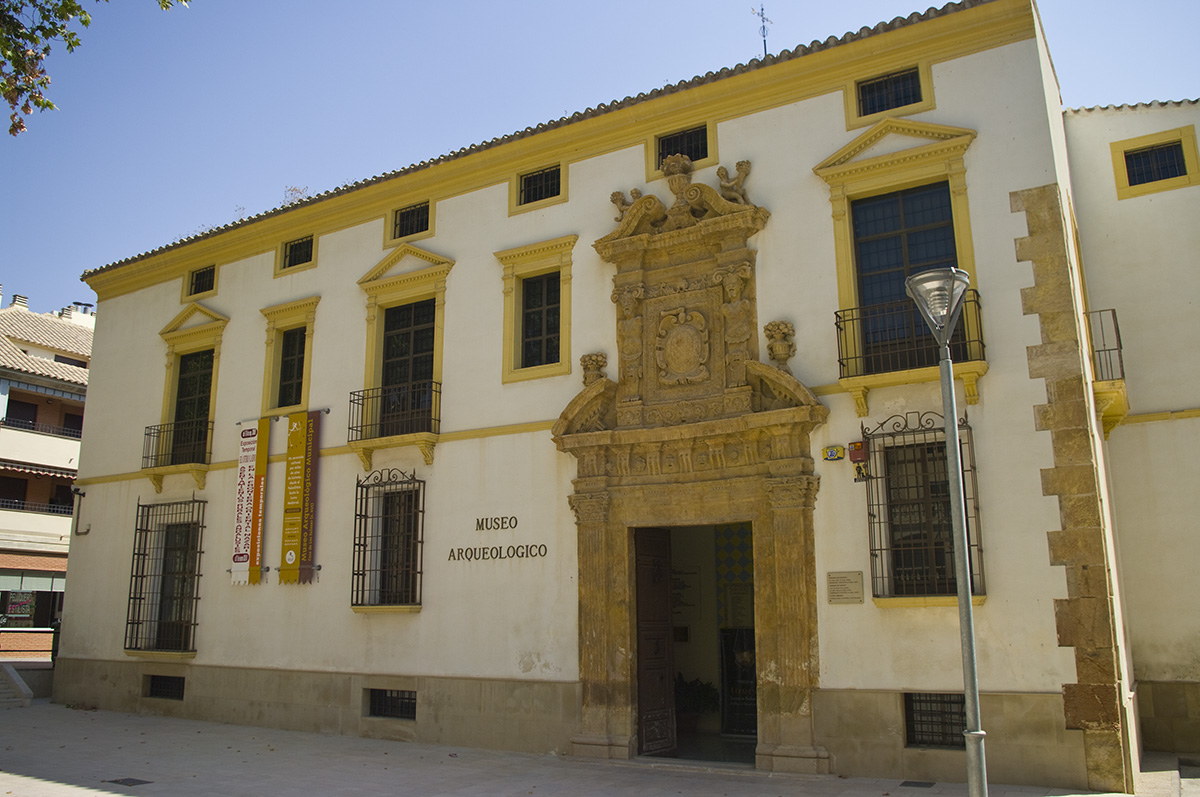
Archaeological Museum of Lorca
Lorca
Archaeological Museum of Lorca is an archaeology museum in Lorca, a city in Spain's Region of Murcia, housed in the restored House of Salazar, a mansion built in the early 17th century. Where is the museum located? The museum occupies a renovated building known as the House of Salazar (Casa de los Salazar), standing in Lorca's historic center, close to the hill topped by the town's castle. That location is no accident — Lorca grew for centuries around its fortress and the old quarter surrounding it, and the 17th-century townhouses that include this building reflect the city's prosperity during that period. The museum's coordinates place it right in the heart of the old town, making it an easy walk from most points in the historic center. What is the House of Salazar building? The House of Salazar is an example of Spanish residential architecture from the first half of the 17th century, typical of the wealthy merchant and noble families of the period. Restoring the building and adapting it for museum use preserved a piece of Lorca's historic urban fabric while creating a venue for collections tied to the region's past. The choice to use a heritage townhouse rather than a modern structure underlines how much weight the city places on protecting its architectural legacy. Why does Lorca matter on the regional map? Lorca is one of the larger cities in the Region of Murcia, known above all for the medieval castle overlooking its old town and for a wealth of Baroque architecture, including churches and palaces from the 17th and 18th centuries. The city sits on a historic frontier that once separated Christian and Muslim territories on the Iberian Peninsula, a history that shaped its development and defensive architecture over the centuries. In 2011, the region was struck by a strong earthquake that damaged part of the historic building stock, and conservation and restoration work has continued in the city since then, including within the old town. A visit to the museum pairs naturally with a walk up to the castle and through the surrounding historic streets — a logical extension of any tour of the old center. How should you plan a visit? Given its central location in Lorca's old town, the museum is best seen as part of a longer walking tour that also takes in the castle and the historic squares nearby. It's worth checking current opening hours before arriving, since small municipal museums in Spain often run seasonal or variable schedules. Because of the climate in southern Spain, spring and autumn tend to be the most comfortable seasons for walking around the old town on foot, while midday heat in summer can be intense. Frequently asked questions Where exactly is the Archaeological Museum of Lorca? In the historic center of Lorca, in the Region of Murcia, inside the building known as the House of Salazar. What is the House of Salazar building? A restored townhouse built in the early 17th century, typical of the affluent residential architecture of that period in this part of Spain. Is it worth combining the museum with other sights in Lorca? Yes — the museum sits close to the castle and the old town, so it fits naturally into a walking route through the historic center. Is Lorca a major tourist destination? Lorca is one of the larger cities in the Region of Murcia, known for its castle and Baroque architecture, though it draws fewer visitors than the coastal resorts of the same region.
-
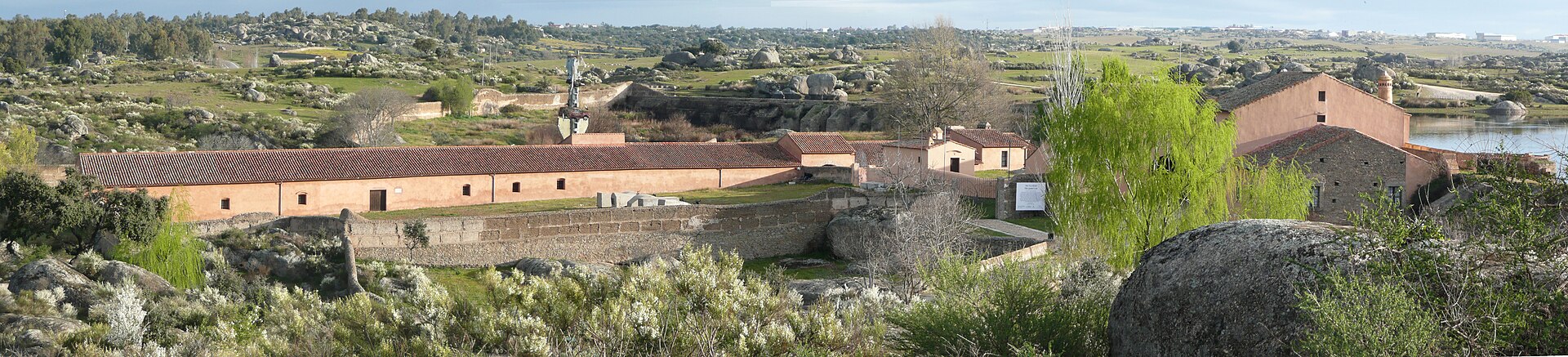
Museo Vostell-Malpartida
Malpartida de Cáceres
Museo Vostell-Malpartida is a contemporary art museum in Malpartida de Cáceres, a small town in the Extremadura region of western Spain. The institution is dedicated to the work of the German artist Wolf Vostell, one of the co-founders of the international Fluxus movement, and occupies a former eighteenth-century wool-washing complex set within the protected natural monument of Los Barruecos. Who founded the museum, and when? The museum was established in 1976 by Wolf Vostell himself together with his wife, Mercedes Guardado. Vostell (1932–1998) was a painter, installation artist and Happening pioneer whose work combined painting, video and everyday objects — an approach typical of Fluxus, a movement that challenged conventional boundaries between artistic disciplines. Since 1994 the museum has been managed by the Junta de Extremadura, the region's autonomous government, which has given the institution stable funding and continuity following the artist's death. Why is the museum located here specifically? The setting is no accident. Wolf Vostell was captivated by the landscape of Los Barruecos, a rocky natural monument scattered with granite boulders and lagoons that has long served as nesting ground for a large colony of white storks. For the museum, the artist adapted an eighteenth-century wool-washing building (lavadero de lanas) that had previously served the region's pastoral and textile community. The combination of industrial architecture and surrounding nature became part of the site's artistic concept — Vostell himself created outdoor works here that integrated art directly into the landscape. What can visitors see in the collection? The collection centers on Wolf Vostell's own output — paintings, installations, objects and documentation of his happenings and artistic actions. It also presents works by other artists associated with Fluxus, placing Vostell's contribution within the broader context of the international artistic experimentation of the 1960s and 1970s. The exhibition spreads across the former laundry buildings and the surrounding grounds, where industrial architecture meets contemporary art. Who runs the museum today? Artistic direction is held by Levin Vostell, the founder's son, while general management falls to José Antonio Agúndez García. This division of responsibilities allows the museum to preserve the artistic vision of the Vostell family while operating under the professional administration expected of a public institution now overseen by regional authorities. How to get there, and what to know before visiting? Malpartida de Cáceres lies to the west of Cáceres, the provincial capital, making the museum an easy day-trip destination from that city. Its proximity to Los Barruecos means a visit can easily be combined with exploring the natural monument itself — walking among the granite rock formations and observing birdlife, including the resident stork colony. Frequently asked questions Who was Wolf Vostell? A German painter, installation artist and one of the co-founders of the Fluxus movement, known for combining multiple media and pioneering the Happening technique. He lived from 1932 to 1998. What kind of building houses the museum? An eighteenth-century wool-washing complex (lavadero de lanas), adapted for exhibition use. Is the museum located in the city of Cáceres? No — it is located in Malpartida de Cáceres, a smaller town west of the provincial capital Cáceres, in the Extremadura region. Who manages the museum today? The Junta de Extremadura has managed the institution since 1994; artistic direction is held by Levin Vostell, and general direction by José Antonio Agúndez García.
-
Armia Arms Industry Museum of Eibar
Eibar
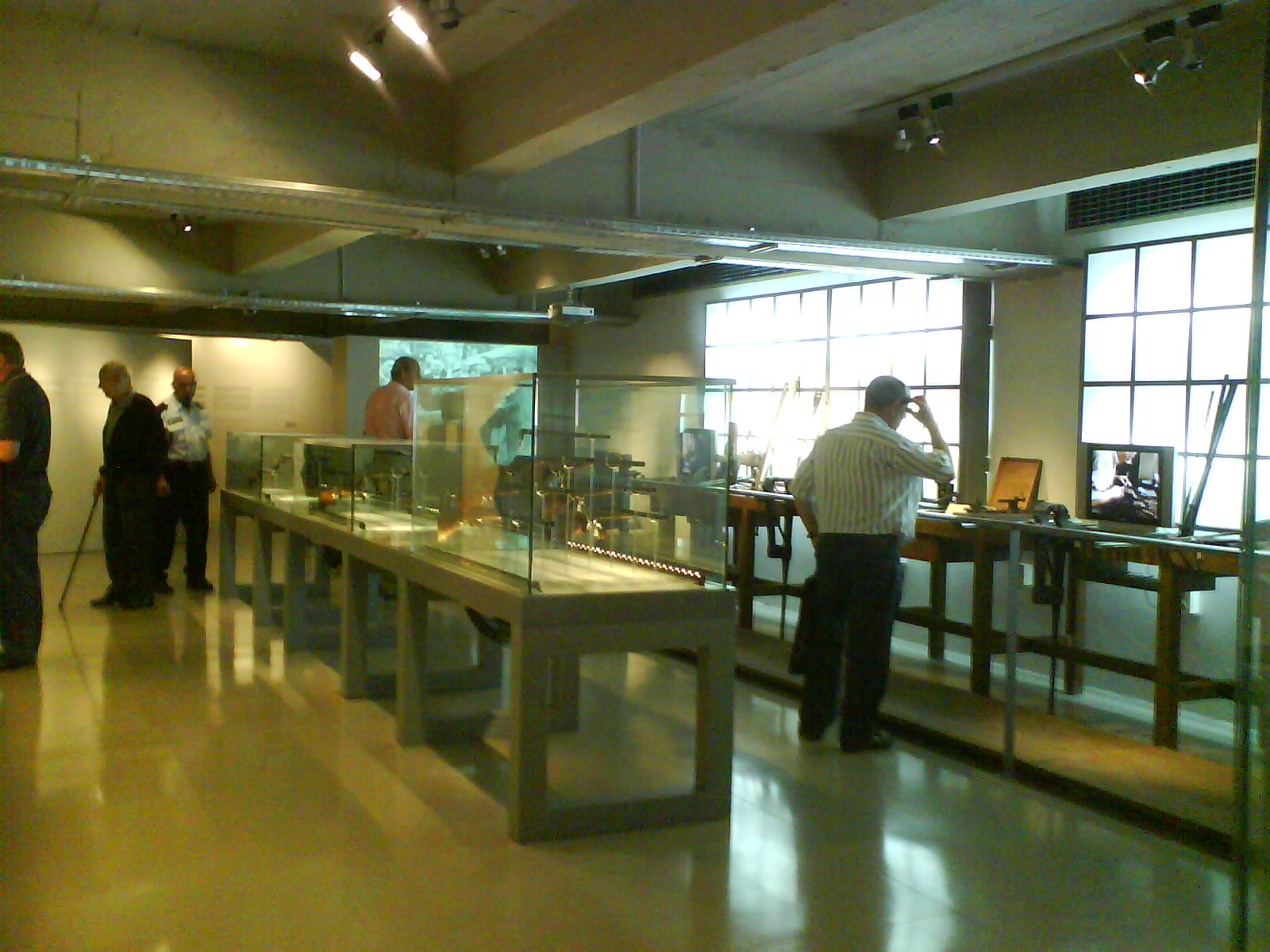
Armia Arms Industry Museum of Eibar tells the story of gun-making in Eibar, a Basque Country town that built its industrial identity on firearms manufacturing. The collection holds more than a thousand pieces, mostly pistols and rifles, alongside the tools and records of the craftsmen who made them. Where did the museum come from? The story starts in 1912, when the town council founded the Armeria Eskola (School of Armoury), a pioneering vocational school for training gunsmiths. Its curriculum drew on the schools of Liège and Saint-Étienne, two of Europe's leading centers of arms production at the time. As early as 1914 the school began assembling a teaching collection of firearms, which grew into the seed of today's museum. The Museum of the Weapons Industry (Museo de la Industria Armera) itself opened to the public in 2007, with an expanded wing inaugurated in May 2009. What is on display? The exhibition walks visitors through the town's arms-making history from the 14th century to the present. The collection of over a thousand objects is dominated by handguns and long guns, but also includes tools, documents, and memorabilia tied to Eibar's historic workshops. One of the more revealing sections covers the industry crisis of the 1920s, when falling military orders pushed the town to diversify beyond weapons — Eibar's workshops turned to producing sewing machines, bicycles, and household goods. This pivot is central to understanding how a small Basque town built a broader industrial identity on the back of its gunsmithing heritage. Who is the museum for? The museum appeals most to visitors interested in industrial history and craftsmanship, and to anyone curious how a single trade can shape an entire town's identity. Because the story extends well beyond firearms into labor, engineering, and entrepreneurship, it holds interest even for visitors with no particular focus on weapons. The museum keeps close ties to the Armeria Eskola, which still trains students in metalwork and precision mechanics today. How to plan a visit Eibar sits in the Gipuzkoa province, inland in the Basque Country, well connected to both Bilbao and San Sebastián — each reachable by train or car in under an hour. The museum is located in the town center, making it easy to pair a visit with a short walk through Eibar's industrial streetscape. Plan for roughly an hour inside, and check current opening hours before arriving, since they can vary by season. Frequently asked questions What is the Armia Arms Industry Museum of Eibar? It is a museum dedicated to the history of gun-making in Eibar, displaying over a thousand firearms and tracing the town's industrial craftsmanship from the 14th century to today. Where does the museum's collection come from? Its core came from the Armeria Eskola, founded in 1912, which started gathering firearms for teaching purposes in 1914 — that teaching collection eventually grew into the full museum that opened in 2007. What makes the exhibition distinctive? Beyond the weapons themselves, it explains how the arms industry crisis of the 1920s forced Eibar to diversify into sewing machines, bicycles, and other manufactured goods. How does the museum fit into a wider Basque Country trip? Eibar sits between Bilbao and San Sebastián, so a visit here pairs easily with a stop in either of the region's larger cities.
-
Palace of Zulueta
Vitoria-Gasteiz
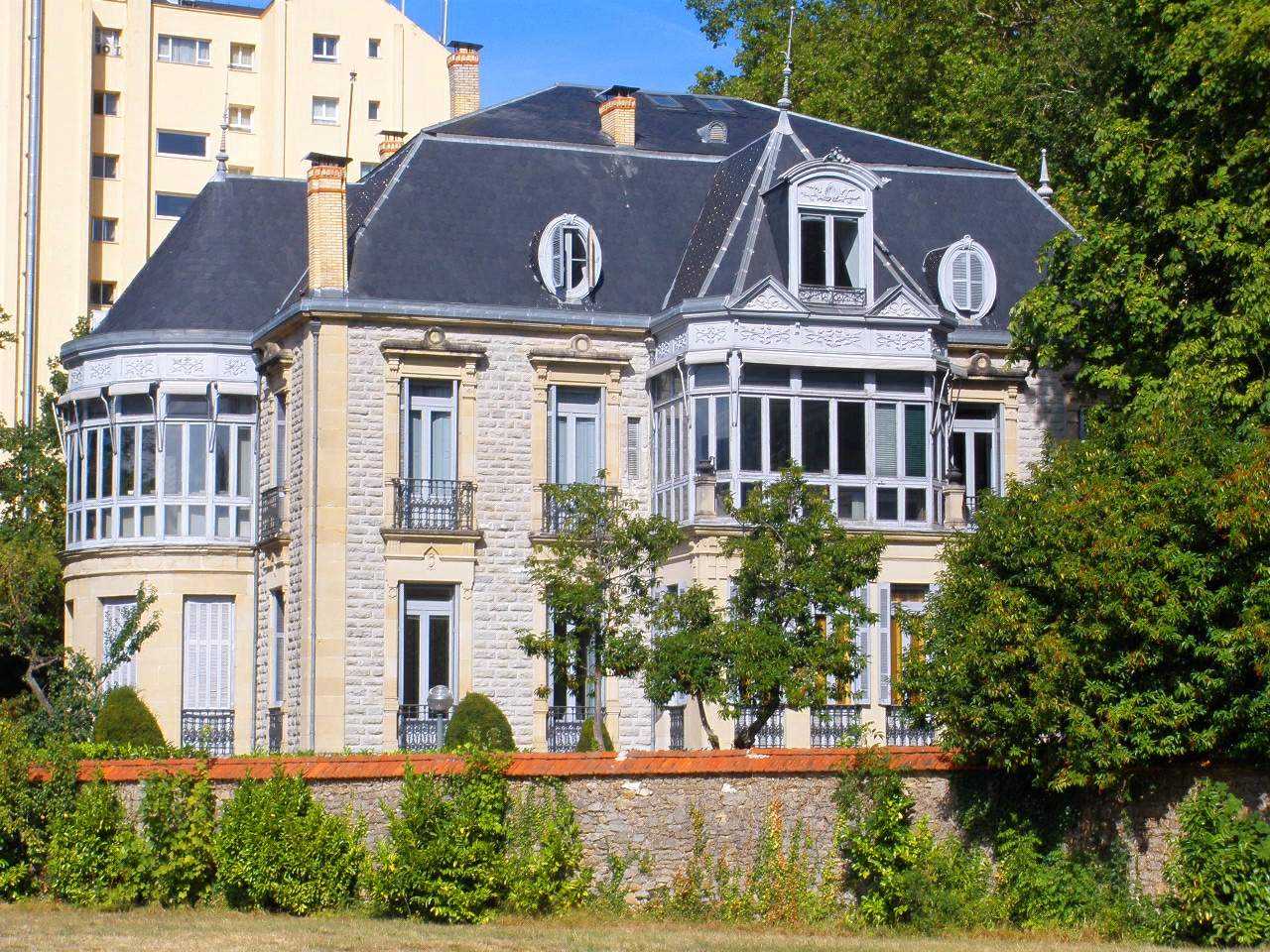
Palace of Zulueta (Palacio Augustín-Zulueta) is one of the most striking bourgeois residences in Vitoria-Gasteiz, now home to the Museum of Fine Arts of Álava. The building was constructed between 1912 and 1916 as a family home for Elvira Zulueta, who came from a wealthy local family, and her husband Ricardo Augustín, a Madrid-based lawyer. Elvira died just a year after the house was completed, and in 1941 the regional government of Álava purchased the property to convert it into a museum. What will you see inside? The palace was designed by architects Julián de Apraiz and Javier de Luque, the same pair who won the 1906 competition to design Vitoria-Gasteiz's New Cathedral. The building reflects the eclectic architectural taste of the early twentieth century, mixing baroque, Romanesque, and neo-Basque decorative elements. Its façades are built from sandstone quarried in Fontecha, and the near-cubic volume — a semi-basement plus ground floor and two upper stories — is clearly divided by decorative moldings marking each level. Inside, a large square vestibule leads into a double-height central space lit by a stained-glass window crafted by the Casa Maumejean workshop. The wooden staircase is decorated with ceramic tiles by Juan Ruiz de Luna, and the interior woodwork throughout draws on Vitoria-Gasteiz's strong local carpentry tradition. The chapel and vestibule were finished by Casa Ibargoitia. Walking through the rooms still feels like stepping into a wealthy family's private home, which is exactly what the palace was for its first few decades. How to get there and when to visit? The palace sits in the center of Vitoria-Gasteiz, within easy walking distance of the old town's main landmarks, making it a convenient stop on a city walking route. It was declared a Spanish Cultural Heritage Site (Bien de Interés Cultural) on March 1, 1962, under reference RI-51-0001300. Between 1999 and 2001 the building underwent a thorough renovation that removed architectural barriers and modernized visitor facilities, so the museum is now fully accessible. The best time to visit is on a weekday outside peak holiday periods, when the museum is quieter and the interiors can be explored at a relaxed pace. Plan for at least an hour to take in both the palace's architecture and the fine arts collection now displayed inside it. Why is it worth a visit? The Palace of Zulueta offers a rare chance to walk through a century-old private residence preserved almost as it was, complete with its original woodwork, stained glass, and ceramic decoration. That combination of architectural history and museum function draws both art lovers and anyone curious about the social history of Vitoria-Gasteiz at the turn of the twentieth century. Frequently asked questions Who built the Palace of Zulueta? It was commissioned by Elvira Zulueta and her husband Ricardo Augustín and built between 1912 and 1916, designed by architects Julián de Apraiz and Javier de Luque. What does the palace house today? Since 1941 the building has been the main seat of the Museum of Fine Arts of Álava (Museo de Bellas Artes de Álava). What architectural style is the building? An eclectic early twentieth-century style blending baroque, Romanesque, and neo-Basque decorative elements. Is the palace accessible for visitors with reduced mobility? Yes — a renovation completed between 1999 and 2001 removed architectural barriers, making the building fully accessible today.
-
Muzeum Picassa w Barcelonie
Barcelona
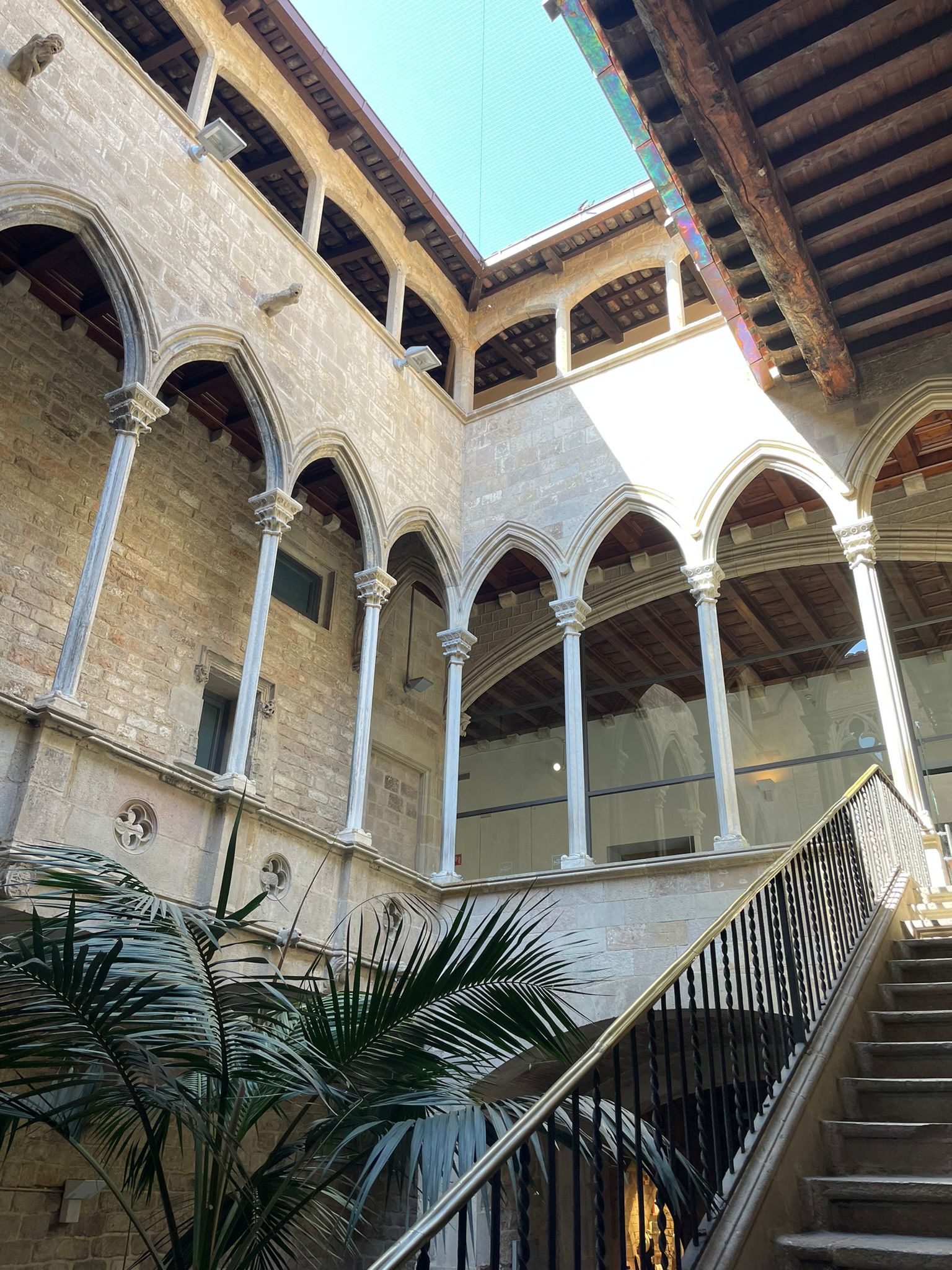
Picasso Museum Barcelona is one of the city’s most rewarding cultural stops, especially if you want to understand Pablo Picasso’s early years and artistic evolution. Housed in a beautiful set of historic medieval palaces, it offers a deep look at the connection between the artist and Barcelona, making it a must-visit for art lovers. Inside, you can explore an extensive collection of Picasso’s works, from early sketches to later pieces, and see how his style changed over time. Highlights include paintings, ceramics, and special exhibitions that give a fuller picture of his creative world. The building itself is also worth admiring, with quiet courtyards and atmospheric stone interiors. Book tickets in advance, especially during weekends and peak travel season. Visit in the morning for a calmer experience and shorter queues. Combine your visit with a walk through the El Born neighborhood nearby. Check for temporary exhibitions and free-entry hours before you go.
-

Celler de Vila-seca
Vila-seca
Celler de Vila-seca is a former wine cooperative building in the heart of Vila-seca, a town in the province of Tarragona, now converted into an interactive wine museum. Raised in the early twentieth century in the Catalan Noucentisme style, it remains one of the most striking pieces of industrial heritage architecture along the Costa Daurada. Why was it built? The story begins in 1917, when local farmers formed the Vila-seca Agricultural Syndicate and bought land from the Count of Sicart to put up a communal winery. Construction started in March 1919, and only a year later the first grape harvest was already being processed inside. The commission went to architect Pere Domènech i Roura, son of Lluís Domènech i Montaner, one of the leading figures of Catalan Modernisme. What architectural style does it follow? Unlike his father's ornate Modernisme, the younger Domènech chose a Noucentista approach, built on classical proportions and monumental restraint. The winery has a rectangular plan with three naves and measures roughly 44 by 25 metres. Its main facade combines rubble masonry with dressed stone at the corners and decorative points, dominated by a huge ventilation opening topped with a semicircular arch — the opening alone rises past six metres. What does the interior look like? Inside, the layout echoes a basilica: the naves are separated by shallow arches resting on stone pillars with a four-lobed cross-section, which from a distance look like bundled columns. This structural solution created the tall, uninterrupted space needed for fermentation vats and presses, while giving the building an almost church-like solemnity — the reason such wineries are often nicknamed "wine cathedrals" across Catalonia. How did a winery become a museum? The building served the farming cooperative for most of the twentieth century. Vila-seca's town council acquired it in 2014, and over the following years it underwent a thorough restoration and conversion into a museum space, partly financed through EU FEDER funds. Today, across roughly 3,150 square metres, it operates as Celler de Vila-seca – Museu del Vi experiencial, an experiential museum dedicated to the history of wine, farming and the town itself. Who should visit? The site makes a worthwhile stop for anyone exploring the Costa Daurada or the Tarragona area — architecture enthusiasts drawn to Noucentisme and industrial heritage, as well as visitors looking for something beyond La Pineda's beaches or PortAventura, both just a short drive away. The exhibition walks through the local wine-making process and shows how old agricultural infrastructure can be given a new life as a cultural attraction. Frequently asked questions Who designed the Celler de Vila-seca? It was designed by architect Pere Domènech i Roura, son of Lluís Domènech i Montaner. What architectural style is the building? Catalan Noucentisme, a monumental and classicist style from the early twentieth century. When was it built? Construction began in March 1919, and the first grape harvest was already processed there in 1920. Can visitors go inside today? Yes — since its restoration, the building operates as a wine museum open to the public.
-
Centro Federico García Lorca
The Federico García Lorca Centre stands in Granada as a research and exhibition venue dedicated to the poet and playwright Federico García Lorca (1898–1936), one of Spain's most celebrated twentieth-century writers. The building occupies Plaza de la Romanilla, right in the old town, a short walk from the cathedral. What is the Centre for? The institution studies and promotes Lorca's literary legacy and hosts contemporary artistic events connected to his work. Running it is a joint effort: a consortium bringing together Spain's Ministry of Culture, the regional government of Andalusia (Junta de Andalucía), Granada City Council and the Granada Provincial Council. What does the archive hold? At the core of the building sits a steel-lined vault built specifically to store Lorca's manuscripts — roughly five thousand of them, alongside another three thousand documents from other authors tied to his circle. The collection belongs to the Fundación Federico García Lorca, set up in 1984 by the poet's sister, Isabel García Lorca, and his six nephews and nieces, who donated the family's surviving papers. The archive itself only arrived in Granada in June 2018, having been kept for decades at the Residencia de Estudiantes in Madrid. Beyond the vault, the Centre houses exhibition rooms, a theatre and a library, so a visit can combine rotating exhibitions with performances tied to Lorca's plays and poetry. Where did the building come from? The current structure is the work of the MX_SI studio — architects Boris Bezan, Mara Partida, Hector Mendoza and Norma Mónica Juvera Jiménez — who won the design competition in 2005. Construction started in 2008, and the Centre finally opened its doors in July 2015, after a build-out timeline typical of large public cultural projects in Spain. When should you go? Opening hours run Tuesday to Saturday, 11:00–14:00 and 17:00–20:00, with Sunday limited to the morning slot of 11:00–14:00; the Centre is closed on Mondays. Afternoon visits tend to coincide with temporary exhibitions, which makes that window worth choosing if a themed show is part of the plan. For group visits or any organisational questions, the Centre can be reached by phone at +34 958 274 062. Frequently Asked Questions Where exactly is the Federico García Lorca Centre located? On Plaza de la Romanilla, in Granada's historic centre, close to the cathedral. What can visitors see inside? The manuscript archive, held in a purpose-built steel vault, plus rotating exhibition rooms, a theatre and a library focused on Lorca's work and era. What are the opening hours? Tuesday to Saturday from 11:00 to 14:00 and 17:00 to 20:00, Sunday 11:00 to 14:00 only; closed on Mondays. Who manages the Centre, and where do the manuscripts come from? A consortium made up of Spain's Ministry of Culture, the Junta de Andalucía, Granada City Council and the Granada Provincial Council. The manuscripts belong to the Fundación Federico García Lorca, founded in 1984 by the poet's family, and arrived in Granada from Madrid in 2018.
-
A Fonsagrada town hall
A Fonsagrada
The old town hall of A Fonsagrada — the former Casa Consistorial on the town's main square in Lugo province — served local government for a century before being reborn as a cultural centre and tourist information point. What is this building? The building was completed in 1846 and served as the seat of the local council for roughly a hundred years. Once the administration moved to newer premises, the old town hall sat empty for more than a decade, losing its function and falling into disrepair. Local architects carried out a full renovation, keeping original features — including the historic entrance doors — while adding contemporary interior design. The result is a building that still reads as a 19th-century town hall from the outside, but now houses a completely different purpose inside. What can visitors see inside? In July 2026, the restored building opened a permanent exhibition dedicated to Antonio Fraguas, known as "Forges" — one of Spain's most celebrated cartoonists and satirists, whose father came from A Fonsagrada. The exhibition traces the artist's graphic work and his family ties to this part of Galicia. Besides the exhibition hall, the building now houses the municipal tourism office, an auditorium, and additional rooms used for local council purposes. That combination turns the old town hall into an active hub of cultural and civic life rather than a static monument. How to get there and when to visit? A Fonsagrada sits in the mountainous eastern part of Lugo province, on the Camino Primitivo — one of the oldest, though less-travelled, branches of the Camino de Santiago pilgrim route. The new tourism office inside the old town hall was set up specifically to better serve pilgrims and travellers passing through on this route, making it a natural stop for anyone walking the Camino. The building sits right in the town centre, so a visit pairs easily with a walk around the old square and surrounding streets. Daytime visits are best, since that's when the tourism office and exhibition are open — and staff can point visitors toward other attractions in the nearby mountains and along the pilgrim trail. Why is it worth a stop? The old town hall of A Fonsagrada shows how a small town can give a historic building new relevance: a place that spent a century serving local administration now brings together local memory (through the figure of Forges), visitor services, and cultural programming under one roof. For anyone walking the Camino Primitivo or exploring the Serra dos Ancares mountains, it's a practical stop — you can pick up route information while also seeing more than just a facade. Frequently asked questions Can visitors go inside the old town hall? Yes. Since July 2026, the building has been open to visitors as a cultural centre, housing an exhibition dedicated to Forges and the municipal tourism office. What exactly is there to see? A permanent exhibition on the graphic work of Antonio Fraguas "Forges," plus the tourist information office and an auditorium that hosts local events. Is it a good stop on the Camino de Santiago? Yes — A Fonsagrada lies on the Camino Primitivo, and the new tourism office inside the building was created specifically to support pilgrims and travellers on this route. How old is the building? It was built in 1846 and served as the seat of local government for about a century before falling out of use and later being restored.
-
La Cilla (Archidona)
La Cilla in Archidona (Malaga, Andalusia) is a historic former granary building that today combines museum, library and cultural functions right in the heart of the old town. The name "cilla" comes from the building's original purpose — it served as the grain store of the Dukes of Osuna, the town's former lords, holding harvests collected from the surrounding countryside. How to get there? Archidona sits in the province of Malaga, roughly 50 km north of the provincial capital, on the route connecting the Costa del Sol coast with Antequera and the Andalusian interior. The building stands on Plaza de la Victoria, formerly known as Placeta de los Mesones, right in the middle of the old quarter. Driving is the easiest option, since the town has good access from the A-45 motorway. Buses also run to Archidona from Malaga and Antequera; from the bus stop it's a short, pleasant walk through the narrow streets of the old town to reach La Cilla. What will you see? The façade facing the square dates from the 18th century and makes a strong impression — a stone Baroque front flanked by the coats of arms of the Dukes of Osuna. The building itself is documented as far back as the late 16th century, making La Cilla one of the older functional buildings in town. Its interior layout is unusual and worth a close look: the historic wing consists of three very long, narrow and tall naves, and directly beneath them, on a lower level, the same layout repeats but as shorter, vaulted spaces. This design was a direct response to the building's storage function — grain needed to be kept in large quantities in dry, well-ventilated rooms. The building's history of use is just as interesting as its architecture. Between 1980 and 1985 it underwent a thorough restoration and began serving as the town hall, the seat of Archidona's municipal government — a role it kept until 2010. Afterwards the building was adapted for cultural purposes: since 2004, part of it has housed the Archidona Municipal Museum, arranged in three exhibition rooms. Besides the museum, La Cilla is also home to the town's public library and a radio hall, making it a genuine hub of local cultural life. When visiting La Cilla, it's worth noticing the contrast between the plain, functional construction of the interior and the decorative, representative façade — a typical example of a working storehouse dressed up in palatial style because it served the interests of a ducal family. It's also worth comparing the height and proportions of the three upper naves with their vaulted lower counterparts — a clear lesson in centuries-old granary architecture. When to visit? Spring and autumn are the best times to visit Archidona, since temperatures in Andalusia are much milder than at the height of summer. The museum and library keep standard office hours, so it's a good idea to plan a visit on a weekday morning or early afternoon — usually the quietest time to take in the interiors without crowds. Plaza de la Victoria, the square in front of the building, is itself a pleasant spot to rest while exploring the old town. Frequently asked questions What was the La Cilla building originally used for? It was a granary belonging to the Dukes of Osuna, the former lords of Archidona, used to store grain from the surrounding harvests — hence the name "cilla." When did La Cilla serve as the town hall? The building housed Archidona's municipal government between 1980 and 2010, following a restoration carried out from 1980 to 1985. What can you see in La Cilla today? Since 2004, part of the building has held the Archidona Municipal Museum with three exhibition rooms, alongside the town's public library and a radio hall. What is the most notable architectural feature? The 18th-century Baroque façade bearing the coats of arms of the Dukes of Osuna, and the unique layout of three long, tall naves repeated below in a lower, vaulted level.
-
Casa natal de Miguel Servet
Villanueva de Sigena
Casa natal de Miguel Servet is the childhood home of the famous scholar, located in Villanueva de Sigena, a small village in the province of Huesca, Aragon. It was here, at the turn of the 16th century, that the future physician and theologian spent his earliest years. Who was Miguel Servet? Miguel Serveto Conesa was most likely born on September 29, 1509. His father, Antón Serveto, worked as a notary at the nearby Royal Monastery of Sigena, which explains why the family settled in this particular house. Servet earned a lasting place in the history of science as the discoverer of pulmonary blood circulation, one of the landmark breakthroughs of Renaissance medicine. His theological views, however, proved controversial enough that in 1553 he was burned at the stake in Geneva by order of the city's civil council. He is remembered today as one of the most notable figures connected with the Aragon region. What will you see inside? The building underwent a thorough restoration in 2002, led by the Instituto de Estudios Sijenenses, which is now headquartered here. The birth house spans two floors dedicated to Servet's life and scientific legacy. The former stables have been converted into a conference hall, and the old wine cellar now serves as a screening room. Upstairs, visitors can explore reconstructions of a period pharmacy and an alchemy laboratory, reflecting the medical and scientific interests associated with him. The old granary now functions as an exhibition room, displaying memorabilia and documents that trace his biography. How do you get there? Villanueva de Sigena sits at the heart of Aragon, in the province of Huesca, close to the well-known Royal Monastery of Sigena. The most practical way to reach the village is by car — the nearest larger cities are Huesca and Lleida, both connected by regional roads. The house stands right in the village center, so it's easy to find on foot once you arrive. When should you visit? Given the museum's small scale, a visit typically takes 30 to 45 minutes. It's worth pairing the trip with a visit to the nearby Royal Monastery of Sigena, which the Servet family was directly connected to — this adds useful historical context to the experience. Because this is a modest, rural attraction, it's a good idea to check opening hours in advance, as they can vary by season and depend on the availability of a local guide. Why is it worth a stop? This is a rare chance to see the authentic birthplace of one of the most fascinating — and tragic — figures in the history of modern science. Unlike large city museums, Casa natal de Miguel Servet offers an intimate, local experience: visitors learn not only about the scholar's biography but also get a feel for the small Aragonese village his family came from. The building was formally recognized as a Cultural Asset of Interest (Bien de Interés Cultural) in March 2005, underscoring its significance to the region's heritage. Frequently asked questions What is Casa natal de Miguel Servet? It's the restored family home of Miguel Servet in Villanueva de Sigena, now operating as a small biographical museum and the headquarters of a local research institute. Who was Miguel Servet and why is he famous? He was a Spanish physician and theologian who discovered pulmonary blood circulation, executed in Geneva in 1553 for his religious views. How long does a visit take? Usually 30 to 45 minutes — the site is small but packed with themed exhibits, including reconstructions of a pharmacy and an alchemy laboratory. Is it worth combining with other nearby attractions? Yes — the Royal Monastery of Sigena, historically linked to the Servet family, is nearby and makes the area worth a longer visit.
-
Monumento a la Antigua Imprenta Sur
Malaga
Antigua Imprenta Sur is a historic working print shop in Málaga, where a century-old press still operates today, tied to one of the most significant chapters in twentieth-century Spanish poetry. What is Antigua Imprenta Sur? It is a printing workshop founded in 1925 by poets Emilio Prados and Manuel Altolaguirre. This isn't a static exhibit behind glass — it's a functioning press where books of poetry are still hand-set and printed using traditional artisanal methods. The workshop became a defining hub for the development of modern Spanish poetry: it was here that the literary magazine "Litoral" was produced, along with the debut books of poets who would later be known collectively as the Generación del 27, a circle that included figures such as Federico García Lorca and Rafael Alberti. Where is it and how do you get there? The print shop occupies the first floor of the Centro Cultural María Victoria Atencia (MVA) at Calle Ollerías 34, right in central Málaga. It's an easy walk from the old town, close to several other cultural sites, making it simple to combine with a broader stroll through the historic quarter. What will you see inside? At the entrance stands the Sala Litoral, featuring display cases with original editions of the magazine and books produced on site. The space also holds decorative and museum pieces, including the sculpture "Pez litoral" (Coastal Fish) and an allegorical sculpture referencing "cadáver exquisito" (exquisite corpse), the surrealist drawing game favored by the avant-garde artists of the era. Beyond the entrance, the workshop itself is very much alive — the presses still run, and craftsmen compose type letter by letter, exactly as it was done nearly a hundred years ago. When to visit and how tours work? The cultural center housing the print shop is generally open Monday to Friday, from 10:00 to 20:00. Visiting the working press itself, however, requires a guided tour: small groups of up to 20 people are typically shown around on Wednesdays at 18:00. Because spots are limited, advance booking is required — visitors usually need to send their name, group size, and contact details ahead of time. This keeps the experience intimate and genuine, a world away from the crowds found at larger museums. Why is it worth visiting? Antigua Imprenta Sur offers a rare chance to see a pre-digital printing process in actual operation rather than as a static relic. For anyone interested in literature or Spanish cultural history, it functions almost like a pilgrimage site — this is where poetry that reshaped twentieth-century Spanish letters was first typeset and printed. A visit blends education, craftsmanship, and an authentic historic atmosphere rarely found on standard Málaga sightseeing routes. Frequently asked questions Is admission free? Visits take place as organized guided tours, generally free of charge, though advance registration is required due to limited group size. Do you need to book ahead? Yes — because tours are kept intimate and capped at around 20 participants, reserving a spot in advance is necessary. What's the main highlight? Seeing a genuine, historic printing press in operation along with the hand-composition process — a rarity anywhere in Europe. Is the site linked to a famous figure? Yes, it was founded by poets Emilio Prados and Manuel Altolaguirre, and its history is closely tied to the Generación del 27, including the work of Federico García Lorca.
-
The Coining House, Segovia
Segovia
The Coining House (Real Casa de la Moneda) is a historic royal mint in Segovia, now a museum dedicated to coin-making and the city's industrial heritage. Where does the mint stand, and why was it built there? The building sits on the banks of the Eresma river, right below the hill crowned by the Alcázar — a location chosen deliberately, since running water was the power source behind the entire production process. King Philip II founded the mint in 1585 to modernize how Castile struck its coins. Instead of relying on hand hammering, the workshop used water-driven rolling mills that flattened metal into uniform sheets before blanks were cut and stamped. Both the machinery and several skilled technicians were brought in from Tyrol, a Habsburg region famous for advanced minting workshops. That transfer of know-how made Segovia one of the earliest places in Europe where coin production relied on mechanization rather than manual labor alone. What makes this site so significant in the history of technology? The Real Ingenio de la Moneda is considered one of the best-preserved examples of pre-industrial engineering architecture in Europe. Its halls, water channels, and drive mechanisms have survived well enough to let visitors trace the entire production sequence — from raw metal delivery, through rolling, to cutting and striking the coins. This combination of heavy stone architecture and functioning industrial machinery is why the site is often compared to the earliest manufacturing plants on the continent, predating solutions typically associated with the Industrial Revolution by centuries. How long did the mint operate, and what happened to it afterward? Coin production continued here across several generations before minting activity eventually wound down and the complex was repurposed for other uses. Over time the buildings fell into disrepair, but their historical value was eventually recognized, leading to a thorough restoration. Today the restored halls house a museum that walks visitors step by step through the coin-making process, displaying original mechanisms alongside models and multimedia reconstructions of how 16th-century craftsmen worked. What can visitors learn inside the museum? The exhibition is built around three themes: the monetary history of Spain, the mechanics of mechanized coin production, and the region's industrial heritage. Visitors can see the original water-powered rolling mills and related equipment, follow the journey of metal from raw material to finished coin, and learn how the Segovia mint fits into the wider historical landscape of the city — including its proximity to the famous Roman aqueduct, one of Segovia's best-known landmarks and part of the UNESCO World Heritage listing that covers the old town. The museum therefore works as a natural complement to a visit to the historic center, tying the story of money to the story of engineering and urban development. Who is this attraction for, and how much time should you set aside? The site appeals especially to visitors interested in the history of technology, numismatics, and industrial architecture, but its accessible presentation also makes it a good fit for families. The exhibition itself is compact, so a relaxed visit typically takes a little over an hour. It pairs well with a walk along the Eresma river toward the old town, which also offers a different vantage point on Segovia's walls and towers. Frequently Asked Questions What makes the Real Casa de la Moneda different from an ordinary historic mint? It stands out for using water-powered rolling mills to process metal as early as the 16th century, a pioneering solution in a European context that reduced the need for manual hammering. Who founded the mint in Segovia? It was established by King Philip II in 1585 as part of a broader reform of coin production in Castile. Can visitors see working machinery inside the museum? Yes, the preserved and restored mechanisms, including the water-driven rolling mills, form the centerpiece of the technical exhibition. Is it worth combining this visit with Segovia's other landmarks? Yes — its location near the Eresma river, the Alcázar, and the old town with its aqueduct makes it a natural stop on a walking route through the historic center.
-
Monastery of San Isidoro del Campo
Santiponce
The Monastery of San Isidoro del Campo is a former abbey in Santiponce, a small town in the province of Seville, in the heart of Andalusia. The complex was founded at the turn of the 13th and 14th centuries by the powerful Guzmán family and changed monastic orders several times over the centuries — from Cistercian to Hieronymite — leaving a distinct mark on its architecture and decoration. Today the building operates as a museum and ranks among the region's most significant landmarks, standing just a short walk from the Roman ruins of Italica. How to get there? Santiponce lies a dozen or so kilometers northwest of Seville, so the easiest way to reach it is by car or by local bus departing from the city center; the trip usually takes no more than 20–30 minutes. The monastery sits right next to the Italica archaeological site, which is why many visitors combine both attractions in a single outing, parking once and walking between the two. What will you see? The interior blends Gothic and Mudéjar styles — the latter being the distinctive Andalusian fusion of Christian and Moorish elements. Visitors can admire the church nave with its Gothic altarpiece, as well as two cloisters, one of which, the so-called Palm Cloister, stands out for its slender arches and intimate atmosphere. Inside the church lies the imposing tomb of the Guzmán family founders, decorated with carved reliefs. It's worth paying attention to the ceramic and stucco details, typical of the transitional period between the Middle Ages and the Renaissance. What is the history behind it? From the outset the monastery was closely tied to the powerful Guzmán lineage, who turned it into a family mausoleum. Over the following centuries the abbey underwent several monastic reforms, and its monks became involved in the intellectual and religious debates of the early modern era, making the site notable not only for its architecture but also for its history. After a period of secularization, the building came under the care of regional heritage authorities and was restored as a cultural landmark now open to visitors. When to visit? The best months to visit are spring (March–May) and autumn (September–November), when Andalusian temperatures are milder than in the height of summer. Summers around Seville can bring intense heat, especially at midday, so it's advisable to plan a visit for the morning hours. Compared to attractions inside Seville itself, the monastery — much like neighboring Italica — tends to be less crowded, making for a more relaxed visit. What pairs well with a visit? The immediate proximity of the Roman ruins of Italica makes for a natural addition to the trip — a single outing can cover both an ancient amphitheater and a medieval monastery. Santiponce also has a handful of local eateries where visitors can rest between exploring the two sites. Frequently asked questions Is the monastery open to visitors year-round? Yes, it operates as a museum with set opening hours, except for a few holiday closures — it's worth checking the current schedule before your visit. How long does a visit take? A self-guided visit to the monastery usually takes 45–60 minutes, depending on your pace and interest in architectural detail. Is it worth combining with a visit to Italica? Absolutely — the two sites are only a few hundred meters apart, and together they offer a fuller picture of the region's history, from ancient Rome to the Middle Ages. Are there guides or multilingual materials on site? Sites managed by Andalusia's cultural authorities typically provide information panels and materials in several languages, though the exact offering can vary by season.
-
Episcopal palace of Segovia
Segowia
The Episcopal Palace of Segovia stands right in the historic heart of the city, just a short walk from the cathedral. For centuries the building has been closely tied to the Diocese of Segovia, and since 2021 it has opened its doors as a cultural and museum space for visitors. Where did this palace come from? The building's story begins in 1550, when it was built as the town residence of the Count of Puñonrostro, a member of the powerful Castilian nobility of the time. In 1635 the property was bought by the Salcedo family, and for a long stretch of its history it was known as the Palacio de los Salcedo. Over the following century, however, the building fell into disrepair and gradually lost its standing as a noble residence. The turning point came in 1755. Manuel Murillo Argáiz, Bishop of Segovia, purchased the palace from Josefa de Salcedo y Lasso de la Vega and moved the seat of the bishopric here from its previous location near the Plazuela del Alcázar, right by the city's castle. From that point on, the building took on the role that gave it its present name. How has its role changed over time? From the mid-18th century until 1969, the palace served as the official residence of successive bishops of Segovia. Even after it stopped being a private residence, it remained the administrative, pastoral and cultural centre of the diocese, a role it continued to play well into the early 21st century. A genuinely new chapter opened in 2021, when Segovia Cathedral took over the management of the palace. The goal was to revive the space and turn it into a reference point for religious, artistic, cultural and educational activity, opening it up not just to clergy but to residents and travellers alike. What will you see inside? The interior has preserved its Renaissance architectural character, most visible in the layout of its grand reception rooms. These halls, known as the "Salas Nobles" (Noble Rooms), are the main draw for visitors today. They house collections of sacred art and historical pieces belonging to the Diocese of Segovia, assembled over the centuries the palace spent as the seat of the bishopric. How do you get there? The palace sits in Segovia's historic centre, immediately next to the cathedral, making it a natural stop on any walking tour of the old town. The easiest way to reach it is on foot, whether you start from the cathedral or from the Plaza Mayor — the city centre is compact, and most landmarks lie within a fifteen-minute walk of each other. Because the palace sits within the historic district, expect restrictions on car access nearby. When is the best time to visit? It makes sense to plan a visit alongside the cathedral, since the two buildings stand practically side by side. Morning hours are the best bet for avoiding crowds, especially during the summer season when Segovia draws the largest numbers of visitors. Frequently Asked Questions What was the Episcopal Palace of Segovia originally built as? It was built in 1550 as the town residence of the Count of Puñonrostro, and only became the seat of the bishops of Segovia in 1755. Why was it also called the Palacio de los Salcedo? Because from 1635 it belonged to the Salcedo family, before passing to the diocese in the mid-18th century. Until when did the palace serve as the bishops' residence? Bishops lived there until 1969, though the building continued to serve the diocese's administrative and cultural functions for decades afterward. What can visitors see in the palace today? The Renaissance reception rooms known as the Salas Nobles, which display art collections belonging to the Diocese of Segovia and have been open to the public since 2021.
-
Lercaro Palace
La Cuesta
Lercaro Palace is one of the most important noble residences in San Cristóbal de La Laguna, Tenerife, now home to the Museum of History and Anthropology of Tenerife. Built at the end of the 16th century, it stands among the best-preserved examples of colonial-era architecture on the island and is a must-see stop when exploring this UNESCO World Heritage city. Where does the palace's name come from? The name comes from the Lercaro family, Genoese bankers who settled in the Canary Islands and, through strategic marriages, worked their way into the local aristocracy. Construction was commissioned by Francisco Lercaro de León after he married Catalina Justiniani y Justiniani, on a plot that had previously belonged to notary Gaspar Justiniano. Work began in 1593, and the residence expanded over the following centuries as neighboring houses were merged into one grand complex built in Genoese style. How has the building's use changed over time? Across the centuries the palace served many different purposes: a family home, military lodgings, a university classroom, a primary school, and even a shoe shop, carpentry workshop, and forge. This long string of uses meant the interior was repeatedly remodeled, though the building kept its characteristic layout centered on an inner courtyard with wooden balconies typical of Canarian architecture. In 1983 it was declared a Cultural Heritage Asset with the status of Historic-Artistic Monument, which protected it from further alteration. What will you see inside? After a thorough restoration completed in 1993, the palace opened to the public as the Museum of History and Anthropology of Tenerife. The exhibition traces the island's story from the pre-Hispanic Guanche period through the colonial era and into the 20th century, combining archaeological, ethnographic, and historical pieces. The architecture itself is as much a highlight as the collection: stone portals, wooden ceilings, and the colonnaded courtyard show how a wealthy merchant family once lived in old La Laguna. How do you get to Lercaro Palace? The palace sits in the historic center of San Cristóbal de La Laguna, within walking distance of the old town's main squares and churches. The city is well connected to Santa Cruz de Tenerife and Tenerife North Airport by tram and bus, making it an easy day-trip destination. Since the center's streets are cobbled and largely pedestrian, the most convenient approach is to park on the outskirts and walk in, or simply arrive by public transport. When is the best time to visit? La Laguna enjoys a mild climate year-round, but touring the museum and strolling the old town is most pleasant in spring and autumn, when temperatures are moderate and the heat less intense. It's worth checking opening hours before visiting, since museums in Tenerife often close one day a week and run reduced hours on Sundays and public holidays. Frequently Asked Questions What was Lercaro Palace originally? It was the private residence of the Lercaro family, Genoese bankers who settled in Tenerife, built starting in 1593. What does the building house today? The Museum of History and Anthropology of Tenerife, which covers the island's history from the Guanche period to the present. Is the building a protected heritage site? Yes, it has held Cultural Heritage Asset status as a Historic-Artistic Monument since 1983. How much time should you set aside for a visit? A standard visit to the museum, including the courtyard and architecture, usually takes about one to one and a half hours.
-
Palace of Sorzano de Tejada
Orihuela
Palace of Sorzano de Tejada is a compact but striking townhouse palace in Orihuela, in the province of Alicante, also referred to as Palacio Romero de Tejada. It stands on Calle López Pozas (formerly Calle del Ángel), right in the heart of the city's historic quarter, and today houses the Museo Fundación Pedrera Martínez. Where does the palace's name come from? The building takes its name from the Sorzano de Nájera family, one of the wealthiest and most influential families in 19th-century Orihuela. In 1804, Matías Sorzano de Nájera petitioned the city council for formal recognition of his noble status, based on his stake in the former lordship of Solar de Tejada. That's why the palace's name carries both the family surname and the title tied to that estate. How do you get there? The palace sits in central Orihuela, within an easily walkable stretch of the old town, close to several other historic buildings. The most convenient way to reach it is on foot from the cathedral or the main town square — Orihuela's historic centre is compact, and most of its landmarks lie within a fifteen-minute walk of one another. Visitors arriving by car will find street parking around the edges of the old town. What will you see inside? The building was constructed at the turn of the 18th and 19th centuries in the neoclassical style typical of bourgeois architecture in the Alicante region at the time. It originally had two floors, but a third storey was added during the 19th century — a change that ended up partially hiding the dome of the chapel housed inside the building from outside view. That detail is a small but telling trace of the alterations the palace underwent over two centuries. Today the palace is home to the Museo Fundación Pedrera Martínez, a private museum run by a non-profit foundation that has its main headquarters here. The collection includes works by celebrated Spanish painters, with pieces attributed to Francisco Goya and Joaquín Sorolla, alongside paintings by anonymous Neapolitan artists. That combination makes a visit here as much about the art itself as about stepping into a preserved historic interior with an intimate, almost residential feel. When is the best time to visit? Orihuela has a Mediterranean climate, so the most comfortable seasons for exploring the town are spring (March–May) and autumn (September–November), when temperatures are mild and the heat doesn't get in the way of walking around the old quarter. In summer, it's worth planning a visit for the morning hours to avoid the midday heat. Since the palace operates as a museum run by a private foundation, it's worth checking current opening hours before visiting, as they can differ from those of public institutions. Frequently Asked Questions Can you visit the inside of the Palace of Sorzano de Tejada? Yes — the building functions as a museum, housing the Museo Fundación Pedrera Martínez, which displays an art collection that includes works linked to Goya and Sorolla. Does this palace go by any other name? It's also known as Palacio Romero de Tejada, and locally as Palacete Sórzano Nájera de Tejada. What architectural style is the palace built in? It's a neoclassical building, constructed at the turn of the 18th and 19th centuries and later expanded with an additional floor during the 19th century. Where exactly is the palace located? The palace stands on Calle López Pozas in Orihuela's historic centre, in the province of Alicante, within easy walking distance of the town's other landmarks.
-
Casa de los Jaenes
La Guardia
Casa de los Jaenes is an 18th-century townhouse standing on Plaza de la Constitución in La Guardia, a small town in the province of Toledo, in the Castilla-La Mancha region. Also known as Casa de la Inquisición, the building now houses an ethnological museum dedicated to the traditions and daily life of this corner of Toledo. Where is it and how do you recognize it? The house sits right in the heart of La Guardia, at number 3 Plaza de la Constitución — a square that until recently was called Plaza de los Mártires. It's a central spot within the old town, surrounded by other historic townhouses that make up the traditional layout of the settlement. The building's most distinctive feature is its Baroque stone facade, well preserved and still showing Mannerist touches from an earlier architectural period. The facade carries the Jaenes family's heraldic shield, along with two dates — 1736 and 1754 — marking stages of construction and later remodeling. Who built it, and why? The house was commissioned by Sebastián de Huerta, secretary general of the Inquisition and a native of La Guardia — which explains the building's alternative name, Casa de la Inquisición. The coat of arms on the facade, however, refers to the Jaenes family, whose members were named Knights of the Golden Spur by Emperor Charles V. This mix of two different traditions — one tied to the Inquisition, the other to nobility — makes the house's backstory unusual compared to other historic residences in the region. What can you see inside? Today the building functions as the Ethnological Museum of La Guardia, displaying objects and testimonies connected to local customs, crafts and everyday life across generations of townspeople. The interior architecture, though adapted for museum use, still carries traces of its original role as the residence of a well-off bourgeois family. Is it a protected heritage site? Yes. Casa de los Jaenes was declared a Bien de Interés Cultural — a Cultural Heritage Site of local significance — in 1991, confirming its historical and architectural value within the heritage of Castilla-La Mancha. That status protects the building from alteration or demolition and requires proper conservation of its facade and surviving period features. Why visit La Guardia? La Guardia is one of those smaller towns in the province of Toledo where history shows up at every turn — in the street layout, the stone facades, the central squares. Casa de los Jaenes makes a natural starting point for exploring the rest of the old town, and a stop at its ethnological museum helps put the region's culture in context before moving on — whether that's to Toledo's better-known sights nearby or to the vineyards this part of Castilla-La Mancha is known for. Frequently Asked Questions What is Casa de los Jaenes? It's an 18th-century townhouse in La Guardia (Toledo), also known as Casa de la Inquisición, which today houses the town's Ethnological Museum. Who commissioned the building? It was commissioned by Sebastián de Huerta, secretary general of the Inquisition and a native of La Guardia. The facade's coat of arms, though, belongs to the Jaenes family, named Knights of the Golden Spur by Charles V. What's inside the building now? The Ethnological Museum of La Guardia, which focuses on local customs and the everyday life of the region's residents. Is the building a protected heritage site? Yes — since 1991 Casa de los Jaenes has held Bien de Interés Cultural status, meaning it's formally protected as a cultural asset of local significance.
-
L'Harmonia
l'Hospitalet de Llobregat
L'Harmonia is a historic building in the old centre of L'Hospitalet de Llobregat, the Catalan city bordering Barcelona to the south. It ranks among the oldest surviving witnesses to the town's history and today serves as a museum space. Why is the building called L'Harmonia? The name is not original to the building. It stands on land that once belonged to the Torre Blanca estate, first documented as far back as the 11th century and acquired in the 14th century by the Oliver family, whose residence there effectively marked the origin of present-day L'Hospitalet. The name "L'Harmonia" only entered use in 1866, when a cultural society of that name made the building its headquarters. From then on, "L'Harmonia" gradually replaced the older "Torre Blanca" as the common way of referring to the site. What does the building look like, and what is its history? The structure standing today dates to 1595. It is a square-plan, three-storey building raised in the style of a Renaissance nobleman's residence. Its architectural highlights include a gallery of round arches, a portal built of finely dressed ashlar stone, windows framed by carved lintels, and a cylindrical corner turret that originally served as a lookout point. Together, these features make L'Harmonia one of the better-preserved examples of Renaissance-era residential architecture in the Barcelonès area. After spending 1978 to 2001 as a Popular Athenaeum (Ateneu Popular), the building was declared a National Cultural Heritage asset (BCIN) in 1993, a formal recognition of its historical value. Between 2005 and 2009 it underwent a thorough rehabilitation that aimed to preserve its heritage character while introducing bioclimatic design principles to bring the building up to modern standards of use. What can visitors see at L'Harmonia today? L'Harmonia is now part of the Museu d'Història de l'Hospitalet, functioning as the museum's dedicated art space (Espai d'Art). Visitors can take in the Renaissance residential architecture itself alongside exhibitions on the city's and region's history, staged within the historic rooms. The building therefore remains an active part of the urban fabric, combining the role of an architectural landmark with that of a cultural institution open to residents and visitors alike. Frequently Asked Questions What was the L'Harmonia building originally? It began as a nobleman's residence tied to the Torre Blanca estate, whose roots go back to the 11th century, and which passed to the Oliver family in the 14th century. Why is it called L'Harmonia rather than Torre Blanca? The name changed in 1866, when the L'Harmonia cultural society established its headquarters in the building — the name has been the common reference ever since. What architectural style does the building represent? It is a 16th-century Renaissance nobleman's house, distinguished by an arched gallery, a stone portal, and a corner lookout turret. Is the building a protected heritage site? Yes, L'Harmonia has held BCIN status (Bé Cultural d'Interès Nacional, a National Cultural Heritage asset) since 1993.
Earn badges for the places you visit
Download NextOnTrip, discover new places and check off your trails.