About this place
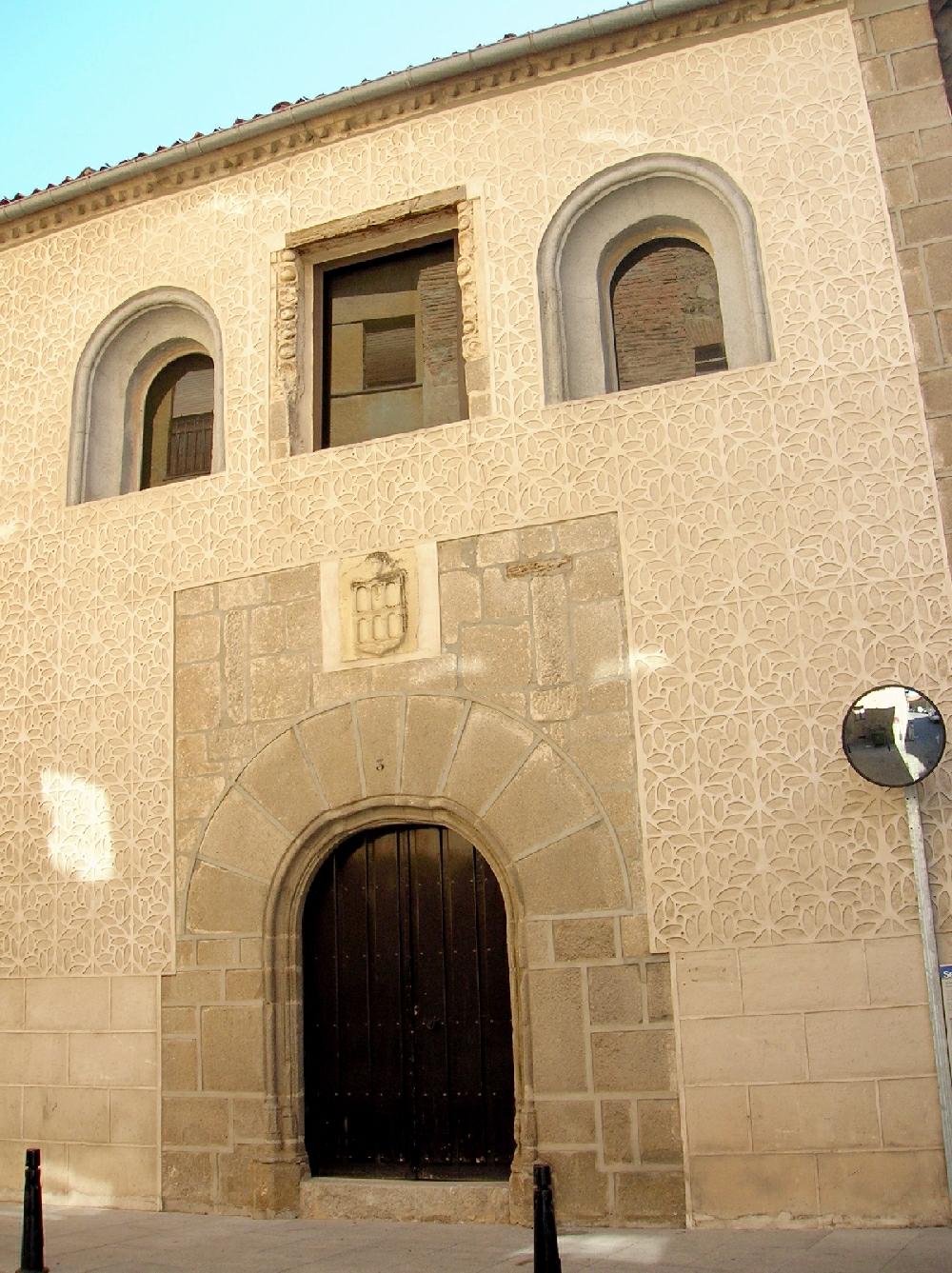
The Episcopal Palace of Segovia stands right in the historic heart of the city, just a short walk from the cathedral. For centuries the building has been closely tied to the Diocese of Segovia, and since 2021 it has opened its doors as a cultural and museum space for visitors.
Where did this palace come from?
The building's story begins in 1550, when it was built as the town residence of the Count of Puñonrostro, a member of the powerful Castilian nobility of the time. In 1635 the property was bought by the Salcedo family, and for a long stretch of its history it was known as the Palacio de los Salcedo. Over the following century, however, the building fell into disrepair and gradually lost its standing as a noble residence.
The turning point came in 1755. Manuel Murillo Argáiz, Bishop of Segovia, purchased the palace from Josefa de Salcedo y Lasso de la Vega and moved the seat of the bishopric here from its previous location near the Plazuela del Alcázar, right by the city's castle. From that point on, the building took on the role that gave it its present name.
How has its role changed over time?
From the mid-18th century until 1969, the palace served as the official residence of successive bishops of Segovia. Even after it stopped being a private residence, it remained the administrative, pastoral and cultural centre of the diocese, a role it continued to play well into the early 21st century.
A genuinely new chapter opened in 2021, when Segovia Cathedral took over the management of the palace. The goal was to revive the space and turn it into a reference point for religious, artistic, cultural and educational activity, opening it up not just to clergy but to residents and travellers alike.
What will you see inside?
The interior has preserved its Renaissance architectural character, most visible in the layout of its grand reception rooms. These halls, known as the "Salas Nobles" (Noble Rooms), are the main draw for visitors today. They house collections of sacred art and historical pieces belonging to the Diocese of Segovia, assembled over the centuries the palace spent as the seat of the bishopric.
How do you get there?
The palace sits in Segovia's historic centre, immediately next to the cathedral, making it a natural stop on any walking tour of the old town. The easiest way to reach it is on foot, whether you start from the cathedral or from the Plaza Mayor — the city centre is compact, and most landmarks lie within a fifteen-minute walk of each other. Because the palace sits within the historic district, expect restrictions on car access nearby.
When is the best time to visit?
It makes sense to plan a visit alongside the cathedral, since the two buildings stand practically side by side. Morning hours are the best bet for avoiding crowds, especially during the summer season when Segovia draws the largest numbers of visitors.
Frequently Asked Questions
What was the Episcopal Palace of Segovia originally built as? It was built in 1550 as the town residence of the Count of Puñonrostro, and only became the seat of the bishops of Segovia in 1755.
Why was it also called the Palacio de los Salcedo? Because from 1635 it belonged to the Salcedo family, before passing to the diocese in the mid-18th century.
Until when did the palace serve as the bishops' residence? Bishops lived there until 1969, though the building continued to serve the diocese's administrative and cultural functions for decades afterward.
What can visitors see in the palace today? The Renaissance reception rooms known as the Salas Nobles, which display art collections belonging to the Diocese of Segovia and have been open to the public since 2021.
Nearby places

Earn badges for the places you visit
Download NextOnTrip, discover new places and check off your trails.