About this place
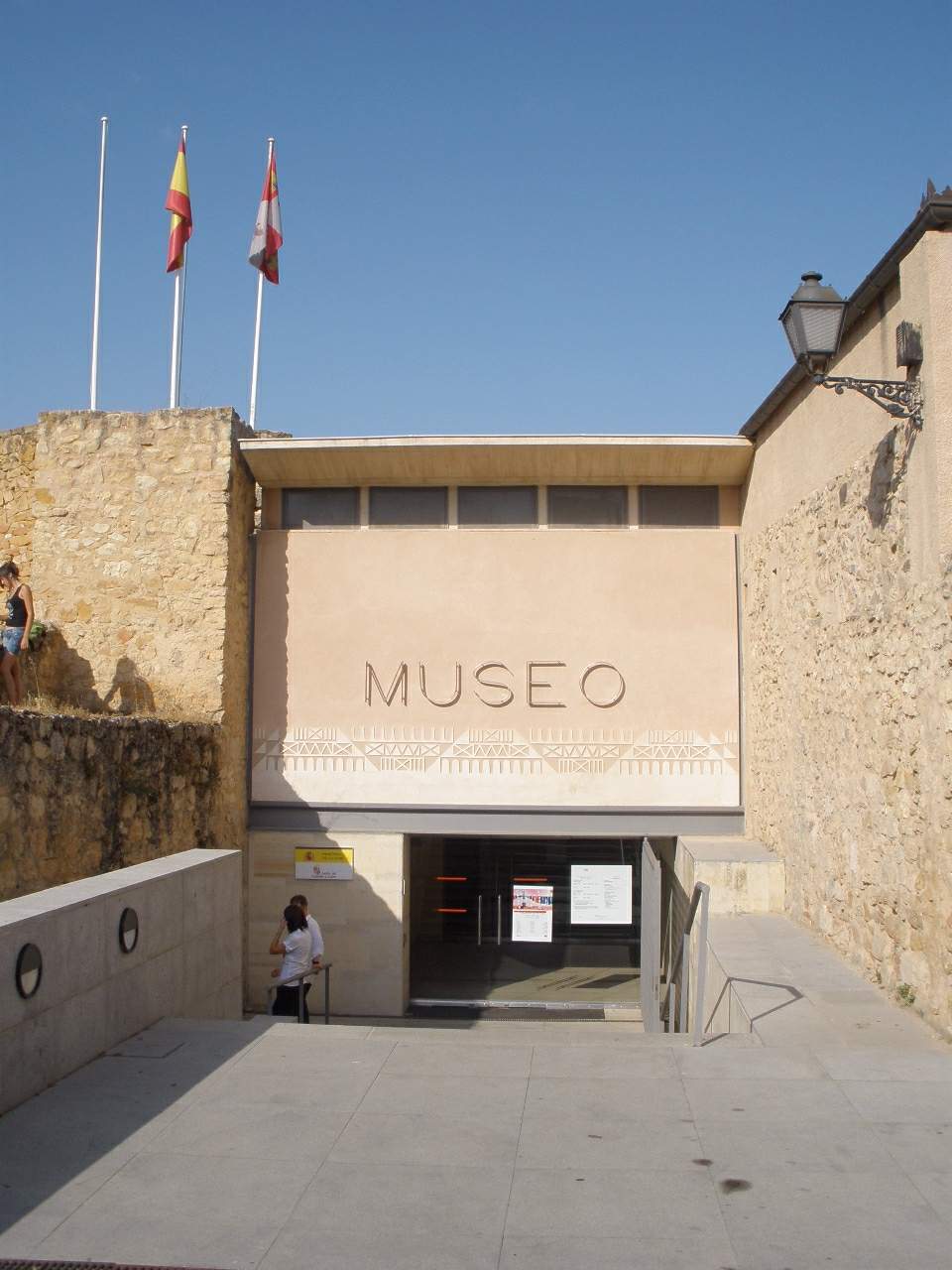
Museo de Segovia is the regional museum of Segovia, holding more than 1,500 archaeological, ethnographic, and fine-art pieces tied to the history of the province.
Where is the museum located?
The building sits on a rocky spur along the western stretch of Segovia's medieval walls, on the site of the former municipal slaughterhouse known as Casa del Sol. That position gives visitors an extra reason to stop by: a lookout point over the Eresma river valley and the surrounding hills, even before stepping inside the exhibition halls.
How has the museum's history unfolded?
The institution opened in 1842 inside the episcopal palace, run by the Provincial Commission for Historical and Artistic Monuments. Its original purpose was to safeguard artworks seized during the Spanish Desamortización — the 19th-century process of confiscating and auctioning off church property, which sent numerous paintings, sculptures, and liturgical objects into state hands.
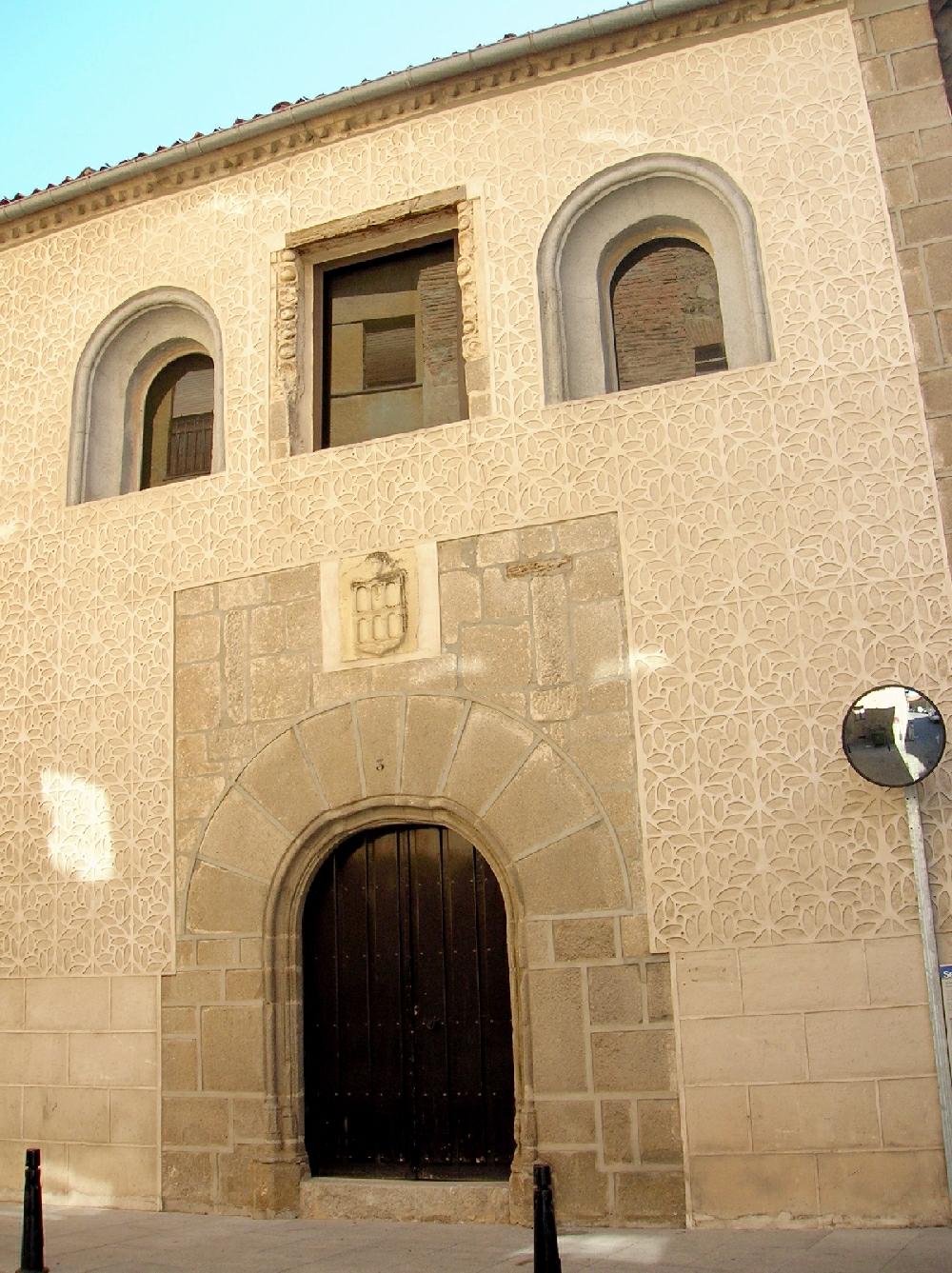
Over the decades the museum carried several names: Museo de Pinturas, Museo de Bellas Artes, Museo Provincial, before settling on its current one, Museo de Segovia. As early as 1845 the collection moved to the San Facundo building, and from the second half of the 19th century onward the pieces were scattered across different premises in the city. That fragmented state lasted for decades until 1967, when everything was finally reunited at Casa del Hidalgo and the adjoining building.
Another turning point came in 1981, when day-to-day management passed to the Autonomous Community of Castile and León, even though formal ownership of the collection remained with the Spanish state. The current building — a conversion of the old municipal slaughterhouse — was renovated in stages between 1986 and 2006, adapting the historic structure to modern museum-display standards.
What can visitors see in the collection?
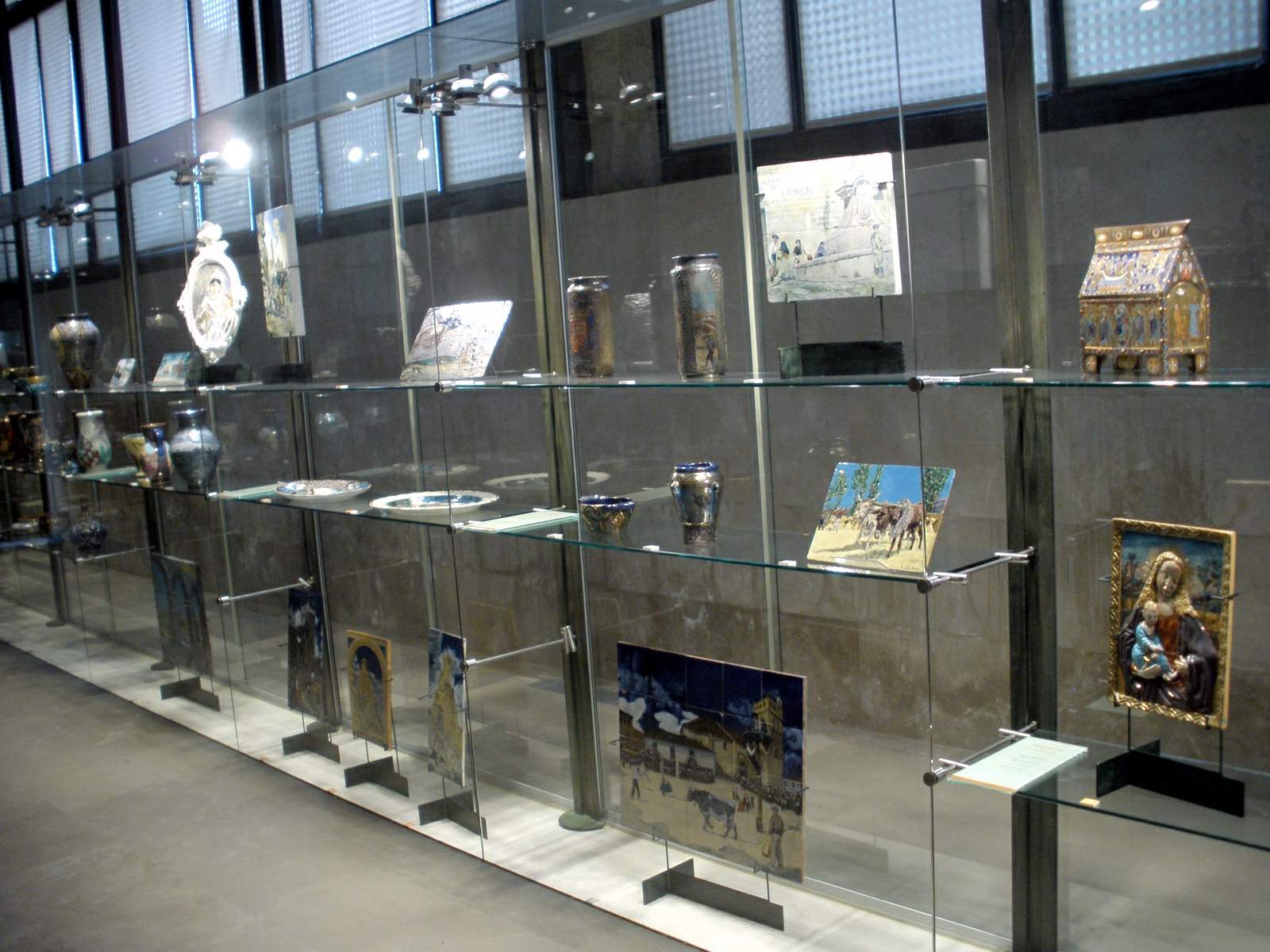
The holdings are organized into three main areas: archaeology, ethnology, and fine arts, all centered on the heritage of the Segovia region. The archaeological section walks visitors through successive periods — from the Paleolithic, through Celtiberian, Roman, and Visigothic cultures, to traces of the Islamic presence and objects from Christian-era Segovia. It's a rare chance to trace continuous settlement in this territory across thousands of years in a single visit.
The fine-arts section — paintings, sculptures, and decorative-arts pieces — largely comes from monasteries and churches secularized during the 19th-century Desamortización. As a result, the collection preserves works that might otherwise have been dispersed or lost once those religious institutions closed.
Who is this museum for?
Museo de Segovia is a natural stop for anyone wanting to place the city's history in a broader context, whether before or after visiting the cathedral, the Alcázar, or the defensive walls. The compact scale of the exhibition means a visit doesn't require a full day, and the location right against the walls makes it easy to fold into a walking route through the old town.
Frequently asked questions
Where exactly is Museo de Segovia located? The museum stands on the western stretch of Segovia's city walls, inside the Casa del Sol building, the former municipal slaughterhouse.
How many objects does the collection hold? The holdings include roughly 1,500 pieces, ranging from archaeological finds to paintings and sculptures dating from the Desamortización period.
Where does the name Casa del Sol come from? It's the historic name of the building, which previously served as the city's slaughterhouse before being converted for museum use between 1986 and 2006.
Who currently runs the museum? Since 1981 the museum has been managed by the Autonomous Community of Castile and León, although the collection formally belongs to the Spanish state.
Nearby places

Earn badges for the places you visit
Download NextOnTrip, discover new places and check off your trails.