About this place
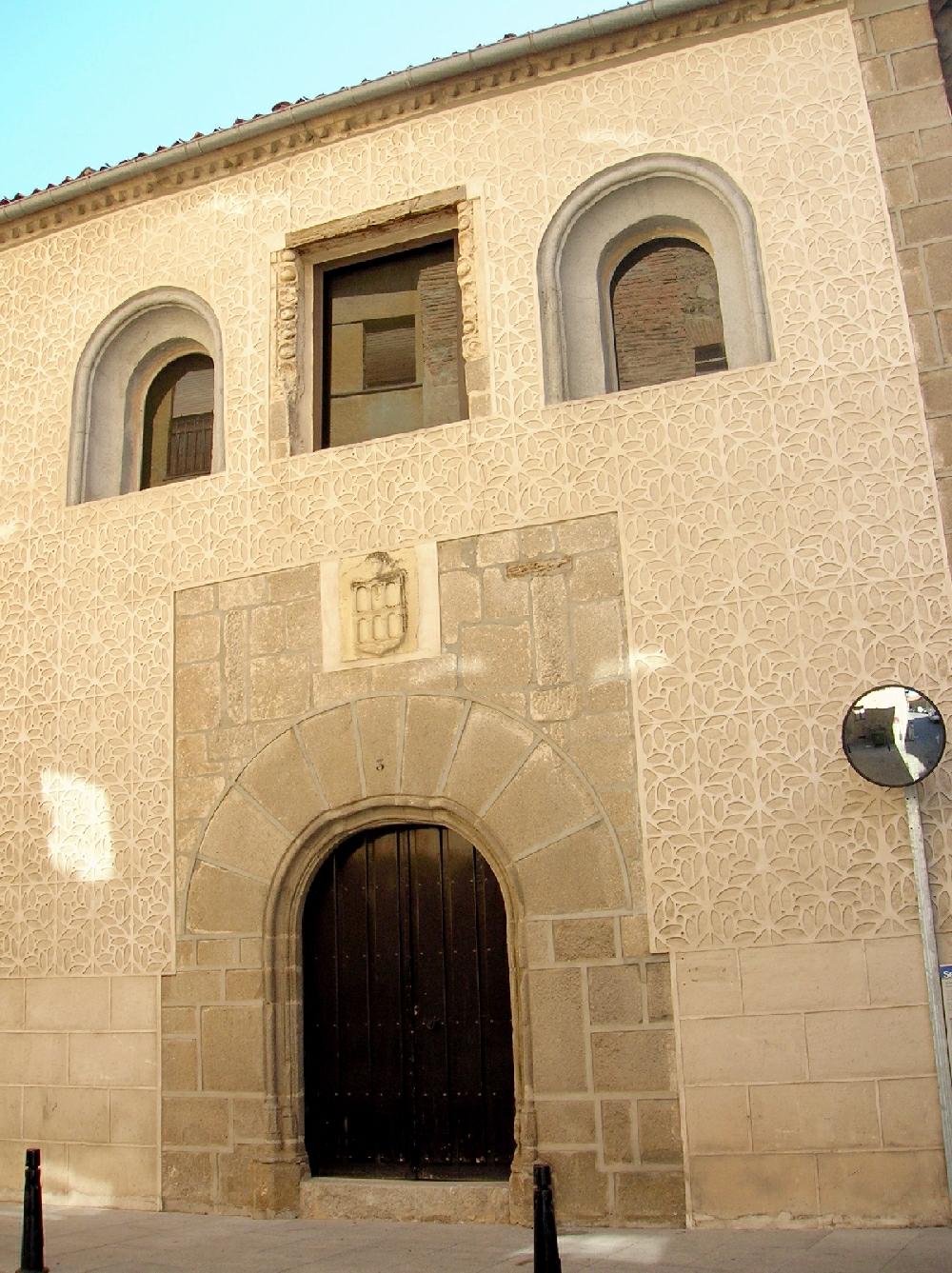
Palacio de Enrique IV (also known as Palacio de San Martín) is a Gothic-Mudejar palace in Segovia, now home to the Esteban Vicente Museum of Contemporary Art. The building was raised around 1455 on the orders of Prince Henry, son of John II and Lord of Segovia, as a residence for himself and his sister Isabella — the future Isabella the Catholic.
How to get there?
The palace sits in Segovia's historic center, close to the church of San Martín and within walking distance of the Plaza Mayor and the cathedral. Segovia connects easily with Madrid: the high-speed train takes around 30 minutes, while the bus takes somewhat longer. Once in town, the old quarter is best explored on foot, since most landmarks, including the palace, cluster inside the medieval walls.
What will you see?
The façades combine Mudejar building technique — brick, rammed-earth panels cast in wooden frames (tapial), and stone — with sgraffito decoration and stucco framing around the window openings. Inside, fragments of polychrome wooden ceilings (artesonados) survive, characteristic of 15th-century Castilian architecture. After Prince Henry became King Henry IV, the palace continued to serve the royal court, though more recent historical research suggests it functioned as a private, secondary residence rather than the monarch's principal seat.
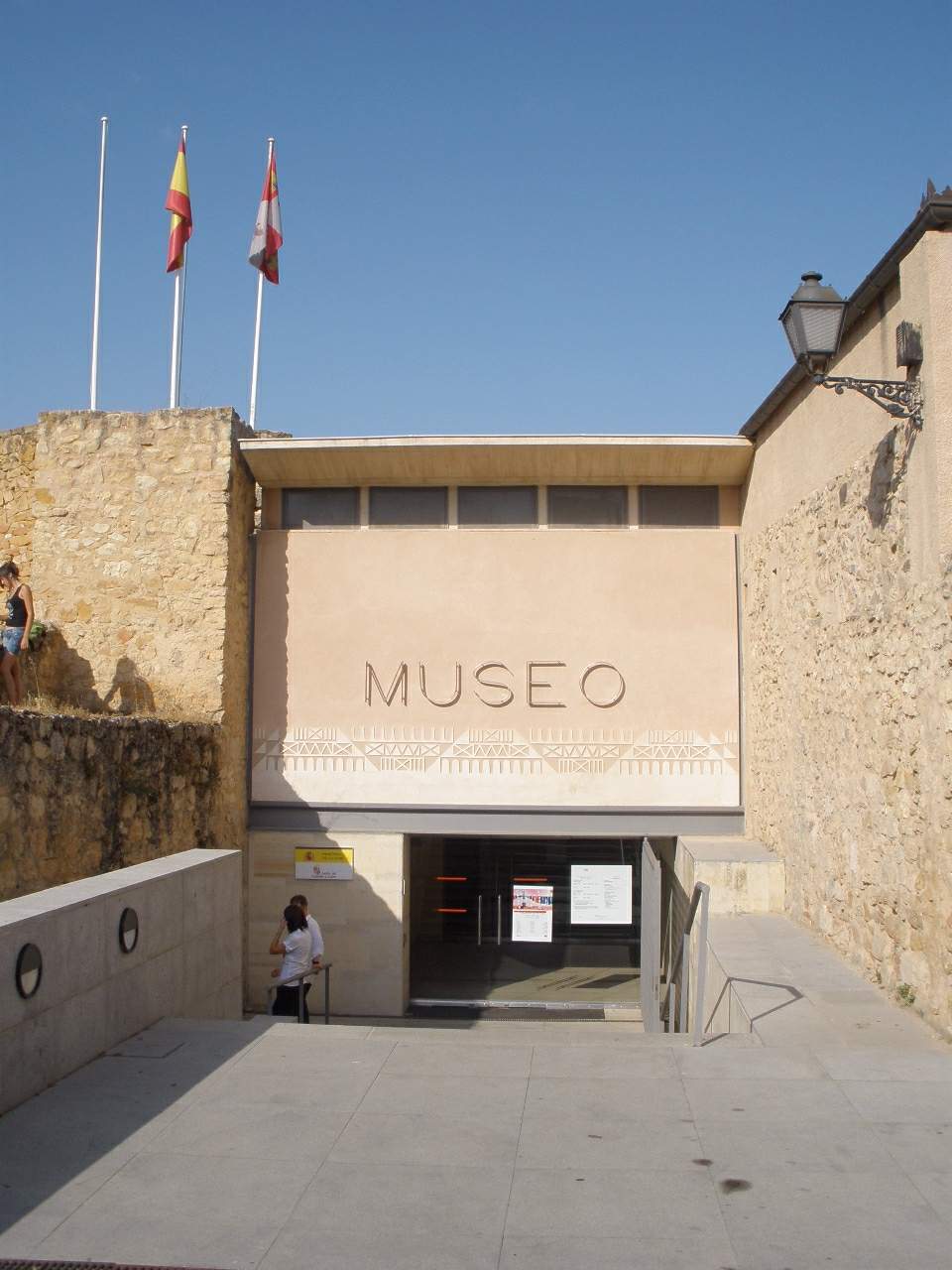
Following the king's death in 1499, the building was split into three sections. One part housed a charity hospital for a period. In 1778 the palace became the seat of the Drawing School, and in 1841 it passed to the provincial government (Diputación), turning into the School of Arts and Crafts. Since 1998 the palace has housed the Esteban Vicente Museum of Contemporary Art, showcasing a collection of 20th-century Spanish abstract art — making the building today both an architectural landmark and a modern art gallery.
When to visit?
Segovia is pleasant to visit nearly year-round, but spring (April–June) and early autumn (September–October) bring mild weather and smaller crowds than the peak summer months of July and August. The museum keeps standard public-institution hours — it's worth checking the current schedule before visiting, as it is often closed on Mondays.
Frequently asked questions
Is Palacio de Enrique IV the same as Palacio de San Martín? Yes, both names refer to the same building — the palace was built near the church of San Martín, which gave rise to its alternate historical name.
What does the palace house today? Since 1998 it has been home to the Esteban Vicente Museum of Contemporary Art, exhibiting works of 20th-century Spanish avant-garde art.
Who commissioned the palace? Construction began around 1455 by order of Prince Henry, the future King Henry IV, son of John II of Castile and then Lord of Segovia.
What architectural style does the building represent? The palace blends Mudejar construction — brick, rammed earth, and stone — with Gothic decorative elements typical of 15th-century Castilian palace architecture.
Nearby places

Earn badges for the places you visit
Download NextOnTrip, discover new places and check off your trails.