About this place
Lercaro Palace is one of the most important noble residences in San Cristóbal de La Laguna, Tenerife, now home to the Museum of History and Anthropology of Tenerife. Built at the end of the 16th century, it stands among the best-preserved examples of colonial-era architecture on the island and is a must-see stop when exploring this UNESCO World Heritage city.
Where does the palace's name come from?
The name comes from the Lercaro family, Genoese bankers who settled in the Canary Islands and, through strategic marriages, worked their way into the local aristocracy. Construction was commissioned by Francisco Lercaro de León after he married Catalina Justiniani y Justiniani, on a plot that had previously belonged to notary Gaspar Justiniano. Work began in 1593, and the residence expanded over the following centuries as neighboring houses were merged into one grand complex built in Genoese style.
How has the building's use changed over time?
Across the centuries the palace served many different purposes: a family home, military lodgings, a university classroom, a primary school, and even a shoe shop, carpentry workshop, and forge. This long string of uses meant the interior was repeatedly remodeled, though the building kept its characteristic layout centered on an inner courtyard with wooden balconies typical of Canarian architecture. In 1983 it was declared a Cultural Heritage Asset with the status of Historic-Artistic Monument, which protected it from further alteration.
What will you see inside?
After a thorough restoration completed in 1993, the palace opened to the public as the Museum of History and Anthropology of Tenerife. The exhibition traces the island's story from the pre-Hispanic Guanche period through the colonial era and into the 20th century, combining archaeological, ethnographic, and historical pieces. The architecture itself is as much a highlight as the collection: stone portals, wooden ceilings, and the colonnaded courtyard show how a wealthy merchant family once lived in old La Laguna.
How do you get to Lercaro Palace?
The palace sits in the historic center of San Cristóbal de La Laguna, within walking distance of the old town's main squares and churches. The city is well connected to Santa Cruz de Tenerife and Tenerife North Airport by tram and bus, making it an easy day-trip destination. Since the center's streets are cobbled and largely pedestrian, the most convenient approach is to park on the outskirts and walk in, or simply arrive by public transport.
When is the best time to visit?
La Laguna enjoys a mild climate year-round, but touring the museum and strolling the old town is most pleasant in spring and autumn, when temperatures are moderate and the heat less intense. It's worth checking opening hours before visiting, since museums in Tenerife often close one day a week and run reduced hours on Sundays and public holidays.
Frequently Asked Questions
What was Lercaro Palace originally? It was the private residence of the Lercaro family, Genoese bankers who settled in Tenerife, built starting in 1593.
What does the building house today? The Museum of History and Anthropology of Tenerife, which covers the island's history from the Guanche period to the present.
Is the building a protected heritage site? Yes, it has held Cultural Heritage Asset status as a Historic-Artistic Monument since 1983.
How much time should you set aside for a visit? A standard visit to the museum, including the courtyard and architecture, usually takes about one to one and a half hours.
Nearby places
-

Museum of the History of Tenerife
La Cuesta
-
Casa del Carnaval
Santa Cruz na Teneryfie
-
Museo Histórico Militar de Canarias
Santa Cruz na Teneryfie
-
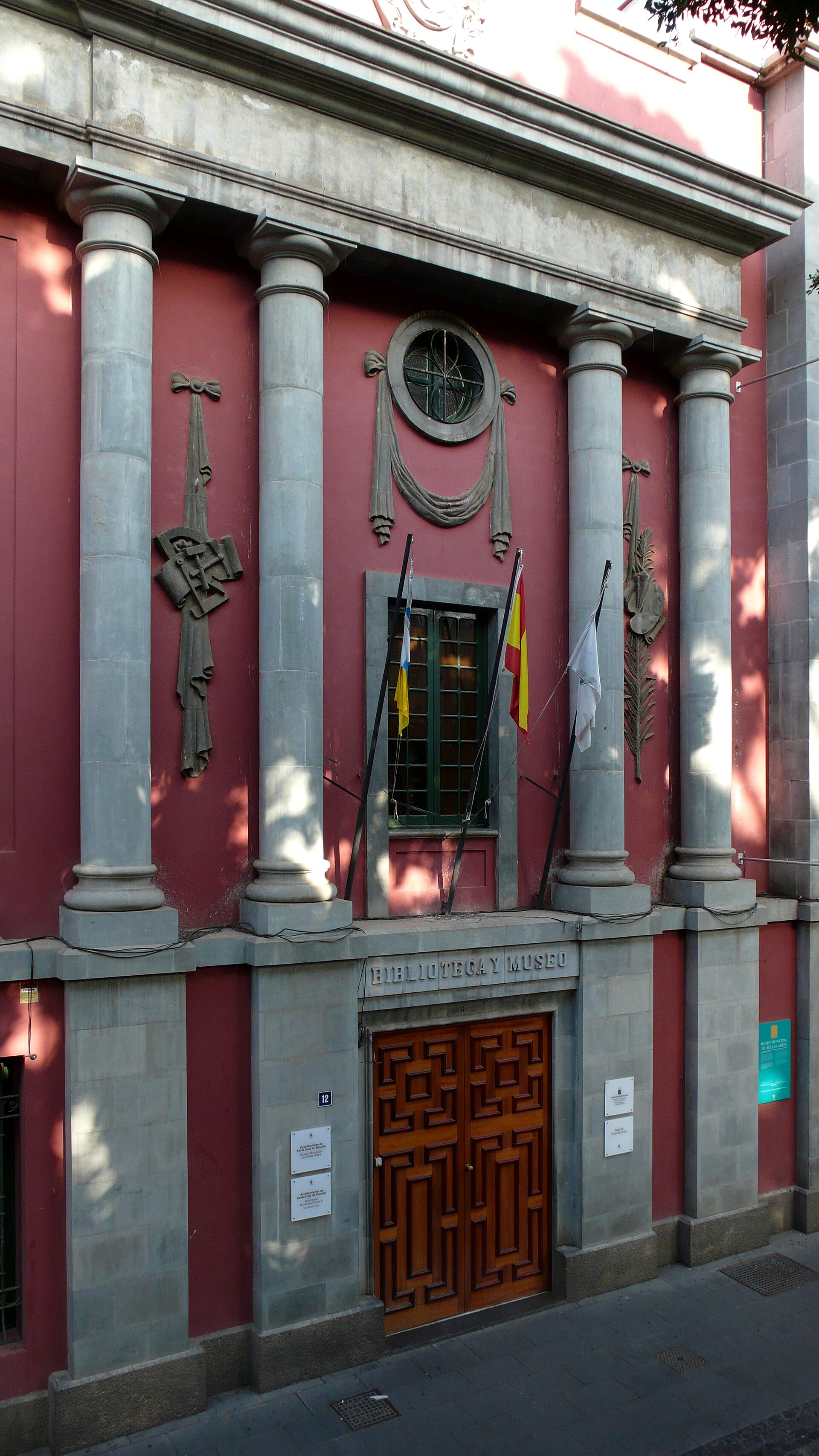
Museo Municipal de Bellas Artes de Santa Cruz de Tenerife
Santa Cruz na Teneryfie
-
Museo de la Naturaleza y el Hombre
Santa Cruz na Teneryfie
-
Jimenez Franchi House
Earn badges for the places you visit
Download NextOnTrip, discover new places and check off your trails.