About this place
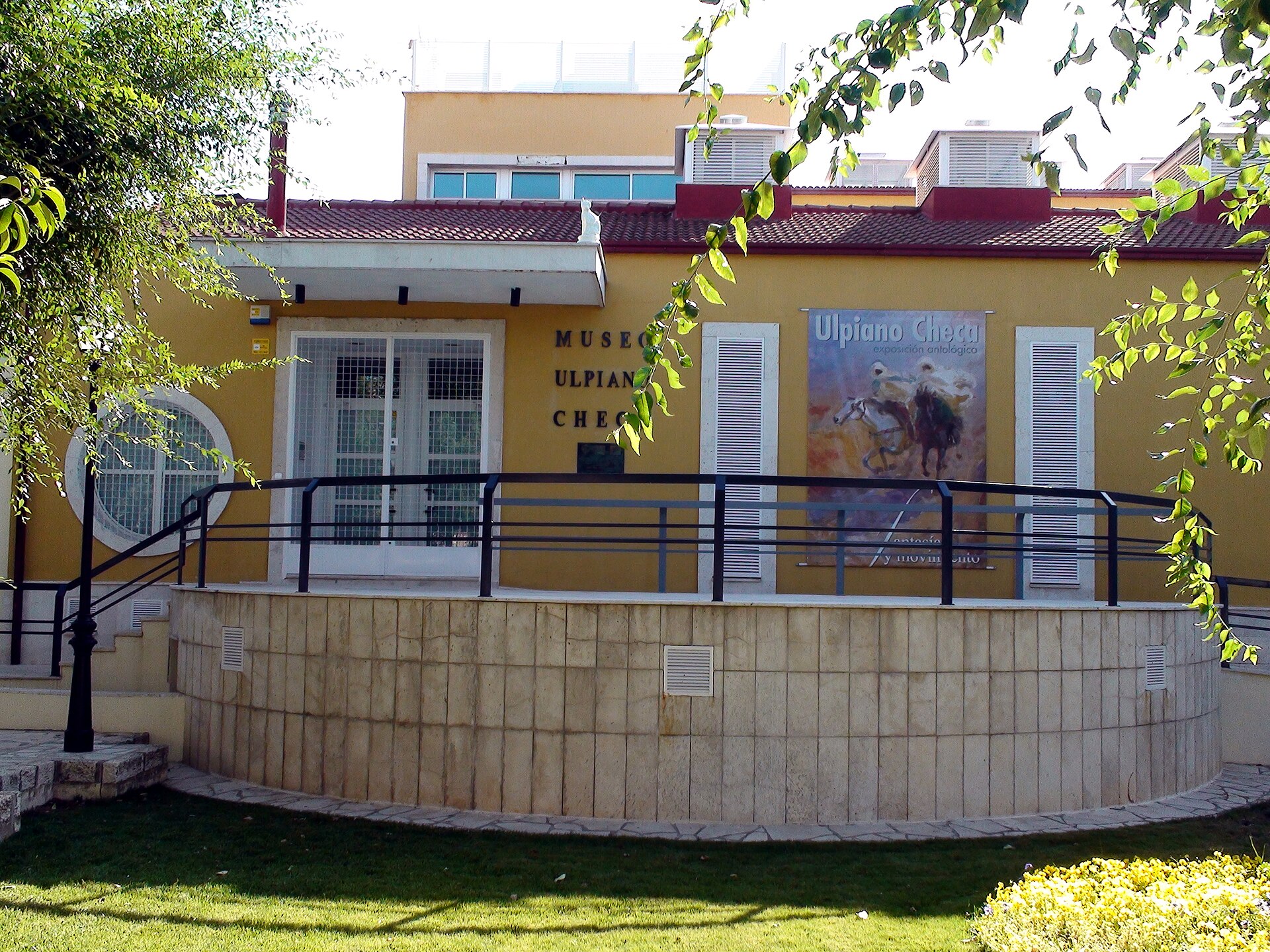
Museo Ulpiano Checa is a single-artist museum in Colmenar de Oreja, a small town south of Madrid, dedicated entirely to the work of Ulpiano Checa, the painter born there. The museum occupies his family home and traces the artist's path from his local roots to international recognition as a creator of large-scale historical and orientalist scenes.
Where is the museum located?
The building stands in the heart of Colmenar de Oreja, in a house locally known as the "house of the seven courtyards" — the very place where Ulpiano Checa was born. The address itself is part of the experience: visitors view the paintings inside the space that actually shaped the artist's early life, which sets this museum apart from typical municipal galleries housed in buildings with no direct link to the artist.
How did the museum come about?
The story goes back to the mid-20th century. The painter's family home underwent restoration work in the second half of the 1950s, and the museum itself opened on 3 April 1960. The date was chosen deliberately — it marks the feast day of Saint Ulpian of Tyre, echoing the painter's own name, while the opening year also coincided with the centenary of Checa's birth. Since then, the building has served as the permanent home of a collection devoted entirely to a single artist.
What can visitors see in the collection?
The holdings include oil paintings, watercolours, prints and engravings by Checa, alongside supporting material such as illustrated books, documents and studies on his life and work. The display is organised into thematic sections, letting visitors follow both the artist's biography and his connection to his native Colmenar de Oreja step by step.
The undisputed highlight is the monumental canvas "The Last Days of Pompeii," a painting covering roughly 20 square metres and one of the most striking examples of historical painting in the collection. Checa specialised in this kind of large-scale composition, combining the drama of historical events with elaborate staging and crowded, dynamic scenes.
What made Ulpiano Checa distinctive as a painter?
Checa was one of the respected historical and orientalist painters working at the turn of the 19th and 20th centuries. His paintings, built with great attention to staging and movement, anticipated compositional techniques that cinema would later adopt. Art historians point to Checa's way of arranging mass scenes and dramatic framing as an influence on the set design of well-known films built around similar historical subject matter, including productions set in ancient Rome and Pompeii. That connection makes the museum interesting not only to painting enthusiasts but also to anyone curious about early cinema history.
Why is this museum worth a visit?
Museo Ulpiano Checa is regarded as one of the finest single-artist collections in the region. The modest scale of both the town and the museum itself makes for a calm, direct visit — without the crowds typical of major capital-city museums — while still offering access to works of real significance for Spanish painting. It makes a rewarding stop for anyone exploring the area around Madrid who wants to go beyond the main tourist trail.
Frequently asked questions
Who was Ulpiano Checa? He was a Spanish painter specialising in historical and orientalist scenes, born in Colmenar de Oreja, best known for large-scale canvases depicting ancient historical subjects.
Where is the museum located? The museum occupies the artist's family home in Colmenar de Oreja, known as the "house of the seven courtyards," in the centre of town.
How long has the museum existed? It opened on 3 April 1960, marking the centenary of the painter's birth, following restoration work carried out on the family home during the 1950s.
What is the most famous work in the collection? The largest and best-known piece is the canvas "The Last Days of Pompeii," covering an area of roughly 20 square metres.
Nearby places

Earn badges for the places you visit
Download NextOnTrip, discover new places and check off your trails.