About this place
Rua Dr. António Cabreira is one of the quiet historic lanes of Tavira's old town, named after a mathematician and scholar born on this very street in 1868. For visitors wandering through Tavira, it's more than a street sign — it marks the family home of a local figure whose legacy now lives on as the town's municipal archive.
Who was António Cabreira?
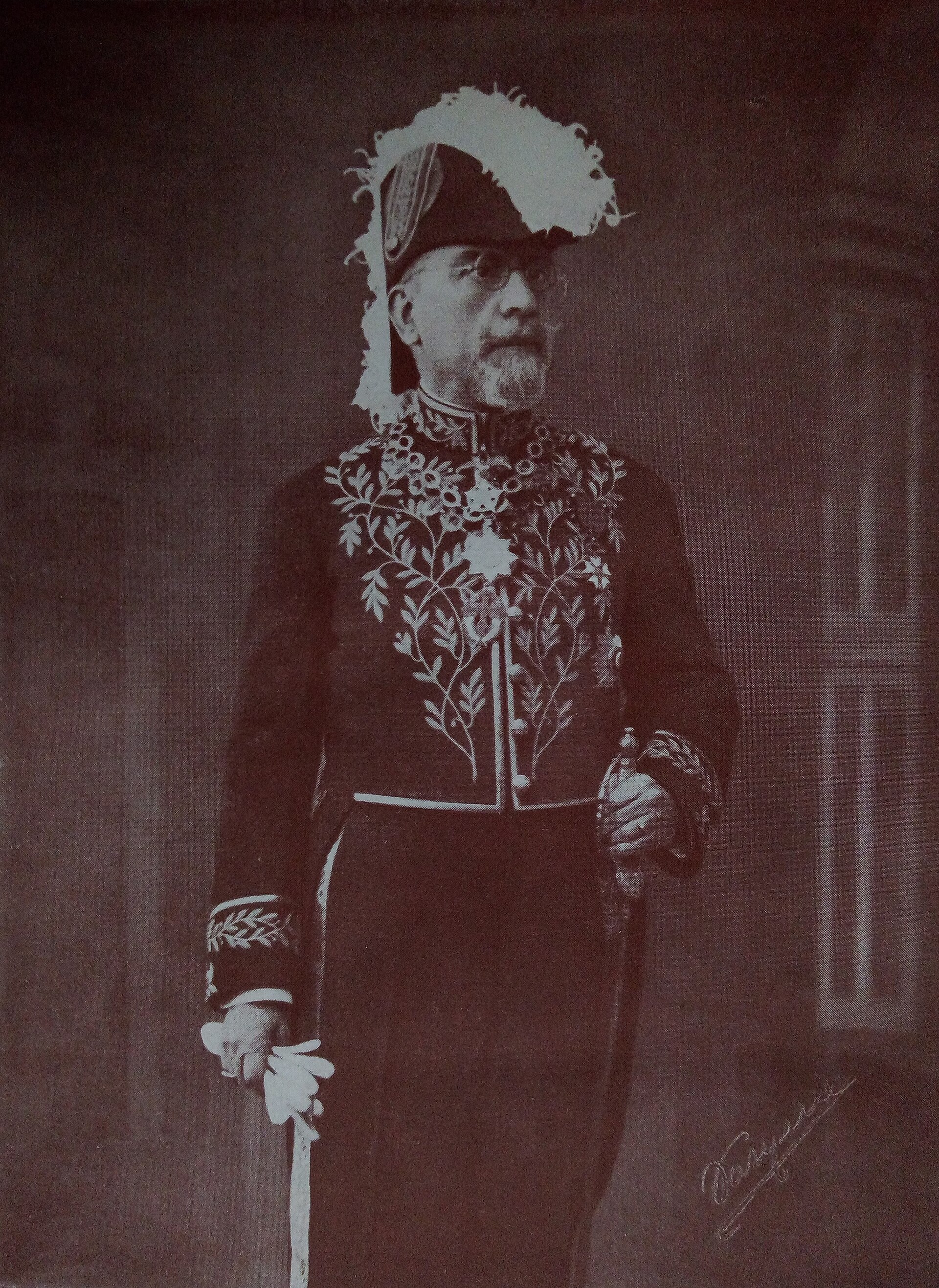
António Tomás da Guarda Cabreira de Faria e Alvelos Drago da Ponte was born on 30 October 1868 in the family house in Tavira's Santa Maria parish, right at the corner of what are today Rua Jacques Pessoa and Rua Dr. António Cabreira. He belonged to the aristocratic Cabreira family and, as a Miguelist, claimed the noble titles of Count of Lagos and Viscount of Vale da Mata. Professionally he built a career as a mathematician, polymath and prolific writer, leaving behind a substantial body of published work. He died in Lisbon on 21 November 1953.
Why does a Tavira street carry his name?
In 1917 the town council chose to honour its native scholar by renaming Rua da Alegria as Rua Dr. António Cabreira — the exact street where his birthplace stands. At the same time, the neighbouring lane was renamed after another native son, Jacques Pessoa. This is a recurring pattern in Tavira: walk through the old town and street names keep pointing back to figures who shaped the city's history.
What can you actually visit here?
The main draw tied to this name is Casa Cabreira, the house where António Cabreira was born. In 1944 he donated the building to Tavira's town council, intending it to become a library, museum and archive. Restoration work began in August 2000, and the building reopened on 24 June 2001 as Tavira's Municipal Archive. Today visitors can step inside a genuine old Tavira townhouse and browse historical records covering the town and the wider region. The street itself runs through an atmospheric stretch of the old town, close to the Gilão river and the city's main landmarks, so it fits naturally into a walking route.
How do you get there?
The street sits right in the heart of historic Tavira, an easy walk from the Roman bridge and the main town square. Getting around on foot is by far the best option — the old town is compact, and most sights cluster within a few hundred metres of each other. Drivers should park at the edge of the historic centre and continue on foot, which is really the only practical way through the narrow lanes anyway.
When is the best time to visit?
Spring and early autumn are the most pleasant seasons for exploring Tavira, avoiding the peak summer heat while the town is still lively. Mornings are ideal for wandering the old town's streets, and afternoons are best spent by the river or on the beaches of nearby Tavira Island.
Frequently asked questions
Is Rua Dr. António Cabreira a sight in its own right? It's primarily a historic street of the old town — its interest lies in context, namely the scholar's birthplace and its location within Tavira's protected historic centre, rather than in dramatic architecture along the street itself.
Can you visit the house where António Cabreira was born? Yes. The building now serves as Tavira's Municipal Archive (Casa Cabreira) and is open to visitors during the institution's regular hours.
What was António Cabreira known for? He was a mathematician, scholar and publicist from the aristocratic Cabreira family, who also claimed the noble titles of Count of Lagos and Viscount of Vale da Mata.
Is it worth combining this area with other Tavira sights? Definitely — the street lies close to the Roman bridge, the old town's churches and the Gilão riverfront, making it an easy addition to a longer walk through Tavira's historic centre.
Nearby places

Earn badges for the places you visit
Download NextOnTrip, discover new places and check off your trails.