About this place
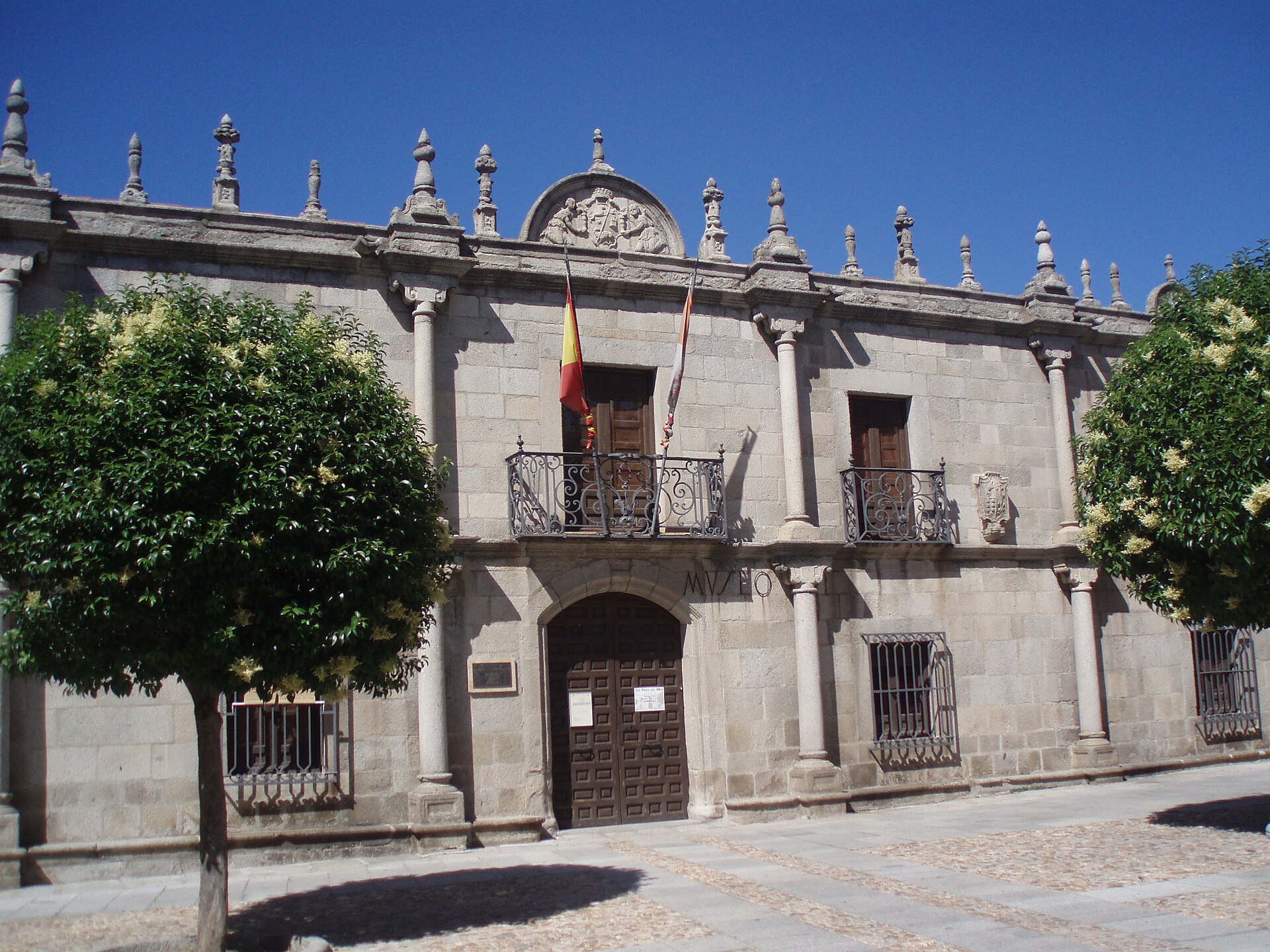
Casa de los Deanes is a Renaissance palace in Ávila, in the Spanish region of Castile and León, once the residence of the cathedral's deans and now home to the city's provincial museum. The building sits just outside the medieval walls, in a quieter part of town, making it an easy addition to a walk through Ávila's older monuments.
Why is it called Casa de los Deanes?
The name is literal rather than decorative: in the 16th century the building was home to the "deanes," the deans of Ávila's cathedral chapter. It was the cathedral clergy itself that commissioned the residence, which explains both its proximity to the city's religious core and the formal, dignified style of its architecture.
What does the building look like, and what style is it built in?
The palace has two storeys arranged around a regular, quadrangular plan typical of Renaissance-era noble and ecclesiastical residences. At its centre is an inner courtyard ringed by a gallery, where segmental, basket-handle arches rest on granite columns. The main façade is built of dressed granite ashlar and blends Herrerian-Plateresque detailing with Gothic-Mudejar influence, making the building a notable example of how different architectural traditions overlapped during the Spanish Renaissance. Its historical and artistic value led to its designation as a national monument in 1962.
What can visitors see inside the Museo de Ávila?
The palace now houses the Museo de Ávila, the province's museum, with a permanent collection organised into three sections. The first covers the traditional rural culture of the province, including local crafts, folk art and everyday occupations. The second traces the province's history from prehistoric times through the 19th century, charting how the territory changed over thousands of years. The third section focuses on the city itself, displaying archaeological finds recovered during excavations carried out around Ávila, offering a look beneath the modern streets.
Where exactly is Casa de los Deanes located?
The building stands on Plaza de Nalvillos, outside the walls of the old town and close to the Romanesque church of Santo Tomé. Sitting right on the boundary between the walled centre and the newer parts of Ávila, it is easy to combine a visit here with other Romanesque and medieval sites scattered around the city.
Frequently Asked Questions
What was Casa de los Deanes before it became a museum? It was a private residence, built in the 16th century for the deans of Ávila cathedral's chapter — the origin of the building's current name.
What architectural style does the building represent? Its façade and courtyard combine Herrerian-Plateresque features with Gothic-Mudejar elements, all executed in dressed granite.
What exactly can you see inside? The permanent exhibition of the Museo de Ávila, split into three parts: the province's rural folk culture, its history from prehistory to the 19th century, and archaeological finds from excavations within the city.
Is the building protected as a heritage site? Yes, Casa de los Deanes was declared a national monument in 1962 in recognition of its historical and architectural value.
Nearby places

Earn badges for the places you visit
Download NextOnTrip, discover new places and check off your trails.