About this place
The Adolfo Suárez and Transition Museum in Cebreros, in the province of Ávila, is a small but distinctive museum dedicated to Spain's first democratically elected prime minister and to the historic transition from dictatorship to democracy.
Where is the museum located?
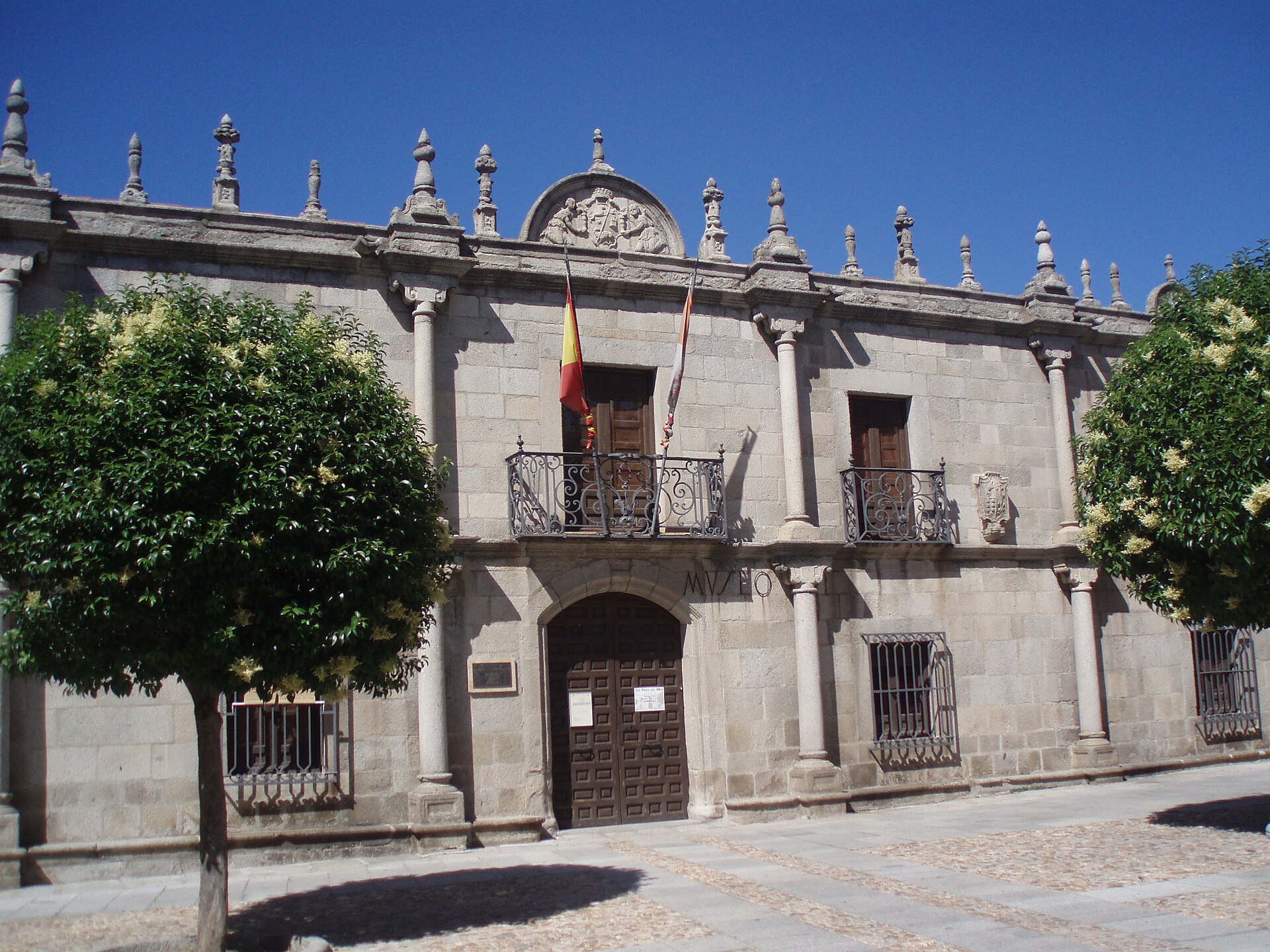
Cebreros is the hometown of Adolfo Suárez, the politician who, as the first head of government after Franco's death, guided Spain through a peaceful transition from dictatorship to parliamentary democracy. The museum sits right in the heart of the town, housed in the former parish church known as the Iglesia Vieja (Old Church), whose origins date back to the second half of the 14th century.
How do you get there?
Cebreros lies in the province of Ávila, in the region of Castile and León, within reasonable driving distance of Madrid. Arriving by car is the most convenient option, though the town also has bus connections to Ávila and Madrid. As part of the Museums of Castile and León network, the museum is clearly signposted in the town center.
What will you see inside?
The permanent exhibition traces Adolfo Suárez's life and political career, from his modest beginnings in Cebreros to his time as head of the Spanish government. On display are documents, photographs and personal belongings that help visitors follow the key moments of Spain's political transformation in the late 1970s. The museum also hosts temporary exhibitions covering the culture and media of that era - cinema, press, posters and painting - broadening the historical context of the Transición story.
Why is the building itself worth a visit?
The architecture adds another layer of interest. The Iglesia Vieja, a 14th-century church, underwent an extensive restoration that blends its original walls and ruins with a modern exhibition space. The result is a dialogue between old and new, where a historic church structure now serves as the backdrop for telling the story of contemporary Spanish history.
When should you visit?
The museum has welcomed visitors since it opened in June 2009 and stays open year-round. It's worth checking current opening hours before a visit, since as a municipal institution it may operate on a reduced schedule outside peak tourist season. Spring and autumn are good times to combine a museum visit with exploring the surrounding vineyards, as the Cebreros area is known for its wine production.
Frequently asked questions
Who was Adolfo Suárez? Adolfo Suárez was Spain's first democratically elected prime minister after the dictatorship of Francisco Franco. Born in Cebreros, he led the country from 1976 to 1981, steering it through a peaceful transition to parliamentary democracy.
What was the Spanish Transición? The Transición (Transition) refers to the period in Spanish history following Franco's death in 1975, during which the country moved from dictatorship to a democratic political system, culminating in the 1978 constitution.
How long does a visit take? A typical visit, covering the permanent exhibition and any temporary show, usually takes between 45 minutes and an hour and a half.
Is there anything else to see in Cebreros? Yes, the town offers a historic center, a local wine-making tradition, and proximity to the Sierra de Gredos mountains, making it a good base for a longer trip through the province of Ávila.
Nearby places
Earn badges for the places you visit
Download NextOnTrip, discover new places and check off your trails.