Museums in Spain
A guide to 891 Museums in Spain — with descriptions, photos and traveler visits from the NextOnTrip community. Locations spread across 469 cities and towns. Most visited by the community: Muzeum Picassa w Barcelonie, Museo Internacional de Arte Contemporáneo, Palace of Zulueta.
-
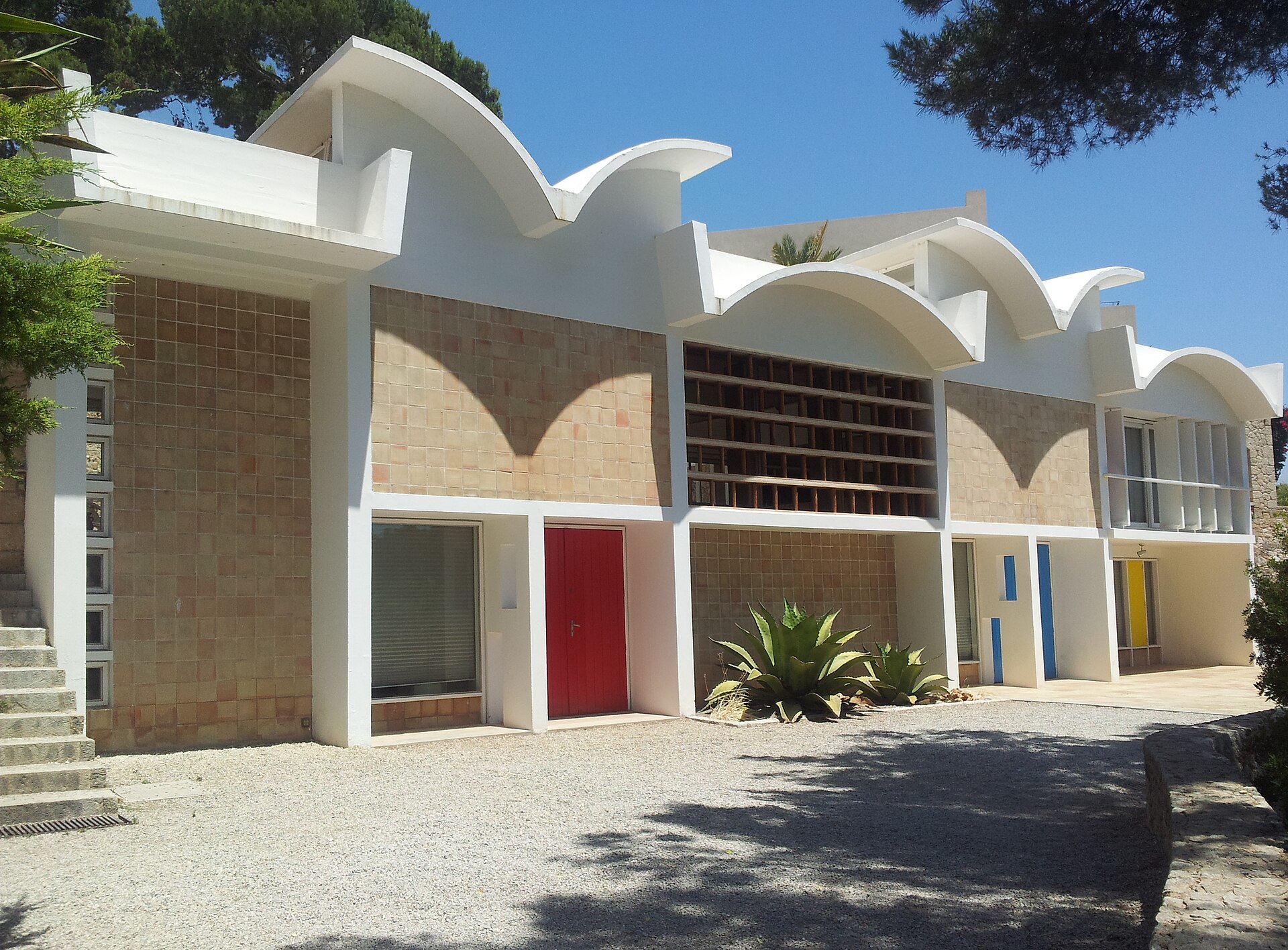
Fundació Miró Mallorca
Palma
Fundació Miró Mallorca is an art museum in Palma de Mallorca dedicated to the work of Joan Miró, built on the very site where the artist lived and worked for nearly three decades. Why did Miró set up his studio on Mallorca? Joan Miró moved to Palma in 1956, drawn by the island's Mediterranean setting and the chance to build a large, purpose-made studio. His friend, the Catalan-Spanish architect Josep Lluís Sert, designed it for him — the building known today as Estudi Sert became the centre of the artist's creative work on the island. Three years later Miró bought the neighbouring Son Boter, an eighteenth-century Mallorcan house, and turned it into a second workspace, fitting out an engraving and lithography workshop and leaving murals and sketches drawn directly onto its walls. How was the foundation created, and who designed it? After the artist's death, his wife, Pilar Juncosa, established the Fundació Pilar i Joan Miró a Mallorca in 1981 to preserve his legacy and open the place where he actually worked to the public. A new, purpose-built exhibition wing was designed by Spanish architect Rafael Moneo and completed in 1992. Since then the complex has combined this modern exhibition building with the original, largely untouched Sert and Son Boter studios. What can visitors see at the museum? The foundation holds a collection of roughly 6,000 works donated by the artist himself — paintings, sculptures, drawings and sketches spanning different periods of his career. Alongside the main exhibition building, the grounds include a sculpture garden and a library. The Sert studio remains largely as Miró left it, with materials, easels and unfinished pieces still in place for visitors to see. At Son Boter, the wall paintings and sketches Miró drew directly onto the plaster stand out, showing how he experimented with form before transferring ideas to canvas. Where exactly is the foundation located? The museum sits in Palma de Mallorca, slightly apart from the dense old town, which let the site keep a quiet, garden-like character rather than the tight urban fabric found elsewhere in the city. For anyone interested in 20th-century art and modernist architecture, it's one of the island's essential stops, pairing artistic significance with the history of the place itself. Frequently Asked Questions Is Fundació Miró Mallorca the same as the house Miró lived in? The foundation covers the grounds where the artist's studios stood — Estudi Sert and Son Boter — plus a new museum building added after his death. It isn't a reconstruction; it's Miró's actual workplace, preserved largely in its original state. Who designed the foundation's buildings? The Sert studio was designed by Josep Lluís Sert, a friend of the artist, during Miró's lifetime. The main museum building, opened in 1992, was designed by architect Rafael Moneo. How many works are in the collection? The foundation's collection holds around 6,000 works donated by Joan Miró, including paintings, sculptures, drawings and sketches. What's the difference between the Son Boter studio and Estudi Sert? Son Boter is the older, eighteenth-century house Miró bought as a second studio — it housed an engraving and lithography workshop, and its walls carry murals and sketches the artist painted directly onto the plaster, still visible today.
-
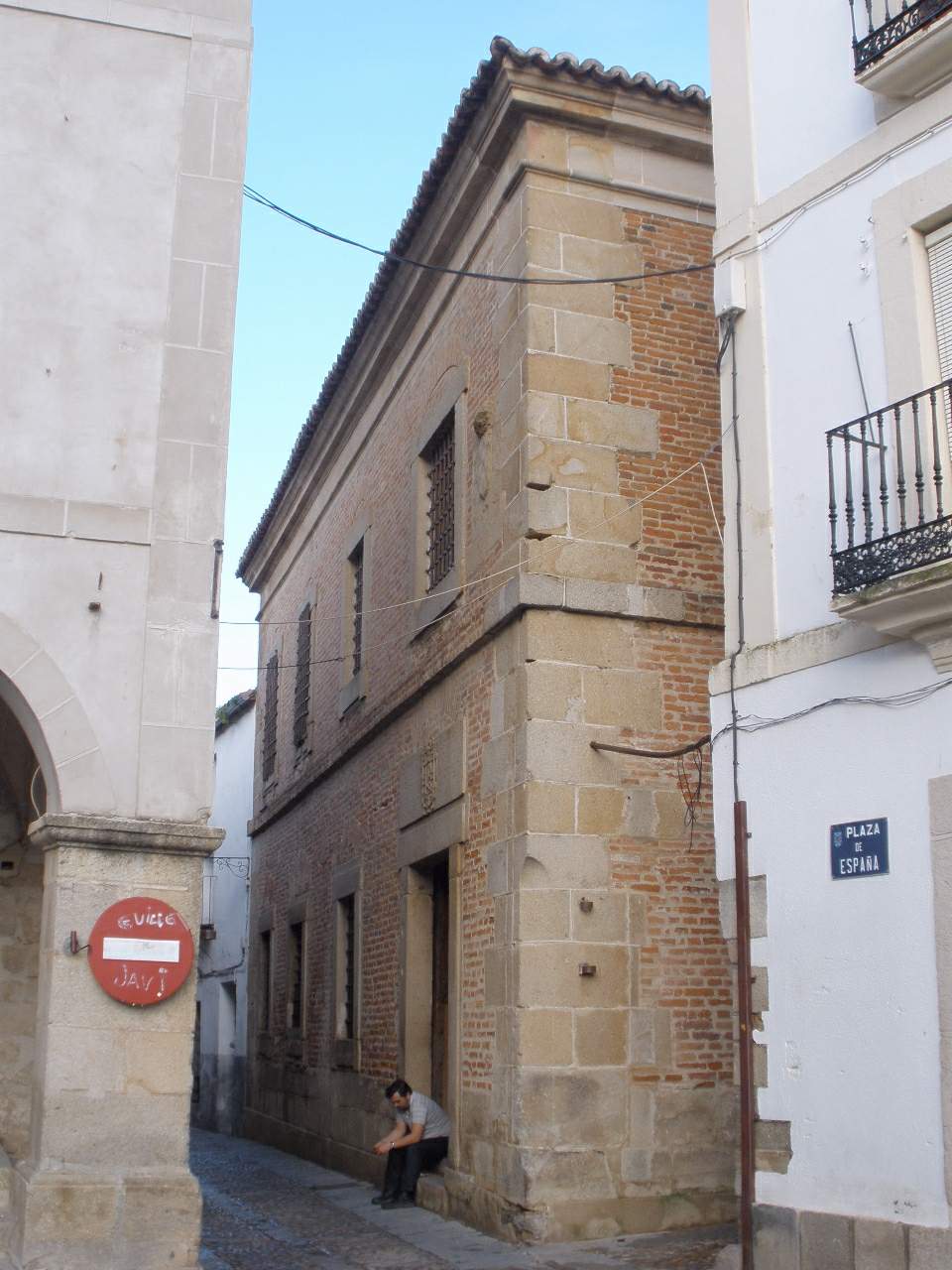
Museo de la Cárcel Real de Coria
Coria
Museo de la Cárcel Real de Coria is a small but content-rich museum housed in a former royal prison in Coria, a walled town in the province of Cáceres, Extremadura. The building was raised in 1686 by architect Alonso Hernández of Garrovillas and served as a civil penitentiary for nearly three centuries, only closing its doors as a working jail in 1981. Eighteen years later, in 1999, it reopened as a museum that pairs the story of the building itself with a substantial archaeological collection from the surrounding region. How do you get there? Coria sits in the north-western corner of Extremadura, close to the Portuguese border, and is one of the best-preserved walled towns in the region. The museum stands inside the old town, within the historic walls, so the easiest way to reach it is on foot, following the narrow streets between the cathedral and the remains of the Roman bridge. Visitors arriving by car should park near the walls and continue on foot, since the historic centre is made up of narrow, pedestrian-friendly lanes not really suited to driving. What will you see inside? The building itself is the first exhibit — a Baroque-era prison structure from the late 17th century, with its original cell layout and courtyard still giving a clear sense of how the penitentiary once operated. Inside, the collection brings together archaeological finds unearthed within the municipality of Coria: prehistoric tools and objects, Roman-era artefacts, and remnants from the Visigothic period. A separate section is devoted to local ethnography — everyday rural life in the region in past centuries — and to Los Sanjuanes, the traditional bull-running festival that is one of Coria's best-known cultural events, tied to the celebrations of Saint John. When should you visit, and how long does it take? The museum is open year-round except on Mondays and a handful of holidays — 1 January, 24 June and 25 December — and afternoon visits are also suspended on public holidays. Morning hours run Tuesday to Sunday, while afternoon hours run Tuesday to Saturday. Given the museum's compact size, a relaxed visit typically takes 45 minutes to an hour, making it an easy stop to slot into a walk around Coria's old town alongside the cathedral and the city walls. Who is this museum for? The museum suits visitors with an interest in local history and regional archaeology, as well as anyone curious to see a rare example of a historic prison repurposed as a cultural space. It also works well for families with school-age children — the compact layout and the mix of exhibits, from prehistory to folk traditions, help keep younger visitors engaged without the visit dragging on. Frequently asked questions Is there an entrance fee? It is best to check current admission details directly with Coria's local tourist information office before visiting, since policies for small regional museums like this one can change and are set by the town council. How much time should I set aside? Because the exhibition space is small, 45 minutes to an hour is usually enough, which makes it easy to combine the visit with the rest of a walk around Coria's old town. Is the museum accessible for visitors with limited mobility? The building is a centuries-old former prison, so expect some of the architectural limitations typical of historic structures — it's worth asking on site about wheelchair access before your visit. What else is worth seeing nearby? After the museum, it's worth walking to Coria's nearby cathedral, the town's defensive walls, and the Roman bridge — all within easy walking distance inside the historic centre.
-
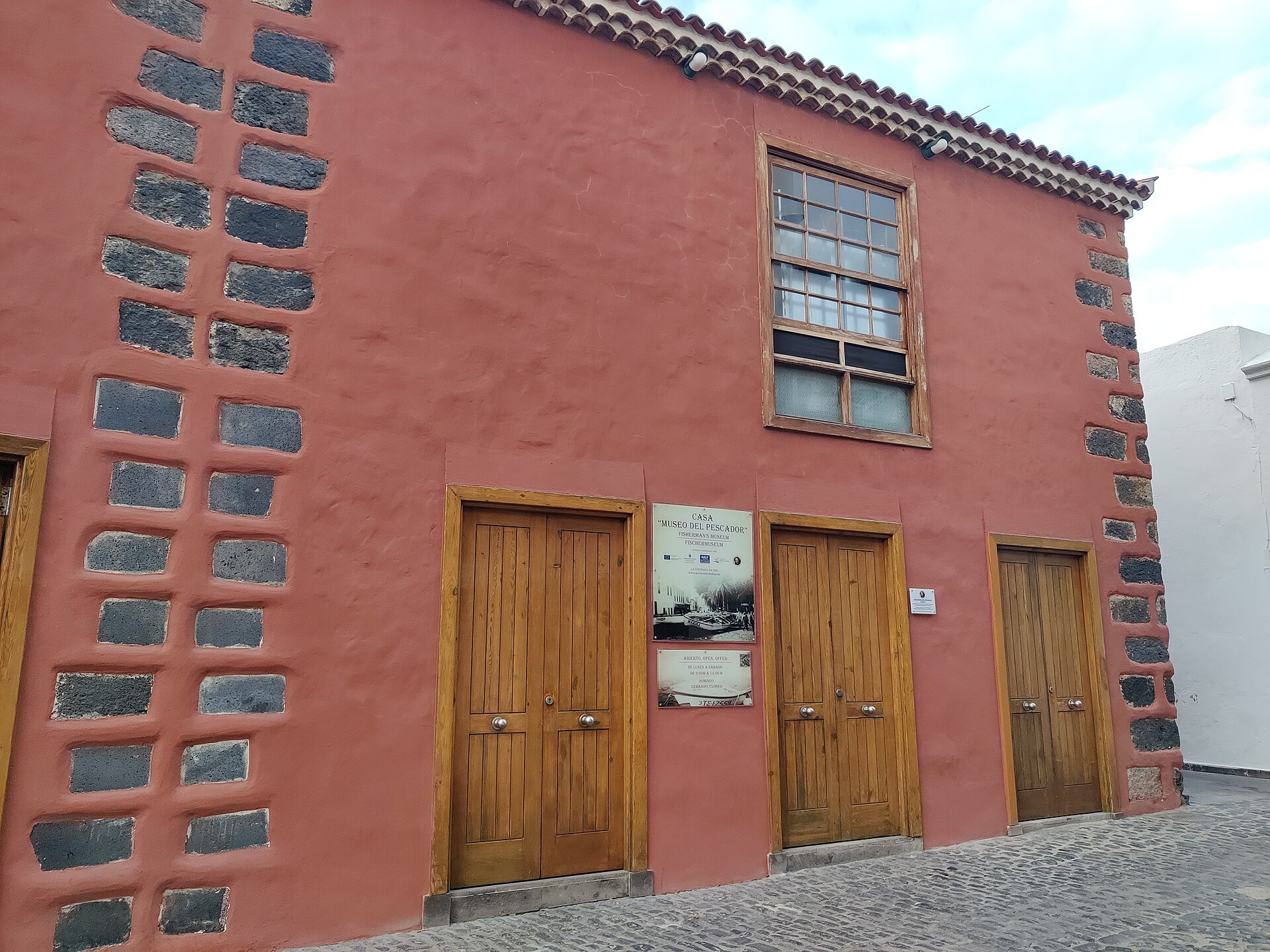
Fisherman's Museum
Fisherman's Museum (Museo del Pescador) in Puerto de la Cruz is a small museum dedicated to the fishing traditions of this coastal town on Tenerife, in Spain's Canary Islands. Located on Calle Las Lonjas near the old fishing harbour, it offers visitors a compact but detailed look at the working life of local fishermen across generations. What can you see inside? The collection centres on tools and equipment once used by the region's fishermen: nets, hooks, fishing lines and boat rigging. A particular highlight is the museum's set of ship models, ranging from traditional fishing boats to sailing ships and detailed galleon replicas, all built with notable craftsmanship. These are complemented by photographs and historical documents tracing how fishing on Tenerife evolved over time, and how it shaped the daily life of coastal communities as well as local cuisine. The experience is intimate rather than sprawling — this is not a large museum complex, but a single, compact space where the region's fishing heritage is presented in concentrated form. How do you get there? The museum sits in the historic part of Puerto de la Cruz, close to the seafront and the old harbour, making it easy to combine a visit with a stroll along the coastal promenade. Puerto de la Cruz lies on Tenerife's northern coast and is well connected to the rest of the island by regional bus routes and access roads from nearby towns and resorts. When is the best time to visit? The museum keeps standard morning hours, typically Monday to Saturday from around 9 am until early afternoon. Given its small size, a morning visit works well, paired with time spent exploring Puerto de la Cruz's old town. As with many small local museums, opening hours can shift seasonally, so it is worth confirming them shortly before your visit. How much does it cost to visit? Admission is free. A donation box is available at the entrance for visitors who wish to contribute to the upkeep of the collection and the museum's day-to-day running. Who is this museum for? The Fisherman's Museum appeals most to visitors interested in local history, maritime culture and the fishing traditions of the Canary Islands. It is also a worthwhile stop for families travelling with children, since the ship models and historical fishing gear tend to capture younger visitors' imagination. Because the exhibition space is compact, a visit typically takes between fifteen and thirty minutes. Frequently asked questions Is admission to the Fisherman's Museum free? Yes, entry is free. A donation box near the entrance lets visitors leave a voluntary contribution. Where exactly is the museum located? It is located in Puerto de la Cruz, on Tenerife, on Calle Las Lonjas near the town's old fishing harbour. How long does a visit take? Given the museum's compact layout, most visits last between 15 and 30 minutes. What is the museum's main attraction? The detailed ship models — including fishing boats, sailing ships and galleons — along with historical fishing tools like nets and hooks, are the highlights most visitors remember.
-
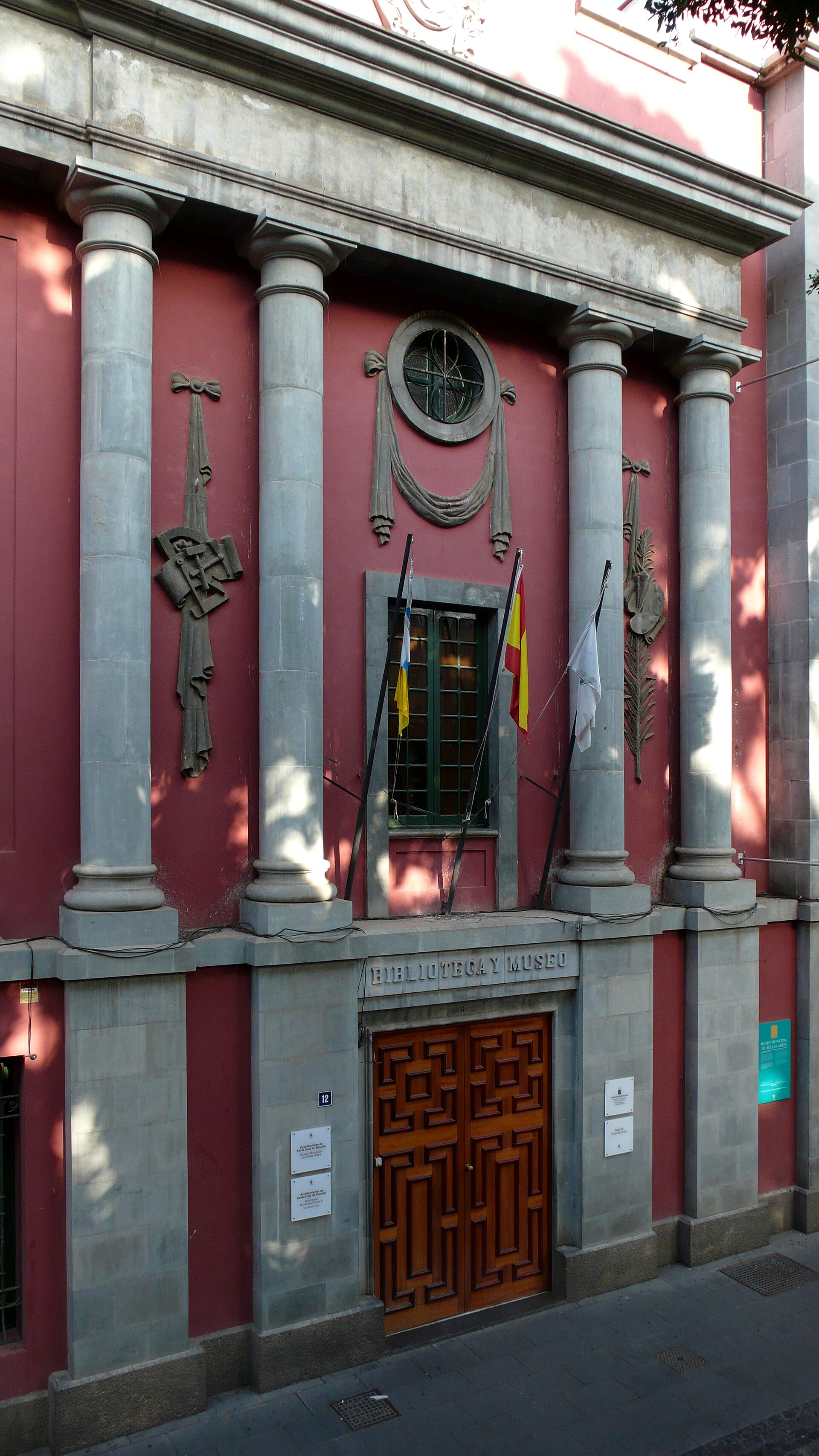
Museo Municipal de Bellas Artes de Santa Cruz de Tenerife
Santa Cruz na Teneryfie
Museo Municipal de Bellas Artes de Santa Cruz de Tenerife is the municipal fine arts museum of Santa Cruz de Tenerife, the capital of Tenerife. Its building stands right behind the Church of St. Francis of Assisi (Iglesia de San Francisco), placing it firmly in the historic core of the city. How do you get there? The museum sits in the very center of Santa Cruz de Tenerife, immediately next to the Church of St. Francis of Assisi. This part of town is densely built, with the narrow streets typical of the old quarter, so the easiest way to reach it is on foot. If you're coming from another part of the city, get to the central district first — by local bus or taxi — and continue on foot from there. The church works as a natural landmark, since several other historic and cultural buildings cluster around it, making orientation straightforward. Central Santa Cruz is compact enough that the museum fits easily into a walking route alongside other city-center sights. What will you see? This is a municipally run fine arts museum, and the fact that it occupies a building right behind the historic Church of St. Francis places it squarely within the historic fabric of this part of the city. A visit therefore combines contact with art with the immediate surroundings of the church architecture at the heart of downtown Santa Cruz. As a city-run fine arts institution, it points to a collection centered on painting and other visual arts, presented on the intimate, walkable scale typical of local cultural institutions of this size. When should you visit? Given its central location, the museum is best visited as part of a walk through Santa Cruz de Tenerife's old town, timed for when temperatures are most comfortable for walking — morning hours or late afternoon, away from the midday heat. Because the setting is downtown, the surrounding streets tend to see more foot traffic during the tourist season, so visiting outside peak hours makes for a calmer experience. Frequently asked questions Where exactly is the museum located? In the center of Santa Cruz de Tenerife, directly behind the Church of St. Francis of Assisi — one of the most recognizable landmarks in this part of the city. Is it easy to combine with other downtown sights? Yes. The compact layout of central Santa Cruz means the museum is within walking distance of other historic and cultural sites clustered around the Church of St. Francis. Do you need a car to get there? Not really — the central location makes it easy to reach on foot if you're staying within or near downtown Santa Cruz de Tenerife. What's worth knowing before visiting? It's a municipal institution focused on fine arts, housed in a building closely tied to the neighboring church — the architectural context of the surrounding area is itself part of the experience of visiting.
-
Casa-museu de Blasco Ibáñez
València
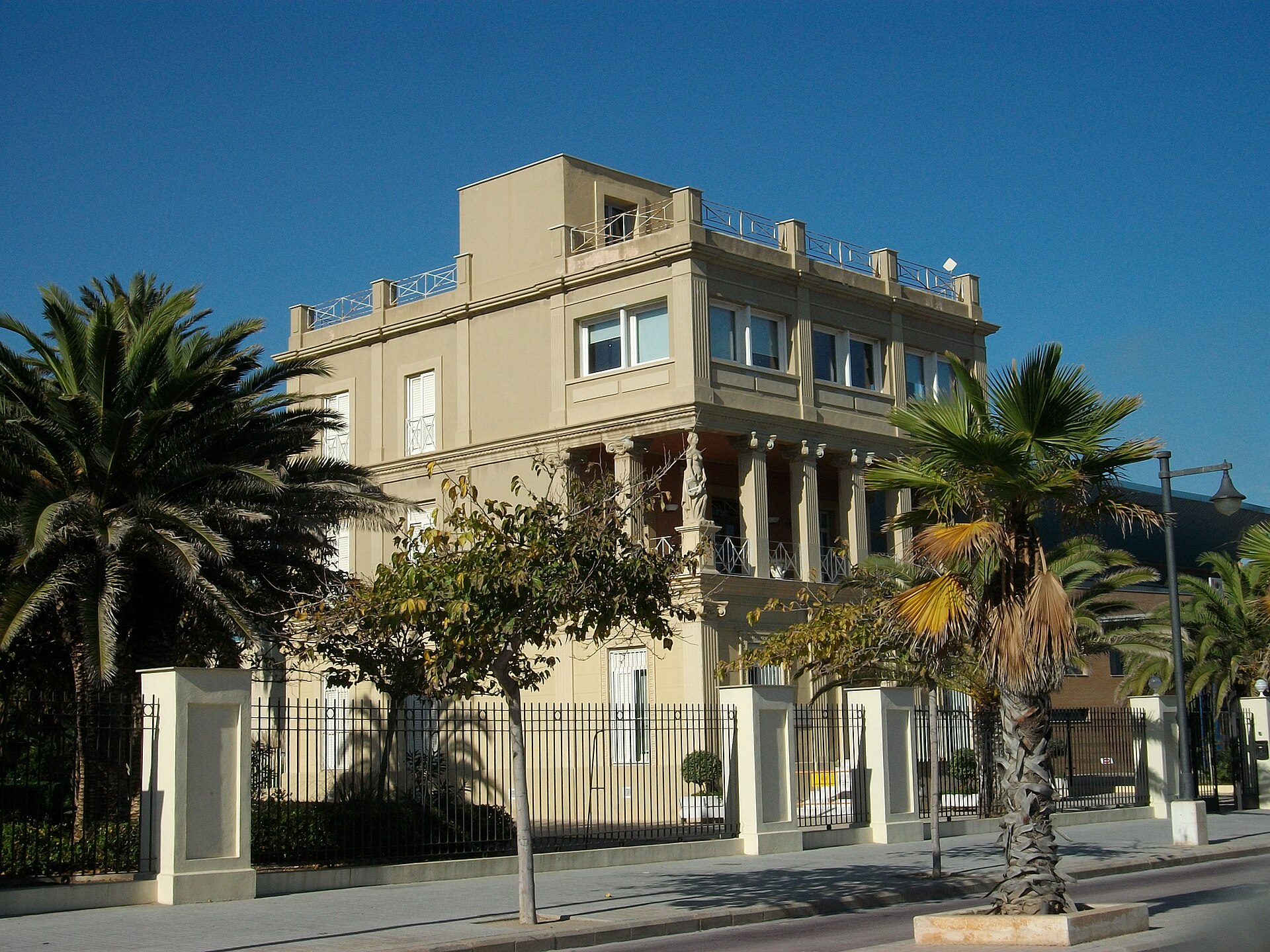
Casa-Museo de Blasco Ibáñez is a house-museum dedicated to Valencian writer Vicente Blasco Ibáñez, tucked into the seaside neighborhood of Malvarrosa in Valencia, just a short walk from the sand. Why did the writer build a house right by the sea? Vicente Blasco Ibáñez (1867-1928) wanted distance from the noise of the city center, so in 1902 he commissioned a villa on what is now Isabel de Villena street. He pictured a quiet retreat where he could write facing the Mediterranean, and that is exactly what the house became: a workspace wrapped in a garden, with the sound of the waves nearby. The landscapes of Malvarrosa and the surrounding farmland later resurfaced repeatedly in his fiction. What can visitors actually see inside? The building spans three floors, each with its own role: an events hall, the museum proper, and a research center focused on the author's body of work. The main floor is where the visit really happens — original personal belongings, furniture, and artworks connected to the writer have been preserved there. The rooms are arranged to echo how Blasco Ibáñez actually lived and worked, so a visit feels closer to stepping into a real home than walking through a conventional gallery. How did a private villa become a public museum? The house stayed in the family for decades after the writer's death. In 1980, his heirs sold the property to the Valencia city council, aiming to preserve his memory for future generations of residents and visitors. It took years of restoration and adaptation work before the site could open its doors: the Casa-Museo was officially inaugurated in the summer of 1997. Who was Vicente Blasco Ibáñez? He remains one of the most recognized Valencian writers of the late 19th and early 20th centuries, best known for novels such as La Barraca (The Cabin) and Cañas y Barro (Reeds and Mud), both attentive portraits of life among farmers and fishing communities along the Valencian coast and countryside. His work combined social realism with a strong attachment to his home region, which makes this house in Malvarrosa a fitting place to trace his legacy. What should visitors know before going? The museum sits in a quieter part of the city, away from the usual tourist routes through central Valencia — which works in its favor, since the visit pairs naturally with a walk along Malvarrosa beach. The garden surrounding the house is part of the experience, so it is worth allowing a bit more time than just a quick pass through the exhibition rooms. Frequently asked questions Where exactly is the Casa-Museo de Blasco Ibáñez located? It sits on Isabel de Villena street in the Malvarrosa neighborhood, close to the beach, in the northeastern part of Valencia. Do you need to know the author's novels beforehand to enjoy the visit? Not really — the exhibition focuses on personal history and objects, so no prior reading is required, though fans of La Barraca or Cañas y Barro will pick up extra context. Is it worth combining the visit with anything else nearby? Malvarrosa beach and its seafront promenade are both within walking distance, making it easy to plan a relaxed afternoon that mixes culture with time by the sea. Since when has the building functioned as a museum? The villa passed to the city in 1980, and after restoration work it officially opened as a museum in the summer of 1997.
-
Museo Jovellanos
Gijón/Xixón
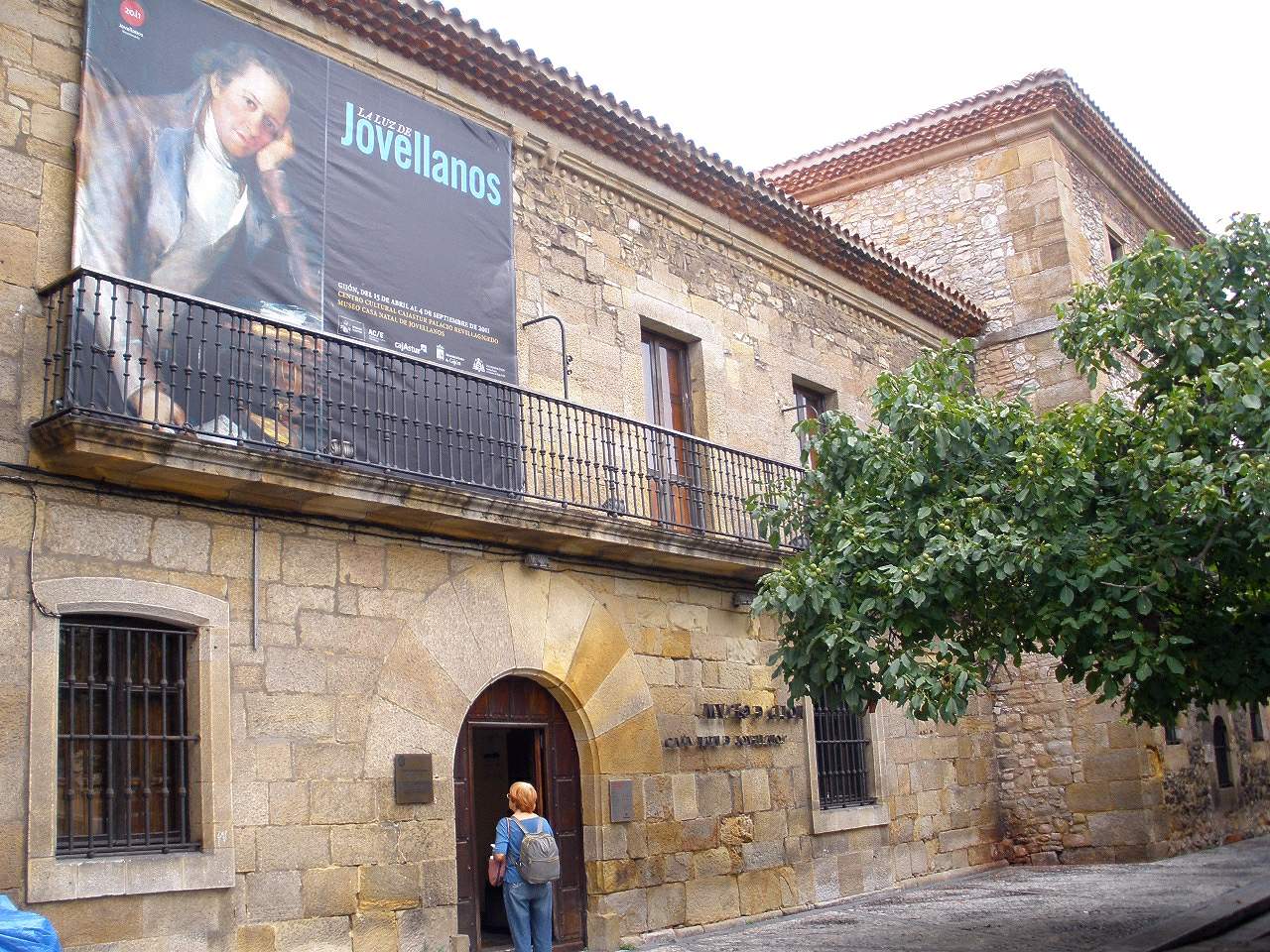
Museo Jovellanos ranks among the standout cultural stops in Gijón/Xixón, a museum dedicated to the life and legacy of Gaspar Melchor de Jovellanos, one of the leading figures of the Spanish Enlightenment, who was born in the city. The museum occupies a historic building in Cimadevilla, the old fishing quarter that rises just above the harbour, so the setting alone rewards the short walk from the seafront. Who was Jovellanos, and why does Gijón have a museum for him? Jovellanos (1744–1811) worked as a jurist, writer, economist and statesman, and his writings on agrarian reform, education and law shaped debates about modernising Spain well beyond his lifetime. Gijón was his birthplace, and he left a lasting mark on the city, including founding the institute that still bears his name today. The museum keeps that connection visible rather than treating him as a distant historical footnote. What will visitors find inside? The collection blends biographical material with a broader look at the region's history and art. Expect paintings tied to Asturian visual culture alongside documents, objects and memorabilia connected to Jovellanos's own life and career. The building itself, a protected historic structure, adds another layer of interest — its rooms and layout still carry the atmosphere of old Gijón, so the architecture is worth slowing down for even between exhibits. Where exactly is the museum located? The museum sits right in the heart of Cimadevilla, Gijón's oldest fishing neighbourhood, close to several of the city's other historic landmarks. That makes it easy to combine a visit with a stroll along the waterfront or a stop at one of the nearby restaurants serving Asturian cider-house cuisine. What are the opening hours? Hours change depending on the day of the week: Tuesday to Friday: 9:30am–2:00pm and 5:00pm–7:30pm Saturday to Monday: 10:00am–2:00pm and 5:00pm–7:30pm Note the midday closure, common across Spanish cultural institutions, and plan around it rather than arriving right at lunchtime. Frequently asked questions Is the museum open every day of the week? Yes, it welcomes visitors throughout the week, though the exact hours differ between weekdays and the Saturday-to-Monday stretch. How much time should I set aside for a visit? Most visitors spend around an hour to ninety minutes here, depending on their interest in Enlightenment history and Asturian art. Is it worth pairing with other sights in Cimadevilla? Definitely — the neighbourhood is known for its historic streets, ocean viewpoints and traditional cider houses, making the museum a natural stop on a longer walk through Gijón's old town. Do I need to know who Jovellanos was beforehand? Not at all — the exhibits provide enough historical context on their own, so first-time visitors unfamiliar with him can still follow and enjoy the story.
-
Museo de San Isidro
Madrid
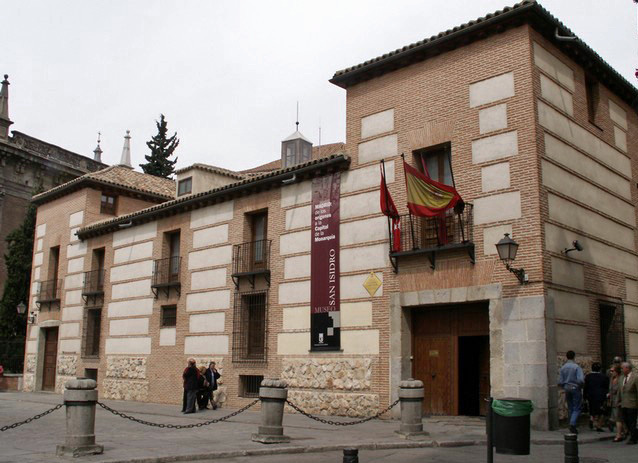
Museo de San Isidro traces the earliest chapters of Madrid's history from inside a former noble mansion in the La Latina district. Where is the museum and what building houses it? The museum occupies the Casa de San Isidro, on Plaza de San Andrés, a mansion built in the 1500s for the Lujanes family before passing to the counts of Paredes. Centuries of neglect left the structure in poor shape, and part of it was even pulled down, but a careful restoration preserved its most valuable features: a 17th-century chapel, a Renaissance courtyard, and a well tied to a local legend. The museum opened its doors on 15 May 2000, the feast day of the city's patron saint. Who was San Isidro, and why does he have a museum named after him? San Isidro Labrador was an 11th-12th century farm laborer who became Madrid's patron saint. Several miracle stories surround him, the best known involving his young son, who fell into a well; when the father prayed, the water rose and the boy was saved unharmed. That very well stands inside the museum today, which explains why the building has long been linked to the saint's cult and why it draws pilgrims around his feast day. What does the permanent collection contain? Most of the holdings came from the now-defunct Instituto Arqueológico and the old Municipal Museum of Madrid. Visitors will find archaeological finds, scale models, and engravings tracing settlement in the area from the Stone Age through Roman and Visigothic times to the Muslim period, when the fortress of Mayrit was built — regarded as the seed of present-day Madrid. The objects on display, gathered through more than a century of excavation work, reveal how successive communities lived, what they believed, and how they related to the land around them. How is the visit organized? The permanent exhibition is arranged in three sections: the period before the city existed, the Muslim-era Mayrit, and a final chapter devoted to Madrid itself and to San Isidro. Beyond the galleries, the museum offers a Renaissance courtyard, an archaeobotanical garden showcasing plants historically tied to the region, and a visitable storage area — an unusual feature for a museum of this size. Inside, look out for two sculptures that once decorated the Cibeles Fountain, one of Madrid's best-known landmarks. How much does it cost, and who is it for? Admission is free. The museum suits visitors interested in archaeology, urban history, and the legends of Madrid's patron saint, and its manageable scale makes it an easy, unhurried stop for families with children as well. Frequently asked questions Is admission to Museo de San Isidro free? Yes, entry is free for all visitors. What is worth seeing besides the archaeological exhibits? The Renaissance courtyard, the 17th-century chapel, the well linked to the San Isidro legend, and the archaeobotanical garden. Which period of Madrid's history does the exhibition cover? From the earliest traces of settlement through the Muslim fortress of Mayrit to the era when Madrid became Spain's capital. Why did the museum open specifically on 15 May? That date marks the feast of San Isidro, Madrid's patron saint, directly connected to the building and the well inside it.
-
Museo Würth La Rioja
Agoncillo
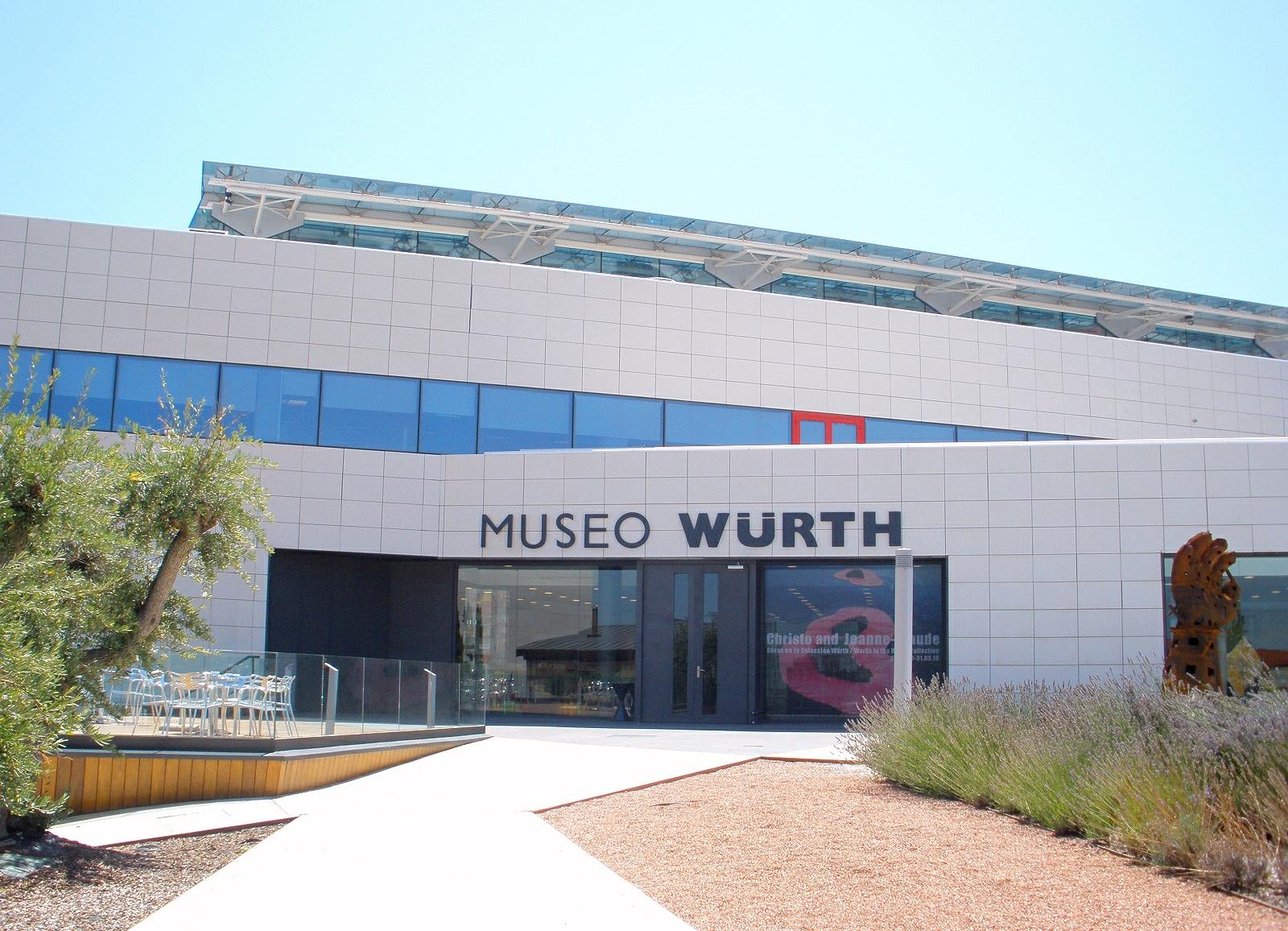
Museo Würth La Rioja is a contemporary art museum in Agoncillo, a short drive from Logroño, run by the German industrial group Würth. Set inside the company's own business complex, it has been opening pieces of one of Europe's most significant private art collections to the public since 2007. Where exactly is it? The museum sits inside the El Sequero industrial park in Agoncillo, right next to the main site of Würth's Spanish subsidiary — a logistics warehouse, administrative offices, and even a company-run winery. That's a deliberate choice: from the outset, the museum was meant to show that culture and everyday business operations can share the same address rather than living in separate worlds. Logroño is roughly a quarter of an hour away by car, making the museum an easy stop for anyone touring La Rioja. Where does the collection come from? The driving force behind the collection is Reinhold Würth, the company's owner, who has been assembling contemporary art since the 1960s. The worldwide Würth Collection now runs into the tens of thousands of works and ranks among the largest private collections of modern and contemporary art anywhere. Its Spanish branch, the Colección Würth España, took shape starting in 2004, built specifically around leading contemporary Spanish artists. Names represented in the collection include Miquel Barceló, Manolo Valdés, Miquel Navarro, and Jaume Plensa, alongside international figures such as the British sculptor Richard Deacon. What will you find inside? Rather than keeping a fixed permanent display, the museum in Agoncillo organizes a rolling programme of temporary exhibitions, giving different parts of the wider collection their turn in the spotlight. That approach rewards repeat visits — there's usually something new to see each time. Exhibitions come paired with an educational and cultural programme aimed at a range of audiences, from school groups to independent adult visitors. Admission is free, which sets the museum apart from many contemporary art institutions in Spain and keeps it genuinely open to a broad public. When should you go? Opening hours run Tuesday to Saturday from 10am to 7pm, and Sunday from 10am to 2:30pm, so a weekend morning visit is easy to fit into a wider itinerary. Because the exhibition schedule rotates, it's worth checking what's currently on display before setting off — some shows built around a particular thread of the collection run for well over a year, while others are shorter. For travelers exploring La Rioja, the museum pairs naturally with the region's wine routes and historic towns, adding a contemporary art stop to a trip otherwise centered on Logroño and its surroundings. Frequently asked questions Is it free to visit Museo Würth La Rioja? Yes, admission to the exhibitions is free for all visitors. Who owns the collection shown at the museum? The German company Würth, specifically through its Spanish collection branch, the Colección Würth España, built since 2004 around contemporary Spanish artists. Does the museum have a permanent exhibition? No — it shows works from the collection through a changing programme of temporary exhibitions, so it's worth checking what's currently on view before you go. How far is the museum from Logroño? The museum is located in the El Sequero industrial park in Agoncillo, about a 15-minute drive from central Logroño.
-
Museo del Petróleo, Sargentes de la Lora
Sargentes de la Lora
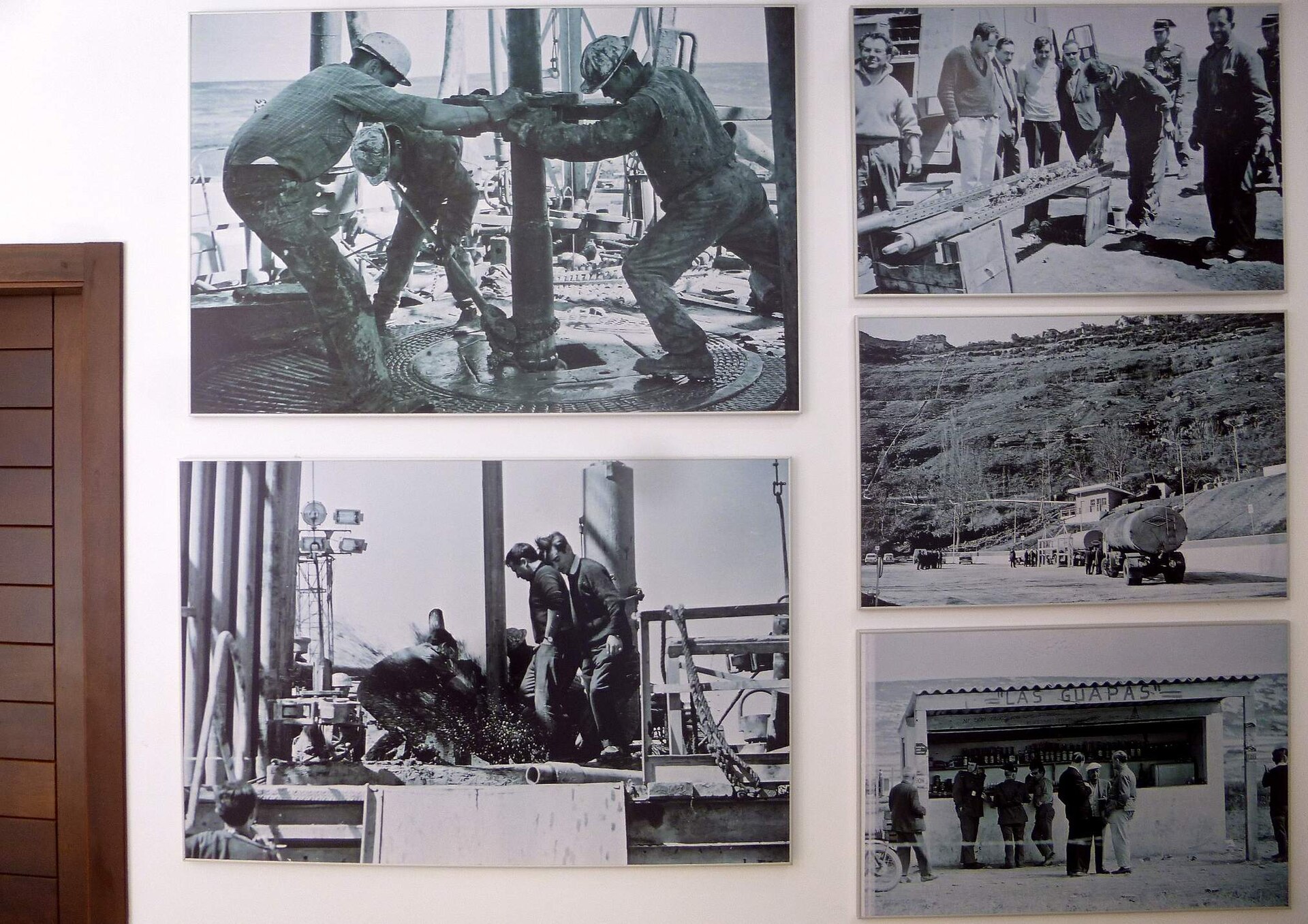
Museo del Petróleo is a one-of-a-kind museum in Spain dedicated to the history of oil extraction, located in the small town of Sargentes de la Lora in the province of Burgos. Standing on the outskirts of the village, the building opened its doors to visitors in March 2015, preserving the memory of decades of work at a nearby oil field. Why does an oil museum exist in this remote corner of Burgos? Sargentes de la Lora is not a random dot on the map of Spain's extractive industry. This is the site of an oil field that was in operation from 1964 to 2017 — nearly a century of hope that Spain could become a large-scale oil-exporting nation. The museum was created to keep that story alive and to introduce visitors to a lesser-known chapter of the country's mining history. What is there to see inside the museum? The building is made up of two sections joined by a corridor styled after dolmens, the prehistoric megalithic structures characteristic of the region. Inside, visitors find original extraction equipment once used at the field, samples of geological material, terrain models, and information panels explaining how oil forms, how it is extracted, and which everyday products are derived from it. How does the museum connect to the Las Loras Geopark? Museo del Petróleo also serves as one of the interpretive centers of the Las Loras Geopark project, an area recognized for its outstanding geological and educational value. The exhibition helps visitors understand how the landscape around Sargentes de la Lora took shape over the last 250 million years, weaving the story of the oil industry into the broader geological narrative of the region. Who should visit? The museum appeals to industrial history buffs and geology enthusiasts alike, as well as travelers looking to explore the lesser-known corners of Burgos province. It also makes a worthwhile stop for anyone touring the surrounding Las Loras area, pairing natural science education with local economic history. Frequently asked questions Where exactly is the museum located? The museum sits on the road out of Sargentes de la Lora (Carretera Burgos, s/n), in the province of Burgos, roughly 63 km north of the city of Burgos. When did the museum open? Museo del Petróleo opened to the public in March 2015. What makes this museum different from other regional attractions? It is the first and only museum in Spain focused on oil extraction, built around the real history of a field that operated here for decades. What else is worth seeing nearby? The site forms part of the Las Loras Geopark, so it's worth combining the visit with other interpretive centers in the geopark that showcase the region's rich geological history.
-
Museu Alcoià de la Festa
Alcoi / Alcoy
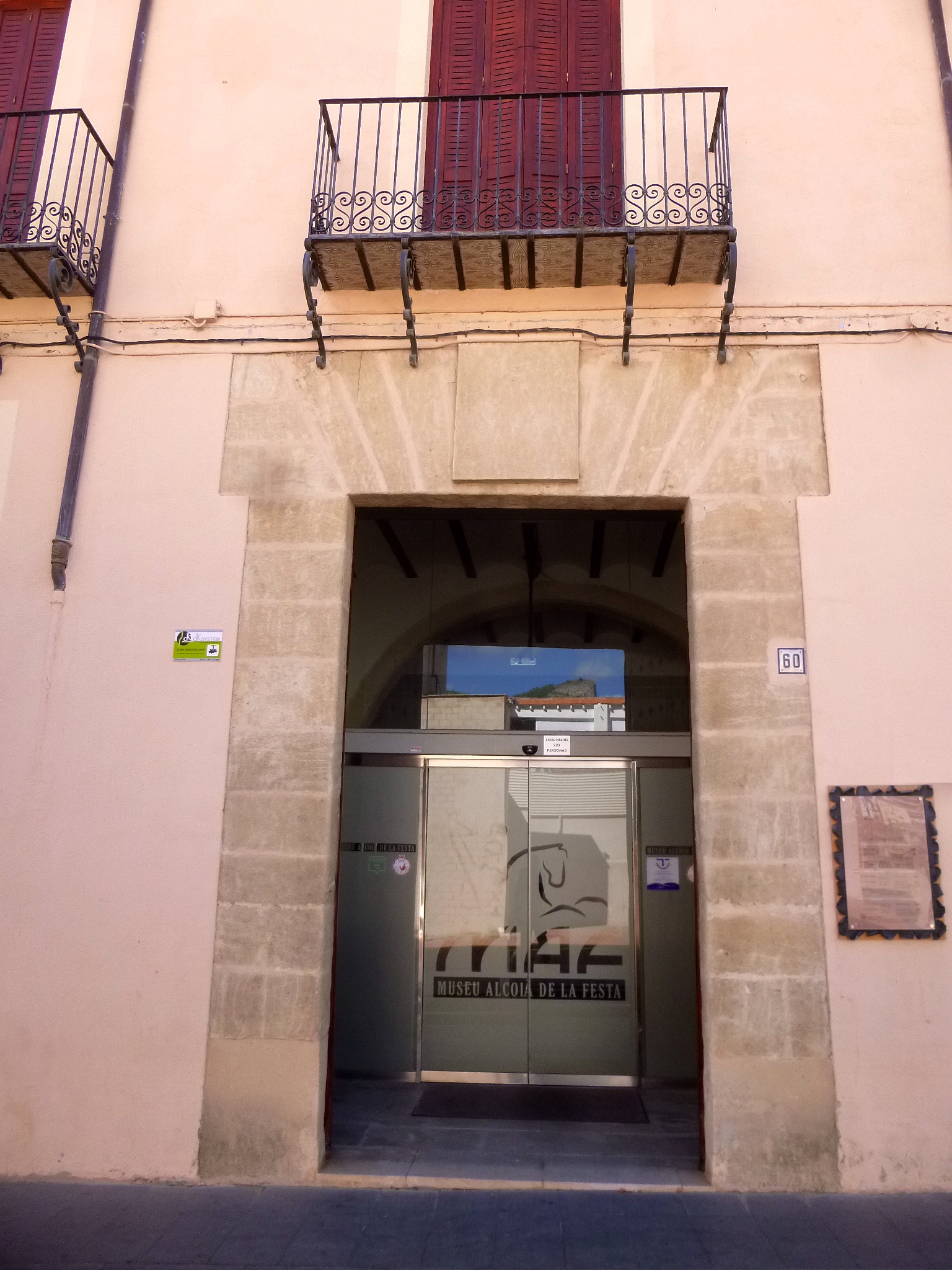
Museu Alcoià de la Festa sits in Alcoy (Alicante, Valencian Community) and is dedicated entirely to a single subject: the Moors and Christians festival that defines the city's identity. Rather than surveying the town's history at large, it zooms in on one deeply local phenomenon and lets visitors get close to it. What exactly is this museum about? The MAF isn't a conventional history museum with rows of labeled cases. Its whole approach is built around letting visitors feel the festival — its rhythm, its emotional weight, its scale — rather than simply reading a summary of it. The distance museums usually keep is replaced here with something closer to an experience: an attempt to bring outsiders as near as possible to what locals in Alcoy consider the most important event of their year. Why does the Moors and Christians festival matter so much in Alcoy? Moros y Cristianos is an internationally recognized festival, and much of Alcoy's identity is built around it. The museum exists precisely to give that identity a permanent home in the city — a place to return to outside the festival calendar, once the parades have left the streets. What will visitors actually see? The exhibition walks through different layers of the celebration: its character, its organizational detail, and the feelings it stirs in participants and spectators alike. That framing turns the MAF into an entry point to the real thing — for anyone arriving in Alcoy outside festival dates, it's the closest available contact with its spirit. Is it worth visiting if you can't attend the actual festival? Yes, clearly. The festival itself runs on a fixed date each year, while most visitors reach Alcoy at other times. The museum answers exactly that gap, making an otherwise inaccessible phenomenon understandable even outside its season. Where exactly is Museu Alcoià de la Festa located? The museum is in Alcoy, a city in the province of Alicante, in Spain's Valencian Community. Who is this for? Travelers drawn to living local culture rather than classic monuments. Anyone routing through Alicante province who wants to understand why Alcoy is so closely tied to this specific festival. And also people who already witnessed the celebration and want deeper context for what they saw. Frequently asked questions What is this museum dedicated to? Exclusively to the Moors and Christians festival in Alcoy — its proceedings, its details, and the emotions it generates as an internationally known event. Is it a history museum or more of an experience? The exhibition leans toward experience and atmosphere rather than a purely chronological historical account. Which city is it in? Alcoy, in the province of Alicante, Valencian Community. Does the museum make sense for someone unfamiliar with Moros y Cristianos? Yes — it works well as an entry point, giving a sense of the festival's character and scale even without prior knowledge of the tradition.
-
Sala de Exposicións Porta Miñá
Lugo
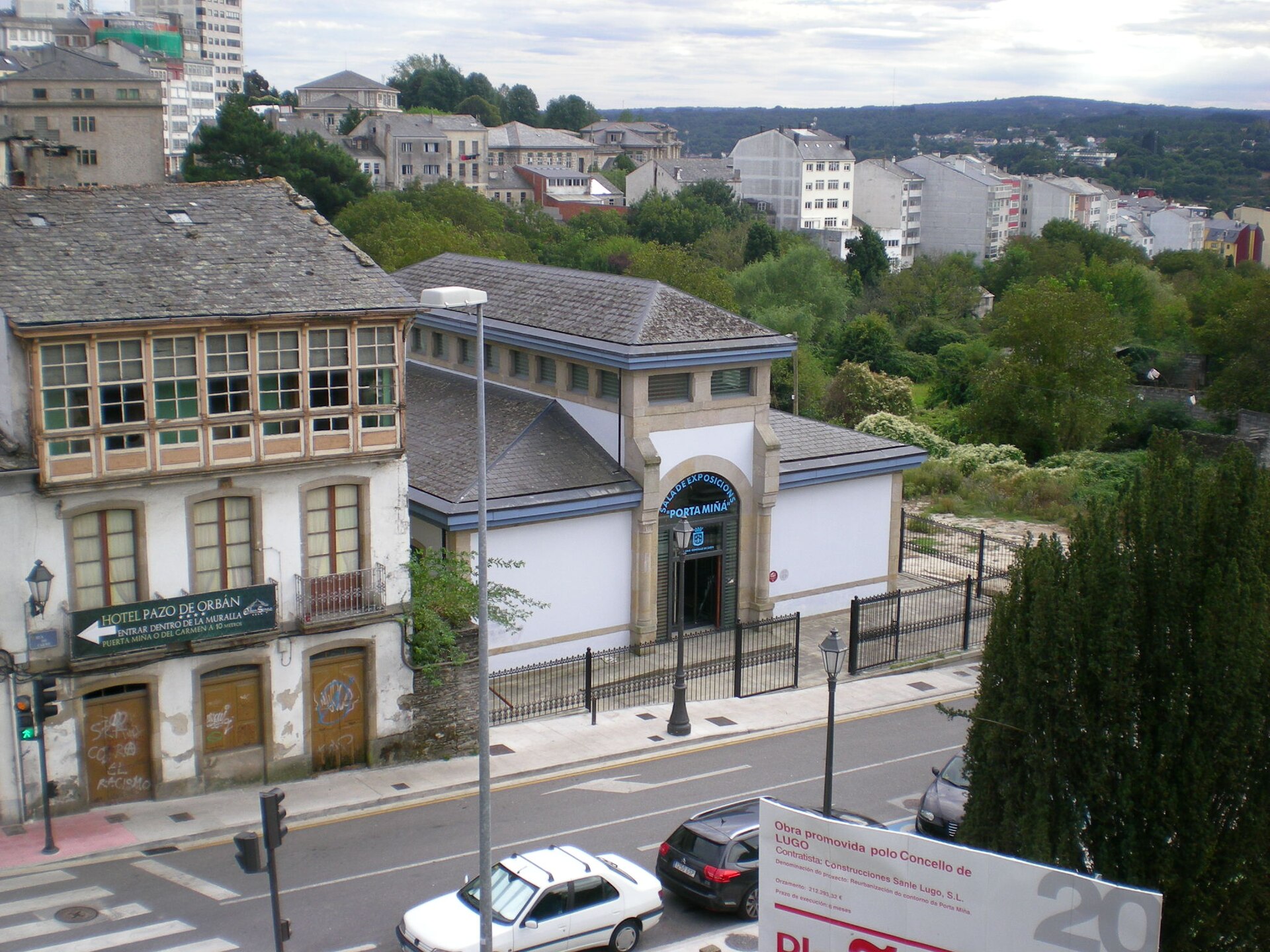
Sala de Exposicións Porta Miñá is a small archaeology exhibition hall in Lugo, Galicia, dedicated to the Roman history of the city. What is this place? The building sits directly across from Porta Miñá, one of the gates in the Roman walls of Lugo, a UNESCO World Heritage site. The exhibition hall itself occupies a former municipal slaughterhouse building that was restored and converted into a display space, taking its name from the nearby gate. Inside, the collection brings together archaeological finds unearthed around the city, tracing the story of Roman-era Lugo — ancient Lucus Augusti. The display is organized into four chronological stages: the conquest, the period of splendor, the fortification of the settlement, and its eventual decline under Roman rule. These are paired with visual material covering everyday aspects of life in a Roman city, including urban planning, daily routines, leisure, and religious practice. What will you see inside? Visitors move through the exhibition in roughly chronological order, following artifacts and material remains tied to each phase of Roman presence in the city — from the initial conquest of the area, through the city's peak development, to the construction of defensive fortifications and the later gradual decline of the settlement. Supporting panels and illustrations round out the picture of daily life beyond the walls themselves, showing how the urban space was organized and how residents lived day to day. How do you get there, and when should you go? The exhibition hall is located at Rúa do Carme 3, right in the historic center of Lugo, next to the city walls — an easy walk from almost anywhere in the old town. It is run as part of the municipal museum network (museoslugo.gal), and admission is free. Opening hours change with the season. During the winter period (January 1 to May 31 and October 15 to December 31, excluding Easter and Christmas), the hall is open Tuesday to Friday from 10:00 to 13:30 and 16:00 to 19:30, and on Saturdays, Sundays, and public holidays from 10:00 to 14:00 and 16:30 to 19:30. It is worth checking current hours before visiting, since the summer schedule can differ. A visit to the exhibition itself usually takes 30 to 45 minutes, making it easy to combine with a walk along the city walls or a stop at other nearby historic sites. Who is it for? This spot suits visitors interested in ancient history and archaeology, as well as anyone touring the walls of Lugo who wants more context on what they are looking at. Given its compact size and concentrated content, it works best as a short stop woven into a longer walk through the old town rather than as a standalone, full-day destination. Frequently Asked Questions Is admission free? Yes, entry to Sala de Exposicións Porta Miñá is free of charge. Where exactly is the exhibition hall located? At Rúa do Carme 3 in Lugo, directly opposite the Porta Miñá gate in the city's Roman walls. How much time should I plan for a visit? About 30 to 45 minutes is usually enough, since the exhibition space is fairly compact. Is it worth visiting on its own, or should it be paired with something else? It works best as part of a longer walk along Lugo's Roman walls — its location right by the gate makes it a natural, brief stop along the way.
-
Museo Arqueológico de Linares
Linares
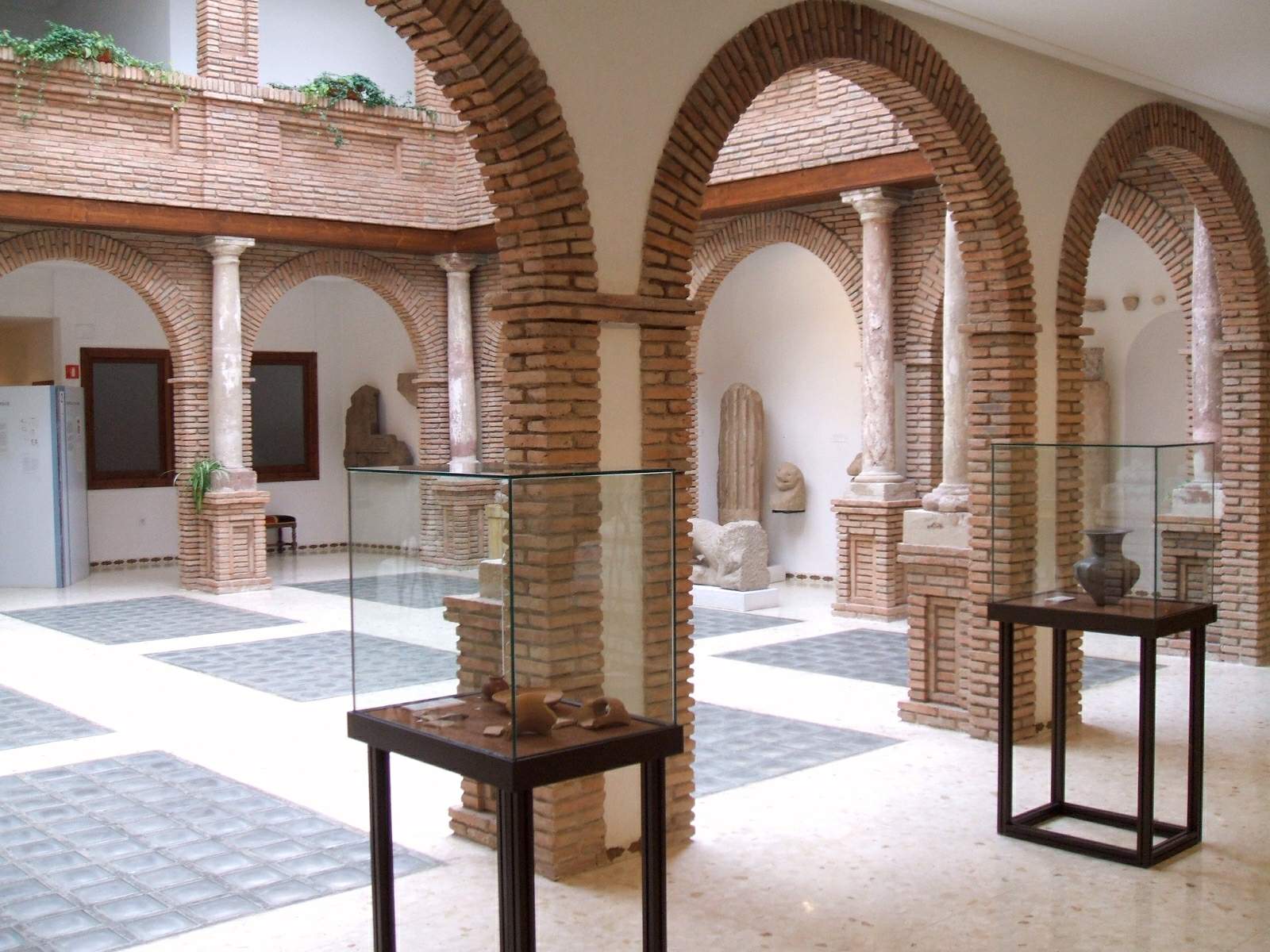
Museo Arqueológico de Linares is a compact archaeological museum in Linares, in the province of Jaén, dedicated to the history of the region and the nearby ancient city of Cástulo. The museum was founded in 1956 by Rafael Contreras de la Paz, with the aim of preserving and studying archaeological finds from the area, above all from Cástulo — an Iberian-Roman city that was once one of the most important settlements in this part of Andalusia. The collection was first housed in classrooms of a local secondary school, then in the old Casa de Socorro, until 23 September 1983, when the museum moved into the building it still occupies today. Where is the museum located? The museum occupies the Casa del Torreón, a 17th-century palace that originally belonged to the Dávalos family. The building retains several original architectural features from the old residence, and the exhibition is spread across multiple floors. The site also includes an auditorium, a library and research rooms, making it both an exhibition space and a working research centre. What will you see inside? The collection is monographic in character, focused on Cástulo, and spans a long timeline from the Copper Age to the medieval period. Its strongest holdings, however, come from the Iberian and Roman eras. Highlights include stone sculptures, capitals and architectural fragments, among them zoomorphic pieces — several lions and a fragment depicting a horse's neck — along with columns and capitals, including a "stem" capital dated to the 5th–3rd centuries BC. Among the oldest items are a Phoenician-type incense burner and a winged sphinx figure. These are complemented by Greek ceramic vessels, fibulae, pins and rings from the Iberian period. A particular highlight is the museum's collection of engraved gemstones, small carved gems used in antiquity as seals and jewellery. The museum also holds one of the region's best-known artefacts: a lead tablet bearing a Roman curse inscription (tabula defixionis), evidence of the magical beliefs and practices of Cástulo's ancient inhabitants. The collection additionally includes mining-related objects, a reminder of how important metal ore extraction was to the local economy in antiquity. How do you get there? The museum sits in the centre of Linares, a town easily reached by car from Jaén or Córdoba. It is best visited as part of a longer trip that also includes the Cástulo archaeological site, a few kilometres outside town — the two places complement each other and together give a fuller picture of the region's history. When is the best time to visit? The museum's indoor galleries can be visited at any time of year, but spring and autumn are the most pleasant seasons for combining a museum visit with a trip to the open-air Cástulo site, since Andalusian summer heat can make outdoor exploring uncomfortable. Frequently asked questions What is Cástulo and why does it matter so much to this museum? Cástulo was an ancient Iberian-Roman city located near present-day Linares. The museum was originally created to preserve and display finds from this site, which is why a large part of its collection is monographic and dedicated specifically to Cástulo. What is the curse tablet, and where can it be seen? It is a lead tablet inscribed with a Roman magical curse (tabula defixionis), one of the museum's most distinctive pieces. It is displayed among the Roman-era collections, alongside engraved gems and everyday objects. How much time should I set aside for a visit? Because the exhibition space is relatively small, a thorough visit usually takes between one and two hours, depending on how much time you want to spend in each room. Is it worth combining the museum with a trip to Cástulo? Yes — the Cástulo archaeological site is close to Linares and makes a natural complement to the museum, letting visitors see the original context for most of the objects on display.
-
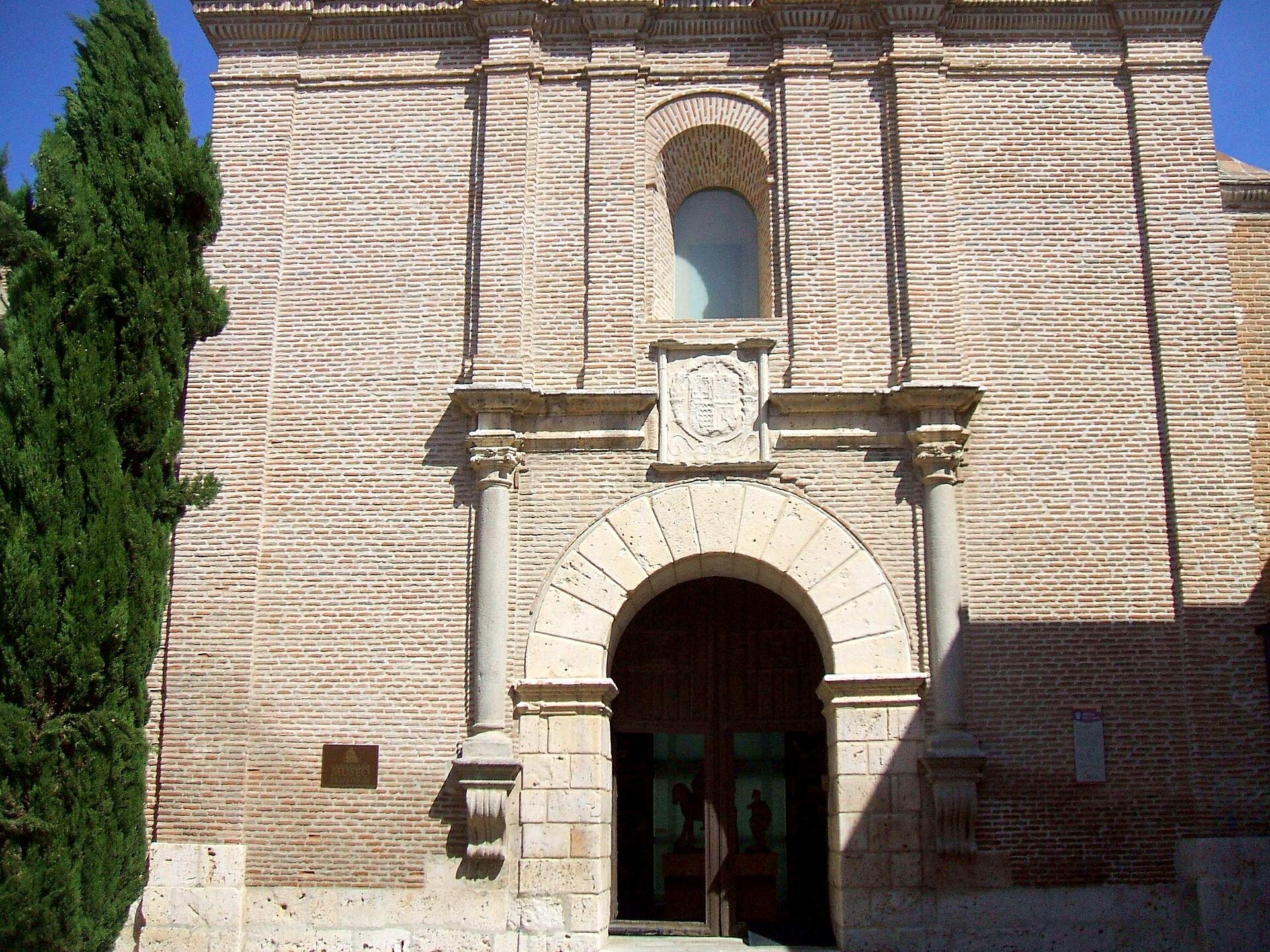
Museo de las Ferias
Medina del Campo
Museo de las Ferias is Spain's only museum dedicated to the history of the great trade fairs of Medina del Campo, a small town in Valladolid province, Castile and León. It occupies the former Church of San Martín, a Renaissance building founded in 1512 by courtiers of the Catholic Monarchs, which gives the exhibition an unusually atmospheric setting. What made Medina del Campo important? Between the 15th and 17th centuries, Medina del Campo hosted international fairs that turned the town into one of Europe's key trading and financial hubs. Merchants and money changers came from across the continent to deal in wool, textiles, artwork, books, paper and luxury goods, and the money and credit instruments developed here shaped early modern European finance well beyond the town's size. What can you see inside? The exhibition is organized into three sections: the Merchandise Fairs, Fairs and Finance, and a chapter devoted to Simón Ruiz — an internationally renowned 16th-century merchant-banker whose personal and business archive is the museum's centerpiece. Exhibits include pharmacy jars, bells imported from Malines (in modern Belgium), brass trays from Nuremberg, lacquered oriental boxes, an extensive coin collection, financial documents and the instruments once used to verify weights and check the purity of coins. Together they illustrate both the goods that changed hands at the fairs and the machinery of trust — contracts, currency controls, credit — that made large-scale trade possible. The Simón Ruiz archive A highlight of the collection is the personal and commercial archive of Simón Ruiz, whose papers documenting 16th-century trade and banking were inscribed on UNESCO's Memory of the World Register in 2023. It's one of the reasons the museum draws researchers as well as casual visitors interested in economic history. Practical information: hours, tickets, location The museum sits at Calle San Martín 26, in the heart of Medina del Campo, an easy stop when exploring the old town. It opens Tuesday to Saturday from 10:00 to 13:30 and 16:00 to 19:00, and Sundays and public holidays from 11:00 to 14:00. It closes on January 1 and 6, April 23, September 2, and December 6 and 25, so it's worth checking the calendar before a visit around those dates. Adult admission costs €2, making it one of the more affordable museum visits in the region. An expanding museum Since opening in April 2000, the museum has been growing its exhibition space into the Palacio de Quintanilla, a building directly across the street that is currently under renovation. Once finished, it will give the collection significantly more room to display material related to the history of the fairs. Why visit? It's an unusually focused way to understand how medieval and early modern trade actually worked — not just what was bought and sold, but how credit, currency and trust were organized across an international network of merchants. The setting inside a five-centuries-old former church adds an extra architectural layer to a visit that would otherwise be a purely economic-history stop. Frequently asked questions Where exactly is the Museo de las Ferias located? At Calle San Martín 26, in the center of Medina del Campo, inside the former Church of San Martín. How much does admission cost? A standard adult ticket costs €2. What are the opening hours? Tuesday to Saturday 10:00–13:30 and 16:00–19:00, Sundays and holidays 11:00–14:00. The museum is closed on a handful of dates each year, including January 1, January 6 and December 25. What is the exhibition about? The history of the international trade and finance fairs held in Medina del Campo in the 15th and 16th centuries, including the figure of merchant-banker Simón Ruiz and the goods and financial instruments that circulated through the town.
-
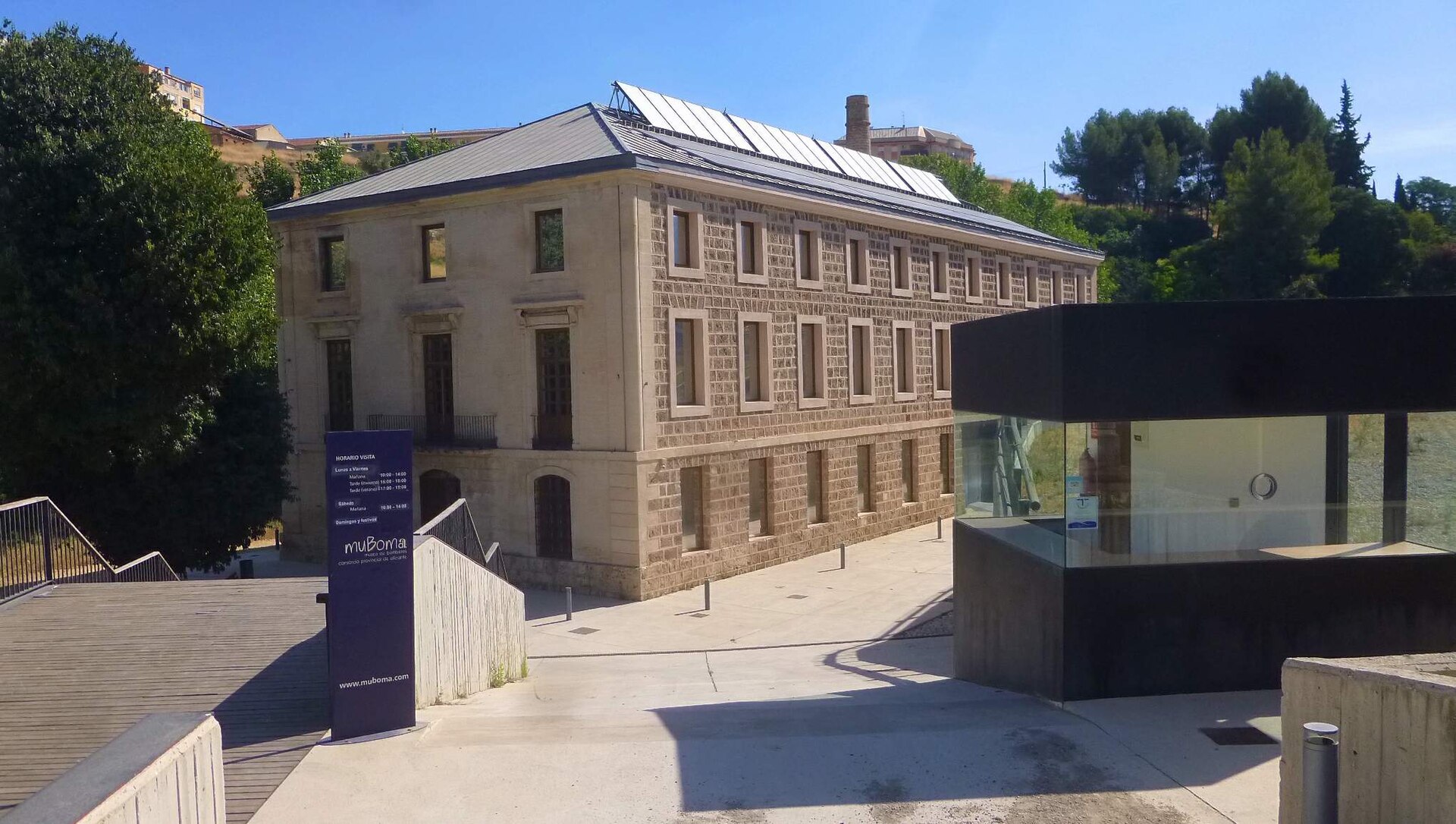
Firefighters Museum of Alcoy
Alcoi
Firefighters Museum of Alcoy (MUBOMA) is a museum dedicated to the history of firefighting, located in Alcoy, in the province of Alicante, in Spain's Valencian Community. Its full official name is the Firefighters Museum of the Provincial Consortium of Alicante, reflecting its link to the provincial firefighting consortium that serves the whole Alicante region. Where is the museum located? Alcoy sits in the mountainous inland part of Alicante province, roughly an hour's drive from the Costa Blanca coastline. The town is one of the region's historic industrial centers, having built its identity around textile and paper manufacturing over the course of several decades. The museum's coordinates place it at roughly 38.70°N, 0.47°W, right within Alcoy's urban core. The easiest way to reach Alcoy is by car from Alicante or Valencia, both routes running through the scenic, hilly interior of the province. Regular bus connections also link the town to Alicante, Valencia, and smaller towns nearby, making it an accessible day-trip destination for travelers exploring the Costa Blanca who want to see a less touristy, more authentic side of the region. What does the museum focus on? As a facility run under the provincial firefighting consortium, MUBOMA documents the history of fire protection services across the Alicante region. Museums of this kind typically bring together historic firefighting equipment, vehicles, uniforms, and memorabilia tied to rescue units across the decades, illustrating how technology and organization within emergency services have evolved over time. Visitors can trace the development of firefighting as a profession, from the earliest methods of tackling fires to the modern equipment used today by consortium units. The museum has a niche, educational character — it appeals to visitors interested in the history of technology, public services, and Alcoy's local heritage, rather than functioning as a mass-tourism attraction. For that reason, it's worth pairing a visit with other sights around town. What else is worth seeing in Alcoy? Alcoy has plenty to offer beyond the firefighters' museum. The town is famous for its annual Moros y Cristianos (Moors and Christians) festival, one of Spain's most spectacular historical celebrations, recognized as a Fiesta of International Tourist Interest. It's also worth strolling through the historic center, known for its distinctive modernist architecture, and crossing the bridges and viaducts that connect the hills on which the town is built. When should you visit? Spring and autumn are the best times to visit, since temperatures in the mountainous interior of the province are milder than in summer. If you'd like your trip to coincide with the town's festive atmosphere, check the exact dates of the Moros y Cristianos celebrations, usually held in April — the period when Alcoy is at its liveliest. Frequently asked questions Where exactly is the Firefighters Museum of Alcoy located? In the town of Alcoy, in Alicante province, in the Valencian Community, in the mountainous inland part of the region, some distance from the coast. What is the museum's official name? Its full name is the Firefighters Museum of the Provincial Consortium of Alicante, also known by the abbreviation MUBOMA. Is it worth combining the visit with other attractions in Alcoy? Yes — the town offers a historic center, modernist architecture, and the famous Moros y Cristianos festival, so it's worth planning a longer stay than just the museum visit. How do you get to Alcoy? The easiest option is by car from Alicante or Valencia; bus connections are also available from the major towns of the Costa Blanca region.
-
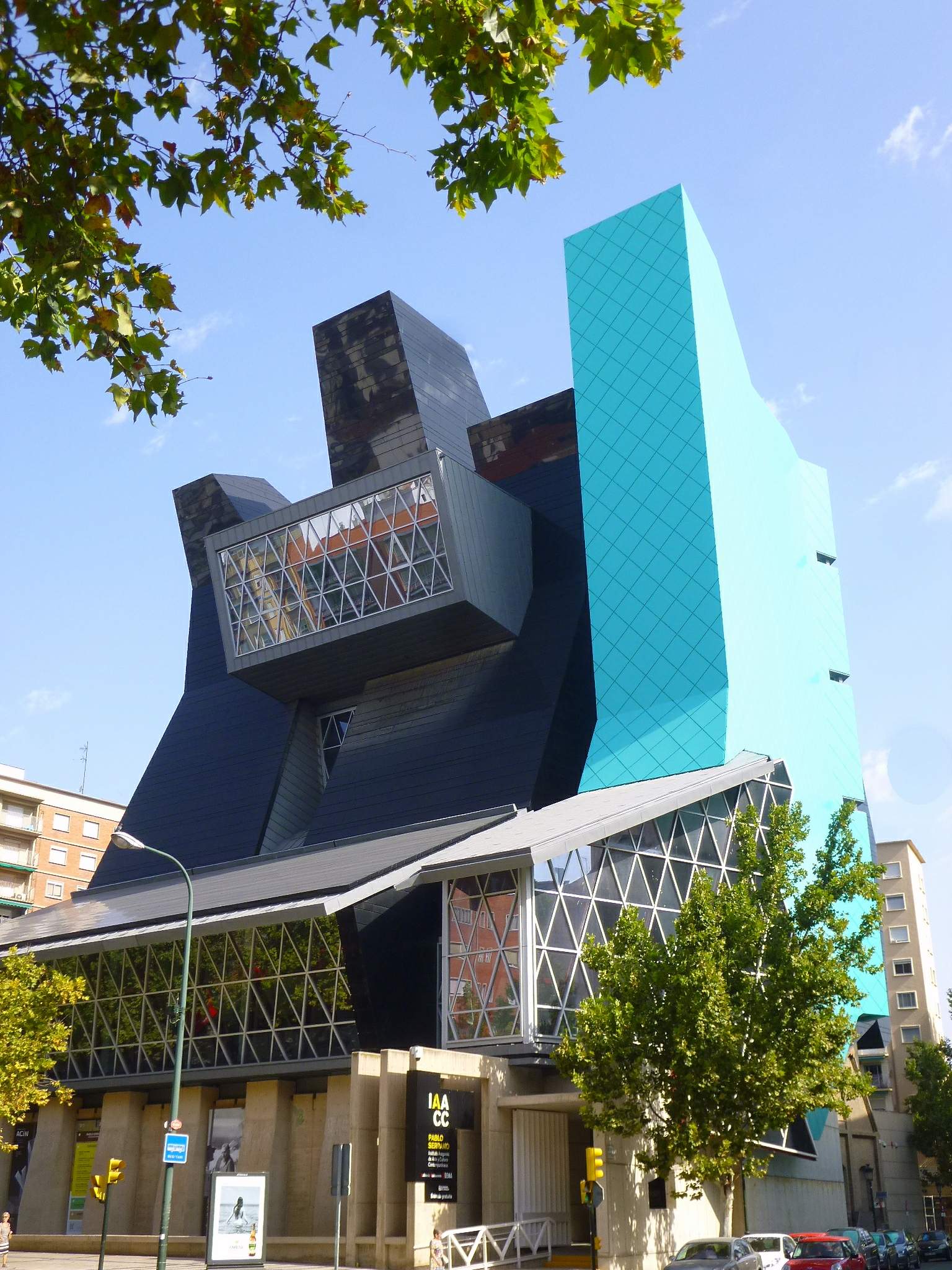
Pablo Serrano Museum
Zaragoza
Pablo Serrano Museum in Zaragoza is dedicated to the work of Aragonese sculptor Pablo Serrano (1908–1985) and operates under its official name, IAACC – Instituto Aragonés de Arte y Cultura Contemporáneos (Aragonese Institute of Contemporary Art and Culture). Who founded it and when did it open? The museum grew out of a foundation Pablo Serrano himself set up shortly before he died in 1985, donating a substantial part of his own work as its founding collection. The doors opened to the public in 1994, nearly a decade after his death. What does the building look like? The museum occupies a building with an unusual backstory: it began life in the early 20th century as the carpentry workshops of the Pignatelli orphanage, built in the plain industrial style typical of the period. Between 1987 and 1993, architect José Manuel Pérez Latorre carried out a major renovation that kept the industrial character intact — open floor plans and cast-iron columns are still visible — while adding a distinctive cube-shaped volume on the roof that now marks the building from a distance. Where is it located? It sits in central Zaragoza, close to the banks of the Ebro river, making it an easy stop to combine with a riverside walk or a visit to the old town. What will you find inside? The permanent collection holds roughly 5,000 pieces — sculpture, painting, graphic work and photography. Alongside Serrano's own sculptures, the museum displays 20th-century works by artists such as Emil Nolde, Pablo Picasso, Alexander Calder, Andy Warhol, Jean Tinguely and Anthony Caro, placing Serrano's output in the wider context of modern art rather than showing it in isolation. How much time should you set aside? Allow around 1 to 1.5 hours for the permanent collection, and add extra time if a temporary exhibition is running, since the museum regularly rotates its temporary shows. When is a good time to visit? Because it's an indoor museum, it works well on a rainy day or during the hottest hours of a Zaragoza afternoon. It's worth checking the current temporary exhibition schedule before visiting, since the display changes over time. Frequently Asked Questions Who was Pablo Serrano? Pablo Serrano (1908–1985) was an Aragonese sculptor, one of the leading Spanish artists of the 20th century. He set up the foundation that eventually became the museum bearing his name. What does IAACC stand for? It's the museum's official name — Instituto Aragonés de Arte y Cultura Contemporáneos (Aragonese Institute of Contemporary Art and Culture). "Pablo Serrano Museum" and "IAACC Pablo Serrano" refer to the same institution. Is the building itself worth seeing? Yes — it's a former carpentry workshop from the Pignatelli orphanage, renovated between 1987 and 1993 while preserving its industrial features, including cast-iron columns and open interiors, plus a cube-shaped rooftop addition. Does the collection include artists other than Pablo Serrano? Yes. Besides Serrano's own sculptures, the collection includes 20th-century works by Picasso, Calder, Warhol, Tinguely and others, totaling around 5,000 items.
-
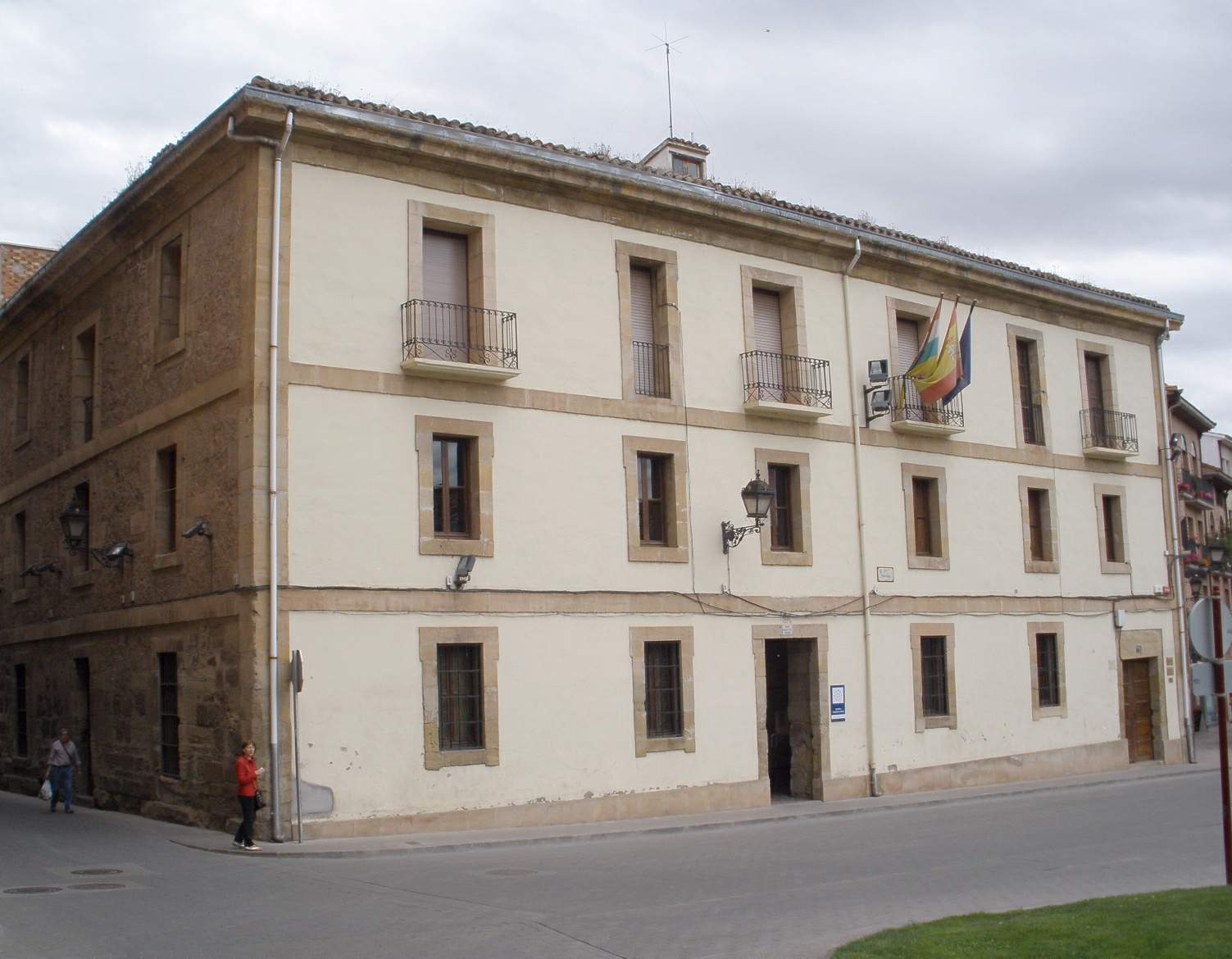
Museo Najerillense
Nájera
Museo Najerillense is a historical and archaeological museum in Nájera, La Rioja, tracing the town's story from prehistory to the modern age. Where is it located? The museum stands on Plaza de Navarra, right next to the Monastery of Santa María la Real, one of the town's most significant landmarks. The building itself is the former Abbot's Palace of the monastery, built in the 18th century. The two structures were once linked by a raised passageway crossing the street above — a detail that hints at how closely the town's life was tied to the Benedictine monastery next door. What will you see inside? The permanent exhibition walks visitors through the successive stages of Nájera's and the wider Rioja Alta region's history. Displays include finds from prehistoric times, remains from the Roman presence in the area, and a substantial collection from the Middle Ages — the period when Nájera briefly served as capital of the Kingdom of Navarre. A separate section is dedicated to art and ethnography, documenting everyday life along the Najerilla river valley over the centuries: farming tools, household objects, and pieces of religious and folk craftsmanship. The museum is modest in scale — this isn't a sprawling national institution, but a compact space that organizes the region's history in an accessible way. A visit typically takes under an hour, while still giving useful context before exploring the nearby monastery or Nájera's old town. How do you get there? Nájera sits at the heart of La Rioja, directly on the Camino de Santiago (Way of St. James), making it a regular stop for pilgrims and for travelers touring the region's wine country. The easiest way to reach the town is by car from Logroño, about a 25-minute drive, or by regional bus running from the same city. The museum building itself sits in the town center, just a few minutes' walk from the main bridge over the Najerilla river and from the Monastery of Santa María la Real, so both sights are easy to combine into a single visit. When is the best time to visit? Spring and autumn are the best seasons to visit, when temperatures across La Rioja are mild and the surrounding vineyards look their best — in bloom in spring, or during harvest in autumn. Summers in the region can turn quite hot, worth keeping in mind if visiting around midday. Given its small footprint, the museum works well as an add-on to a longer stop in Nájera, for instance alongside a monastery visit or a break along the pilgrim route. Frequently asked questions Is it worth combining a visit to the museum with the Monastery of Santa María la Real? Yes — the two sites are only a short walk apart, and the museum building's history as the former Abbot's Palace is directly tied to the monastery, so seeing both together gives a fuller picture of the town's past. How long does it take to visit Museo Najerillense? Given the compact size of the exhibition, a full visit usually takes between 30 and 60 minutes. Is the museum worthwhile for visitors not particularly interested in archaeology? Yes — alongside the archaeological pieces, the museum holds ethnographic and artistic collections showing everyday life in the Najerilla valley, making it accessible to a broad range of visitors. Are there other attractions near the museum? Yes — besides the Monastery of Santa María la Real, Nájera's historic center and the banks of the Najerilla river are both within walking distance and popular with locals and visitors alike.
-
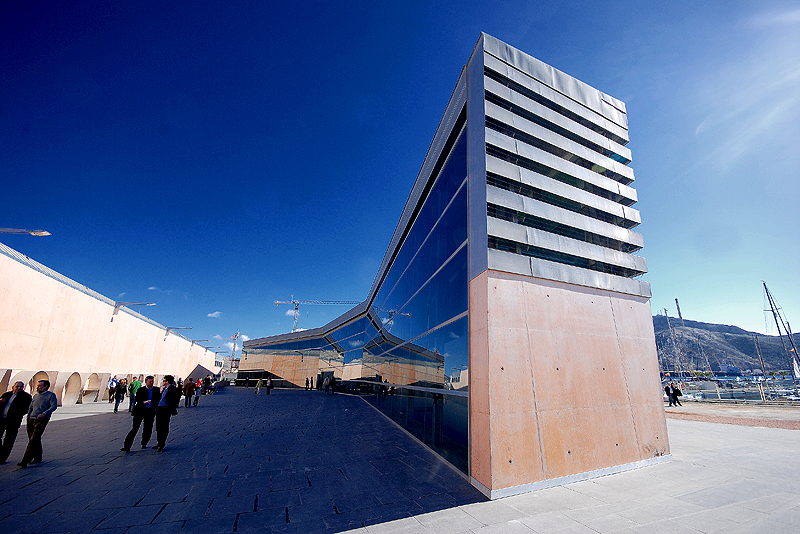
National Museum of Underwater Archeology
Kartagena
The National Museum of Underwater Archeology (ARQUA) is Spain's national museum dedicated to underwater archaeology, located in Cartagena, in the Murcia region. The museum belongs to the network of National Museums of Spain and is attached to the Ministry of Culture, making it one of the country's leading institutions for the study and display of maritime heritage. What will you see inside? ARQUA's collection is built around objects recovered from shipwrecks along the Spanish coast, spanning an unusually wide chronological range — from the Phoenician shipwrecks found off Mazarrón to vessels as recent as the 19th century. Visitors can trace the development of Mediterranean seafaring across thousands of years, moving from the earliest Phoenician ships through the Roman and medieval periods and on to more recent trading and military vessels. The exhibits combine recovered artifacts with explanations of how underwater archaeology is actually carried out — locating wrecks, documenting them in situ, and conserving objects once they are brought to the surface. This makes the museum appealing both to history enthusiasts and to anyone curious about the technical side of maritime archaeology. How do you get there? Cartagena sits on the Mediterranean coast in the Murcia region, in southeastern Spain. The city has good rail and road connections to the rest of the region and to nearby resort areas along the Costa Cálida. The museum is located in the historic part of the city, close to the harbor, which makes it easy to combine a visit with a walk along the waterfront and a look at Cartagena's other historic sites. When is the best time to visit? The Murcia region has a Mediterranean climate, with mild winters and hot, dry summers. Because the museum's exhibits are indoors, a visit works year-round, but spring and autumn make it easier to pair the museum with outdoor activities such as strolling through Cartagena's old town or exploring the coastline. In summer, expect higher temperatures and busier crowds in the city center. Why combine it with a visit to Cartagena? Cartagena has a long, layered history as a Phoenician, Carthaginian and Roman port, and traces of each period are visible throughout the city center. A visit to the underwater archaeology museum fits naturally into a broader tour of the city, since its focus on shipwrecks and maritime trade is directly tied to the history of the harbor around which Cartagena itself grew. Frequently Asked Questions How is this museum different from a typical archaeology museum? It focuses exclusively on underwater heritage — shipwrecks and objects recovered from the sea — rather than on land excavations, which makes it a rare specialization even by European standards. How old is the oldest part of the collection? The earliest pieces come from Phoenician shipwrecks discovered off Mazarrón, near Cartagena, making them among the oldest documented vessels found in this part of the Mediterranean. Does the collection only cover ancient history? No — the chronological range runs from Phoenician times all the way to the 19th century, so the museum shows the continuity of seafaring across many different eras. Is it worth combining with other sights in Cartagena? Yes, the museum sits close to the harbor and the historic city center, making it easy to plan a day that covers both the exhibition and Cartagena's other landmarks.
-
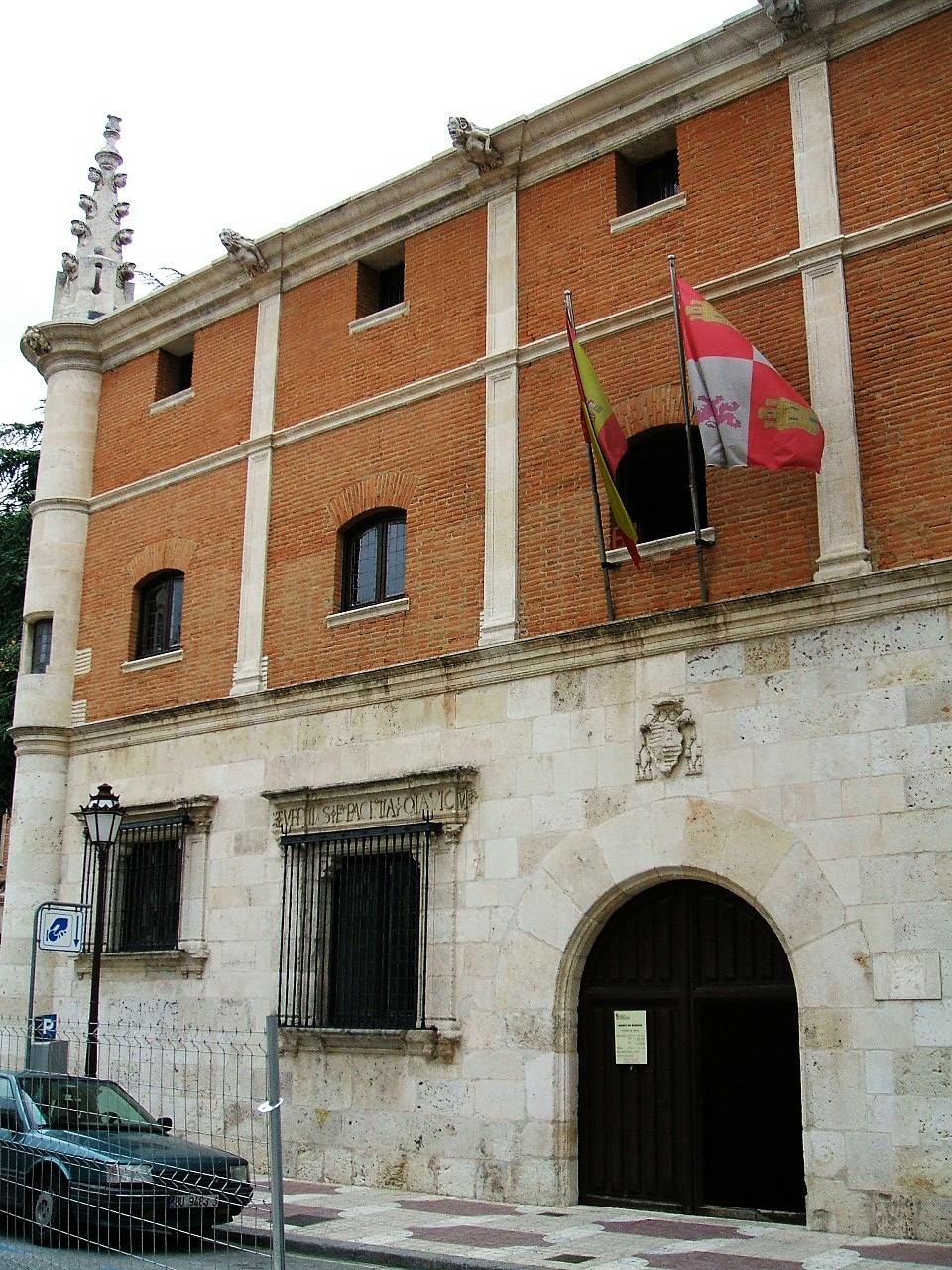
Museo de Burgos
Museo de Burgos is the provincial museum of Burgos, capital of the province of the same name in Castile and León, Spain. It houses archaeological and fine art collections tracing the region's history from prehistory to the modern era, spread across two historic Renaissance palaces in the city's old town. Where is the museum located? The Museo de Burgos occupies two connected buildings, Casa de Miranda and Casa de Angulo, both standing in the historic core of the city just a short walk from Burgos Cathedral and the other main landmarks of the old town. How do you get there? Burgos' city centre is compact and easily explored on foot — from the cathedral or the main square, the museum is only a few minutes' walk away. The city is well connected by train and bus to Madrid and other cities in northern Spain, with both the railway and bus stations within reasonable walking distance of the old town. Visitors arriving by car will find parking options close to the historic centre. What will you see inside? The collection is split between the two buildings. Casa de Miranda houses the archaeology section, displaying finds unearthed across the province of Burgos — tools and remains dating back thousands of years, traces of Roman settlement, and objects from the medieval period. Casa de Angulo holds the fine arts section, with paintings, sculpture, and decorative arts spanning from the Middle Ages to the twentieth century. The buildings themselves, with their ornate courtyards and stone staircases, are worth admiring in their own right as fine examples of Spanish Renaissance palace architecture. When should you visit? The museum can be visited year-round, and its indoor galleries make for a comfortable stop regardless of the weather outside. It pairs naturally with a visit to Burgos Cathedral and a stroll through the old town. Weekdays and the off-season tend to be quieter, with fewer tourists around. A full visit typically takes between one and two hours, depending on your pace and interest in each section. Who is this museum for? The museum appeals to anyone interested in regional history, archaeology, and historical art. It also helps put Burgos itself into context, given the city's long-standing political and cultural importance in Castile. Because the collection is fairly compact, it works best as a complement to a cathedral visit rather than as a full-day attraction on its own. Frequently asked questions Is admission to the Museo de Burgos free? Provincial museums in Spain often offer free or very low-cost admission, but it's worth checking current prices on-site or at the local tourist information office, since policies can change. How long does a visit take? A typical visit takes between one and two hours, depending on whether you explore both buildings in depth or focus on a few highlights. Is the museum accessible for visitors with limited mobility? The historic nature of the buildings means some areas, such as stone staircases, may be challenging for wheelchair users — it's worth asking staff in advance about available accommodations. Are there other attractions nearby worth visiting? Yes — the museum sits close to Burgos Cathedral and the old town, making it easy to combine with further exploration of the city's historic centre.
-
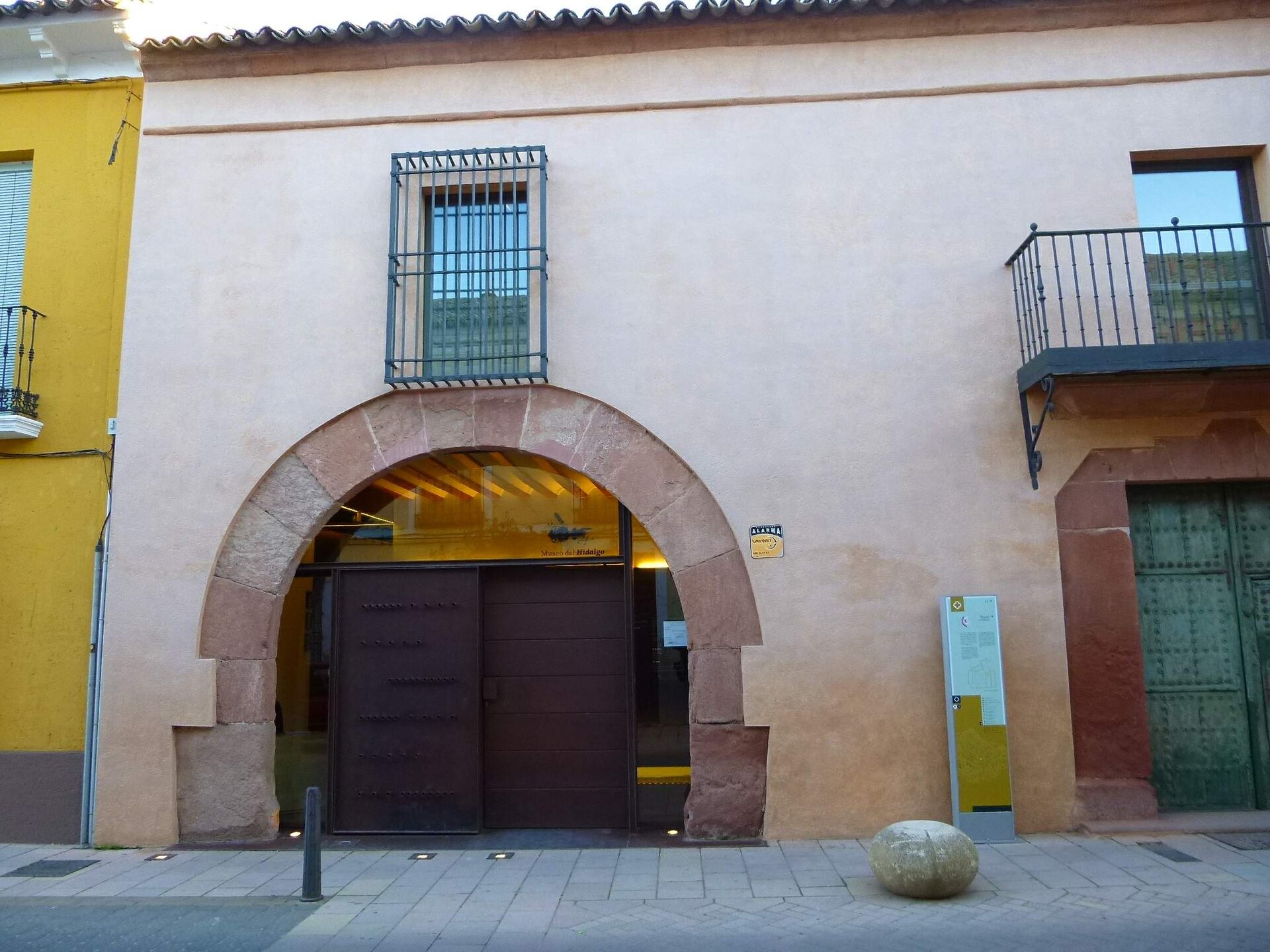
Casa del Hidalgo
Alcázar de San Juan
Casa del Hidalgo is a 16th-century manor house in the heart of Alcázar de San Juan, in the Castilla-La Mancha region, now converted into a museum and interpretation center devoted to the life of the Manchego hidalgo, or country nobleman. What is hiding inside this old house? Standing on Calle del Cautivo, the building was once known as Casa del Rey and served as the residence of the governor of the Royal Gunpowder Factory that used to operate in the town. Since reopening as a museum in March 2011, its rooms have told the story of everyday life for a Spanish hidalgo centuries ago — covering everything from home furnishings and diet to customs, music and preparations for battle. What will you see inside? The exhibition combines original pieces on loan from major Spanish institutions — including the Army Museum, the National Museum of Decorative Arts and the Santa Cruz Museum — with audiovisual and interactive displays. Visitors move through the rooms of the former residence, encountering furniture, clothing and everyday objects that surrounded a Manchego nobleman during the region's golden age. Rather than a conventional gallery of glass cases, the layout recreates a living domestic space: each room is staged with a specific function in mind, such as a bedroom, a dining room, a study or an armory, giving the visit a narrative feel rather than a static one. How do you get to Casa del Hidalgo? The museum sits in the historic center of Alcázar de San Juan, a town in the province of Ciudad Real, right in the middle of Castilla-La Mancha — a region best known for its vineyards, windmills and the literary legacy of Cervantes. The old town is easy to explore on foot, and a visit to Casa del Hidalgo pairs well with a walk past the town's other historic sites, most of which sit within short walking distance of each other. When is the best time to visit? Because the experience is entirely indoors, Casa del Hidalgo makes a good addition to an itinerary at any time of year. Spring and autumn bring milder temperatures across the region, while in the hottest summer months the cool, thick-walled interior of the old manor house offers welcome relief from the heat typical of inland Castilla-La Mancha. Who is this museum for? The exhibition is designed to appeal both to adults interested in the material culture and history of old Spain and to families with children, thanks to hands-on and interactive elements that make the visit engaging rather than purely contemplative. Frequently Asked Questions What was Casa del Hidalgo originally used for? The building was formerly known as Casa del Rey and served as the residence of the governor of the Royal Gunpowder Factory in Alcázar de San Juan. When did the museum open? The museum in its current form opened its doors in March 2011. Where do the exhibits on display come from? Some of the collection is on loan from renowned Spanish institutions, including the Army Museum, the National Museum of Decorative Arts and the Santa Cruz Museum. Are there interactive elements in the museum? Yes — the exhibition is complemented by audiovisual resources and interactive stations that help bring the everyday life of the hidalgo to life.
-
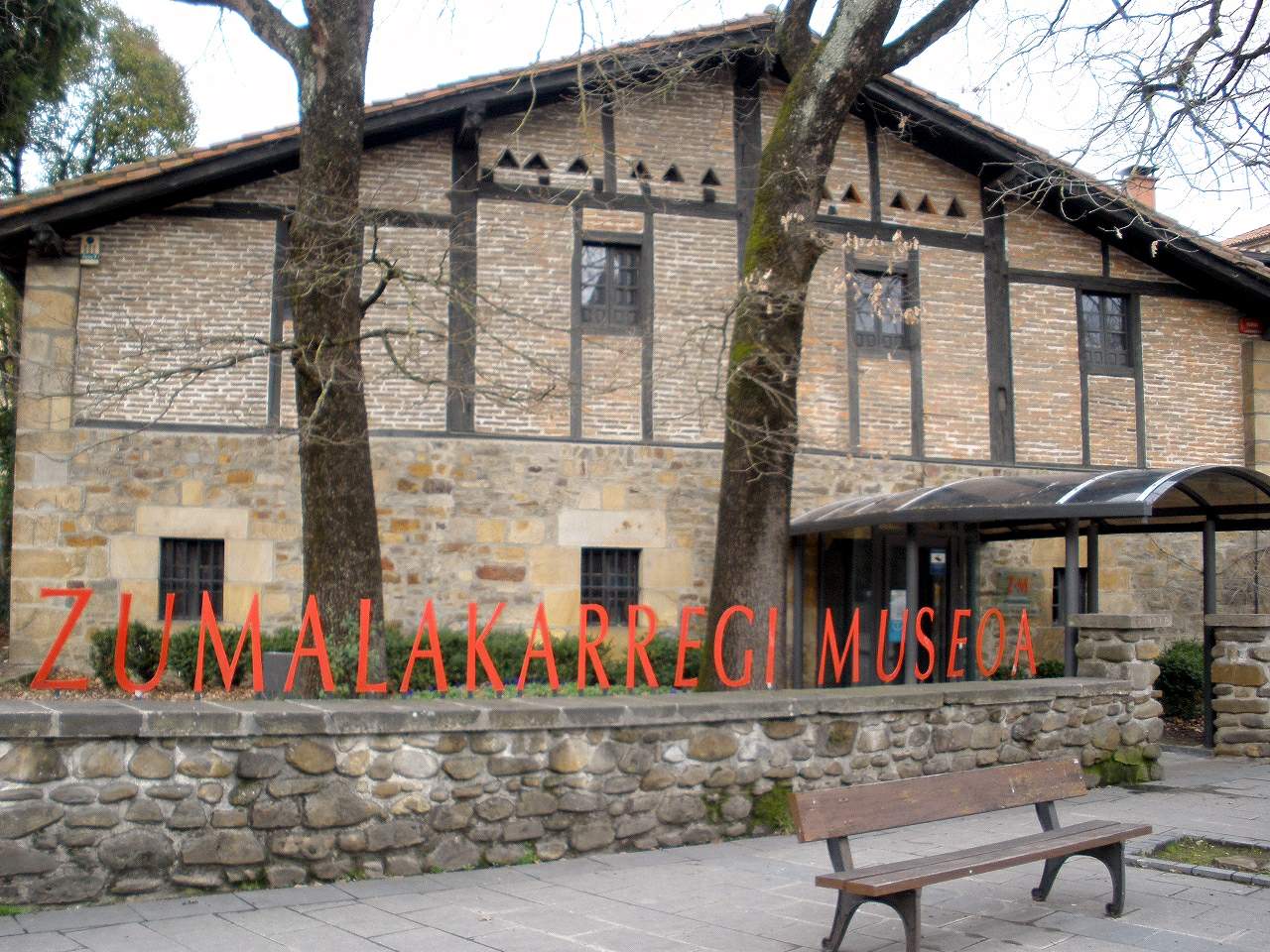
Zumalacárregui Museum
Ormaiztegi
The Zumalakarregi Museum stands out among the cultural attractions of Ormaiztegi, a small town in the province of Gipuzkoa in the Basque Country. It occupies Iriarte Erdikoa, a 17th-century Basque farmhouse (caserío) that was once home to the Zumalacárregui family, and today serves as a gateway into the turbulent 19th century of the Basque Country. What will you see inside? The permanent exhibition tells the story of two Zumalacárregui brothers whose lives took opposite political paths. Tomás became a Carlist general and one of the leading military commanders of the First Carlist War, while his brother Miguel Antonio pursued a career as a liberal politician. Their contrasting biographies serve as a lens for exploring the wider period: the difficult, often violent shift from the Old Regime to liberalism, the impact of the French Revolution on the Iberian Peninsula, and the causes and consequences of the Carlist Wars that split Basque society for decades. The museum holds a substantial research collection — around 4,000 historical documents and more than 3,000 books, alongside iconography and cartography connected to the region and the era. This combination of exhibition space and archive gives the museum a dual role: it welcomes visitors while also serving as a reference point for scholars studying 19th-century Basque history. How do you get there? The museum is located at Muxika egurastokia 6 in Ormaiztegi, a small inland town well away from the coastal tourist routes of San Sebastián or Zarautz. Driving is the most convenient option, since the area connects easily to Gipuzkoa's main roads and the town itself is small enough that parking near the museum is rarely an issue. Travelers without a car can reach Ormaiztegi by train, with the museum only a short walk from the local station. When is the best time to visit? Ormaiztegi has a typical temperate Basque climate with rainfall spread throughout the year, so a visit works well regardless of season since the museum is an entirely indoor attraction. Spring and early autumn bring milder temperatures and fewer crowds than summer, making them a comfortable time to explore the exhibits at a relaxed pace and take advantage of any educational activities the museum offers. Who is this museum for? The exhibition will particularly appeal to visitors interested in 19th-century history, the Carlist Wars, and the formation of modern Basque identity. It also makes a worthwhile stop for travelers exploring Gipuzkoa beyond the coastline, offering historical context for many places and traditions found across the region. Frequently asked questions Where exactly is the Zumalakarregi Museum located? The museum is in Ormaiztegi, in the province of Gipuzkoa, housed in the historic Iriarte Erdikoa farmhouse at Muxika egurastokia 6. What does the permanent exhibition cover? It focuses on the biographies of brothers Tomás and Miguel Antonio Zumalacárregui and on 19th-century Basque history, including the Carlist Wars and the transition from the Old Regime to liberalism. Does the museum have research significance? Yes — its collection includes nearly 4,000 documents and more than 3,000 books, making it an important research center on the Carlist era. What's the best way to reach Ormaiztegi? Driving is most convenient via Gipuzkoa's main roads; alternatively, a train connects to a local station within easy walking distance of the museum.
-
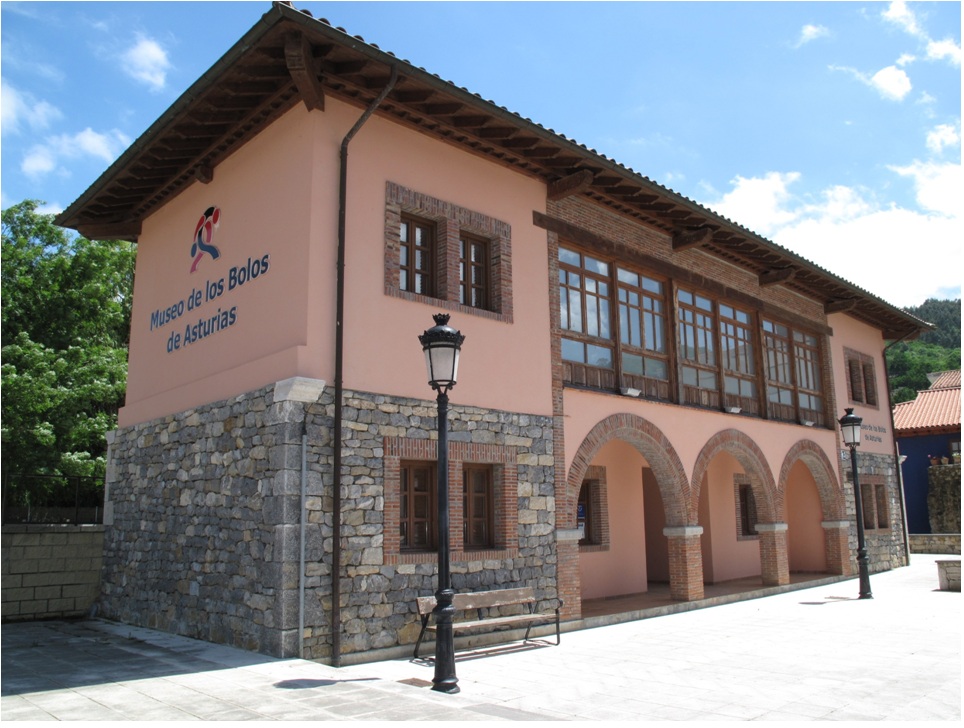
Bowling Museum of Asturias
Panes
The Bowling Museum of Asturias sits in Panes, part of the municipality of Peñamellera Baja in eastern Asturias, Spain. It is the only museum in the country dedicated entirely to bowling, with a particular focus on the traditional regional variant known as bolos asturianos. What will you find inside? The exhibits trace the history of the game and its many regional variants, displaying the tools and equipment used over the decades — old wooden bowls, pins, trophies, and memorabilia tied to local competitions. Information panels explain the rules of the different bolos variants played across Asturias, and the museum also shows how the game became woven into rural community life: a pastime, a social occasion, and a marker of local identity. Why is it located in Panes? The location is no coincidence. Eastern Asturias, and the municipality of Peñamellera Baja in particular, has long been known for a living bowling tradition kept alive through village festivals and local tournaments. The museum opened on 19 April 2003, established through a joint effort by the Peñamellera Baja municipal government, the Principality of Asturias, and a consortium of eastern Asturian municipalities that came together to preserve and document this piece of regional heritage. How do you get there? Panes sits along the main roads connecting the Asturian coast with the Picos de Europa mountain range, making it an easy stop for travelers driving through the region. It is a popular waypoint for visitors heading toward Picos de Europa National Park or the Cares Gorge, so a stop at the museum pairs naturally with a day exploring the surrounding landscapes. When is the best time to visit? Spring and summer are the most convenient seasons for visiting Panes, since they also suit hiking and mountain excursions in the nearby national park. That said, the museum itself is an indoor attraction and can be visited year-round. It's worth checking local event calendars, as traditional bolos tournaments are still held in the region, offering a chance to see the game played live rather than only displayed as exhibits. Who should visit? This museum appeals especially to travelers curious about regional traditions and everyday local culture rather than conventional monuments. For anyone touring eastern Asturias who wants something beyond the standard sights, this small but distinctive museum devoted to one of the region's oldest folk games makes for an interesting detour. Frequently Asked Questions What is bolos asturianos? It is a traditional regional form of bowling practiced in Asturias for generations, with its own rules and local variants that differ from one municipality to another. Who founded the museum? It was established jointly by the Peñamellera Baja municipal government, the Principality of Asturias, and a consortium of eastern Asturian municipalities, opening on 19 April 2003. Are there other attractions nearby? Yes — Panes lies close to the entrance of Picos de Europa National Park and the Cares Gorge, making the area a good base for mountain excursions. Is this the only museum of its kind in Spain? Yes, it is the only museum in the country entirely dedicated to the history and tradition of bowling, with special emphasis on the Asturian variant.
-
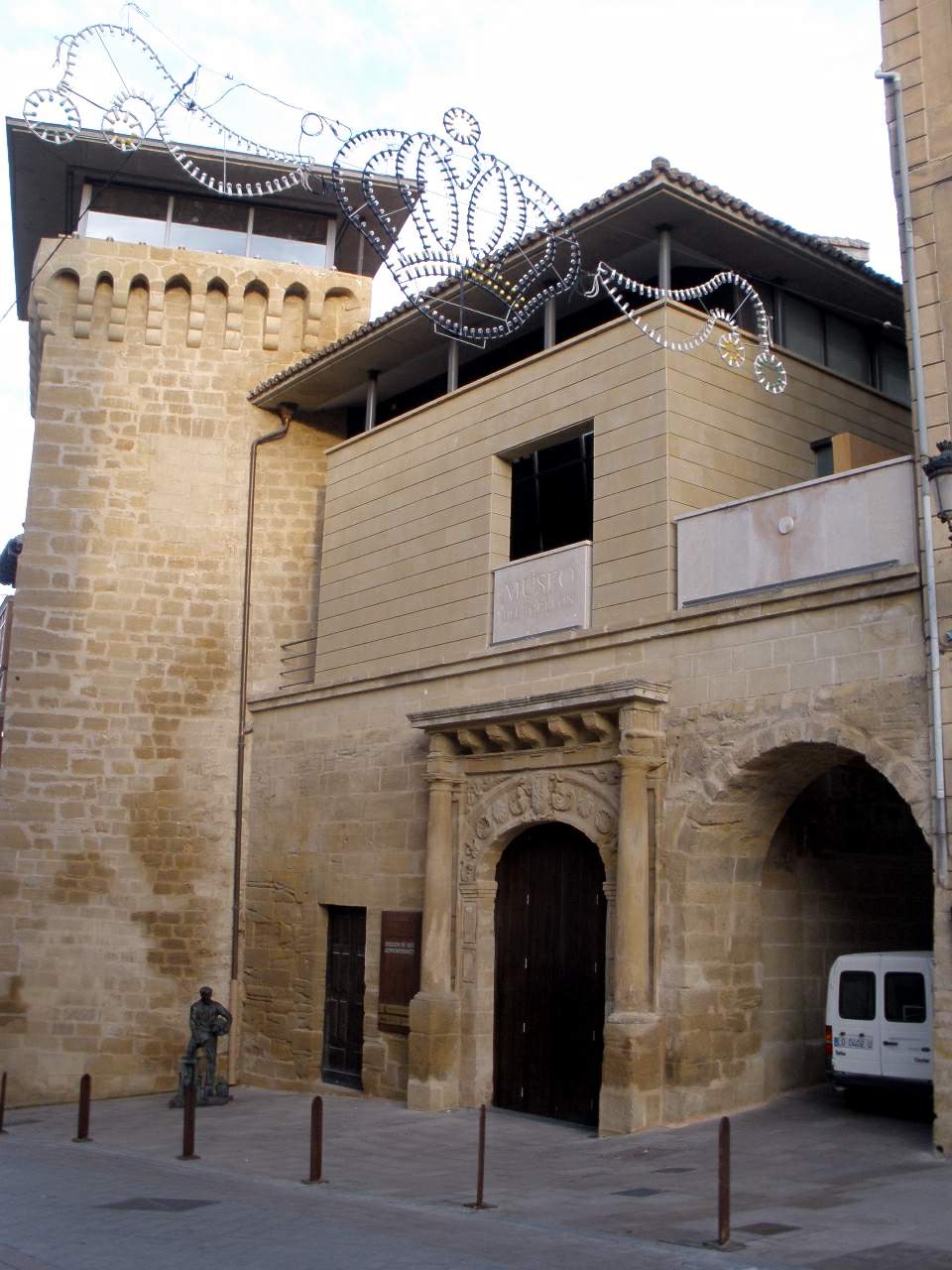
Museo del Torreón, Haro
Haro
Museo del Torreón in Haro is a small contemporary art museum housed in one of the town's oldest structures. The tower, once known as "Torre de los presos" (Prisoners' Tower), was built in the 12th century as part of the defensive walls that protected Haro, a key stop along the historic trade routes of La Rioja. After losing its military purpose in the 15th century, the building passed into private hands and served various roles over the centuries before eventually returning to municipal ownership. How do you get there? Museo del Torreón sits in Haro's historic old town, surrounded by the city's other heritage sites, making it an easy stop on a walking tour of the center. Haro is located in the northern part of La Rioja, close to the border with the Basque Country, and is well connected to the rest of the Rioja wine region. Given the compact layout of the old town, the museum is best reached on foot from Haro's central squares. What will you see? Inside the tower, visitors find a permanent collection of contemporary art by artists connected to La Rioja who have received institutional recognition and awards over their careers. The second floor hosts temporary exhibitions that rotate every two to three months, so each visit can bring a different set of works on display. The tower's architecture itself — thick stone walls, narrow defensive openings and a compact fortified silhouette — is nearly as compelling as the art inside, offering a rare case of medieval fortification repurposed for cultural use. The building underwent a comprehensive restoration, including reconstruction of the adjoining house, carried out by Haro's municipal culture department and completed in 2007. As a result, visitors today can experience a blend of historic defensive structure and modern exhibition space. When should you visit? The museum opens Tuesday through Saturday, with a midday break between morning and afternoon hours; opening times vary by season, with longer hours in summer than in winter. It is closed on Mondays. Admission is free, making it an easy addition to any visit to Haro regardless of budget. It's worth timing a visit to combine it with a walk through the surrounding old town landmarks and, time permitting, a wine tasting at one of the many bodegas in the Rioja region, of which Haro is one of the historic centers. Because the tower is compact, a visit typically takes between thirty minutes and an hour, making it easy to fit into a longer day of sightseeing in town. Frequently Asked Questions Is admission to Museo del Torreón free? Yes, entry to the museum is free of charge. What is the history of the building? The tower was built in the 12th century as part of Haro's defensive walls and was known as the Prisoners' Tower. After losing its military role in the 15th century it passed into private hands, later returning to the town and undergoing a restoration completed in 2007. What can you see inside the museum? A permanent collection of contemporary art by artists from La Rioja, plus temporary exhibitions on the second floor that change every few months. How long does a visit take? Given the tower's small size, visits usually take between 30 and 60 minutes.
-
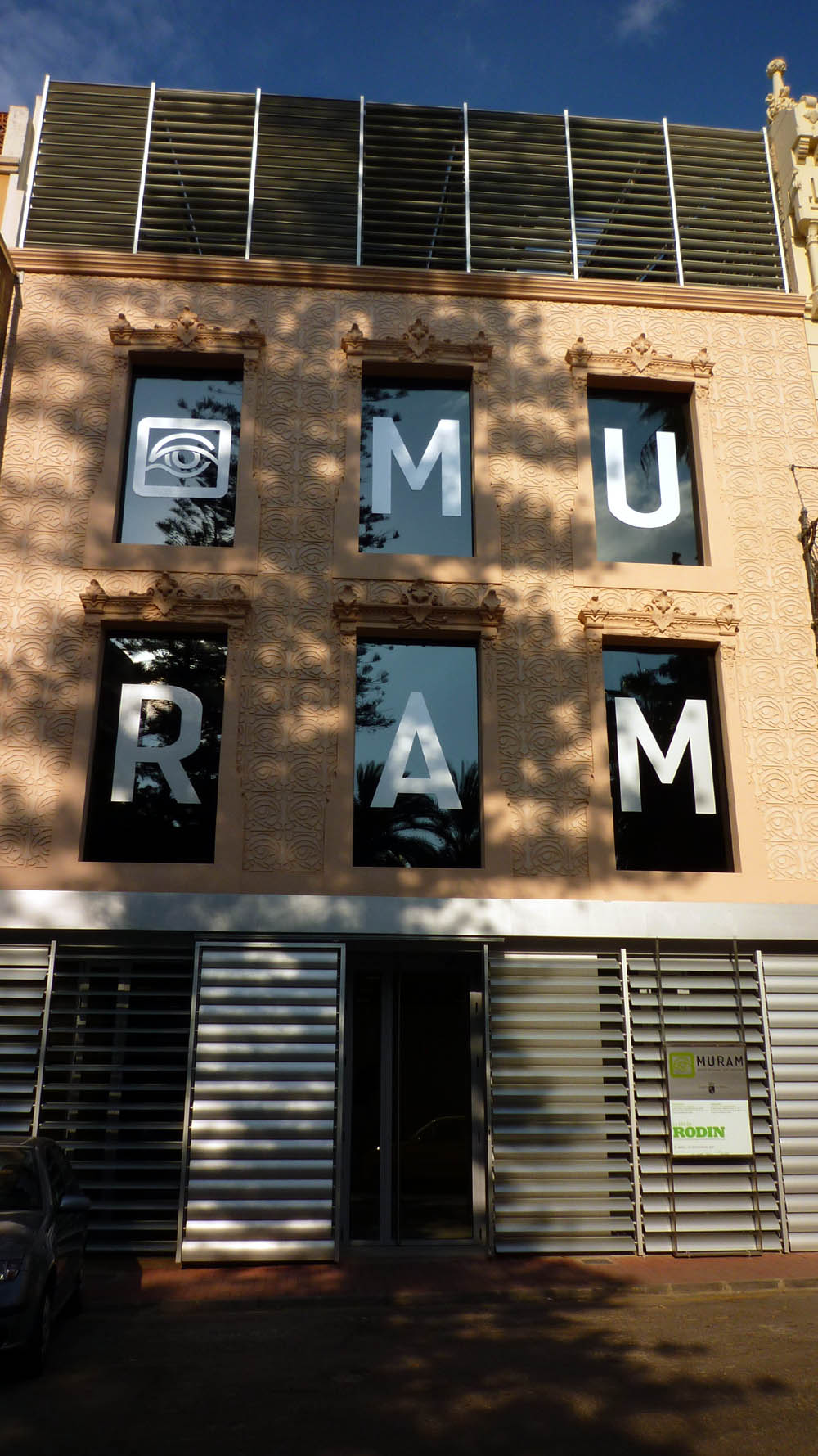
Regional Museum of Modern Art
Kartagena
The Regional Museum of Modern Art (Museo Regional de Arte Moderno de Cartagena, MRAC) is a regional art museum in Cartagena, in Spain's Región de Murcia. It occupies the Palacio Aguirre, one of the city's landmark modernist buildings, and forms part of the Sistema Museístico Regional de Murcia — the network of regional museums run jointly by the Murcia regional government. Where is the museum located? MRAC sits in Cartagena's historic centre, within easy walking distance of the port and the old town's main sights. The city has long drawn visitors for the breadth of its architecture, spanning everything from a Roman theatre to the ornate Art Nouveau townhouses built during the mining boom around 1900. Palacio Aguirre, home to the museum, is considered one of the finest examples of that style in Cartagena — an elaborately decorated facade, wrought-iron and ceramic detailing typical of the period, and interiors that combine their original grandeur with a modern exhibition function. What will you see inside? The museum houses a collection of modern art and hosts temporary exhibitions, so the programme changes over the course of the year and it's worth checking what's currently on before visiting. Alongside the permanent displays, MRAC runs an active educational programme aimed at different audiences, from guided tours to hands-on workshops for children aged 6 to 12, designed with families in mind. For anyone wanting a preview before arriving, or unable to visit in person, the museum also offers a virtual walkthrough of the building. How do you get there? Cartagena is a popular cruise port and a key transport hub for the Murcia region, with good rail and bus links to Murcia city and other towns along the coast. The old town where Palacio Aguirre stands is best explored on foot — most major attractions, including the Roman theatre, Concepción Castle and the harbourfront, are within about fifteen minutes' walk of the museum. When is the best time to visit? Cartagena has a typically Mediterranean climate, with mild winters and hot summers, which makes the museum's cool interiors a welcome midday option when outdoor temperatures peak. Spring and autumn are especially comfortable for pairing a museum visit with walks through the old town and along the waterfront, without the crowds of the height of summer. Who is this museum for? MRAC appeals both to visitors interested in modern art and to those drawn simply to the architecture, since the building itself is as much a part of the experience as the works on display. It also makes a good stop for families thanks to its dedicated children's activities, and for cultural travellers combining the visit with Cartagena's ancient ruins and nearby modernist townhouses. Frequently asked questions Is MRAC a regional or a private museum? It's a regional museum, part of the Sistema Museístico Regional de Murcia, the network of museums managed by the Región de Murcia government. What building houses the museum? The Palacio Aguirre, one of Cartagena's landmark modernist buildings, whose architecture is an attraction in its own right. Can you visit the museum without leaving home? Yes, the museum offers a virtual tour of its interior, available online for anyone planning a visit or wanting to see the building remotely. Does the museum offer activities for children? Yes, MRAC runs educational activities for children aged 6 to 12, along with guided visits adapted for different types of visitors.
-
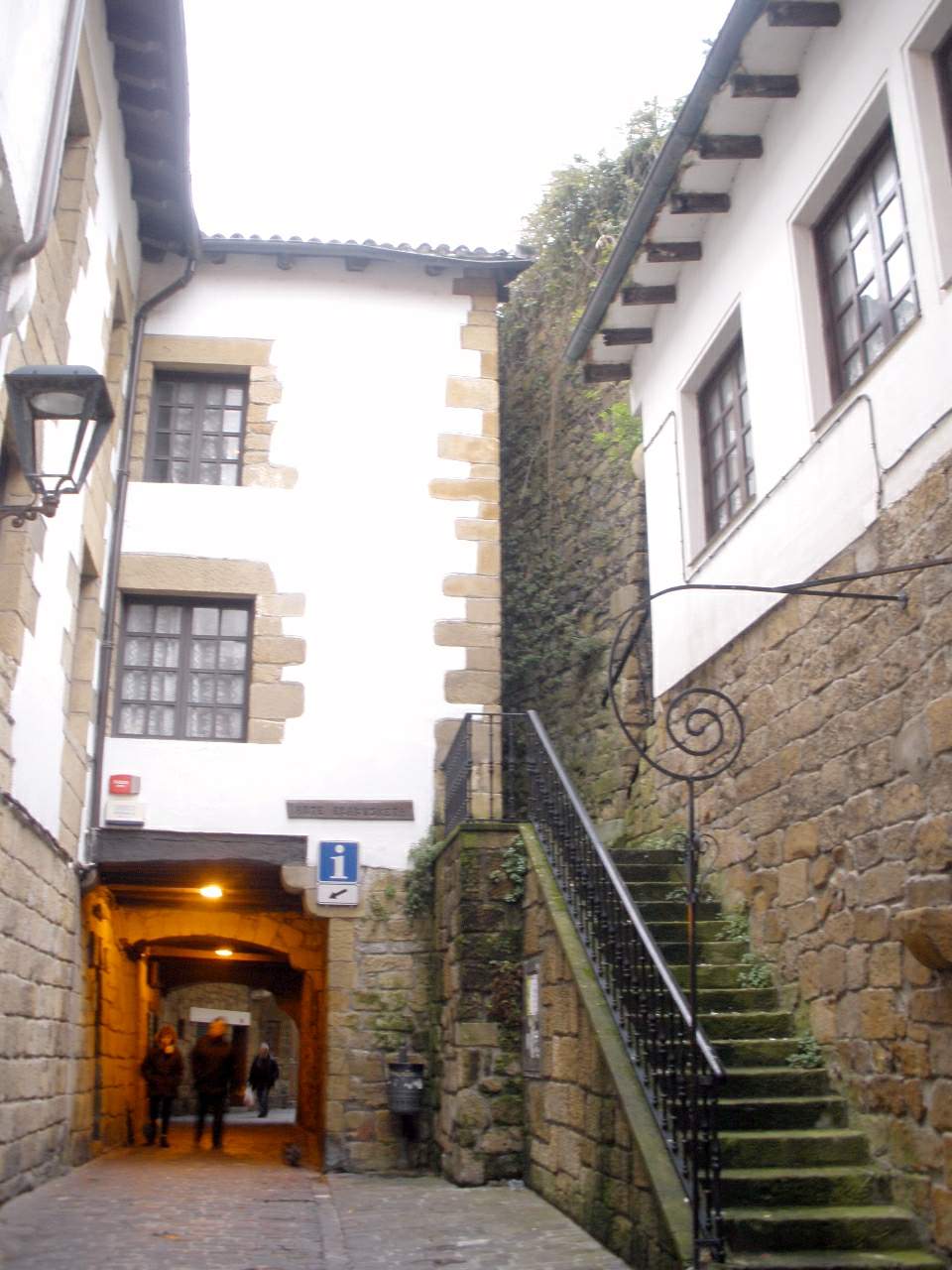
Victor Hugo Etxea
Pasaia
Victor Hugo Etxea is a small museum in Pasai Donibane (Pasajes de San Juan), a district of the Basque town of Pasaia, dedicated to the summer the French writer spent by the bay in 1843. What is this place? The building dates back to the 17th century and stands right on the water, along one of the narrow, colorful lanes that make up the old quarter of Pasai Donibane. It was here that Victor Hugo lodged during the summer of 1843, while traveling through the Pyrenees and the Cantabrian coast. He intended to write a travel book, "En Voyage, Alpes et Pyrénées," but the death of his eldest daughter Léopoldine that September interrupted the project — the book was only published after his death. The house was granted heritage monument status in 1964, and the exhibition dedicated to Hugo has occupied the building since 1902. What will you see inside? The building has three floors, each with a different role. The ground floor houses Pasaia's tourist information office, a good place to check current opening hours and local events. The second floor holds the permanent exhibition "Víctor Hugo, viaje a la memoria," featuring period furniture, prints, first editions of his works, and audio commentary that brings his daily life in Pasaia to life — including details about his eating habits during the stay. The third floor is reserved for temporary exhibitions that rotate through the year, often focused on local history or literary themes tied to the region. How do you get there? Pasai Donibane has no road access for cars — the district sits on a narrow strip of land at the mouth of the bay. The easiest way in is the small passenger ferry ("Motora") that crosses from the neighboring district of Pasai San Pedro, where you can leave a car or arrive by bus from San Sebastián (Donostia), about 8 km away. Walking along the quay of Pasai Donibane, with the channel and fishing boats on one side, is part of the experience — the Victor Hugo house sits right in the middle of that route, so it's hard to miss. Who is this museum for? The house appeals to anyone interested in French literature or 19th-century European history, but also to travelers simply looking for a quiet corner with the atmosphere of an old fishing port. The exhibition is compact — a visit typically takes 30 to 45 minutes — which makes it easy to combine with a longer walk through Pasai Donibane and a meal at one of the waterfront restaurants. It's also a natural stop for anyone following the trail of places associated with Victor Hugo across Europe, alongside his homes in Paris or on Guernsey. Frequently asked questions Is the Victor Hugo house in Pasaia open every day? Opening hours change with the season, so it's worth checking with the tourist office on the ground floor or the Pasaia town council website before visiting, since winter hours can be limited. How long does a visit take? The exhibition itself is small, so a visit usually takes between half an hour and three-quarters of an hour without rushing. Can you drive directly to the museum? No — Pasai Donibane has no road access for cars. You need to leave your vehicle in Pasai San Pedro and cross the channel on the small passenger ferry. Why did Victor Hugo stay in Pasaia specifically? He was traveling through the Pyrenees and the Cantabrian coast at the time, documenting his impressions, and the picturesque bay of Pasaia became one of the stops on that trip — he planned to base a travel book on the journey.
Earn badges for the places you visit
Download NextOnTrip, discover new places and check off your trails.