About this place
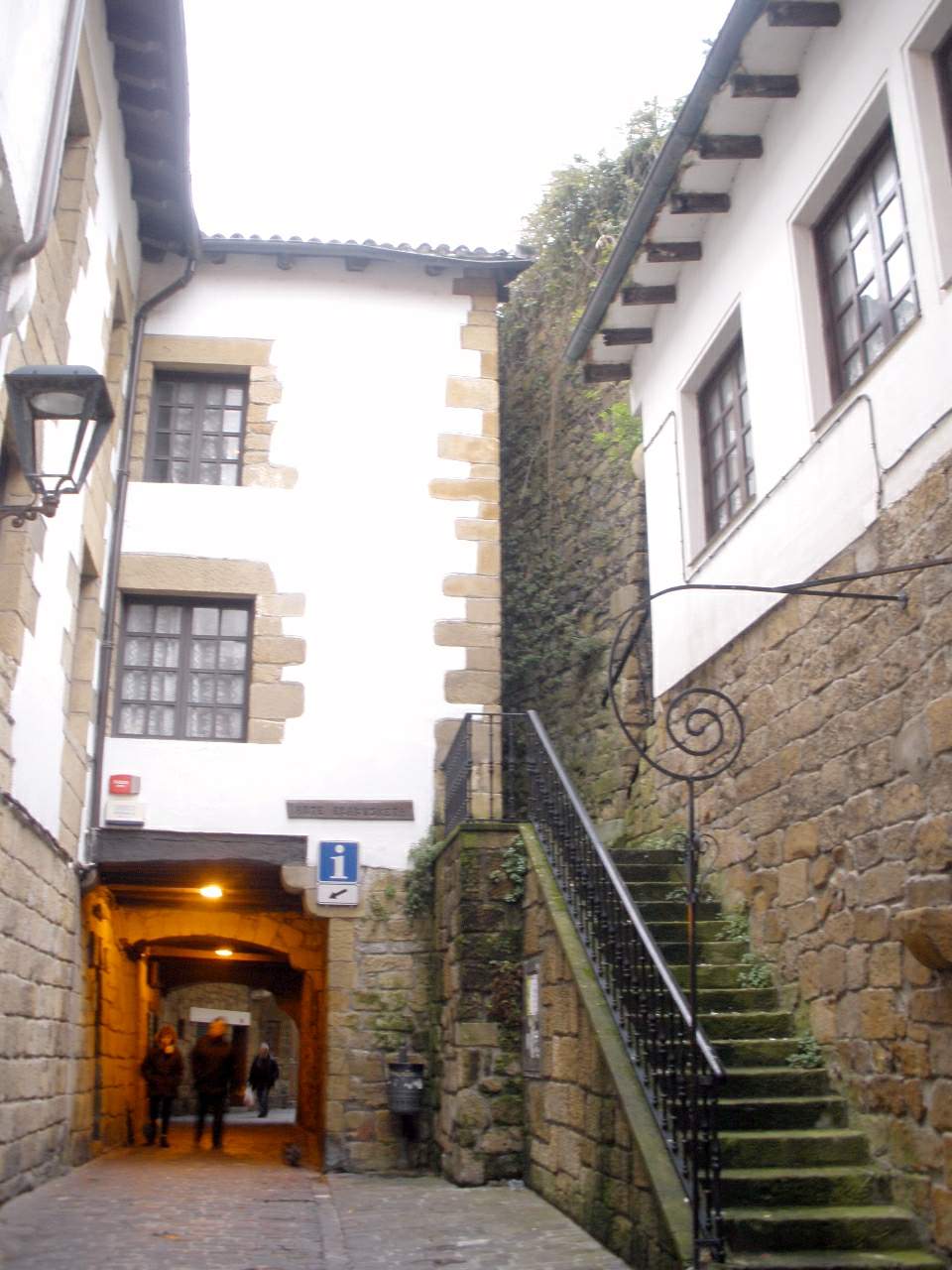
Victor Hugo Etxea is a small museum in Pasai Donibane (Pasajes de San Juan), a district of the Basque town of Pasaia, dedicated to the summer the French writer spent by the bay in 1843.
What is this place?
The building dates back to the 17th century and stands right on the water, along one of the narrow, colorful lanes that make up the old quarter of Pasai Donibane. It was here that Victor Hugo lodged during the summer of 1843, while traveling through the Pyrenees and the Cantabrian coast. He intended to write a travel book, "En Voyage, Alpes et Pyrénées," but the death of his eldest daughter Léopoldine that September interrupted the project — the book was only published after his death. The house was granted heritage monument status in 1964, and the exhibition dedicated to Hugo has occupied the building since 1902.
What will you see inside?
The building has three floors, each with a different role. The ground floor houses Pasaia's tourist information office, a good place to check current opening hours and local events. The second floor holds the permanent exhibition "Víctor Hugo, viaje a la memoria," featuring period furniture, prints, first editions of his works, and audio commentary that brings his daily life in Pasaia to life — including details about his eating habits during the stay. The third floor is reserved for temporary exhibitions that rotate through the year, often focused on local history or literary themes tied to the region.
How do you get there?
Pasai Donibane has no road access for cars — the district sits on a narrow strip of land at the mouth of the bay. The easiest way in is the small passenger ferry ("Motora") that crosses from the neighboring district of Pasai San Pedro, where you can leave a car or arrive by bus from San Sebastián (Donostia), about 8 km away. Walking along the quay of Pasai Donibane, with the channel and fishing boats on one side, is part of the experience — the Victor Hugo house sits right in the middle of that route, so it's hard to miss.
Who is this museum for?
The house appeals to anyone interested in French literature or 19th-century European history, but also to travelers simply looking for a quiet corner with the atmosphere of an old fishing port. The exhibition is compact — a visit typically takes 30 to 45 minutes — which makes it easy to combine with a longer walk through Pasai Donibane and a meal at one of the waterfront restaurants. It's also a natural stop for anyone following the trail of places associated with Victor Hugo across Europe, alongside his homes in Paris or on Guernsey.
Frequently asked questions
Is the Victor Hugo house in Pasaia open every day? Opening hours change with the season, so it's worth checking with the tourist office on the ground floor or the Pasaia town council website before visiting, since winter hours can be limited.
How long does a visit take? The exhibition itself is small, so a visit usually takes between half an hour and three-quarters of an hour without rushing.
Can you drive directly to the museum? No — Pasai Donibane has no road access for cars. You need to leave your vehicle in Pasai San Pedro and cross the channel on the small passenger ferry.
Why did Victor Hugo stay in Pasaia specifically? He was traveling through the Pyrenees and the Cantabrian coast at the time, documenting his impressions, and the picturesque bay of Pasaia became one of the stops on that trip — he planned to base a travel book on the journey.
Nearby places

Earn badges for the places you visit
Download NextOnTrip, discover new places and check off your trails.