About this place
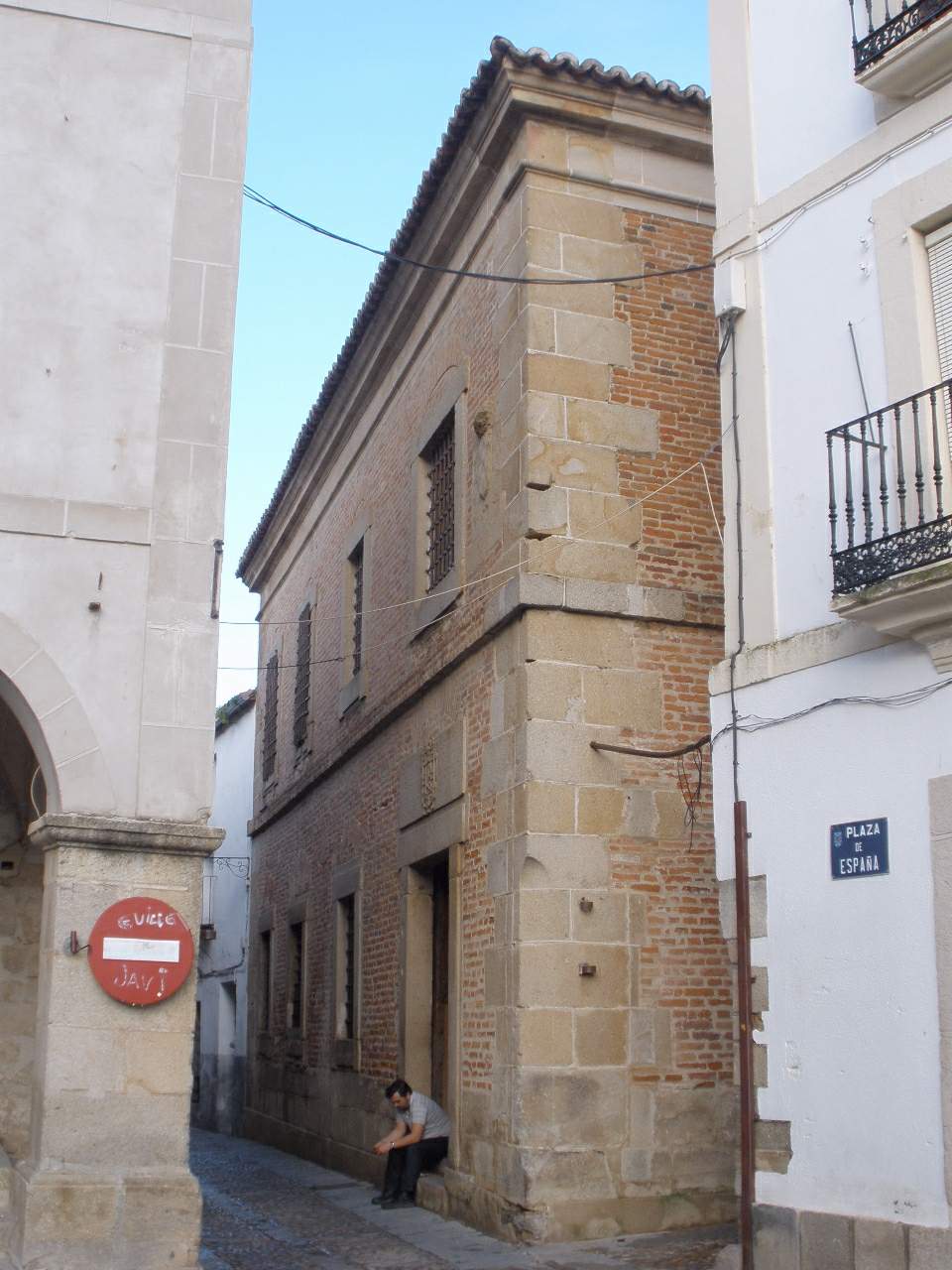
Museo de la Cárcel Real de Coria is a small but content-rich museum housed in a former royal prison in Coria, a walled town in the province of Cáceres, Extremadura. The building was raised in 1686 by architect Alonso Hernández of Garrovillas and served as a civil penitentiary for nearly three centuries, only closing its doors as a working jail in 1981. Eighteen years later, in 1999, it reopened as a museum that pairs the story of the building itself with a substantial archaeological collection from the surrounding region.
How do you get there?
Coria sits in the north-western corner of Extremadura, close to the Portuguese border, and is one of the best-preserved walled towns in the region. The museum stands inside the old town, within the historic walls, so the easiest way to reach it is on foot, following the narrow streets between the cathedral and the remains of the Roman bridge. Visitors arriving by car should park near the walls and continue on foot, since the historic centre is made up of narrow, pedestrian-friendly lanes not really suited to driving.
What will you see inside?
The building itself is the first exhibit — a Baroque-era prison structure from the late 17th century, with its original cell layout and courtyard still giving a clear sense of how the penitentiary once operated. Inside, the collection brings together archaeological finds unearthed within the municipality of Coria: prehistoric tools and objects, Roman-era artefacts, and remnants from the Visigothic period. A separate section is devoted to local ethnography — everyday rural life in the region in past centuries — and to Los Sanjuanes, the traditional bull-running festival that is one of Coria's best-known cultural events, tied to the celebrations of Saint John.
When should you visit, and how long does it take?
The museum is open year-round except on Mondays and a handful of holidays — 1 January, 24 June and 25 December — and afternoon visits are also suspended on public holidays. Morning hours run Tuesday to Sunday, while afternoon hours run Tuesday to Saturday. Given the museum's compact size, a relaxed visit typically takes 45 minutes to an hour, making it an easy stop to slot into a walk around Coria's old town alongside the cathedral and the city walls.
Who is this museum for?
The museum suits visitors with an interest in local history and regional archaeology, as well as anyone curious to see a rare example of a historic prison repurposed as a cultural space. It also works well for families with school-age children — the compact layout and the mix of exhibits, from prehistory to folk traditions, help keep younger visitors engaged without the visit dragging on.
Frequently asked questions
Is there an entrance fee? It is best to check current admission details directly with Coria's local tourist information office before visiting, since policies for small regional museums like this one can change and are set by the town council.
How much time should I set aside? Because the exhibition space is small, 45 minutes to an hour is usually enough, which makes it easy to combine the visit with the rest of a walk around Coria's old town.
Is the museum accessible for visitors with limited mobility? The building is a centuries-old former prison, so expect some of the architectural limitations typical of historic structures — it's worth asking on site about wheelchair access before your visit.
What else is worth seeing nearby? After the museum, it's worth walking to Coria's nearby cathedral, the town's defensive walls, and the Roman bridge — all within easy walking distance inside the historic centre.
Earn badges for the places you visit
Download NextOnTrip, discover new places and check off your trails.